Howdy, folks! Earlier this week, something happened that’s only come around in my writing career a precious few times: I got to see a brand-new exhibit I worked on being enjoyed by the public. Specifically, this was at the Perot Museum of Nature and Science, and the new exhibit is Soccer: More Than a Game.

This is, without a doubt, the most complex and in-depth exhibit I’ve ever worked on for the Perot. I started on it several months back. Normally, I write all the copy for something like this at once, but Soccer: More Than a Game was large enough that it had to be split into three parts, each corresponding to one of the sections I’ll outline below.
Before I get started on this, however, let me give a Texas-sized shout-out to the team at the Perot that I worked with to bring this exhibit from imagination to reality. Color me stunned at just how well the concept art and ideas translated to real life.
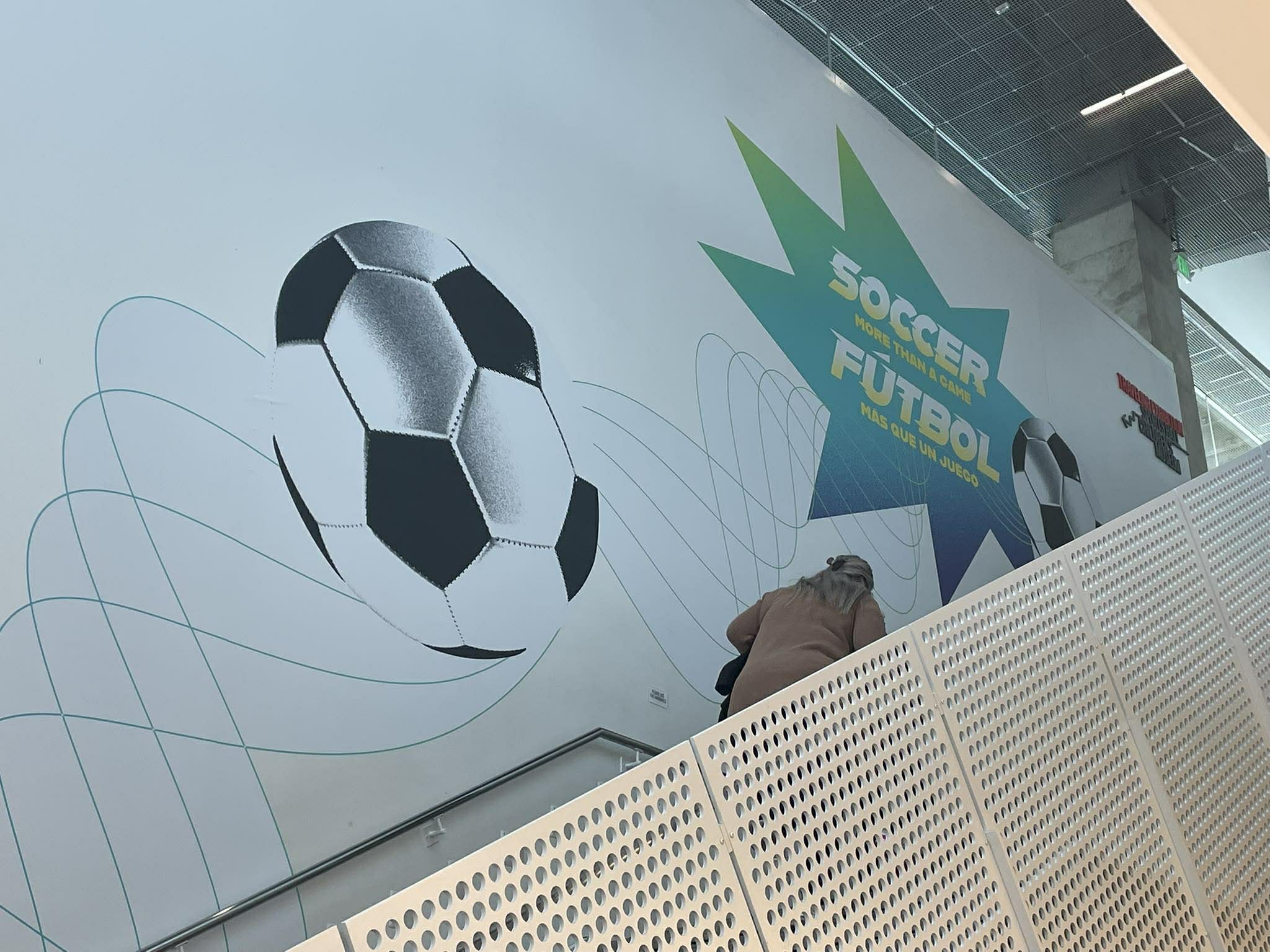
I also want to say that photos don’t do this exhibit justice. The interactivity, the wonderful bursts of color, and all the minute touches that go through this whole experience are all incredible. If you are in the DFW area, I would highly recommend giving the Perot Museum a visit for this and many other cool exhibits.
Impact of the Game
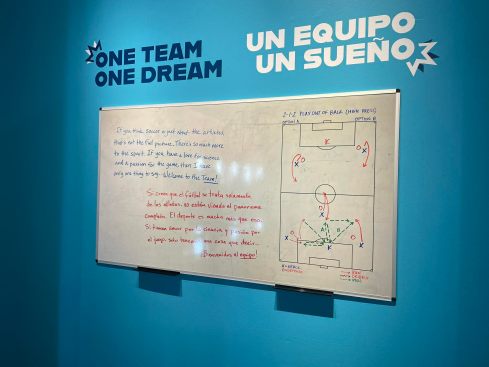
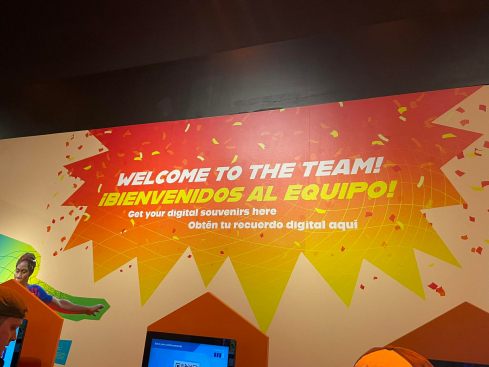
Once you have your special RFID wristband, you’ll first get your profile together in the locker room. The majority of characters you see listed here above the lockers are ones that I named and even came up with some lore for them. If you get a chance, each locker in this area has a lot of little touches, like a movie set. It’s wonderful.
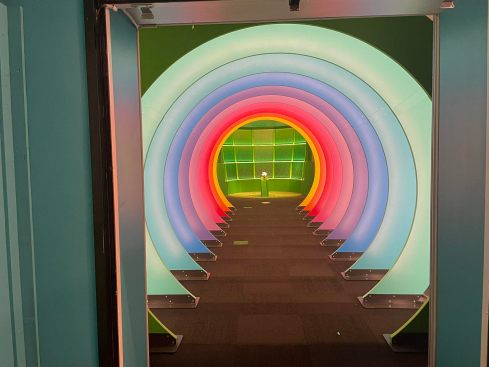
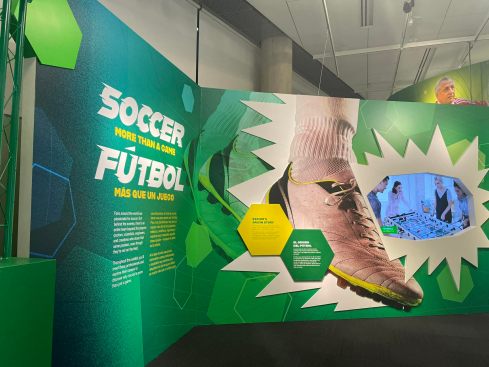

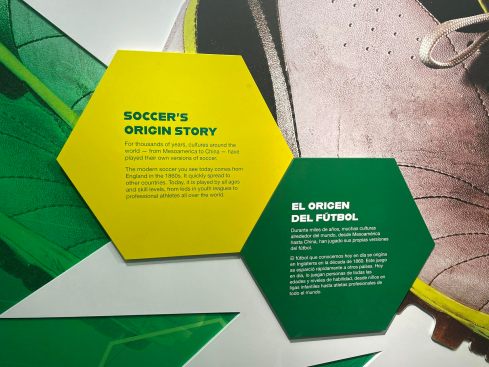
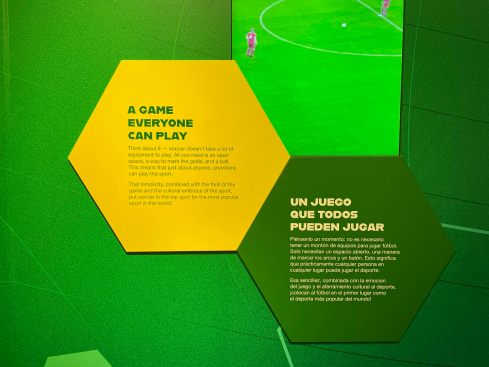
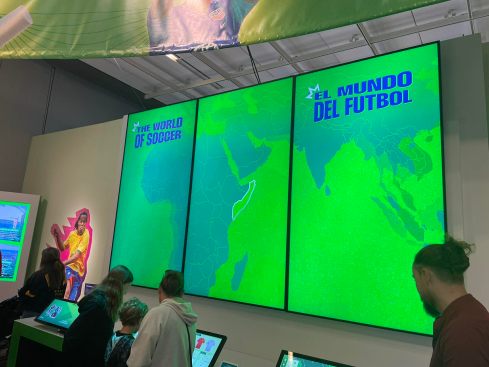
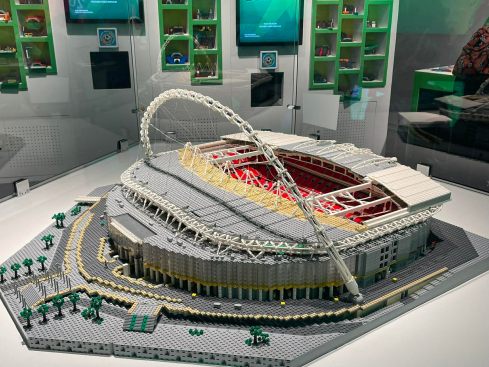
Once you head down the multicolored tunnel, you’ll find yourself in the Impact of the Game section. From there, you design a stadium out of LEGO bricks, build a mascot or a jersey, and look at a world map that allows you to pick a country and see their soccer jerseys, just to name a few.
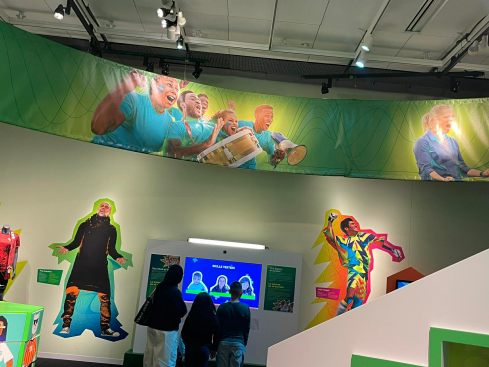
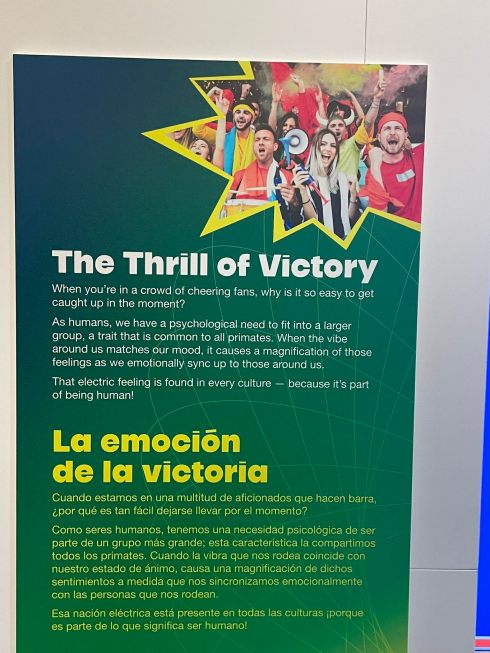
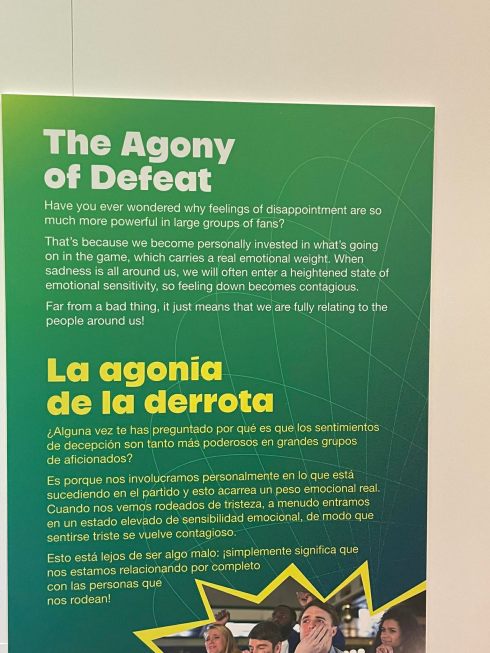
There are freestanding displays here and there that scroll various facts about soccer, the careers that are involved, and some of the reasons that soccer is the world’s most popular sport.
C.L.E.A.T.S
In the next section, you’ll find the Coaching Lab for Excellence in Athletics, Technology and Science, or C.L.E.A.T.S. Here, you’ll find several stations that cover quizzes for different soccer balls, past and present, as well as some questions about various types of the eponymous cleats.
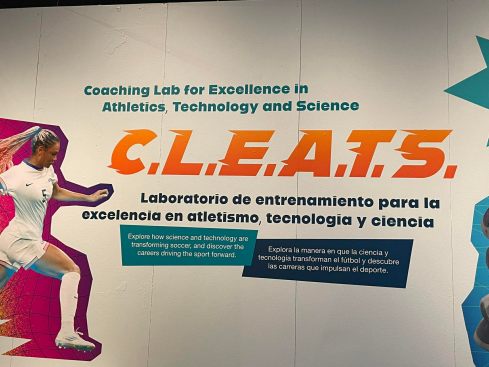
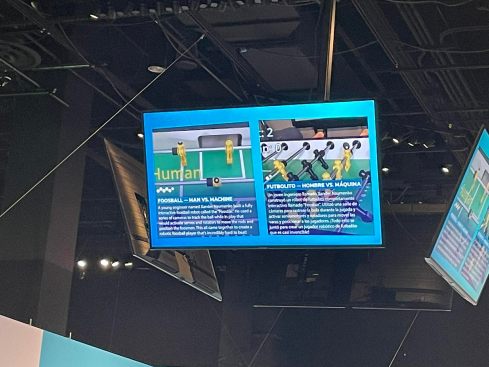
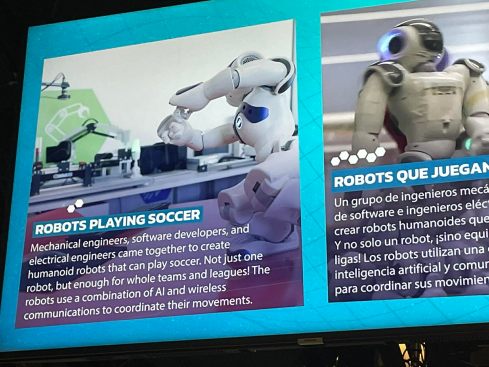
There are virtual movement interactive exhibits, photo opportunities, and many more informational displays. One exhibit that I found particularly compelling was the Make the Call station, where you can take the role of a referee and use various camera angles and playback options of a soccer field to call penalties correctly.
The Academy
Beyond C.L.E.A.T.S, you’ll get to The Academy, and this area made my little writer’s heart glow like an ember. There were long lines to several of the bigger interactive exhibits. I left and came back a little while later, and the lines were even longer than before.
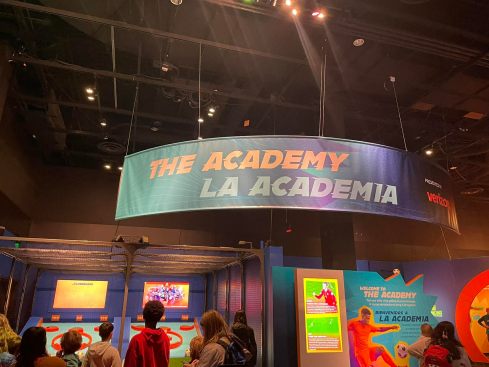
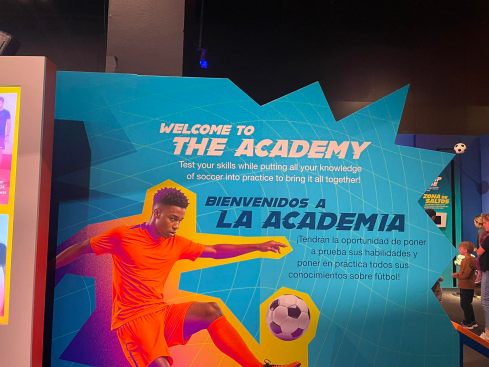
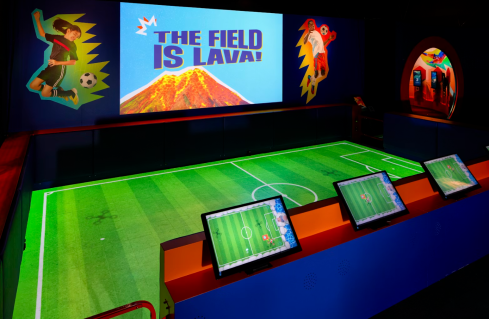
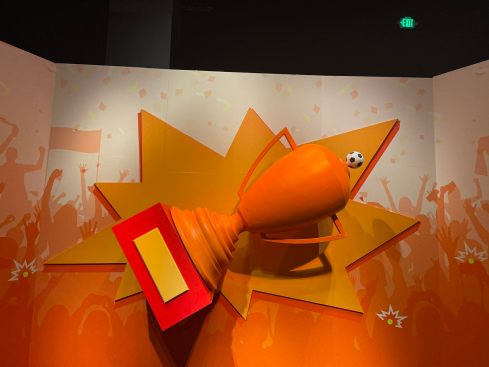
This section is where you get a number of interactive games, including a medical care/repair station, an oversized skee-ball court, a robokeeper, the floor is lava, and other activities that are all super fun. The kids are going to love it.
Bonus Round: Minerals of the World Cup
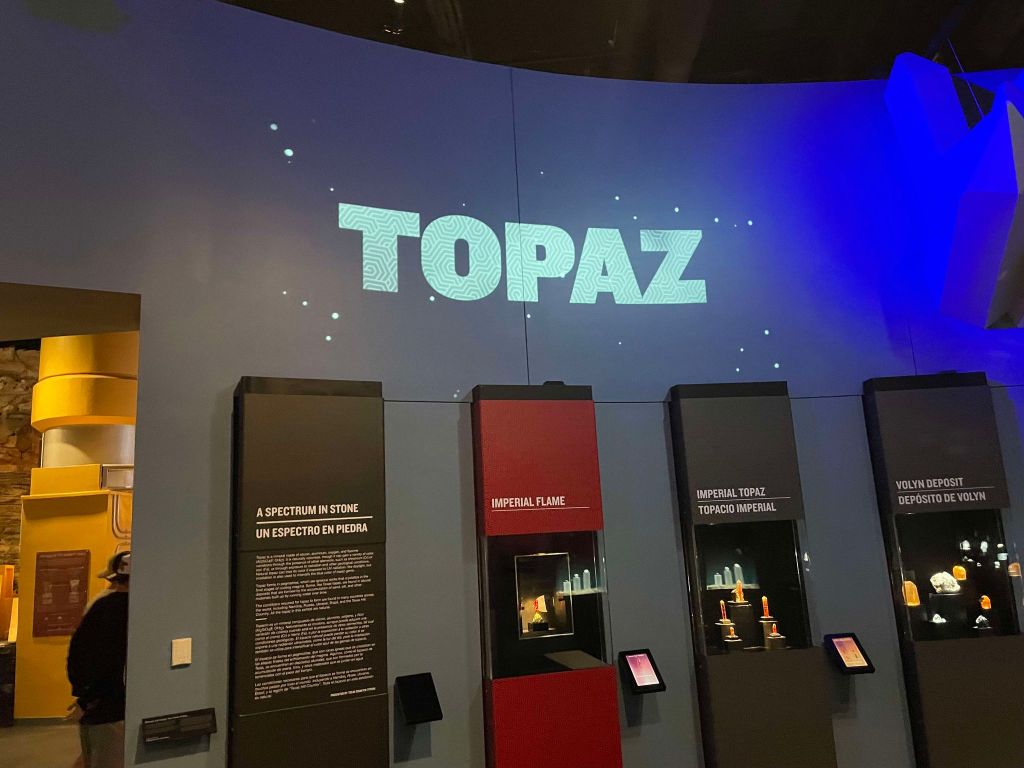
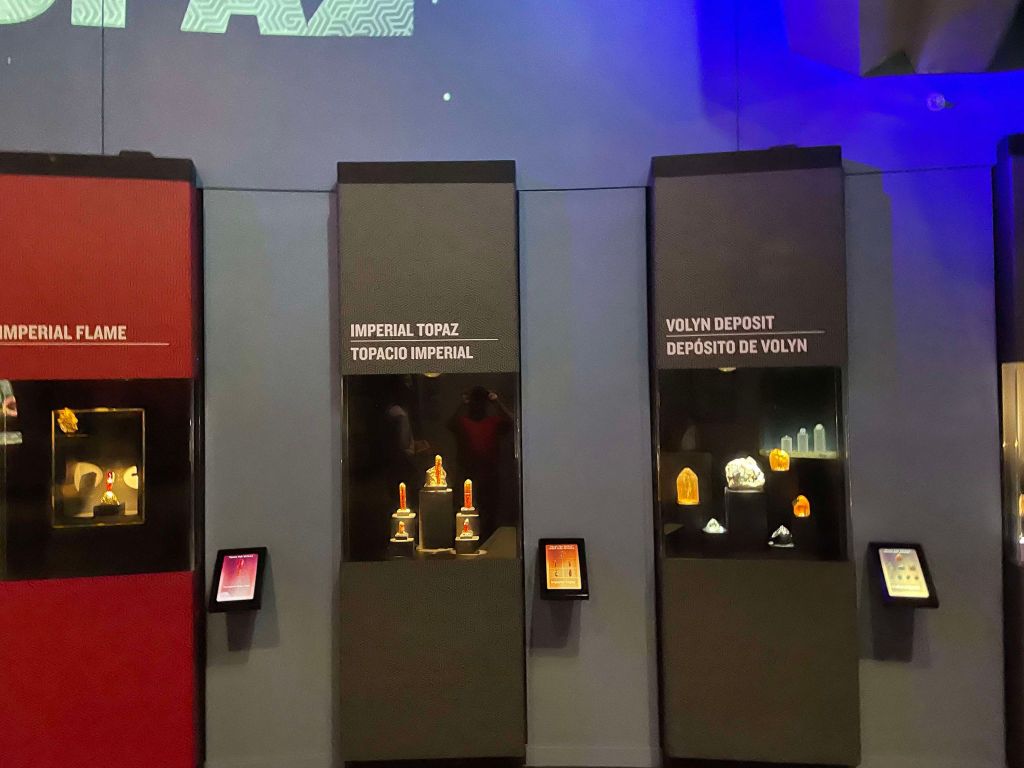
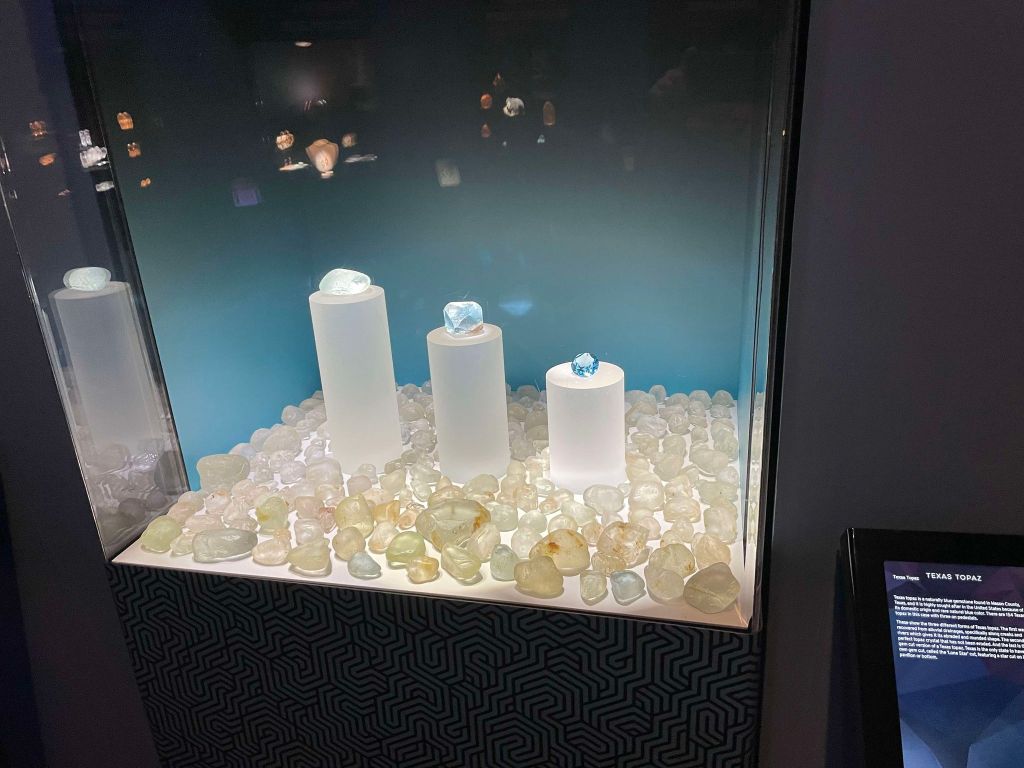
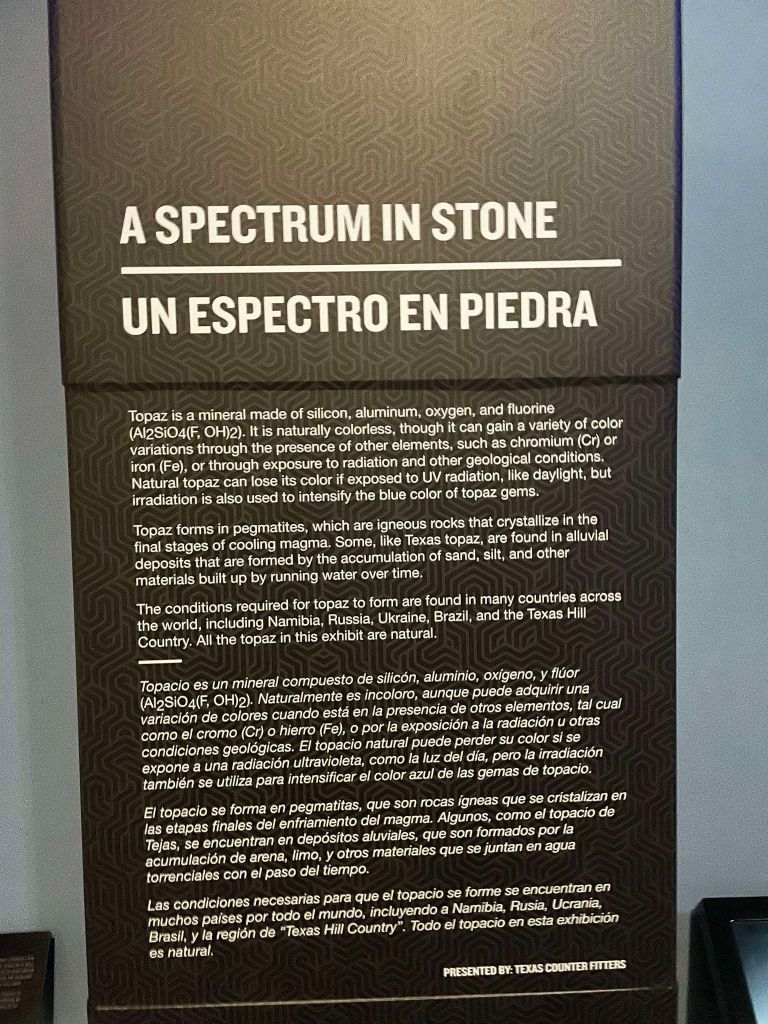
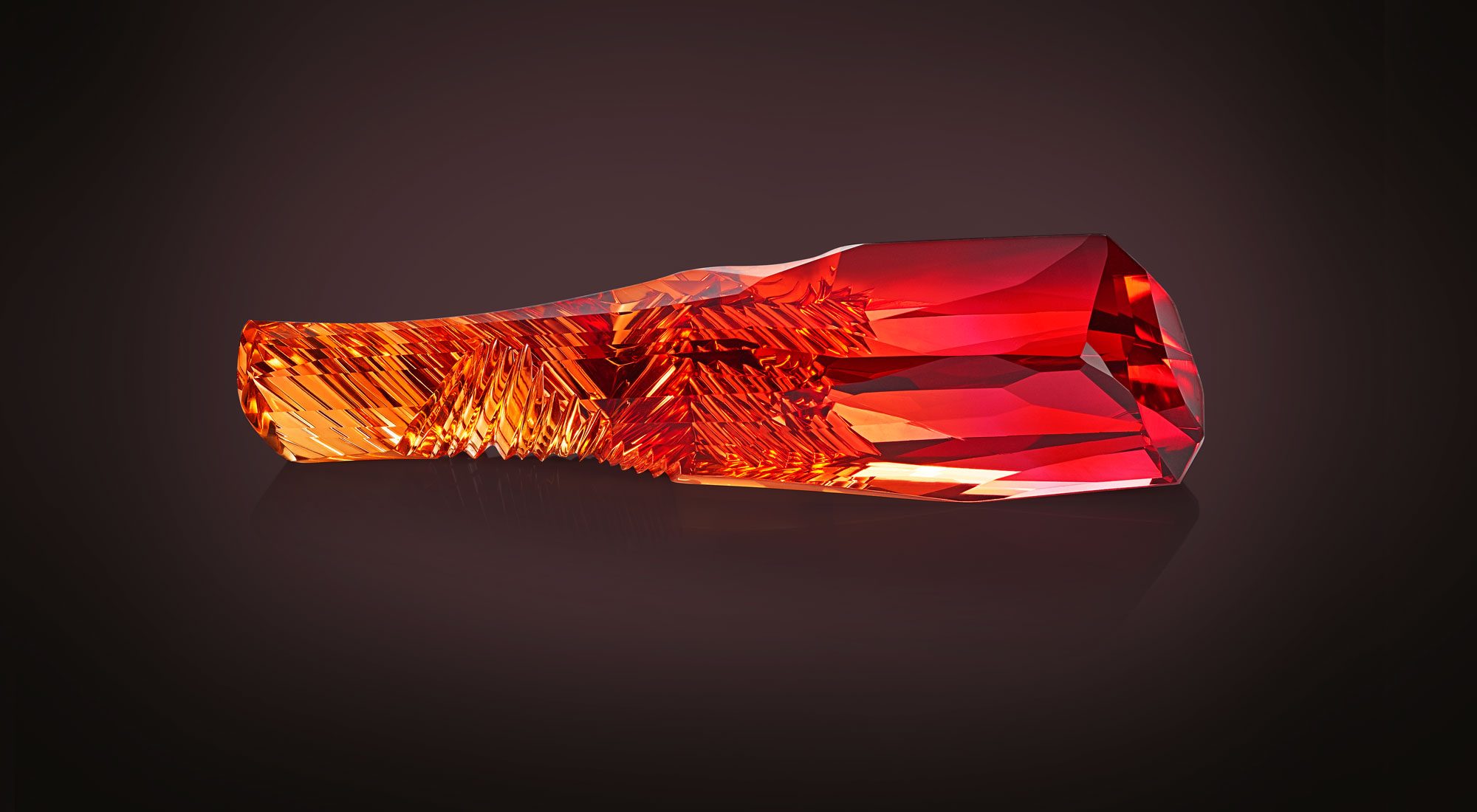
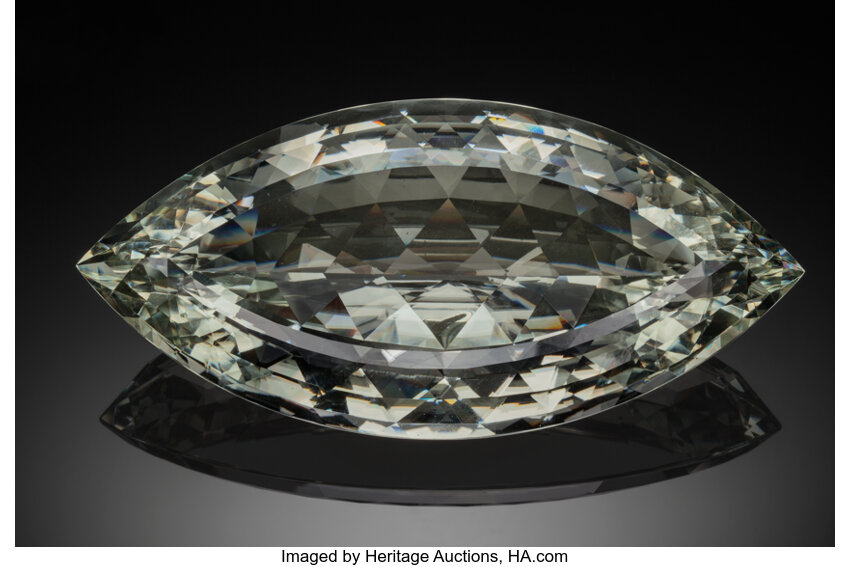
As a tie-in, I also helped to modify the previous topaz exhibit in the gem and mineral hall on the third floor. In this one, you’ll see some of the dazzling mineral diversity of a number of countries competing in the World Cup. This also includes the host countries of Canada, Mexico, and the United States.
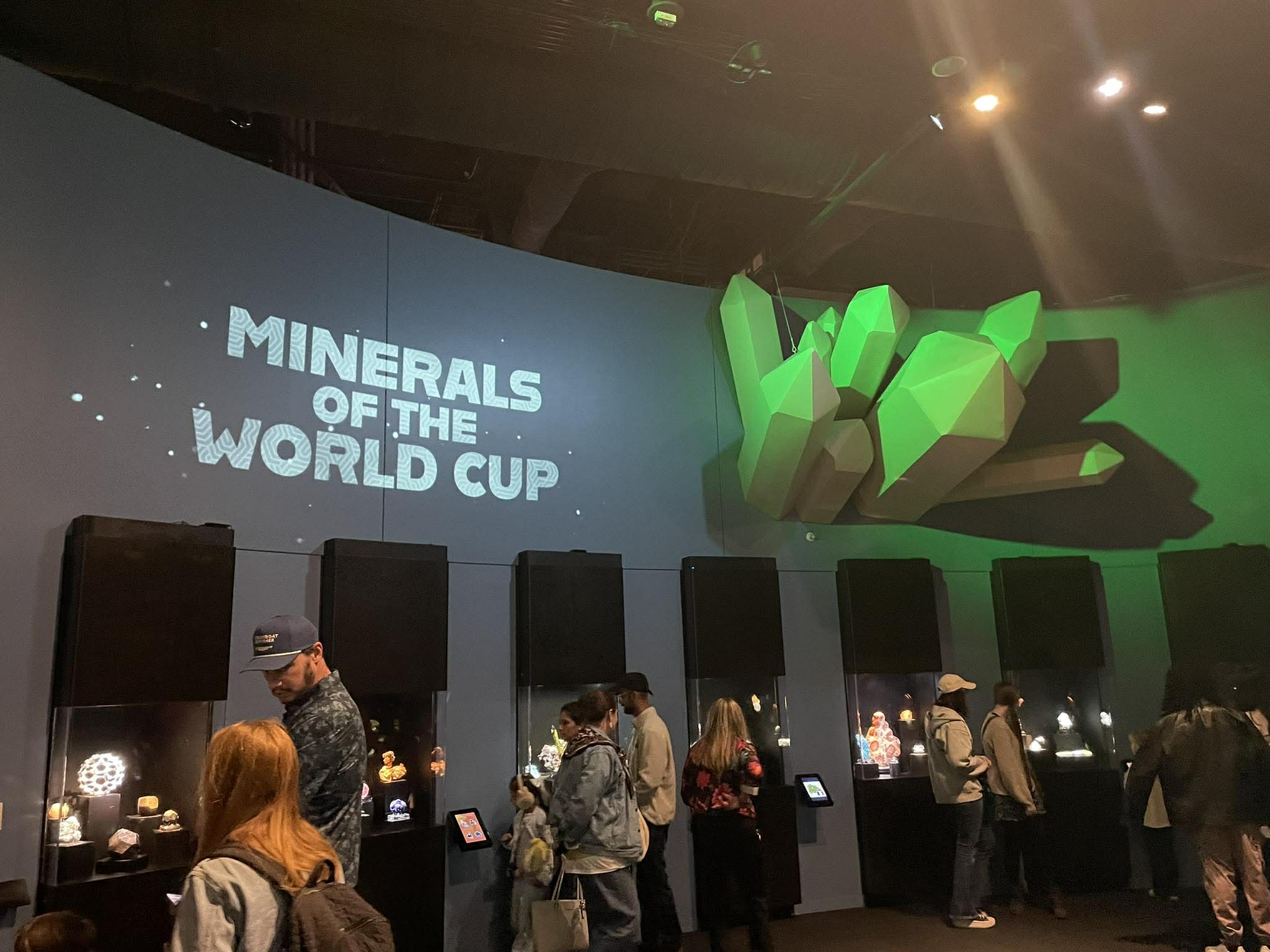
On a side note, I am always surprised when I see the vibrance and intensity of the colors on display in these gem and mineral exhibits. It really is a testament to just how beautiful, varied, and sublime our planet is when we stop to look. Stopping to smell the roses is great and all, but stopping to admire the fluorite can be even better.
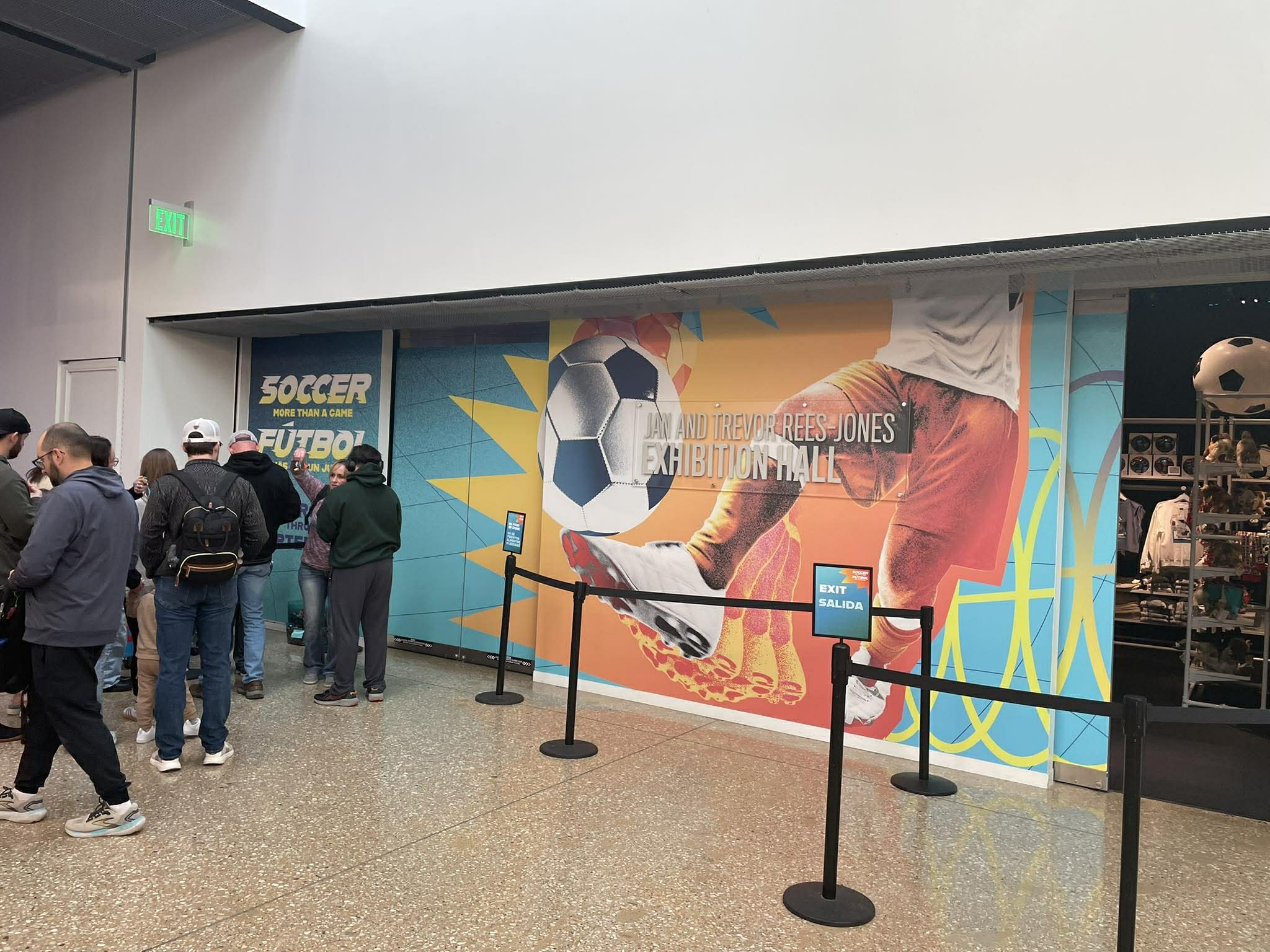
In closing, Soccer: More Than a Game and Minerals of the World Cup were super fun to work on and see come to life. Once again, my thanks to the Perot team for including me in the fun. Here’s to many more projects like this one in the future!
But seriously, folks, if you’re in the DFW area, definitely check this out. You’ll be glad you did.
Thanks for reading!
__________________________________________________
Do me a favor, okay? Subscribe to my newsletter for more news, updates, and information on Sector M’s current and upcoming projects!




 The Sector M