State of the Sector Address: 2024

My Fellow Sectorians,

It’s time to look back at the year of 2023 as well as look ahead to 2024. Right up front, I have to admit that 2023 was a creatively challenging year for me. There’s really no two ways about it — my day job started to infringe on my creative space in a big way for most of the early year.

I’m normally pretty good at keeping the two separate, but this time my work/life balance collapsed in its entirety. This continually compounded on itself,  putting me further and further behind on my goals.

I look back at the State of the Sector Address for 2023 and just sorta sigh. When you’re a creative, not every year is going to go your way, and 2023 went way off the rails. (And definitely not in a cool, Ozzy, Crazy Trains kind of way.)

So, while certain parts of this address will be a bit of a downer, I’ve tried to look at 2023 as an off-season, a year of preparation to put me into a better place for 2024. With that in mind, let’s take a look at how 2023 went for Sector M.

The Good News

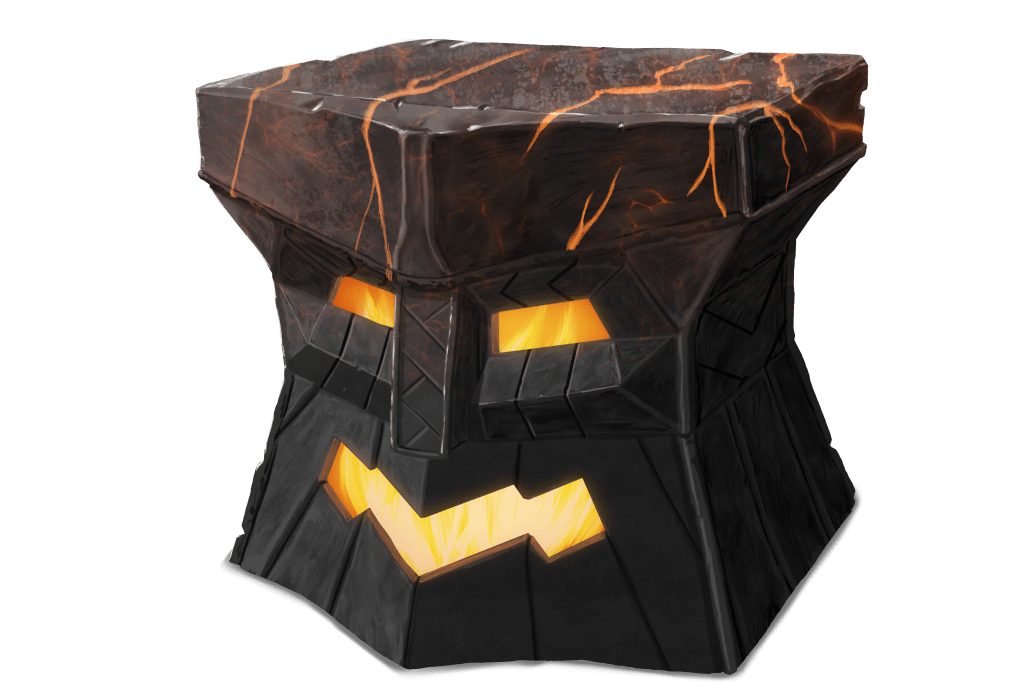
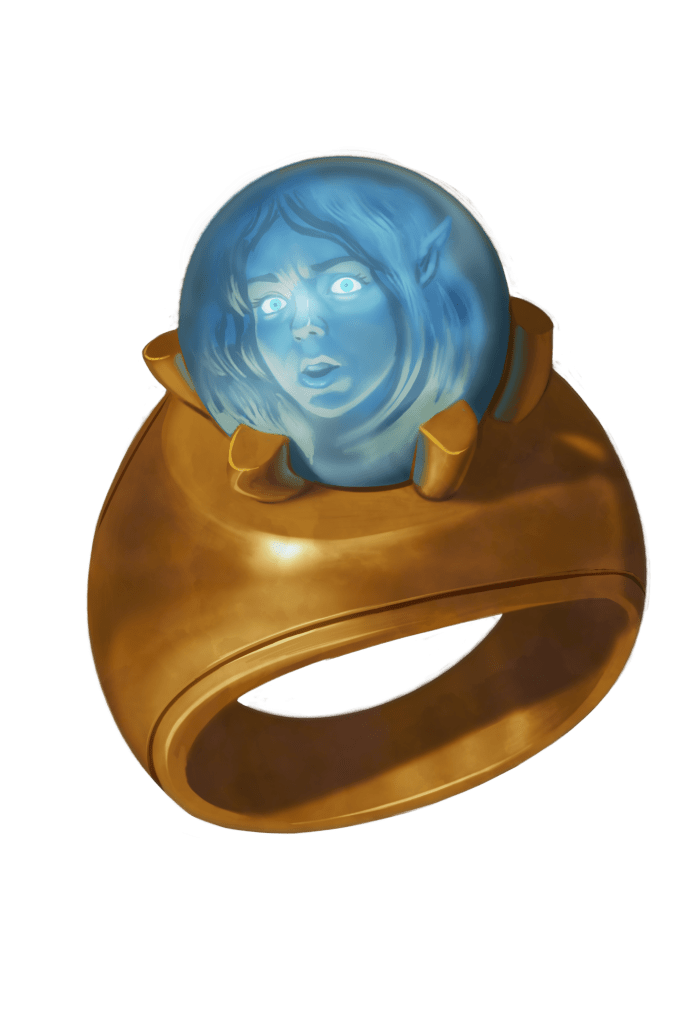
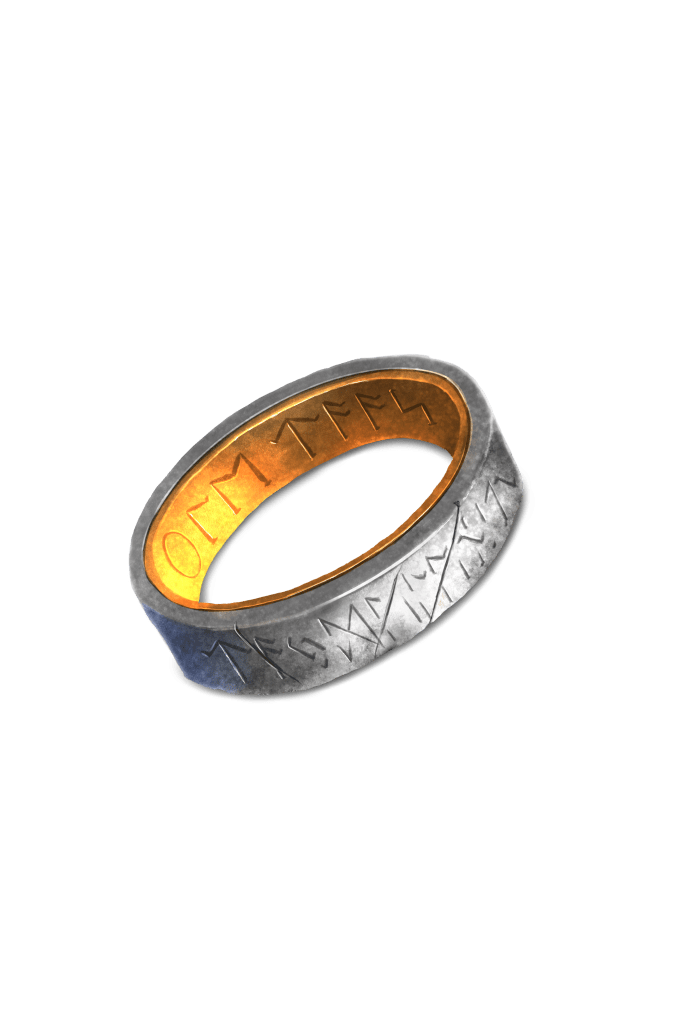
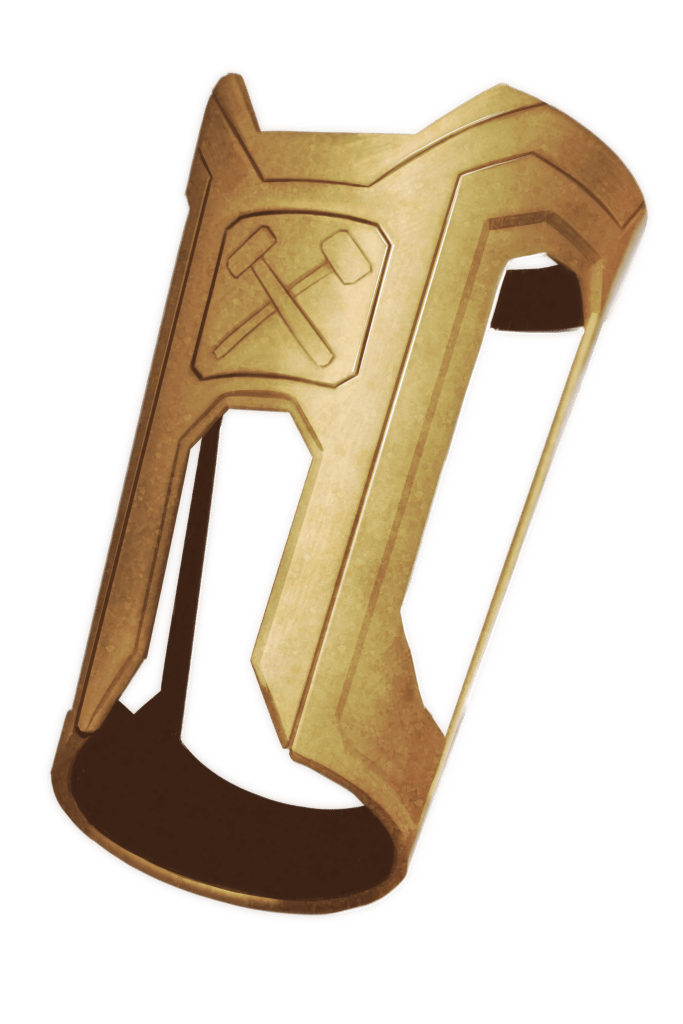
The Artificer’s Guide to Magic Items: In a year with so many misses for me, this one landed, and is so much better than I could have hoped. I wrote about it in more detail here. While it took a bit to find a team that was capable and willing to take on a project like this, when it came together, boy howdy. I give full props to Gabby (the editor), Natalia (the designer), and Miguel (the artist). Each one of them brought their A-game and elevated the project above and beyond what I thought it could be. At the time of this writing, I am waiting for the final proof from the printer. If all is well when I get it, we’ll be ready to launch. UPDATE: The book is now available here. Enjoy!

Sector M Games: There is a new section to the Sector M website aptly titled “Sector M Games.” It has a listing for the Artificer’s Guide there now. As I add more game projects and titles, this will be the place to find them. I also created a dedicated Twitter/X handle: @TheSectorMGames. If you’re still on Twitter/X, please go give it a follow.

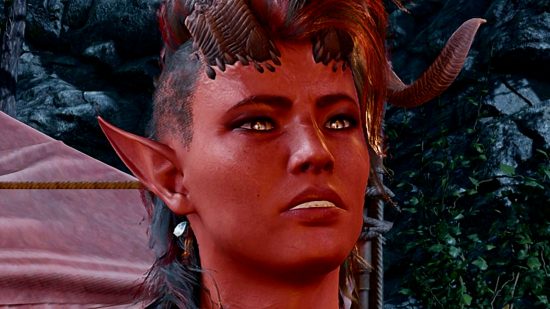
Baldur’s Gate 3: So, by June/July of 2023, I was starting to recover from months of stress and burnout, making slow progress back towards the light. Then I found Baldur’s Gate III, starting in early August, which I detailed here. While it’s true that I suddenly wanted to spend all hours saving the world next to Karlach, Shadowheart, and Minthara, it did actually help reignite some much-needed creative energies. For me, playing a game like that is almost meditative, acting like a freestyle association exercise for the mind in contemplating the genre it occupies.

Besides that, being able to immerse yourself in a world with so many well-developed characters, each with incredible dialogue, is a good way to jump-start your muse. Even though I’ve had multiple playthroughs at this point, my second one (an evil one), still lives rent-free in my head with its implications and repercussions. While BG3 didn’t necessarily help me reach my word-count goals, it did put me on a better trajectory once I was able to return to writing. And you know, I’ll take that as a win.

Blog Delivery: In spite of everything that happened, I was able to keep my blog schedule, give or take a day or two here and there. Twelve blogs promised, and twelve blogs delivered. It’s my intent to keep going with the one-a-month schedule. See below.

A New Fiction Project: Last year I said that I was pivoting away from science fiction for the foreseeable future to focus on fantasy. While that’s certainly true for the books I’m shopping around to agents, just when one story stopped talking to me (see the next section), another started forming at the edges of my mind. Considering I spent much of spring and summer rewatching all seven seasons of Star Trek: The Next Generation, it’s no wonder that the science fiction part of my brain couldn’t help but be reactivated.

So, I’m back to the universe I’ve been developing for years now, this time with a new approach, new characters, new environs, and a seemingly impossible challenge that the protagonist will need to overcome. I’m about 9,000 words into it at the moment. It (probably) won’t be a full novel length, but right now I’m shooting for around 50,000–60,000 words, putting more in line with a novella. I am tentatively hoping to finish it around April/May of this year.

The Not-So-Great News

Cyberpunk Novel on Pause: When things became unbearable at work, I had to put down Book #7, and it broke my heart. Previously, things had been thrumming with it. The story was really speaking to me. I was doubling or tripling my average word count per writing session on a regular basis. I was at about 135,000 words when I just lost the thread, and it was tantamount to crashing into a brick wall. It wasn’t writer’s block, per se, since I was working on other projects without issue. But as far as the novel’s narrative was concerned, it simply went radio silent. It hasn’t come back. I have a few projects I need to finish and deliver, but I’m hoping to try to rekindle this thread later this year. It won’t be easy, but then again, nothing worth doing ever is.

Board Game Still In Development: The board game that I’ve been developing for a while likewise had to go on hiatus. I was able to get some traction on it, especially in acquiring some initial artwork and completing the demo. I now have a fully playable demo set that I’ve playtested a few times. These playtest sessions were able to shine a light on some of the weaker elements of the play structure. I was in the middle of introducing a new mechanic when it also had to be put down as my mental bandwidth ground down to nearly zero. It’s still on my radar, and I hope to get back to the next iteration at some point this year. 

Strange Reports Re-Release: To complete the anti-trifecta of projects, I had planned to release and revamp my anthology of short stories, Strange Reports from Sector M in or around May. That obviously didn’t happen, but is still something that’s on my list for this year. I’m clearing space on my schedule around June to get back to this and give it the attention it deserves.

The Road Ahead

The Knights of Solamnia Revisted: The next project I have in the works for the DM’s Guild is (as the name implies), a second look at the Knights of Solamnia as they appeared in Dragonlance: Shadow of the Dragon Queen. This supplement give players the option of playing a Solamnic Knight as a full fighter subclass with career paths that represent all three Orders of Knighthood: the Crown, the Sword, and the Rose.

I am over the moon to be able to write something for the Dragonlance setting, which has been a favorite of mine for a very long time. More on that here. This will be a much shorter entry than the Artificer’s Guide, short enough that it won’t have a print-on-demand version. That will greatly simplify the publishing process since as soon as we have a PDF ready to go, we can move forward. I have the manuscript ready for editing, so watch for that around the end of March/early April timeframe.

Blog Rollout: My blog topics are fairly eclectic, and that’s definitely going to be the case with 2024’s slate. Some of them I’ve been wanting to write for a long time now, so if you’ve enjoyed what I’ve done the last year or two, 2024 will build upon that. The dates the blog will drop will by and large be the third Friday of each month.

Of course, if last year taught me anything, it’s the futility of trying to plan too far ahead. So, the following are my intended blog dates, but there could be some slight variance to them. My current dates are:

I’ll link each of the blogs to the date above once it has posted. So, if you miss a blog along the way, you can just refer back to this post to get the links.

Recap from Above: To summarize from the points above, my additional goals for 2024 include:

  • Finish up on my new sci-fi novella — April/May
  • Relaunch of Strange Reports from Sector M — June/July
  • Circle back to Book #7 — August/September
Support Sector M

In closing, if you would like to support what I do, here are some of the ways you can help. If you have previously bought one of my books, one of the best things you can do is leave a review. It doesn’t cost money, it can be as short or as detailed as you like, and it will help with the algorithm that decides who gets to see what’s what.

Take us out.

Final Thoughts

2023 may not have gone the way I thought it would, but it has set up this year to be something of a clearing house for projects that have been waiting in the wings. I like to think of the phases of my creative journey as stepping stones. So, I believe that 2024 will, in turn, become a way to set up 2025 for something entirely new. I am certainly looking forward to that.

So, that does it for the State of the Sector Address for this year. If you’ve been here a while, thank you so much for sticking with me. If you’re just now joining us, welcome aboard! In any case, I appreciate you all — each and every one. 

See you around the Sector!

Si vales, valeo.

-MC

__________________________________________________

Do me a favor, okay? Subscribe to my newsletter for more news, updates, and information on Sector M’s current and upcoming projects!


The Promise of Return

Since the pandemic ended, I’ve travelled quite a bit with my family. I’ve visited museums, historical sites, tourist attractions, landmarks, and a whole host of other things. I’ve found quaint little restaurants in out-of-the-way places, and connected with the places I’ve visited, sometimes on a very personal level. (See my previous blog on the specifics.)

As I’ve left many of these places, especially the ones that have had a profound effect on me, I always have to ask myself, “Will I ever return here?” The truth is that I don’t know. Travel is so dependent on having the money and the time all at once, and life is often filled with uncertainties.

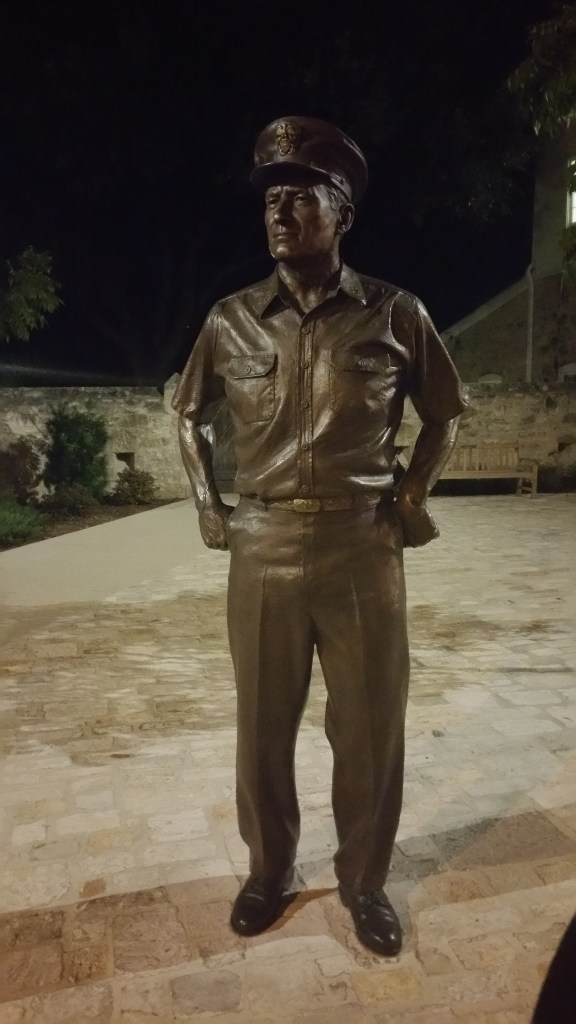
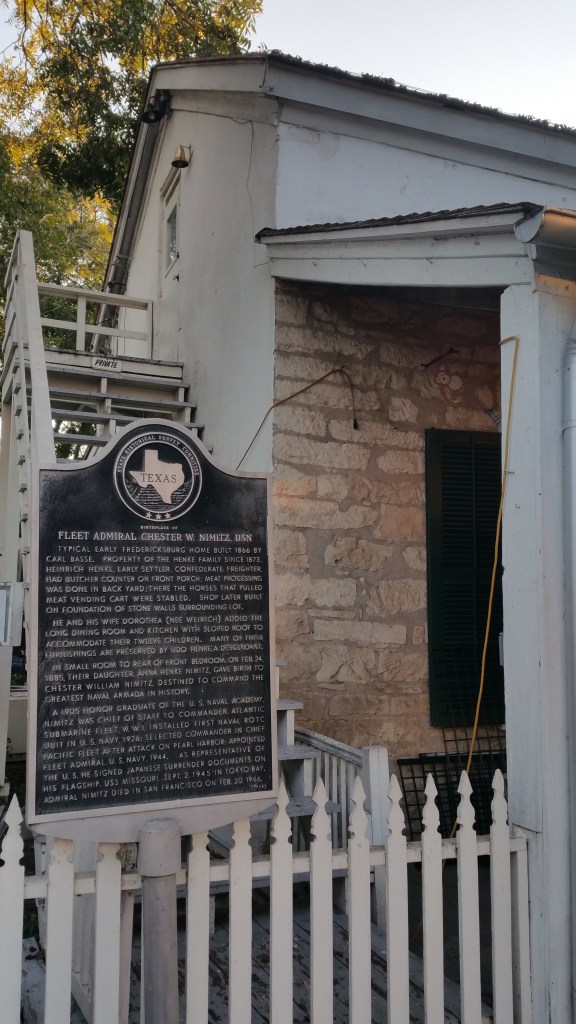
But there’s something about the potential that you might, one day, be able to return to these places in the future. Some of them I can predict with a high degree of certainty, like the National Museum of the Pacific War in Fredericksburg, Texas, the hometown of Fleet Admiral Chester Nimitz. That one is only a few hours away from where I live. The farther out the place is, however, the less certain I can be that I’ll get to go back.

Yet hope springs eternal, right? So, for this last blog post of the year, I thought I would share a few locations with you that I’ve visited in recent memory, places that I hope to return to at some point in my lifetime. With that in mind, let’s take a look.

National Museum of the Pacific War – Fredericksburg, Texas

This is the museum is the one I’ve visited the most, though the Perot Museum in downtown Dallas comes close. I’ve mentioned this museum a few times in previous blogs (here and here). It is a place that really hints at the enormous scope of the Pacific War and the lives that were affected on both sides. The museum itself, along with the Admiral Nimitz Museum and Japanese Peace Garden, make visiting this place sublime. As with all the entries on this list, I highly recommend visiting it if you have the chance.

Mystic Seaport/U.S.S. Nautilus – Mystic/Groton, Connecticut

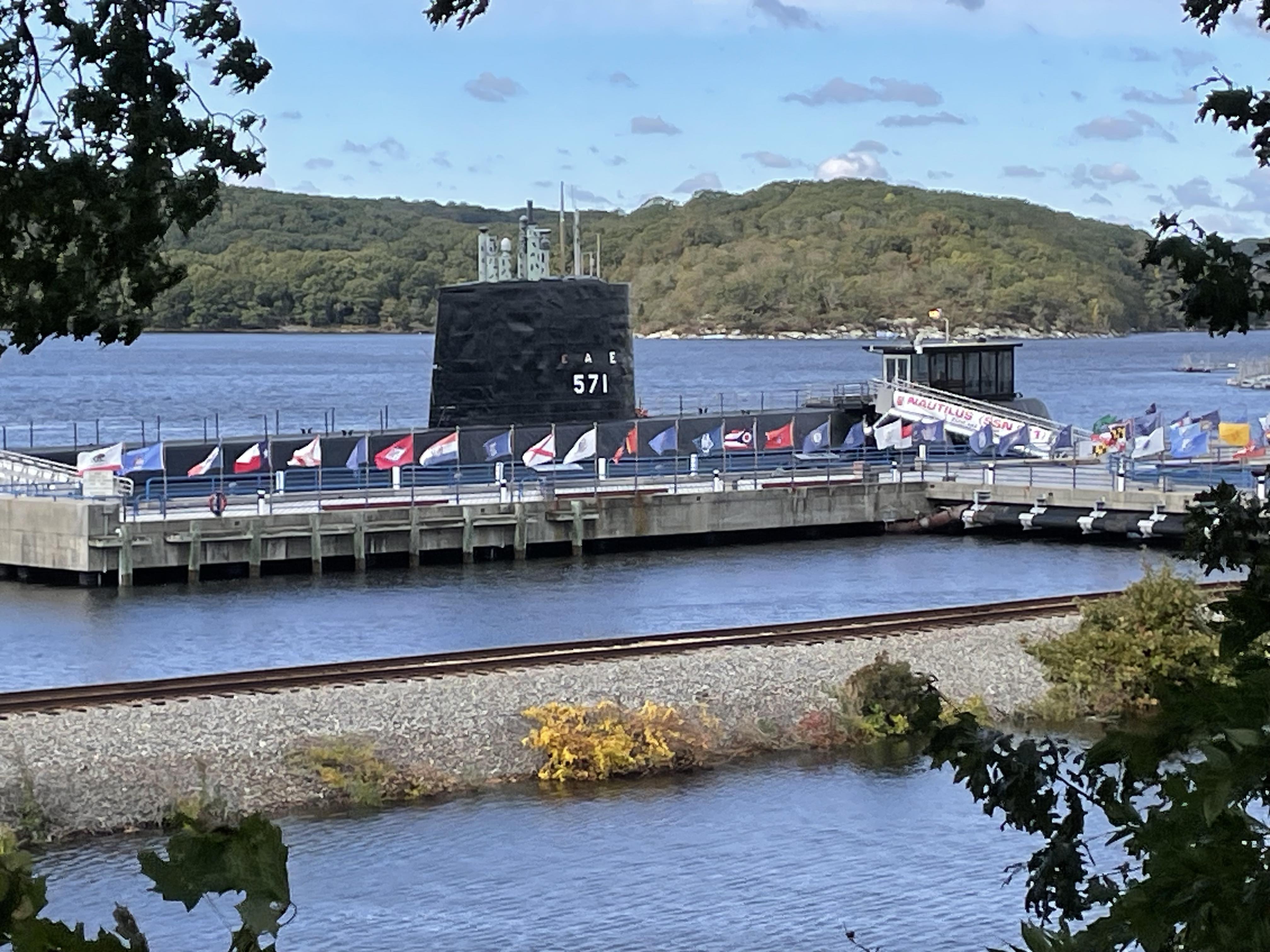
I’m grouping these into one listing since they are relatively close to each other. A dear friend recommended a visit to Mystic Seaport if I was ever in the area. Back in October, I had a chance to visit it, and I wish I’d had much more time to explore it. I had no idea the scope of it all when I went there. There are so many buildings and mini-exhibits scattered across the grounds. The masthead gallery in particular was a wonderful surprise, along with the presentation in the small lighthouse. There’s so much to see, and I barely scratched the surface of it. I want to go back when I have more time to give it a more thorough exploration.

The U.S.S. Nautilus Museum in nearby Groton was, unfortunately, closed when I got there. I was at least able to snap this photo of it from a nearby parking lot. It will have to wait until the next time I’m up that way to see them both — one in more detail and the other for the first time.

Graceland – Memphis, Tennessee

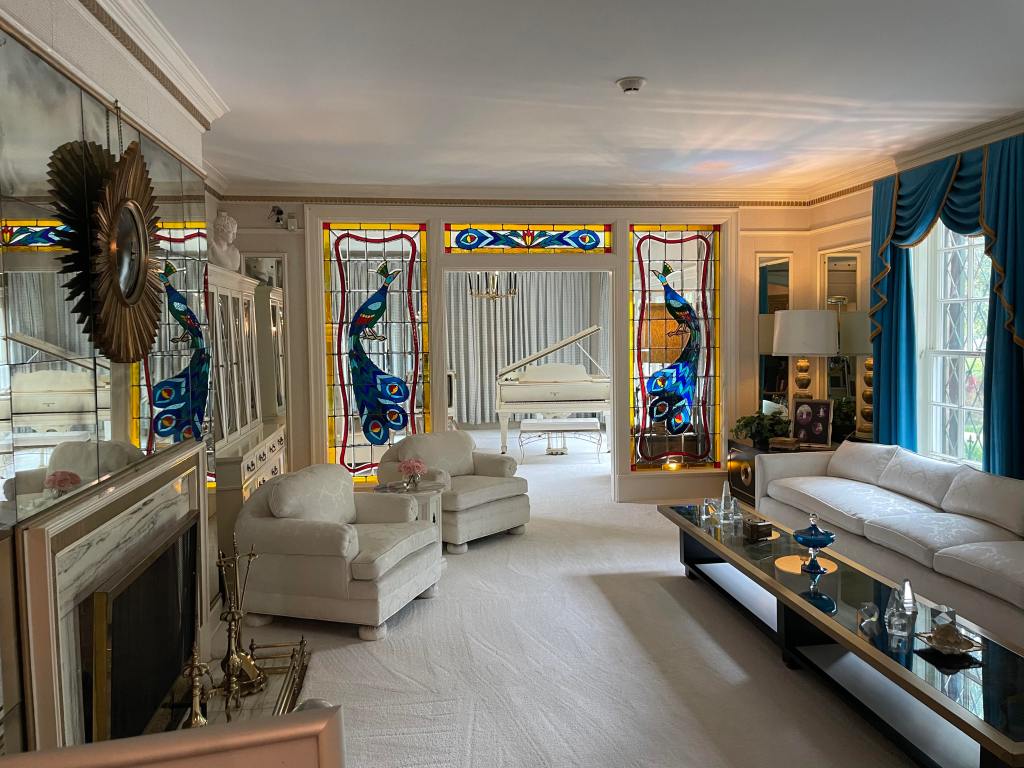
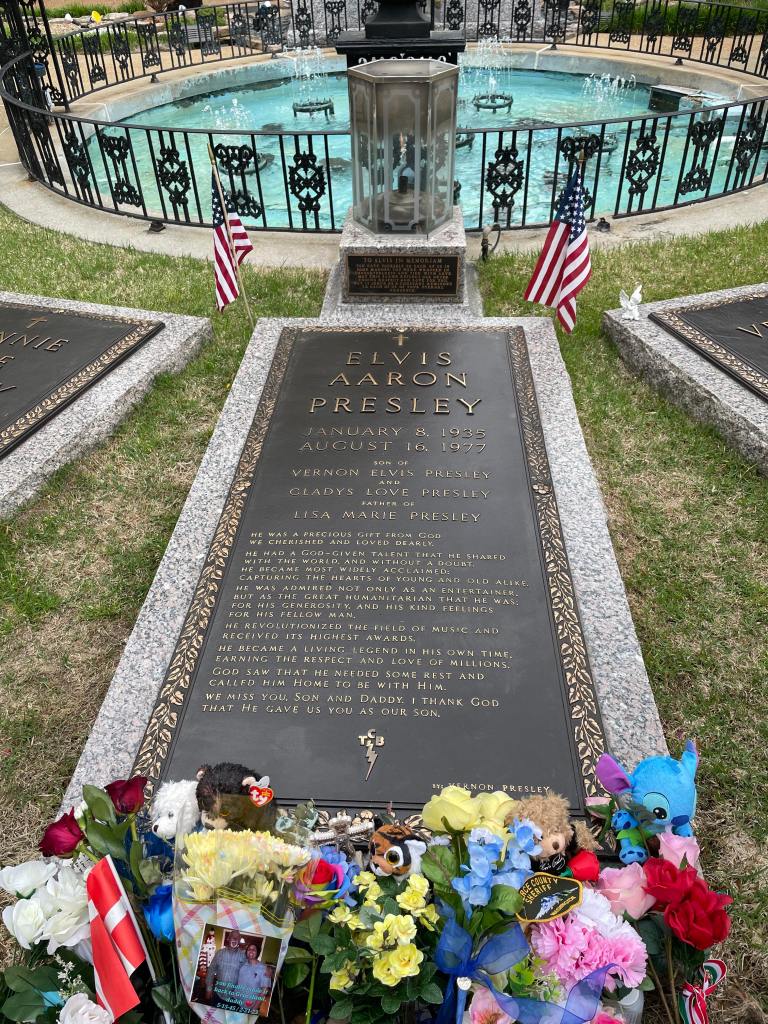
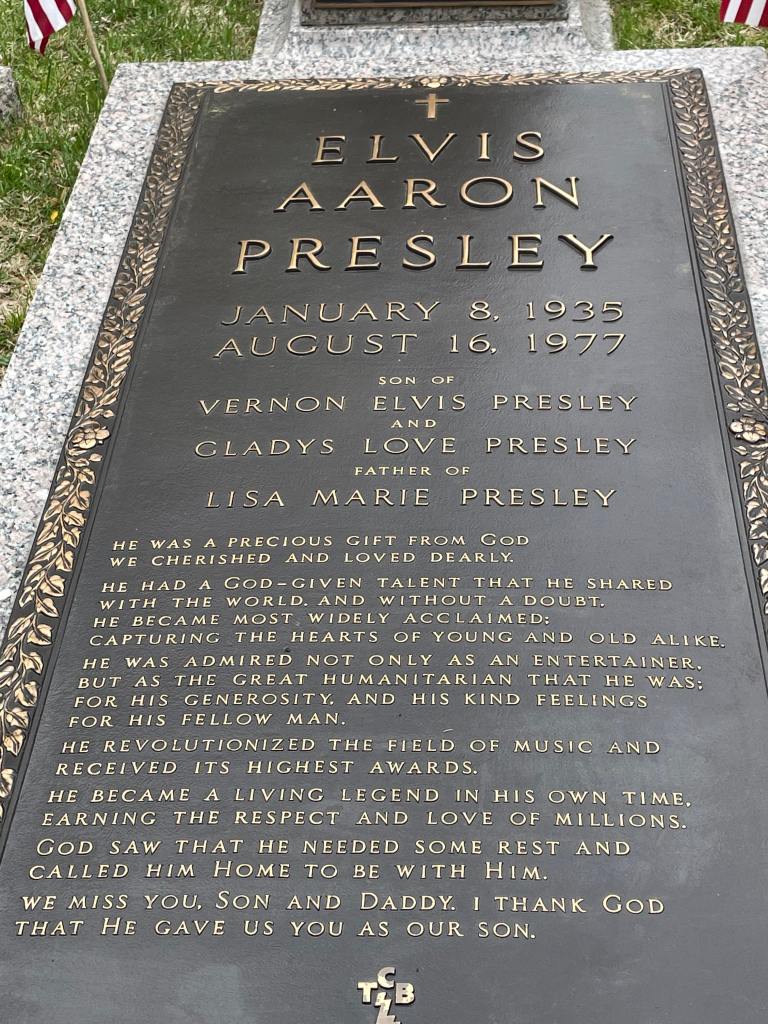
I wrote a whole blog about my trip there and mentioned how I connected with in this blog here. While I was there, I didn’t get to see the King’s famous collection of gold records and concert jumpsuits. I feel like that’s part of the whole Elvis experience that you want when you go to Graceland.

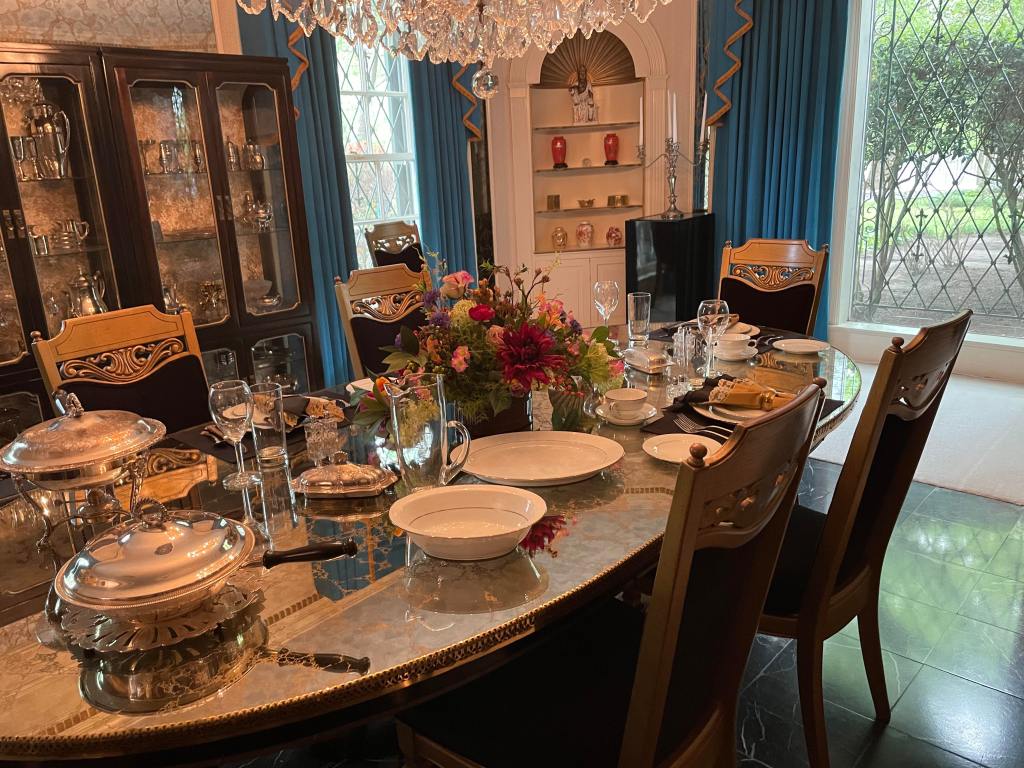
But beyond just the glitz and gold, the Graceland mansion itself has a peaceful vibe to it that I can’t wait to experience again. I was glad to find that the official lyric music videos on Elvis’ official YouTube channel have some pretty high-fidelity shots of the interior of Graceland and the aforementioned jumpsuits, such as in “Burning Love” and “A Little Less Conversation” and many others.

In short, Hail to the King, baby.

The Field Museum – Chicago, Illinois

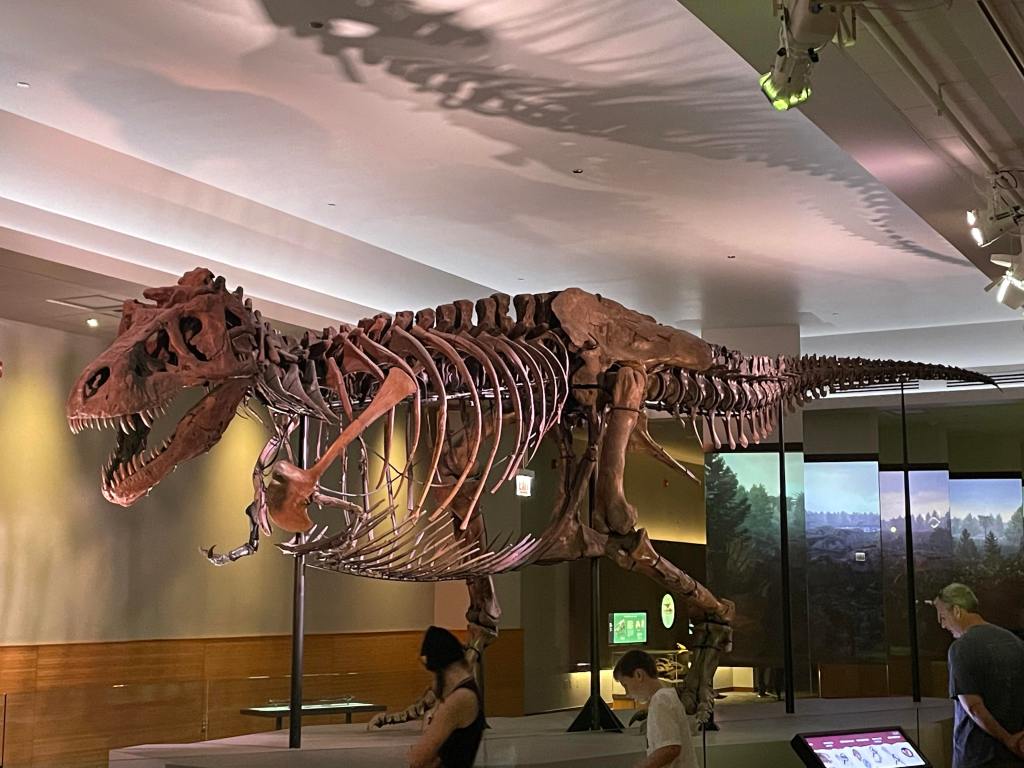
Another place I got to visit this year, this classically styled museum is definitely one that needs a more comprehensive visit. I was able to visit Sue, perhaps the most famous (and complete) T-Rex skeleton in the world. Bones are not enough to give us an idea of the full scope of the animal any more than a medical skeleton gives us the full picture of a living, breathing human. Still, even with just her bones, Sue is magnificent.

The gems and minerals on display here are some of the best examples on display anywhere. There were so many little nooks and crannies to find, including a multi-level Egyptian exhibit, a display of traditional Tibetan clothing and accoutrements, and even an exhibit on the first monarchs of Europe, starting all the way back in the Bronze Age. As much as I love museums (as evidenced by this list), the Field Museum felt like coming home. I have no idea when I’ll be able to return to Chicago, but the Field Museum will be at the top of my list when I do.  

U.S.S. Constitution Museum – Boston, Massachusetts

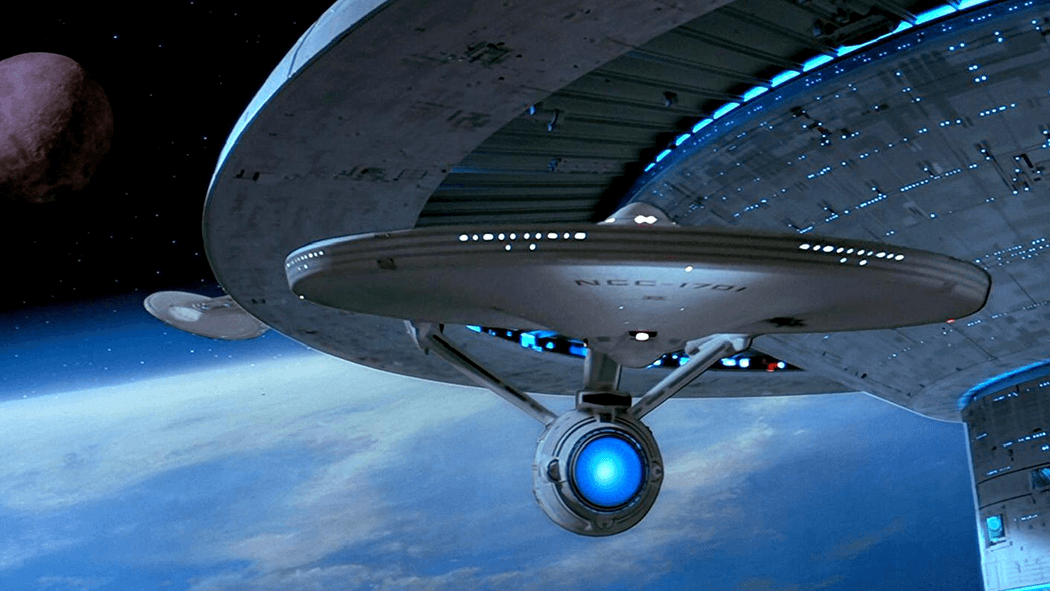
I have a special weakness for sailing ships. The Age of Sail is one that lives rent-free in my mind. So, it should come as no surprise that the U.S.S. Constitution has a special place in my heart. She was on the original ships that formed the United States Navy, and the only one of those six to have survived to the modern day. She never lost a battle, always at the center of every major conflict of her day. I have no doubts that Gene Roddenberry was influenced by her when he created the Enterprise for Star Trek, which was a Constitution-class starship.

As is often the case, my latest visit to her was all too brief. I was about a week shy of her 225th birthday. It looked as though her sails and part of her mast had been dismounted, but she was still a sight to behold, and a paradigm of excellence even for modern navies. I miss her already.

Final Thoughts

Understand, I spent a considerable amount of money in the gift shops of each of these locations. I like having souvenirs, but I also like knowing that I’m helping to support the places and causes that I believe in. I’m particularly fond of lapel pins and challenge coins, but magnets, T-shirts, and other swag are on my list as well.

To me, these things aren’t trivial merch; they’re a part of the memory, a piece of the place that I take with me to tide me over until the next time I can visit, if such a return visit is indeed in the cards.

Still, to quote Captain Kirk (who was quoting Spock), “There are always possibilities.” In each case, I’ve felt drawn to these places for a variety of reasons, ranging from historical curiosity to personal intrigue. Visiting them has only heightened my interest.

Travel has a way of changing you, of teaching you something about yourself. By going back to those places that really speak to us, there’s always the possibility that there’s more to learn and discover, and that, my friends, is the promise of return.

Thanks for reading! The annual State of the Sector Address will land here on January 5, so be sure to tune in then.

In the meantime, have a happy and safe holiday season!

__________________________________________________

Do me a favor, okay? Subscribe to my newsletter for more news, updates, and information on Sector M’s current and upcoming projects!

Introducing The Artificer’s Guide to Magic Items 

Back in January, in my State of the Sector address, I mentioned that I was working on a Dungeons & Dragons supplement for the DM’s Guild. In my ignorance (or perhaps hubris), I thought it would be ready in March. Oh, you sweet, summer child.

But here’s the thing: While I may have grossly overestimated how long it would take to produce said supplement, I’m glad it came along in its own time. It allowed me to really make it great, thanks largely to the editor, designer and artist on this, Gabby, Natalia and Miguel. Now I’m proud to be able to introduce The Artificer’s Guide to Magic Items

What is it?

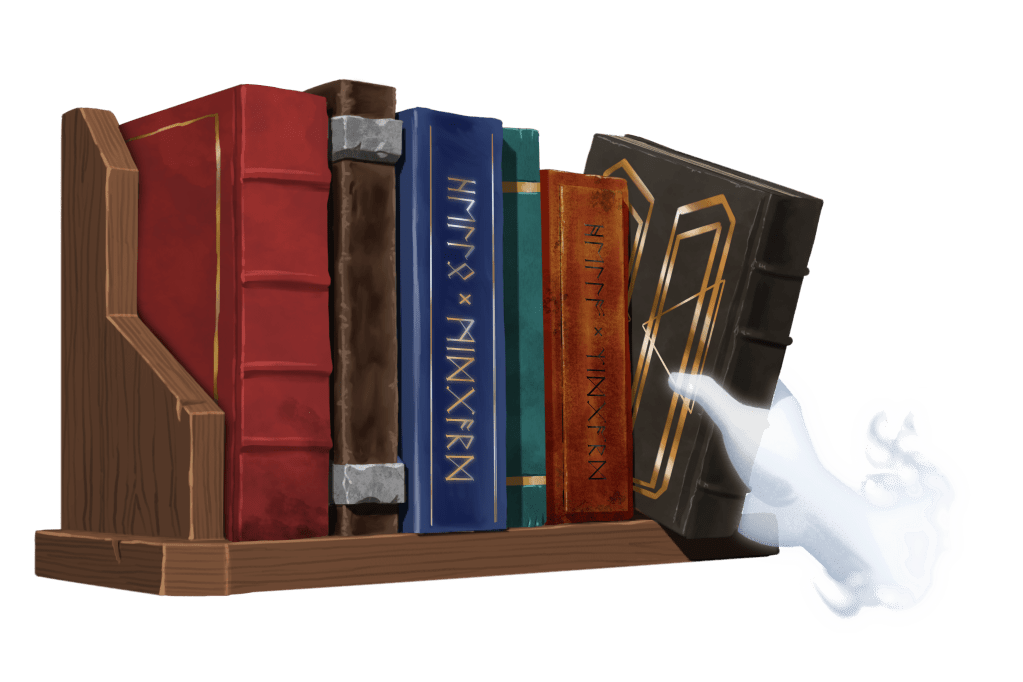
The Artificer’s Guide is a supplement for Dungeons & Dragon 5e for both players and Dungeon Masters. The book serves both as an expansion and fusion of the crafting systems found in the Dungeon Master’s Guide and Xanathar’s Guide to Everything. It takes a layered approach to item creation that ranges from mundane, non-magical items to powerful artifacts — and everything in between.

I would hardly be a copywriter if I didn’t include a list of features and benefits, so here you go:

  • Expanded item creation rules for non-magic items, magic items of all five standard rarities, scrolls & potions, sentient items, and artifacts.
  • Improve the value of gems and art objects, add new abilities to existing magic items, transfer abilities between items, and design new magic items from scratch.
  • Hire help in crafting or enchanting items, or engage your fellow party members in the process to create cooperatively.
  • Explore special crafting environments, tools, and components that can supercharge any player’s ability to craft — especially if they are an Artificer.
  • Discover ways to integrate Artificer class abilities into item creation, granting additional time savings and reduced creation costs.
  • 9 new spells exclusive to Artificers to unlock their crafting and creative potential.
  • 15 optional rules to fine tune the crafting and item interaction experience at your table. 
  • 22 new magic items that include crafting aids and ways to give all four Artificer subclasses an extra edge both in the lab and on the battlefield.
  • Includes handy worksheets with step-by-step instructions to keep track of all the numbers.

Why is it?

I am a big fan of the Artificer class that debuted in Tasha’s Cauldron of Everything. I love the idea of a character that uses magic to create stuff. It fills a gap that I’ve wanted to see addressed for a long time. Unfortunately, I feel that the class hasn’t been given the same attention and support that the other core classes in the game have received. There just feels like there’s something missing from it.

What’s worse, you have a class that’s devoted to making things, but the item creation rules in 5e feel half-hearted and don’t grant the Artificer class any advantages in crafting. According to the rules, if a Barbarian and an Artificer were both trying to create a staff of thunder and lightning, they would be on equal footing.

To me, that doesn’t fulfill the core fantasy of being an Artificer. It would be akin to a Bard not having the edge in drafting an epic poem, or a Paladin being equivalent to a Rogue when it comes to navigating the seedy underbelly of a crime syndicate.  

So, I did something about it. I created a crafting system using the framework of existing elements from both the Dungeon Master’s Guide and Xanathar’s Guide to Everything. In this resulting system, any class can craft items, but the Artificer has the chance to shine brightest. The system also integrates Artificer class abilities into the mix to give a little extra oomph to creating items.

Where is it?

You’ll be able to find it on the DM’s Guild soon. ‘Soon’ being in the next few weeks. Right now, the layout is done, and we’re in the process of getting a print-on-demand version sorted out. That’s right, there will be a hard-copy version of the book available at launch! UPDATE: The book took slightly longer to launch than originally thought, but the book it’s now available here!

The PDF version of the book is $4.99. If you want a hard copy, that version is $17.99.

Final Thoughts

The Artificer’s Guide is the first supplement that I’m releasing under the Sector M banner. Pretty soon, there will be a new part of my author website for Sector M Games. You’ll note that everything under the games banner will feature a green version of the classic Sector M logo.

So, yeah, this is my first release under Sector M Games, but I’m hoping it won’t be the last. I have some other projects in the works that I hope will soon join the Artificer’s Guide on DM’s Guild or on my website.

Until then, have a Happy Thanksgiving everyone!

__________________________________________________

Do me a favor, okay? Subscribe to my newsletter for more news, updates, and information on Sector M’s current and upcoming projects!

Of Oak Trees and Epiphanies

I love museums and historical sites. If you’ve followed this blog for any period of time, this will come as no surprise. If you’re just joining us, museums have been something I’ve always enjoyed, even as a kid.

The thought of preserving our history where it can be enjoyed by the public is something that has always been a part of me as long as I can remember (even before I saw Indiana Jones and the Last Crusade.) In my writing career I’ve even had the pleasure of doing some museum work, and hope to do much more in the future. So, suffice to say, historical sites and museums are my bread and butter.

There’s a phenomenon that I’ve encountered a few times when I’ve visited these places that I want to share with you, which I call  “Oak Tree” moments. I’ll get into why I call it this in a moment, but it’s a catalyst that peels back the fog of time and years in a sudden rush.

Sometimes when you stand in a historical place or in the presence of historical artifacts, it can be hard to reconcile that you are actually there, that history is so close at hand. An Oak Tree moment is the realization that you are, in fact, there. It can be a transformative experience.

This doesn’t happen to me at every site or museum I’ve visited, but when it does it is powerful stuff. For this blog post, I wanted to share with you a few of the times I’ve had an Oak Tree moment, starting with the original.

My First Oak Tree

When I was fourteen, I had a week-long school trip to our nation’s capital. Washington D.C. was the most impressive city I had ever visited at the time. I had a keen interest in history even back then, having joined the local chapter of our school’s Junior Historians two years before at the age of twelve.  

As you can imagine, getting to see all the regular stops was incredible: the Lincoln Memorial, the Jefferson memorial, Capitol Hill, and the crowning achievement — the Smithsonian. There, I got to see (among many other things) the original model for the U.S.S. Enterprise used in the original series Star Trek. They even had a pair of pointed-ear appliances worn by Leonard Nimoy on the show. I was a big fan even back then, and seeing the real deal was breathtaking, but not the Oak Tree.

We weren’t able to visit the White House, but drove by it. We looked at the Declaration of Independence through bullet-proof glass at the National Archives. We saw so many relics from the founding of our nation that I was close to such a moment, but not quite there yet.

Our tour group went to Mount Vernon, home of George Washington. If you’ve never been there, the grounds are tranquil and well maintained. I walked through his home. The tour guide told us that the green paint on the walls was Washington’s idea because it was soothing to the eye. Gorgeous as the house is, I knew in the back of my mind that it had been heavily renovated. Great care had been taken to restore the place to how it had been in Washington’s lifetime, but again I knew that little of it was original.

We visited Washington’s grave nearby, where he and Martha Washington are interred. I’ve always had a reverence for historical graves, and this one was no different, but still that feeling of realness hadn’t quite hit me. 

The moment in question came when the tour guide took us to a beautiful, picturesque oak tree on the grounds, not terribly far away from the house. It had grown tall and strong. I remember looking up at it and thinking that it had come out of Lord of the Rings. That’s when the tour guide informed us that Washington himself had planted that tree.

My mind reeled at this. I thought about how long it takes oak trees to grow to that size, decades, centuries, even. The time difference between where I stood there at the age of fourteen and when Washington had stood on the same spot to plant the acorn seemed vastly far away, yet close at hand at the same time. He had actually been there, on that spot. The house wasn’t just a reproduction; it was really the place he lived, the place where he died.

In my mind’s eye I saw the tree sprout up out of the ground as the days and nights flew by in a time-lapsed flash, growing and growing until it finally became the tree I stood beneath. It was like a waking dream. This was the first time I had ever felt connected, really connected to history.  

The Hatch

Some years later, I found myself at the National Museum of the Pacific War in Fredericksburg, Texas. I’ve been lucky to visit this museum more times than any other, but on this occasion it was my first visit. If you’ve never been, I highly recommend it. After a short video presentation, the museum starts off hundreds of years before World War II, talking about how trade and conflict over a long period of time created the complicated relationship between Japan and China.

As you walk along the timeline, you start to see Japan’s gradual rise to power and imperialism, including the military campaigns they waged in China, creating the client state of Manchukuo. The displays and exhibits don’t try to downplay the violence. One of the photos in the gallery here is of an infant sitting in the ruins of a bombed out train station in Shanghai. On a future visit, this photo would absolutely wreck me.

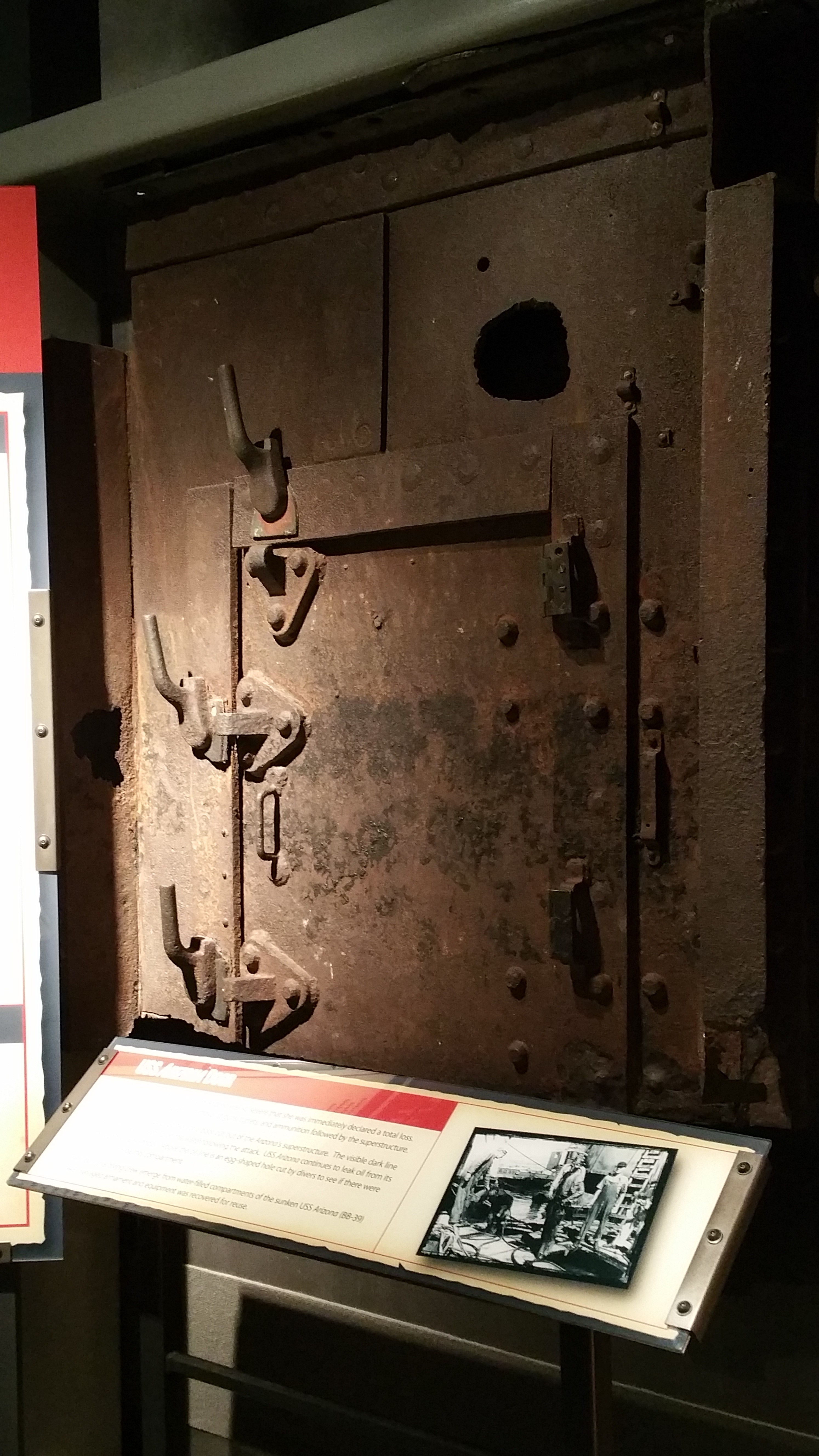
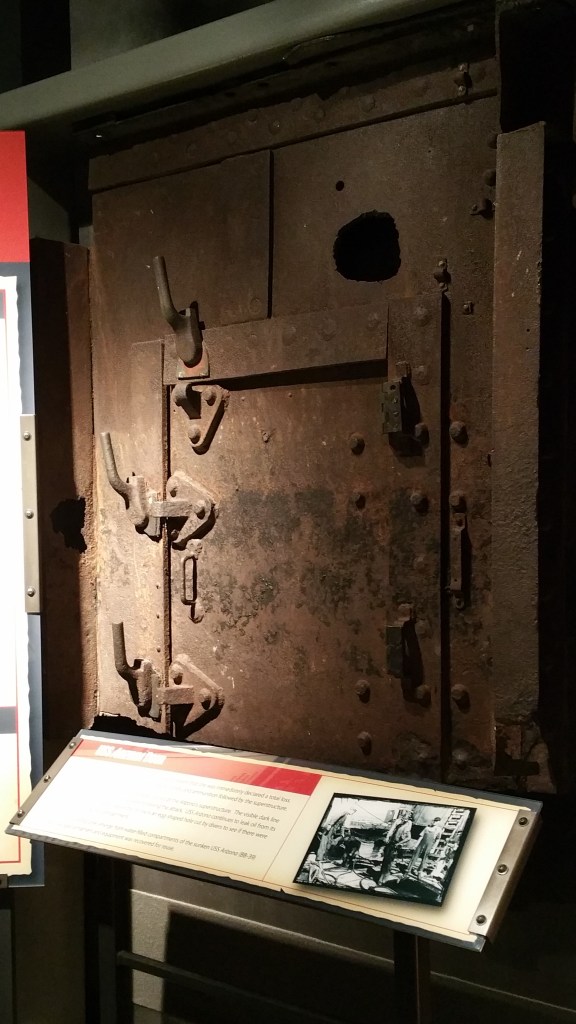
Finally, as you might expect in a museum about the Pacific War, you are led to a short presentation about the attack on Pearl Harbor. The display features one of the two-man Japanese subs present at the attack. There are many artifacts from that day and models of ships. Just around the corner from the submarine, however, tucked into an unassuming alcove is a rusted piece of metal.

I’ve mentioned this particular piece of metal before, but this was the first time I had ever laid eyes on it. The metal is reddened with rust. A black stain crosses it about half-way. Above that stain, there is an egg-shaped hole cut into its surface.

This is a hatch from the battleship, Arizona one of the first USN ships lost in the war. The black stain comes from all the oil floating on top of the water. It shows us where the waterline was when the ship sank. The hole was cut by Navy divers who were looking for survivors on the other side.

I’ve seen the famous photo of Arizona in the aftermath, her once-proud lines blackened and ruined, belching smoke. It’s a powerful image, but nothing (and I mean nothing) prepared me to see an actual part of her hull. The fear and desperation of that day seemed to radiate from it, but with it, the courage, the determination, and uncommon valor also. I’ve never really been one to believe in ghosts, but the reaction I had was visceral, and I was overwhelmed. 

I may have had an Oak Tree moment then, but it was to a very violent and dark chapter of our history. I have since visited this hatch on several occasions, and there has always been a reaction, though nothing quite like the first time. Each time I visit, I am thankful for the Japanese Peace Garden that exists on the grounds, which is always a welcome coda to the war.

The Diary

Last year, my family visited the National World War II museum in New Orleans, which includes an incredible number of exhibits from both the European and Pacific theatres. Before we go any further, I should say that even though this story also deals with a WWII museum, it led to one of the most heartfelt stories of the war that I’ve ever encountered.

We took the guided tour, and I’m really glad that we did. (Once again, I highly recommend doing so.) We progressed through the march to Berlin and then the march to Tokyo. As we got a decent way into the Pacific War, the tour guide stopped us at a glass enclosure and pointed out an open diary.

This particular diary belonged to Thomas Jones, a Marine whose blonde hair earned him the nickname of “Cotton.” Cotton kept a diary like so many did to document his experiences in the war. He also kept a picture of his high-school sweetheart in the diary, a young woman named Laura Mae Davis. Knowing the danger he was in, Cotton wrote in his diary that, if something should happen to him, he wanted Laura Mae Davis, the woman he loved, to have his diary. 

Unfortunately, something did happen. Cotton died at the age of twenty-two at the battle of Peleliu. His personal effects, including the diary, were sent home to his family. Unfortunately, it appears that the diary went into a box and never made its way to Laura Mae Davis. Eventually, the diary was sent to the museum and put on display.

Fast forward to 2013, and a fateful trip to the museum. A 90-year-old woman with her family sees the diary, and the photo, recognizing it as a picture of herself. By sheer chance, Laura Mae Davis encountered the diary that Cotton wished her to have from the beginning. She brought this to the attention of the curator, who read Cotton’s words in the book, and gave it to her on the spot. It eventually came back on display at the museum where I encountered it.

There are so many service members who kept a diary just like Cotton’s, thousands, tens of thousands. This book is a single thread in a greater tapestry. The scope of World War II is so large that it’s almost more than the mind can comprehend, but Cotton’s diary shines a spotlight on one story among many in such a way that it humanizes them all.

Honorable Mention: The King’s Palace

Early this year I went to Graceland in Memphis, Tennessee, the home of the one and only Elvis Presley. I wrote about it in the blog post here, where I talk about having an Oak Tree moment, but I didn’t give specifics to it, only that it had happened to me.  

You know what it was that triggered it? It wasn’t a white bespangled jumpsuit or the sight of the famous pink Cadillac. Two things triggered it, actually. First, it was the wood paneling in the security booth that guarded the driveway just outside the mansion itself. It’s the same kind of paneling that was in my childhood home, which had been built in the sixties. It gets really hot in Memphis in the summer, but the booth station had to be manned at all times because of who Elvis was. Thankfully, there was a standalone A/C window unit to give some much needed relief to the person on call. These small details really brought Elvis’ fame home to me.  

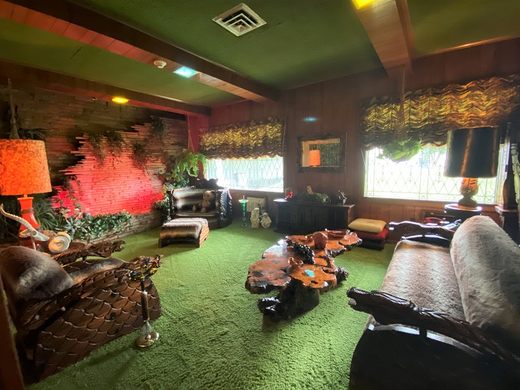
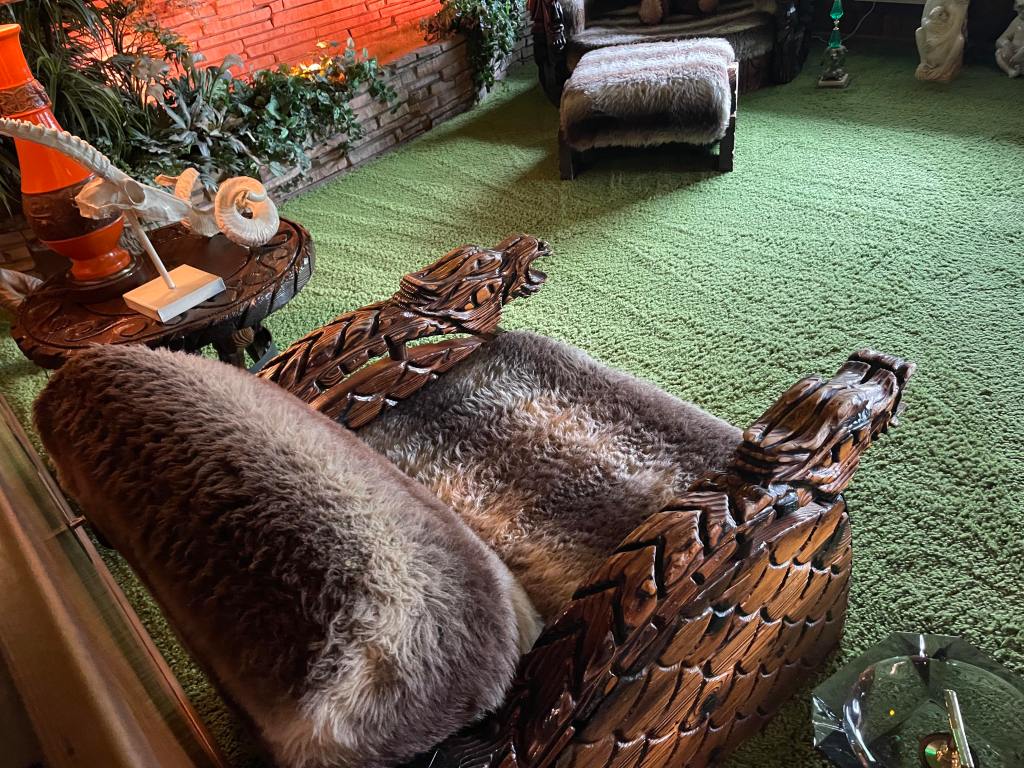
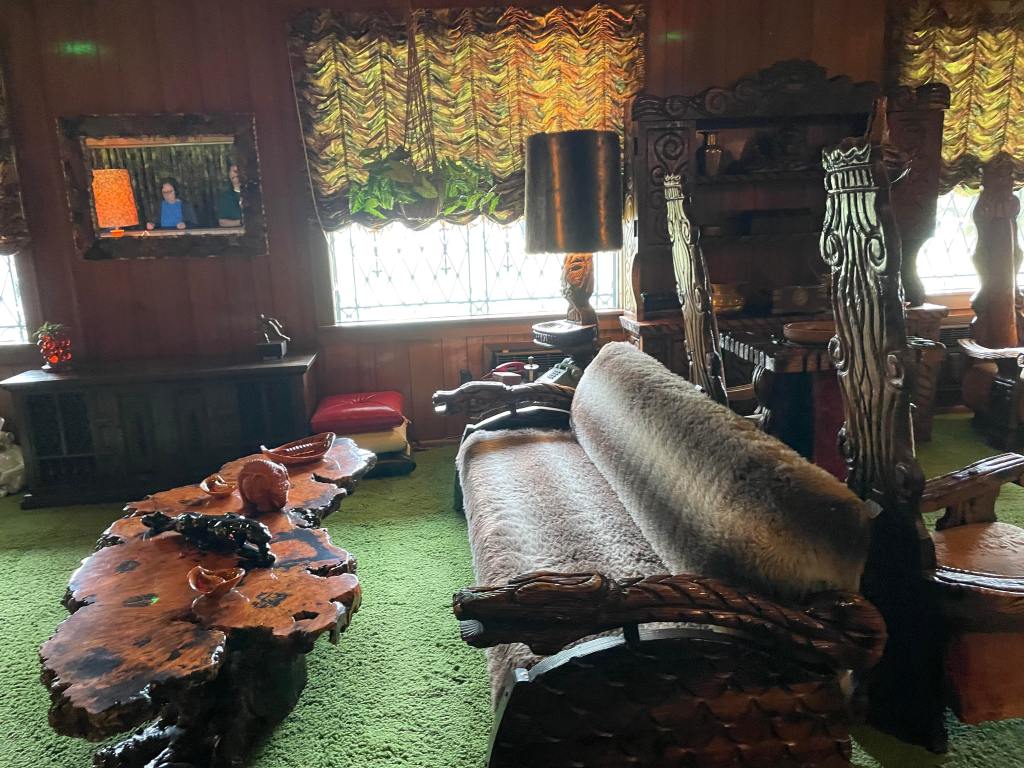
The second part was green carpeting — on the ceiling. In the world-famous Jungle Room, where Elvis famously bought all of his furniture at once, he had green shag carpeting installed on the floor. Besides using the space to entertain celebrities, he also used the Jungle Room as a place to record music. This led him to carpet on the ceiling as well. From various accounts, this is the room where Elvis would often watch the news and eat breakfast. So, the carpet gave me that momentary view into the life of the man himself in the very space where these events took place. Absolutely magical.

Final Thoughts

History is a weird thing. The effects of it are all around us, every day, influencing us in a dozen subtle ways, affecting our opinions and viewpoints across a spectrum of areas — often without us even being aware of it. Museums and historical sites are our direct link to that history, where we come face-to-face with it.

I know that not everyone is quite so moved by history as I am, and that’s fine. It can be easy to get lost in all of the names and dates and minutiae, but in the end history is really about people. Oak Tree moments, on the rare occasions that I experience them, bring all that into sharp relief for a moment. They are a reminder that we are all fellow passengers through time.

So, I put the question to you: Have you ever experienced an Oak Tree moment of your own? If so, I would love to hear about it in the comments. If not, I hope that you do have one at some point in the future. You never know when something will strike a spark. Sometimes it can be the littlest thing, the smallest detail that can forge that connection with history.

__________________________________________________

Do me a favor, okay? Subscribe to my newsletter for more news, updates, and information on Sector M’s current and upcoming projects!

Why Baldur’s Gate III is a Game-Changer for Me

I want to start this post by congratulating Larian Studios on their launch of Baldur’s Gate III on the PS4 platform. Now Playstation players will have the chance to go on a grand adventure that PC players have enjoyed for a few weeks now. Welcome to the party, folks!

Before I get too far along here, this blog post will contain spoilers for Baldur’s Gate III, so be advised.

Absolutely everyone who has helped produce this game should be proud of their work. It’s been a long time since I’ve seen this amount of heart and soul put into a game, and it shows. But before I get into the specifics on why I love it so much, I want to give you the genesis of how BG3 came into my life.

How It Started

About a year ago, I got into the BG3 early access. I was afraid that my aging PC wouldn’t be able to deliver a decent experience. While it creaked along, I was able to play through Act 1 a few different ways. There were many nights that I didn’t get much sleep. I thoroughly enjoyed my time back then, but once I exhausted all the content, I put it down. My interest remained, however, and I’ve been listening to the music from the game ever since.

Unfortunately, I wouldn’t be able to rebuild my gaming rig for a while yet. This put me in the unenviable position of having to wait to play this landmark game. I saw on NerdImmersion’s channel that Larian recommended that you uninstall the game and delete all your saves just so that there would be no problems with the new install.

Darling…

A few days after the launch date for PC, I booted up BG3 to do just that. I had been hesitant to do so only because seeing it all again would just reinforce that I was going to have to wait until I get a computer setup that could handle it.

To my surprise, Steam had already done that for me. The full version of the game was just sitting there, waiting. I wasted no time diving in. I found, to my surprise, that my existing PC could actually handle the game, perhaps even a bit better than it had during early access. Consequently, I have been playing my merry little heart out the last few weeks. Once again, I find myself burning the midnight oil to visit Faerûn.

And there are some good reasons for that.

The Immersion

Larian did an outstanding job of fusing story, setting, and stakes into one coherent whole. Besides the incredible volume of things you can go and do, as well as the dozen or more ways you can approach each situation, BG3 makes me care — about the world, the characters, and the aftermath of the choices I make. I think the last game that gave me that sense of place was Ghost of Tsushima, which will forever have a special place in my heart.

This game just hits all the right notes, and does so with a minimal amount of bugs and crashes. Your mileage may vary, but I’ve only encountered a handful of glitches.

Soldier!

Beyond that, BG3 presents us with a variety of weighty themes, including mortality, the uses and justifications of power, standing up for what you believe in, owning up to your choices, and (in places) showing us that the quality of mercy is not strained.

While the combat is certainly thrilling, and I do love it, I also enjoy being able to talk my way out of a fight while receiving XP without undue bloodshed. It’s just one of the ways that Larian has served up an RPG that gives us the feeling of being there.

The Dramatis Personae

Perhaps the most compelling and endearing aspect of the game is the way that BG3 presents the companion characters. This cast of characters, all incredibly well written, are what set this game apart. When I talk about the heart and soul of the game, the characters are what I mean.

And I would be remiss if I didn’t give the voice cast of this game a huuuuge shout-out here. They played their parts so well that I really felt it when something unfortunate happened to them, and elated when some bit of good luck came their way. I knew I would be invested in these characters, but I was not prepared for just how much that would be the case.

Shar’s blessings upon you.

So, (in no particular order) I’d like to thank Amelia Tyler, Jennifer English, Devora Wilde, Neil Newbon, Tim Downie, Theo Solomon, Dave Jones, Emma Gregory, Samantha Béart, and so many others for bringing such life into these characters. The performances here are ones for the ages.  

A few times, the screen got awfully blurry as the events unfolded before me. The end of Shadowheart’s story line, and the heartrending choice she has to make, springs immediately to mind. Karlach’s speech after seeing her tormentor defeated totally wrecked me. I thought about that one for a few days afterwards.

Then, there’s the whole cut-scene where the Nightsong takes flight that gave me strong vibes of King Arthur riding across the land to one last battle while Carmina Burana plays in Excalibur. There are so many perfect moments that it’s hard to believe it’s all in one game.

The Music

I have been listening to the BG3 OST for more than a year now. I write to music, and any time I’ve needed to get into a fantasy mood, this has been my go-to score. Heck, I’ve used it to write science fiction or in just my regular writing. In fact, I’ve been listening to it as I write these words. It’s excellent for all occasions.

When it’s playing in tandem with the game, it is, well, magical. This may be the best game soundtrack since Skyrim, which was transcendent. The composer, Boris Slavov, has really given us a musical experience that propels BG3 up among the stars.

*istik…*

This game would have been marvelous even if the musical score had just been so-so, but the haunting beauty, passion, and poignancy it delivers is akin to throwing rocket fuel on an already blazing bonfire.

I’ve heard music sometimes described as ‘speaking all those things that cannot be put into words.’ Of course, it’s hard to capture the essence of what I’m talking about just through text. So, I thought I might point you in the direction of the music so you can experience it for yourself. Here is a sampling  of some of the tracks that have moved me the most:

I encourage you to check out Boris Slavov’s YouTube channel for a full track listing. Trust me, you’ll be glad you did.

Final Thoughts

Love — that’s what I see when I play this game. There’s such an incredible amount of care, time, and attention put into every aspect of Baldur’s Gate III that it has redefined the video game RPG genre for me. So, when I say it’s a game-changer, I mean it quite literally. It has recontextualized what a game could and can be.

Ultimately, this game is about a bunch of broken, morally grey people (though some are definitely greyer than others), being forced together by circumstances beyond their control to become the point on which the fate of millions turns.

They’re from all walks of life, from many different places, and most of them of had some pretty horrible things to contend with in their lives before the tadpole arrived. Half of them barely tolerate the other half.

But when it counts, despite their differences, they come together anyway, knowing that time is short and that they should act while they still can.

And you know, I think there’s something really beautiful about that.

__________________________________________________

Do me a favor, okay? Subscribe to my newsletter for more news, updates, and information on Sector M’s current and upcoming projects!


Magic and Its Effects on Fantasy Society, Part II: Death and Taxes

Howdy, folks! About a year before the pandemic kicked off, I wrote a blog post about the concept of magic and how introducing it into a fantasy/medieval society could have long-lasting repercussions. I did this as a thought experiment, originally, and I had always hoped to get back to the subject since there is so much more to explore on the topic.

Of course, then the pandemic happened and so many of my plans flew right out the window. Today, however, I want to bring us back to that subject to think about a few more aspects of it. In the last post, I talked about how magic compares to technology as a means of advancement, with a look into how magic really changes the landscape of things like war, learning, and health and wellness.

If you know, you know.

For this discussion, I want to focus on two main areas, the great two certainties in life: death and taxes. With that, let’s get started.

1.) When Death Isn’t Certain

When the inevitable becomes evitable, problems are sure to follow. Death is the one common thread we all share. While we may not like contemplating it, our time in this life is limited. In our own world, it doesn’t matter how much money you have, how many followers you have on Instagram, or how well you take care of your health, death remains the ultimate adversary. We may be able to outrun it for a time, cheat it once or twice, but death is destined to conquer us in the end.

In a fantasy/medieval society, however, that might not be the case. In many fantasy stories, wizards or practitioners of magic use their power to stave off old age. Using magic to prolong life beyond the normal lifespan, become immortal, or even bring someone back from the dead, are all things that magic can potentially accomplish, depending on the structure of magic for that world.

While I can’t think of a fantasy world where resurrecting the dead is really common, if it is a possibility that exists, every ruler in the world would seek it out. Unlike Gilgamesh, however, they might actually find it. As is the case with a possibility like this, it will inevitably wind up in the hands of the influential and the powerful, who may not be willing to share it with those below them in the societal hierarchy. When death is no longer an inevitability, this can create more than a few wrinkles.

Not remotely medieval, but just imagine if he had succeeded in finding eternal life.

Let’s say that Good King Osric manages to find the Fountain of Youth, securing it for himself and his family. That might be great at first, since the Interregnum between two ruling monarchs is fertile ground for wars of succession. However, King Osric living to the ripe old age of 300 or more may actually make this problem worse.

Consider that if he gives his heirs access to this eternal or prolonged youth, they will likely want to pass it on to their heirs, and so on. In which case, Osric’s great-great-great grand heir might have to wait upwards of a thousand years to finally get their turn on the throne. What happens if somewhere along the way, this growing pool of ageless royals decides to speed up the process? You might be looking at a state of near-constant civil war with so many figures all vying for limited positions of authority.

But, for the sake of argument, let’s assume that King Osric doesn’t have this issue and everyone is somehow able to get along. Even if Osric is able to keep himself from slipping into tyranny and megalomania, he is still the same monarch. Even if he is open minded to new ideas, the kingdom he rules might eventually fall into stagnation since the will of one king has been governing it for generations.

‘Nuff said.

The people might change drastically during his reign, but he will still be the same person, likely with the same ideas and approaches to problems that might one day prove outmoded. Having Osric rule for such an extended period of time could actually wind up harming the kingdom he wishes to preserve.

Of course, if one of Osric’s rivals decides to go the regicide route and remove the king the old fashioned way, if resurrection magic exists, what’s to keep Osric from simply coming back from the dead should the assassins prove successful?

Being able to mitigate or outright defy death, even by a little, could upset the entire political apple cart. Death is a baked-in part of any feudal system, or any arrangement that relies on inherited power, which is most often the case in a fantasy society.

2.) The Tax Collector’s Nightmare

Do you know how much paperwork this would create?

You can’t tax what you don’t know exists. Taxes are the lifeblood of any fantasy society if they want to stay financially stable. If the royal coffers are depleted, it can open up all kinds of hazards if the kingdom faces droughts, famines, invasions, or any of the usual crises. Unlike the economy that we have today, there needs to be actual gold backing up their wealth in the treasury. So, taxes will be necessary to keep things running as intended.  

Taxation will usually be determined by how much wealth or production a tax payer possesses or creates. If a merchant family sells so many kegs of wine within the kingdom, there are records of such a transaction so the excise tax can be determined. If a farm produces so many bushels of wheat in a growing season, the farmers might pay a percentage of the total amount of bushels in taxes in lieu of coin. The amount of land the farmers work as well as the conditions of the harvest are factors that might play a part in how much the farmers will need to pay in taxes. So, being able to observe or record information is important to any sort of tax-collection policy. In fact, being able to record transactions and collect taxes properly may have been one of the driving forces for people to develop a written language in ancient Mesopotamia.

“Oh, don’t mind me, I’ll just be over here undermining the entire financial system as we know it.”

So, imagine the headache that Roderick the tax collector might face if magic is in play. Perhaps a farmer secretly makes a pact with some otherworldly power, or strikes a deal with some nature-magic practitioner in the woods to double or triple their output. How is Roderick going to verify that? Does he then double or triple the taxes on the farm arbitrarily? What if a jealous neighbor is the one that reports the magic at play? Is the neighbor telling the truth, or could they just be trying to sabotage a rival?

Tax collectors are already unpopular. If Roderick makes the wrong call, he might wind up taxing a farm into starvation without cause, which will only tarnish his reputation further, or at worst lead to knives in the dark. Taxing crops may be the least of his nightmares, however. Alchemists might prove to be Roderick’s undoing, and possibly lead to the collapse of the kingdom.

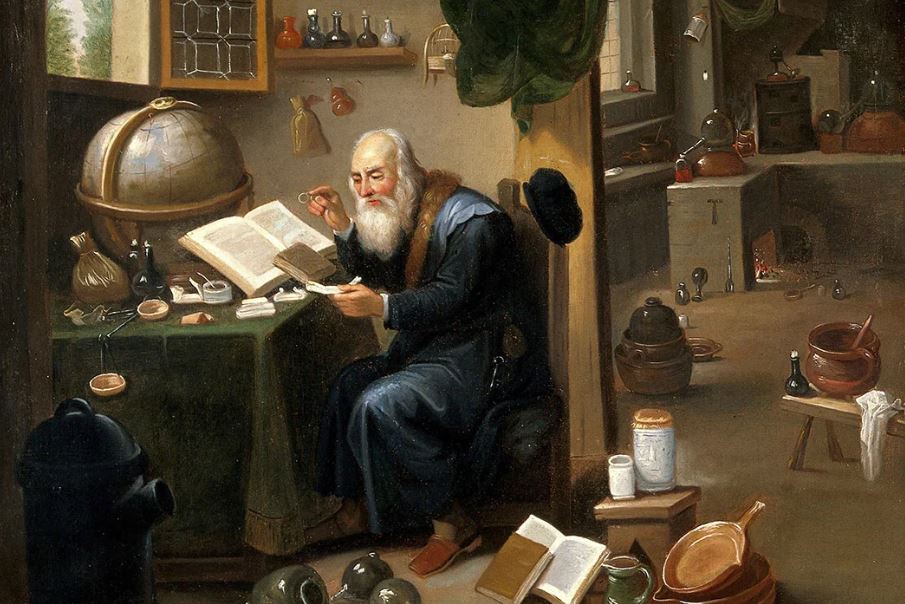
Medieval alchemists, as well as many of their fantasy counterparts, generally have two goals in mind with finding the fabled philosopher’s stone: long life and turning lead into gold. We’ve already touched on how a greater lifespan could cause problems, but what about if the alchemists in this fantasy world were able to pull off the second part?

“Wow, this could really demolish the local economy when I get back to town!”

If you can take a hunk of lead, or any metal, and turn it into pure gold, you essentially have unlimited wealth. Kinda. For Roderick, the trick is once again being able to prove that an alchemist has more gold in their possession than records would suggest. After all, this gold didn’t come from any known gold mine or source. The alchemist could have purchased crude copper pots at the market, turned them to gold in their basement laboratory, and then melted them down into gold bars, perhaps even minting their own coins — and it’s all off the books.

The problem for Roderick, and by extension the kingdom he represents, occurs if the alchemist gets too greedy or overzealous in this gold conversion. The value of gold relies on its relative rarity. If you have a way of creating as much of it as you want, if too much of it gets into circulation too quickly, you could wind up devaluing the worth of gold and creating hyperinflation. There is a historical precedent for actually having too much gold. This happened to Spain in the 16th century. They had such a huge influx of gold from the Americas that it created uncontrolled inflation.

“This is just me, sitting here, making it rain, yo.”

Thus, one alchemist with this ability, either on purpose or by accident, could lead to a kind of economic collapse that a fantasy society would probably not have any sort of defense against. This might be reason enough for Alchemists to be unwelcome in a fantasy kingdom unless they are serving in an official capacity. They would need enough strictures placed on them to avoid undermining the entire monetary system of the realm.

The reality for Roderick in both cases is that magic could allow for untraceable production of key things that would normally find a place in his tax ledger. Bad news, Rod.

Conclusions:

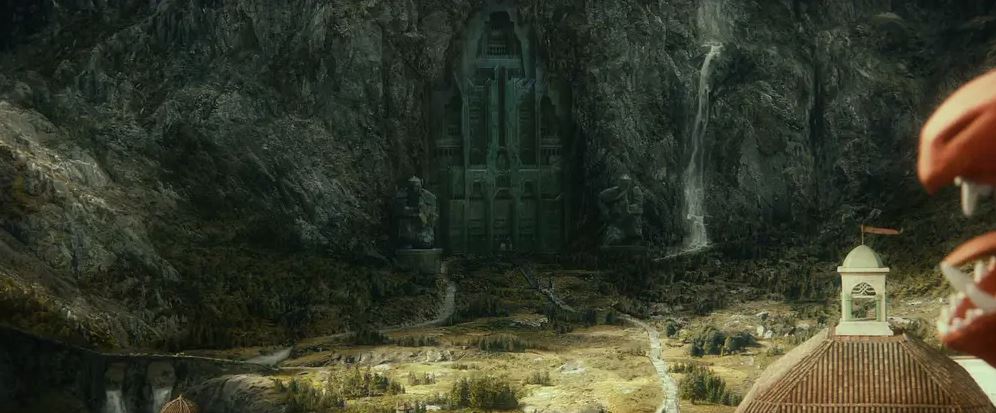
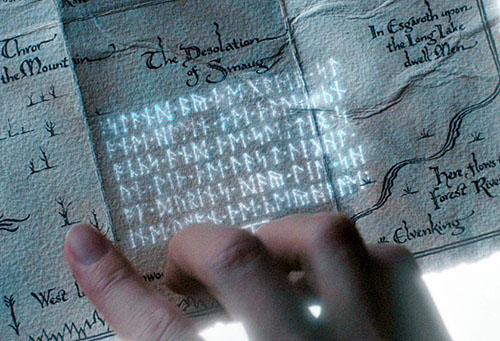
“Behold, Erebor!” (*spoken in Sir Ian McKellan’s voice*)

I chose death and taxes for this post specifically because both are considered inevitabilities. The examples above are to illustrate the point that the presence of magic can put that inevitability in doubt.

Obviously, we’re talking about specific magic types in play here, but both kinds — the longevity and the transmutation — could have lasting effects upon the delicate balance that a fantasy society requires. Both types of magic are also fairly common in the greater sphere of fantasy storytelling.

One of the things I love about fantasy as a genre is that it’s both familiar and new at the same time. For those fantasy stories that use a medieval/renaissance foundation to set the scene, we can picture daily life there pretty well. Magic throws a wild card into the historical vision of how things proceed, and it’s up to the author to think through the ramifications of their magic systems on the worlds in which they exist.

Magic doesn’t exist in a vacuum, in other words. There’s a society that surrounds it, and that way of life would have to adapt to the existence of magic. While on the surface level a fantasy society might look and feel like its historical counterpart, there will and should be differences between the two.

After all, magic has the ability to make the impossible possible. To a fantasy society, that could make all the difference in the world.

Thanks for reading!

__________________________________________________

Do me a favor, okay? Subscribe to my newsletter for more news, updates, and information on Sector M’s current and upcoming projects!


Some Thoughts About the WGA/SAG-AFTRA Strikes

2023 has been weird. This is the second time that I’ve had to scrap the blog post I was working on to address a seismic shift in an industry that interests me. Technically two industries in this case, but two that are very much interrelated.

I’m talking, of course, about the current strikes involving the Writers Guild of America (WGA) and the Screen Actors Guild/American Federation of Television and Radio Artists (SAG-AFTRA).

Pencils down.

Before I get too far into this discussion, I should point out that I am not a member of either of these organizations. I am a professional writer by trade, but I’m a copywriter. So, more of a marketing/branding writer. I write books and games, but that’s all just a side hustle for now. I am not a screenwriter, though that field does hold a certain draw for me. And while I was a theatre kid in high school and a bit in college, I realized early on that I was not cut out to be an actor.

Let me be absolutely crystal clear on this point: I will always be in favor of the artist over the corporation. That goes for the current situation as well as any more that might come about in the future. With that in mind, I thought I would lay out my thoughts on the subject, and why I think strikes like these are important and necessary.

The Eternal Squeeze Play

Corporations, with few exceptions, will almost always seek the path that reduces costs and maximizes profits. It’s one thing to run a company efficiently, but it’s quite another when both the reducing and the maximizing are taken to extremes.  

That’s why I have little patience for CEOs who make more in a day than most people make in a year (and more in a year than most folks will make in a lifetime) saying that there’s not enough money to pay their creatives for their work. These are some of the same executives who were recently reported as saying that they would drag out negotiations until union members started losing their homes, describing it as a “cruel but necessary evil.” 

Bear in mind that the biggest hubs of entertainment production are also situated in some of the most expensive places to live in the nation. Google how much the average rent is for a basic apartment in Los Angeles, I dare you.

The show won’t go on.

So, we have a situation where media corporations are raking in enormous profits, but the people who help create all that value are not able to adequately share in it. All the while, these creatives face limited work protections, a crushing lack of health care, and a shortage of the basic safety nets that other industries have gained only through organized labor.

Once again, I trust a corporation to do only what it considers to be in its own interest, and nothing more. Anything beyond that will require direct action for them to, grudgingly, loosen the purse strings. These companies could not, and cannot, exist without the labor of these writers and actors, pure and simple. So, just for the industry to continue, the people involved must be allowed to make a living wage, rather than being relegated to the iffy world of gig-economy/contractor status.

Skin in the Game

Now, what is or isn’t decided at the negotiating table will not affect me financially, but it will affect me. It will affect you, too. We all have a stake in these strikes to some degree. Unless you sequester yourself in some sort of remote area, chances are you stream movies or TV shows as entertainment. We all consume media in some capacity.

Can you imagine how much more miserable the pandemic would have been without streaming? And yet, as much as streaming services saw huge increases from that time, a trend that continues on to today, streaming has not proven itself to be a sustainable model for all the folks who contributed to its success.

The fact of the matter is that if we as the public want to continue enjoying movies and shows, we had better hope that both the WGA and SAG-AFTRA negotiations are successful. If not, there will be fewer people able to lend their talents to that end. Fewer people will mean fewer shows and fewer movies for us to enjoy. So, this isn’t just an issue for screenwriters and actors; we all have skin in this game. 

No Dice, Skynet

Another sticking point in all this is corporations’ use of AI-generated content. This goes well beyond just actors and writers, but the use of AI will have enormous repercussions throughout the entire sphere of creative endeavors. I absolutely don’t blame actors and writers for wanting protections from AI written in their contracts. I would as well were I in their place. 

AI is a creative shortcut, and right now a pretty mediocre one at that. It has the virtue of being pretty cheap to employ, though, certainly much cheaper than a living person who constantly needs money for food, water, and shelter. It’s the relative cheapness that has most corporations’ mouths watering. It’s yet another way to cut costs and maximize profits. 

The use of AI brings up a whole host of moral and ethical questions. I won’t discuss those here, as they are far too numerous and complex. Rather, the point that I would like to make about AI used in a creative endeavor is this: Creativity is a human expression. Using our imagination and creativity constitute perhaps the most human things we can do.

There is no culture without creativity. If we decide to outsource our creativity to a machine, then we are, by extension, allowing an algorithm to dictate our culture to us. That diminishes us in ways I can’t even begin to fathom. Yeah, no thanks, Mr. Terminator — hard pass.

Conclusions

I think what these strikes boil down to is trying to get the major studios to acknowledge and accept that writers and actors are humans — with needs and aspirations, deserving of dignity and protection. It might be easy to point to a few rock stars in both fields as being super successful, but they are the exceptions, not the rule. The vast majority of creative people on the picket line nowadays do not fall into that category. They just want to be able to make a steady career in the industry.

It might be hard to see entertainment as a “product” in the same way that we view tangible products like steel girders or cars, but these creatives deserve to be compensated even if the work they produce is highly subjective. Really, when it comes down to it, if our auto manufacturers and steel workers have been able to secure legally enforceable assurances from their own corporations, vulnerable workers in the entertainment industry should be no different.

Think about the moments that have moved you the most on the big or small screen. One that comes to mind for me is seeing Tony Stark give the snap in Endgame that simultaneously defeats Thanos and saves the universe. That scene was written by the Russo Brothers and the movie’s editor, Jeff Ford, and then acted on screen by the peerless Robert Downey, Jr.

Each moment like that — each time it feels like all the air has gone out of the room and we feel the story resonate in our very bones — an actor and a writer brought that to life. If we don’t allow these creatives a path forward and a future they can aspire towards, we risk not having an entertainment industry at all. Or, at least, not much of one.  

Thanks for reading.

__________________________________________________

Do me a favor, okay? Subscribe to my newsletter for more news, updates, and information on Sector M’s current and upcoming projects!

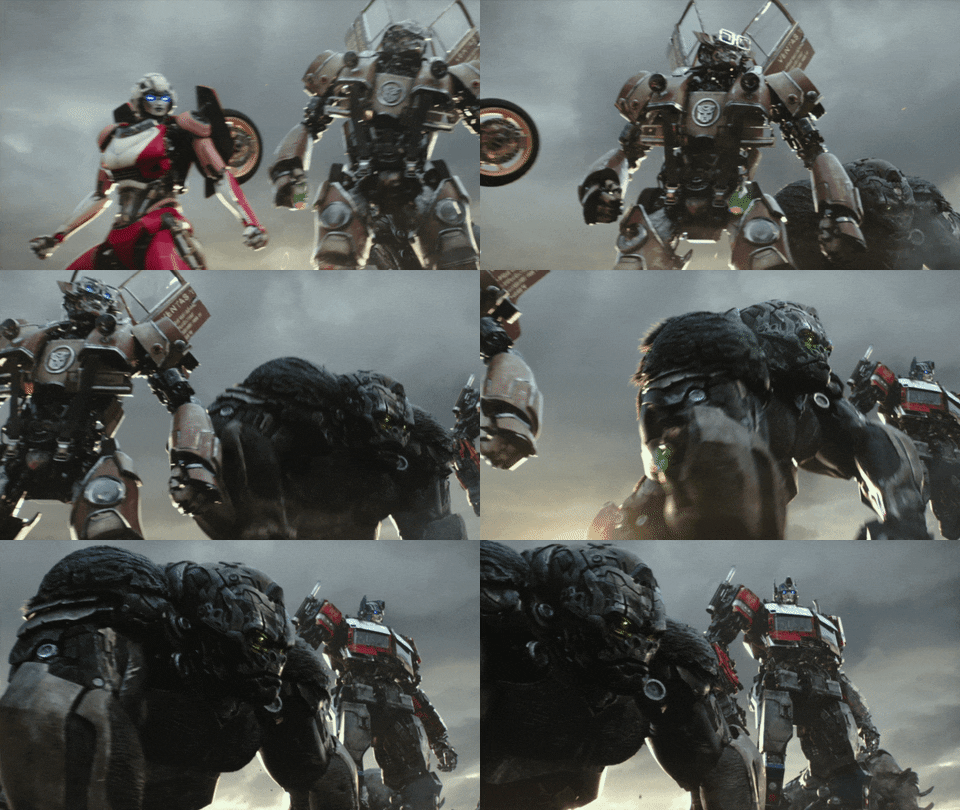
Fanboy Movie Review #16 — Transformers: Rise of the Beasts

[Note: I do not consider myself a movie critic. What follows is just one fanboy’s opinion based off of a single viewing of the film. Oh, and there are SPOILERS ahead for this movie, so take heed.]

First off, let me apologize for being tardy on this blog post. Posts where I need to see a movie beforehand are dependent on me actually being able to take in a viewing of the movie before I can comment on it. I was delayed in seeing this film. As a result, my Fanboy Review is late. Mea culpa.

So.

Transformers.

Long-time readers of this blog will note that Transformers is perhaps my favorite franchise of all time. When the live-action movie first arrived back in 2007, I saw it opening weekend. It wasn’t anything like what I wanted in a Transformers-themed movie, but it showed promise. We had Peter Cullen reprising his voice role as Optimus Prime, a big budget for special effects, and an absolutely haunting score by Steve Jablonsky. “Arrival to Earth” is one of my favorite cinematic musical cues of all time. I sometimes catch myself humming his “Optimus” theme in my more quiet, contemplative moments.

As the series wore on, however, the cracks began to show. I’m not even talking about the nonsensical storyline; I’m talking about the strange ‘dude-bro-ness’ of it. The overt objectification of women. Needless flag-waving and worship of the military (and this from a guy who writes military sci-fi). There were too many needless human characters and pointless sub-plots, and not enough of the Autobots and Decepticons.

For me, Age of Extinction was my breaking point. I even wrote an open letter to Michael Bay on this very blog. Unfortunately, almost 10 years later, some of the points that I addressed in that open letter are things I find I’m having to dust off for this review. 

First Impressions:

Despite my doom and gloom about the franchise, and the fact that I skipped The Last Knight entirely (I still have never seen it), 2018’s Bumblebee was a breath of fresh air. It wasn’t a perfect film by any means, but it was better than the CGI insanity of the previous entries. The opening sequence of that movie on Cybertron is precisely what I wanted in a Transformers movie. There was a bit of the Bayformers ichor still on the film, but the robot designs were closer to their G1 forms, and the general mood was lighter in tone. The rumor was that it would serve as a soft reboot of the franchise.

When I heard about Rise of the Beasts, I wasn’t super thrilled. I know Transformers fans owe a great deal of in-universe lore to Beast Wars, but I was never a big fan of it. I was even less of a fan of Beast Machines that followed. That said, it appeared that Rise of the Beasts would be a continuation of Bumblebee, so I was willing to give it a chance, though Travis Knight was not returning as the director. I set my expectations to middling and took my seat.

What I Liked:

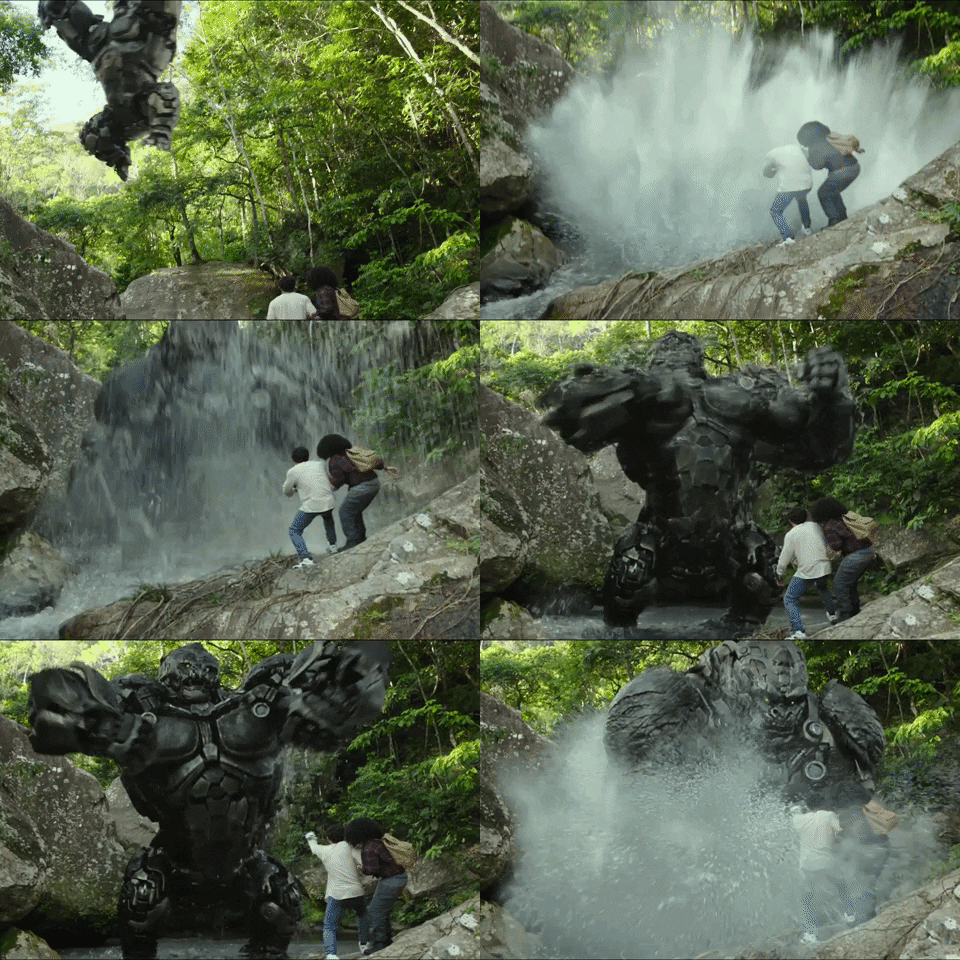
The landscapes — Visually, this movie has some of the most striking natural landscapes that I can remember seeing in any Transformers movie. It’s an interesting contrast to the cityscape we see in the early part of the story. Plus, thematically, it just makes sense when you have the Maximals and their more ancient, naturalistic vibe front-and-center in the story’s narrative.

PETER FRICKIN’ CULLEN — Any time we get to have the man himself reprise his role as the Autobot Supreme Commander, I’m down for it. Even if I don’t like the story that Prime is in, Cullen always (always, always) turns in a command performance. This is no different, though I wish they had more use of the character in the movie. I always enjoy a heartfelt speech coming from Optimus, and we didn’t really get that this time. Feels like a missed opportunity.

The special effects — It’s almost par for the course for these big-budget blockbuster films, but I think it’s worth calling out. The VFX artists really delivered here, and they should all be proud of what they created. I’m sure it wasn’t easy. Whatever my complaints with the movie, the effects are really beautiful. There was one notable exception, however. See below. 

The search for the Transwarp Key — I know that things started to feel a little like National Treasure in some of these sequences, but I dig the search for clues in symbols from history. That’s what I had originally wanted from Revenge of the Fallen, but we never got there. When you’re dealing with immortal, godlike animal robots, I can see early cultures viewing them as deific figures or spirits.  

The Maximals — Despite not really being a fan of Beast Wars, I thought the Maximals were pretty cool. It’s a pity we don’t get much of a chance to get to know Rhinox and Cheetor a bit better, but I loved Ron Perlman’s gravitas as Optimus Primal, and Airazor nearly steals the show in places, voiced by the incomparable Michelle Yeoh. So, a pleasant surprise.

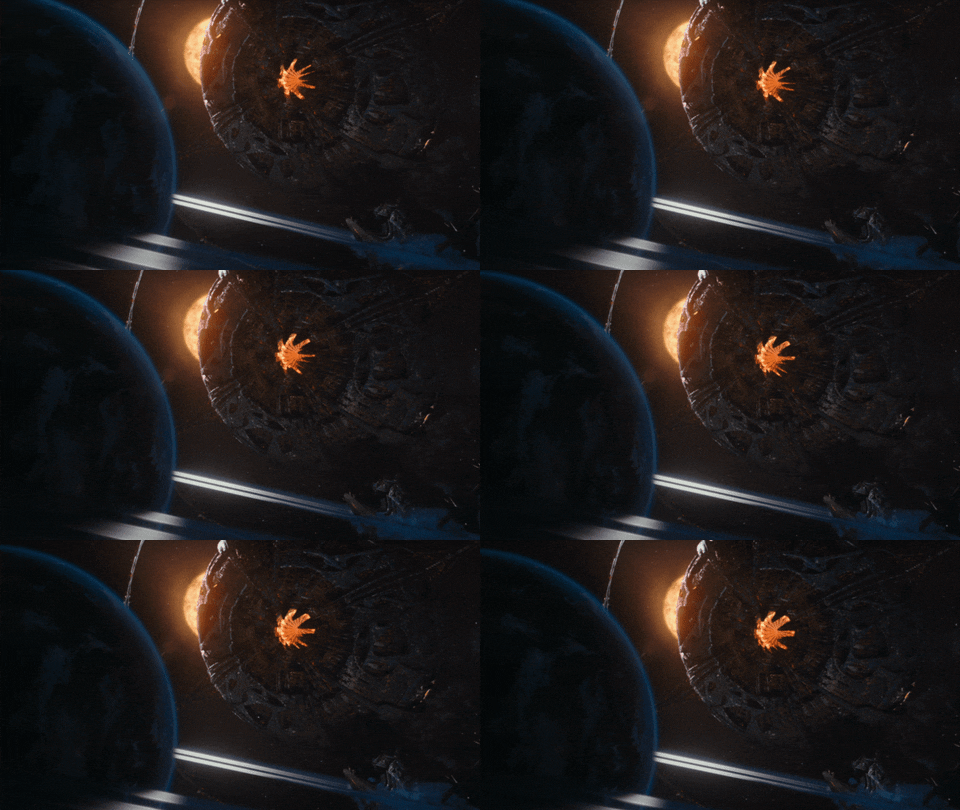
UNICRON — This is how Unicron should look. Seeing him tear into the Maximal planet was pretty terrifying, as it should be. Orson Welles is a tough act to follow, but Colman Domingo nails the part. I also noted the music playing during his scenes was a nod to Vince DiCola’s “Unicron” theme from the 1986 animated movie. Speaking of the music…

The musical score — I was surprised to learn that Steve Jablonsky didn’t write the score for this movie. Many tracks, particularly “Till All Are One,” definitely carry that cinematic style that Jablonsky delivered. This one is composed by Jongnic Bontemps, and it’s worth checking out.

Mirage and Chris — For those of you familiar with the G1 cartoon, I got a little of a Tracks and Raoul vibe from the relationship that forms between Mirage and Chris, and I dig it. It’s definitely interesting to see another Autobot besides Bumblebee be the ‘bridge’ character between Cybertronians and humans. I think their scenes were great and just nicely gelled together. I do love that we got the traditional shot of Mirage’s steering wheel bearing the Autobot insignia as Chris climbed in for the first time.

What I DIDN’T Like:

The story — Another ancient MacGuffin, another doomsday scenario. It’s another all-powerful ‘football’ that the characters have to find/retrieve/lose/ then ultimately destroy. Big yawn. This go-round is not as tedious as some of the other times we’ve been down this road, but only just. Yeah, I know, going to a Transformers movie looking for a good story is an exercise in futility. I’m just a glutton for punishment, I guess.

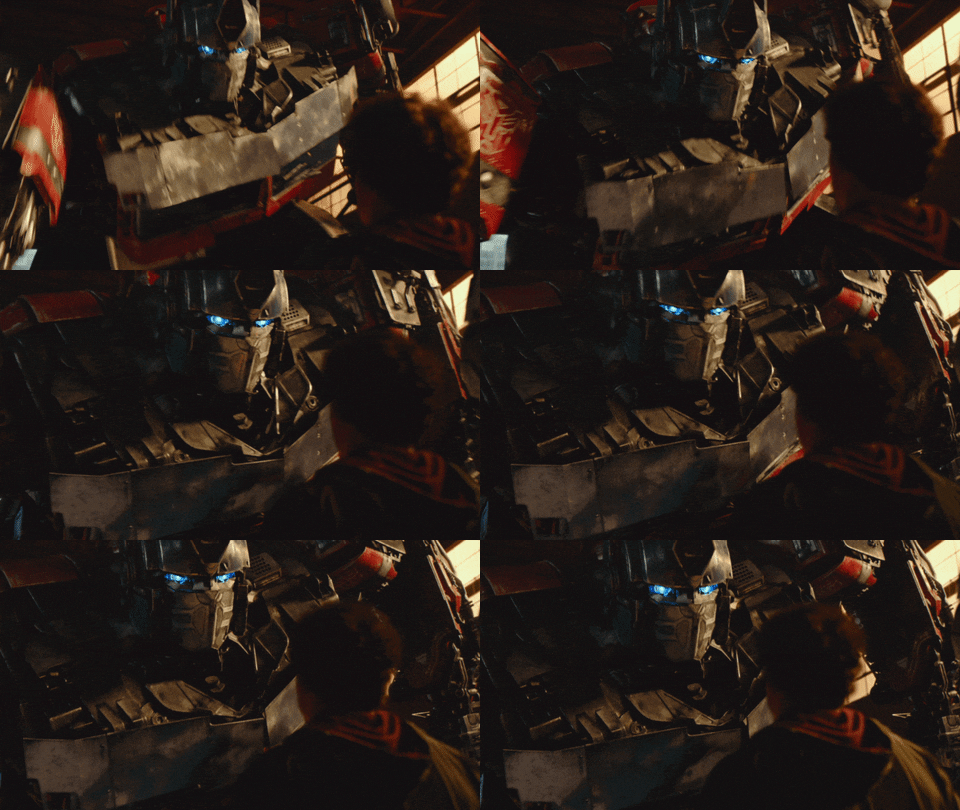
Optimus is still kind of a jerk — Transformers movies just can’t seem to find an arc for Optimus that fits with who he is. I get that the story here wants to show some sort of growth, but a being that’s around nine million years old should have a pretty well-established character. He should not have to be convinced or persuaded to care about other beings, particularly humans. For a brief moment, it looked like they were going for a ‘maybe he isn’t quite the Optimus he will eventually become’ type of moment, but then that goes nowhere. There is no arc, so he’s a jerk for really no reason. Optimus a leader who doesn’t really care about anything or anyone that isn’t in his immediate purview or goal. Anything outside of that is something that might as well not exist. Such a pity.

So, once more for the folk’s in the back: Optimus is the one that people (robots and humans alike) should look to when they feel like they can’t go on or when they call into question the morality of their own decisions. He’s the one to make the inspirational speech to lift your spirits at just the right moment and back up his words with heroic action. If that’s not the role he is destined to play in the story, he has been stripped of his core identity. We had to suffer through this most especially in Age of Extinction, and we’re still struggling with it here when it should be a non-issue.  

Optimus’s new design — This is admittedly a nitpick, but the Bumblebee version of Prime was (IMO) the best Prime has looked in live action. Ever. This new version of him looks more blocky and unwieldy. We are also back to Optimus only deploying his faceplate during combat instead of it being in place all the time. I thought it looked dumb in the Michael Bay movies, and it somehow looks worse here. He’s still more G1 in design, though, and doesn’t have flames. There’s that, at least.  

Bumblebee is KIA — The first real dust-up we see in the movie, and Bee is the sacrificial lamb — the guy who gets killed to prove the situation is dangerous. Practically a redshirt. Of course, there was no way that they were going to kill him off permanently, so his death had no real impact.

Wheel…jack? — In the opening of Bumblebee we see Wheeljack for a brief moment, and he looks more or less like he did in his G1 days. Here we get a version of Wheeljack that is so completely different as to be a whole other character. It leaves me wondering why they didn’t just name this character something else. If this is a continuation of Bumblebee, what’s the point? Plus, besides his initial, super- awkward interaction with Chris, he’s just another Autobot, just another gun on the firing line. He’s not an engineer or a mad scientist type. Like the movie, he’s just sorta…there. 

Scourge versus Optimus — It was hard to see Scourge be able to take Prime in their initial clash, but I was okay with it. Scourge is a Herald of Unicron, and he’s directly channeling the power of a dark god, so it makes sense that Prime wouldn’t be able to stand against him alone. They did a pretty good job of setting the two of them up for an epic confrontation. But when that time comes, Prime is suddenly on par with Scourge for no apparent reason. I kept waiting for Prime to have some sort of epiphany to tap into his inner strength, or deepen his understanding of the Matrix, or something. Prime is just somehow better, and defeats Scourge as though the Terrorcon was just another Decepticon.

Scourge’s corruption bullet — Scourge fires a single shot and is not only able to take Airazor completely out but also corrupt her to a point where she turns on her allies. She seemed like the wisest and most discerning of the Maximals. So, did Scourge only have one of those little doohickeys? Why wouldn’t he immediately try to corrupt the Autobots, especially Prime? If all it takes is one little spider-tracker, that seems like a much better way to neutralize your opposition. If I were him, I would be using that little trick all the time.

The access tunnels — So, let me get this straight…Scourge raises his weird tower as a way of sending the Transwarp Key directly to Unicron. First, I would have thought that he could use the Key to transport himself and his minions to the Chaos-Bringer and give it to him that way. No fuss, no muss. But, assuming the whole tower thing is necessary, why would you want, or need, little access tunnels that go all the way up to your computer console? Tunnels that just so happen to be big enough for humans to run around inside? This was the plot bending over backwards to make itself work and give the human characters something to do.

The resurrection — Oh look, the big explosion they talked about has ignited all the energon in the valley, and guess whose body is laying on a convenient sheet of it. Bee comes back completely healed and ready to go. So, did Stratosphere just hang around the village while his fellow Autobots and Maximals went off to fight? Dude, it’s the end of the universe. Like, the chips were well and truly down, and he’s just chilling. Also, too bad Airazor got a tight hug from Optimus Maximal and they didn’t take her body to the valley. I guess she’s just dead-dead, instead of being mostly-dead like Bee.

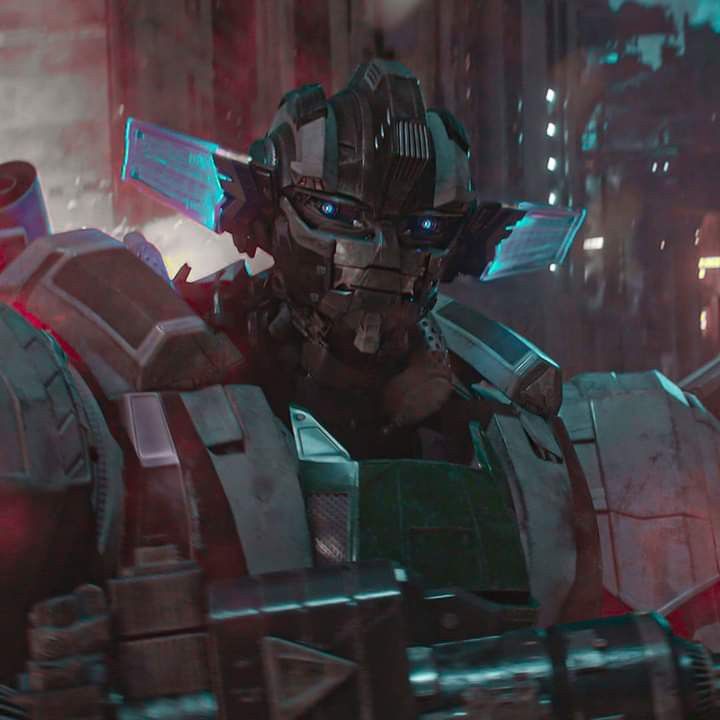
The Iron Man suit — I understand why this happened. One of the big issues with Transformers movies is that the humans have no real hope of fighting in a battle with giant robots wielding weapons of a magnitude we can barely fathom. Usually, human companions like Sam or Charlie have to ‘run the football’ or try to affect things from the sidelines. The solution here was to turn a human into a Transformer. Sort of. Critically damaged in the final fight, Mirage turns himself into a human-sized suit of power armor for Chris, though the scale of the suit sometimes felt inconsistent. Too bad that option wasn’t available to Sam, Charlie, the NEST Teams, or any of the other humans who have helped out the Autobots in previous entries. Also, while the design of the armor wasn’t horrible, the open face bowl has Chris’s obviously CGI’ed face pasted onto it, which was the only effect in the movie that looked bad.

I guess we just destroy the Key, then — Predictably, the bad guys get the MacGuffin and attempt to use it. It apparently takes a while to spin up (and I use that term intentionally). In the end, Optimus is forced to destroy it. I suppose they had already established that it could be destroyed by Chris’s hand-held blaster. I know Prime had hoped to obtain it to get back to Cybertron, but when a portal opens up and you can see Unicron coming through, it seems like you would destroy the Key immediately if that were an option, instead of, you know, waiting until the last minute.

The G.I. Joe connectionNope. G.I. Joe has had three attempts at a movie franchise and failed in all three, even with big names like the Rock, Bruce Willis, and Channing Tatum attached to them. I know Hasbro is desperately hungry to build a cinematic universe, but I don’t want that chocolate in my peanut butter, thank you very much. Understand that I have a special place in my heart for G.I. Joe as a franchise, but Cobra becomes far less of a threat when they have to contend with giant alien robots from a technologically superior planet that is literally millions of years ahead of anything produced on Earth. So, again…nope!

Unresolved Questions:

In this telling of the story, the Autobots didn’t arrive on Earth aboard the Ark or a ship of any kind. So, what method did they use to get here at the end of Bumblebee? Prime acts like the Transwarp Key is the only way he’ll ever get off of Earth, but clearly he got here by some other means. Why can’t he just reverse that? His plan was always to establish a base for his refugee Autobots so that he could return and fight for his homeworld. Did he not have a plan for getting off of Earth once he got here?

Will we see the Primals again, or will they just fade into the forests of Peru permanently, to be forgotten or ignored in future installments? Are we looking at more Terrorcons being the bad guys from now on, or will we get more Decepticons in the next one?

Will this new continuity openly supersede the old one? Already, the reasons why the Autobots left Cybertron to come to Earth are vastly different than what was established in the 2007 movie. Also, in this telling Unicron is a separate being that’s coming to consume Earth, and is definitely not the Earth itself, which apparently was a thing in The Last Knight. Once again, any sense of cohesion between these movies is spotty at best.

Conclusions:

I know more of this blog post is about what I didn’t like, but I honestly didn’t hate this movie. Nor did I love it. It just sorta exists in a “meh” state for me. Bumblebee attempted to take a movie franchise that felt pretty played out in a new direction. It happened to be in a direction I liked, and I wanted to see more of that.

This movie feels like it wants to be more like the older Transformers movies in terms of tone and design, and, to me, that’s a giant leap backwards. It’s a course correction to a course correction, and that’s a shame. For a moment in late 2018, I thought Transformers was finally on the right track. 

Still, I applaud this movie for excising the worst excesses of the Michael Bay films, but it doesn’t really deliver on what Bay was actually good at, either. The whole thing felt rather bland and a retread of previous entries in the series, but one with a basis in the era of Transformers that I don’t really care for.

Those who really love Airazor, Rhinox, and the Maximal crew might be more invested here, but I just wasn’t. Again, I think this movie is better than most of the Bay films, but it is unfortunately trying its dead-level best to get back to those elements of cinematic Transformers that I would rather see buried and forgotten in the past.

And that’s the way this fanboy sees it.

__________________________________________________

Do me a favor, okay? Subscribe to my newsletter for more news, updates, and information on Sector M’s current and upcoming projects!


Poor Boys & Pilgrims: My Visit to Graceland

When my father would take me to elementary school, we had something of a tradition: We would listen to music to set the mood for the morning. It was through these early morning music sessions that I was first exposed to classical composers such as Vivaldi and Brahms, as well as the guitar magic of Fernando Sor and Enrique Granados. One of the albums that made its way into the mix was Paul Simon’s, Graceland.

The entire album is fantastic, but there was something in the catchy bass hook of “Graceland” that really resonated with me. This was the first time I had ever heard of the place, but I didn’t know what it was. My father informed me that Graceland was the famous residence of none other than the legend himself, Elvis Presley.  

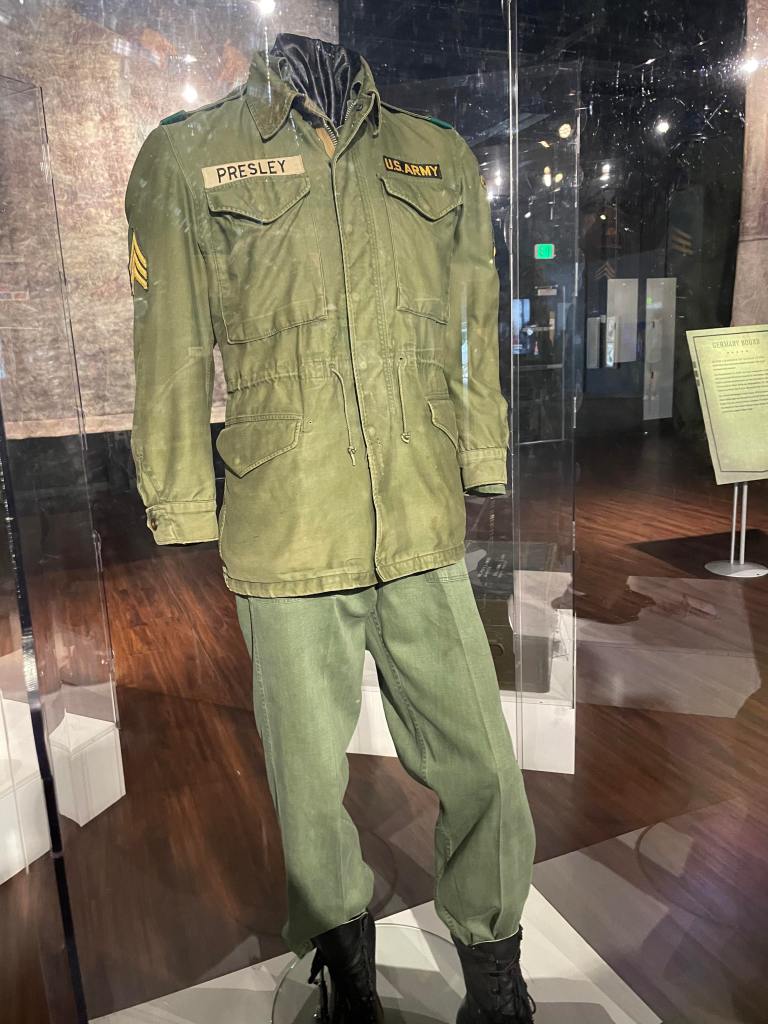
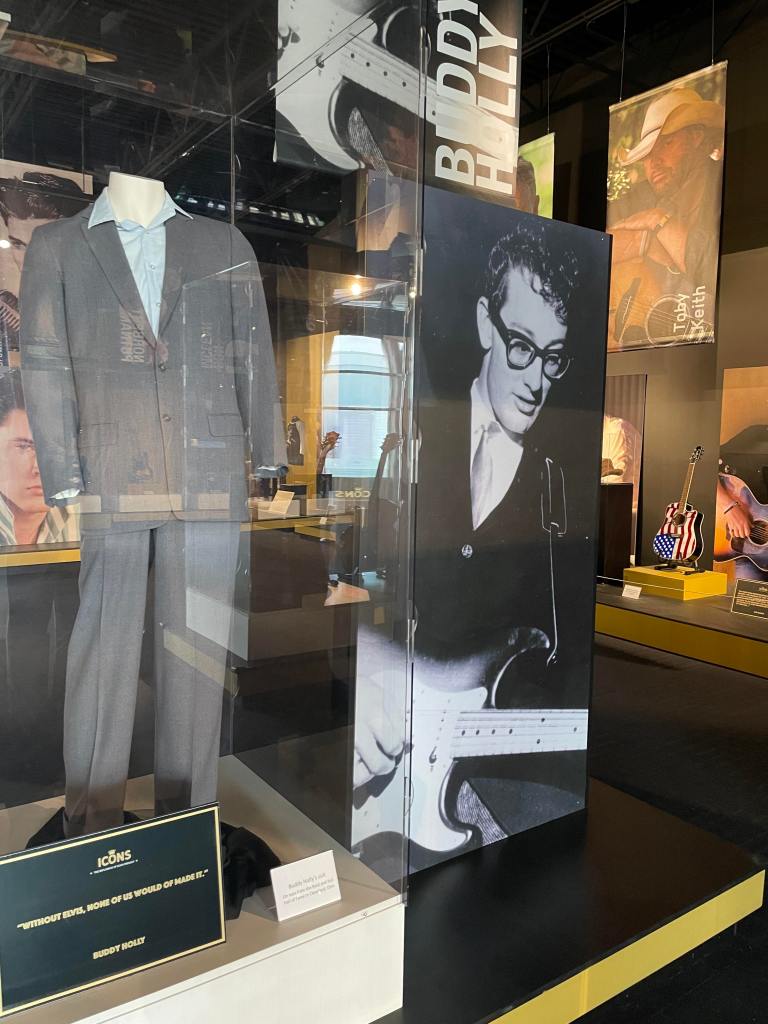
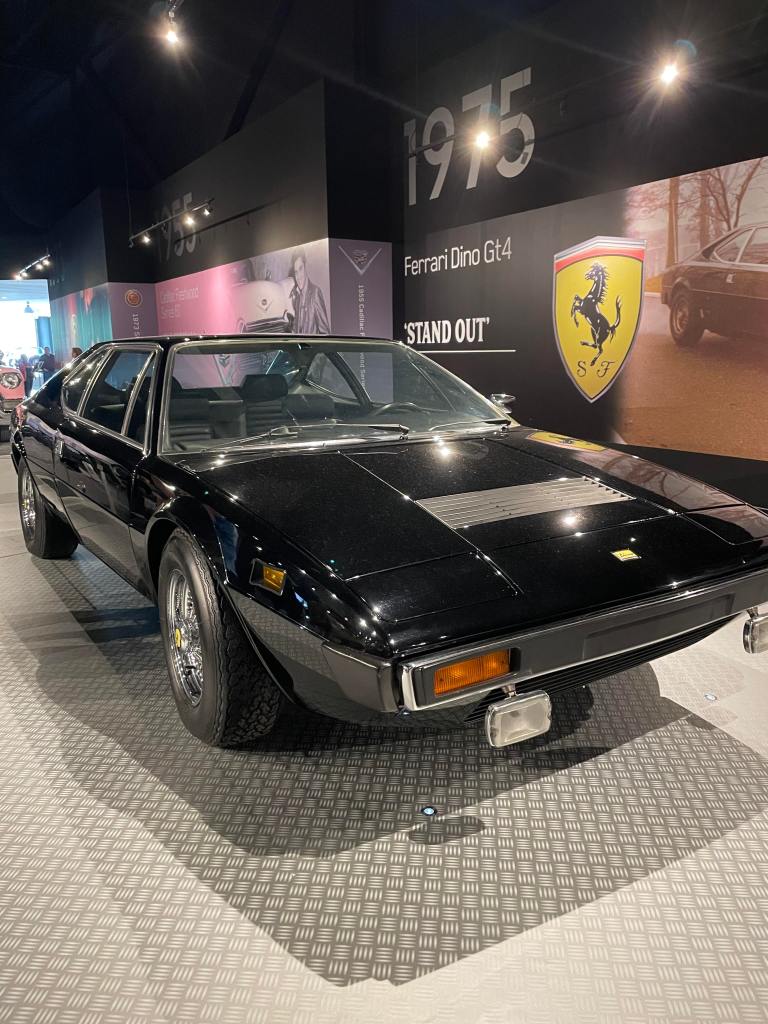
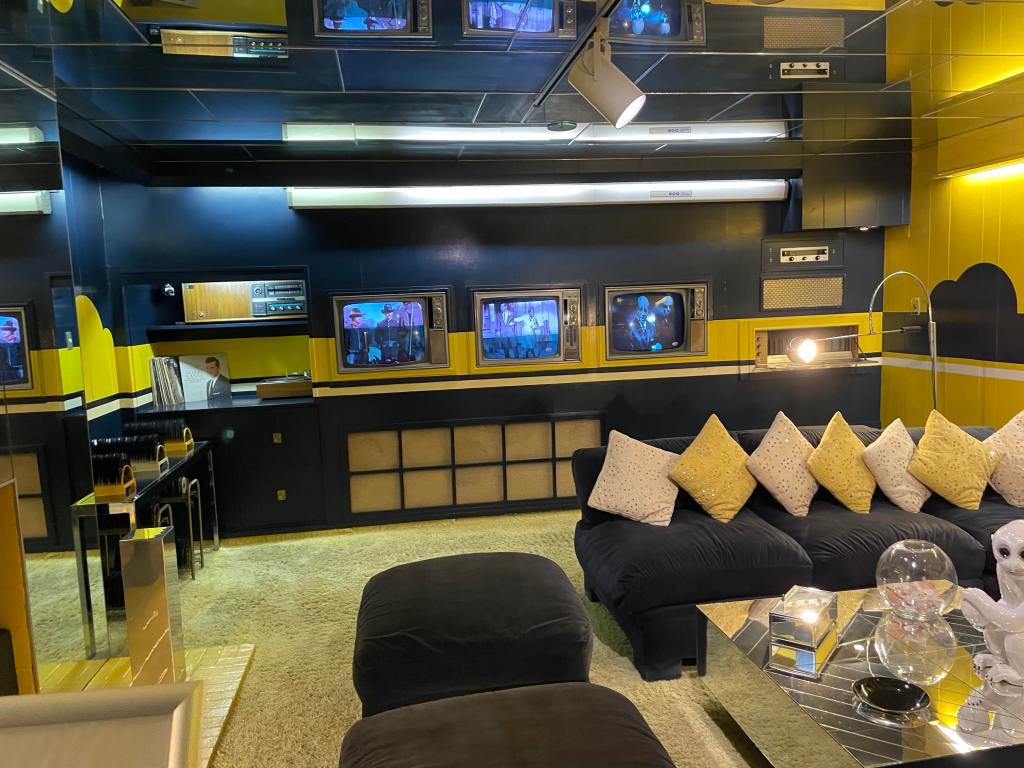
Recently, I had a chance to finally follow in the footsteps of the King. Paul’s Simon’s eponymous theme played through the speakers of the rental car on the way there, as it should. The Graceland Museum is right across the street from the mansion itself. It is filled with all manner of Elvis artifacts, ranging from his cars, including the famous Pink Cadillac, some of his Army gear from the time he was drafted, and tributes and various personal possessions. His signature jumpsuits and golden records are also on display, though I wasn’t able to see them this time around. It’s good to have something new to see next time I’m in Memphis, however, since I already want to go there again.

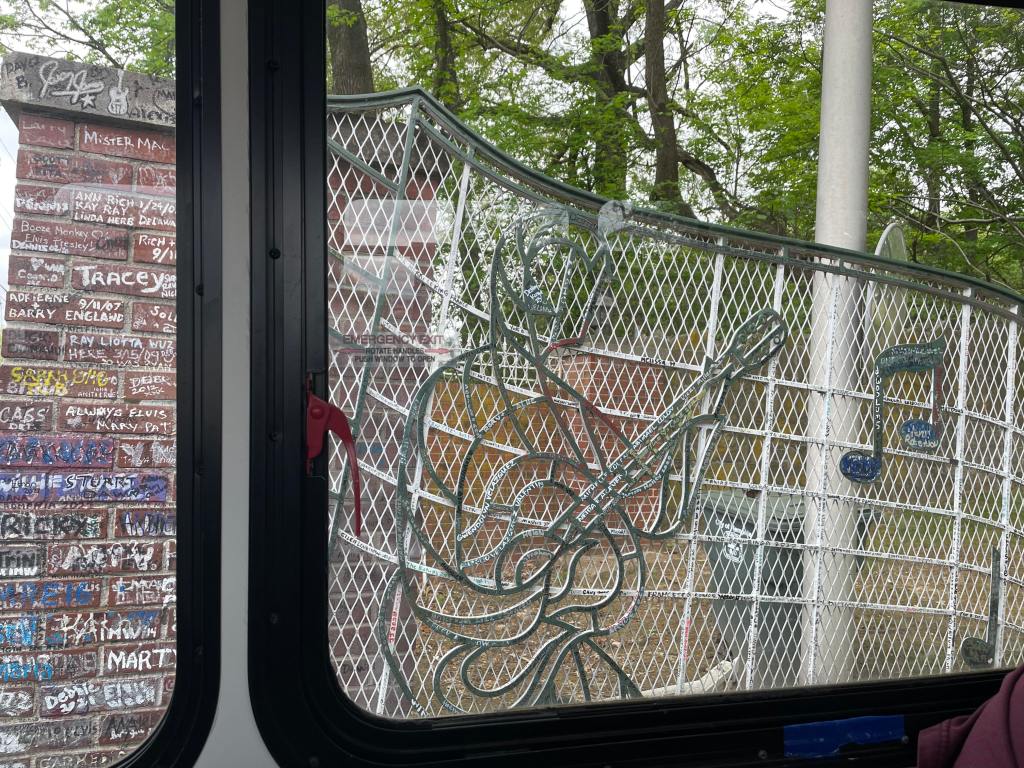
Where I was fascinated, however, was in the mansion itself. Elvis bought the estate when he was just 22 years old, and he lived there for the remainder of his life. He modified the grounds extensively, adding the iconic guitar gates, an outdoor pool, a trophy building, and an indoor racquetball court.

The grounds there are peaceful. Part of me was captivated by the trees on the green in front of the house. I went in with the tour group, just one more pilgrim in the crowd. While luxurious, even decadent in places, I was struck by just how small the house was. Elvis was arguably the first international megastar. Musicians nowadays with a fraction of his star power live in megamansions that could dwarf Graceland. That Elvis chose this place as his main residence, and didn’t have a string of much larger places, is something that’s worth noting.

The Graceland Mansion has been frozen in time from the era when he lived there. His living room with a grand piano and stained glass peacocks, his yellow basement lounge with its three TVs and a (for the time) state-of-the-art RCA sound system, the world-famous Jungle Room with its carved wooden furniture and green shag carpeting on the floor and ceiling — it’s all in the state that Elvis left it.

It’s here that I had my ‘oak tree’ moment (a phenomenon that happens to me often enough at places like this that it really deserves its own blog post). Basically, it’s the dawning realization that the place you’re standing in isn’t a reproduction or facsimile; it’s the very real place where this person lived. This is where they sat down for dinner, spent time with family, took important phone calls, made tough decisions that are now lost to the sands of time — where the quiet moments of their life took place. In Elvis’ case, it’s also the place where he passed away. Heavy stuff, man.

The second floor of the Mansion is roped off. The audio tour, hosted by John Stamos, tells the visitors that the upper floor is kept private. I suspect that’s largely because having people see the place where he died just should not be on display. And, you know, I’m fine with that.

The next day, I went into Memphis proper to see the place where Elvis’ recording career first began its meteoric rise to prominence. Just as I would recommend the tour of Graceland, the same is true of Sun Studio, the birthplace of rock and roll. The likes of Jerry Lee Lewis, Johnny Cash, Roy Orbison, Carl Perkins, B.B. King, and so many others made their careers at Sun Studio.

The space where Elvis recorded “That’s All Right,” his first runaway hit, is right there on the first floor of Sun. You can see the spot where he recorded the single that began his rock stardom. The story goes that Elvis had a fateful recording session with Sam Phillips, Sun’s owner and record producer, one that did not go so well at first. After a few hours, Sam decided to call it quits. The guitar and bass players began putting their instruments away when Elvis started singing “That’s All Right.” Something in it really grabbed Sam’s attention, and he asked Elvis to sing it again. The bass and guitar players pulled their instruments back out and they spent the rest of the night trying to get the song down.

Once they finally had it in the can, Sam sent the record over to the “Red Hot & Blue” radio show hosted by legendary DJ, Dewey Philips. “That’s All Right became an instant hit. A few days later, Elvis signed his first recording contract with Sun. His first record came out two weeks later, and so begins Elvis’ path to becoming a fixture in American pop culture. He inspired a generation of artists, and his fame paved the way for many other musical legends. As Buddy Holly put it, “Without Elvis, none of us would have made it.”

Buddy Holly would, in turn, go on to inspire many others, including the Beatles. So, the impact that Elvis has had on music cannot be understated. As an aside, I once knew a lady who had a collection of pristine liquor decanters in the likeness of Elvis, complete with microphones and necklaces gilded with real gold. I mean, that’s a little on the weird side, but how many other musicians are ever enshrined in such a way?

Yet, when I think of Elvis, not the one we see on black velvet but the man himself, I can’t help but feel pity for him, especially in the final years of his life. Increasingly isolated, with most of his musical rights sold, divorced, performing constantly, with years of bad habits taking their toll, he died alone at the age of just 42.

There’s a piano in the lounge adjoining the aforementioned racquetball court. That was the last instrument that Elvis ever played, on the day he died. According to his cousin and member of the Memphis Mafia, Billy Smith, the last songs Elvis sang were “Blue Eyes Cryin’ in the Rain and “Unchained Melodies,” the latter of which was one of the last live performances he ever gave. Both songs, especially when sung by Elvis, have that poignant, yearning quality to them, which I can only conclude encapsulated his state of mind at the time. Listening to them now is haunting.

I didn’t know this before I arrived at Graceland, but Elvis is actually interred on the grounds, near a fountain in the Meditation Garden. He’s there along with his mother and father. Tragically, his only daughter, Lisa Marie, now lies there in a mausoleum next to her son, Benjamin Keough. It’s difficult to stand there and not be moved, yet the peaceful nature of the grounds I spoke of earlier is a balm to this.

You know, in many ways, I have been on my way to Graceland for a long time, ever since those trips with my father as we zipped down the country roads in his ’72 Datsun pickup truck. Trips like this are transformative in many ways. Where I thought the visit would be for the glitz and glamour of one of America’s brightest stars, I came away with more of a feeling of introspection for having been there, a cause to ask the important questions of life, death, and existence. My trip to the Buddy Holly Museum had a similar effect on me.

Even still, Elvis had a personal mantra in the ’70s, summed up in this logo. Believe me, it is everywhere at the Graceland Museum.

The gates of the Graceland Museum.

It stands for “Taking Care of Business in a Flash,” or often shortened to simply “Taking Care of Business.” I believe this was Elvis’ way of telling us that time is short, to stay focused on what’s most important, get stuff done with style, and live a life worth remembering.

Not bad advice from the King, really. And considering everything that was going on in my life when I took this trip, they are sentiments I needed to take to heart. So, from me to all of you out there reading this…

TCB!

Thank you. Thank you very much.

__________________________________________________

Do me a favor, okay? Subscribe to my newsletter for more news, updates, and information on Sector M’s current and upcoming projects!


Applying Etymology to Fantasy Writing

Many years ago I was reading a fantasy novel as I was settling down for the night. In it, there was a long description of an old manor house that said the ancient stone walls had Spanish moss hanging from its surface.

Hold on, what kind of moss? How do you have Spanish moss without Spain? This was set in a whole different world, so the use of ‘Spanish’ in that context immediately took me out of the story. Couldn’t this have been described as ‘horse hair ivy,’ or ‘long moss,’ or some other descriptor that isn’t directly based off our world?

I mean, imagine that you’re reading a high fantasy story about two male characters going to a tavern to celebrate. These guys each order a Bloody Mary, call each other ‘dude’ and ‘bro’ a lot, and then high-five each other. That would be a bit jarring, right? That just doesn’t sound like something people in a fantasy world would say, and the Bloody Mary is linked to several historical figures from the history of our world.

Language is one of the best ways to establish the mood of a fantasy story, as well as to reinforce the atmosphere of the world. With that in mind, I thought I would go through a number of words that have direct links to our world in particular. If you’re writing fantasy, you might consider using a synonym for them if you want to avoid a ‘Spanish moss’ kind of moment in your work.

Let’s dive in.

1.) Okay/OK

Full disclosure, there are several theorized origins for this word, but they are all fairly recent, linguistically speaking. Perhaps the most popular (and the one I subscribe to) is about the 8th president of the United States, Martin Van Buren, who was born at a place called Old Kinderhook. Van Buren adopted this as a nickname, even using it as a campaign slogan during his presidential run, with the abbreviation of “O.K.” This came to be synonymous with ‘all correct.’ So, the origins of this kind of acknowledgement are specifically tied to our world in a way that wouldn’t exist elsewhere.

2.) Fan

Short for ‘fanatic,’ the idea of being a fan of something is a usage that has only come about in the last 150 years or so, and is often attributed to the rise of baseball. Of course, the word ‘fanatic’ has been around for many centuries, but previously it was taken in its literal meaning of a zealot or someone who is obsessed or divinely devoted to a cause.

In an episode of Doctor Who early in Chris Eccleston’s run (“The Unquiet Dead”), the Doctor meets Charles Dickens. When the Doctor says that he’s a big fan of Dickens’ work, Dickens believes the Doctor is referring to a fan that you use to cool yourself. If a person from Victorian England wouldn’t get the reference, your high fantasy characters probably wouldn’t either.

3.) Lateen

This type of triangular sail has been used all over the world, but the name itself is taken from the word ‘Latin’ due of the usage by the Romans. This kind of sail has appeared in a number of fantasy stories, though it is rarely called something else. Of all the examples on this list, this one is the most in the vein of the ‘Spanish moss’ since it is directly derived from the name of a language used in our world. 

4.) Sadist/Sadistic

Both of these words come from the name of the Marquis de Sade, a French nobleman from the 18th century who wrote about inflicting pain and suffering on others…amongst other things. If you’re describing your fantasy villain, you might want to use ‘cruel,’ or ‘merciless,’ or something without a direct link to someone who (presumably) doesn’t make an appearance in your fantasy world.

5.) Sandwich

You might know this one already, but the term for putting meat and toppings between two pieces of bread was named after the 4th Earl of Sandwich in the 18th century. Often the story goes that he wanted to have a convenient way to eat so he didn’t have to leave the gambling table. While that part of the story is probably apocryphal, the name is still taken from a historical figure.

6.) Bathroom

When it comes to characters referring to the toilet, those from a medieval/renaissance frame of reference would likely refer to them as the ‘privy,’ the ‘garderobe,’ or something else. The term ‘bathroom’ wasn’t used until about the 18th or 19th centuries (sources vary on exactly when), but the meaning was literally the place in which you take a bath. Using it as a synonym for a lavatory came about early in the 20th century.

7.) Laconic

When someone has the tendency to express themselves in as few words as possible, they could be described as ‘laconic.’ This has a real-world origin. Laconia was the heartland of ancient Sparta, leading to the Spartans being referred to as the Lacedaemons. It’s why the Spartans sometimes had the Greek letter lambda (Λ) emblazoned on their shields. Spartans were notorious for their short, sarcastic zingers. Once a young Spartan complained that his xiphos sword was too short. His mother reportedly told him, “Take a step towards the enemy. Then it will be long enough.” 

8.) Cereal

Another word with its roots in antiquity, ‘cereal’ is derived from the Roman goddess of agriculture, Ceres. That’s the Roman adoption of the Greek goddess, Demeter, famously the mother of Persephone. If your fantasy world has gods that aren’t Greco-Roman in nature, you might give cereal another name. Something to ponder the next time you’re enjoying a big bowl of Lucky Charms, eh?

But wait — there’s more!

I know that this would normally be the end of a blog of this nature, just getting through the numbered bits, but I think there’s more to say on the subject here. Consider this the bonus round!

The ‘Translated Language’ Approach

Alternatively, if you don’t want to get too in the weeds on checking word origins, you could approach your fantasy world from the perspective that everything the characters are saying and writing is just a translation from the original source. So, if one character says ‘okay’ to another, they aren’t really saying ‘okay’ as much as whatever the equivalent to ‘okay’ is in their native language, which is certainly not English.

The movie version of The Hunt for Red October had a great example of this. All the Russian characters speak Russian until we see the Political Officer reading the Bible. There’s a close up on him, and suddenly he starts speaking English. The implication is that all the characters are still speaking Russian, but we, the audience, are getting the dialogue through a translated lens. The same can be true of your fantasy setting, though it can make justifying plays on words and puns a bit harder.

Maintaining Interrelationships

If you start changing words around, it can be helpful to keep in mind the words that derive from those that you change. Here’s an example: Let’s say that you have a fantasy world that takes its inspiration from ancient Greece. You decide to rename the goddess Hera to something else. That change trickles down to other things.

Take Hercules, or his actual Greek name, Herakles. His name translates to ‘The fame of Hera.’ Change Hera’s name, and you’ll probably want to change Herc’s name as well to match, assuming you plan on having a Herc analogue in your mythology. Furthermore, if you use the word ‘herculean,’ you might want to reflect that change in that root word as well, just so you keep the connection between these related words in place.  

Reaching a Balance

If you’re writing in English, you are already writing in a language that has a habit of borrowing words, either in whole or in part. Latin, Greek, Arabic, German, Old Norse, and a bunch of others have all contributed to the English we speak today. That’s the beauty of a living language that changes and evolves over time.

All that’s to say that there’s no way to delve deeply into every word you use in fantasy. I put this before you only to get you thinking about how etymology can be a useful tool in the fantasy writer’s toolkit. Of course, you could attempt to fully recreate the Middle-English vibe, but you might wind up writing something that reads like Chaucer’s original text that’s not going to be terribly accessible to a modern audience.

So, know when to put it down. Ultimately, the use of etymology is in service to the story. If you determine that you absolutely must use ‘antidisestablishmentarianism’ in your story, do it.

Final Thoughts

A fantasy world is supposed to feel real, even if it only exists in the minds of the author and the readers. Establishing that sense of place is, I think, why fantasy manuscripts can get away with being longer than other genres. It takes a lot of textual space to create that world, to bring it to life.

So, if you’re going to go to all that effort to build a world, word by word, dipping into etymology is a way to qualify those words so that you don’t wind up inadvertently tying your fantasy world to our own.

Thanks for reading!

__________________________________________________

Do me a favor, okay? Subscribe to my newsletter for more news, updates, and information on Sector M’s current and upcoming projects!