Tag Archives: book-review

State of the Sector: 2026

My Fellow Sectorians,

What a difference a year makes. Those were the words I had hoped to open this year’s State of the Sector address, and I’m glad to be saying them now in earnest.

Last year’s State of the Sector address was pretty bleak on many counts. I’m happy to report that where there was uncertainty before, I now have clarity and direction. I know what I want Sector M to be, and I’m finally at a point to start actualizing on various projects that have been waiting in the wings for too long. It’s an exciting time at Sector M.

With that in mind, let’s take a look at where Sector M is now and where it’s going.

This Is What I Do Now: I left my full-time job back in June. I mentioned in last year’s State of the Sector that signing on with that job was one of the hardest professional transitions I’d ever made. As it turned out, it didn’t get easier. In fact, it became increasingly obvious as the first part of the year wore on that it just wasn’t for me. To be clear, I think the job I had could be a dream come true for the right person, but I was most definitely not the right person.

I took a cruise in May, and I found myself standing on a beach in Grand Cayman. (I wrote more about this moment in this blog post.) I had an instant of clarity that day, and I have been working toward that goal ever since. For years, I’ve wanted to focus on my games, novels, and other projects. Now that’s what I do. While I’m averaging many more hours per week than at a regular office gig, I wake up wanting to get to my keyboard to start working each day. I’m healthier and whole lot happier than I was before. My schedule is my own again, and the only real problem so far has been scheduling actual days off.

The Perot Museum of Nature and Science

Exhibit/Experiential Writer: I’ve mentioned before that I’ve worked on exhibits for the Perot Museum. Well, I just finished the biggest project for the Perot in my years-long history with them. Coming in March of 2026, and just in time for the World Cup, say hello to Soccer: More Than a Game, an exploration of the science behind the world’s most beloved sport. This was an incredible experience, and I hope to do many more like this one in the future.

My love of museums is something I’ve talked about for many years on this blog, and I love the kind of exhibit and experiential writing that goes into them. So, if you run a museum and need a writer, hit me up.

Novel(s) in the Works: I just finished the copyedits on my military sci-fi novel. Now that I have a manuscript ready for release, I’m getting the layout, cover, and audio version of the book sorted out. I don’t have a firm release date yet, but I’m hoping that it will be in the first half of the year. More on that one as news becomes available.

Take us out.

At the same time, I’m preparing my epic fantasy novel to go to my developmental editor. (I’ve commissioned a map for it and everything!) I would definitely like to release both novels in 2026, but these things can take time, and I want to do it right. These books, and certainly the characters in them, have been with me for years, so I would rather wait and release them when they’re ready rather than try to rush to get them out the door.

I’m also finishing up on a trilogy of short cyberpunk novels that I’ve mentioned here a time or two. Originally one big novel, it became clear that the story was too large for one volume. The novel was naturally segmented into three books in any case, so they will now each be separate releases. If they catch on, I may release them as one single, collected volume. In any case, I will likely not publish the first of this trilogy until they are all ready to go. That way, I’ll be able to release them in relatively quick succession.
Freedom is the right of all sentient beings.”

Convention Support: Many moons ago, I worked for a game company. As part of the job, I went to conventions such as San Diego Comic Con, Gen Con, MegaCon, and a bunch of other ones, big and small.

Truth be told, I’ve missed it.

This year, I plan on making official Sector M convention appearances. I’m not sure how many I’ll go to at this point, but I hope it is a fair few. The first one I will attend is Gamicon in Coralville, Iowa, March 6–8. Others I will announce here on the Sector M blog as I confirm them.

That leads me to my next point…

Sector M Newsletter: The Sector M blog has been how I’ve been conveying information about upcoming projects and so forth for a while now, but the traffic here can be really uneven, and visitors may just be dropping in for my opinions on fantasy dwarves or strange headcanon, never seeing the updates. In short, traffic to the blog is largely passive. I need a solution that’s more active, one that will beam all the pertinent information directly to those who want to hear it.

So, I will be creating a Sector M newsletter. It’s already in the works, and I hope to launch it at the end of this month. It won’t replace the updates I post on this blog, but it will be a monthly distillation of everything that Sector M is doing on all fronts, from games to conventions, books to future projects. When the newsletter is ready to go, I’ll announce it here so that those interested can sign up.

*cue the Iron Man soundtrack*

Artificer’s Guide Addendum: In 2025, we launched The Artificer’s Addendum, a supplement to our flagship book, The Artificer’s Guide to Magic Items. This free downloadable PDF is a set of clarifications, examples, and errata from the original book, along with some extra thoughts and reasonings behind certain design decisions for those who are curious.

While most supplements are along the one-and-done model, this supplement will be occasionally updated with new information, FAQ sections, and material. My intent is to eventually put my thoughts on how to convert The Artificer’s Guide rules into the 2024 D&D rules set, though I think the core ideas of my book are still viable even after the release of Eberron: Forge of the Artificer.

Sector M’s First Kickstarter: I mentioned this last year in this blog. Sector M Games has been working on development of a cyberpunk-themed board game. I’m doing the pre-work to get everything in place for a Kickstarter campaign later in the year. My initial thought is October, but a project this size has a lot of moving parts to it. I will be writing a developer’s diary on Sector M’s Patreon, so another great reason to join it! If you enjoy cyberpunk or board games (or, ideally, both), you’ll want to take a look when the time comes.

2026 Blog Posts: Overall, I was much better about delivering blog posts on time in 2025 than I was the year previous. I want to continue that trend in 2026. Of course, life can (and often does) happen unexpectedly, so I’m hoping that the following release dates will be pretty solid. They are:

  • January 16
  • February 20
  • March 20
  • April 17
  • May 15
  • June 19
  • July 17
  • August 21
  • September 25
  • October 16
  • November 20
  • December 18
I’ve Been Everywhere, Man.

Looking Ahead

I have never been happier with the progress Sector M is making on all fronts more than I am right now. Full stop. While the path I’ve chosen is a challenging one, and definitely not for the faint of heart, what I’m doing now is what I believe to be my first, best destiny.

Star Trek fans may be familiar with that term. If not, it’s something that Spock says to Kirk in Star Trek II: The Wrath of Khan. Spock notes that Kirk’s first, best destiny is commanding a starship. “Anything else,” he notes, “is a waste material.”
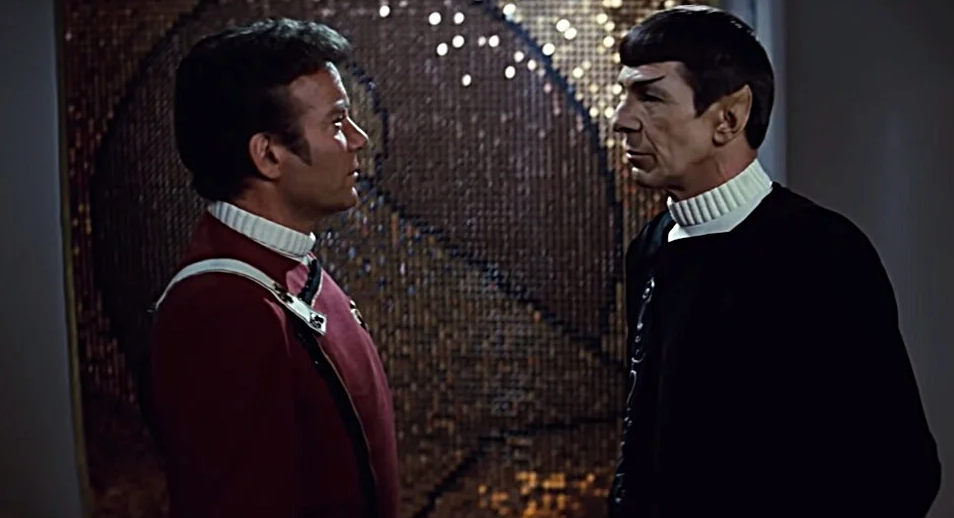
Telling stories for my tribe of fellow geeks and nerds, as well as making cool stuff for the aforementioned geeks and nerds, is what I’m build for — a far better fit than I was for the regular corporate 9-to-5 gig. There’s absolutely nothing wrong with that path in life, but it’s just not for me.

So, if you’d like to support what I do, please take a look at the aptly named “Support” tab above for a listing of Sector M products and offerings. In particular, I would like to build my presence on Patreon this year, so please take a look at what’s going on over there. If you’re in a place where you can support original stories, games, and geeky fun (that use zero AI), consider supporting Sector M over there.

In closing, I would like to wish everyone reading this a happy New Year! Stay strong, stay true, hold your loved ones close, and pursue your dreams like you have afterburners strapped to both of your feet. Zoom, zoom!

See you around the Sector!

Si vales, valeo.

-MC


Tropes I Love: Mentors and Secondary Characters

Many of my posts lately have mentioned the character of Gandalf from The Lord of the Rings, and that got me to thinking about the kind of role that he plays in his story. That led to me considering similar characters throughout fiction. These types of characters, the mentors and the secondary characters, play a crucial role in their respective stories.

Anytime we get a story with a strong mentor character, the odds go way up that I’ll be tuned in, especially when it’s their turn to give an inspiring speech or just the right piece of wisdom to set the protagonist on the proper path.

With that in mind, I’ve put together a list of some of my favorite mentors in fiction, detailing why I love them so much. True, the majority of them are from the fantasy/sci-fi genres, but that’s just because the stories that have influenced me the most have been in those spaces. This list represents the stories that have had the biggest impact on me, as well as the ones nearest and dearest to my heart. 

Who They Are

Before we get into the list proper, let’s talk about my criteria for a good mentor character. First and foremost, a mentor is wise and experienced. This often means that the mentor is older than the protagonist. They can be, at times, more book-smart or informed than the protagonist, but not always. More often than not, these characters tend to be male, as they often double as a father figure to the protagonist, though this is thankfully starting to change.

Sometimes the mentor is more powerful than the protagonist, but this is not required. In some tellings, the mentor starts out more powerful but then the protagonist eventually surpasses them. Mentors who are less powerful than their protagonists present an even more interesting dynamic as they must guide the hero in wielding powers they may not possess themselves.

Mentors are often self-sacrificing as well, as evidenced by how often they die in their duties or the things they are willing to sacrifice for their ideals. In that sense, mentors tend to have a noble streak even if it’s not always apparent at first glance. 

Who They Aren’t

Mentors, by their very nature, are not meant to be the main character (thus the “secondary character” epithet). Likewise, they are not generally marked by destiny, fate or the demands of the world in the way that the protagonist is. They are, to coin a term from Sky High, “hero support” in a very real way.

Generally speaking, the protagonist can’t go it alone. They usually need help to learn what is required to reach for that seemingly impossible end-point. It is the mentor’s training/wisdom/lessons that will ultimately empower the protagonist on their journey, allowing them to reach higher and go further than they ever thought possible. When the story’s denouement inevitably comes, the protagonist often finds that none of it would have been possible without the help of their mentor.

Perhaps most importantly, the mentor isn’t the one to make the big play, but rather their actions empower the protagonist to become the turning point of the story in their own right.

The Mentor Hall of Fame

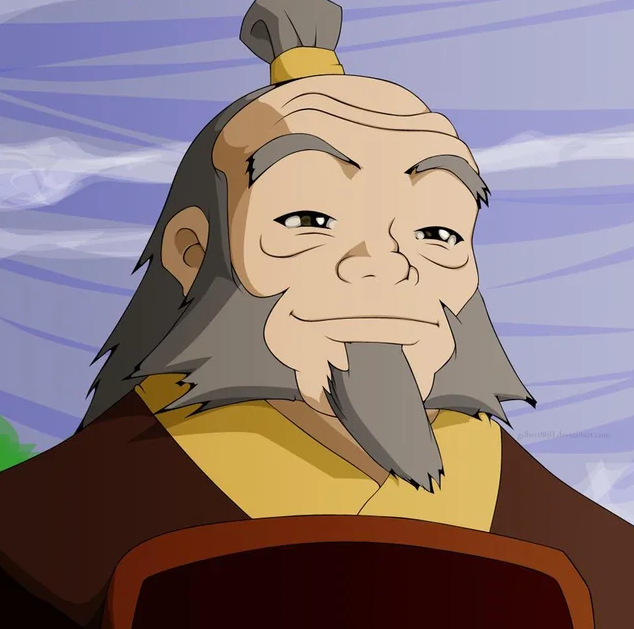
1. Uncle Iroh

Avatar: The Last Airbender

Let’s start with one of the all-time greats. Voiced originally by Mako, Uncle Iroh occupies a unique space in that his charge, his nephew, Zuko, is not actually the protagonist. Quite the opposite, in fact, especially in the early parts of the story. Eventually Zuko comes around, after perhaps one of the best redemption arcs ever, and Iroh is willing to share his wisdom with the rest of Team Avatar, and Aang, Kitara, Sokka, Toph and the rest are better off for it.

Iroh doesn’t stop there. He even makes a few cameos in The Legend of Korra, dispensing his usual brand of avuncular wisdom to Avatar Korra. Despite his nearly unsinkable attitude and positivity throughout incredible hardships, there is a sadness at the core of him following the tragic death of his son. In that way, he is not only a surrogate father to Zuko, but Zuko is a surrogate son to him. I think that Mako’s performance really lent the character a depth and nuance that we don’t find very often. While they were big shoes to fill, I think that Greg Baldwin did a fantastic job in picking up the role when Mako passed away.

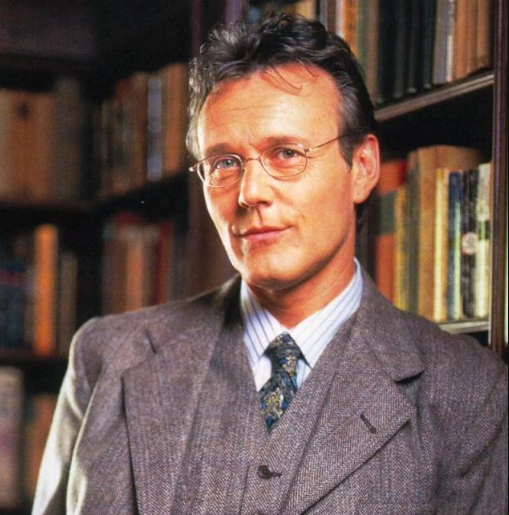
2. Rupert Giles

Buffy the Vampire Slayer

For me, Giles practically personifies this type of character for many reasons. While he may have the book smarts, experience, and wisdom, he doesn’t have the powers of the Slayer. He’s just a regular bloke who is there to make sure that Buffy is ready to face the challenges before her.

Often, Giles is called upon to back her up in battle against foes that are far beyond the scope of any regular person, which I think makes his bravery that much more extraordinary. While he has only a fraction of Buffy’s physical strength, reflexes, and resilience, he’s always there, he doesn’t back down, and he genuinely cares for Buffy, perhaps more than he should in his position as her Watcher. More than that, he also has a clear understanding of the incredible pressures that Buffy, as the Chosen One, is constantly under. He would gladly take that burden from her but knows that he can’t. Ultimately, Buffy has to be the Slayer. He can’t slay her demons, but he can be there for her when it counts the most.

3. Morpheus

The Matrix

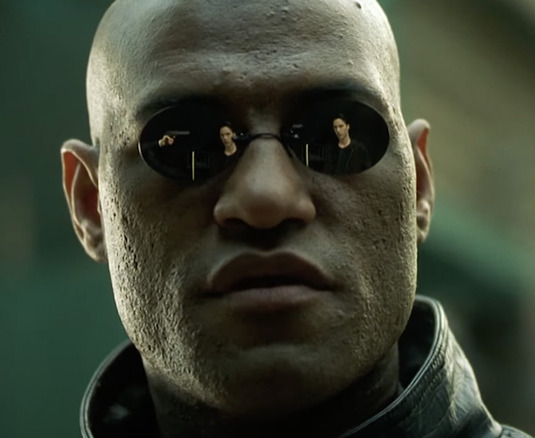
Pro tip: If your mentor character is played by the inestimable Lawrence Fishburne, you are winning at life. Such is the case with Neo from The Matrix. Morpheus is not only a guide to Neo in understanding the Matrix itself but he is also willing to personally sacrifice himself simply because he truly believes that Neo is the One, even when Neo himself has doubts. Like Giles, Morpheus is incredibly good at what he does, but realizes that soon Neo will fully surpass him, and he’s okay with that. His mentee is fated to be something greater than anyone could possibly imagine.

Even when this transition does happen, Neo is canny enough to realize that Morpheus’ experience, world view, and tactical brilliance are things that he will need if he wants to take the fight to the machines. Things got a bit weird in the sequels for Morpheus (and really all members of Team Neo), but I still think that Morpheus is one of the most shining examples of a mentor in the movies, full stop.  

4. Fin Raziel

Willow

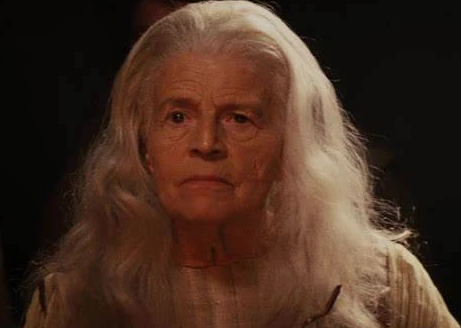
Willow was a favorite of mine when I was a kid. Even back then, I saw the similarities to Star Wars, even before I realized that George Lucas was behind both properties. She was an interesting change of pace in that she is initially pretty powerless when Willow encounters her, little more than a talking animal. And yet, she is able to get Willow on the path to being a sorcerer. Eventually, she returns to human form and is back up to her powers that far surpass Willow’s, yet this change does not really alter their relationship. I also applaud her for not lingering on the fact that she has aged during her exile. It shows that vanity barely registers with her, and that the mission to restore peace to the land is much more important to her.

In this story, she is the only one capable of taking on the main villain, Queen Bavmorda, in a spell duel. Raziel ultimately fails when it comes to the boss fight, but she buys Willow the time he needs to save Elora Dannan. But even when she falls in the final fight, Raziel does what any good mentor does: she steps aside to give her protagonist the moment to shine.

5. Obi-Wan Kenobi

Star Wars

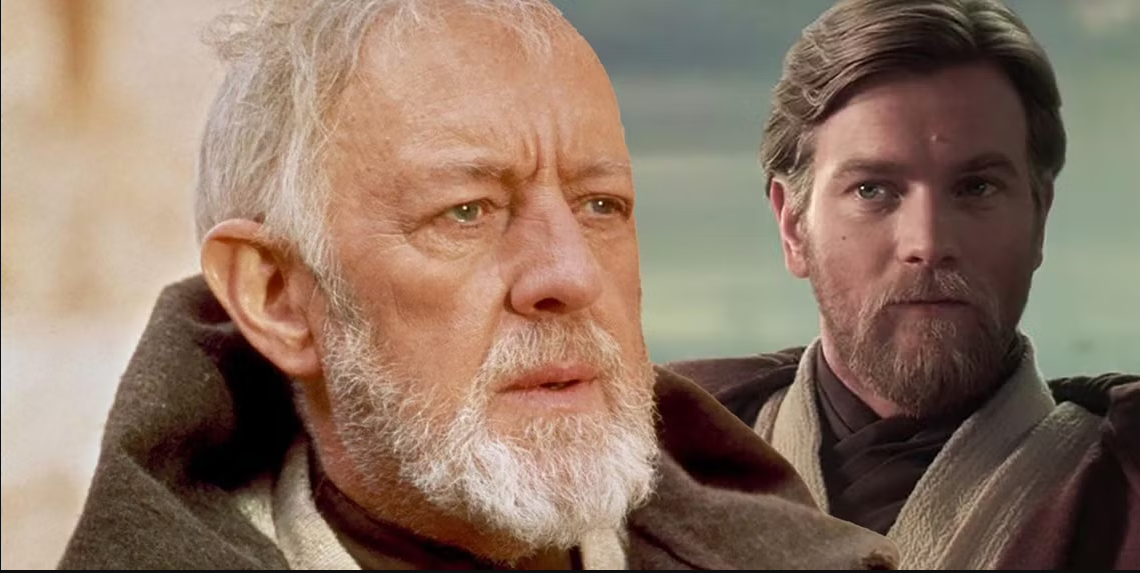
The quintessential mentor character, Master Obi-Wan was mentor to two separate protagonists in his day. While his first outing at the job went spectacularly wrong, ultimately giving rise to Darth Vader, one of the most memorable movie villains ever, he is ultimately able to be a mentor to Luke and set his charge on the right path. The remarkable thing is that he accomplishes this without all that much screentime, and does sacrifice himself to allow Luke to get away (ironically dying by the hand of his former protagonist). Not content with that, Obi-Wan even comes back after his death to give Luke a bit more advice on three separate occasions. Talk about a commitment to the role!

When we see these types of characters on the movie screen, it’s so important that the actor behind them exude that type of experience, competence, and wisdom that are so critical for establishing the mentor in the minds of the audience. Sir Alec Guiness did that and made it look effortless. Later on, Ewan MacGregor picked up the role wonderfully. While the prequel trilogy often gets razzed, the moment where Ewan’s Obi-Wan laments to a defeated Anakin that he was the chosen one really hits home. He’s pouring out his sorrow and pain at having to fight his friend, all with the knowledge he has utterly failed in his role as a mentor. The power of that scene really is a testament to MacGregor’s acting chops. 

6. Violet Crawley

Downton Abbey

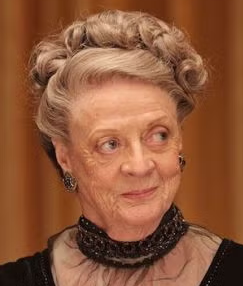
As mentors go, the Dowager Countess defies many conventions. Violet is primarily a mentor to her granddaughter, Lady Mary, but to the rest of her family at various points, too. That is not Violet’s only role in the series — her frenemy relationship with Isobel springs to mind — but it comes back to that time and time again. Of course, Violet has quite a few blind spots for being part of the old guard of the English aristocracy. Yet in a changing world, she speaks with hard-won wisdom on how to negotiate the upper echelons of power and influence. We find that she’s made many mistakes in her time, and the resulting experience is something she shares with Lady Mary so that her granddaughter (hopefully) won’t make those same mistakes.

One of the most compelling points about her character is simply that she was once in the same position as Lady Mary. She had her time as a countess, living in the main suites of Downton Abbey, then moved on from that time in her life when her husband died. Even in a kind of retirement for the Peerage, she is still a will and force to be reckoned with. Some of my favorite moments in that show come from Dame Maggie Smith’s performance. Much like Lawrence Fishburne, if Maggie Smith is playing your mentor, the universe has smiled upon you. May she rest in peace.  

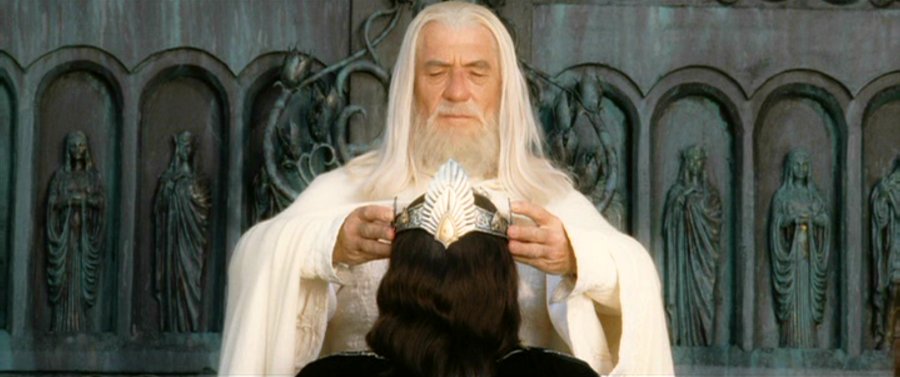
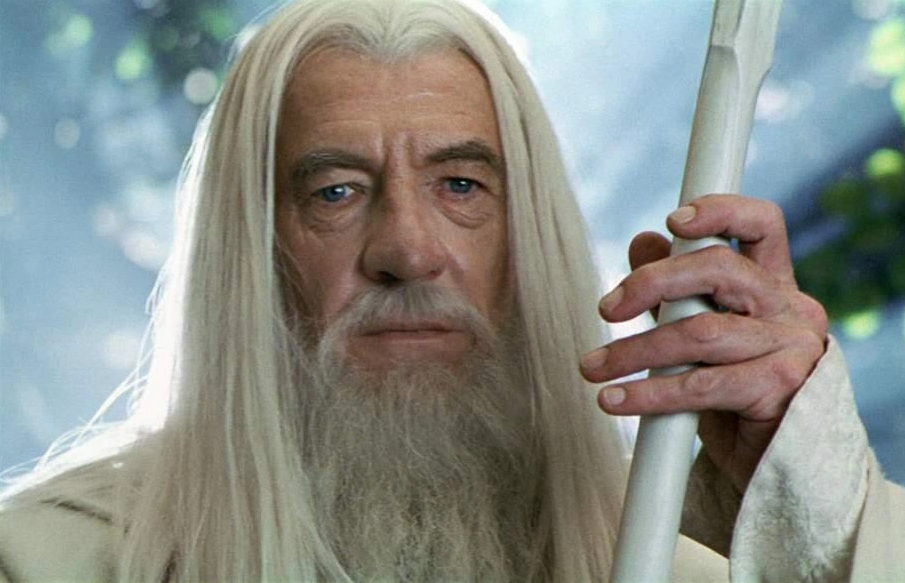
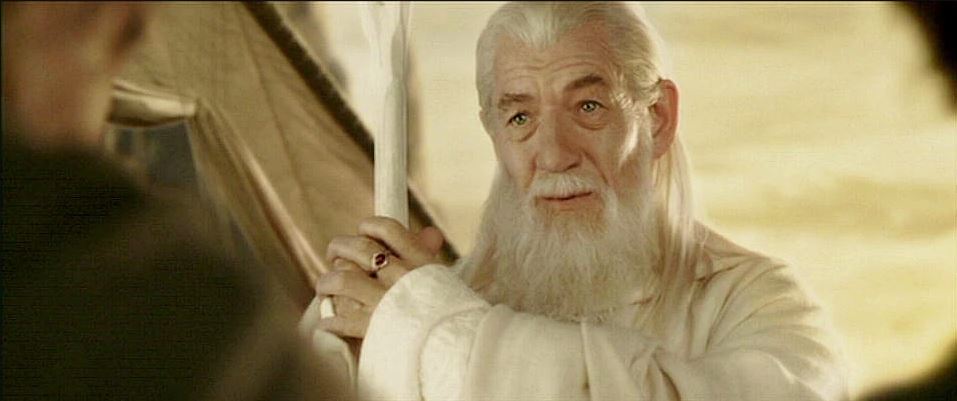
7. Gandalf

The Hobbit/The Lord of the Rings

I thought I would end this list with perhaps the greatest mentor figure in all of fiction. The opposite of Giles, Gandalf the Grey is almost infinitely more powerful than his protagonist, Frodo Baggins. He’s an immortal, angelic being that has been sent by the Valar to Middle-earth to defeat Sauron. Frodo, on the other hand, is more diminutive than even an average human, and largely powerless. By design, Gandalf is there to advise, to observe, and to help rather than be the prime mover of the conflict. He knows when to impart just the right nugget of wisdom to those around him, elevating them to greater heights, or show them the error of their ways.

When Círdan the Shipwright meets Gandalf as he enters Middle-earth, the ancient elf gives the wizard Narya, the Ring of Fire, telling him “with it you may rekindle hearts in a world that grows chill.” Círdan naturally recognized what Gandalf’s role was fated to be in the coming conflict. Gandalf definitely has some things in common with Merlin from the Arthurian legends. This makes sense when you consider that Tolkien was trying to create a body of myths that were inherently British, rather than a French invention, but he did take a lot of cues from those stories.

In any case, Gandalf really is the gold standard for literary mentor figures on the page and screen, and I would be remiss if I didn’t talk about just how great Sir Ian McKellan’s performance as this character really was. Not for the first time, when the world grows dark, I wish that Gandalf were really here among us to give us just the nudge we need to get on the right path, along with the accompanying inspirational speech so that we don’t give up.

Honorable Mentions

Here are several characters that partially fulfill the role of a mentor, but have enough ‘main character energy’ as the kid’s say. They have the wisdom and experience, but are not necessarily secondary characters with full agency and story arcs of their own as the protagonist:

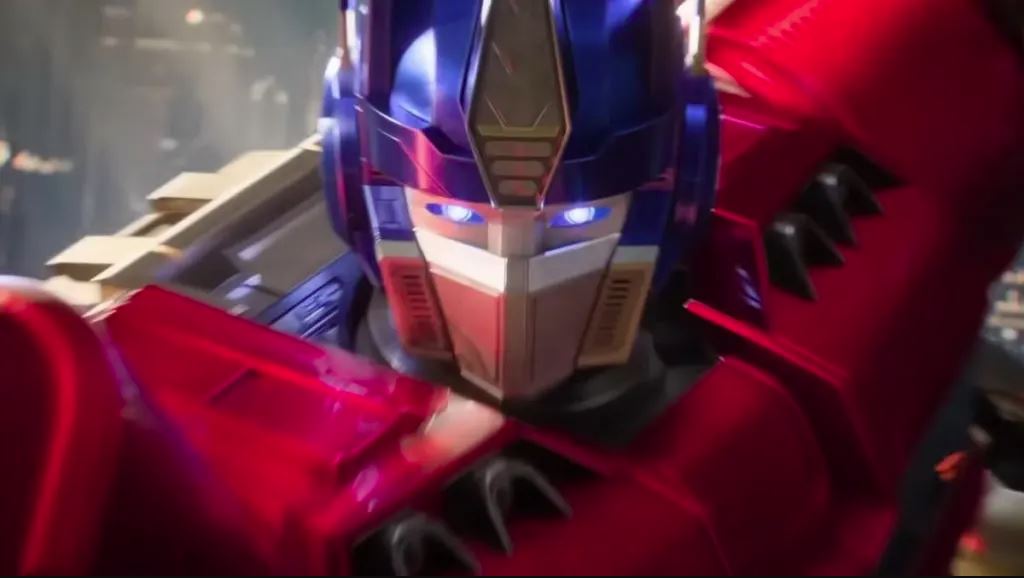
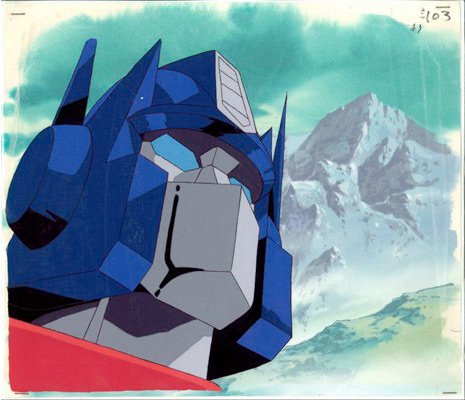
  • Optimus Prime
  • Tyrion Lannister
  • Polgara the Sorceress
  • Mary Poppins
  • Captain America
  • Professor X 

Final Thoughts

I think what I like most about mentors as a reoccurring device in literature stems from the genuine love they bear for their protagonists. Their journey is a deeply heartfelt and personal one. It isn’t just a job to them; it’s their mission in life. They embody what it means to be committed to an ideal, one that almost always means more to them than their own life.

Mentors are the helping hand that’s extended when the hero needs it most, the purveyors of insight to reframe the hero’s perspective for the better, and the guiding light to show the hero that there’s more to them than they may guess. Finding a person like this in the real world is a true rarity, and if you’ve ever had one in your life, count yourself lucky.

But really, I think that mentors represent the assistance we wish we’d had in those times when help never came, as well as the kind of wise, stabilizing figure that we hope we can be to those close to us in the future.

Thanks for reading!