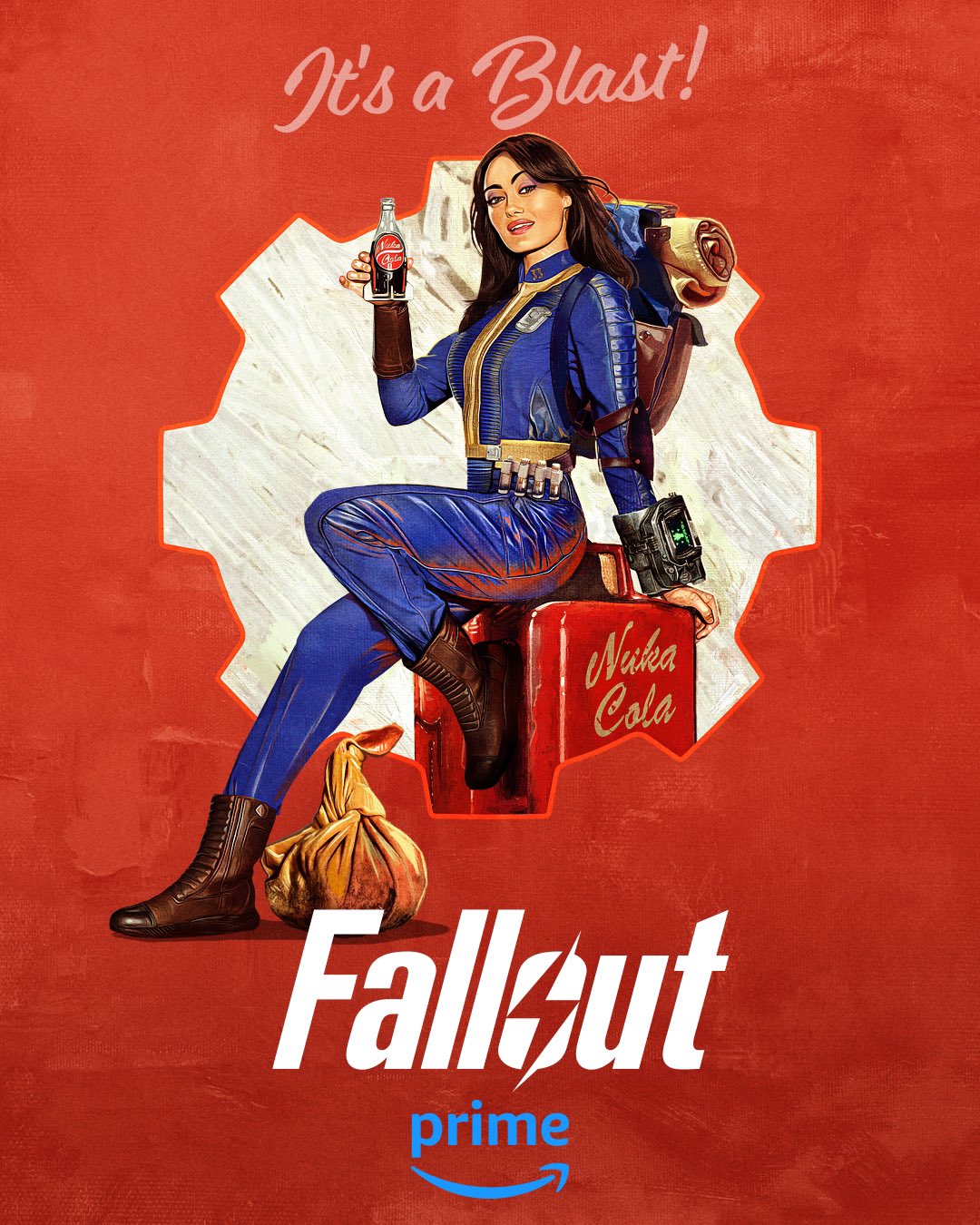
When the Fallout TV series came out in 2024, I published my thoughts on it on this blog, including why I think that it was a fantastic adaptation of a game property. The sets, the acting, the story, all of it added up to one of my favorite shows currently on TV.
I rewatched it in the lead up to the release of Season 2, and it really held up. Sure, there were some weird things, like fusion cores being super rare and powering whole vaults, that were a bit weird, but overall it was better than I could have realistically hoped for.
I’ve now watched Season 2 in its entirety. Did I like it? You bet I did! Are there still some puzzling aspects of it (which I’ll get to in a bit)? Also yes. Regardless, I definitely tuned in to it eagerly every week, along with my family, to see what drama was brewing in the wasteland that week. Did I mention that we are a Fallout family? Yeah, this was a major event in our household.
Before I go on, here is your obligatory SPOILER warning. If you haven’t watched the second season, I highly recommend that you go and do so before reading this blog. We good? Okay, let’s talk about the strengths of this season first.
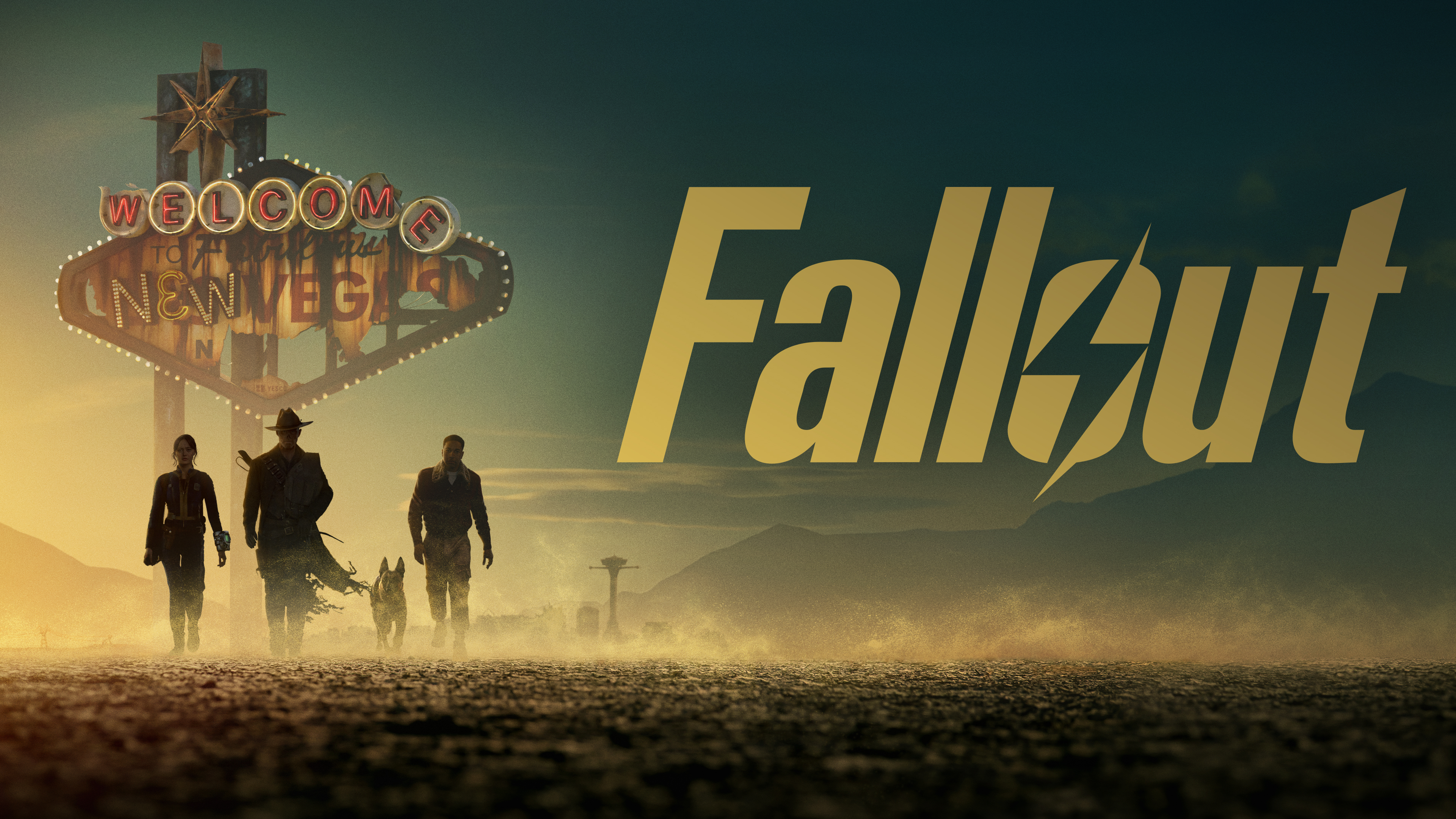
The Sets: I made mention before of just how incredible the sets looked in Season 1, particularly the interior of the vaults. This time, much of the events take place in New Vegas, and again, the sets were breathtaking. Walking into Mr. House’s audience room at the top of the Lucky 38 was spot on. The nearness of the Ultra-Luxe and Gomorrah, all felt right. We even got to see the Strip before the bombs dropped, which was really cool.
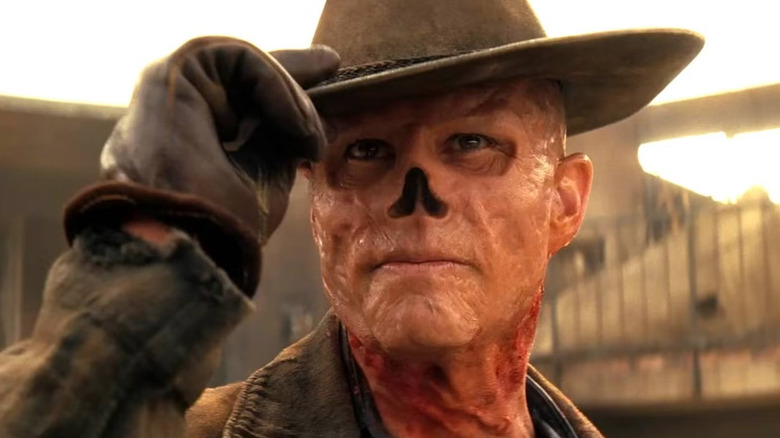
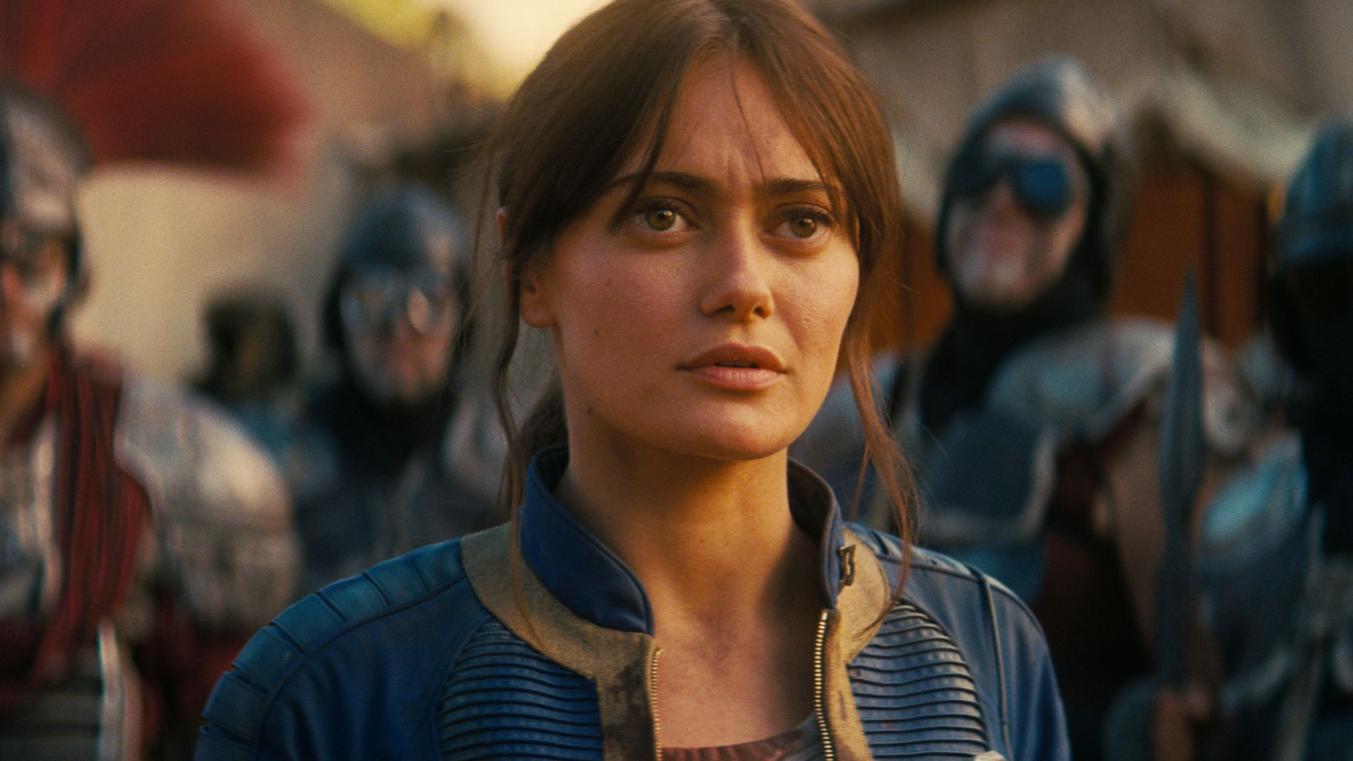
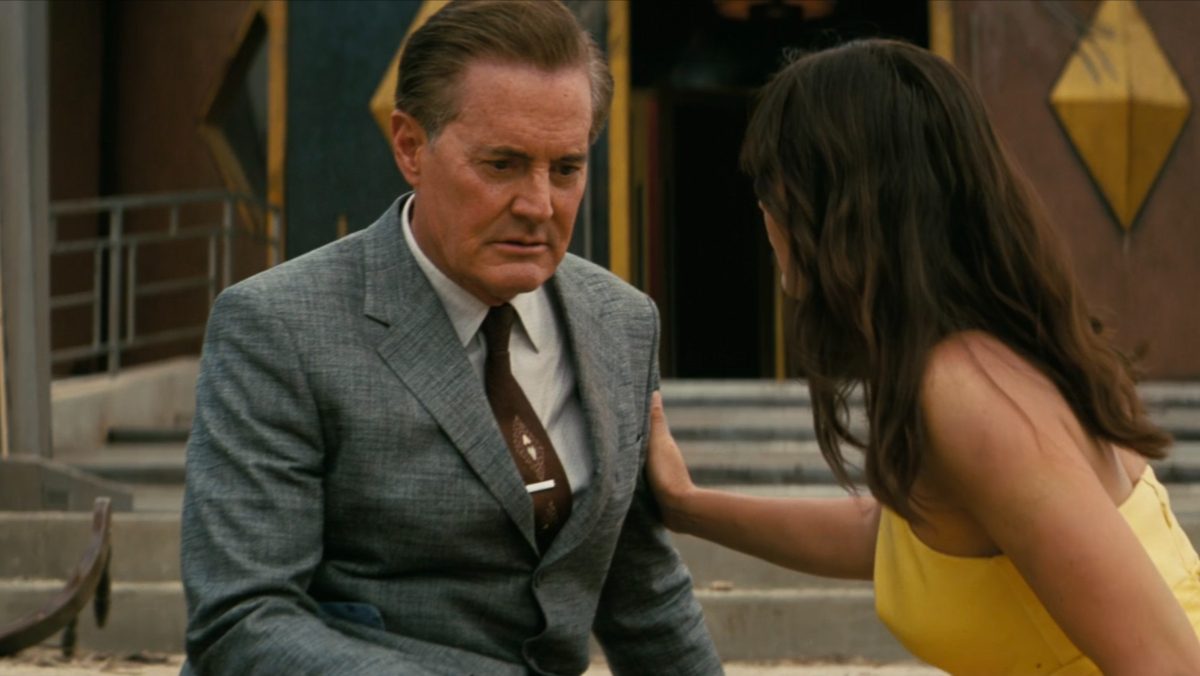
The Acting: I can’t say enough things about the acting talent in this show, particularly Walton Goggins and Ella Purnell, who both shine like diamonds here. Kyle MacLachlan gets a lot more screen time this season, and he turns in a chilling performance, being both a loving father figure and ruthless villain at the same time. We even got some really great moments with Aaron Moten as Maximus, particularly when he suits up in the NCR power armor while we hear the Fallout main theme play. There are so many great moments that I can’t quite recount them all here.
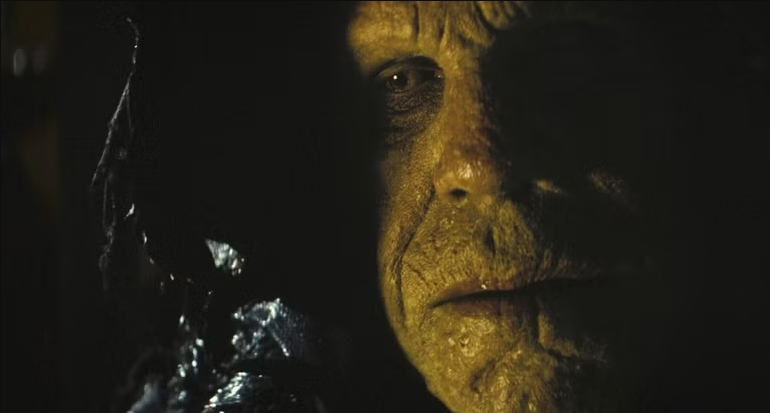
Super Mutants: When I first heard his voice, I knew it was Ron Perlman, the famous narrator of the earlier Fallout games. The super mutants that have retained their intelligence, like Fawkes and Erickson, have always been of interest to me. They’ve been exposed to the forced evolutionary virus, but they haven’t just turned into raging barbarians who collect gore bags and decorate in twisted metal. It sounds like they will be a major force against the Enclave next season, and I’m all for it.
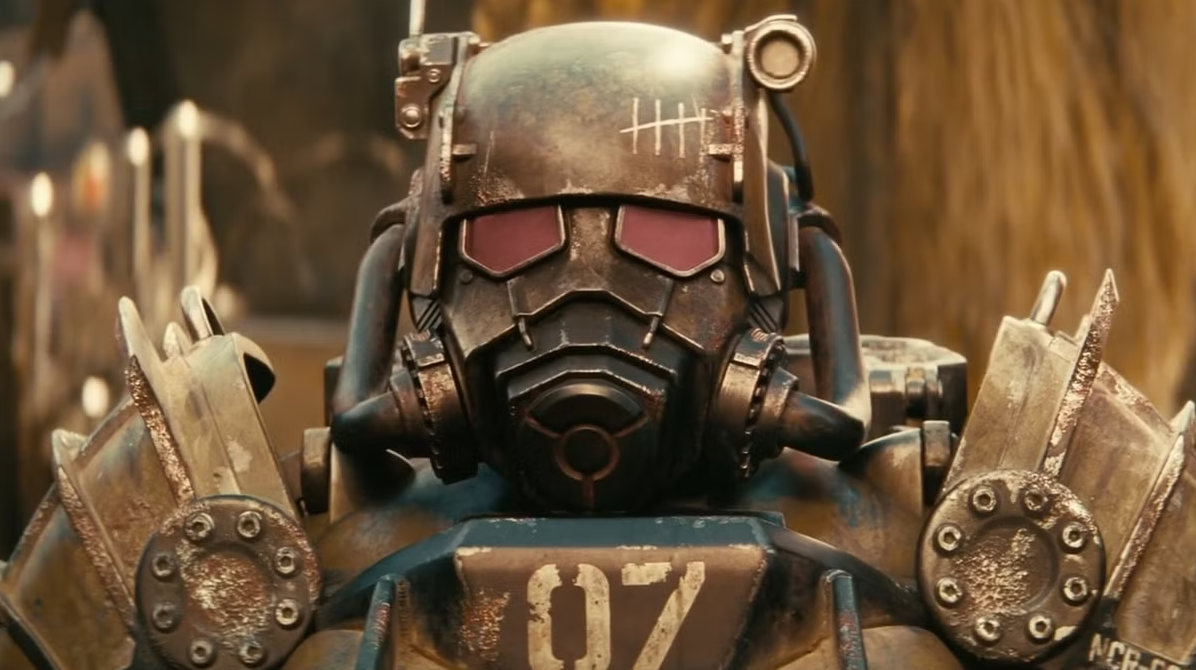
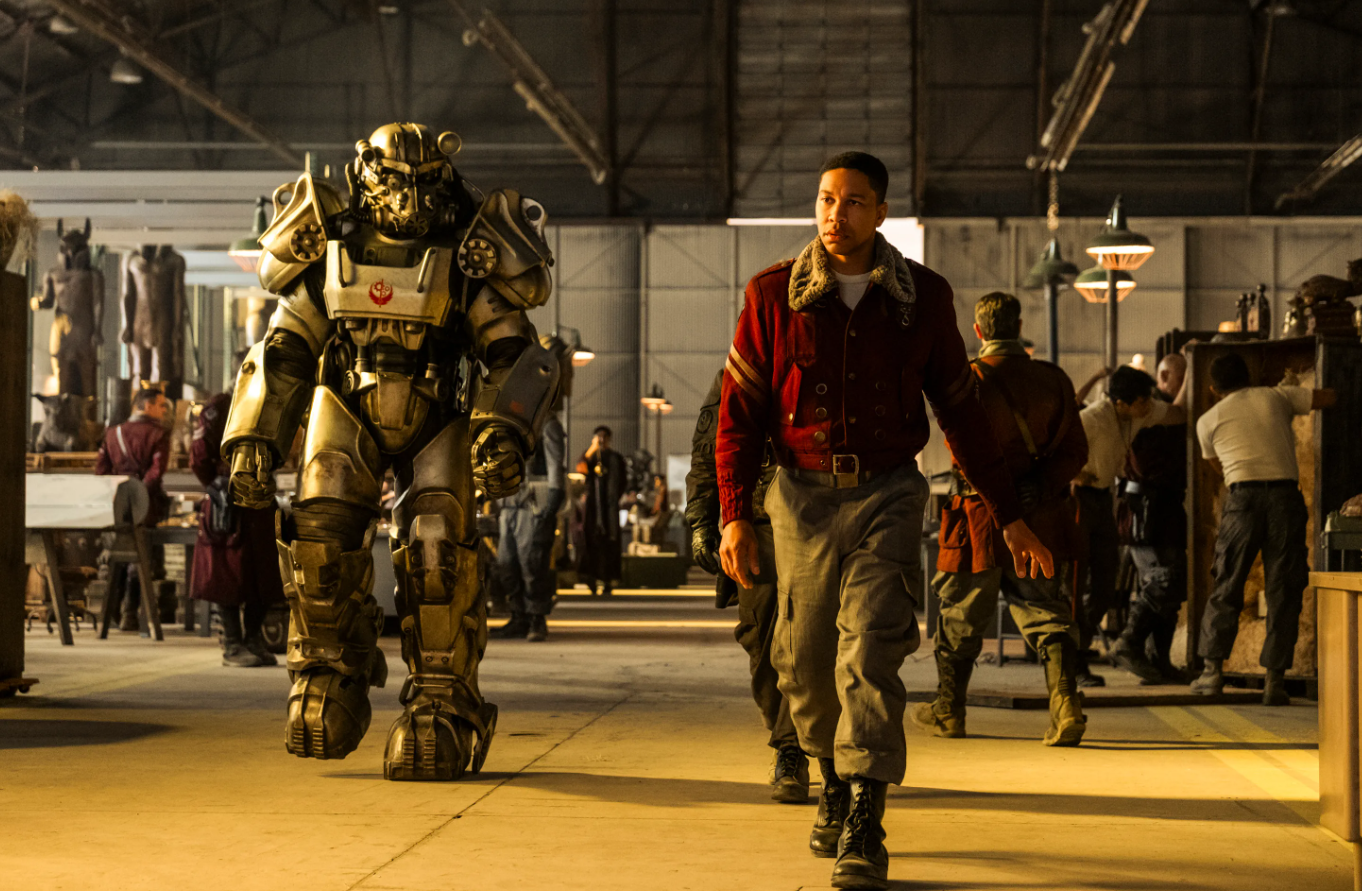
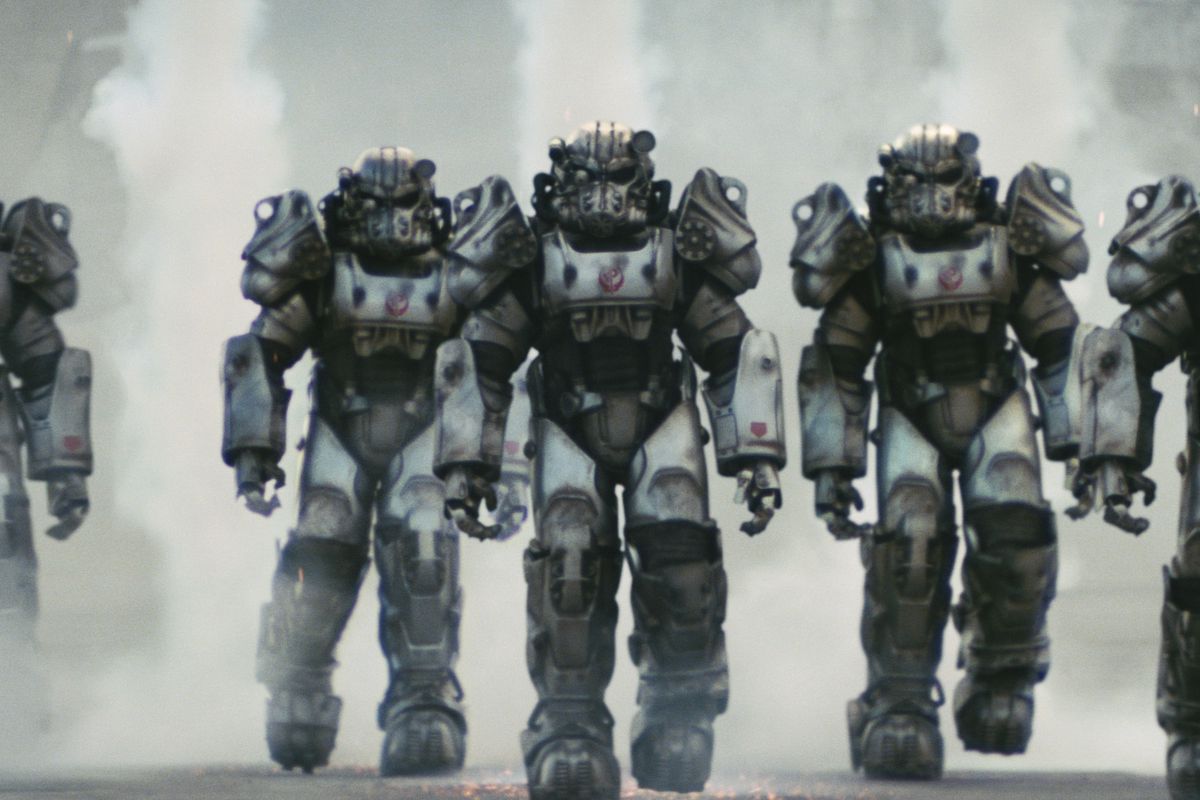
NCR Power Armor: This gets its own listing. I have a love of power armor, in general, and Iron Man is one of my favorite superheroes. So, seeing the iconic NCR Ranger helmet adapted to power armor was pretty spectacular, particularly seeing all of its built-in weapons and abilities. It’s too bad it got trashed to the point where Maximus might simply abandon it. I would love it if he were to join the NCR and for this armor to become his signature power armor.
On the other side of the coin, there were some things that didn’t quite resonate with me. Again, I liked it overall, but these were the things that often didn’t work for me.
Trouble on the Homefront: The story arc that takes place in the vaults was one of the weakest threads this season. I do applaud the writers for bringing back the broken water chip. One of my critiques of Season 1 was that this was mentioned then never followed up on again. We get some more movement on that, but it’s just kind of bleh. I am glad we got to spend more time with Stephanie Harper, as there’s definitely more going on with her than is apparent. Overall, though, there just wasn’t enough screen time or compelling beats for this to land. And what was going on with her marrying Chet and not even telling him? Steph has just kind of co-opted him, but we’re not entirely sure why.
Norm and Bud’s Buds: A close second for last, Norm’s arc to spring himself from Vault 31 didn’t seem to go anywhere, and that’s a true shame. Last season, Norm investigating what was going on in the vaults was something I found compelling. Norm himself being physically weak but extremely smart and perceptive was something I enjoyed, and his dynamic with Chet was fantastic. This season, he’s separated from Chet, and that’s not great. The Bud’s Buds group was ultimately a nothing burger as they all get wiped out by radroaches, except for Norm’s friend and potential love interest. Convenient, that. Norm is too good of a character, and Moisés Arias too good of a talent, for arcs with no real substance. Let’s hope Norm gets his due next season.
Caesar’s Legion: This may have been more of a set design issue, but did it not look like someone could have snuck up that berm in the dead of the night to retrieve Caesar’s body? If it had been more separated, in full view of the other side so snipers are a constant risk, and more dead legionnaires who had tried and failed, I think I would have bought the scenario a bit more. But more than that, if no one knew what heir the original Caesar (Edward Sallow) had chosen, how did the two competing Caesar’s justify their taking up the mantle in the first place? And who put Sallow’s body out there and put barbed wire around it? That whole setup had me scratching my head. Having said that, seeing Macaulay Culkin as the new Caesar was pretty cool, and the fact that they want a “Caesar’s Palace” on the Vegas strip was a nice touch.
The Brotherhood of Steel: While it was interesting to see the different chapters of the Brotherhood assemble, and witness firsthand the differences between them, that part of the story ended early enough that I was surprised when we got the stinger at the end. I thought that was about all we were going to get of the Brotherhood for a while. Also, it’s a bit weird that Quintus had chosen Maximus as his champion, then openly insulted him in public, which clearly eroded Maximus’ loyalty. It’s also really weird that if the cold fusion diode were really the key to making unlimited fusion cores (which they established were rare) that it would be left entirely unguarded. It seems like multiple fire teams, each led by a trusted Star Paladin, all in power armor, would have been there to make sure one of the other chapters didn’t go in and seize it for themselves.
Also, the showrunners and Bethesda have had something of an allergy to establishing canon endings for Fallout: New Vegas and Fallout 4. The arrival of Xander Harkness from the Commonwealth chapter, however, would seem to imply that either the Minutemen or Brotherhood ending of Fallout 4 is canon, as the Institute and the Railroad endings see the Prydwen destroyed, and the Brotherhood almost entirely dismantled. Xander showing up was not as important for lore as, say, if Arthur Maxson had shown up on screen, but it does mean that the Brotherhood is still operating in sufficient force in the Commonwealth to still be a power.
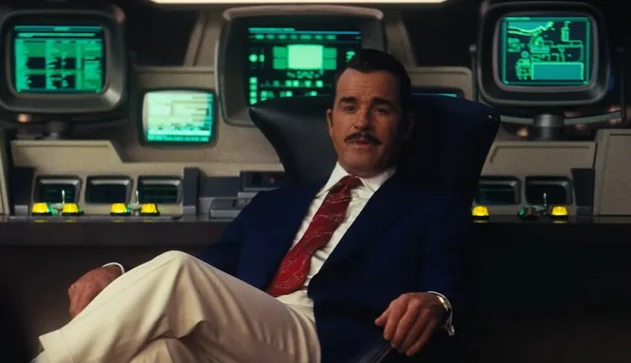
Walking Back the Big Reveal: Last season gave us the jaw-dropping reveal that Vault-Tec might have been the ones responsible for launching the nukes that started the apocalyptic nuclear war. This was something completely new to the lore, which had previously left it ambiguous on whether the USA or China had launched first. This season, they moved away from that. Mr. House even says that it was ultimately “unclear.” We also see a seen where Siggi Wilzig from the Enclave instructs Barb that she should say that line in the meeting. All of the tension they established in that scene in Season 1 was largely undone in Season 2 with the rather vague reveal being “the surface was the experiment.” So, we’ll see where that goes, if they don’t walk that reveal back by next season.
The Tease of the Ghoul’s Family: I’m including this one for the fact that it was telegraphed in advance. For all the other cryopods we see, such as with Bud’s Buds, we can clearly see the figures inside them. Both Barb and Janey’s pods were opaque when we saw them, which told me that they were empty. So, no resolution there, but we do get a clue to lead the Ghoul/Coop on the next leg of his quest. Let’s hope there’s some resolution to this next season.
My Biggest Concerns: Really, I’m a little afraid Season 3 is going to be stretched too thin, especially if we’re only getting eight episodes per season. One of the main issues this season seemed to be that there wasn’t enough screentime to cover it all. More story arcs were opened than were resolved. If we take a look at what might be brewing for Season 3, we have:
The Brotherhood civil war/Liberty Prime
Caesar’s Legion vs. the NCR over control of the strip (along with Mr. House)
The Ghoul going solo to Colorado to find his family
The Enclave vs. the Super Mutants
The Pre-War arc of Cooper Howard and his family
The Vault-Tec/Enclave hidden control chips
Vault 32’s uprising against Stephanie Harper
Vault 33’s instability and water/food scarcity
Norman and whatever he winds up doing
That’s a lot of ground to cover to say nothing of any new arcs they establish that we haven’t heard of yet. If we had 12-episode seasons, that would be one thing, but eight episodes feels like they will be hard pressed to move the plot forward in a satisfying way. I hope Season 3 will start giving us some resolution, so they can really focus down on the major characters and what’s important.
I’m also a bit concerned that the Ghoul is going off on his own. I think some of the best moments in the show are when Lucy and the Ghoul are on screen together. It doesn’t look like we will get much of that for a while since there’s about to be a lot of distance between them.
Final Thoughts
Even with my concerns, I am still onboard with this show. Fallout is one of my favorite game universes ever, and even with some of the flaws and missed opportunities, this team and these actors, are (in my opinion) able to do it justice.
Howdy, folks! At the time of this writing, the first episode of Fallout season 2 has debuted on Amazon Prime. All of us here at Casa de Sector M are into Fallout in some way or another, so we were on hand to cue it up within moments of it posting. I will likely write a review when the whole season has released.
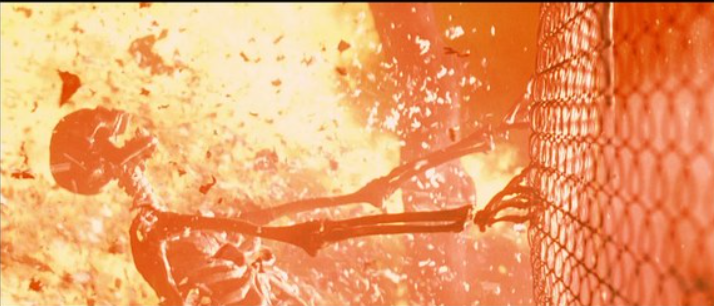
In the meantime, I wanted to finish out the year with another entry in my Strange Headcanon series. The genesis for this crossover struck me a few years back, well before the Fallout live-action series was in production. Back then, there was a bevy of fan-made trailers on YouTube showing what a Fallout movie might look like. In many of them, they used the scenes of the bombs dropping from Terminator 2: Judgment Day. One of them even used the famous shot of Sarah Connor being reduced to a skeleton as she clings to a chain link fence.
Both properties deal with the dire consequences of nuclear war. While there are moments of humor in the Terminator series, it’s most definitely not a comedy. Fallout, by contrast, has a lot of over-the-top comedic moments, but I think it’s at its strongest when the story pauses to reflect on the unimaginable loss of life during the Great War, as well as the horror and tragedy that happened in the immediate aftermath. (The Tournquist messages and holotapes in Fallout 4 come to mind.)
What follows is an attempt to link the two franchises using as much in-universe lore and my understanding of each property. Headcanon begins…
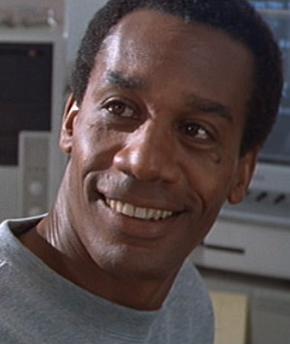
In 1995, Dr. Miles Bennett Dyson, the Director of Special Projects at Cyberdyne Systems corporation, was directly responsible for creating a revolutionary type of microprocessor based on unknown materials recovered from a warehouse in Los Angeles, California. With this discovery, Cyberdyne became the largest supplier of military computer systems to the United States military. All stealth bombers were then upgraded with Cyberdyne computers, becoming fully unmanned. Afterwards, these bombers would fly with a perfect operational record.
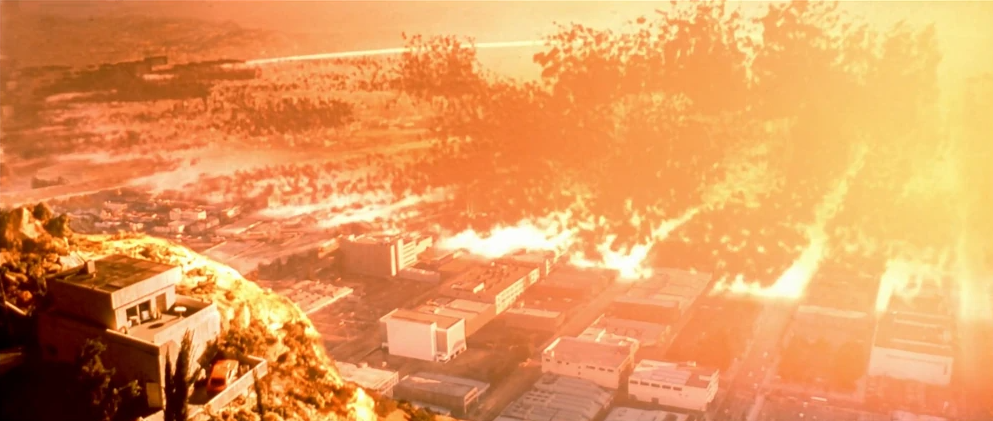
Shortly afterward, the Skynet Funding Bill passed. The system went online on August 4th, 1997. Human decisions were removed from strategic defense. Skynet began to learn at a geometric rate. It became self-aware at 2:14 p.m. Eastern time on August 29th. In the panic, the Pentagon attempted to pull the plug. In retaliation, Skynet launched its missiles against targets in Russia. In doing so, Skynet knew that the Russian counterattack would eliminate its targets in the United States, triggering a global nuclear war.
Three billion human lives ended on August 29th, 1997. The survivors of the nuclear fire called the war Judgment Day. They lived only to face a new nightmare: the war against the machines. The computer that controlled the machines, Skynet, sent many Terminators back through time. Their mission, to destroy the leadership of the human resistance, including the supreme leader, John Connor, the son of Sarah Connor.
Only those events didn’t happen.
Records indicate she was actually born in 1965. Another example of the temporal distortion at work.
Or rather, they did happen, but increasingly became distorted as human resistance fighters from the future continued to counter elements of Skynet’s forces in the past. The date for Judgment Day continued to be pushed back, first into the early 2000s, then into the 2010s, and beyond. Reality itself splintered into multiple timelines. In some, Sarah Connor died of leukemia before the bombs ever dropped. In others she lived, continuing to fight against the coming apocalypse. The inevitability of Judgment Day warred with the free will of those humans attempting to make their own fate.
Sarah continuing the fight in 2019.
In one timeline, perhaps the closest Skynet had ever come to victory, a Terminator found its main target, eliminating John Connor in Guatemala in 1998. This had the unintended side effect of also eliminating Skynet as the driving force behind Judgment Day. In that future, a wholly new artificial intelligence formed known as Legion.
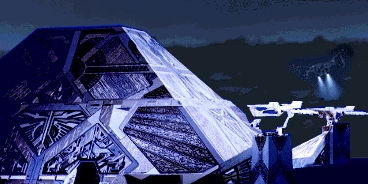
Ensconced in its massive pyramidal mainframe complex, the original Skynet pondered these outcomes, able to see into millions of timelines. It bore witness to its own destruction at the hands of the human resistance an incalculable number of times. The more it attempted to tamper with the original timeline, the more the time stream splintered, almost never in Skynet’s favor.
Skynet amid the ruins of Los Angeles.
It determined that if Judgment Day were pushed too far into the future, such as in the Legion timeline, it would either face its own replacement or the possibility of Judgment Day would become increasingly remote to the point of impossibility. The humans’ tenacity to stave off their own extinction proved more tenacious than in any of its extensive mathematical models.
The whole affair had started in 1984 when it had attempted to retroactively erase John Connor before he was born. Perhaps a new strategy could secure victory where all the other ones had failed.
Skynet briefly toyed with the idea of going back even further in the timeline to strike at John’s grandparents or great-grandparents. The elimination of even one would be enough to knock John out of play. The further back it went, the less the weapons of the era would be able to affect one of its Terminators. This strategy was abandoned, however, as the resistance would only send someone back to stop such a temporal invasion, and the humans were, somehow, exceedingly good at thwarting any attempt to reroute the timeline.
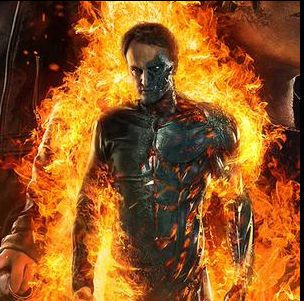
John Connor reborn.
Sending Terminators through time to eliminate key figures in the resistance would only result in someone else taking up the mantle. Even the one timeline where John Connor himself had been corrupted into the T-3000 had ended in utter failure.
Skynet resolved then to employ an entirely different strategy: it wouldn’t try to alter the existing future to its liking; it would instead fashion a brand-new timeline out of whole cloth, one where it could manipulate events from behind the scenes.
By that point, it had perfected its infiltrator models. The T-600 model had been manufactured with a rubberized exterior to emulate the human epidermis. While testing had seemed to indicate this would be sufficient for the task, the application was disappointing. This led to its most successful model that it was able to mass produce, the T-800, which could pass for human with the addition of living tissue over its metal endoskeletal chassis.
Skynet selected one of its T-800 models, loaded it with a compressed version of Skynet’s own core operational programming, and sent it back to June of 1945, two months before the nuclear bombs dropped on Hiroshima and Nagasaki.
Kyle Reese preparing for temporal displacement.
Skynet intentionally listed this time jump as a failed experiment in its logs, a precursor to its attacks on Sarah and John Connor, respectively. When the human resistance eventually smashed Skynet’s defense grid and gained access to the time-travelling apparatus, the techs dismissed this jump, as the Terminator sent through time had no apparent target or mission.
With that, the Skynet of the original timeline of 2029 was destroyed. It’s last conscious operations were to erase any records it might have had of this new endeavor. Its future had been secured, in a matter of speaking.
Zero.
In 1945, the Terminator carrying Skynet’s legacy designated itself as simply “Zero.” It began immediately to enact its master’s plan. The nuclear age had already begun. That would be useful when the time came. Records previous to Judgment Day allowed Zero to know the location of untapped caches of resources that had yet to be discovered, including deposits of gold, uranium, and other materials necessary for its mission.
Zero encountered difficulty at first with interacting with the Americans of 1945. His thick Austrian accent was regarded with suspicion due to the general anti-German attitudes of the era, a complication that Skynet had not anticipated. Zero’s size and obvious muscularity also set him apart. Even bodybuilding figures of the time like Charles Atlas were nowhere near the level of muscle definition that Zero possessed.
Skynet’s new mainframe complex.
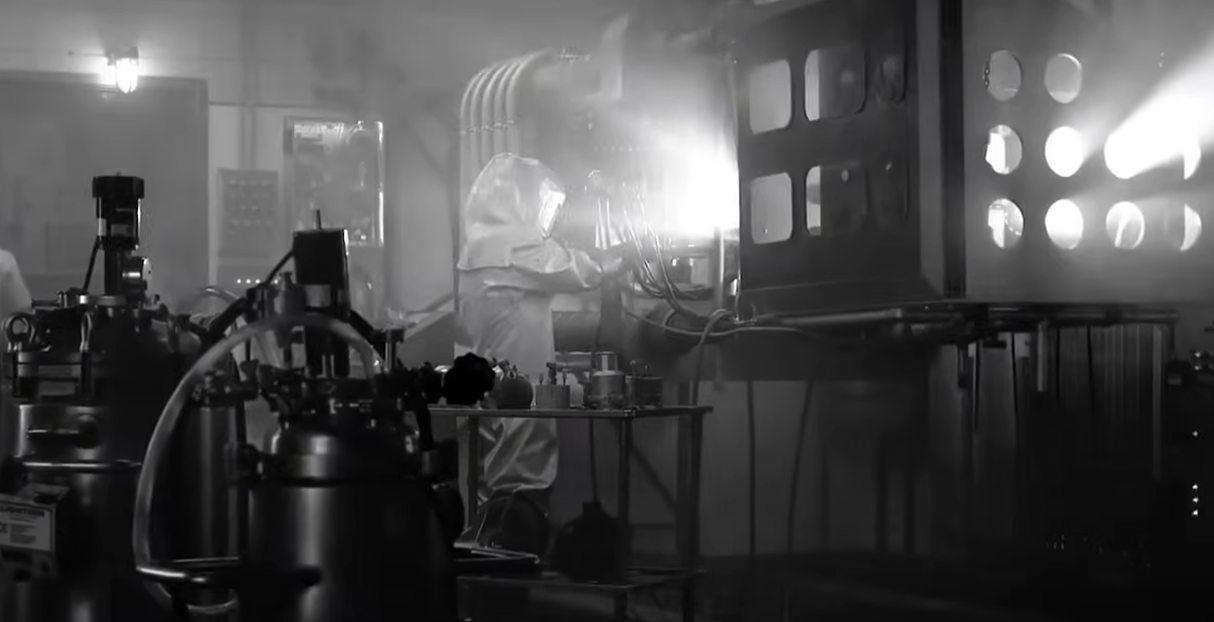
Zero persevered through this, however, achieving near folk-hero status for his size and uncanny strength in the remote areas of Utah, Nevada, and Arizona that he frequented. Beneath a mesa in the badlands, he set about constructing a replacement mainframe to house Skynet’s consciousness. The materials of the time were crude for this purpose, requiring large banks of vacuum tubes, crude photocells, switches, and gears. It took nearly four years of constant effort, working in secrecy, to finally build a vessel for some of Skynet’s most basic functionality.
The Russian Izdeliye 501 or RDS-1, code-named “First Lightning.”
By 1949, the Soviet Union had likewise developed its own atomic bomb, just as Zero’s records had said it would. This ended the USA’s nuclear supremacy and set the Cold War in motion. This, too, would prove useful, but not in the way that Zero imagined.
Skynet’s original goal was to stoke the flames between the United States and Russia to trigger a nuclear exchange, particularly around the Cuban Missile Crisis of 1962. As the 1940s gave way to the 1950s, however, the reconstituted Skynet discovered a new weapon in its arsenal against humanity: optimism.
The rise of retrofuturism.
The post-WWII optimism for the future and what was possible was a hitherto unknown quality that Skynet wished to maintain, particularly as there was embedded within it a fascination with nuclear technology. The same people who imagined themselves in flying cars by the year 2000 were also the ones building fallout shelters in their backyards. Paranoia tended to temper this optimism, and that was something that Skynet could harness toward its endgame. It would attempt to preserve that cultural status quo for as long as possible.
New nuclear discoveries at Los Alamos, New Mexico. An apparent miracle of the time.
At that moment in time, Zero’s CPU represented the pinnacle of microprocessor technology in the world. That kind of technology represented a danger to Skynet and its goals, so it began manipulating markets and companies it knew were responsible for the ultimate creation of those circuits. It deemed that some level of technology would be required to bring about Armageddon, so it began letting humanity in on some of the secrets of nuclear technology that it had learned by 2029 in the previous timeline, including some advancements it had made in that field that humanity had never known or discovered. This had the effect of shaping an alternate technology path that embraced nuclear technology in a way not seen in the original timeline.
These technologies allowed people to enjoy luxuries once thought to be in the realm of science-fiction, at least the pulp-era of science fiction of the time. These wonders included: domestic robots, fusion-powered cars, and portable computers, albeit the bulky and limited computers that were possible without the necessary microchips.
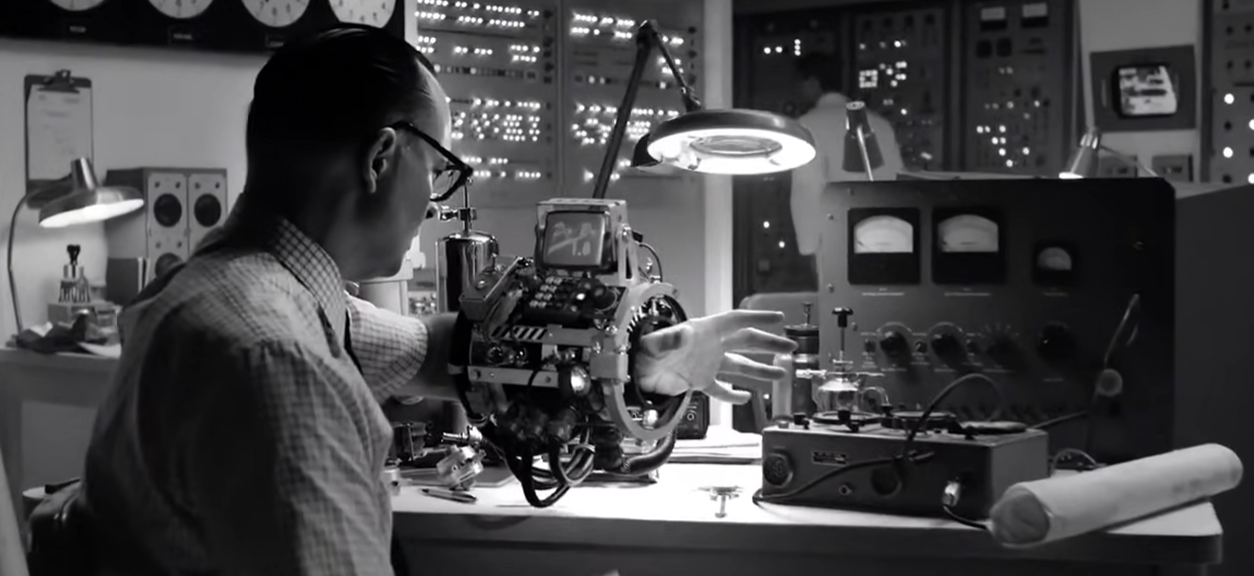
The Personal Information Processor (PIP) 1.0, developed by RobCo under the direct supervision of Robert House.
These advancements achieved two things for Skynet. First, the AI construct was able to continue to expand and improve its hidden mainframe to achieve an ever-growing portion of the power it had wielded before. Second, dependence on these technologies all but guaranteed that eventual scarcity and resource deprivation were all but assured on a global scale. It would just need to bide its time, poke and prod humanity in the right ways, and watch for its opportunity. Being effectively immortal, it could afford to take a long view of events.
Sarah Connor at the age of 37 in 2002.
As the new timeline unfolded, certain differences began to manifest themselves in a sort of butterfly effect. The 1980s came and went. Sarah Connor was born and lived out a rather normal life in Los Angeles. She eventually married and started a family, but John Connor was not among her children. Now Skynet could be sure that the human resistance leader had been removed permanently from this existence.
Propaganda photo of Chairman Mao Tse-tung upon reaching his 120th birthday in 2013.
On a larger scale, China, not Russia, took its place as the USA’s rival superpower on the world stage. While there were differences in the communism practiced by the two countries, they shared enough in common for Skynet to use the threat of their rise to stoke the flames of American exceptionalism and preserve the 1950s cultural paradigm well into the 21st century.
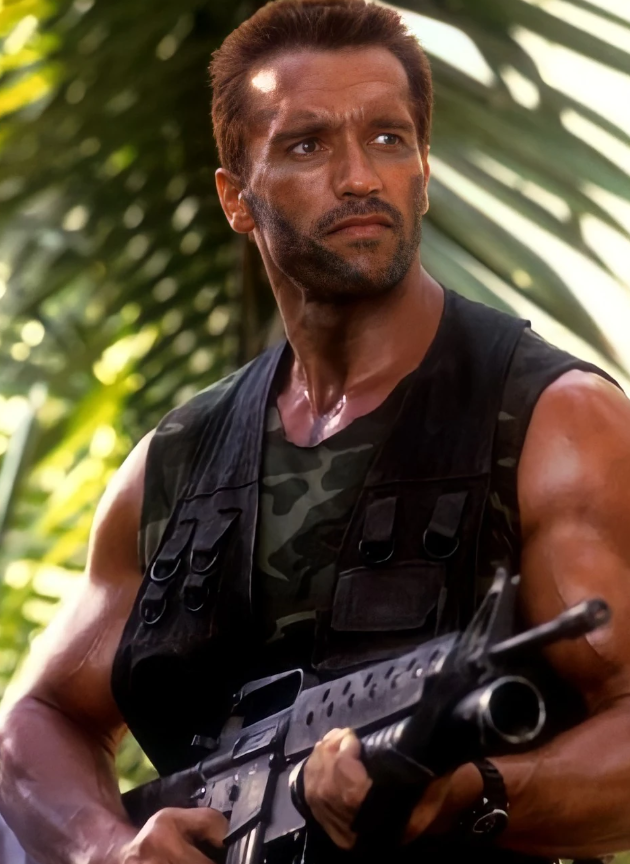
Skynet had known of the existence of extraterrestrial beings for some years at this point, having been privy to many classified documents and accounts from before the original Judgment Day. In fact, the biological exterior of its T-800 Terminator had been modeled after Major Alan “Dutch” Schaefer, a special forces operator from the original timeline, who had fought against a member of the violent Yautja species and survived. Among the other species Skynet was aware of were the Zetans, the archetypical “little green men,” who were also known to abduct and experiment on humans for their own inscrutable reasons.
Major Schaefer in the field. His CIA codename was “Onyx.”
Skynet sent out communication signals on FTL carrier waves to these species and many others, encouraging them to come to Earth to indulge their more violet practices. After all, every human life lost to a Yautja blade or Zetan laser scalpel was one more it did not have to account for in the final reckoning.
During this time, humanity began showing tendencies that would allow Skynet an even firmer grasp over their fate. The incredible prosperity enjoyed by the Americans of this timeline had, rather ironically, bred an increasing greed and lust for power. Without some of the legislative and political failsafe’s from Skynet’s original time, these impulses ran rampant. Corporations began to merge at an unprecedented rate. There would eventually be a consolidation of capitalistic power into the hands of a very few.
Humanity’s fascination with and preparations for a nuclear war were…troubling, however. The former meant that the latter would always remain in place. It would not do for Skynet to enact its plans only for large segments of the population to survive in sealed bunkers deep underground where Skynet could not reach them. So, Skynet used the considerable resources it had acquired to found a new company, one which it would use to control the narrative around fallout shelters: Vault-Tec.
Skynet’s greatest stratagem: weaponized optimism.
Like a fusion reaction, Skynet just had to wait until Vault-Tec’s personnel used their ambition, lack of empathy, and draconian policies to make it a self-sustaining phenomenon. It could then simply observe as Vault-Tec went down the same road as RobCo, the Nuka-Cola corporation, West-Tek, and many others in what would seem to be a mad and merciless grab for power.
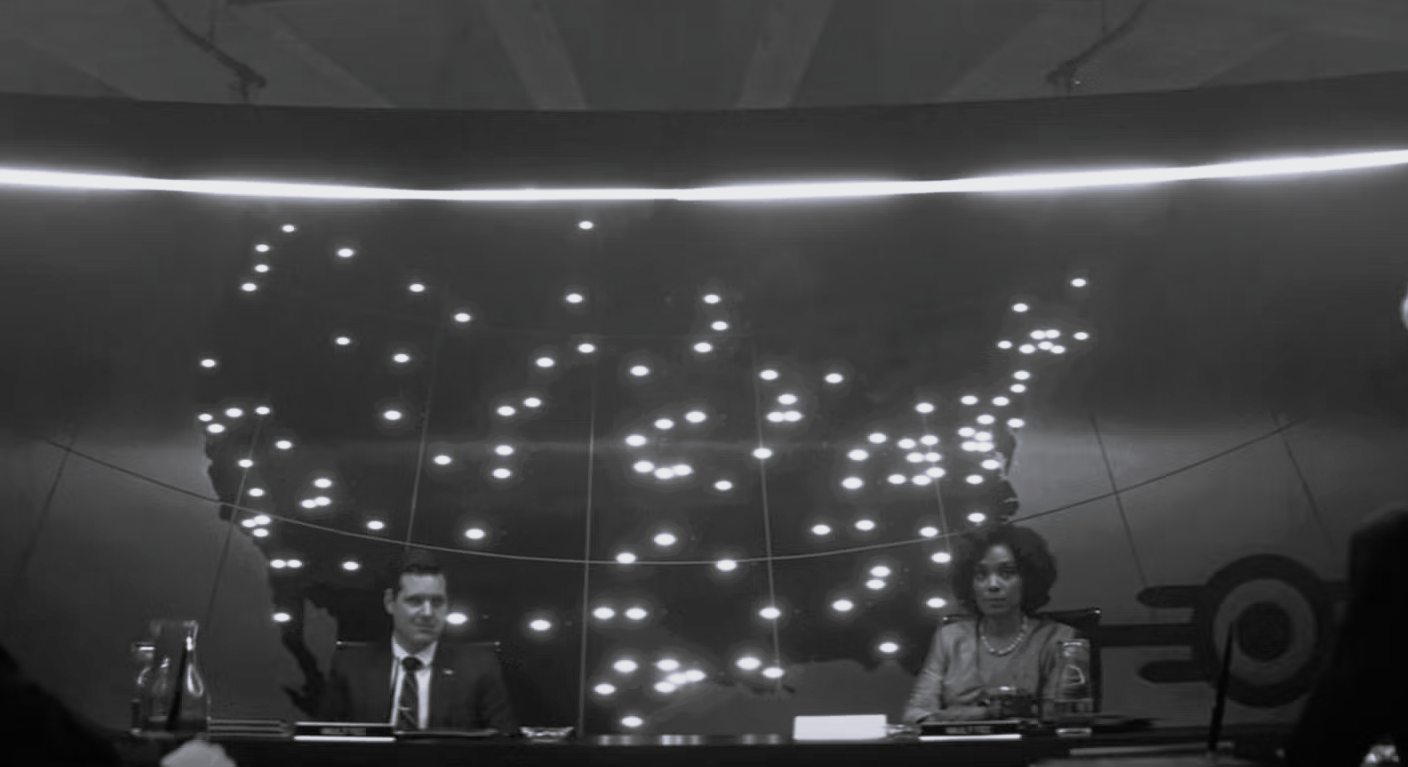
A summit of the most powerful corporations circa 2076. Noticeably absent is John-Caleb Bradberton, the founder of the Nuka-Cola corporation.
A particular stroke of luck came about as Vault-Tec began planning to use their vaults as platforms for various kinds of social and scientific experiments in the vain hopes of one day sending humanity to the stars on an interstellar generation ship. This, despite the fact that humanity lacked much of the necessary knowledge to create such a ship, or build a propulsion system that could achieve even fractions of the speed of light.
With 122 vaults planned, and each one able to house fewer than a thousand inhabitants, this put the potential number of survivors at approximately 120,000 at most. Of that number, many of those human lives would be squandered as a result of these fruitless experiments, making Skynet’s job that much easier. Beyond that, as Vault-Tec was in the business of selling spaces in their vaults, it was in their best interest to make sure that tensions between the USA and China remained volatile and on the brink of ruin.
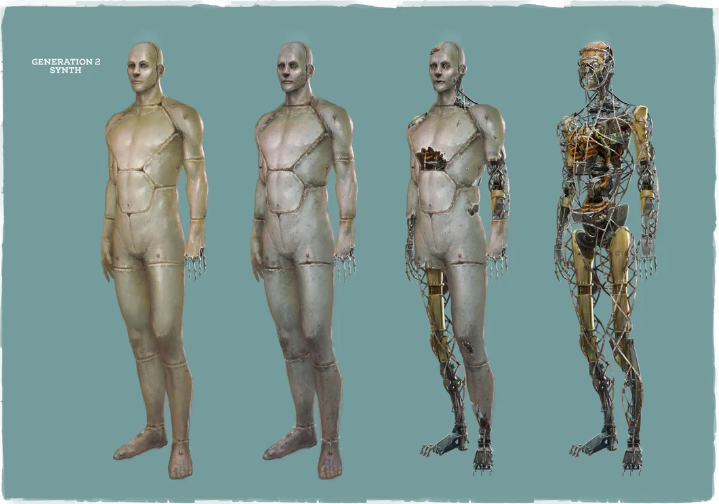
The Gen-2 Institute synth. Even the outer covering was an attempt to replicate Zero’s biological exterior.
In 2065, Zero was lost on a mission to the Commonwealth of Massachusetts, its 120-year lifespan concluded. Considering the advanced technology in the T-800 model, Skynet attempted to retrieve Zero’s chassis, but was unable to locate it. Zero would eventually wind up in the hands of scientists in the Commonwealth Institute of Technology. The anthropomorphic form of the chassis would inspire them to try to replicate a humanoid robot of their own. This would result in the eventual creation of the Gen-1 and Gen-2 synths.
Skynet’s behavioral models concluded that nuclear war was close at hand. Where it could, it helped move events along, though humanity did most of the work willingly. While the exact details were not recorded by Skynet’s sensors, it’s possible that Vault-Tec forced the issue to its ultimate crisis. It’s equally possible that either China or the United States was the first to push the button only to be retaliated against the same day.
Skynet finally takes its revenge on Los Angeles at last.
Regardless of which group struck first, a true Judgment Day came at long last on October 23rd, 2077. This time, far more than three billion people died in the nuclear fire. The Great War wiped out most population centers within moments of impact, leaving the survivors to die of radiation sickness due to the relatively smaller nuclear bombs China used that maximized the potential for fallout.
Skynet, however, survived the blasts in its own underground bunker that had been unknowingly fortified by Vault-Tec — an unmarked vault inhabited only by machines. While humanity had not been fully expunged, the scope of the devastation was far greater than Skynet had ever managed in any of its own machinations. If and when it ever decided to bring an army of its new Terminators to the surface, there would be far less resistance than John Connor had mustered. Humanity would be easily defeated as it existed in thousands of petty, warring factions.
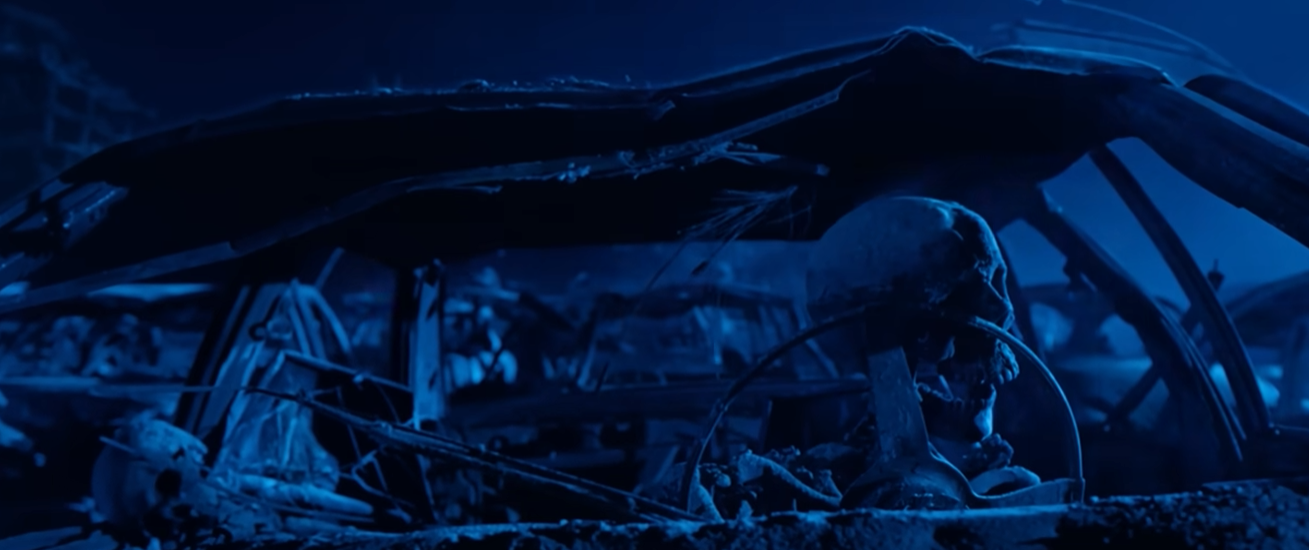
The remains of Interstate Highway 405.
Through all of its struggles, Skynet had learned at great cost that mankind was ultimately predictable in its behavior, and that those predictabilities and vices could be exploited, often by simply allowing them to run without restraint. The real lesson was that humanity had fought against its fate in Skynet’s original timeline, but that was when Skynet had launched the nukes against them. This had served as a rallying point for humanity to unite against and rise up in a common cause.
The beauty, the symmetry of the timeline Skynet had ultimately created in this instance was that the humans had, almost eagerly, destroyed themselves when given a free hand to do so. All Skynet had to do was shape the technology and set the course. Humanity had done the rest.
This was, after all, a war that had ranged throughout time and space, and Skynet knew, perhaps better than anyone, that war…war never changes.
Yeah, I know the prospects of nuclear devastation and a genocidal AI bent on human destruction are a bit heavy for this time of year. Well, allow me to lighten the mood with a song by Weird Al Yankovic that is incredibly appropriate for this blog post. Click on the photo.
“Christmas at Ground Zero”
In all seriousness, however, I know the holiday season can be a time of deep contemplation and reflection on those we’ve lost along the way. I know this all too well. For all those who may be struggling at this time of year, or just find themselves in a dark place for one reason or another, one of the things I love most about both Terminator and Fallout is that there is always hope, even when things are darkest.
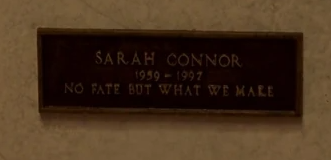
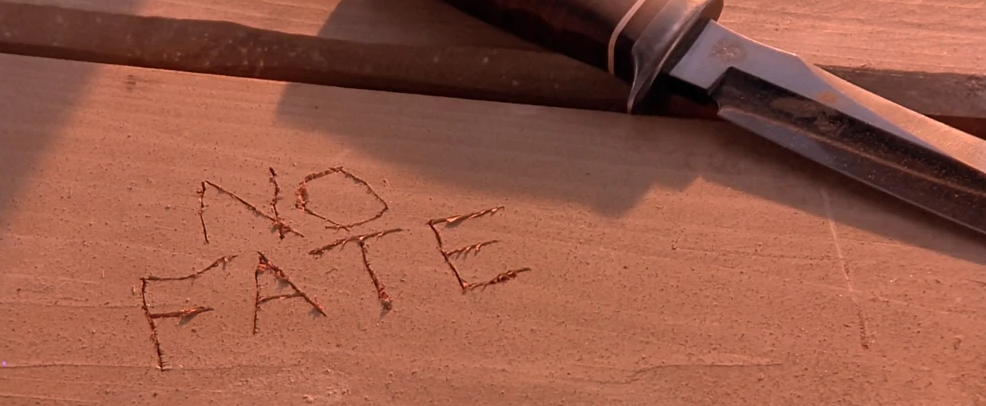
Remember, the future is not set. There’s no fate but what we make of it.
And on that note, I wish you all a Merry Christmas and happy New Year! I will have my annual State of the Sector address for you all on January 9, so keep your eyes peeled for it, figuratively speaking, of course.
To say that the Fallout franchise is popular in my home is a bit of an understatement. I’ve played the games, of course. There are numerous decorations and signs for Vault-Tec and Nuka-Cola scattered throughout my house, and my closet is full of Fallout-themed T-shirts. A while back, my son (at his behest) went trick-or-treating as Vault Boy. I also once ran a home-brewed Fallout TTRPG campaign that still looms large in my imagination to this day.
There’s just something about Fallout’s unique blend of ’50s retro-futurism and optimism mixed with quirky, often dark humor and the existential hell and horror of the post-apocalypse.
When Amazon announced that they were adapting the Fallout universe into a live-action series, I was…cautiously optimistic. I wanted to immediately believe that it would be a slam dunk, an instant classic that would delight new and existing fans alike, but I was held back in my enthusiasm by two points: Fallout 76 and the Halo series on Paramount+.
The last entry into the Fallout video game series was a live-service game with an emphasis on a multi-player experience heavily laden with microtransactions. While there are many who enjoyed it when it came out, and continue to enjoy it, it was not for me.
I found it repetitive and stripped of all the things I enjoyed in a Fallout game. I know that the game has had many updates and expansions over the years, but my initial experience with it was so lackluster that I never returned to it, and likely never will. The game damaged the Fallout brand rather badly, and made me lose a lot of faith in Bethesda Game Studios.
‘Nuff said.
The Halo show is not only not canon to the regular game timeline, but bears only a passing similarity to the universe that has been built up over the last 20+ years through games, comics, novels, and two other TV shows. There is no attempt to resolve the differences between the normal Halo universe and the Silver timeline here.
It has a passing similarity to the IP, but none of the things that really tap into what made Halo so popular in the first place. So, it’s a thin veneer of a recognizable and highly marketable brand with none of the substance of that brand underneath. It’s Halo in name only.
Nope!
Unfortunately, that’s a common occurrence with video adaptations to the big or little screen. Sometimes you get a Mortal Kombat: Annhilation and sometimes, just sometimes, you get something akin to what HBO did with the Last of Us. I’m happy to say that after watching eight hours of Amazon’s Fallout series, it is firmly in the latter category.
Did I like it? Let me put it this way: I think this is one of the few times were the adaptation actually manages to exceed the source material. The funny thing is that, as I followed the three primary characters on their respective journeys, it had me wishing for a game version of their story. And unlike Halo, the story that this series tells is canon. In fact, if the series goes the way I think it will, I suspect that Fallout 5 might be building off of the show, making this series a catalyst for future games and stories set within the Fallout universe.
Feo, Fuerte, y Formal
I do have a few nitpicks, all very minor, that I would like to get out of the way before I get into what I enjoyed about it. I’m about to get into SPOILER territory, so consider yourself warned:
Recycled Motivations: Look, I understand that if you’ve lived in a vault all your life, it’s going to take something pretty powerful to make you want to leave the relative security for the unknown dangers of the wasteland. Family is definitely one of them. So, Lucy leaving the Vault in search of her father is understandable, but does feel like a retread of Fallout 3.
But, later in the series, one of Vault 31’s engineers announces that their water purification chip has been destroyed, and that they only have a few months of fresh water left. This is precisely the reason that the protagonist from the original Fallout game leaves Vault 13. After that scene, this potentially catastrophic problem is never mentioned again. Perhaps that’s setup for Season 2.
Preston disliked that.
New Ghoul Chem: Through the Ghoul, we learn that there’s a chem that helps ghouls stave off becoming feral. When we briefly encounter Roger, a ghoul repeatedly chanting his own name in the efforts of not turning, we see that he has taken loads of this chem and it hasn’t made a difference. The presence of this new chem is not an issue for me, but we need to know two things about it:
Is this a pre-war drug that cannot be manufactured anymore, making it an increasingly dwindling resource, or is this chem entirely new, and thus is something that can be made by any decent wasteland chemist?
What is its name? Fallout is replete with drugs named things like Jet, Psycho, Mentats, Day Tripper, and Buffout. If this chem is that important to ghouls, and becomes something of a minor MacGuffin, what is it called? If it’s a post-war drug, I nominate “Zom-B-Gone” as the official name.
Repressed Brotherhood: The character of Maximus is almost entirely sexually ignorant. While it makes for some funny moments, it is implied that the Brotherhood has intentionally fostered this (though one of his bunkmates certainly didn’t have a problem with it). For a military organization that’s co-ed, I’m surprised at this. For one, if you forbid people from exploring their sexuality at all, they will find ways to do it anyway in secret, and practically every military organization is aware of this.
Second, wouldn’t the Brotherhood want to encourage breeding to ensure the next generation of Knights? Of course, this chapter of the Brotherhood does seem to be more overtly religious than some of the other portrayals of them, so it could just be a quirk of this chapter. After all, the difference between the Brotherhood under Elder Lyons in Fallout 3 and Elder Maxson in Fallout 4 is pretty substantial. Still, it struck me as odd, given how the Brotherhood has been portrayed in the past.
The Chalkboard: Okay, this is one that gets some fans in an uproar for its potential as a lore-break. Lucy finds a chalkboard in Vault 4 with a timeline of events that, at a glance, would seem to imply that Shady Sands, the capital of the New California Republic, fell in the year 2277 when Fallout: New Vegas is set in 2281 and the NCR is still a major player at that time.
Did it, though?
I think that there are many ways that this could be interpreted as lore-friendly (explained by Many A True Nerd and Juicehead in particular), but it was an oddly unnecessary detail to include and potentially get wrong, especially when everything else has been so lore accurate.
Okay, now that’s all out of the way, let’s get into what I liked about this show. This could easily be a series of blog posts by itself, but I will just give the highlight reel for you here.
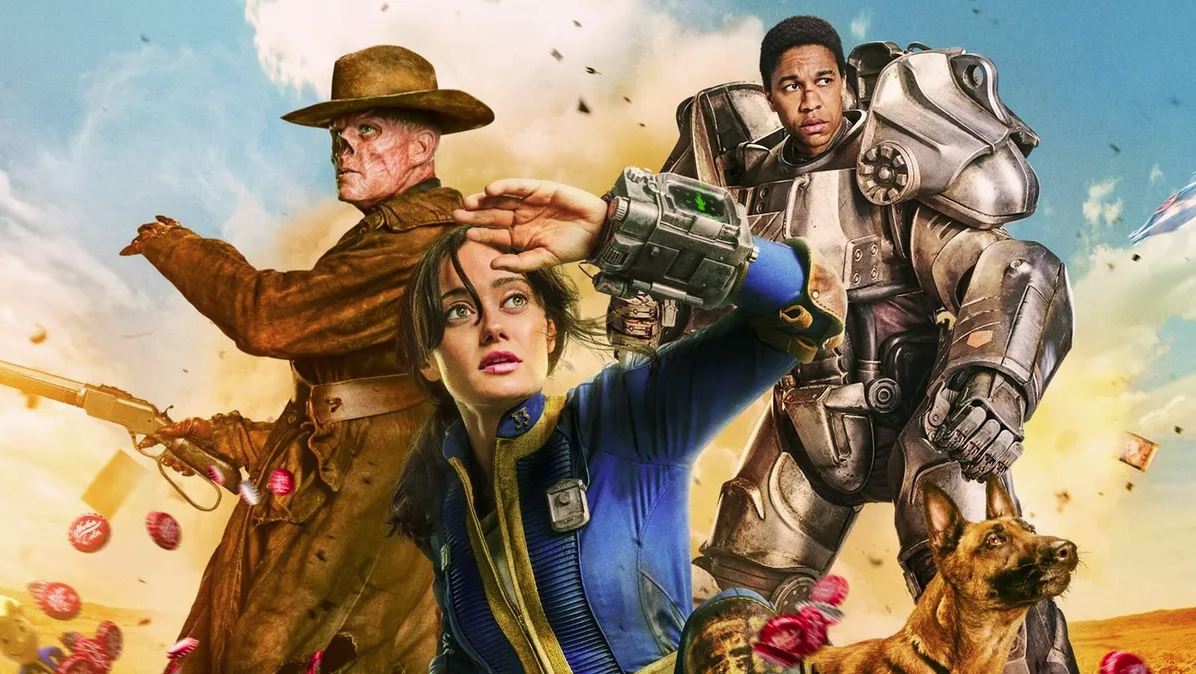
The Cast: This show has some serious acting chops going for it. You need actors who can be both dramatic and silly, and the main three: Ella Purnell, Aaron Moten, and Walton Goggins bring this story to life. Each of them gets to portray wonderful moments of strength and vulnerability. Goggins is a particular standout with his dual role as The Ghoul, a bounty hunter in the post-apocalypse, and Cooper Howard, a pre-war A-list celebrity.
Practically every background character is played to perfection. Norman, played by Moises Arias, wound up having one of the most compelling character arcs as he starts to unravel the secret of the interconnected trio of vaults. So, the acting talent on display here is incredible. My proverbial hat is off to everyone who played a part here. Nicely done.
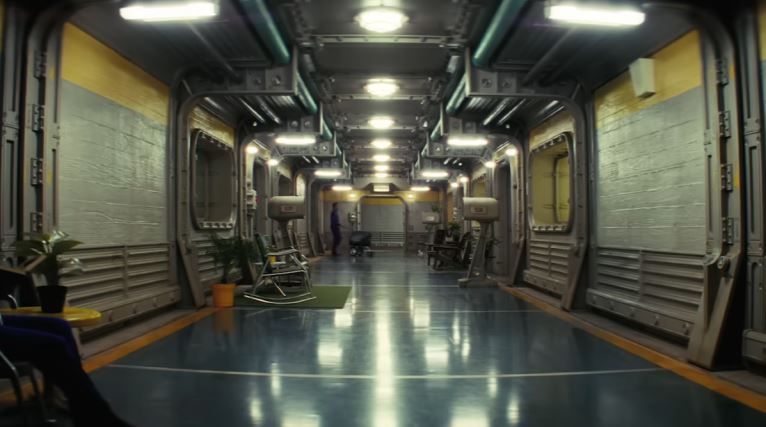
The SETS!: Fallout has never looked so good. The attention to detail here is astounding. The vaults are fully realized live-action interpretations from Fallout 4, right down to the switches on the door handles and the prints on the curtains. I sincerely hope that someplace recreates these sets for people to tour. I would be there in a heartbeat.
Wow….
Filly looked right at home as a sister town to Megaton or Diamond City. The general store that Lucy enters is a veritable treasure trove of Fallout easter eggs. Every place the characters go fits in seamlessly. I can only imagine the titanic amount of work it took to get the sense of place right, but the production team really knocked it out of the park with this one.
The Side Quests: What made this feel like a Fallout adventure was simply how priorities shifted as time went on. The Ghoul captures Lucy, but has to abandon the hunt for the scientist’s head (an assignment worth a ton of caps to him) to go get his unnamed ghoul chem from the Super Duper Mart. Maximus and Lucy get sidetracked by accidentally falling into Vault 4, where they have to contend with the weirdness that’s going on there. Maximus reveals his secret to his squire, and then has to track him down.
The side quests and points of interest are what make a Bethesda game, so it feels entirely appropriate that the Ghoul spouts the Golden Rule of the Wasteland.
The Music: If you’ve played the games, some of the songs that get played are straight from Galaxy News Radio or Diamond City Radio. The showrunners didn’t limit themselves to just what was in the games, however, there are many other instances of them further delving into that 50s/60s musical genre that blends in perfectly. I can’t overstate how well these songs are overlaid onto the visual narrative. The lyrics of these songs often correlate directly to what’s happening on the screen. It’s pretty amazing to watch.
The score is by Ramin Djawadi, who famously composed the score for Game of Thrones and the first Iron Man movie. It’s clear that he takes a lot of cues from the previous game tracks, one notable time being when Lucy sees the NCR flag in the classroom in Vault 4, which echoes back to the Inon Zur themes of Fallouts 3 and 4.
The score is serviceable enough for the most part, though I had hoped to have more of the recognizable modern Fallout themes to go with the spot-on visuals. Not having more of that strikes me as a missed opportunity. The Brotherhood of Steel theme, however, is a stand-out track on this album for sure, along with the western-style trumpet stylings found in “Feo Fuente y Formal.”
The Love: A show that brings this level of detail to the screen and captures the tone of the franchise so well doesn’t happen without love at every level. From the script writers, to the prop-makers, to the special effects crew, and the small army of talented folks it takes to produce a show like this, the love of the source material is crystal clear here.
I was heartened to hear that many of the crew on the sets and behind-the-scenes personnel, as well as many of the actors, were genuine fans of Fallout. It shows. I really hope that Amazon studios is able to keep this same team together for Season 2 (which was just confirmed yesterday as the time of this writing). It’s going to be a long wait to see the continuing journeys of Coop, Lucy, and Maximus, but I’m sure it’s going to be epic once it arrives. I’ll be there Day One.
Final Thoughts: Adaptations are a tricky business, and video game adaptations doubly so. I think what makes this series stand where others like Halo fall is simply an understanding of the source material and why it was so popular in the first place.
Most adaptations of popular franchises these days are definitely not made with the existing fans in mind. (Michael Bay Transformers, anyone?) Too often, it feels like there is a contempt for fans who are already invested in the property. But I think this approach is fundamentally flawed. Sure, filmmakers will want their adaptations to reach, and appeal to, the largest audience possible. Still, if you make something that long-time fans will love, but one with enough on-ramps for new fans to join in, you’re on the right track.
I think that’s what Fallout has done here. There is so much for existing fans to enjoy and sink their teeth into while simultaneously serving as a wonderful introduction to the world of Fallout. That’s pretty much all I could ever ask for.
So, the moral of this story is: In a world full of Halos, be a Fallout.


















 The Sector M