Tag Archives: rpg

The Battle of Waterloo

Years ago, when my oldest took a class in game design, I helped him with his final project. Specifically, the project was a board game that needed to demonstrate the essentials of theme, mechanics, and playability. We decided early on that we wanted a cyberpunk-themed game, complete with mohawks, cybernetic implants, and ninjas (of course).

Our style of game would be a combination of action/adventure and exploration. The way you would win would be in the vein of victory rush games that rely on completing challenges and meeting objectives in this dark, futuristic, and often sarcastic world.
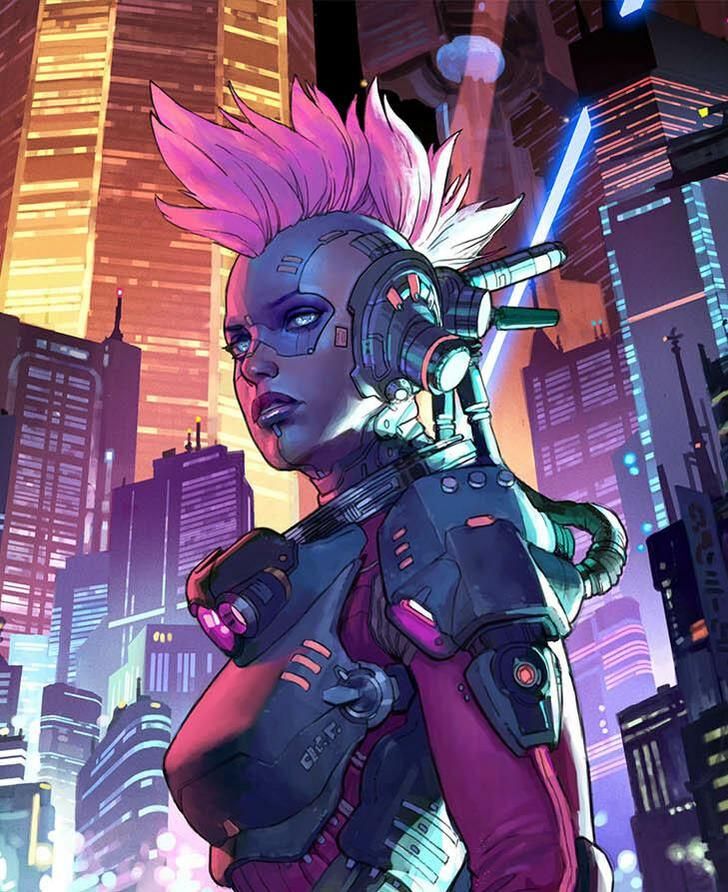
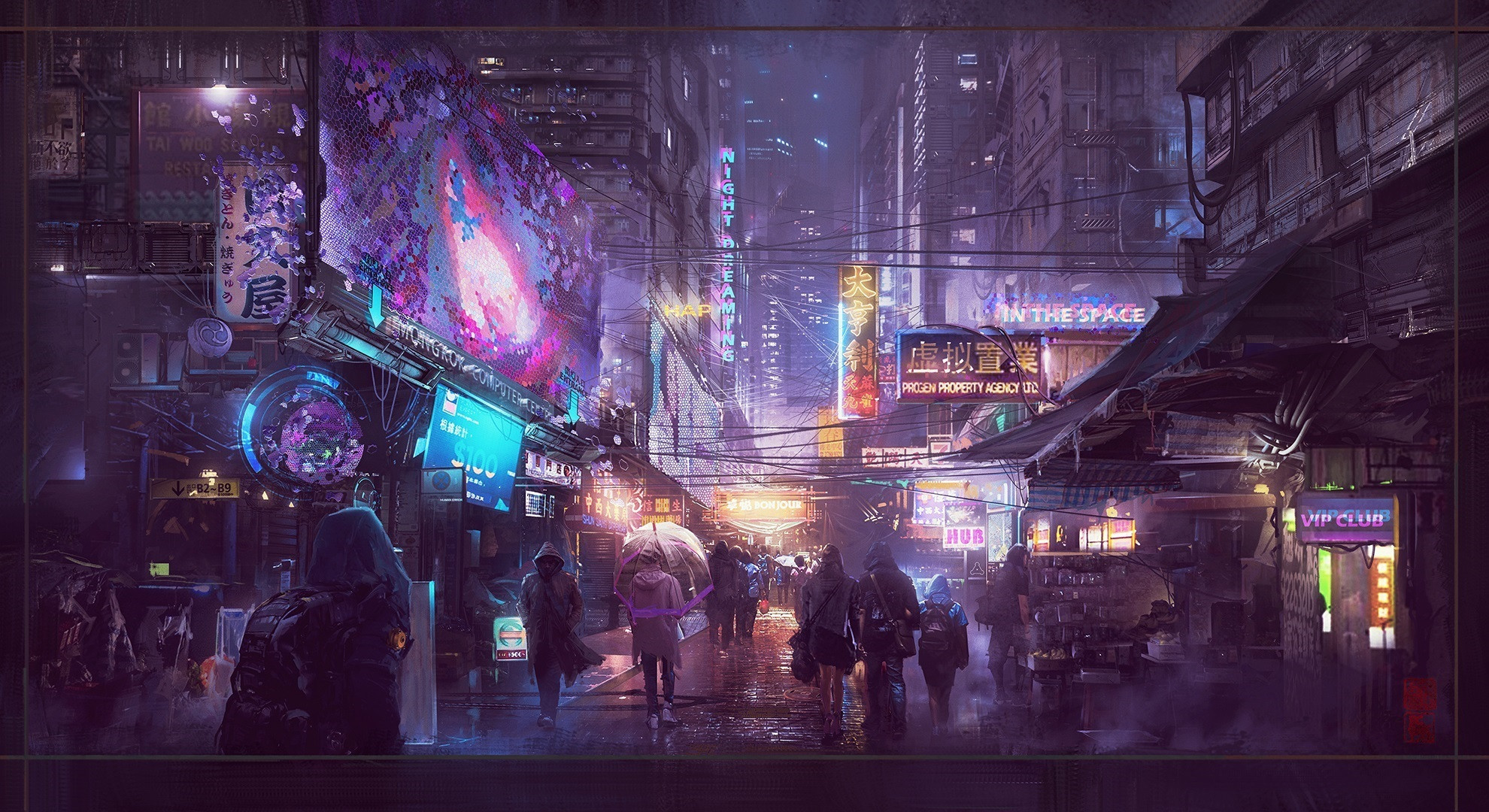
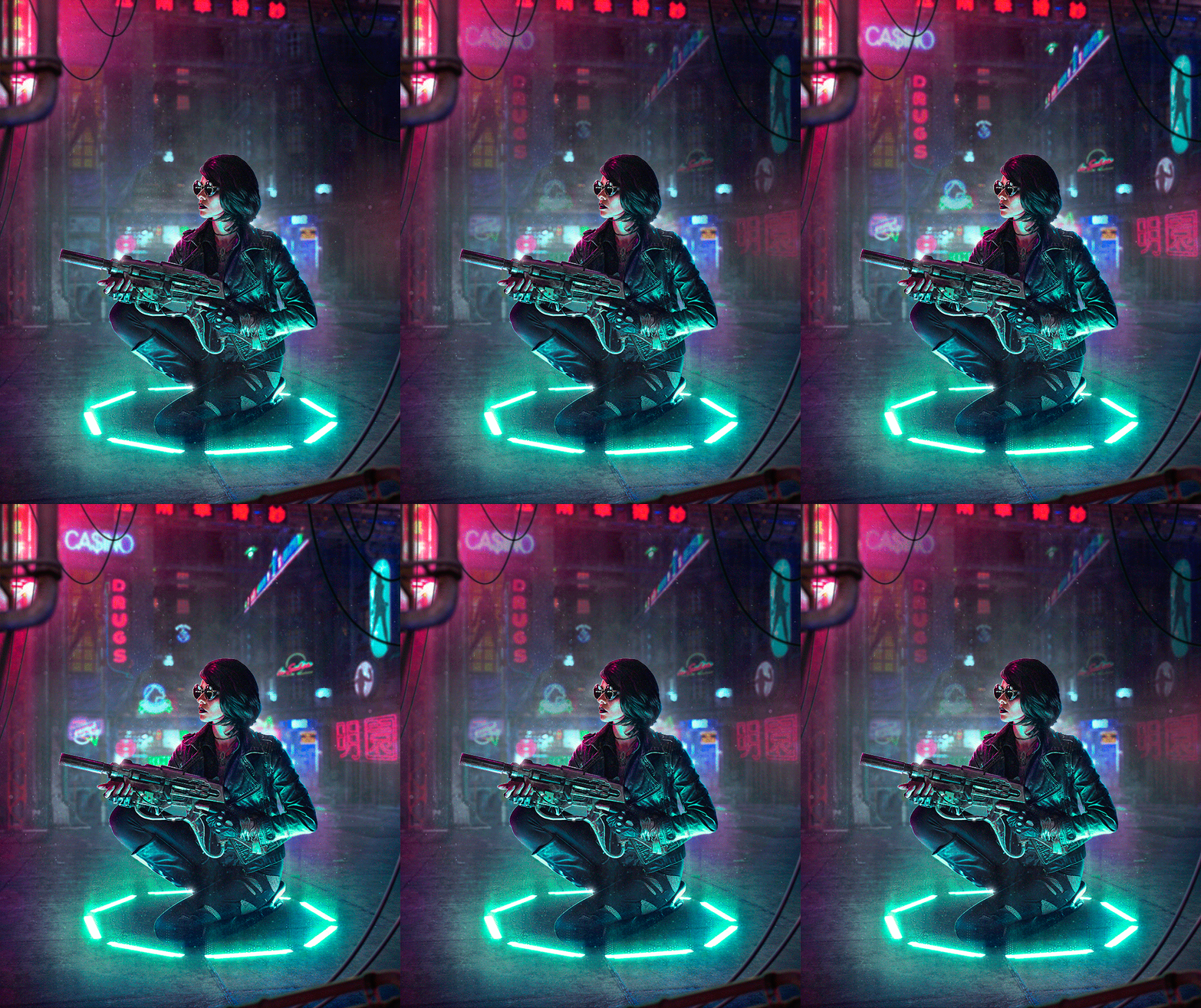
(One note, I’ve put some cyberpunk artwork throughout this post. This art is part of my general mood board, but they are not official concept art for my game. They are just a way to show you something of what I’m going for visually. I’ve noted the artist where possible.)

We were able to put together the very basics of just such a game, though it wasn’t enough to fully play. We had a lot of fun with the development, though. In the process of putting it together, it occurred to us that we had hit onto something with it. I started developing it further (even after he got an A+ on the project), seeking to create a fully playable game.

Then the pandemic hit. While I did do some development and limited playtesting of it in fits and starts during that time, getting people together to play it became problematic for obvious reasons. Little by little, I was getting the game to a state where others might enjoy it. I’m happy to say that in the last two weeks, we’ve moved a few dozen parsecs toward that goal.
Last week, I traveled up to Waterloo in Iowa to visit a group of friends who are some of the biggest board game fans I’ve ever encountered. Among them is my friend R.J. The two of us used to work together many years ago at Score Entertainment. If you ever ripped open a booster pack of the Dragon Ball Z, Dragon Ball GT, Buffy: The Vampire Slayer, Yu-Yu Hakusho, or InuYasha collectible card games back in the day, that’s the company I’m talking about.
R.J. and I sat for several hours during this trip going over the instruction manual I’d put together line by line, tweaking and refining the language for clarity and playability. Then we put the game to the test, seeing how it would hold up. The two of us played multiple two-player games in which R.J. won every single one. In fact, of all the games I played during that week, I didn’t win a single one of them! One was close, however, so close that it came down to a single die roll, and the deciding roll was failed by only a single pip. (I needed a three or better on a D6, and rolled a two.) So close!

While this track record might normally be cause for concern — in that the folks in Iowa were better at the game I created than I was — it just reinforced that I had come to the right place to put this game through its paces. It also meant that the gamers in residence were picking it up fast enough they could immediately get up to speed and start knocking it out of the park.
There were some really tense and cinematic moments. One in particular involved a hacker, a cyborg, a ton of security turrets, the game equivalent of a nasty UNO Reverse card, and the timeliest of timely sixes showing up on a D6 roll. This is what I had been hoping to see — people enjoying the game I created, and let me tell you there’s almost nothing like it.

This was the eponymous Battle of Waterloo, and it was glorious. This battle was not one of cannon and soldiers but mechanics and user experience. Far from a historic defeat, I came away with pages of notes and tweaks for the next iteration of the game. While I still need to address a few things and give some playable characters a much-needed shot in the arm to balance things out, this trip told me that I was actually closer to a releasable game than I could have hoped. I’d say we are approximately 80% of the way there at present.

With all that in mind, I plan to start putting things in order to run a crowdfunding campaign, likely on Kickstarter, for this game next year. It will be the first board game under the Sector M Games banner. There are many things that might affect this timeline, but I will start seeking estimates on what it would take to get this game off the ground and into the hands of players who might want it.
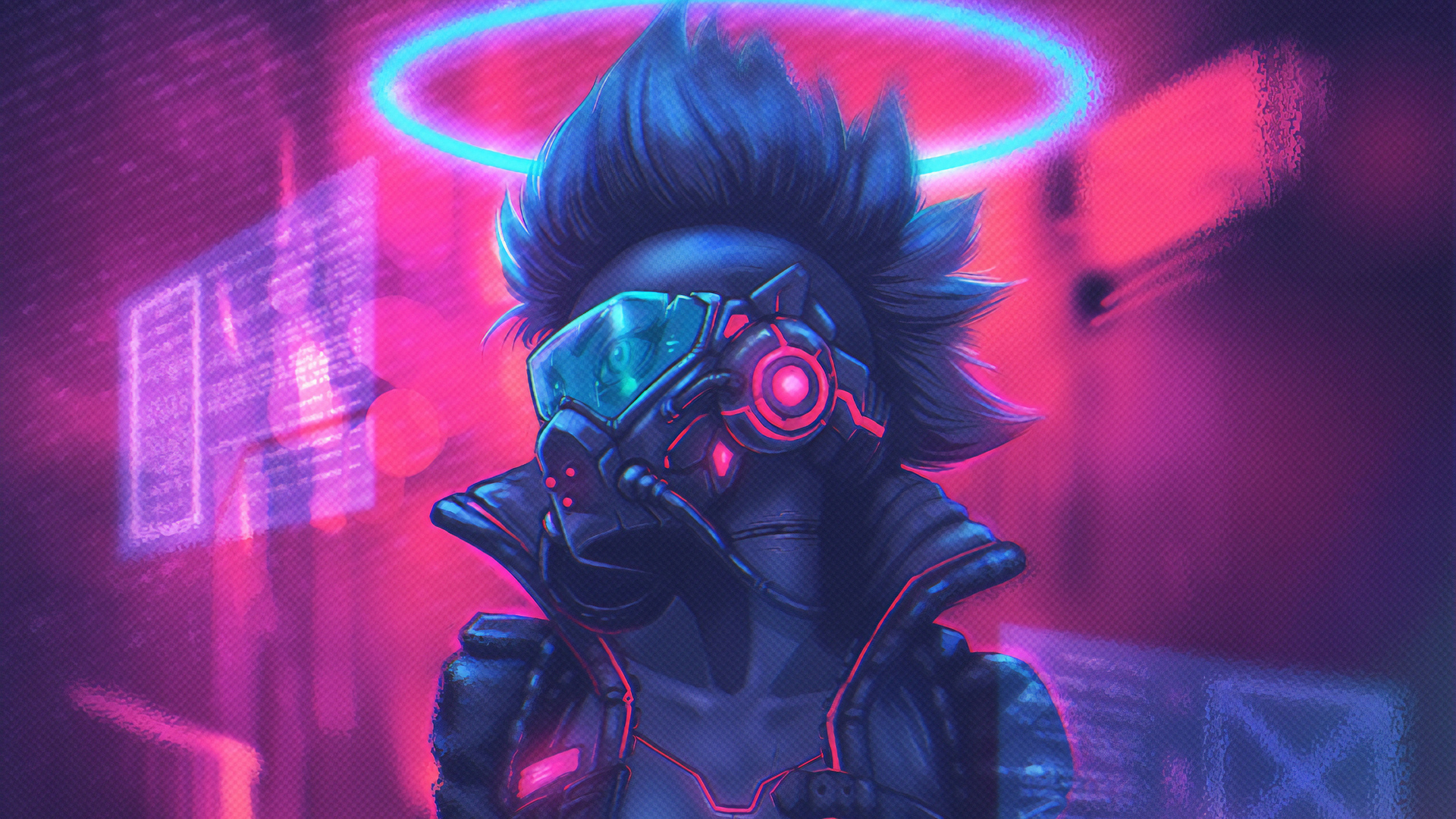
Artist: Remi Abrahams
https://www.artstation.com/remzorr

I also plan on doing a periodic developer’s diary on my Patreon in the lead-up to the crowdfunding effort, as well as some reveals (including the name and other good stuff), so if you would like to check that out, give it a look. My Patreon can be found at:

Patreon.com/c/TheSectorM

In the meantime, I have a ton of notes to go through and calibrations to make. I would like to give a personal and heartfelt thank you to those who were a part of the Battle of Waterloo. They are: R.J., Caroline, Justin, Mophat, Andrew, Holly, Britt, and Ace. Additionally, I’d like to thank the Dallas-based playtesters that helped get me this far. They include: Travis, Dave, James and Rob. All of you are getting special shoutouts in the acknowledgements section when this game comes out. 

Definitely watch this space as more information becomes available. In the meantime, I’ve put together a 1-hour playlist on YouTube for your cyberpunk listening pleasure. Give it a listen! And if you have suggestions for what else should go on it, send recommendations my way.

As I said before, the Battle of Waterloo, or at least my version of it, was a success in my book. And unlike Napoleon, my Waterloo is not an end but a beginning. I can’t wait to show you all what I’ve been working on!

Thanks for reading!


Words and Terms I Learned From D&D

My last few blogs have been, well, a bit of a downer. So, I thought I would start things off for 2025 with something on the lighter side. As you likely know by now, I am big into TTRPGs, particularly D&D. I’ve been playing these kinds of games since I was about 13, and I really never stopped. It’s one of my favorite hobbies, right up there with reading, video games, and so forth.

Today, I would like to share with you a list of ten words and terms that entered my vocabulary from playing TTRPGs and D&D specifically. Let’s dive right in.

1.) Encumbrance

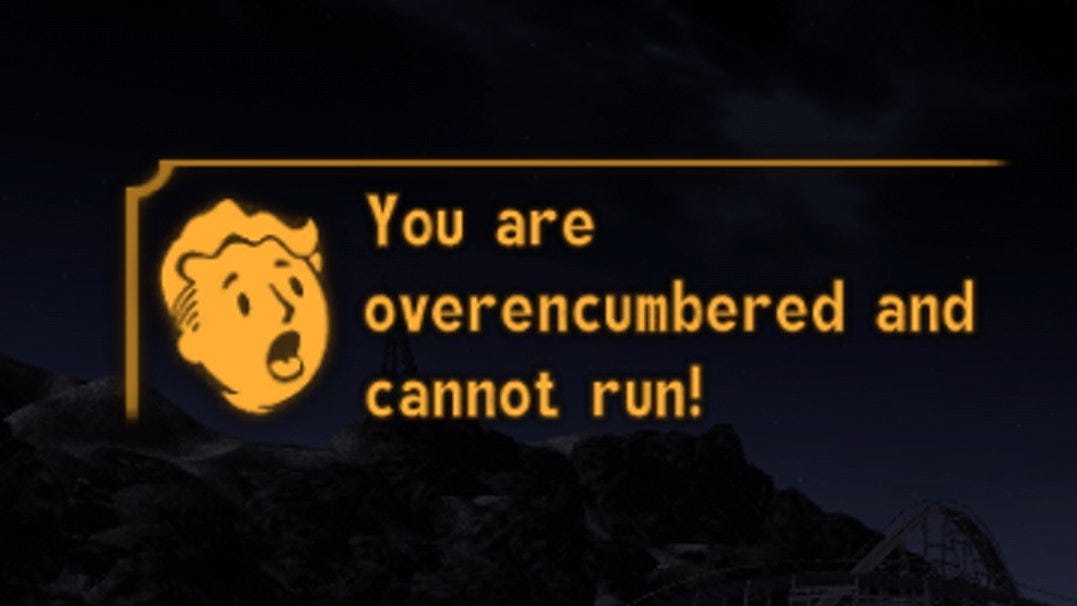
While more modern versions of D&D use encumbrance to denote how much your character can carry, I originally learned this word in the context of why you couldn’t do backflips or cast spells while in full plate armor. This came along pretty early in my gaming career when a wizard character of mine attempted to put on heavy armor only to find out that he could barely maneuver while in it and couldn’t cast any of his spells. Needless to say, he ditched the heavy armor pretty quickly afterward and got back to shooting magic missile at practically any opponent as an opening gambit.

2.) PC/NPC

I count these two as one since they are closely related. If you’re not familiar with them, we have PC, or “Player Character” and NPC, or “Non-Player Character.” The PCs are the characters that people play in a TTRPG, and NPCs are everyone else. These terms eventually migrated over to video games. The central idea of the movie Free Guy depends on the audience knowing that Guy (played by Ryan Reynolds) is a digital character in an online video game. When I hear the phrase “Main Character Energy,” my mind always goes “Oh, so they’re a PC, got it.”

3.) Gamemaster/Dungeon Master

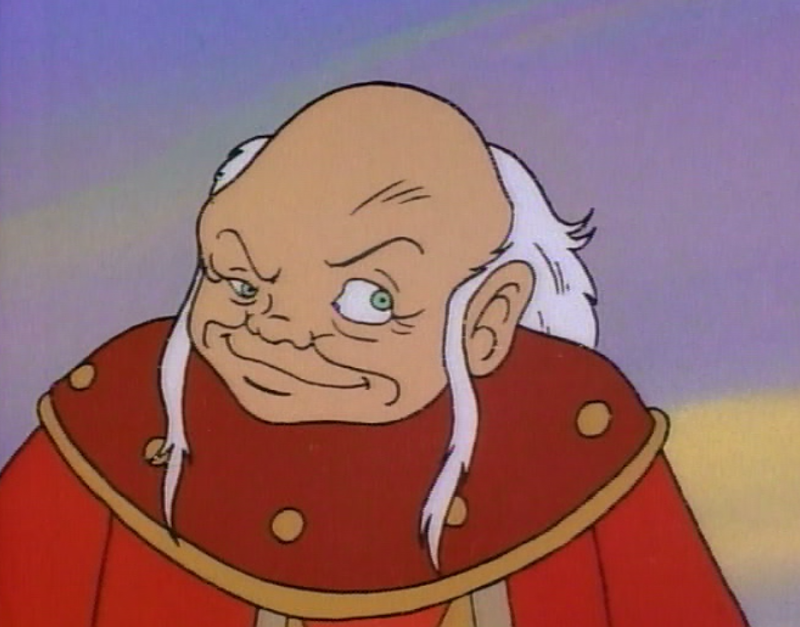
Tabletop roleplaying games have a lot of names for this role at the table: Gamemaster (or GM), Judge, Referee, Storyteller, and Dungeon Master. By the time I played D&D, I was already familiar with the Palladium RPG system and Rolemaster, so I was already in the know with someone being a GM and GM-ing a game. Dungeon Master (or DM) was something I picked up from D&D since it’s a term specific to that game system (though I knew it from the cartoon first instead of the game). Even today, I tend to use the more generic “GM” term, even when referring to D&D. It might also have something to do with it being easier to explain to family members who aren’t familiar with TTRPGS that you are a gamemaster rather than a dungeon master.

4.) Metagame

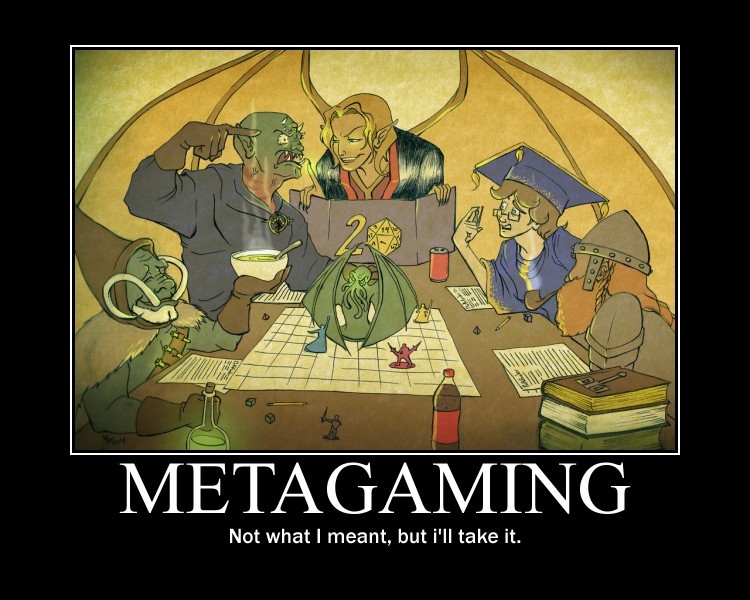
At first, this concept came to me as the difference between “player knowledge” and “character knowledge.” So, if you’re playing Grog, a 2nd-level barbarian, you (the player) may know how fast the speed of light is, but chances are that Grog (the character) will not have a clue about it. So, those who would use their player knowledge in place of their character knowledge (i.e. Grog suddenly understanding advanced physics) were said to be metagaming. That’s something GMs/DMs have to police at times, though thankfully the players I game with are very discerning on this point.  

5.) Wards/Runes/Sigils

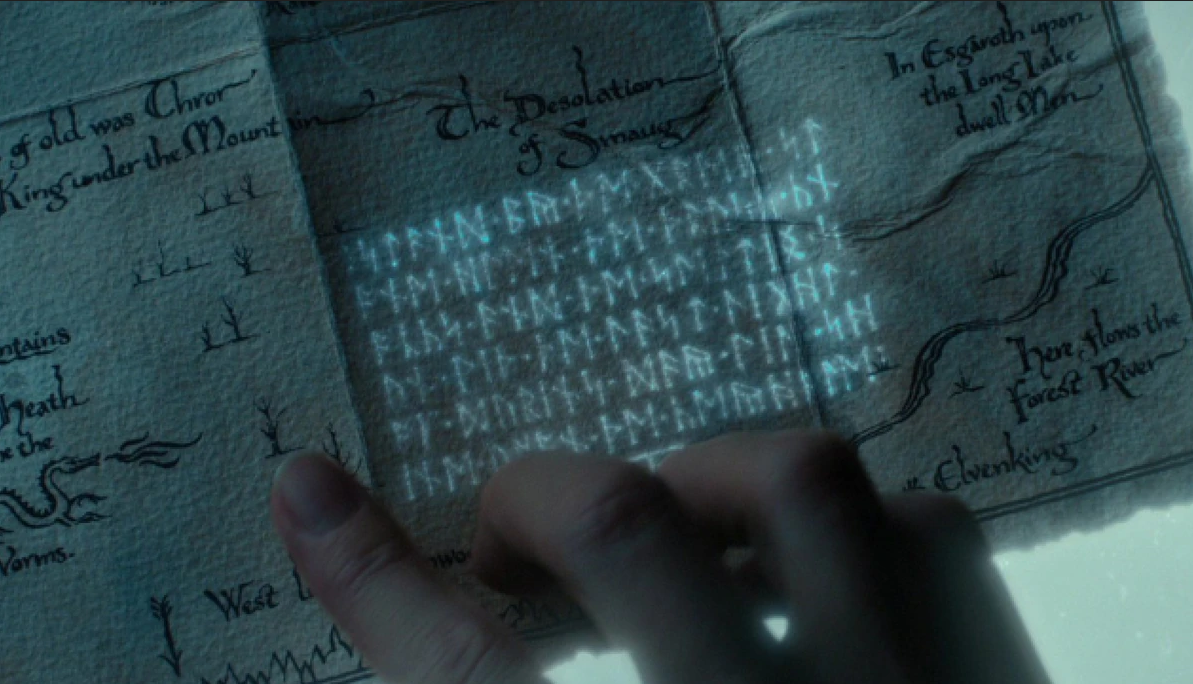
Once again, I’m grouping these together since they are similar in nature. I knew of runes before playing D&D from learning about the real-world runic alphabet. Through gaming, I learned of them as something inherently magical. So, a wizard or magic-user might scribe or carve a symbol into something and then imbue that symbol with some kind of magical spell or effect. Sigils often worked the same way, though I always got the impression that sigils were more Elven, while runes were more of a Dwarven thing (your fantasy mileage may vary). Wards, while not necessarily a symbol, were magical protections that could be placed on an object or area to prevent intrusion, theft, or general skullduggery. However, both runes and sigils could act as wards. Magic!

6.) Dweomer

Often pronounced “dwimmer,” in game terms this is often used to describe the inherent aura a magical item or place gives off. While this word is not used as much anymore, a more common expression is something’s “enchantment.” An enchanted sword, enchanted forest, you get it — a dweomer is some kind of ongoing or semi-permanent magical effect or property. I was also pleased to find that Dwarves in the Elder Scrolls video game series (who are actually Elves) are called the “Dwemer,” which is fitting considering their knowledge of magic was light-years ahead of anyone else in that world.

7.) Somatic

Spell descriptions in D&D generally have three kinds of components: vocal, so the magic words uttered by the spellcaster; material, or the little bits of stuff the caster must have on their person (the proverbial eye of newt and toe of frog), and lastly the somatic component. This last one represents the wavy bits that magic-users do with their hands, the intricate hand gestures and motions they must go through to bring the spell forth. Up until I read the Player’s Handbook for the first time back in the day, I had never run across this term before.

8.) Caltrops

Honestly, the first time I heard this term used I thought the person said “cough drops.” Now I know that these are little bits of sharp metal that you can throw on the ground. The design of caltrops is such that no matter which way they land, they have a point sticking straight up. They are used to impede an opponent’s movement since the opponent in question would either need to slow down to avoid stepping on them or run through them and risk facing the wrath of what could be described as tactical Lego blocks.

9.) Level Up

It amazes me sometimes how far and wide this term is known and referenced. I saw the other day both The Gap and Old Navy talking about leveling up your experience. Likely, that’s to appeal to gamers, specifically video gamers. Yet the term as I understand it really came from the tabletop space, and that’s certainly where it first came into my own personal gamer lexicon. There’s just something cool about finishing a game session and learning that your character has leveled up. The Final Fantasy victory music almost always springs to mind when this happens.

10.) Psionics

I first encountered this term in the Palladium fantasy RPG setting when I played a “Mind Mage,” a user of psionics or mind magic. Later, when I played the Traveller RPG (which would eventually lead to my first novel), I discovered the Zhodani who were a society of psionicists. So, I suppose that this one didn’t technically come from D&D as the title of this blog would suggest, but D&D did have psionics as well that further cemented the concept in…(wait for it)…my mind.

Honorable Mentions

Playing TTRPGs has a way of rewiring your brain when it comes to certain things. I include this section because there are five words in particular that have permanently changed in my vocabulary to the game version. When the words aren’t used in a gaming context, I have to push past my initial gaming reaction. You know, it’s like when a song that Weird Al Yankovic has parodied comes on, but you find yourself singing the Weird Al lyrics anyway. No? Just me?  

  • Initiative
  • Campaign
  • Critical
  • Encounter
  • Module

Final Thoughts

I’ve always believed that playing TTRPGs exercises many parts of your mind. I’m better at math, managing money, tactical and strategic thinking, acting and improvisation, funny voices, and worldbuilding because I play these games. In addition to that, it’s great for the vocabulary. The words and terms that I showcased here are just the tip of the proverbial iceberg.

If you are a gamer of these games already, you likely know precisely what I’m talking about. If you are interested but have never tried them, I highly recommend that you do so. Adventures and worlds you can scarcely imagine are waiting for you out there.

Thanks for reading!