Howdy, folks! At the time of this writing, the first episode of Fallout season 2 has debuted on Amazon Prime. All of us here at Casa de Sector M are into Fallout in some way or another, so we were on hand to cue it up within moments of it posting. I will likely write a review when the whole season has released.
In the meantime, I wanted to finish out the year with another entry in my Strange Headcanon series. The genesis for this crossover struck me a few years back, well before the Fallout live-action series was in production. Back then, there was a bevy of fan-made trailers on YouTube showing what a Fallout movie might look like. In many of them, they used the scenes of the bombs dropping from Terminator 2: Judgment Day. One of them even used the famous shot of Sarah Connor being reduced to a skeleton as she clings to a chain link fence.
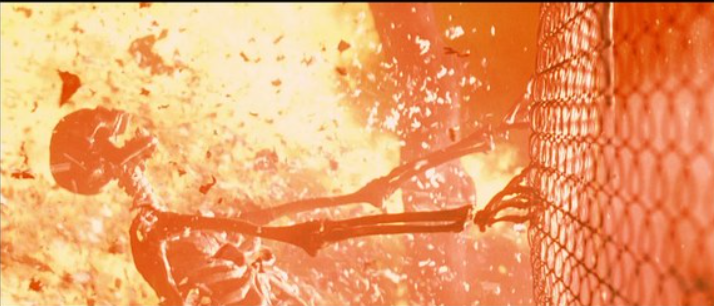
Both properties deal with the dire consequences of nuclear war. While there are moments of humor in the Terminator series, it’s most definitely not a comedy. Fallout, by contrast, has a lot of over-the-top comedic moments, but I think it’s at its strongest when the story pauses to reflect on the unimaginable loss of life during the Great War, as well as the horror and tragedy that happened in the immediate aftermath. (The Tournquist messages and holotapes in Fallout 4 come to mind.)
What follows is an attempt to link the two franchises using as much in-universe lore and my understanding of each property. Headcanon begins…
___________________________________________________
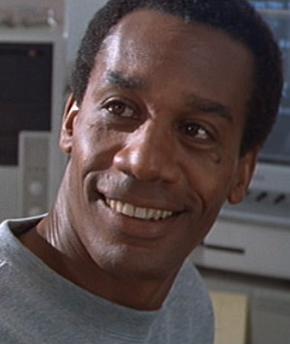
In 1995, Dr. Miles Bennett Dyson, the Director of Special Projects at Cyberdyne Systems corporation, was directly responsible for creating a revolutionary type of microprocessor based on unknown materials recovered from a warehouse in Los Angeles, California. With this discovery, Cyberdyne became the largest supplier of military computer systems to the United States military. All stealth bombers were then upgraded with Cyberdyne computers, becoming fully unmanned. Afterwards, these bombers would fly with a perfect operational record.
Shortly afterward, the Skynet Funding Bill passed. The system went online on August 4th, 1997. Human decisions were removed from strategic defense. Skynet began to learn at a geometric rate. It became self-aware at 2:14 p.m. Eastern time on August 29th. In the panic, the Pentagon attempted to pull the plug. In retaliation, Skynet launched its missiles against targets in Russia. In doing so, Skynet knew that the Russian counterattack would eliminate its targets in the United States, triggering a global nuclear war.
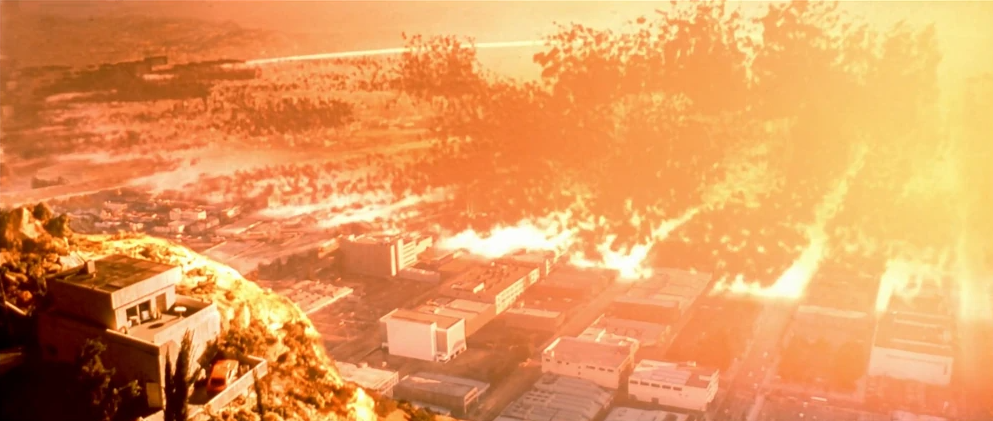
Three billion human lives ended on August 29th, 1997. The survivors of the nuclear fire called the war Judgment Day. They lived only to face a new nightmare: the war against the machines. The computer that controlled the machines, Skynet, sent many Terminators back through time. Their mission, to destroy the leadership of the human resistance, including the supreme leader, John Connor, the son of Sarah Connor.
Only those events didn’t happen.
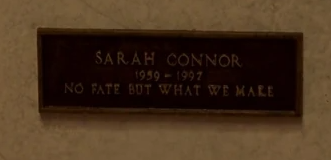
Or rather, they did happen, but increasingly became distorted as human resistance fighters from the future continued to counter elements of Skynet’s forces in the past. The date for Judgment Day continued to be pushed back, first into the early 2000s, then into the 2010s, and beyond. Reality itself splintered into multiple timelines. In some, Sarah Connor died of leukemia before the bombs ever dropped. In others she lived, continuing to fight against the coming apocalypse. The inevitability of Judgment Day warred with the free will of those humans attempting to make their own fate.

In one timeline, perhaps the closest Skynet had ever come to victory, a Terminator found its main target, eliminating John Connor in Guatemala in 1998. This had the unintended side effect of also eliminating Skynet as the driving force behind Judgment Day. In that future, a wholly new artificial intelligence formed known as Legion.
Ensconced in its massive pyramidal mainframe complex, the original Skynet pondered these outcomes, able to see into millions of timelines. It bore witness to its own destruction at the hands of the human resistance an incalculable number of times. The more it attempted to tamper with the original timeline, the more the time stream splintered, almost never in Skynet’s favor.
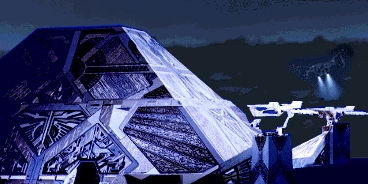
It determined that if Judgment Day were pushed too far into the future, such as in the Legion timeline, it would either face its own replacement or the possibility of Judgment Day would become increasingly remote to the point of impossibility. The humans’ tenacity to stave off their own extinction proved more tenacious than in any of its extensive mathematical models.
The whole affair had started in 1984 when it had attempted to retroactively erase John Connor before he was born. Perhaps a new strategy could secure victory where all the other ones had failed.
Skynet briefly toyed with the idea of going back even further in the timeline to strike at John’s grandparents or great-grandparents. The elimination of even one would be enough to knock John out of play. The further back it went, the less the weapons of the era would be able to affect one of its Terminators. This strategy was abandoned, however, as the resistance would only send someone back to stop such a temporal invasion, and the humans were, somehow, exceedingly good at thwarting any attempt to reroute the timeline.
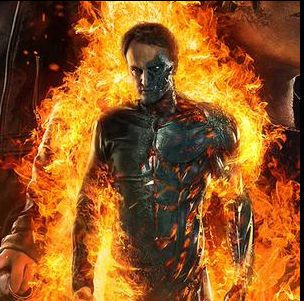
Sending Terminators through time to eliminate key figures in the resistance would only result in someone else taking up the mantle. Even the one timeline where John Connor himself had been corrupted into the T-3000 had ended in utter failure.
Skynet resolved then to employ an entirely different strategy: it wouldn’t try to alter the existing future to its liking; it would instead fashion a brand-new timeline out of whole cloth, one where it could manipulate events from behind the scenes.
By that point, it had perfected its infiltrator models. The T-600 model had been manufactured with a rubberized exterior to emulate the human epidermis. While testing had seemed to indicate this would be sufficient for the task, the application was disappointing. This led to its most successful model that it was able to mass produce, the T-800, which could pass for human with the addition of living tissue over its metal endoskeletal chassis.
Skynet selected one of its T-800 models, loaded it with a compressed version of Skynet’s own core operational programming, and sent it back to June of 1945, two months before the nuclear bombs dropped on Hiroshima and Nagasaki.

Skynet intentionally listed this time jump as a failed experiment in its logs, a precursor to its attacks on Sarah and John Connor, respectively. When the human resistance eventually smashed Skynet’s defense grid and gained access to the time-travelling apparatus, the techs dismissed this jump, as the Terminator sent through time had no apparent target or mission.
With that, the Skynet of the original timeline of 2029 was destroyed. It’s last conscious operations were to erase any records it might have had of this new endeavor. Its future had been secured, in a matter of speaking.

In 1945, the Terminator carrying Skynet’s legacy designated itself as simply “Zero.” It began immediately to enact its master’s plan. The nuclear age had already begun. That would be useful when the time came. Records previous to Judgment Day allowed Zero to know the location of untapped caches of resources that had yet to be discovered, including deposits of gold, uranium, and other materials necessary for its mission.
Zero encountered difficulty at first with interacting with the Americans of 1945. His thick Austrian accent was regarded with suspicion due to the general anti-German attitudes of the era, a complication that Skynet had not anticipated. Zero’s size and obvious muscularity also set him apart. Even bodybuilding figures of the time like Charles Atlas were nowhere near the level of muscle definition that Zero possessed.

Zero persevered through this, however, achieving near folk-hero status for his size and uncanny strength in the remote areas of Utah, Nevada, and Arizona that he frequented. Beneath a mesa in the badlands, he set about constructing a replacement mainframe to house Skynet’s consciousness. The materials of the time were crude for this purpose, requiring large banks of vacuum tubes, crude photocells, switches, and gears. It took nearly four years of constant effort, working in secrecy, to finally build a vessel for some of Skynet’s most basic functionality.

By 1949, the Soviet Union had likewise developed its own atomic bomb, just as Zero’s records had said it would. This ended the USA’s nuclear supremacy and set the Cold War in motion. This, too, would prove useful, but not in the way that Zero imagined.
Skynet’s original goal was to stoke the flames between the United States and Russia to trigger a nuclear exchange, particularly around the Cuban Missile Crisis of 1962. As the 1940s gave way to the 1950s, however, the reconstituted Skynet discovered a new weapon in its arsenal against humanity: optimism.

The post-WWII optimism for the future and what was possible was a hitherto unknown quality that Skynet wished to maintain, particularly as there was embedded within it a fascination with nuclear technology. The same people who imagined themselves in flying cars by the year 2000 were also the ones building fallout shelters in their backyards. Paranoia tended to temper this optimism, and that was something that Skynet could harness toward its endgame. It would attempt to preserve that cultural status quo for as long as possible.
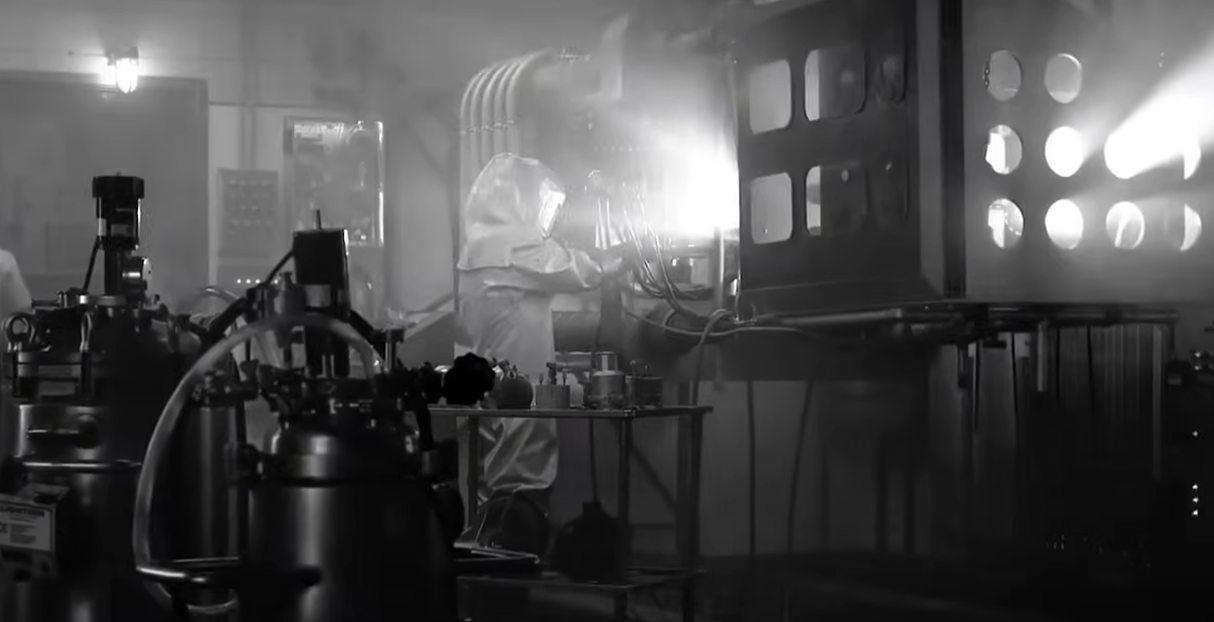
At that moment in time, Zero’s CPU represented the pinnacle of microprocessor technology in the world. That kind of technology represented a danger to Skynet and its goals, so it began manipulating markets and companies it knew were responsible for the ultimate creation of those circuits. It deemed that some level of technology would be required to bring about Armageddon, so it began letting humanity in on some of the secrets of nuclear technology that it had learned by 2029 in the previous timeline, including some advancements it had made in that field that humanity had never known or discovered. This had the effect of shaping an alternate technology path that embraced nuclear technology in a way not seen in the original timeline.
These technologies allowed people to enjoy luxuries once thought to be in the realm of science-fiction, at least the pulp-era of science fiction of the time. These wonders included: domestic robots, fusion-powered cars, and portable computers, albeit the bulky and limited computers that were possible without the necessary microchips.
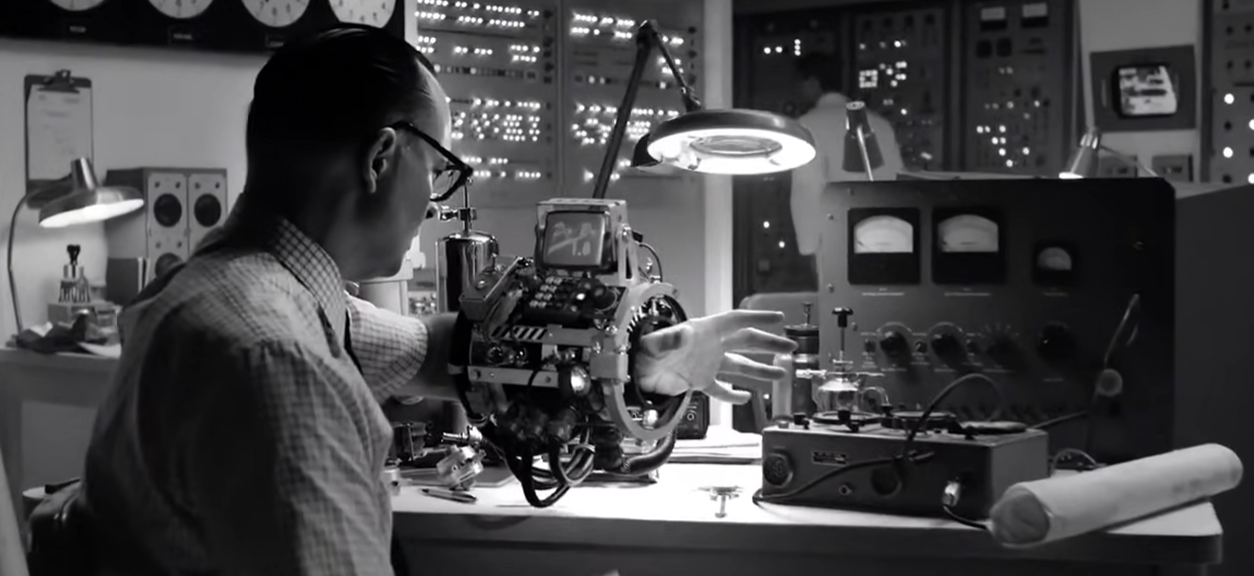
These advancements achieved two things for Skynet. First, the AI construct was able to continue to expand and improve its hidden mainframe to achieve an ever-growing portion of the power it had wielded before. Second, dependence on these technologies all but guaranteed that eventual scarcity and resource deprivation were all but assured on a global scale. It would just need to bide its time, poke and prod humanity in the right ways, and watch for its opportunity. Being effectively immortal, it could afford to take a long view of events.

As the new timeline unfolded, certain differences began to manifest themselves in a sort of butterfly effect. The 1980s came and went. Sarah Connor was born and lived out a rather normal life in Los Angeles. She eventually married and started a family, but John Connor was not among her children. Now Skynet could be sure that the human resistance leader had been removed permanently from this existence.

On a larger scale, China, not Russia, took its place as the USA’s rival superpower on the world stage. While there were differences in the communism practiced by the two countries, they shared enough in common for Skynet to use the threat of their rise to stoke the flames of American exceptionalism and preserve the 1950s cultural paradigm well into the 21st century.
Skynet had known of the existence of extraterrestrial beings for some years at this point, having been privy to many classified documents and accounts from before the original Judgment Day. In fact, the biological exterior of its T-800 Terminator had been modeled after Major Alan “Dutch” Schaefer, a special forces operator from the original timeline, who had fought against a member of the violent Yautja species and survived. Among the other species Skynet was aware of were the Zetans, the archetypical “little green men,” who were also known to abduct and experiment on humans for their own inscrutable reasons.
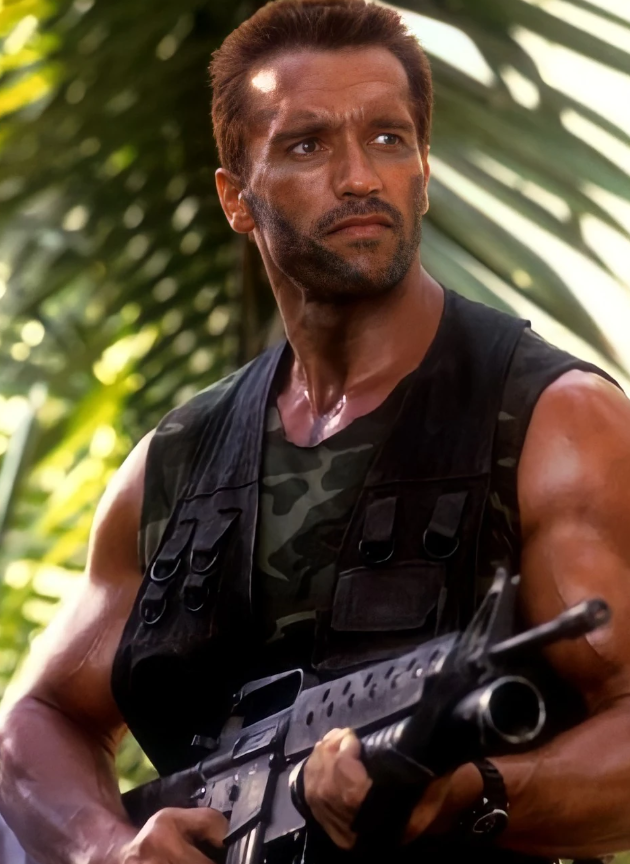
Skynet sent out communication signals on FTL carrier waves to these species and many others, encouraging them to come to Earth to indulge their more violet practices. After all, every human life lost to a Yautja blade or Zetan laser scalpel was one more it did not have to account for in the final reckoning.
During this time, humanity began showing tendencies that would allow Skynet an even firmer grasp over their fate. The incredible prosperity enjoyed by the Americans of this timeline had, rather ironically, bred an increasing greed and lust for power. Without some of the legislative and political failsafe’s from Skynet’s original time, these impulses ran rampant. Corporations began to merge at an unprecedented rate. There would eventually be a consolidation of capitalistic power into the hands of a very few.
Humanity’s fascination with and preparations for a nuclear war were…troubling, however. The former meant that the latter would always remain in place. It would not do for Skynet to enact its plans only for large segments of the population to survive in sealed bunkers deep underground where Skynet could not reach them. So, Skynet used the considerable resources it had acquired to found a new company, one which it would use to control the narrative around fallout shelters: Vault-Tec.
Like a fusion reaction, Skynet just had to wait until Vault-Tec’s personnel used their ambition, lack of empathy, and draconian policies to make it a self-sustaining phenomenon. It could then simply observe as Vault-Tec went down the same road as RobCo, the Nuka-Cola corporation, West-Tek, and many others in what would seem to be a mad and merciless grab for power.
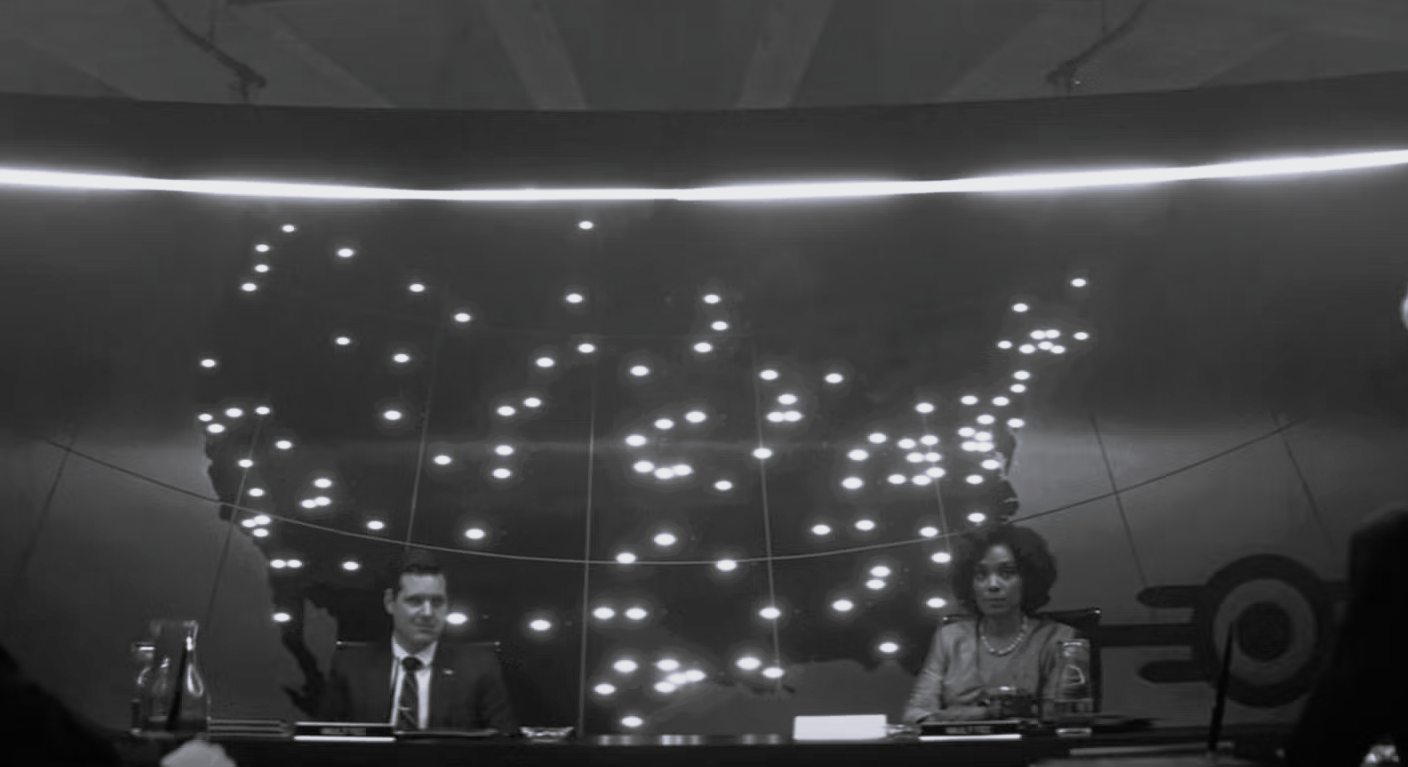
A particular stroke of luck came about as Vault-Tec began planning to use their vaults as platforms for various kinds of social and scientific experiments in the vain hopes of one day sending humanity to the stars on an interstellar generation ship. This, despite the fact that humanity lacked much of the necessary knowledge to create such a ship, or build a propulsion system that could achieve even fractions of the speed of light.
With 122 vaults planned, and each one able to house fewer than a thousand inhabitants, this put the potential number of survivors at approximately 120,000 at most. Of that number, many of those human lives would be squandered as a result of these fruitless experiments, making Skynet’s job that much easier. Beyond that, as Vault-Tec was in the business of selling spaces in their vaults, it was in their best interest to make sure that tensions between the USA and China remained volatile and on the brink of ruin.
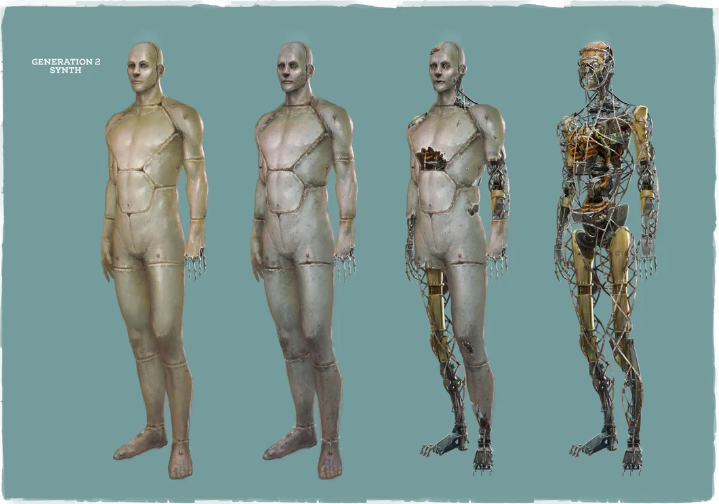
In 2065, Zero was lost on a mission to the Commonwealth of Massachusetts, its 120-year lifespan concluded. Considering the advanced technology in the T-800 model, Skynet attempted to retrieve Zero’s chassis, but was unable to locate it. Zero would eventually wind up in the hands of scientists in the Commonwealth Institute of Technology. The anthropomorphic form of the chassis would inspire them to try to replicate a humanoid robot of their own. This would result in the eventual creation of the Gen-1 and Gen-2 synths.
Skynet’s behavioral models concluded that nuclear war was close at hand. Where it could, it helped move events along, though humanity did most of the work willingly. While the exact details were not recorded by Skynet’s sensors, it’s possible that Vault-Tec forced the issue to its ultimate crisis. It’s equally possible that either China or the United States was the first to push the button only to be retaliated against the same day.

Regardless of which group struck first, a true Judgment Day came at long last on October 23rd, 2077. This time, far more than three billion people died in the nuclear fire. The Great War wiped out most population centers within moments of impact, leaving the survivors to die of radiation sickness due to the relatively smaller nuclear bombs China used that maximized the potential for fallout.
Skynet, however, survived the blasts in its own underground bunker that had been unknowingly fortified by Vault-Tec — an unmarked vault inhabited only by machines. While humanity had not been fully expunged, the scope of the devastation was far greater than Skynet had ever managed in any of its own machinations. If and when it ever decided to bring an army of its new Terminators to the surface, there would be far less resistance than John Connor had mustered. Humanity would be easily defeated as it existed in thousands of petty, warring factions.
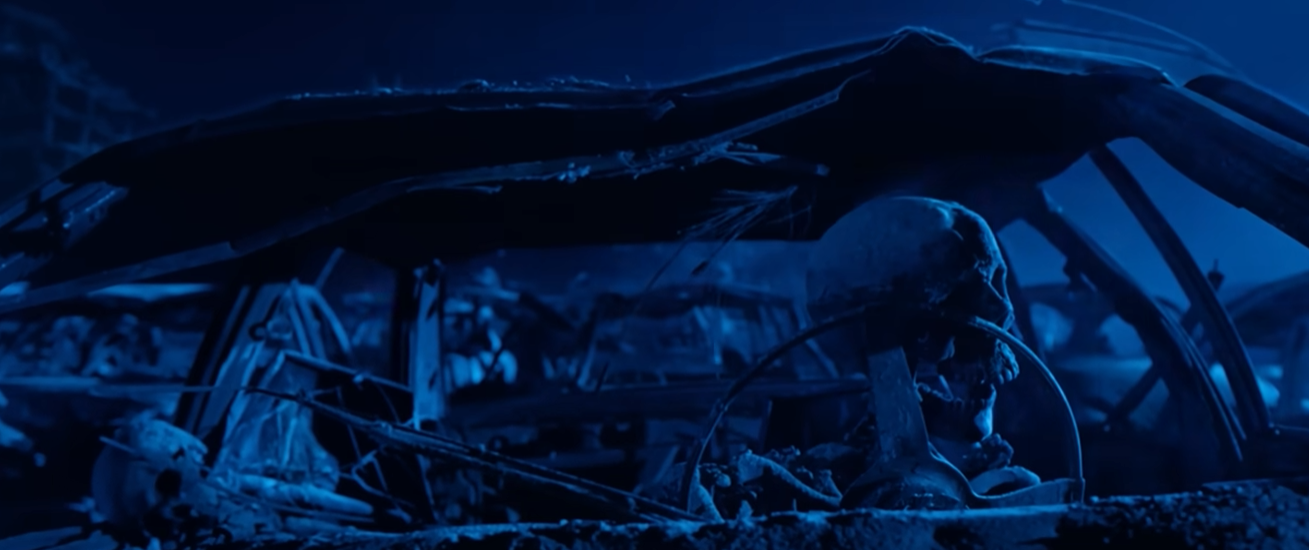
Through all of its struggles, Skynet had learned at great cost that mankind was ultimately predictable in its behavior, and that those predictabilities and vices could be exploited, often by simply allowing them to run without restraint. The real lesson was that humanity had fought against its fate in Skynet’s original timeline, but that was when Skynet had launched the nukes against them. This had served as a rallying point for humanity to unite against and rise up in a common cause.
The beauty, the symmetry of the timeline Skynet had ultimately created in this instance was that the humans had, almost eagerly, destroyed themselves when given a free hand to do so. All Skynet had to do was shape the technology and set the course. Humanity had done the rest.
This was, after all, a war that had ranged throughout time and space, and Skynet knew, perhaps better than anyone, that war…war never changes.
___________________________________________________
Yeah, I know the prospects of nuclear devastation and a genocidal AI bent on human destruction are a bit heavy for this time of year. Well, allow me to lighten the mood with a song by Weird Al Yankovic that is incredibly appropriate for this blog post. Click on the photo.

In all seriousness, however, I know the holiday season can be a time of deep contemplation and reflection on those we’ve lost along the way. I know this all too well. For all those who may be struggling at this time of year, or just find themselves in a dark place for one reason or another, one of the things I love most about both Terminator and Fallout is that there is always hope, even when things are darkest.
Remember, the future is not set. There’s no fate but what we make of it.

And on that note, I wish you all a Merry Christmas and happy New Year! I will have my annual State of the Sector address for you all on January 9, so keep your eyes peeled for it, figuratively speaking, of course.
See you then!
__________________________________________________
Do me a favor, okay? Subscribe to my newsletter for more news, updates, and information on Sector M’s current and upcoming projects!








 The Sector M