Tag Archives: Travel

Topaz: A Spectrum in Stone

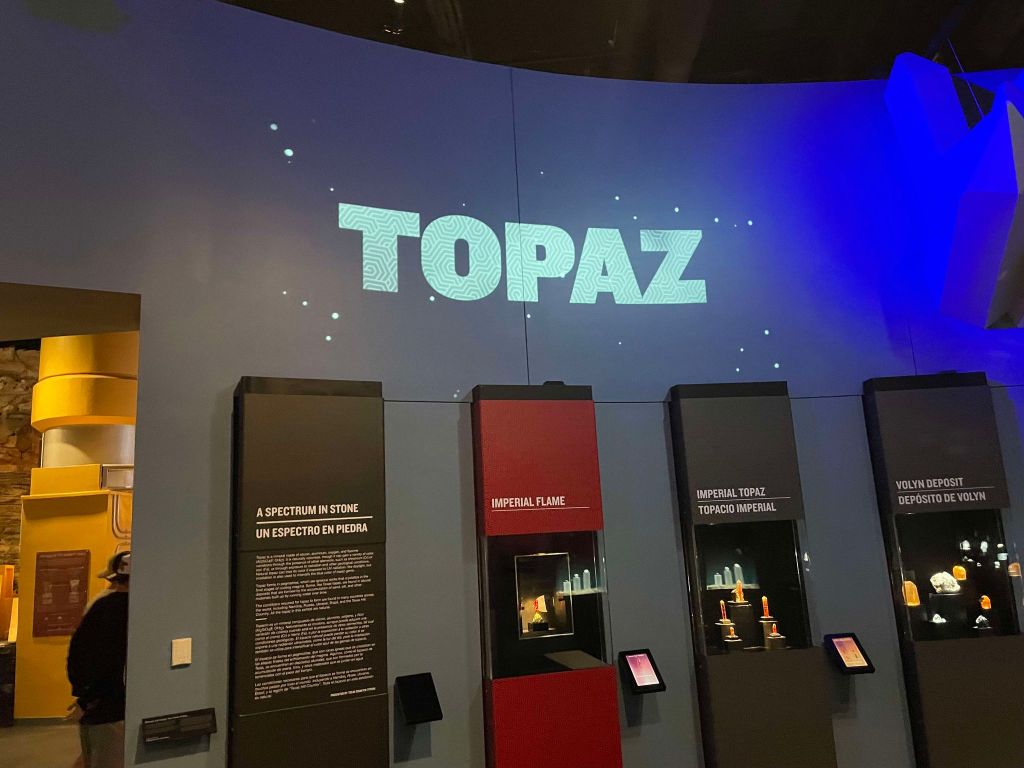
If you’ve followed this blog for any length of time, you likely know that museums are one of my passions. I regularly travel to museums across the U.S. with my family. Well, a new exhibit just opened a few weeks ago at The Perot Museum of Science and Nature in Downtown Dallas, Texas, called Topaz: A Spectrum in Stone. The reason I’m writing about it today is two-fold: First, it’s really cool, and the Perot has a stunning Gem & Mineral Hall; and two, I was a writer on this exhibit. (I even gave the exhibit its name.)

This is not the first exhibit I’ve worked on for the Perot (and I hope it will not be the last), but it is the first one I’m writing about on this blog. In fact, Topaz: A Spectrum in Stone replaced a mineralogy exhibit that I had previously worked on a few years back. As the name implies, it’s all about topaz.

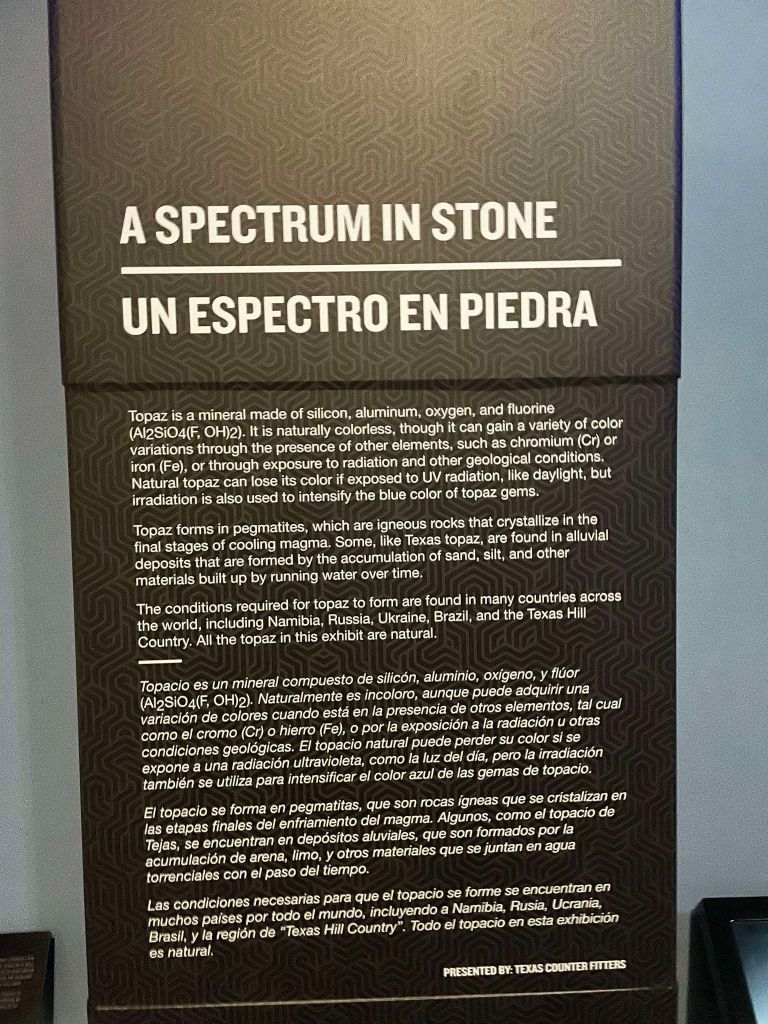
I knew only a few passing details about these stones before I started, but learning about new things is part of why working for a museum is such a wonderful experience. For instance, I now know that red-orange topaz are the rarest of the rare in the world. Why, you ask? It’s because of the presence of chromium during the stone’s formation.

Along those lines, topaz are naturally colorless. If they have a color at all, it can be due to the presence of radiation or heat. In fact, you can artificially make a topaz blue by exposing it to further radiation and heat. Conversely, sunlight and UV radiation in general can actually leech the color back out of it.

Indeed.

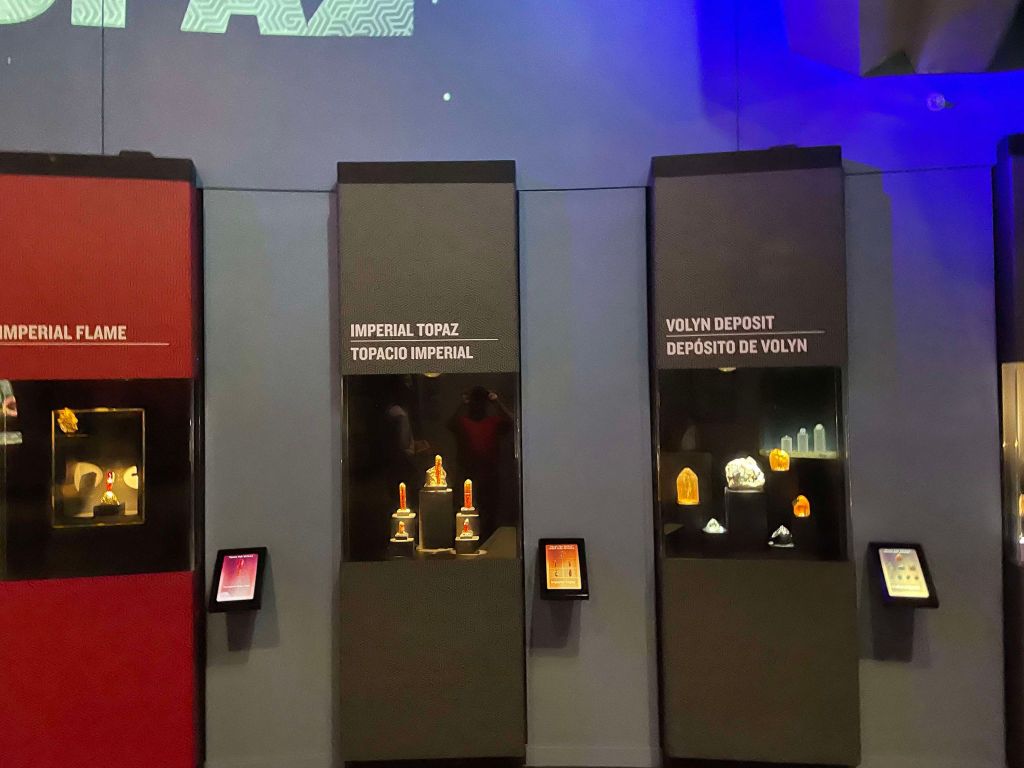
The topaz displayed in this exhibit are some of the most well-known specimens in the world. Here a few of the stars of the show:

The Imperial Flame

Remember all that stuff about chromium above? Well, this topaz is one of the best examples of a fiery red-orange color. It was mined in Brazil and cut to have a stylized flame pattern along its surface. The Imperial Flame topaz is one of the best examples of this rarest-of-the-rare topaz in the world.

The Eye of Jaguar

Another one from Brazil, this topaz is largely clear, but has a yellow-green tint to it. It has an eye-shaped cut, but here’s the kicker: This topaz is over 9,600 carats! (Yes, Vegeta, over 9,000.) It’s so gigantic that at first glance it looks like a fancy paperweight, but this stone is the real deal. Keep in mind that this gem is this large even after it’s been cut. Just imagine how big it must’ve been coming out of the ground.

The Texas Bluebonnet

My close-up shot of the actual stone came out blurry. Consequently, this is not the Texas Bluebonnet, but this shows you the approximate color and cut of the actual stone.

Another fun fact: Texas is the only state with its own official gem cut — the Lone Star cut, which forms a five-pointed star in the middle of the gem. Also, blue topaz is the Texas state gemstone. So, if there was one topaz that embodies both the pale blue color of Texas topaz (found exclusively in Mason County), and the Lone Star cut, it’s this 234-carat topaz.

This is just to name a few. The exhibit also includes several bicolor topaz from the Volyn deposit in Ukraine, some other imperial topaz that are more of an amber yellow, and several large, uncut topaz that are stunning in their colors and/or size. One of them even looks like it’s a piece of ice from right off the side of an iceberg. Trust me when I say that photos don’t do them justice. Like, at all.

I’ve been to a fair few natural history museums in my time, but the Gem & Mineral Hall at the Perot remains my favorite, and not just because I’ve worked on exhibits there. The specimens they have there, such as the famed Eyes of Africa, the largest intact stibnite crystal ever found, and a person-sized purple geode, all come together to really show us the breathtaking beauty that our planet has to offer.  

In closing, if you are in the Downtown Dallas area, I highly recommend giving the Perot a visit. There’s so much to see and explore, so make a day of it. From dinosaur fossils to space exploration, and many points in-between, The Perot Museum of Science and Nature is an experience quite unlike any other.

Thanks for reading!

The Promise of Return

Since the pandemic ended, I’ve travelled quite a bit with my family. I’ve visited museums, historical sites, tourist attractions, landmarks, and a whole host of other things. I’ve found quaint little restaurants in out-of-the-way places, and connected with the places I’ve visited, sometimes on a very personal level. (See my previous blog on the specifics.)

As I’ve left many of these places, especially the ones that have had a profound effect on me, I always have to ask myself, “Will I ever return here?” The truth is that I don’t know. Travel is so dependent on having the money and the time all at once, and life is often filled with uncertainties.

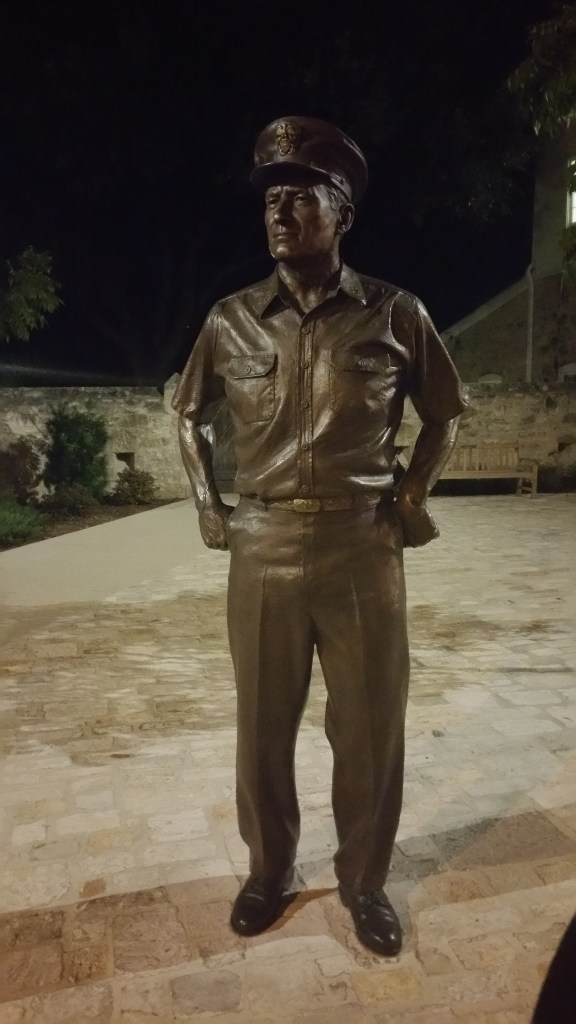
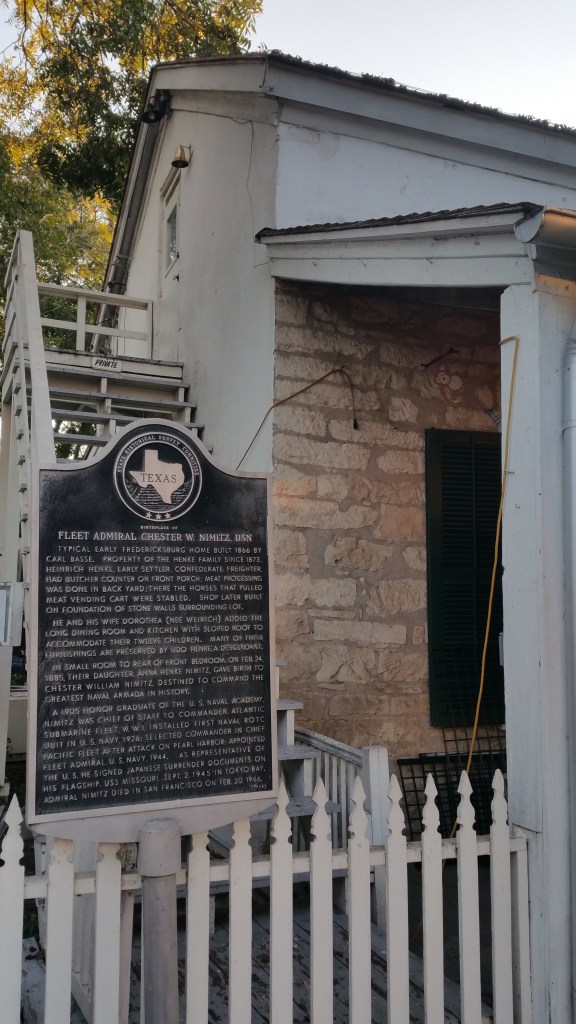
But there’s something about the potential that you might, one day, be able to return to these places in the future. Some of them I can predict with a high degree of certainty, like the National Museum of the Pacific War in Fredericksburg, Texas, the hometown of Fleet Admiral Chester Nimitz. That one is only a few hours away from where I live. The farther out the place is, however, the less certain I can be that I’ll get to go back.

Yet hope springs eternal, right? So, for this last blog post of the year, I thought I would share a few locations with you that I’ve visited in recent memory, places that I hope to return to at some point in my lifetime. With that in mind, let’s take a look.

National Museum of the Pacific War – Fredericksburg, Texas

This is the museum is the one I’ve visited the most, though the Perot Museum in downtown Dallas comes close. I’ve mentioned this museum a few times in previous blogs (here and here). It is a place that really hints at the enormous scope of the Pacific War and the lives that were affected on both sides. The museum itself, along with the Admiral Nimitz Museum and Japanese Peace Garden, make visiting this place sublime. As with all the entries on this list, I highly recommend visiting it if you have the chance.

Mystic Seaport/U.S.S. Nautilus – Mystic/Groton, Connecticut

I’m grouping these into one listing since they are relatively close to each other. A dear friend recommended a visit to Mystic Seaport if I was ever in the area. Back in October, I had a chance to visit it, and I wish I’d had much more time to explore it. I had no idea the scope of it all when I went there. There are so many buildings and mini-exhibits scattered across the grounds. The masthead gallery in particular was a wonderful surprise, along with the presentation in the small lighthouse. There’s so much to see, and I barely scratched the surface of it. I want to go back when I have more time to give it a more thorough exploration.

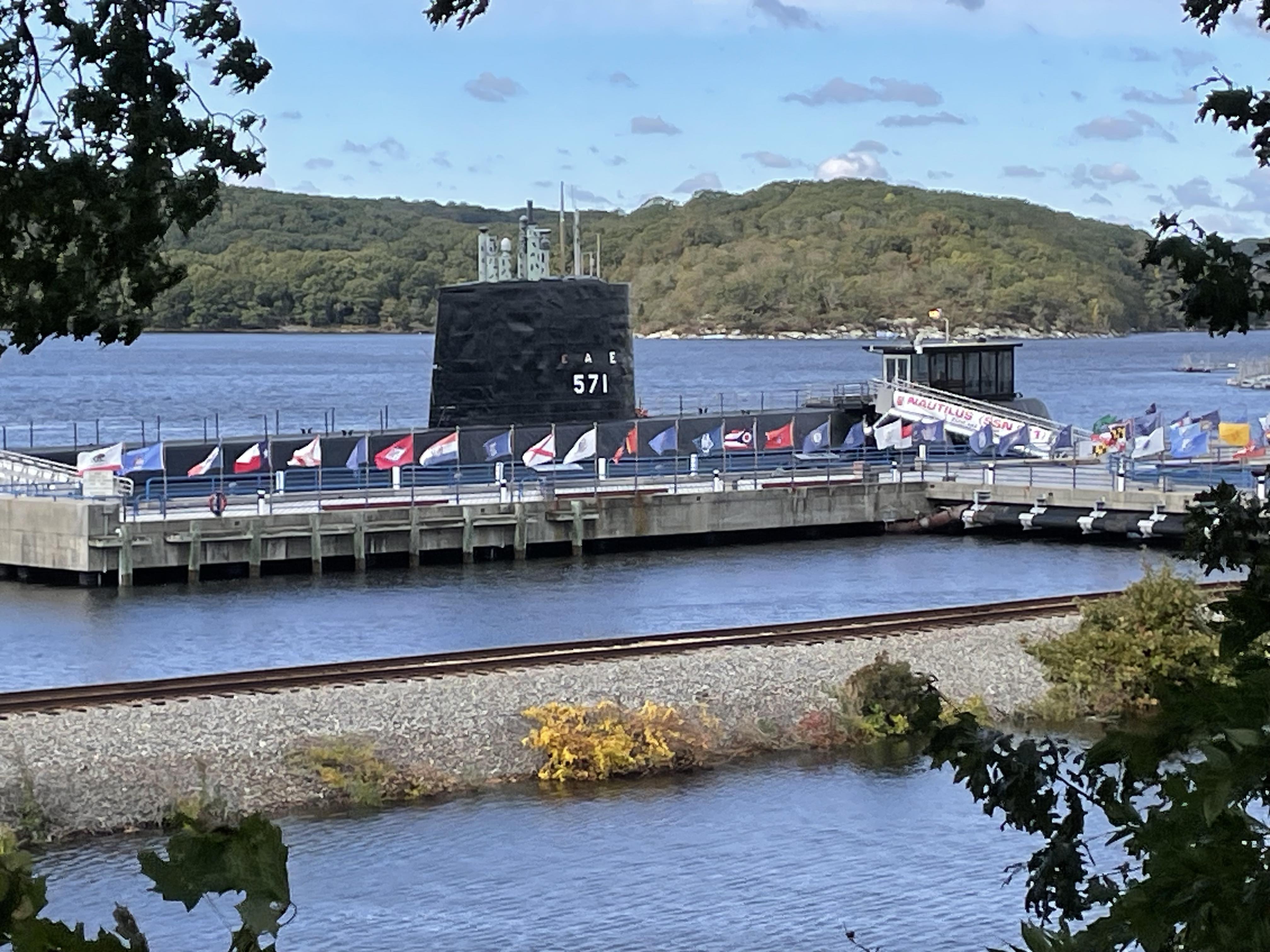
The U.S.S. Nautilus Museum in nearby Groton was, unfortunately, closed when I got there. I was at least able to snap this photo of it from a nearby parking lot. It will have to wait until the next time I’m up that way to see them both — one in more detail and the other for the first time.

Graceland – Memphis, Tennessee

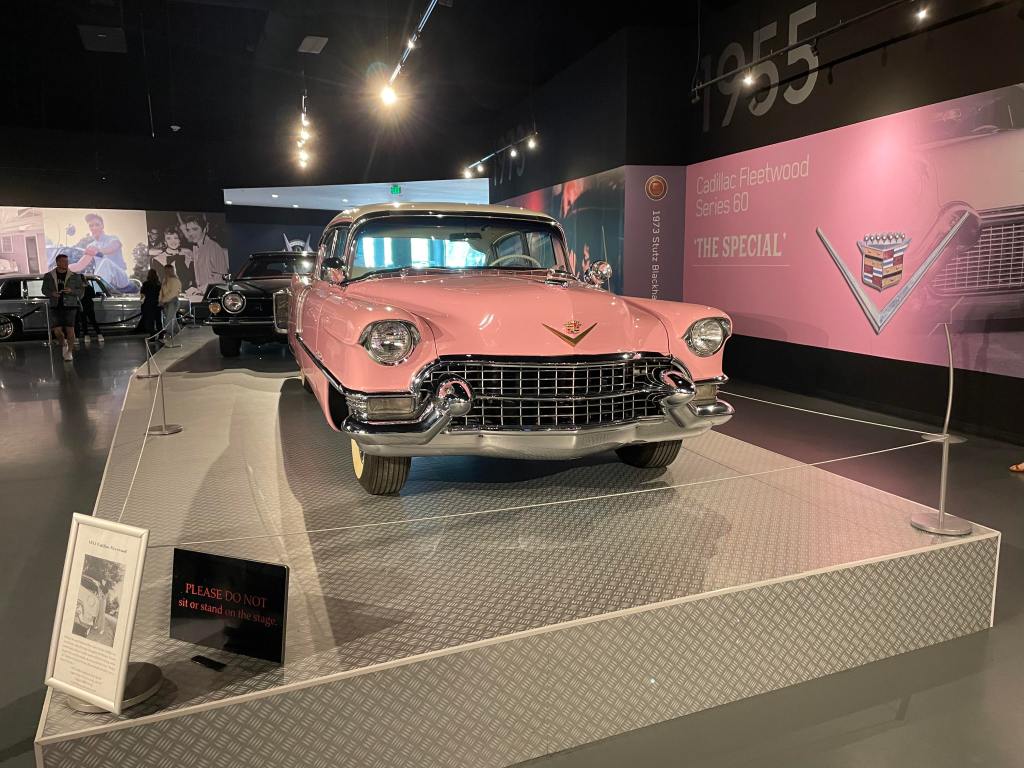
I wrote a whole blog about my trip there and mentioned how I connected with in this blog here. While I was there, I didn’t get to see the King’s famous collection of gold records and concert jumpsuits. I feel like that’s part of the whole Elvis experience that you want when you go to Graceland.

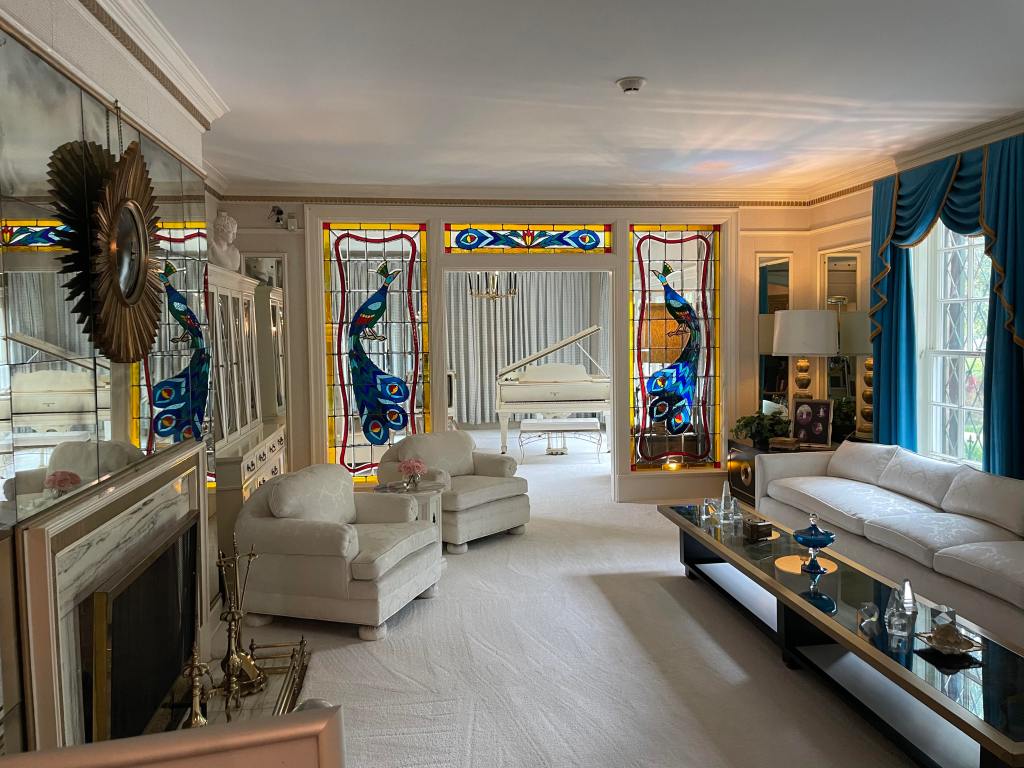
But beyond just the glitz and gold, the Graceland mansion itself has a peaceful vibe to it that I can’t wait to experience again. I was glad to find that the official lyric music videos on Elvis’ official YouTube channel have some pretty high-fidelity shots of the interior of Graceland and the aforementioned jumpsuits, such as in “Burning Love” and “A Little Less Conversation” and many others.

In short, Hail to the King, baby.

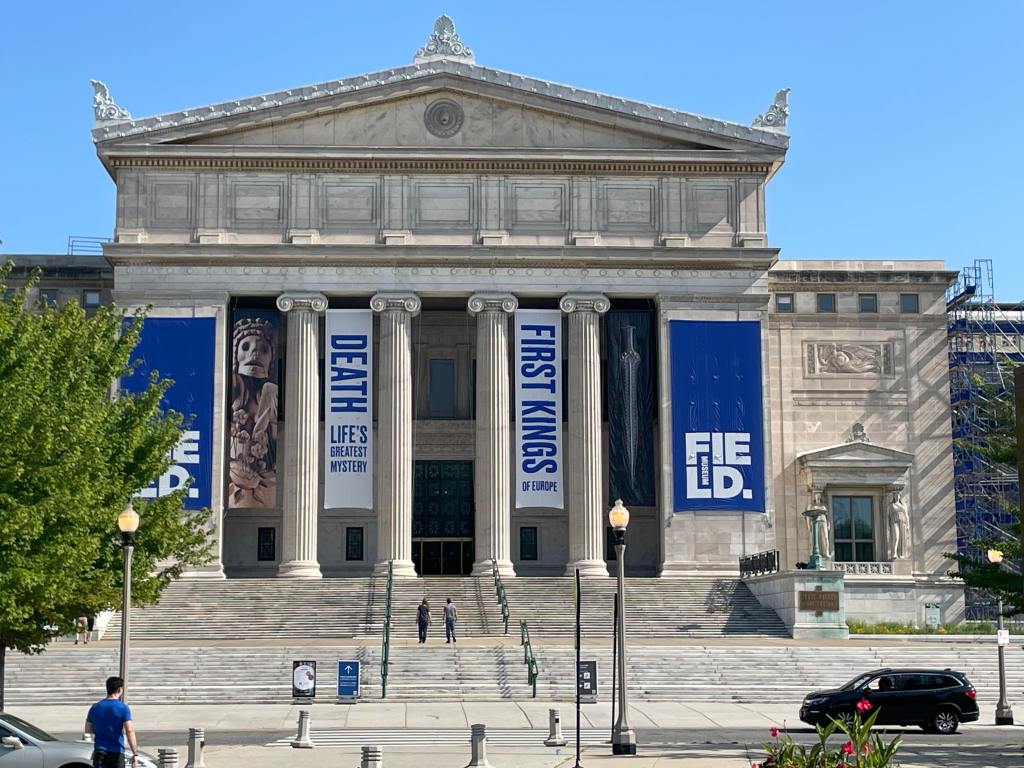
The Field Museum – Chicago, Illinois

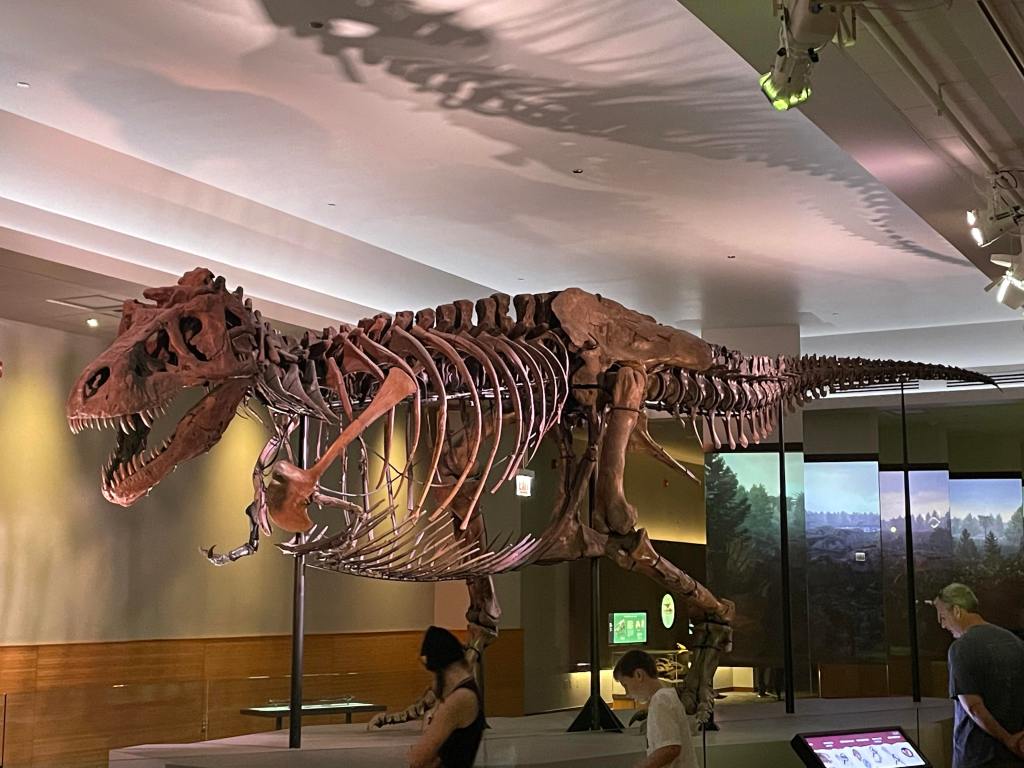
Another place I got to visit this year, this classically styled museum is definitely one that needs a more comprehensive visit. I was able to visit Sue, perhaps the most famous (and complete) T-Rex skeleton in the world. Bones are not enough to give us an idea of the full scope of the animal any more than a medical skeleton gives us the full picture of a living, breathing human. Still, even with just her bones, Sue is magnificent.

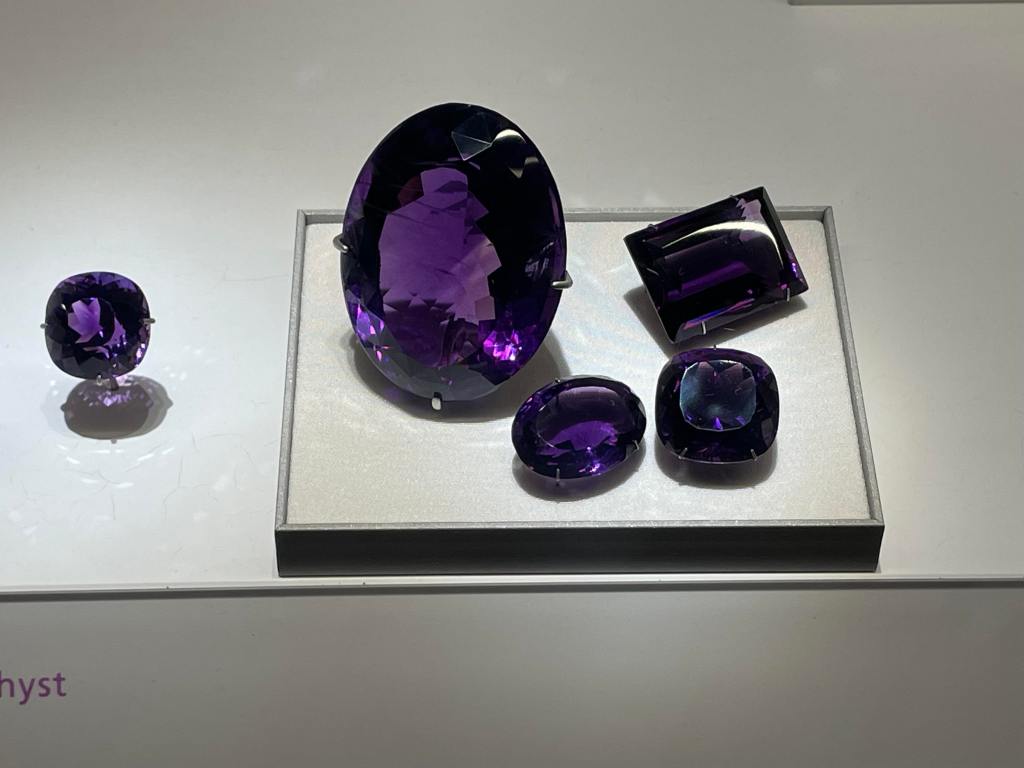
The gems and minerals on display here are some of the best examples on display anywhere. There were so many little nooks and crannies to find, including a multi-level Egyptian exhibit, a display of traditional Tibetan clothing and accoutrements, and even an exhibit on the first monarchs of Europe, starting all the way back in the Bronze Age. As much as I love museums (as evidenced by this list), the Field Museum felt like coming home. I have no idea when I’ll be able to return to Chicago, but the Field Museum will be at the top of my list when I do.  

U.S.S. Constitution Museum – Boston, Massachusetts

I have a special weakness for sailing ships. The Age of Sail is one that lives rent-free in my mind. So, it should come as no surprise that the U.S.S. Constitution has a special place in my heart. She was on the original ships that formed the United States Navy, and the only one of those six to have survived to the modern day. She never lost a battle, always at the center of every major conflict of her day. I have no doubts that Gene Roddenberry was influenced by her when he created the Enterprise for Star Trek, which was a Constitution-class starship.

As is often the case, my latest visit to her was all too brief. I was about a week shy of her 225th birthday. It looked as though her sails and part of her mast had been dismounted, but she was still a sight to behold, and a paradigm of excellence even for modern navies. I miss her already.

Final Thoughts

Understand, I spent a considerable amount of money in the gift shops of each of these locations. I like having souvenirs, but I also like knowing that I’m helping to support the places and causes that I believe in. I’m particularly fond of lapel pins and challenge coins, but magnets, T-shirts, and other swag are on my list as well.

To me, these things aren’t trivial merch; they’re a part of the memory, a piece of the place that I take with me to tide me over until the next time I can visit, if such a return visit is indeed in the cards.

Still, to quote Captain Kirk (who was quoting Spock), “There are always possibilities.” In each case, I’ve felt drawn to these places for a variety of reasons, ranging from historical curiosity to personal intrigue. Visiting them has only heightened my interest.

Travel has a way of changing you, of teaching you something about yourself. By going back to those places that really speak to us, there’s always the possibility that there’s more to learn and discover, and that, my friends, is the promise of return.

Thanks for reading! The annual State of the Sector Address will land here on January 5, so be sure to tune in then.

In the meantime, have a happy and safe holiday season!


My Journey to the Place of Red Corn

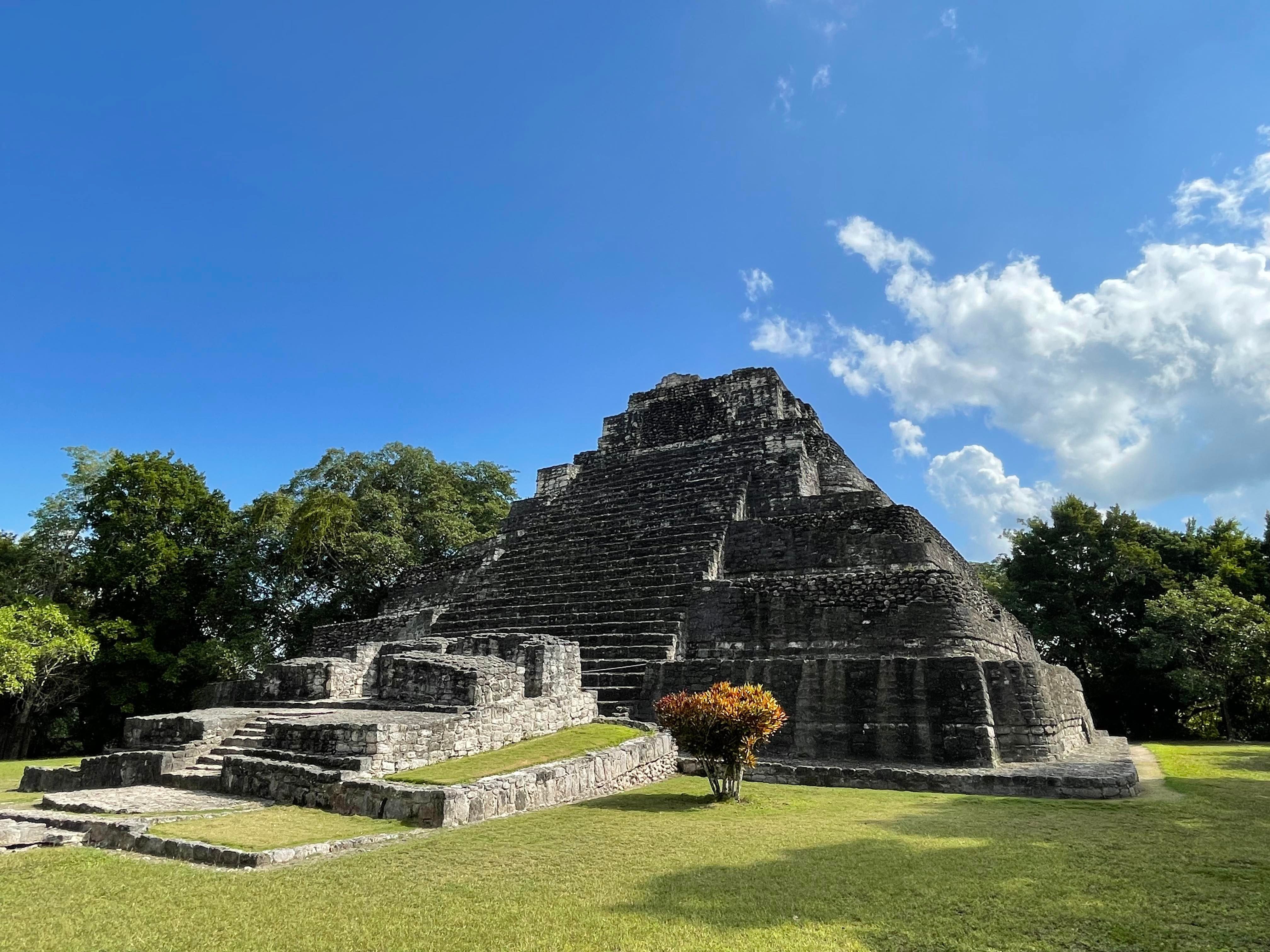
Late last year, I had the pleasure of visiting my first Mayan ruins at Chacchoben in the forests of Mexico’s coastal state of Quintana Roo. My tour group set out in the morning from Costa Maya on an hour-long trip by van inland to the ruin site itself. Our tour guide was a gentleman by the name of Gabriel, or Gabo for short.

Photos don’t do it justice. Trust me.

Gabo is an interesting guy for a number of reasons. First, he is the answer to the question he gets a lot from tourists: “Where did the Mayans go?” 

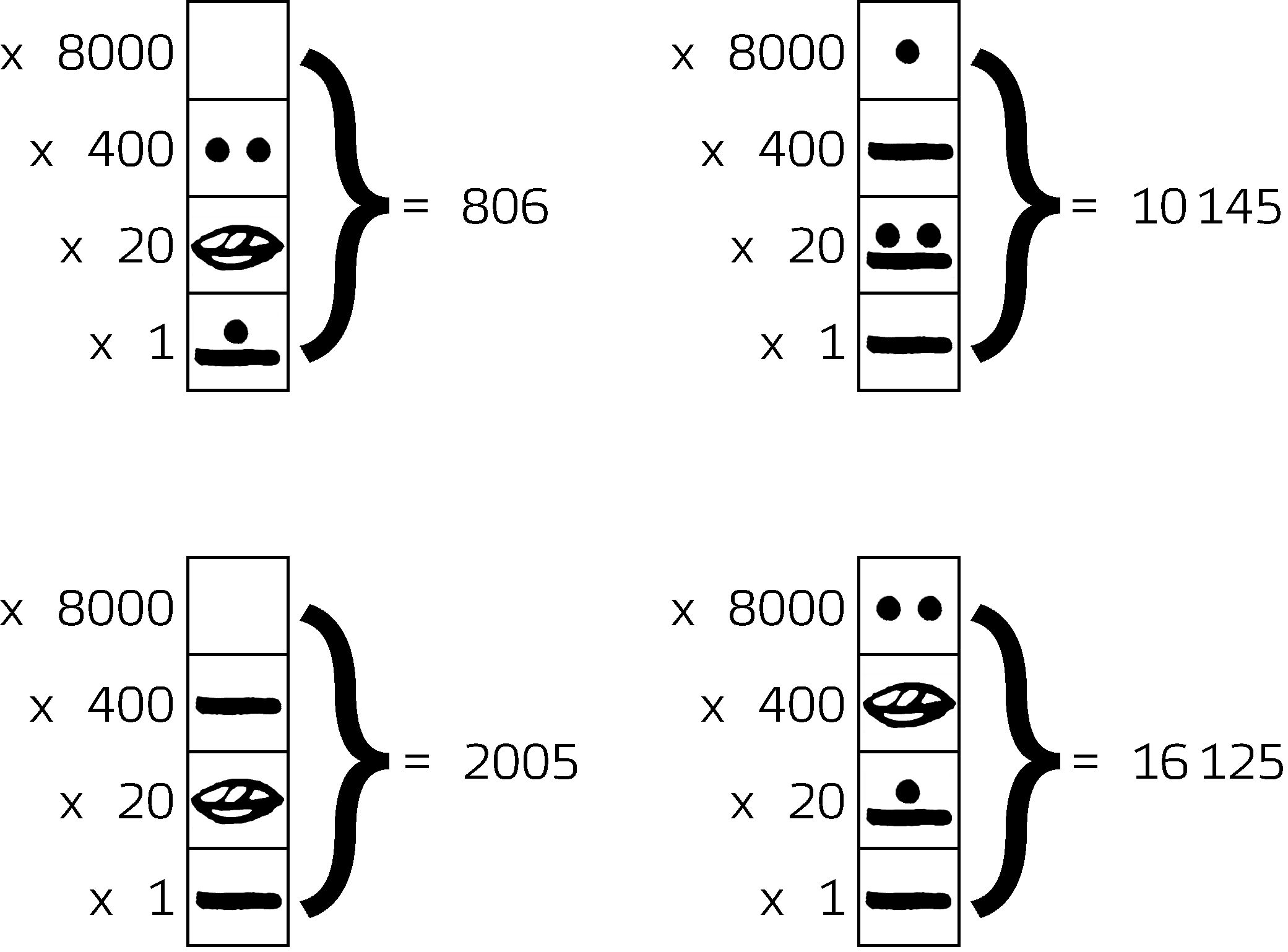
“We’re still here,” is his usual answer. Gabo is himself of Mayan descent. In fact, Gabo came from a place in Mexico where the Mayan language is spoken primarily. He learned Spanish as a second language as a kid in school. En route to the ruins, he gave us a bit of history on the Mayan culture, his heritage, and even the Mayan counting system, which used lines and dots with dividing lines to represent escalating multiples of 20, 400, and 8,000.

The leaf/football symbol represents zero.

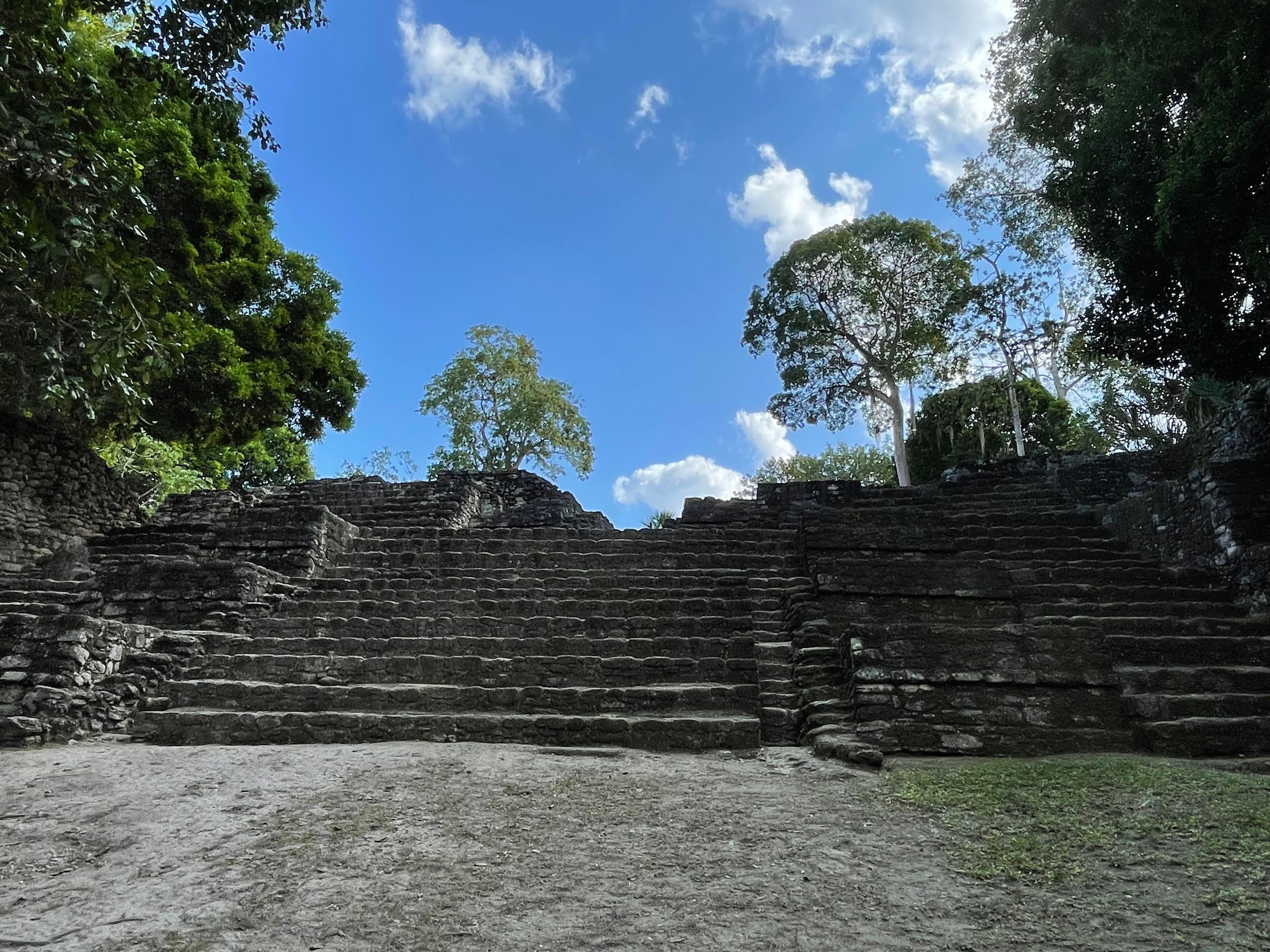
We arrived at Chacchoben, which means “The Place of Red Corn.” It is located next to a brightly colored traditional Mexican cemetery. I’ll come back to that in a moment. The ruins were rediscovered in 1972 and subsequently excavated in 1994. The area still has places that have not yet been excavated. Occasionally you could see this with an otherwise ordinary hill revealing a fragment of a stone wall peeking through gaps in the dirt. 

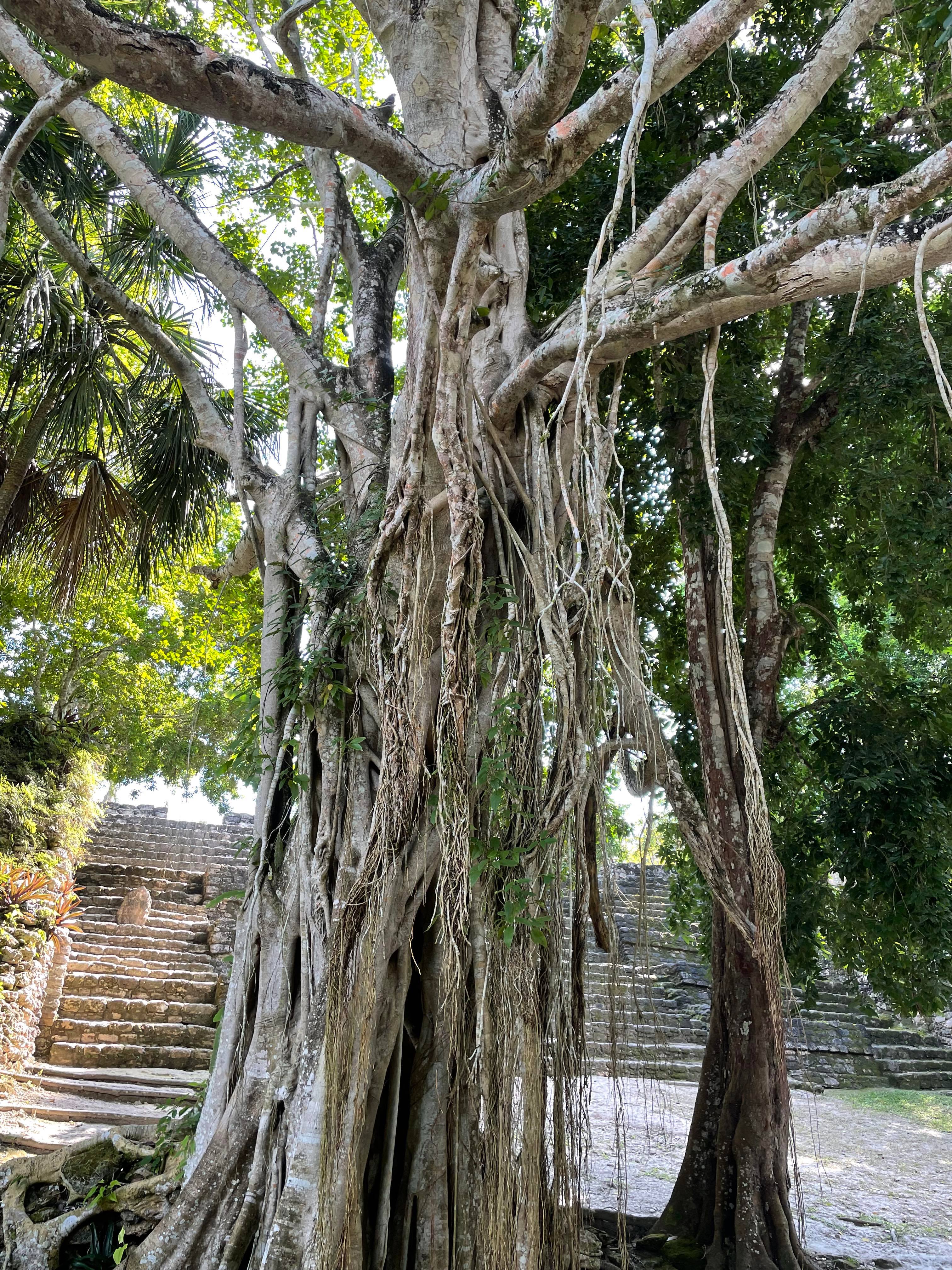
This ficus tree is likely more than a thousand years old, possibly more.

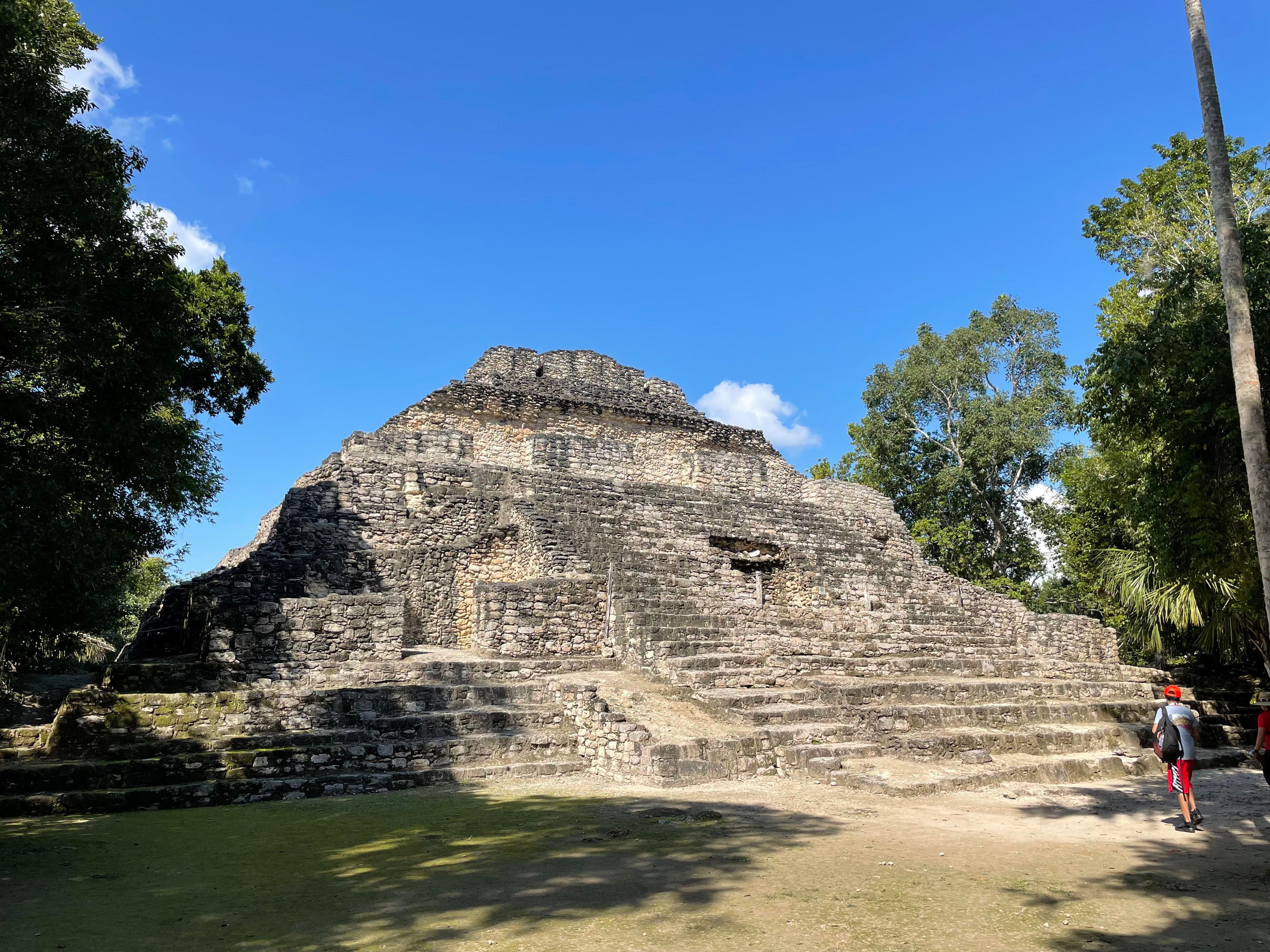
Chacchoben is not nearly the largest set of Mayan ruins in Mexico, but they are in remarkable shape considering their age. They date back to the Classic Period of Mayan civilization from about 250 to 900 CE. I’ve heard different estimates of when these ruins were built, but it is likely around 500–700 CE. It can be hard to wrap your mind around just how long ago that was. I had to remind my young son that the buildings there were the oldest that he had ever seen, by quite a large margin.

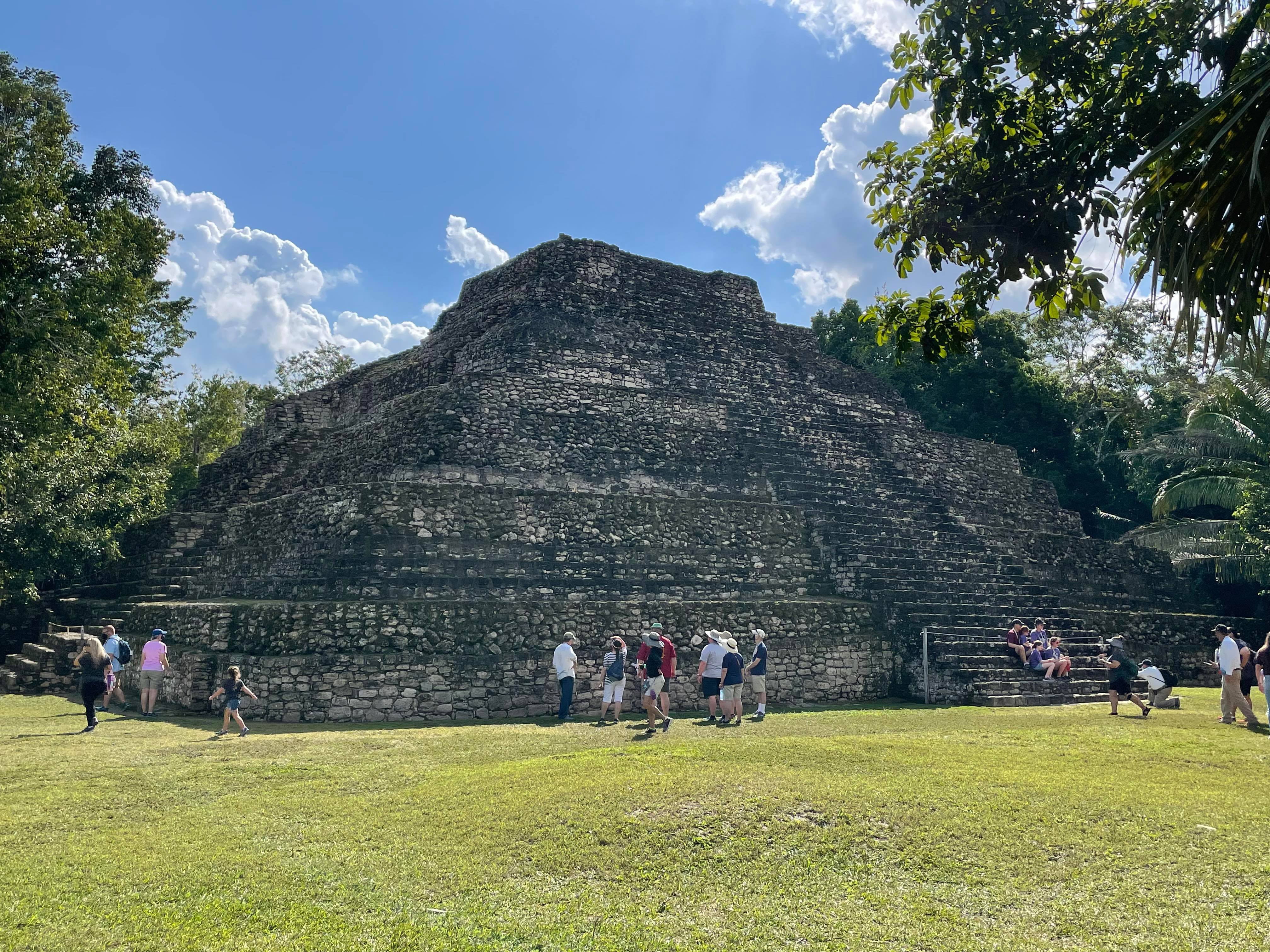
The people give you a sense of scale.

We toured through plazas and temple complexes in a large loop that goes around the entire site, up and down stone staircases that are narrow enough that it’s easier (and safer) to traverse them sideways. Next to the main temple, there’s even an ancient cieba tree. The branches that grow straight out from the trunk were thought to represent the levels of the heavens, earth, and underworld.    

This is the Cieba tree near the temple in the picture above.

Oh, one other thing that Gabo mentioned, something he was very passionate about: Ancient aliens didn’t build Chacchoben, the Mayans did. None of us had asked him that particular question, but he said it early on in our conversation, almost as if to get it out of the way. I can definitely see why this might be a point of contention for him, especially since there are so many History channel specials out there that talk about ancient aliens.

One place I found of particular interest was one of its most mundane. There was a market square with rows of open stone bleachers that formed a perimeter around a large open space. Gabo explained that this would have been used for town meetings and ceremonies, as well as a farmers market. What struck me most about them was that they still could be used as a market today. Much like the Agora in many Greek cities, this was the beating heart of the community. Almost every citizen would have interacted with it at some point in their daily lives.

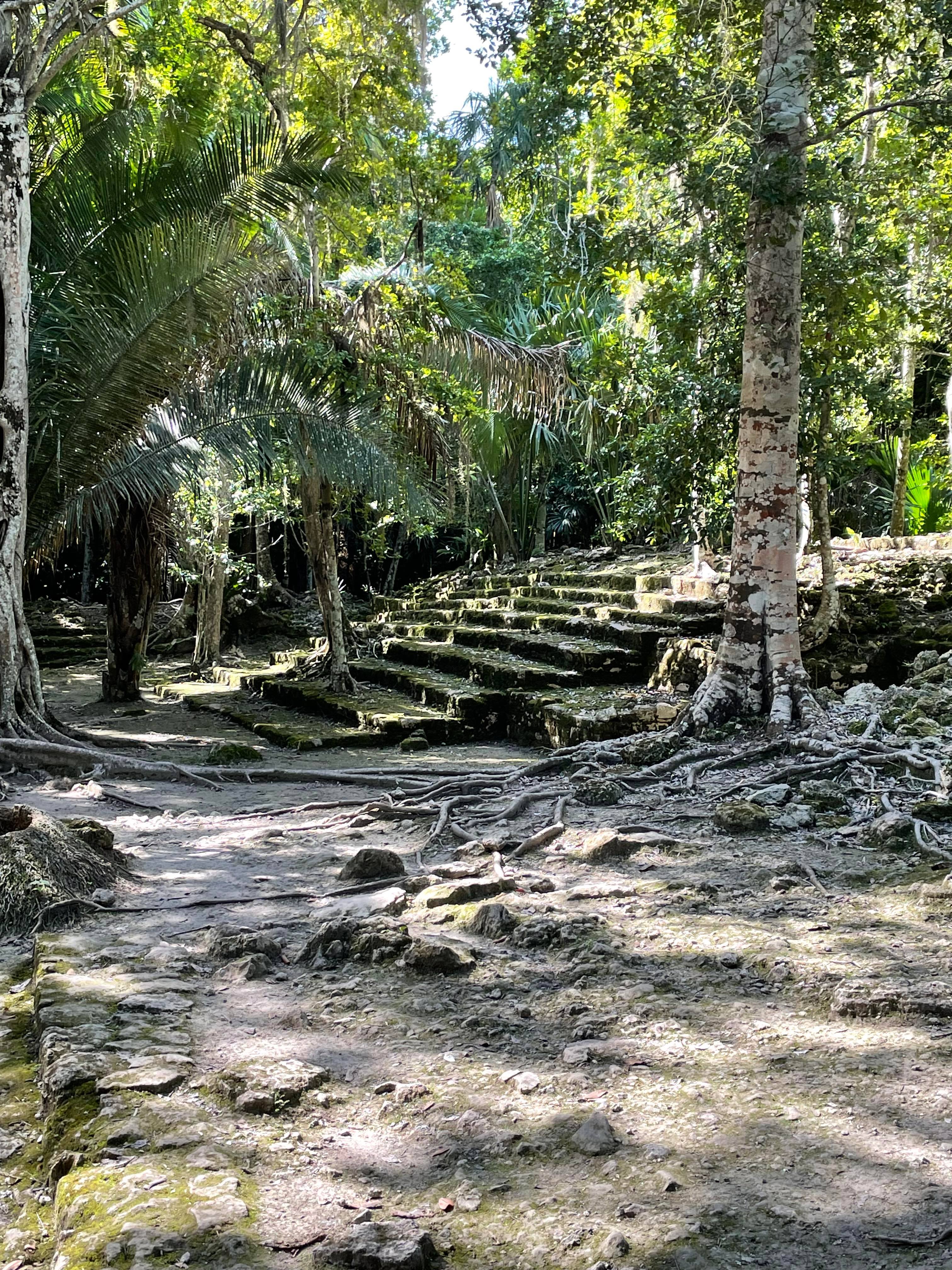
Just imagine what life was like here.

Gabo further explained that most of the stone would have been covered in a type of bright white paint. This would allow tradesmen to bring in goods at night when it was cool using only a tiny bit of moonlight.

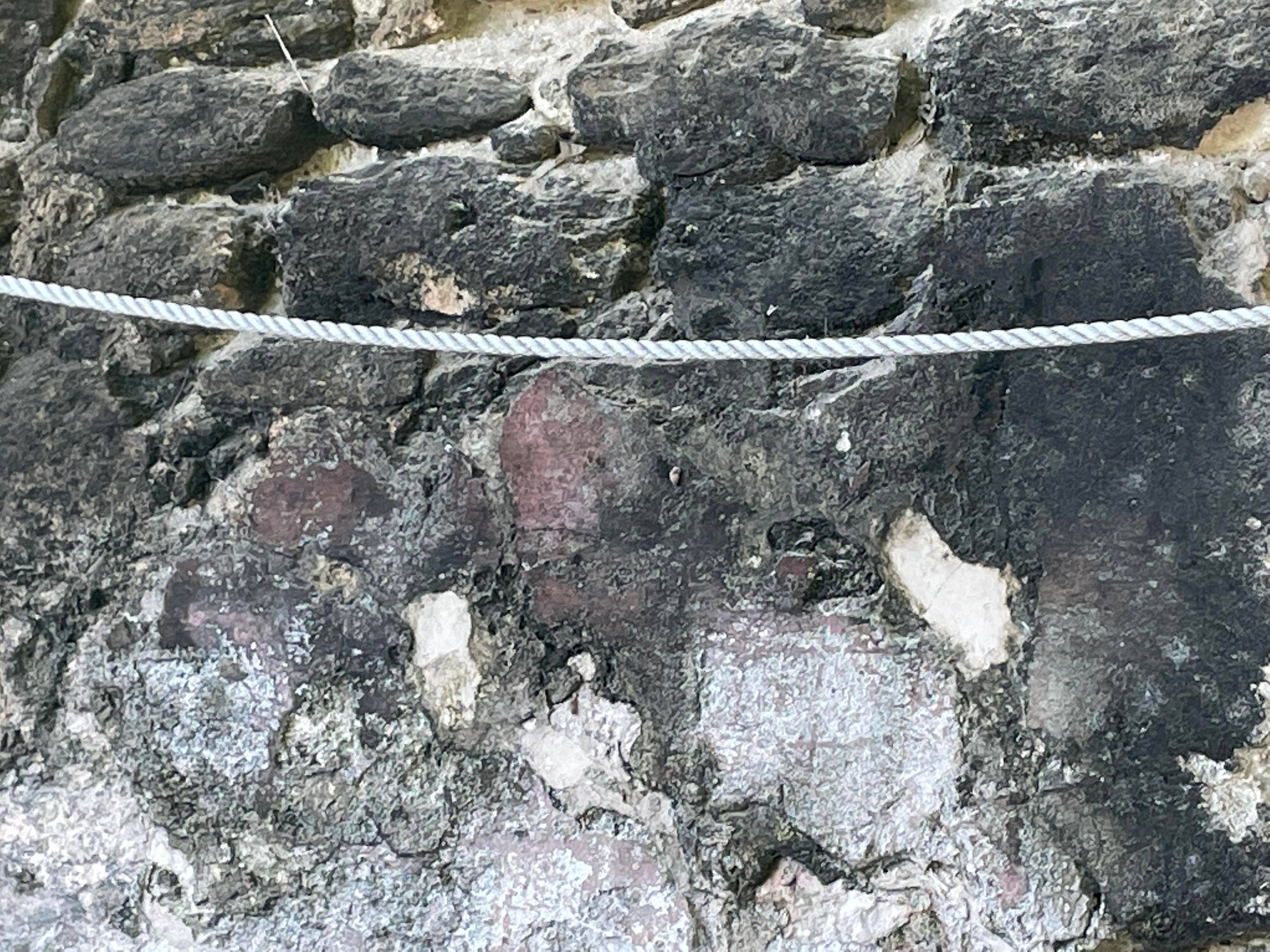
Speaking of paint, the ruins would have been covered in plaster and painted all sorts of vibrant, almost neon colors. As magnificent as the ruins are as they stand today, we are just seeing the dull under layer. There was one place, at the back of one of the temples, where there is still a tiny bit of the original pigment and plaster. Here it is:

Amazing.

Even in that state, however, there is a definite sense of wonder that you get standing there. These buildings aren’t just for ceremony. No, this is where thousands of people made their home. The echo of their lives still resonates through that place.

Remember the cemetery I mentioned earlier? It’s possible that bright colors we see there are an echo of this tradition. Many of the paints used there are made from natural pigments, so it gives us a potentially tantalizing clue as to the amazing palate the Mayans might have used to paint their buildings.

Once again, photos don’t do it justice.

It certainly makes you wonder why the Mayans might have abandoned this place if they had taken such pains to build them in exacting alignment with the sun and stars. I asked Gabo that very question. He was of the belief that it might have been something as simple as an extended dry period. A crop failure of just one year could have been devastating enough, but if it had gone two or three years in a row, the Mayans might have been forced to find a new place to live just to survive.

This is the back of the of the temple next to the cieba tree. In fact, you can see it in the back ground, just to the right of center

Sooner than I would have liked, it was time for us to load up in the van and head back out to the port. I have to tell you that seeing these ruins has really reignited my interest in Mesoamerican cultures, something I’ve had since I was a kid. At some point in the future, I would dearly love to take a tour of the Mayan and Aztec ruins throughout Mexico and Central America.  

I don’t know if I will ever again have the chance to visit the Place of Red Corn, but I can tell you that I am incredibly grateful to have visited it this once, and walk in the footsteps of the ancients.