This is just to let everyone know that the official Sector M Newsletter is online and ready to go! In each monthly installment (usually released on the last Friday of the month), we will talk about:
New Patreon members
Sci-fi/fantasy fiction projects
TTRPG supplements
Board games
Convention appearances
The newsletter will be an ‘at-a-glance’ look at what Sector M is up to across all fronts. I invite you to join us, which you can do at this link:
What a difference a year makes. Those were the words I had hoped to open this year’s State of the Sector address, and I’m glad to be saying them now in earnest.
Last year’s State of the Sector address was pretty bleak on many counts. I’m happy to report that where there was uncertainty before, I now have clarity and direction. I know what I want Sector M to be, and I’m finally at a point to start actualizing on various projects that have been waiting in the wings for too long. It’s an exciting time at Sector M.
With that in mind, let’s take a look at where Sector M is now and where it’s going.
This Is What I Do Now: I left my full-time job back in June. I mentioned in last year’s State of the Sector that signing on with that job was one of the hardest professional transitions I’d ever made. As it turned out, it didn’t get easier. In fact, it became increasingly obvious as the first part of the year wore on that it just wasn’t for me. To be clear, I think the job I had could be a dream come true for the right person, but I was most definitely not the right person.
I took a cruise in May, and I found myself standing on a beach in Grand Cayman. (I wrote more about this moment in this blog post.) I had an instant of clarity that day, and I have been working toward that goal ever since. For years, I’ve wanted to focus on my games, novels, and other projects. Now that’s what I do. While I’m averaging many more hours per week than at a regular office gig, I wake up wanting to get to my keyboard to start working each day. I’m healthier and whole lot happier than I was before. My schedule is my own again, and the only real problem so far has been scheduling actual days off.
The Perot Museum of Nature and Science
Exhibit/Experiential Writer: I’ve mentioned before that I’ve worked on exhibits for the Perot Museum. Well, I just finished the biggest project for the Perot in my years-long history with them. Coming in March of 2026, and just in time for the World Cup, say hello to Soccer: More Than a Game, an exploration of the science behind the world’s most beloved sport. This was an incredible experience, and I hope to do many more like this one in the future.
My love of museums is something I’ve talked about for many years on this blog, and I love the kind of exhibit and experiential writing that goes into them. So, if you run a museum and need a writer, hit me up.
Novel(s) in the Works: I just finished the copyedits on my military sci-fi novel. Now that I have a manuscript ready for release, I’m getting the layout, cover, and audio version of the book sorted out. I don’t have a firm release date yet, but I’m hoping that it will be in the first half of the year. More on that one as news becomes available.
Take us out.
At the same time, I’m preparing my epic fantasy novel to go to my developmental editor. (I’ve commissioned a map for it and everything!) I would definitely like to release both novels in 2026, but these things can take time, and I want to do it right. These books, and certainly the characters in them, have been with me for years, so I would rather wait and release them when they’re ready rather than try to rush to get them out the door.
I’m also finishing up on a trilogy of short cyberpunk novels that I’ve mentioned here a time or two. Originally one big novel, it became clear that the story was too large for one volume. The novel was naturally segmented into three books in any case, so they will now each be separate releases. If they catch on, I may release them as one single, collected volume. In any case, I will likely not publish the first of this trilogy until they are all ready to go. That way, I’ll be able to release them in relatively quick succession.
“Freedom is the right of all sentient beings.”
Convention Support: Many moons ago, I worked for a game company. As part of the job, I went to conventions such as San Diego Comic Con, Gen Con, MegaCon, and a bunch of other ones, big and small.
Truth be told, I’ve missed it.
This year, I plan on making official Sector M convention appearances. I’m not sure how many I’ll go to at this point, but I hope it is a fair few. The first one I will attend is Gamicon in Coralville, Iowa, March 6–8. Others I will announce here on the Sector M blog as I confirm them.
That leads me to my next point…
Sector M Newsletter: The Sector M blog has been how I’ve been conveying information about upcoming projects and so forth for a while now, but the traffic here can be really uneven, and visitors may just be dropping in for my opinions on fantasy dwarves or strange headcanon, never seeing the updates. In short, traffic to the blog is largely passive. I need a solution that’s more active, one that will beam all the pertinent information directly to those who want to hear it.
So, I will be creating a Sector M newsletter. It’s already in the works, and I hope to launch it at the end of this month. It won’t replace the updates I post on this blog, but it will be a monthly distillation of everything that Sector M is doing on all fronts, from games to conventions, books to future projects. When the newsletter is ready to go, I’ll announce it here so that those interested can sign up.
*cue the Iron Man soundtrack*
Artificer’s Guide Addendum: In 2025, we launched The Artificer’s Addendum, a supplement to our flagship book, The Artificer’s Guide to Magic Items. This free downloadable PDF is a set of clarifications, examples, and errata from the original book, along with some extra thoughts and reasonings behind certain design decisions for those who are curious.
While most supplements are along the one-and-done model, this supplement will be occasionally updated with new information, FAQ sections, and material. My intent is to eventually put my thoughts on how to convert The Artificer’s Guide rules into the 2024 D&D rules set, though I think the core ideas of my book are still viable even after the release of Eberron: Forge of the Artificer.
Sector M’s First Kickstarter: I mentioned this last year in this blog. Sector M Games has been working on development of a cyberpunk-themed board game. I’m doing the pre-work to get everything in place for a Kickstarter campaign later in the year. My initial thought is October, but a project this size has a lot of moving parts to it. I will be writing a developer’s diary on Sector M’s Patreon, so another great reason to join it! If you enjoy cyberpunk or board games (or, ideally, both), you’ll want to take a look when the time comes.
2026 Blog Posts: Overall, I was much better about delivering blog posts on time in 2025 than I was the year previous. I want to continue that trend in 2026. Of course, life can (and often does) happen unexpectedly, so I’m hoping that the following release dates will be pretty solid. They are:
I have never been happier with the progress Sector M is making on all fronts more than I am right now. Full stop. While the path I’ve chosen is a challenging one, and definitely not for the faint of heart, what I’m doing now is what I believe to be my first, best destiny.
Star Trek fans may be familiar with that term. If not, it’s something that Spock says to Kirk in Star Trek II: The Wrath of Khan. Spock notes that Kirk’s first, best destiny is commanding a starship. “Anything else,” he notes, “is a waste material.”
Telling stories for my tribe of fellow geeks and nerds, as well as making cool stuff for the aforementioned geeks and nerds, is what I’m build for — a far better fit than I was for the regular corporate 9-to-5 gig. There’s absolutely nothing wrong with that path in life, but it’s just not for me.
So, if you’d like to support what I do, please take a look at the aptly named “Support” tab above for a listing of Sector M products and offerings. In particular, I would like to build my presence on Patreon this year, so please take a look at what’s going on over there. If you’re in a place where you can support original stories, games, and geeky fun (that use zero AI), consider supporting Sector M over there.
In closing, I would like to wish everyone reading this a happy New Year! Stay strong, stay true, hold your loved ones close, and pursue your dreams like you have afterburners strapped to both of your feet. Zoom, zoom!
The title of this blog post is generally good advice — however, I have elected to do the opposite. Yes, folks, after many years of office jobs, contract positions, and corporate roles, I’m hanging up my proverbial entry badge and lanyard, and cutting the cord. Am I retiring? Far from it.
I left my full-time role earlier this month so I could focus on the things that matter most to me. Namely, my books, my games, museum and experiential writing, and my family. I did not make this decision lightly, but rest assured that when I realized what I needed to do, a feeling of calm tranquility washed over me, and the path ahead became clear.
The Moment in Question
About two weeks after I graduated from high school, my godparents took me on a trip to Grand Cayman. I’ve written previously about the two of them here and here. We were accompanied by their son, whose tendency to get up super early in the morning gave him the lifelong nickname of “Rooster.” We went SCUBA diving on this trip in some of the most beautiful waters I’ve ever been in, especially around Devil’s Grotto. This was also the time I saw a barracuda way too up close and personal, but that’s another story.
It’s one of the most wonderful trips I’ve ever been on, together with three people I loved dearly. I remember the last few hours of that trip, I just sat under a gazebo, staring out over the brilliant turquoise and violet waters of the North Sound. I didn’t want to leave, and I think a part of me never did.
The Disney Treasure
I had always meant to go back, but could never find my way until just recently. My family went on a Disney Cruise in the Caribbean, and one of our stops was at Grand Cayman. I was on a different part of the island than the last time I stepped foot there, but the ankle-deep sand, the wind on my face, and the motion of the waves against the shore took me back to when I was a freshly minted 18-year-old.
The sad fact is that Rooster passed away when I was in college, taken way too early. I lost my godmother in 2020, and my godfather passed away almost a year ago at the time of this writing.
Now I’m the only one left who remembers that trip. To some degree this was my “Oak Tree” moment, but it was less about realizing the full scope of time in a place of history, and more about understanding that I only have so many years left to pursue my dreams with the vigor and passion they require.
Let’s just say that it brought things sharply into focus.
But How Will You Make This Work?
But Matt, I hear you saying: People don’t just quit their jobs!How will you pay your bills? How will you put gas in your car? Where will you get your protein, huh?!
First, thank you for your concern — it’s always appreciated. Second, I have been working towards this goal for some time now, trying to get things squared away and certain safeguards put in place before I could even consider making an honest go of it. All of those things had begun to align after years of preparation, culminating pretty recently. All that was left to do was to conjure up the will to finally break away, and conjure it I did, there on that beach in Grand Cayman.
Drink up, me ‘earties, yo ho!
So, here we are. This is what I do now. Sector M Games has two projects in the works, with a possible third to follow. I have decided to self-publish a series of books and short stories that I’ve been working on for a while now, while pursuing some traditional publishing routes for other books I have either finished or that are currently in production.
There are also some exciting freelance projects that I have in the works that I can’t quite talk about just yet, but there’ll be more on that as they develop. Additionally, I’ll be putting together a Sector M newsletter to keep everyone in the loop on the latest information and projects. Most importantly, I want to build up Sector M as a community that sci-fi, fantasy, and gaming enthusiasts can call home.
To that end, I need your help. I have a Patreon that’s been going for a while, and I’ve just finished a revamp of the membership tiers, so I strongly encourage you to check it out here:
These four are just the beginning. It may take me a while to spin up some of the new projects I have in mind, especially those that I’ll need to build from the ground up, but this will be my focus moving forward. For those of you who are already supporting this effort (and you know who you are), you have my heartfelt and eternal thanks.
To those of you who haven’t yet jumped on the Sector M train (in the strictly figurative sense), I hope you will check out what I have to offer and help me build towards the future. With that in mind, I hope to see you around the Sector!
Many of my posts lately have mentioned the character of Gandalf from The Lord of the Rings, and that got me to thinking about the kind of role that he plays in his story. That led to me considering similar characters throughout fiction. These types of characters, the mentors and the secondary characters, play a crucial role in their respective stories.
Anytime we get a story with a strong mentor character, the odds go way up that I’ll be tuned in, especially when it’s their turn to give an inspiring speech or just the right piece of wisdom to set the protagonist on the proper path.
With that in mind, I’ve put together a list of some of my favorite mentors in fiction, detailing why I love them so much. True, the majority of them are from the fantasy/sci-fi genres, but that’s just because the stories that have influenced me the most have been in those spaces. This list represents the stories that have had the biggest impact on me, as well as the ones nearest and dearest to my heart.
Who They Are
Before we get into the list proper, let’s talk about my criteria for a good mentor character. First and foremost, a mentor is wise and experienced. This often means that the mentor is older than the protagonist. They can be, at times, more book-smart or informed than the protagonist, but not always. More often than not, these characters tend to be male, as they often double as a father figure to the protagonist, though this is thankfully starting to change.
Sometimes the mentor is more powerful than the protagonist, but this is not required. In some tellings, the mentor starts out more powerful but then the protagonist eventually surpasses them. Mentors who are less powerful than their protagonists present an even more interesting dynamic as they must guide the hero in wielding powers they may not possess themselves.
Mentors are often self-sacrificing as well, as evidenced by how often they die in their duties or the things they are willing to sacrifice for their ideals. In that sense, mentors tend to have a noble streak even if it’s not always apparent at first glance.
Who They Aren’t
Mentors, by their very nature, are not meant to be the main character (thus the “secondary character” epithet). Likewise, they are not generally marked by destiny, fate or the demands of the world in the way that the protagonist is. They are, to coin a term from Sky High, “hero support” in a very real way.
Generally speaking, the protagonist can’t go it alone. They usually need help to learn what is required to reach for that seemingly impossible end-point. It is the mentor’s training/wisdom/lessons that will ultimately empower the protagonist on their journey, allowing them to reach higher and go further than they ever thought possible. When the story’s denouement inevitably comes, the protagonist often finds that none of it would have been possible without the help of their mentor.
Perhaps most importantly, the mentor isn’t the one to make the big play, but rather their actions empower the protagonist to become the turning point of the story in their own right.
The Mentor Hall of Fame
1. Uncle Iroh
Avatar: The Last Airbender
Let’s start with one of the all-time greats. Voiced originally by Mako, Uncle Iroh occupies a unique space in that his charge, his nephew, Zuko, is not actually the protagonist. Quite the opposite, in fact, especially in the early parts of the story. Eventually Zuko comes around, after perhaps one of the best redemption arcs ever, and Iroh is willing to share his wisdom with the rest of Team Avatar, and Aang, Kitara, Sokka, Toph and the rest are better off for it.
Iroh doesn’t stop there. He even makes a few cameos in The Legend of Korra, dispensing his usual brand of avuncular wisdom to Avatar Korra. Despite his nearly unsinkable attitude and positivity throughout incredible hardships, there is a sadness at the core of him following the tragic death of his son. In that way, he is not only a surrogate father to Zuko, but Zuko is a surrogate son to him. I think that Mako’s performance really lent the character a depth and nuance that we don’t find very often. While they were big shoes to fill, I think that Greg Baldwin did a fantastic job in picking up the role when Mako passed away.
2. Rupert Giles
Buffy the Vampire Slayer
For me, Giles practically personifies this type of character for many reasons. While he may have the book smarts, experience, and wisdom, he doesn’t have the powers of the Slayer. He’s just a regular bloke who is there to make sure that Buffy is ready to face the challenges before her.
Often, Giles is called upon to back her up in battle against foes that are far beyond the scope of any regular person, which I think makes his bravery that much more extraordinary. While he has only a fraction of Buffy’s physical strength, reflexes, and resilience, he’s always there, he doesn’t back down, and he genuinely cares for Buffy, perhaps more than he should in his position as her Watcher. More than that, he also has a clear understanding of the incredible pressures that Buffy, as the Chosen One, is constantly under. He would gladly take that burden from her but knows that he can’t. Ultimately, Buffy has to be the Slayer. He can’t slay her demons, but he can be there for her when it counts the most.
3. Morpheus
The Matrix
Pro tip: If your mentor character is played by the inestimable Lawrence Fishburne, you are winning at life. Such is the case with Neo from TheMatrix. Morpheus is not only a guide to Neo in understanding the Matrix itself but he is also willing to personally sacrifice himself simply because he truly believes that Neo is the One, even when Neo himself has doubts. Like Giles, Morpheus is incredibly good at what he does, but realizes that soon Neo will fully surpass him, and he’s okay with that. His mentee is fated to be something greater than anyone could possibly imagine.
Even when this transition does happen, Neo is canny enough to realize that Morpheus’ experience, world view, and tactical brilliance are things that he will need if he wants to take the fight to the machines. Things got a bit weird in the sequels for Morpheus (and really all members of Team Neo), but I still think that Morpheus is one of the most shining examples of a mentor in the movies, full stop.
4. Fin Raziel
Willow
Willow was a favorite of mine when I was a kid. Even back then, I saw the similarities to Star Wars, even before I realized that George Lucas was behind both properties. She was an interesting change of pace in that she is initially pretty powerless when Willow encounters her, little more than a talking animal. And yet, she is able to get Willow on the path to being a sorcerer. Eventually, she returns to human form and is back up to her powers that far surpass Willow’s, yet this change does not really alter their relationship. I also applaud her for not lingering on the fact that she has aged during her exile. It shows that vanity barely registers with her, and that the mission to restore peace to the land is much more important to her.
In this story, she is the only one capable of taking on the main villain, Queen Bavmorda, in a spell duel. Raziel ultimately fails when it comes to the boss fight, but she buys Willow the time he needs to save Elora Dannan. But even when she falls in the final fight, Raziel does what any good mentor does: she steps aside to give her protagonist the moment to shine.
5. Obi-Wan Kenobi
Star Wars
The quintessential mentor character, Master Obi-Wan was mentor to two separate protagonists in his day. While his first outing at the job went spectacularly wrong, ultimately giving rise to Darth Vader, one of the most memorable movie villains ever, he is ultimately able to be a mentor to Luke and set his charge on the right path. The remarkable thing is that he accomplishes this without all that much screentime, and does sacrifice himself to allow Luke to get away (ironically dying by the hand of his former protagonist). Not content with that, Obi-Wan even comes back after his death to give Luke a bit more advice on three separate occasions. Talk about a commitment to the role!
When we see these types of characters on the movie screen, it’s so important that the actor behind them exude that type of experience, competence, and wisdom that are so critical for establishing the mentor in the minds of the audience. Sir Alec Guiness did that and made it look effortless. Later on, Ewan MacGregor picked up the role wonderfully. While the prequel trilogy often gets razzed, the moment where Ewan’s Obi-Wan laments to a defeated Anakin that he was the chosen one really hits home. He’s pouring out his sorrow and pain at having to fight his friend, all with the knowledge he has utterly failed in his role as a mentor. The power of that scene really is a testament to MacGregor’s acting chops.
6. Violet Crawley
Downton Abbey
As mentors go, the Dowager Countess defies many conventions. Violet is primarily a mentor to her granddaughter, Lady Mary, but to the rest of her family at various points, too. That is not Violet’s only role in the series — her frenemy relationship with Isobel springs to mind — but it comes back to that time and time again. Of course, Violet has quite a few blind spots for being part of the old guard of the English aristocracy. Yet in a changing world, she speaks with hard-won wisdom on how to negotiate the upper echelons of power and influence. We find that she’s made many mistakes in her time, and the resulting experience is something she shares with Lady Mary so that her granddaughter (hopefully) won’t make those same mistakes.
One of the most compelling points about her character is simply that she was once in the same position as Lady Mary. She had her time as a countess, living in the main suites of Downton Abbey, then moved on from that time in her life when her husband died. Even in a kind of retirement for the Peerage, she is still a will and force to be reckoned with. Some of my favorite moments in that show come from Dame Maggie Smith’s performance. Much like Lawrence Fishburne, if Maggie Smith is playing your mentor, the universe has smiled upon you. May she rest in peace.
7. Gandalf
The Hobbit/The Lord of the Rings
I thought I would end this list with perhaps the greatest mentor figure in all of fiction. The opposite of Giles, Gandalf the Grey is almost infinitely more powerful than his protagonist, Frodo Baggins. He’s an immortal, angelic being that has been sent by the Valar to Middle-earth to defeat Sauron. Frodo, on the other hand, is more diminutive than even an average human, and largely powerless. By design, Gandalf is there to advise, to observe, and to help rather than be the prime mover of the conflict. He knows when to impart just the right nugget of wisdom to those around him, elevating them to greater heights, or show them the error of their ways.
When Círdan the Shipwright meets Gandalf as he enters Middle-earth, the ancient elf gives the wizard Narya, the Ring of Fire, telling him “with it you may rekindle hearts in a world that grows chill.” Círdan naturally recognized what Gandalf’s role was fated to be in the coming conflict. Gandalf definitely has some things in common with Merlin from the Arthurian legends. This makes sense when you consider that Tolkien was trying to create a body of myths that were inherently British, rather than a French invention, but he did take a lot of cues from those stories.
In any case, Gandalf really is the gold standard for literary mentor figures on the page and screen, and I would be remiss if I didn’t talk about just how great Sir Ian McKellan’s performance as this character really was. Not for the first time, when the world grows dark, I wish that Gandalf were really here among us to give us just the nudge we need to get on the right path, along with the accompanying inspirational speech so that we don’t give up.
Honorable Mentions
Here are several characters that partially fulfill the role of a mentor, but have enough ‘main character energy’ as the kid’s say. They have the wisdom and experience, but are not necessarily secondary characters with full agency and story arcs of their own as the protagonist:
Optimus Prime
Tyrion Lannister
Polgara the Sorceress
Mary Poppins
Captain America
Professor X
Final Thoughts
I think what I like most about mentors as a reoccurring device in literature stems from the genuine love they bear for their protagonists. Their journey is a deeply heartfelt and personal one. It isn’t just a job to them; it’s their mission in life. They embody what it means to be committed to an ideal, one that almost always means more to them than their own life.
Mentors are the helping hand that’s extended when the hero needs it most, the purveyors of insight to reframe the hero’s perspective for the better, and the guiding light to show the hero that there’s more to them than they may guess. Finding a person like this in the real world is a true rarity, and if you’ve ever had one in your life, count yourself lucky.
But really, I think that mentors represent the assistance we wish we’d had in those times when help never came, as well as the kind of wise, stabilizing figure that we hope we can be to those close to us in the future.
If you read my last post of 2024, you’ll know that my creative victories for last year were fairly sparse, particularly on the literary side. Overall, it was a pretty mixed bag, though there were some real bright spots along the way. Let’s go ahead and discuss it all, the proverbial good, the bad, and the ugly.
The Bad News
I thought I would change it up and deliver the bad news first. So, let’s go ahead and get this out of the way.
A Swing and a Miss: Early in 2024, an interesting opportunity presented itself. One of the Big Four publishers was interested in one of my fantasy manuscripts. It was sent on submission and we waited…and waited. Months passed with no news, but publishing is not a game for the impatient. Finally, the editor in question simply stopped communicating with us. It’s frustrating, as it has taken years to get to this position only for the editor to essentially ghost us. But, there is actually a mark of distinction for an author in having a project ‘die on submission.’ It means that you almost got there, as the next step would have been a book deal. Next time, if I can just achieve one step higher, I should be on better ground. As is the case with publishing, it’s nothing until its something. Back to square one.
IYKYK
A Shifting Situation: In addition to the copious amounts of personal strife this year, I also changed jobs around mid-year, and it has both been one of the most difficult professional transitions of my career and quite unlike anything I’ve ever done. Between that and some other potential employment issues with my family, the stress and lack of mental bandwidth pulled me out of my regular writing schedule. I couldn’t find my way back to one until the middle of November (more on that below). So, as a result, I have very little to show on the fiction side of things. Almost every goal I made last year failed, and I’m not sure when I will be able to circle back around to them again. I made marginal progress on the sci-fi novella I mentioned in the last State of the Sector address, but even that eventually hit a brick wall. If there is good news, it’s that the holiday break has seen a renewed fire in my veins when it comes to my fictional stories. We will see how that fares now that my holiday break is over.
Sector M Store is Closing: I will be closing the Sector M store in February. I won’t delete it entirely in case there is ever a renewed need for it. Unfortunately, it requires a decent amount of maintenance and costs to keep it running, and sales of any Sector M merch have effectively flat-lined. So, I will renew all the designs that are currently available for the time being, but I plan on shutting it down on Saturday, February 1. So, if there are any designs that appeal to you, now would be a good time to seize upon them. You can find the Sector M store here.
Sector M Games’ Future Uncertain: This year, we published two titles on the DMs Guild, The Artificer’s Guide to Magic Items and The Knights of SolamniaRevisited. Both have been well received by the community, and both were featured in the DMs Guild’s weekly newsletter. I did have a manuscript for a third installment for the DMs Guild, but it’s looking like that will need to be shelved for the foreseeable future. With so much uncertainty in my family’s situation, my disposable income (which I use to finance my game projects) just may not be available for some time to come. My philosophy for these supplements has always been to make them as good as possible, and I want to stick to that. So, I would much rather hold off on projects until they can be approached with high standards than try to rush something out. If anything changes on this front, I will make a special update post here on the blog to let everyone know.
Wavering Blog Deadlines: As a writer, I like to meet my deadlines consistently. My track record with 2024’s blog posts was…troubled, particularly as the year wore on. I still delivered all twelve as intended, but I found myself having to adjust publication dates, sometimes by a few weeks to fully deliver them. I will attempt to be more consistent in 2025, though many of the same factors that caused those delays are still in play. For this next year, here are my target dates for new blogs each month. Of course, there could be some wiggle room, but here’s the schedule I’m going with right now:
Okay, I know that was a lot in the way of bad news. Trust me, if it was difficult for you to get through, it was equally hard for me to write. It’s not every year that the wheels just come right off of almost everything. In light of all the things that went wrong or just didn’t materialize this year, it makes the bright spots shine all the brighter.
The Blog’s Best Months: Traffic on this blog has definitely picked up in the last couple of years. I’m now getting traffic in a week that might have taken a month or two before that. I think part of it is regular updates, in my case at least once a month. I’ve had this blog since May of 2013, and as far as I can tell, October, November, and December of this year were the three top months it has ever had. I know that many blogs tend to specialize and be mainly about one thing. This blog is a sort of potpourri of museums and history, nerdy/geeky stuff, writing topics, and just the odd things running through my mind. Thank you for coming back and checking it out. If you are a regular here, I strongly encourage you to follow this blog so you don’t miss a post. (There should be a pop-up when you visit that you can click on to do this.)
A tall ship and a star to steer her by.
DMs Guild Releases: As I stated above, we released two titles on the DMs Guild in 2024, one in January and the other in November. The Artificer’s Guide to Magic Items is the more expansive of the two, and it is available as either a downloadable PDF or as a hardcopy format (if you get the hardcopy, you also get the PDF version for free). The other title, The Knights of Solamnia Revisited, is for fans of Dragonlance, and it’s only available as a PDF. I do intend to follow up on both of them with some FAQ and example PDFs that will be available as a free download. That is in the works, though I’m not sure at the time of this writing when they will be ready for release. In any case, if you haven’t picked up a copy of either/both titles, check them out. I’m proud of how they turned out.
An Unexpected Wizard Story: As is often the case, when I’m deep into writing another story, I invariably have intrusive ideas for other stories. As I struggled (and ultimately failed) to maintain the thread of that sci-fi novella, I had an idea for a fantasy novella that followed up on the aftermath of one of my fantasy manuscripts. I finally resolved to start drafting it about the middle of November, and the story just came pouring out at the keyboard. My average number of words per hour more than doubled for each writing session, which tells me that I was truly dialed into it. Even with the holidays, which can be murder on a writing schedule, I’m happy to say that I finished the initial draft at 11:30 p.m. on December 31. So, if I accomplished nothing else on the fiction side in 2024, I was able to begin and end this novella, which clocked in at just under 27,000 words. Of course, it’s a hot mess right now, but one of my projects for January will be getting it into a readable state for my beta readers.
The Road Ahead
Normally, this would be the section where I would outline my goals and projects for the new year, but I am at something of a loss for the moment. I’ve finished the wizard novella, and I’m now at loose ends, at least at the time of this writing. Until I know more about how this year will unfold, and the possible ramifications it will have on my family, it’s difficult to make any long-term plans at this moment in time.
I have that partially completed sci-fi novella I could try to finish, or I could revisit the cyberpunk novel I have about two-thirds complete (both have a special place in my heart, even if I had to put them down). Or, I could try something completely new. I haven’t decided yet, though short-to-medium fiction has its appeal since there’s less time involved per project, usually between a couple of weeks and a couple of months. I wish I had a definitive answer, but the road ahead right now is too foggy for me to see.
Rest assured I will land on something. I scarcely want to have another year creatively like 2024 if I can help it. If 2024 has taught me one thing, it’s that we’re here for a shorter time than we think. I feel that I have barely scratched the surface of the stories I want to tell. If I’m going to make an honest go of it before my time is up, I need to stay focused.
So, it is my hope that if I can turn my situation around, I’ll be able to open the State of the Sector 2026 Address with the words: What a difference a year makes.
Until then, I wish you all a new year filled with the realization of dreams and solid metaphorical (as well as literal) ground beneath your feet.
Folks, I have to say upfront that is a blog post I had hoped I wouldn’t have to write for many more years to come. Back in 2020, I wrote a post about my godmother when she passed away that talked about what a genuinely cool person she was and how she facilitated my interest in Transformers. A few weeks ago, her beloved husband, my godfather Jim, joined her in the great beyond. My earlier blog served as a sort of eulogy for her, which helped me come to terms with her loss; this one is in remembrance of him, which I hope will serve in a similar capacity.
“Here at last, on the shores of the sea, comes the end of our fellowship.”
Like with my godmother, it’s tough to really express how much an influence he was on my life. Growing up, it was like having a third grandfather. Functionally, that’s what he was, though we weren’t blood related. My godparents took me into their lives at such an early age that I don’t remember it. They have simply always been there.
So, yeah, I’m in that phase of grief where I’m trying to understand a world that doesn’t have Jim in it. He remains one of the smartest and wisest people I’ve ever known. He served as my lifelong mentor, my moral compass, and so much more. Like my godmother, he was a pretty interesting person. He was a builder and an engineer, a natural leader, a teacher, an orator, and SCUBA instructor. In fact, when I learned how to dive, he was the one who taught me — just one of the many life skills he imparted to me over the years.
Also like my godmother, he helped fuel my interest in Transformers. He was responsible for many of the bigger sets that I received over the years, including Omega Supreme, Jetfire, Megatron, Metroplex, and (most notably) Sixshot, which he got me for my birthday.
I don’t have the box anymore, but this is what it looked like.
His job often took him to Dallas, where he would scour the various Toys R’ Us stores in search of toys for me. He didn’t stop at Transformers, either. Other toy lines like M.A.S.K., Starriors, and Voltron were among the ones he found for me. I’m lucky enough to have kept many of those gifts from him, which are even now on shelves in my office as I write these words.
Of Santa Claus and Child-Like Wonder
On the subject of gifts, this was the man that I literally thought was Santa Claus when I was a young child. He used to tell me in passing that he was secretly Santa, and I thought he was joking. Jim had lost part of his right index finger in an accident years before I was born. This detail will be important momentarily.
Well, when I was about three or four, my godmother took me to see Santa just a few weeks before Christmas. When it was finally my turn to approach, Santa greeted me by name. That seemed pretty on brand for Santa, keeping in mind that I didn’t think this was just a guy in a suit, I thought this was the Santa Claus I was going to see. He seemed to know all about me, which also seemed to track.
It was only when I looked down at his hand that realized I that Santa was also missing that part of his index finger. It all clicked in my mind. I had my “Wait, you ARE Santa!” moment. From that point until one of my cousins (I won’t say which one) spoiled the whole Santa-isn’t-real deal for me a few years later, I was convinced I actually knew Santa personally.
Even though his persona as Santa eventually faded into the background, my esteem for him forever remained at that level.
Of Aragorn and the Halls of Mandos
A few months ago, I wrote a post about fantasy Dwarves and why I think they are so cool. In it, I mentioned the group Clamavi de Profundis, who have perfected the art of the Dwarven Song. They have adapted many of Professor Tolkien’s poems into songs. This also includes Aragorn’s Coronation song that we hear at the end of Peter Jackson’s Return of the King.
…tenn’ Ambar-metta.
They start with the poem itself, but after the first recitation, a young woman’s voice sings the “All That Is Gold” poem in Tolkien Elvish that’s both beautiful and haunting, sounding like something right out of a Howard Shore score. Then, we get a reprise of the coronation poem, only this time other voices raise up to join the main voice. If you watch the video, it is implied that these are Aragorn’s forebears, his ancestors becoming a chorus to own Aragorn’s recitation, as though they were lending the newly crowned King Elessar some of their strength from beyond the veil of death.
I listened to this song after I found out that Jim was gone, and it really affected me. It took a few days to recognize this catharsis when it came, but I think I have an understanding of it now. To some degree, what was true of Aragorn in that song is true is true of Jim and me now. I won’t get into the existence or non-existence of an afterlife here, but regardless of the metaphysics involved, part of Jim’s legacy includes all the life lessons that he taught me, the wisdom that he imparted. In a very real sense, I am the man I am today because of him. Those lessons echo now in the present.
Like I said, he was a teacher. Since he is no longer here to guide me on my life’s journey, I must continue to put into practice the principles and philosophy that he gave me. What remains now is to see if I can uphold them with as much vigor and character as Jim did. It’s a tough act to follow, let me tell you.
While I would have loved to have him around for much longer, the truth is that no amount of time would have been enough. I would always have wanted more. And though it is hard to accept, I must content myself with the time we did have together. If that last bit reminds you a bit of Gandalf’s “So do all who live to see such times” speech in Fellowship of the Ring, it’s not a mistake. Right now I’m living the part about deciding what to do with the time that is given to you.
Of Inevitable Partings
While I did not care very much for Indiana Jones and the Kingdom of the Crystal Skull, there was one scene that really spoke to me. Indy sits down at his desk while packing for his next adventure. He stares at a one photo of his father, Henry Jones Senior, and and another of his long-time friend, Marcus Brody. His friend, Charles Standforth (played by the wonderful Jim Broadbent), says, “We seem to have reached the age where life stops giving us things and starts taking them away.”
Now I’ve reached the age where the titans of my youth have started to fade away. We are all subject to the inescapable march of time. It is our fate to eventually say good-bye to everyone around us, or they to us. The inevitability of these partings does little to prepare us when they happen, though. I knew that Jim would, someday, be gone, but I’m struggling with just how much his loss affects me now that the day in question has finally arrived.
Now it’s not some dim and distant theoretical future. Look, I certainly don’t have a monopoly on grief. We all have to go through this at some point in our lives. But I’ll be damned if it isn’t an emotional gut-punch each and every time. It sucks, and the only way forward with grief is through.
But I suppose that is the price we pay for loving others, isn’t it? If we didn’t care, there would be no pain at times like this. As much as the grief I feel now weighs upon me, as much as it feels like there’s a hole in my heart, if I must now endure these dark days to have enjoyed so many years previously with Jim in my life, then so be it.
Final Thoughts
“White shores, and beyond, a far green country under a swift sunrise.”
Whether for good or for ill, 2024 will go down as a year of transition for me on many levels. Some of this change has been welcome, though not without its own challenges. Other parts of it, like this loss and others, have been devastating. They’ve definitely left their mark on me.
Circling back to Gandalf for a moment, at the parting of the Grey Havens, he tells the assembled hobbits, “I will not say: do not weep; for not all tears are an evil.” I have to keep reminding myself of that fact.
This just serves to underscore that we should be present for each other in the time we do have together. In the hustle and bustle of daily life we can often lose sight of that fact. I know that happens to me, but the truth is life is temporary, impermanent, a limited-time engagement, so enjoy it.
If you love someone in your life, tell that them — often. Keep on telling them that. If it’s been a while since you’ve connected with someone you care about, reach out to them. If there’s a grudge you can let go of, do it. I guess what I’m trying to say is this: Life is short, so love with all your heart.
True, one of these days, we’ll have to say that final good-bye, but that time has not yet come. So, let’s make the most of it until then, okay?
Like many readers around my age, my first introduction to fantasy dwarves was in The Hobbit. I first read it when I was eight years old. I remember that it was the first novel that I just couldn’t wait to get home from school to read. The scene where Thorin dies after the Battle of Five Armies also marks the first time I was ever moved to tears over something I read in a fictional story.
My original Avengers.
Since that day, I’ve always loved fantasy dwarves. Thorin and company gave me that first taste of high adventure, and I’ve never forgotten it. While fantasy dwarves are often depicted as half-pint Vikings who speak with Scottish accents, have over-the-top beard braids, and drink incessantly, there’s just something about them that appeals to me, both as a reader and author of fantasy. Since I created this blog to talk about the things I love, I thought I would share with you what appeals to me about them. I’m convinced that they are the unsung heroes of the fantasy genre.
Now before I get into the particulars, I want to make one thing clear: I’m speaking about fantasy dwarves, not people in the real world who have achondroplasia or other conditions that cause dwarfism. The dwarves I’m talking about are not human. While both Thorin Oakenshield and Tyrion Lannister are both labeled as dwarves in the pages of their respective stories, Tyrion is still a human, while Thorin is not.
“This is as far as you go.” (Art by Bob Kehl)
A Bulwark Against the Darkness: Depictions of dwarves in fantasy are pretty varied, but a few things seem to remain true in most tellings. They tend to be shorter than humans (thus the name) and live in wondrous underground kingdoms. They are generally resilient warriors who are masters at stonecrafting and metalworking. Their forges are often the envy of the rest of the world. They usually have longer lifespans than many other races except perhaps the elves.
While the elves tend to be the serene, idyllic beauties of the world, dwarves are rough around the edges, thick-limbed, with tempers that tend to be as fiery as their forges. They may not possess the grace and mystery of the elves, but they are usually forthright, honest, and noble in their hearts. They tend to keep their promises and stand by their word. Their focus is normally not on words and praise, but on actions. They are the do-ers of the world, pragmatic almost to a fault, and stalwart in the face of injustice.
Here lies Balin, son of Fundin, Lord of Moria.
Unfortunately, their existence in the world has come at a great price. Both in The Hobbit and The Lord of the Rings, we don’t see a thriving dwarven culture. In the cases of Erebor and Khazad-dûm, they are kingdoms that have been devastated and overrun by their enemies. A lot of other fantasy stories have followed suit with this. In the Elder Scrolls, the dwarves (which are really a tribe of elves) have left nothing behind but their ruins and mechanical constructs. In D&D, most adventurers find themselves exploring dwarven redoubts and fortresses from ages past that now lie in ruins. The refrain is that the dwarves were great builders even in ancient times, ranging far and wide, but that they had to abandon those edifications due to some tragic set of circumstances.
“Loyalty, honor, and a willing heart. I can ask no more than that.”
To me, this gives the dwarves a tragic and melancholic vibe, since in their centuries of life they may have witnessed the collapse of one or more of these great realms. They can be forgiven for being a bit dour when the dwarves we meet in fantasy are often the survivors of catastrophic events that may have reshaped the world, and not always for the better. They are often the ones who have taken the hit to keep the horrors of the subterranean from boiling up to the surface. To some degree this explains the line in the Song of Durin, speaking of the elder days, “Unwearied then were Durin’s folk.”
Songs of Stone: For a culture renowned for their skill and ferocity in battle, dwarves are better known for their crafts and art. Dwarven weapons and armor aren’t just utilitarian, they are often works of art. They are poets in steel and stone. Their homes are feats of engineering, often far beyond the scope of what other fantasy races can achieve.
Flint Fireforge by the inestimable Larry Elmore
What I think gets overlooked, however, is their skill as musicians. When it comes to harps in fantasy, it feels like those are more of an elven thing, but in both the Song of the Misty Mountain and the Song of Durin, we hear that the dwarves played the harp and sang in rich melodies beneath the mountains. You could imagine that their caverns would make natural acoustic spaces for their instruments and deep voices to be heard.
There’s a family of singers on Youtube called Clamavi de Profundis. They have perfected the art of the dwarven song. They have put many of Professor Tolkien’s poems to music, but they have also created their own dwarven continuity in which to frame some original songs. They’re amazing, and here are some of my favorites that I highly recommend you give a listen:
The Song of Durin: So much of our notion of dwarves stems from this song.
Clamavi de Profundis gives us a glimpse into what a dwarven musical tradition might sound like along with the deep feelings they elicit. Dwarves in fantasy might have stony or stern exteriors, but their music and poetry hints at the hidden wells of emotion and hearts of gold that they possess at their core.
Strength in the Face of Adversity: Dwarven stubbornness is legendary. Rarely do we see dwarves give up or run away from a fight when the chips are down, regardless of the numbers arrayed against them or the odds. This makes them unwavering allies to have against whatever adversary our fictional fantasy protagonists face. In fact, normally, if a particular cause has the dwarves on its side, its odds of success have generally gone up dramatically.
It’s that unquenchable spirit that never quits, never gives in, and never gives up without a fight that earns them a special place in my heart. Dwarves are often a people who have stared down their own end without backing down. If anything, the looming shade of destruction seems to elevate their will and tenacity to epic levels.
“I may not look like an activewear model, but *I* carry the Golden Axe.”
I think part of this strength is due to how dwarven communities are portrayed. Most of the time, they are shown as being from an extended series of clans, which perhaps is where they inherited their Scottish accents. A clan is a family unit, but a much more expansive one, including potentially dozens of families. Dwarven enclaves are rarely shown to be made up of a single clan, and marriage between clans is (usually) common, meaning that a community of dwarves is not just a city of disparate individuals, but a collective extended family. When they go into battle to defend their homes, it’s their kinsmen that fight at their sides, which they would never dream of abandoning. They count on each other, both on and off the battlefield, in a way that perhaps a similar human or elven community might not.
In a world where they constantly face great opposition, they’ve learned to stick together, hold to their community, and fight for what they believe in, come what may.
Final Thoughts: When I first saw Peter Jackson’s The Fellowship of the Ring, there’s the scene in Moria where the Fellowship finds itself having to fight the goblins and their cave troll in the Chamber of Mazarbul. Gimli has just realized that his cousin Balin has died only a few moments before. But that sorrow is quickly turned to rage when he leaps atop Balin’s tomb, an axe in each hand, and proclaims with a growl: “Let them come. There is one dwarf yet in Moria who still draws breath.” The first time I heard that line, I got goose bumps.
I had hoped that this would be Gimli’s moment to shine. Coming face-to-face with those who murdered his family, amongst the faded glory of the greatest dwarven kingdom in Middle-Earth, I figured it was time for Gimli to quickly dispense some much-needed dwarven justice. While Gimli definitely acquits himself well, the most memorable moments in the fight really come from Legolas. Even as incredible as that scene is, I had hoped it would be Gimli who threw down the cave troll or pulled off some incredible coup. But, it was the elf instead.
“That still counts as one.” (Art by Sebastian Giacobino)
Of course, Gimli gets plenty of chances to show his mettle in those movies, especially at Helm’s Deep, but the scene in Moria is where it felt like the dwarven warrior would have been the most inspired to reach heroic heights. But, Gimli’s efforts were largely overshadowed by his companions. And that, dear readers, is how I feel that the fantasy genre often treats dwarves; rarely do they get the spotlight, even when it would make sense, but they remain a solid and strong presence nonetheless.
But even if they rarely receive their due, they remain a compelling fantasy race whose story is constantly being told and retold by authors of each generation. True, they may be short, gruff, and aggressively Scottish at times, but whether you are watching them on screen, reading about them, or playing as one of them around a table or in a video game, they remain the backbone of the fantasy genre.
It’s time to look back at the year of 2023 as well as look ahead to 2024. Right up front, I have to admit that 2023 was a creatively challenging year for me. There’s really no two ways about it — my day job started to infringe on my creative space in a big way for most of the early year.
I’m normally pretty good at keeping the two separate, but this time my work/life balance collapsed in its entirety. This continually compounded on itself, putting me further and further behind on my goals.
I look back at the State of the Sector Address for 2023 and just sorta sigh. When you’re a creative, not every year is going to go your way, and 2023 went way off the rails. (And definitely not in a cool, Ozzy, Crazy Trains kind of way.)
So, while certain parts of this address will be a bit of a downer, I’ve tried to look at 2023 as an off-season, a year of preparation to put me into a better place for 2024. With that in mind, let’s take a look at how 2023 went for Sector M.
The Good News
The Artificer’s Guide to Magic Items: In a year with so many misses for me, this one landed, and is so much better than I could have hoped. I wrote about it in more detail here. While it took a bit to find a team that was capable and willing to take on a project like this, when it came together, boy howdy. I give full props to Gabby (the editor), Natalia (the designer), and Miguel (the artist). Each one of them brought their A-game and elevated the project above and beyond what I thought it could be. At the time of this writing, I am waiting for the final proof from the printer. If all is well when I get it, we’ll be ready to launch. UPDATE: The book is now available here. Enjoy!
Sector M Games: There is a new section to the Sector M website aptly titled “Sector M Games.” It has a listing for the Artificer’s Guide there now. As I add more game projects and titles, this will be the place to find them. I also created a dedicated Twitter/X handle: @TheSectorMGames. If you’re still on Twitter/X, please go give it a follow.
Baldur’s Gate 3: So, by June/July of 2023, I was starting to recover from months of stress and burnout, making slow progress back towards the light. Then I found Baldur’s Gate III, starting in early August, which I detailed here. While it’s true that I suddenly wanted to spend all hours saving the world next to Karlach, Shadowheart, and Minthara, it did actually help reignite some much-needed creative energies. For me, playing a game like that is almost meditative, acting like a freestyle association exercise for the mind in contemplating the genre it occupies.
Besides that, being able to immerse yourself in a world with so many well-developed characters, each with incredible dialogue, is a good way to jump-start your muse. Even though I’ve had multiple playthroughs at this point, my second one (an evil one), still lives rent-free in my head with its implications and repercussions. While BG3 didn’t necessarily help me reach my word-count goals, it did put me on a better trajectory once I was able to return to writing. And you know, I’ll take that as a win.
Blog Delivery: In spite of everything that happened, I was able to keep my blog schedule, give or take a day or two here and there. Twelve blogs promised, and twelve blogs delivered. It’s my intent to keep going with the one-a-month schedule. See below.
A New Fiction Project: Last year I said that I was pivoting away from science fiction for the foreseeable future to focus on fantasy. While that’s certainly true for the books I’m shopping around to agents, just when one story stopped talking to me (see the next section), another started forming at the edges of my mind. Considering I spent much of spring and summer rewatching all seven seasons of Star Trek: The Next Generation, it’s no wonder that the science fiction part of my brain couldn’t help but be reactivated.
So, I’m back to the universe I’ve been developing for years now, this time with a new approach, new characters, new environs, and a seemingly impossible challenge that the protagonist will need to overcome. I’m about 9,000 words into it at the moment. It (probably) won’t be a full novel length, but right now I’m shooting for around 50,000–60,000 words, putting more in line with a novella. I am tentatively hoping to finish it around April/May of this year.
The Not-So-Great News
Cyberpunk Novel on Pause: When things became unbearable at work, I had to put down Book #7, and it broke my heart. Previously, things had been thrumming with it. The story was really speaking to me. I was doubling or tripling my average word count per writing session on a regular basis. I was at about 135,000 words when I just lost the thread, and it was tantamount to crashing into a brick wall. It wasn’t writer’s block, per se, since I was working on other projects without issue. But as far as the novel’s narrative was concerned, it simply went radio silent. It hasn’t come back. I have a few projects I need to finish and deliver, but I’m hoping to try to rekindle this thread later this year. It won’t be easy, but then again, nothing worth doing ever is.
Board Game Still In Development: The board game that I’ve been developing for a while likewise had to go on hiatus. I was able to get some traction on it, especially in acquiring some initial artwork and completing the demo. I now have a fully playable demo set that I’ve playtested a few times. These playtest sessions were able to shine a light on some of the weaker elements of the play structure. I was in the middle of introducing a new mechanic when it also had to be put down as my mental bandwidth ground down to nearly zero. It’s still on my radar, and I hope to get back to the next iteration at some point this year.
Strange Reports Re-Release: To complete the anti-trifecta of projects, I had planned to release and revamp my anthology of short stories, Strange Reports from Sector M in or around May. That obviously didn’t happen, but is still something that’s on my list for this year. I’m clearing space on my schedule around June to get back to this and give it the attention it deserves.
The Road Ahead
The Knights of Solamnia Revisted: The next project I have in the works for the DM’s Guild is (as the name implies), a second look at the Knights of Solamnia as they appeared in Dragonlance:Shadow of the Dragon Queen. This supplement give players the option of playing a Solamnic Knight as a full fighter subclass with career paths that represent all three Orders of Knighthood: the Crown, the Sword, and the Rose.
I am over the moon to be able to write something for the Dragonlance setting, which has been a favorite of mine for a very long time. More on that here. This will be a much shorter entry than the Artificer’s Guide, short enough that it won’t have a print-on-demand version. That will greatly simplify the publishing process since as soon as we have a PDF ready to go, we can move forward. I have the manuscript ready for editing, so watch for that around the end of March/early April timeframe.
Blog Rollout: My blog topics are fairly eclectic, and that’s definitely going to be the case with 2024’s slate. Some of them I’ve been wanting to write for a long time now, so if you’ve enjoyed what I’ve done the last year or two, 2024 will build upon that. The dates the blog will drop will by and large be the third Friday of each month.
Of course, if last year taught me anything, it’s the futility of trying to plan too far ahead. So, the following are my intended blog dates, but there could be some slight variance to them. My current dates are:
I’ll link each of the blogs to the date above once it has posted. So, if you miss a blog along the way, you can just refer back to this post to get the links.
Recap from Above: To summarize from the points above, my additional goals for 2024 include:
Finish up on my new sci-fi novella — April/May
Relaunch of Strange Reports from Sector M — June/July
Circle back to Book #7 — August/September
Support Sector M
In closing, if you would like to support what I do, here are some of the ways you can help. If you have previously bought one of my books, one of the best things you can do is leave a review. It doesn’t cost money, it can be as short or as detailed as you like, and it will help with the algorithm that decides who gets to see what’s what.
2023 may not have gone the way I thought it would, but it has set up this year to be something of a clearing house for projects that have been waiting in the wings. I like to think of the phases of my creative journey as stepping stones. So, I believe that 2024 will, in turn, become a way to set up 2025 for something entirely new. I am certainly looking forward to that.
So, that does it for the State of the Sector Address for this year. If you’ve been here a while, thank you so much for sticking with me. If you’re just now joining us, welcome aboard! In any case, I appreciate you all — each and every one.
I want to start this post by congratulating Larian Studios on their launch of Baldur’s Gate III on the PS4 platform. Now Playstation players will have the chance to go on a grand adventure that PC players have enjoyed for a few weeks now. Welcome to the party, folks!
Before I get too far along here, this blog post will contain spoilers for Baldur’s Gate III, so be advised.
Absolutely everyone who has helped produce this game should be proud of their work. It’s been a long time since I’ve seen this amount of heart and soul put into a game, and it shows. But before I get into the specifics on why I love it so much, I want to give you the genesis of how BG3 came into my life.
How It Started
About a year ago, I got into the BG3 early access. I was afraid that my aging PC wouldn’t be able to deliver a decent experience. While it creaked along, I was able to play through Act 1 a few different ways. There were many nights that I didn’t get much sleep. I thoroughly enjoyed my time back then, but once I exhausted all the content, I put it down. My interest remained, however, and I’ve been listening to the music from the game ever since.
Unfortunately, I wouldn’t be able to rebuild my gaming rig for a while yet. This put me in the unenviable position of having to wait to play this landmark game. I saw on NerdImmersion’s channel that Larian recommended that you uninstall the game and delete all your saves just so that there would be no problems with the new install.
Darling…
A few days after the launch date for PC, I booted up BG3 to do just that. I had been hesitant to do so only because seeing it all again would just reinforce that I was going to have to wait until I get a computer setup that could handle it.
To my surprise, Steam had already done that for me. The full version of the game was just sitting there, waiting. I wasted no time diving in. I found, to my surprise, that my existing PC could actually handle the game, perhaps even a bit better than it had during early access. Consequently, I have been playing my merry little heart out the last few weeks. Once again, I find myself burning the midnight oil to visit Faerûn.
And there are some good reasons for that.
The Immersion
Larian did an outstanding job of fusing story, setting, and stakes into one coherent whole. Besides the incredible volume of things you can go and do, as well as the dozen or more ways you can approach each situation, BG3 makes me care — about the world, the characters, and the aftermath of the choices I make. I think the last game that gave me that sense of place was Ghost of Tsushima, which will forever have a special place in my heart.
This game just hits all the right notes, and does so with a minimal amount of bugs and crashes. Your mileage may vary, but I’ve only encountered a handful of glitches.
Soldier!
Beyond that, BG3 presents us with a variety of weighty themes, including mortality, the uses and justifications of power, standing up for what you believe in, owning up to your choices, and (in places) showing us that the quality of mercy is not strained.
While the combat is certainly thrilling, and I do love it, I also enjoy being able to talk my way out of a fight while receiving XP without undue bloodshed. It’s just one of the ways that Larian has served up an RPG that gives us the feeling of being there.
The Dramatis Personae
Perhaps the most compelling and endearing aspect of the game is the way that BG3 presents the companion characters. This cast of characters, all incredibly well written, are what set this game apart. When I talk about the heart and soul of the game, the characters are what I mean.
And I would be remiss if I didn’t give the voice cast of this game a huuuuge shout-out here. They played their parts so well that I really felt it when something unfortunate happened to them, and elated when some bit of good luck came their way. I knew I would be invested in these characters, but I was not prepared for just how much that would be the case.
Shar’s blessings upon you.
So, (in no particular order) I’d like to thank Amelia Tyler, Jennifer English, Devora Wilde, Neil Newbon, Tim Downie, Theo Solomon, Dave Jones, Emma Gregory, Samantha Béart, and so many others for bringing such life into these characters. The performances here are ones for the ages.
A few times, the screen got awfully blurry as the events unfolded before me. The end of Shadowheart’s story line, and the heartrending choice she has to make, springs immediately to mind. Karlach’s speech after seeing her tormentor defeated totally wrecked me. I thought about that one for a few days afterwards.
Then, there’s the whole cut-scene where the Nightsong takes flight that gave me strong vibes of King Arthur riding across the land to one last battle while Carmina Buranaplays in Excalibur. There are so many perfect moments that it’s hard to believe it’s all in one game.
The Music
I have been listening to the BG3 OST for more than a year now. I write to music, and any time I’ve needed to get into a fantasy mood, this has been my go-to score. Heck, I’ve used it to write science fiction or in just my regular writing. In fact, I’ve been listening to it as I write these words. It’s excellent for all occasions.
When it’s playing in tandem with the game, it is, well, magical. This may be the best game soundtrack since Skyrim, which was transcendent. The composer, Boris Slavov, has really given us a musical experience that propels BG3 up among the stars.
*istik…*
This game would have been marvelous even if the musical score had just been so-so, but the haunting beauty, passion, and poignancy it delivers is akin to throwing rocket fuel on an already blazing bonfire.
I’ve heard music sometimes described as ‘speaking all those things that cannot be put into words.’ Of course, it’s hard to capture the essence of what I’m talking about just through text. So, I thought I might point you in the direction of the music so you can experience it for yourself. Here is a sampling of some of the tracks that have moved me the most:
Love — that’s what I see when I play this game. There’s such an incredible amount of care, time, and attention put into every aspect of Baldur’s Gate III that it has redefined the video game RPG genre for me. So, when I say it’s a game-changer, I mean it quite literally. It has recontextualized what a game could and can be.
Ultimately, this game is about a bunch of broken, morally grey people (though some are definitely greyer than others), being forced together by circumstances beyond their control to become the point on which the fate of millions turns.
They’re from all walks of life, from many different places, and most of them of had some pretty horrible things to contend with in their lives before the tadpole arrived. Half of them barely tolerate the other half.
But when it counts, despite their differences, they come together anyway, knowing that time is short and that they should act while they still can.
And you know, I think there’s something really beautiful about that.
Many years ago I was reading a fantasy novel as I was settling down for the night. In it, there was a long description of an old manor house that said the ancient stone walls had Spanish moss hanging from its surface.
Hold on, what kind of moss? How do you have Spanish moss without Spain? This was set in a whole different world, so the use of ‘Spanish’ in that context immediately took me out of the story. Couldn’t this have been described as ‘horse hair ivy,’ or ‘long moss,’ or some other descriptor that isn’t directly based off our world?
I mean, imagine that you’re reading a high fantasy story about two male characters going to a tavern to celebrate. These guys each order a Bloody Mary, call each other ‘dude’ and ‘bro’ a lot, and then high-five each other. That would be a bit jarring, right? That just doesn’t sound like something people in a fantasy world would say, and the Bloody Mary is linked to several historical figures from the history of our world.
Language is one of the best ways to establish the mood of a fantasy story, as well as to reinforce the atmosphere of the world. With that in mind, I thought I would go through a number of words that have direct links to our world in particular. If you’re writing fantasy, you might consider using a synonym for them if you want to avoid a ‘Spanish moss’ kind of moment in your work.
Let’s dive in.
1.) Okay/OK
Full disclosure, there are several theorized origins for this word, but they are all fairly recent, linguistically speaking. Perhaps the most popular (and the one I subscribe to) is about the 8th president of the United States, Martin Van Buren, who was born at a place called Old Kinderhook. Van Buren adopted this as a nickname, even using it as a campaign slogan during his presidential run, with the abbreviation of “O.K.” This came to be synonymous with ‘all correct.’ So, the origins of this kind of acknowledgement are specifically tied to our world in a way that wouldn’t exist elsewhere.
2.) Fan
Short for ‘fanatic,’ the idea of being a fan of something is a usage that has only come about in the last 150 years or so, and is often attributed to the rise of baseball. Of course, the word ‘fanatic’ has been around for many centuries, but previously it was taken in its literal meaning of a zealot or someone who is obsessed or divinely devoted to a cause.
In an episode of Doctor Who early in Chris Eccleston’s run (“The Unquiet Dead”), the Doctor meets Charles Dickens. When the Doctor says that he’s a big fan of Dickens’ work, Dickens believes the Doctor is referring to a fan that you use to cool yourself. If a person from Victorian England wouldn’t get the reference, your high fantasy characters probably wouldn’t either.
3.) Lateen
This type of triangular sail has been used all over the world, but the name itself is taken from the word ‘Latin’ due of the usage by the Romans. This kind of sail has appeared in a number of fantasy stories, though it is rarely called something else. Of all the examples on this list, this one is the most in the vein of the ‘Spanish moss’ since it is directly derived from the name of a language used in our world.
4.) Sadist/Sadistic
Both of these words come from the name of the Marquis de Sade, a French nobleman from the 18th century who wrote about inflicting pain and suffering on others…amongst other things. If you’re describing your fantasy villain, you might want to use ‘cruel,’ or ‘merciless,’ or something without a direct link to someone who (presumably) doesn’t make an appearance in your fantasy world.
5.) Sandwich
You might know this one already, but the term for putting meat and toppings between two pieces of bread was named after the 4th Earl of Sandwich in the 18th century. Often the story goes that he wanted to have a convenient way to eat so he didn’t have to leave the gambling table. While that part of the story is probably apocryphal, the name is still taken from a historical figure.
6.) Bathroom
When it comes to characters referring to the toilet, those from a medieval/renaissance frame of reference would likely refer to them as the ‘privy,’ the ‘garderobe,’ or something else. The term ‘bathroom’ wasn’t used until about the 18th or 19th centuries (sources vary on exactly when), but the meaning was literally the place in which you take a bath. Using it as a synonym for a lavatory came about early in the 20th century.
7.)Laconic
When someone has the tendency to express themselves in as few words as possible, they could be described as ‘laconic.’ This has a real-world origin. Laconia was the heartland of ancient Sparta, leading to the Spartans being referred to as the Lacedaemons. It’s why the Spartans sometimes had the Greek letter lambda (Λ) emblazoned on their shields. Spartans were notorious for their short, sarcastic zingers. Once a young Spartan complained that his xiphos sword was too short. His mother reportedly told him, “Take a step towards the enemy. Then it will be long enough.”
8.)Cereal
Another word with its roots in antiquity, ‘cereal’ is derived from the Roman goddess of agriculture, Ceres. That’s the Roman adoption of the Greek goddess, Demeter, famously the mother of Persephone. If your fantasy world has gods that aren’t Greco-Roman in nature, you might give cereal another name. Something to ponder the next time you’re enjoying a big bowl of Lucky Charms, eh?
But wait — there’s more!
I know that this would normally be the end of a blog of this nature, just getting through the numbered bits, but I think there’s more to say on the subject here. Consider this the bonus round!
The ‘Translated Language’ Approach
Alternatively, if you don’t want to get too in the weeds on checking word origins, you could approach your fantasy world from the perspective that everything the characters are saying and writing is just a translation from the original source. So, if one character says ‘okay’ to another, they aren’t really saying ‘okay’ as much as whatever the equivalent to ‘okay’ is in their native language, which is certainly not English.
The movie version of The Hunt for Red October had a great example of this. All the Russian characters speak Russian until we see the Political Officer reading the Bible. There’s a close up on him, and suddenly he starts speaking English. The implication is that all the characters are still speaking Russian, but we, the audience, are getting the dialogue through a translated lens. The same can be true of your fantasy setting, though it can make justifying plays on words and puns a bit harder.
Maintaining Interrelationships
If you start changing words around, it can be helpful to keep in mind the words that derive from those that you change. Here’s an example: Let’s say that you have a fantasy world that takes its inspiration from ancient Greece. You decide to rename the goddess Hera to something else. That change trickles down to other things.
Take Hercules, or his actual Greek name, Herakles. His name translates to ‘The fame of Hera.’ Change Hera’s name, and you’ll probably want to change Herc’s name as well to match, assuming you plan on having a Herc analogue in your mythology. Furthermore, if you use the word ‘herculean,’ you might want to reflect that change in that root word as well, just so you keep the connection between these related words in place.
Reaching a Balance
If you’re writing in English, you are already writing in a language that has a habit of borrowing words, either in whole or in part. Latin, Greek, Arabic, German, Old Norse, and a bunch of others have all contributed to the English we speak today. That’s the beauty of a living language that changes and evolves over time.
All that’s to say that there’s no way to delve deeply into every word you use in fantasy. I put this before you only to get you thinking about how etymology can be a useful tool in the fantasy writer’s toolkit. Of course, you could attempt to fully recreate the Middle-English vibe, but you might wind up writing something that reads like Chaucer’s original text that’s not going to be terribly accessible to a modern audience.
So, know when to put it down. Ultimately, the use of etymology is in service to the story. If you determine that you absolutely must use ‘antidisestablishmentarianism’ in your story, do it.
Final Thoughts
A fantasy world is supposed to feel real, even if it only exists in the minds of the author and the readers. Establishing that sense of place is, I think, why fantasy manuscripts can get away with being longer than other genres. It takes a lot of textual space to create that world, to bring it to life.
So, if you’re going to go to all that effort to build a world, word by word, dipping into etymology is a way to qualify those words so that you don’t wind up inadvertently tying your fantasy world to our own.



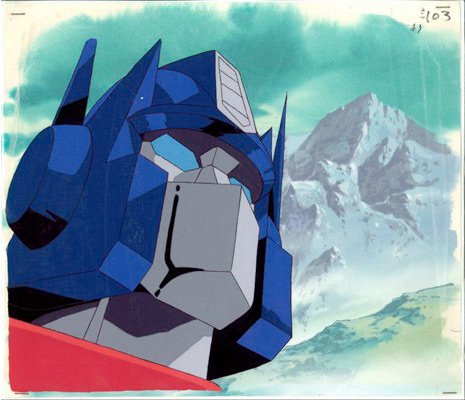


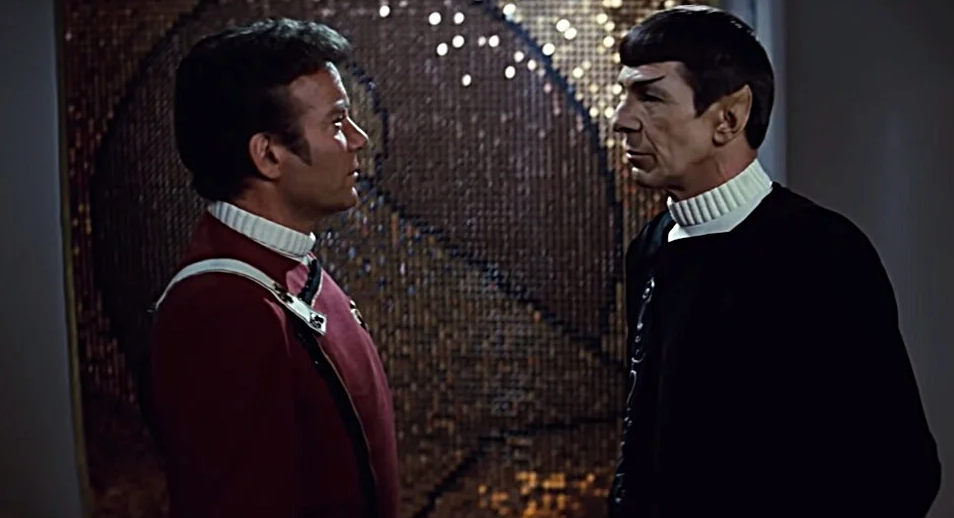





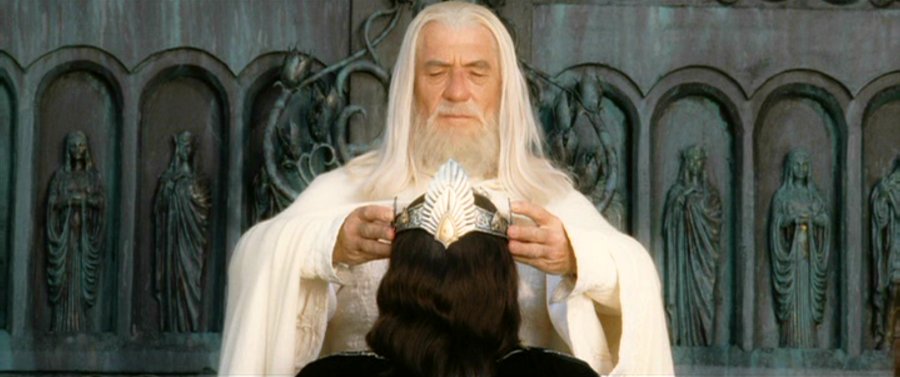
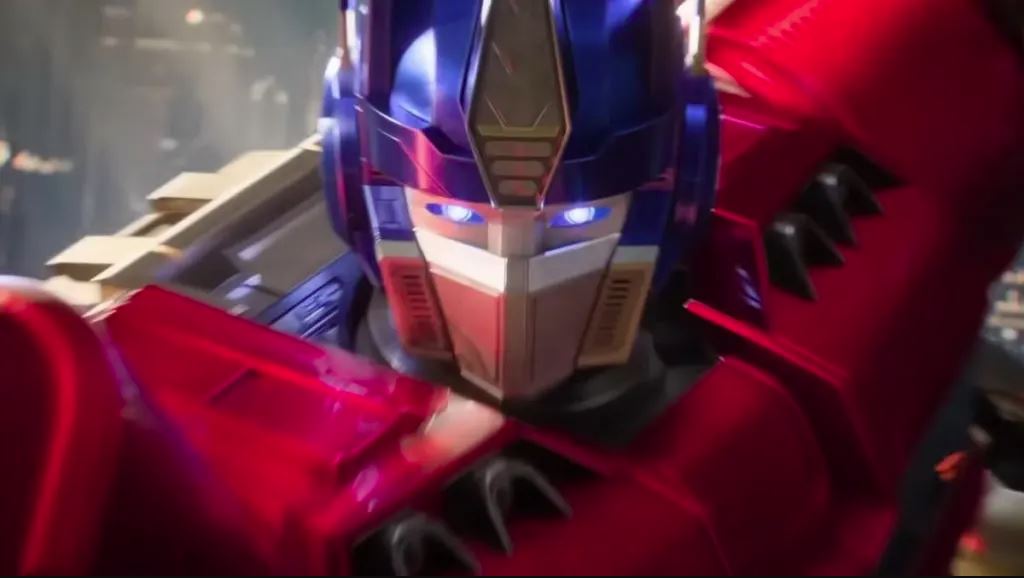
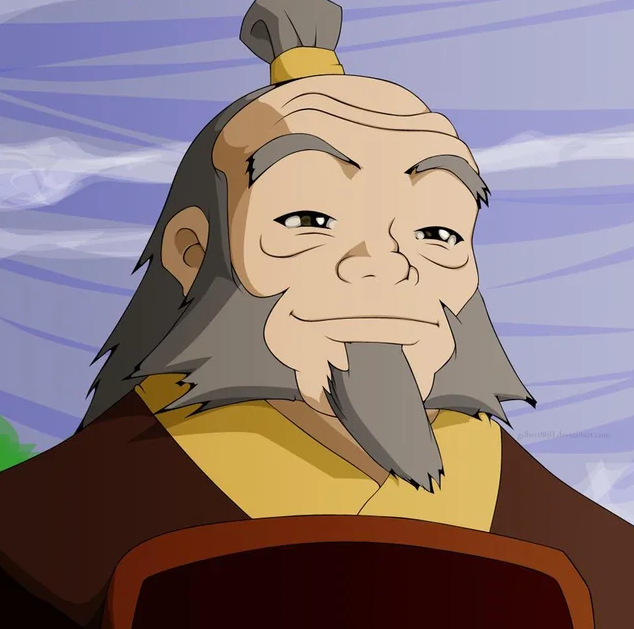
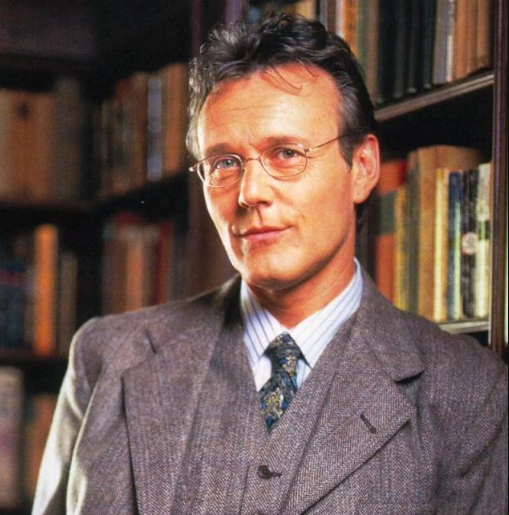
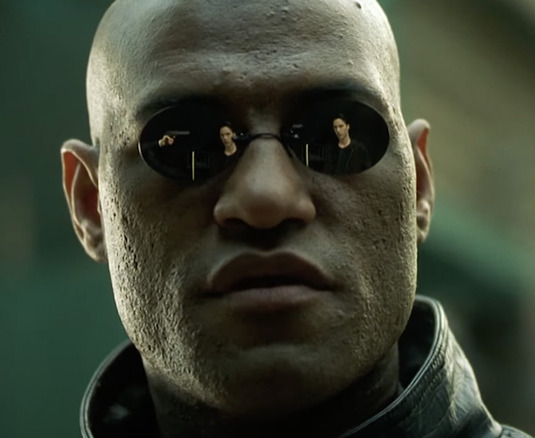
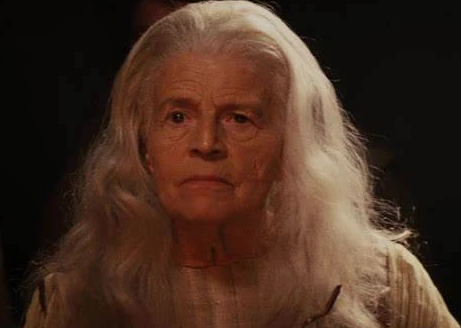
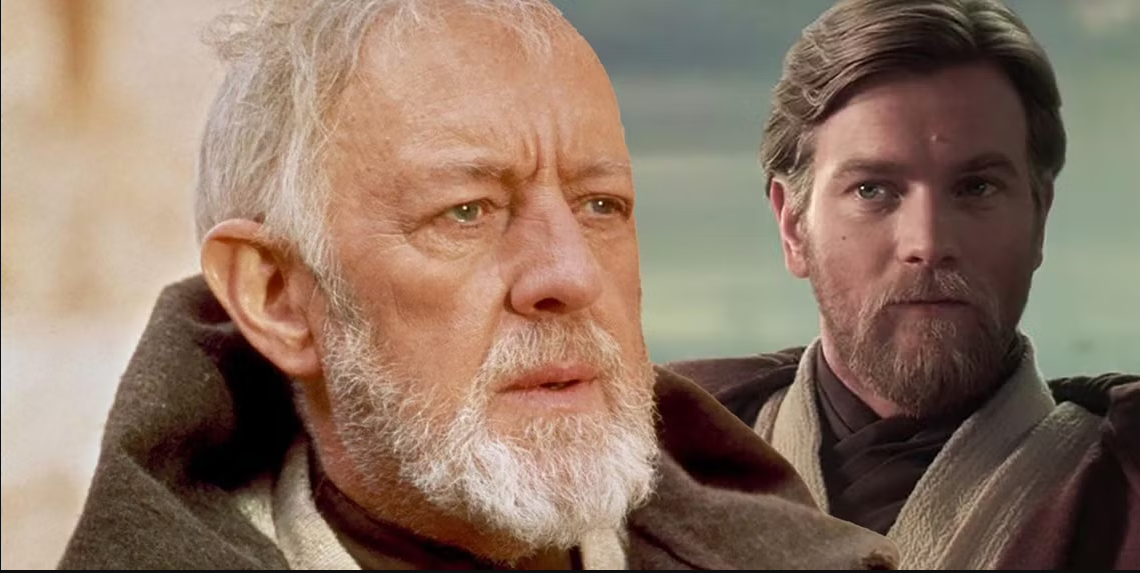
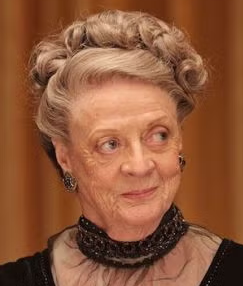
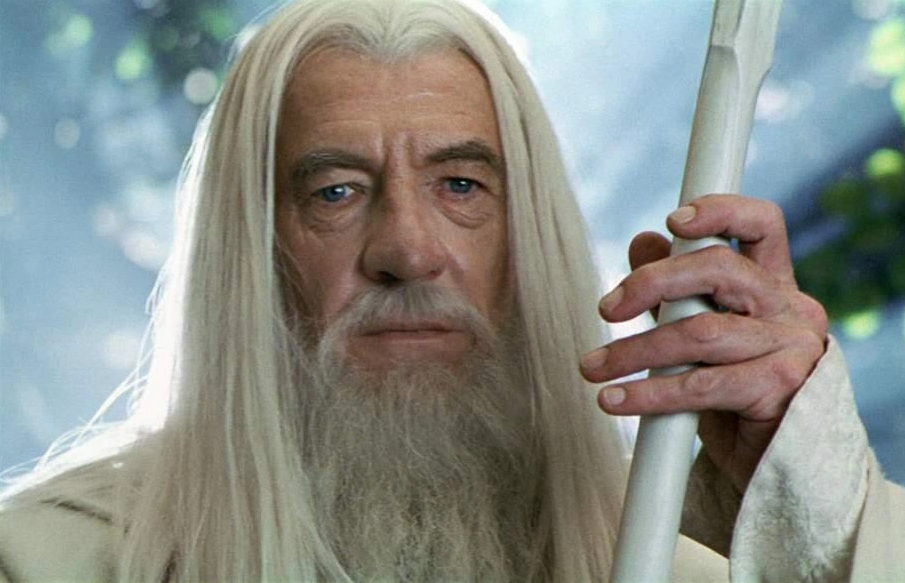

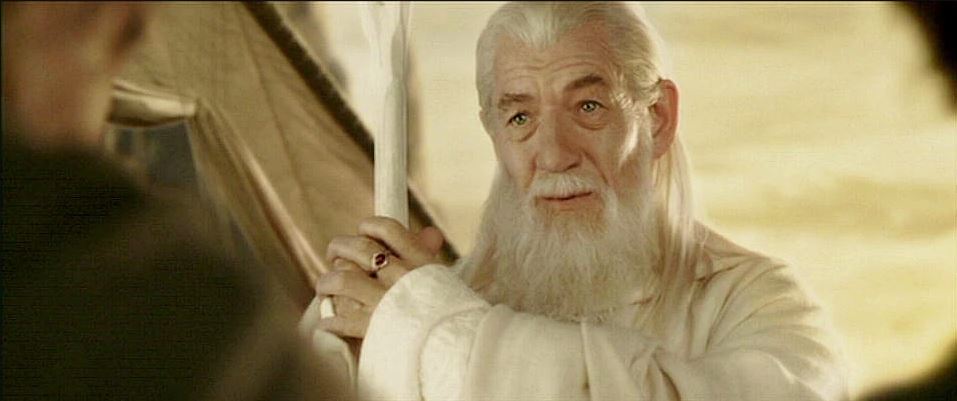


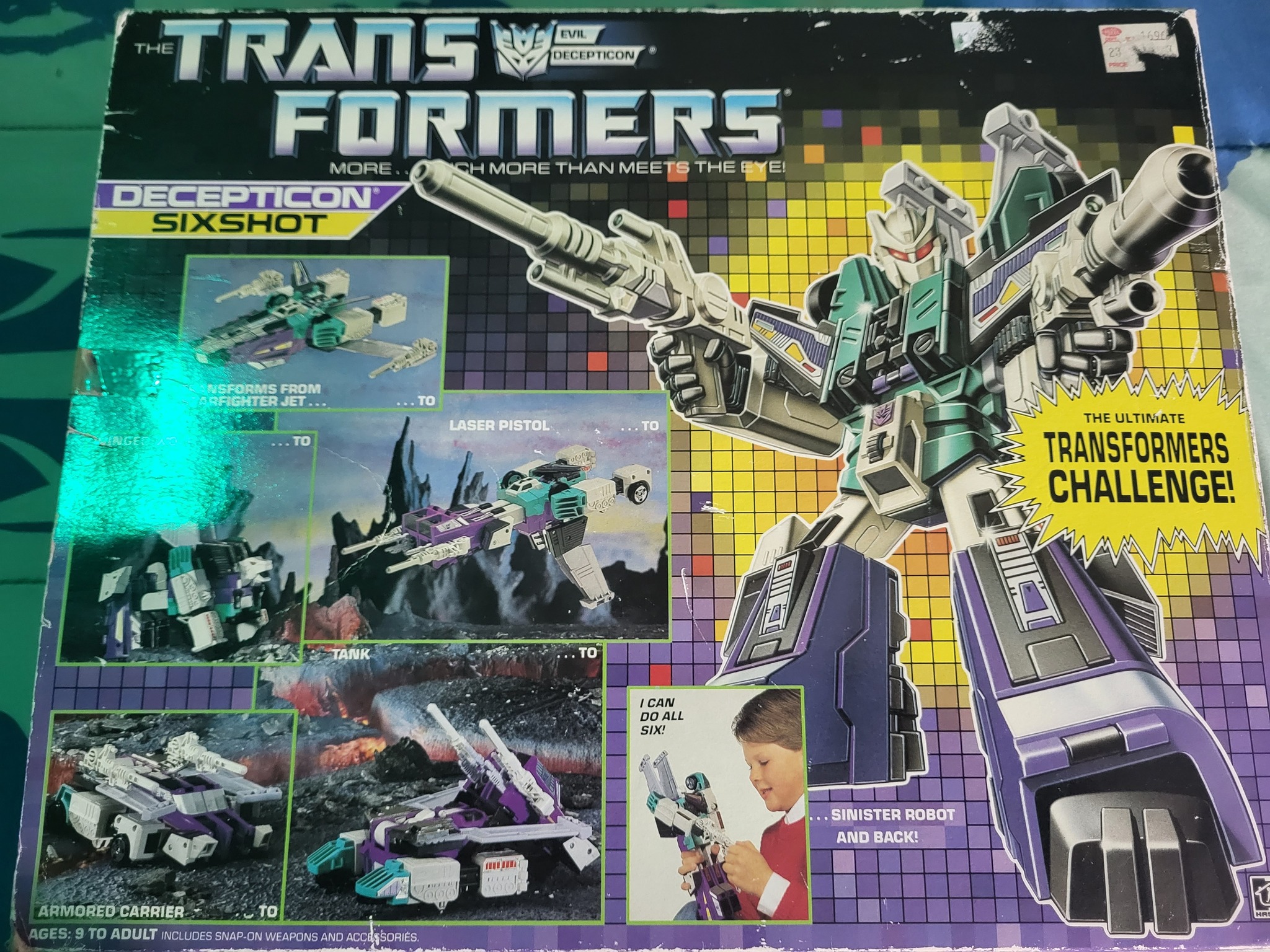

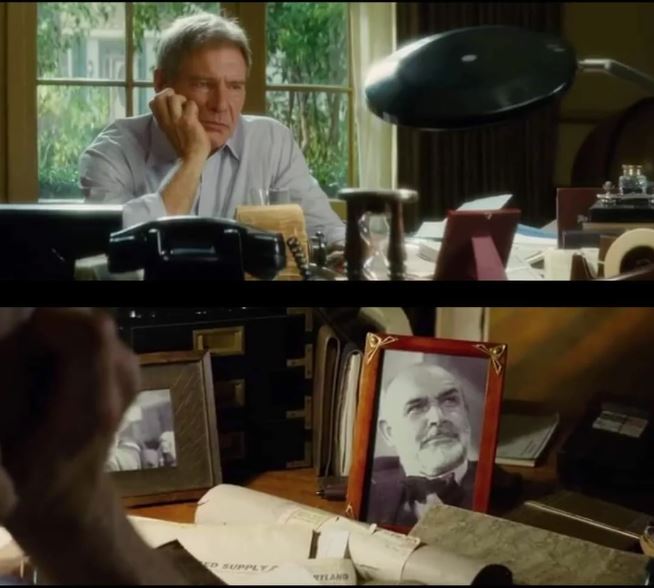
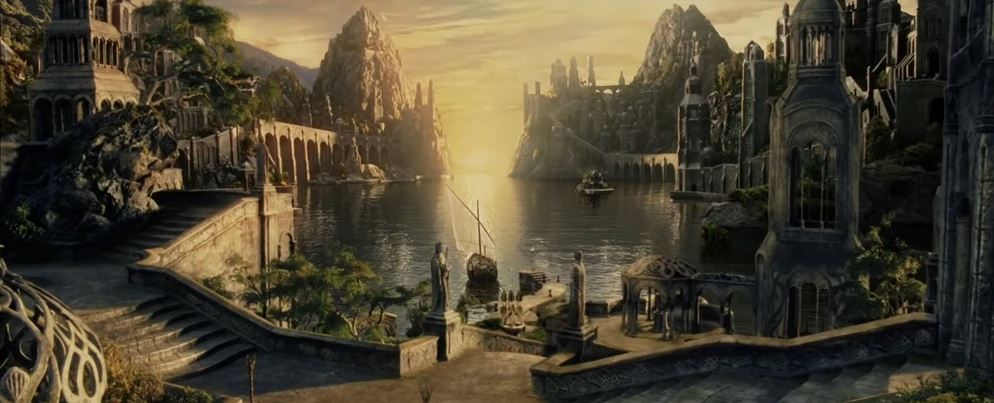
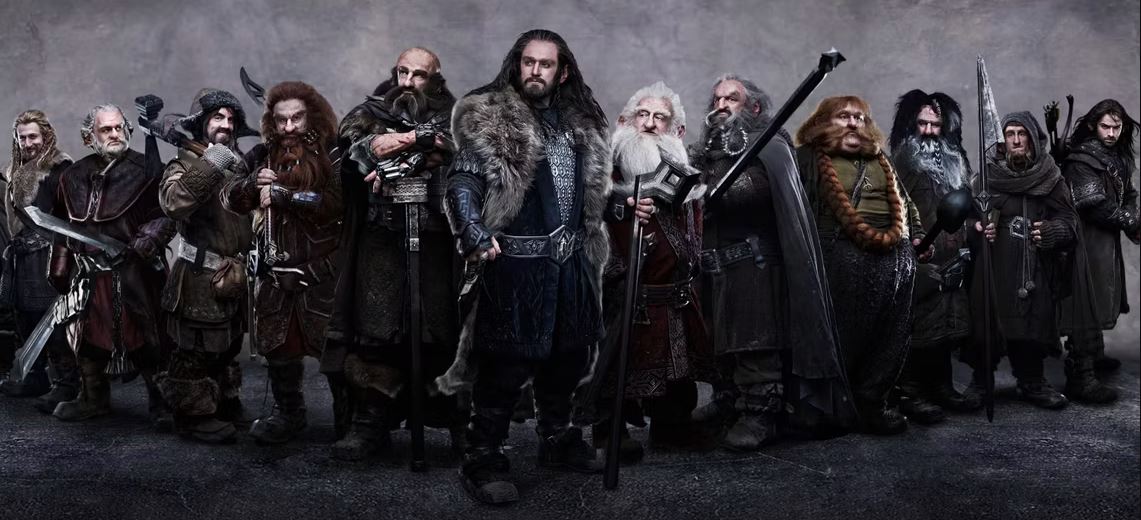
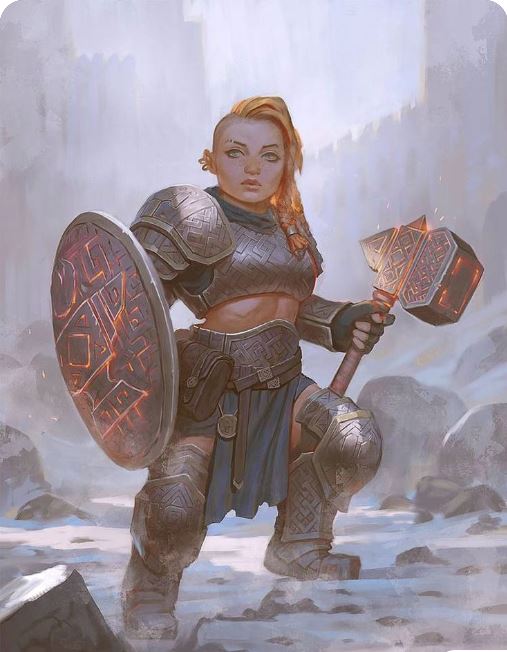
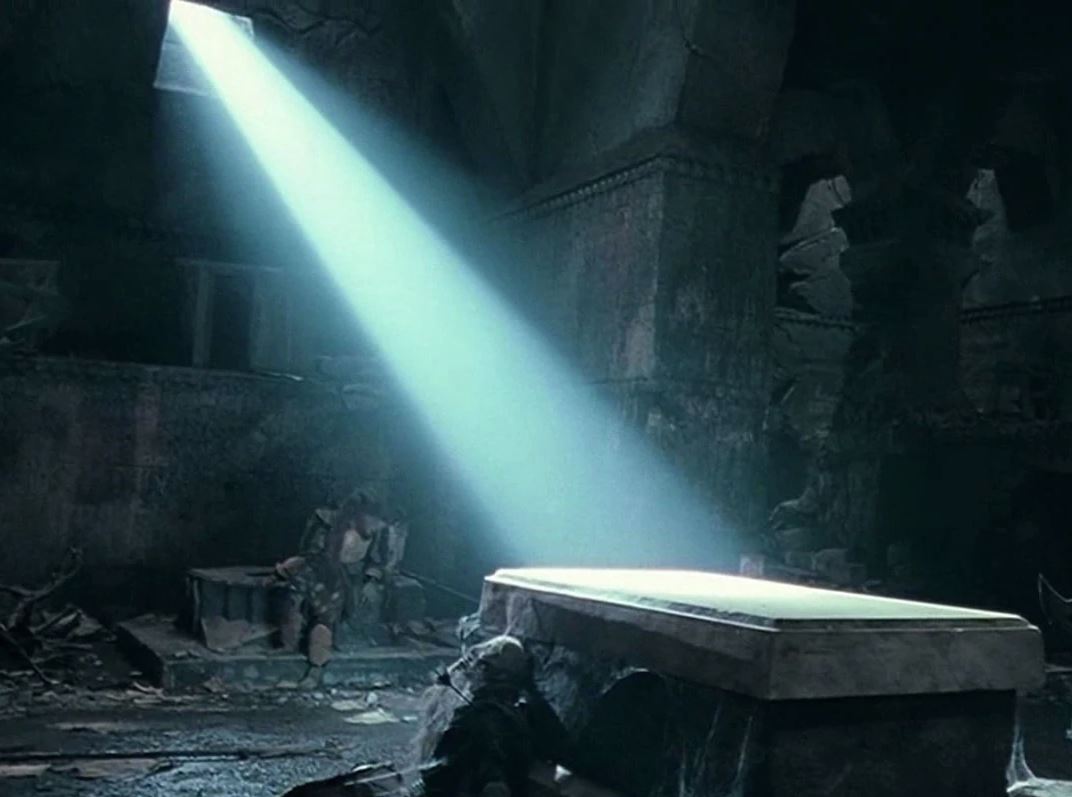
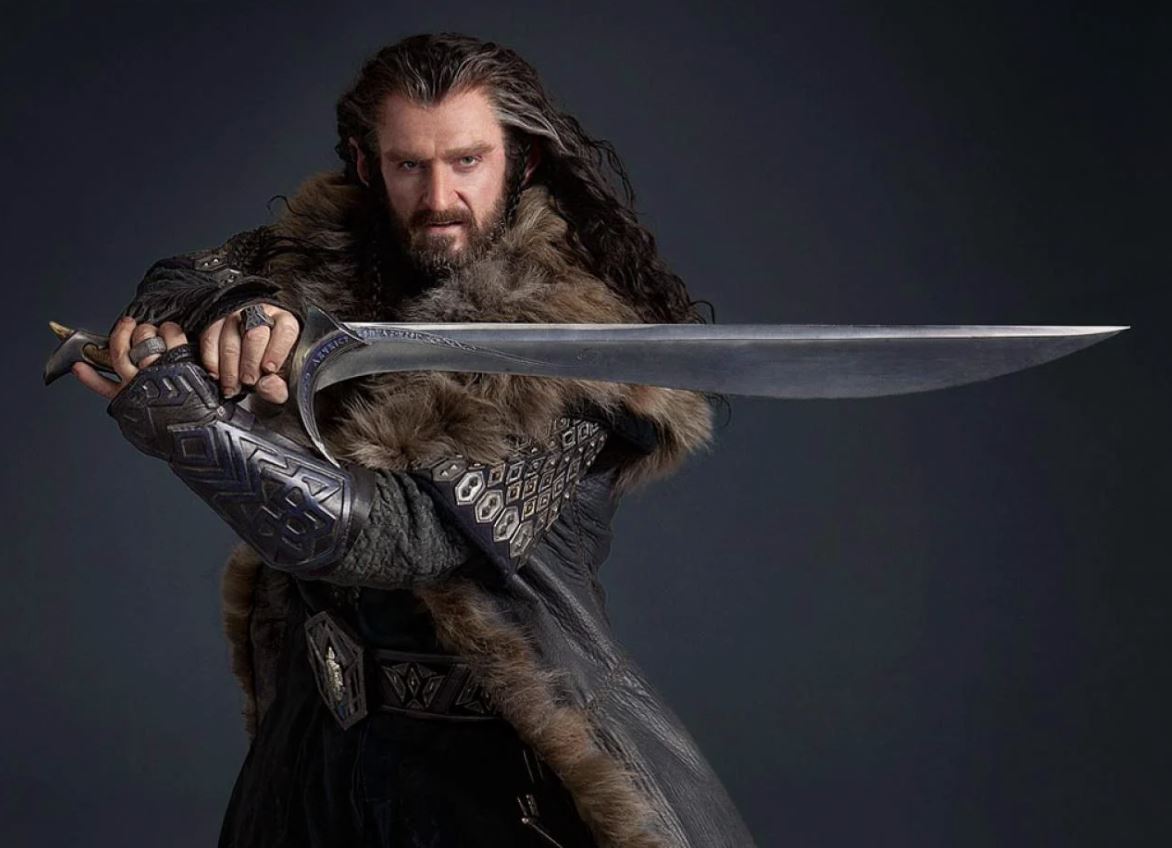
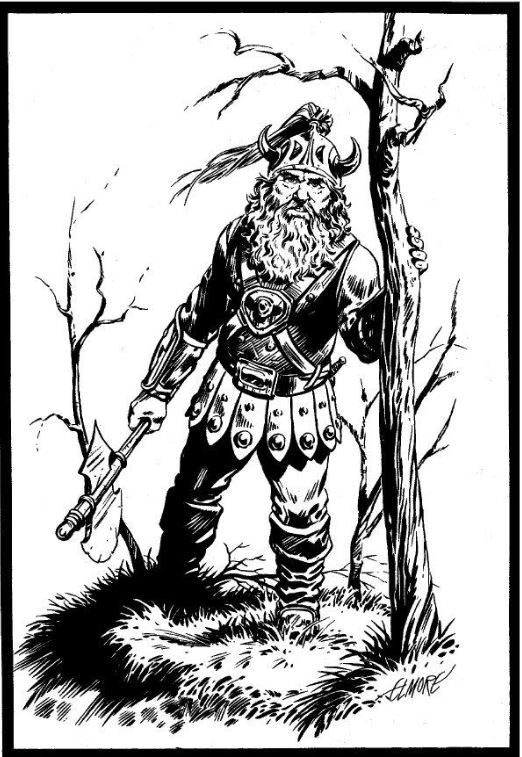
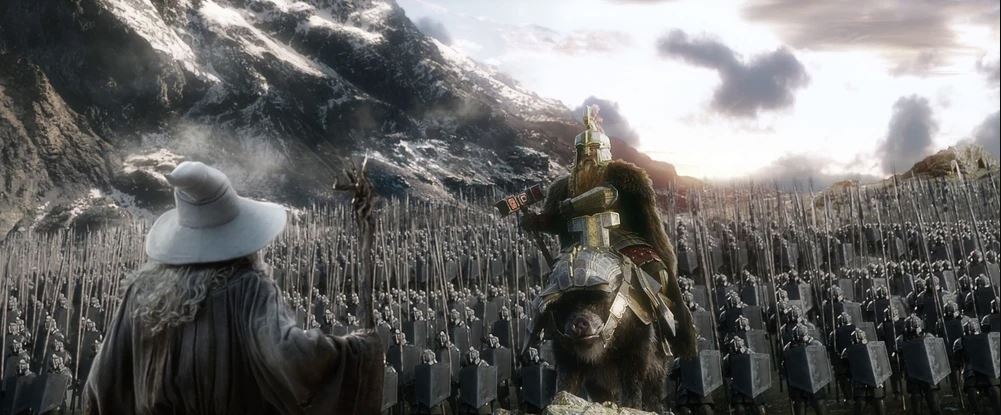
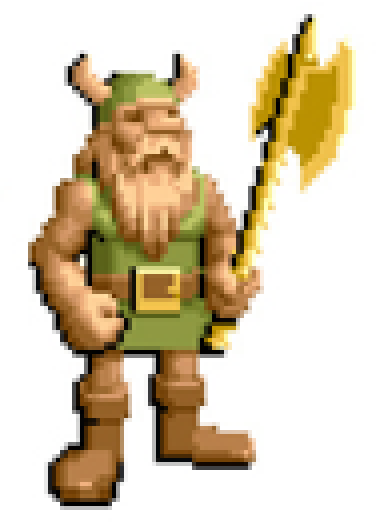
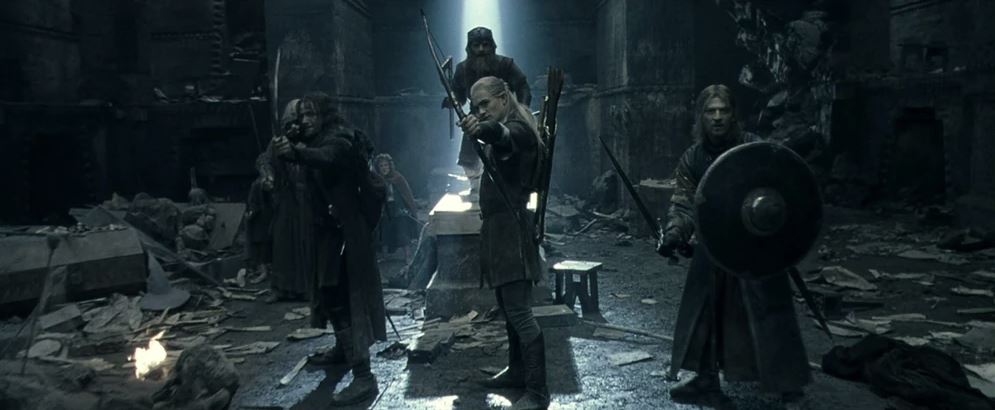
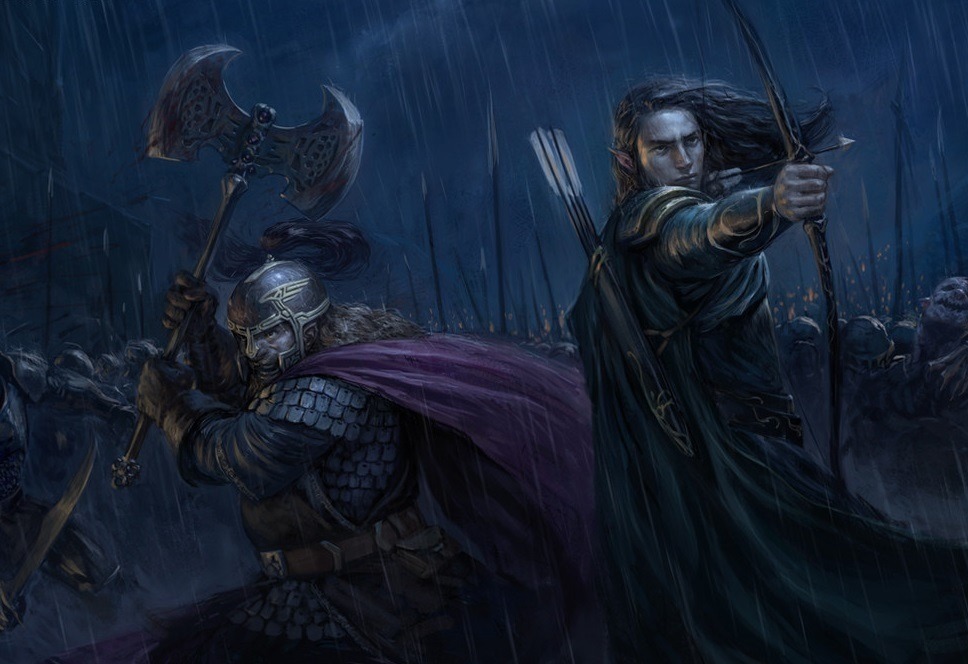


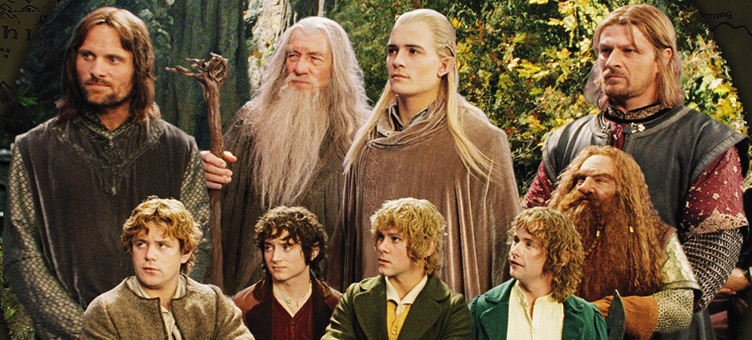
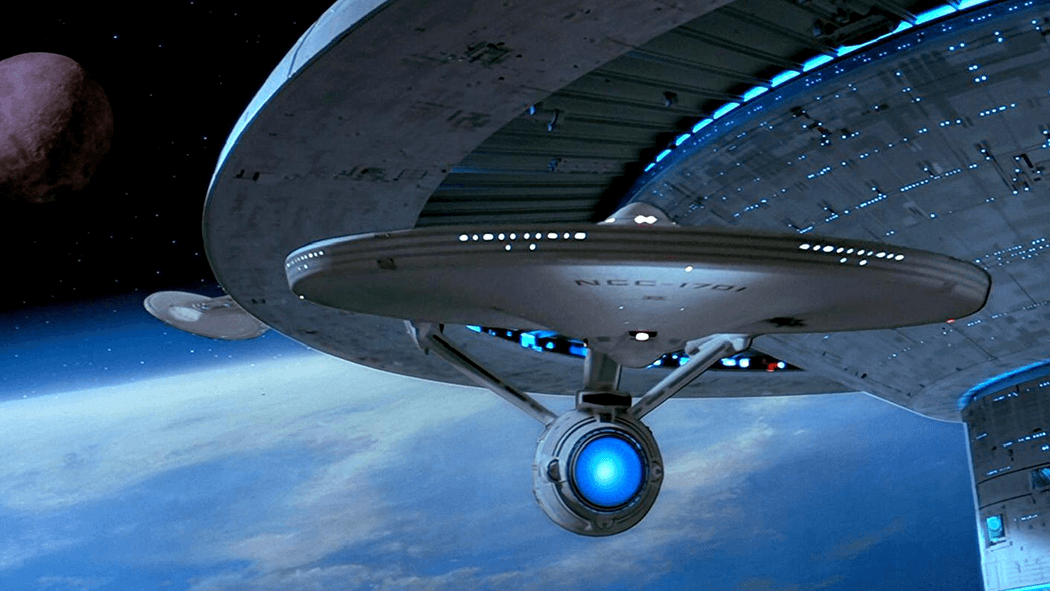


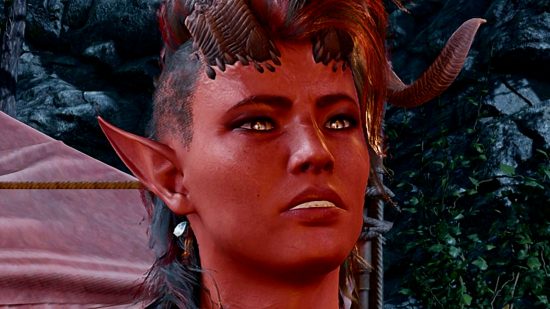

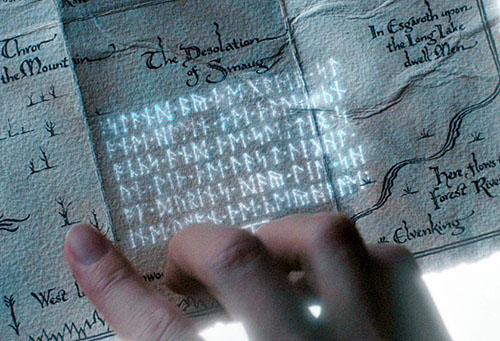

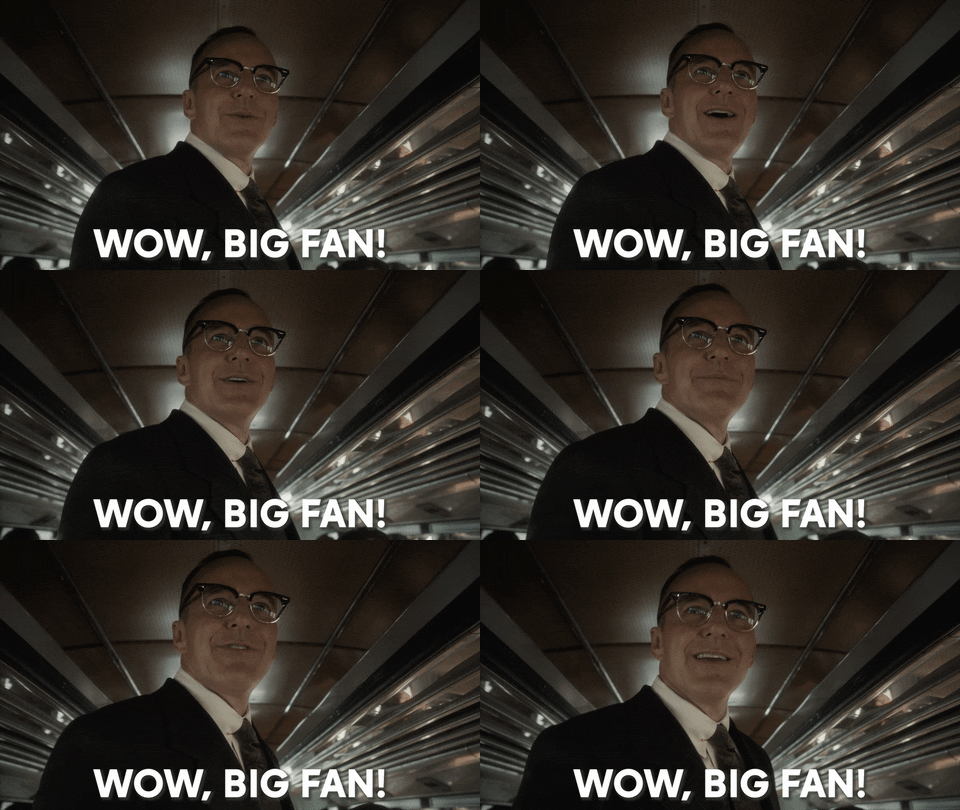

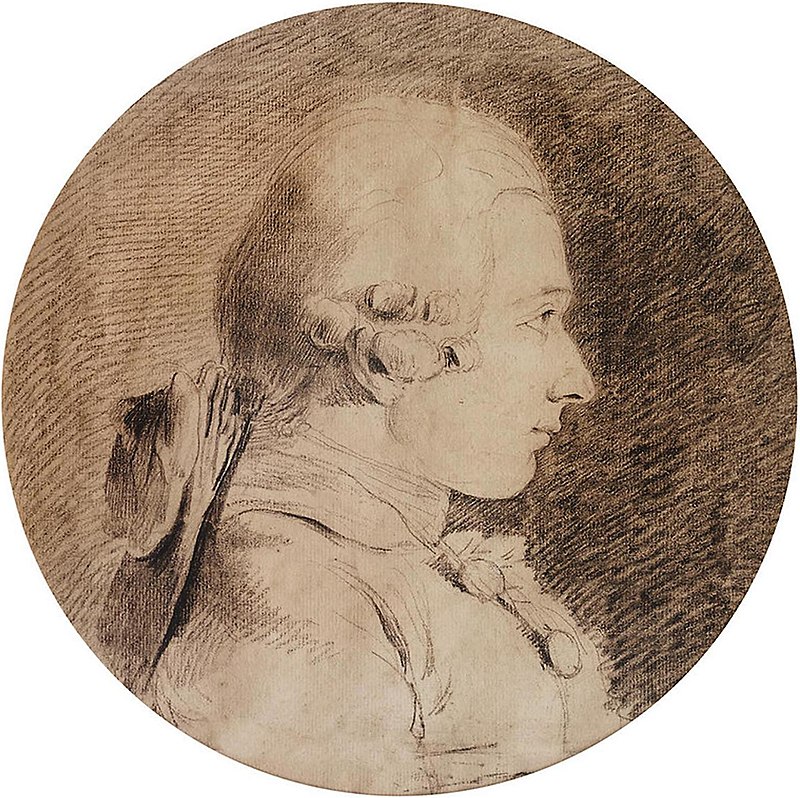


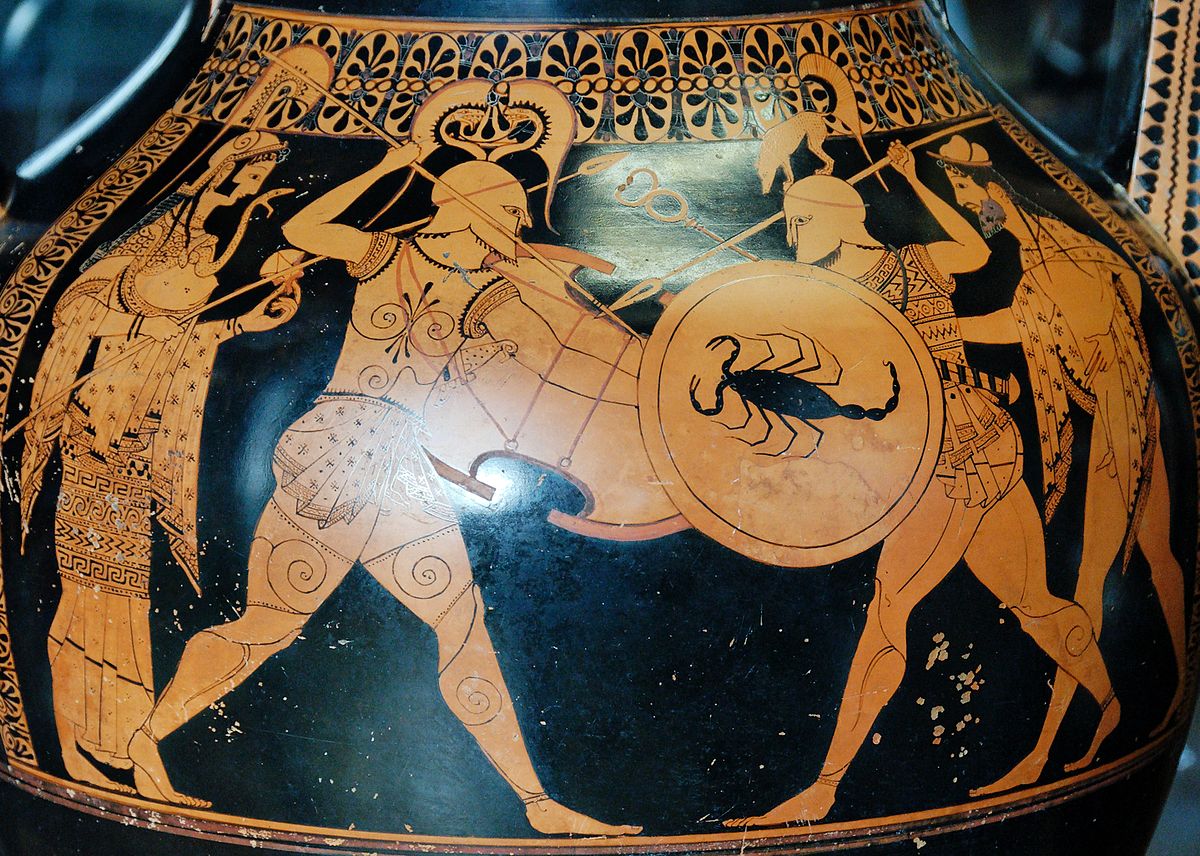




 The Sector M