Tag Archives: Loss

Of Firefly, Farewells, and the Good of the One

Hey, everyone. This is a blog post I had hoped I would never have to write, and it’s surreal, bordering on unreality, that I’ve sat down to put these words together at all. I lost my best friend, Travis, less than a week ago at the time of this writing. Just writing that sentence feels like I’ve dipped my heart in liquid nitrogen and then shattered it against the floor.

His loss was shocking for the fact that it was so unexpected. He had been having some health issues the last little while, it’s true, but no one that knew him could have guessed that he was facing a life-endangering condition. But now he’s gone, and those who knew him are left in the wake of his passing — confused, heartbroken, and stricken.
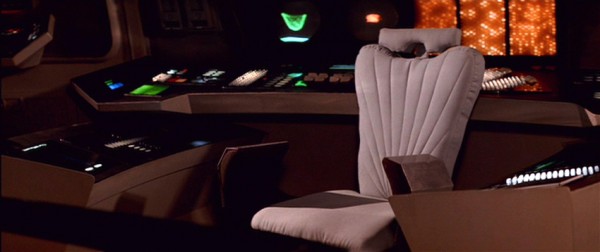
‘Nuff said.

I’ve written eulogies to people I’ve lost before on this blog, notably about my grandfather, my godmother, and my godfather. This is yet another in that series, but one that packs an emotional wallop the likes of which I’ve never been dealt before.

This post is an attempt to make sense of the world around me now. I won’t lie — this is going to be a rough one, but I hope you’ll stick with me on it. Travis is an essential part of my origin story, as you’ll see.

Who Was He?

I was an only child growing up. Thankfully, I had plenty of cousins on both sides of the family to fill that role. Travis was a cousin on my Dad’s side. He was six years my senior, and I looked up to him my entire childhood, and that never really stopped. He was a gentle person with the mind of an intellectual, the heart of a gamer, and the soul of a poet.

I admired all of those qualities about him, but others around us didn’t. We both grew up in the rural spaces of East Texas, and neither of us ever quite fit the country mold or mentality. We were eternally the puzzle pieces that didn’t quite fit the space we were granted. We loved comics and philosophy, history and science fiction/epic fantasy, literature and gaming, both of the tabletop variety and video games. The Venn diagram of our interests was very nearly a circle.

Those interests did not make us very popular with our peers at the time, however, but it didn’t matter because we were around each other enough that we knew we had a fellow geek and nerd in the other. We would sit in the backroom of our great-grandmother’s house, a place known as the Boys’ Room, and talk for hours about everything that was on our minds.
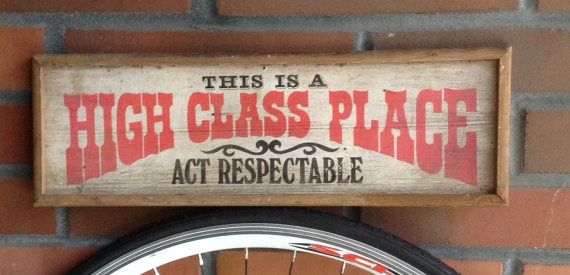
This isn’t the actual sign, but a similar one was nailed to the door of the Boys’ Room.

The irony is that most people who knew Travis would likely describe him as quiet, but let me tell you that some of the longest and most engaging conversations that I’ve ever had were with him. He had a rapier wit and no small amount of snark that he injected in these conversations that often left me laughing until my sides hurt. So, yeah, he was easily one of my favorite people on this green Earth. When I say that he’s the closest thing to a brother that I have, I want you to understand my meaning.

But even the word brother doesn’t quite cover it. I’ve known plenty of people who have actual blood siblings who were not as close as we were. We were not only a family by blood but also by choice. I was lucky enough to maintain that bond right up until the end.

Processing his loss is not going to come soon, nor will it come easily. He occupied a unique and irreplaceable role in my life. His death is a major landmark. There will always be a ‘before’ and an ‘after’ time.

The truth is that the tapestry of our lives was interwoven, and having him ripped away, stitch and seam, leaves me as ragged around the edges as the metaphor implies.

A Fanboy Education

I’ve had a lifelong love of superheroes. My first impressions of DC were shaped by Super Friends, just as my first foray into Marvel was through Spider-Man and His Amazing Friends. I watched those shows before I could read, and even though he was older than I was, Travis always watched those with me when we were together.
I can hear the theme song in my head.

While the concept of superheroes was not something he introduced me to, per se, he did spark my interest in comic books. He was the first comic collector I ever met, the first to bag and board his comics, and the one who introduced me to the deep ocean of lore that made up the DC and Marvel universes. Some of the very first comics I ever owned came from Travis. My access to comics as a kid was pretty limited, and often Travis would be the one to bring issues that I had missed when we would meet up in the Boys’ Room.

I was fortunate enough to see nearly all of the MCU movies with him. I believe the last one we saw together was Deadpool and Wolverine before some of his health issues started to take their toll, making him adverse to going to the movie theater. Streaming helped with that somewhat, and we still got to watch a number of good flicks. The last one we watched together was The Old Guard, starring Charlize Theron, just a few weeks ago. 
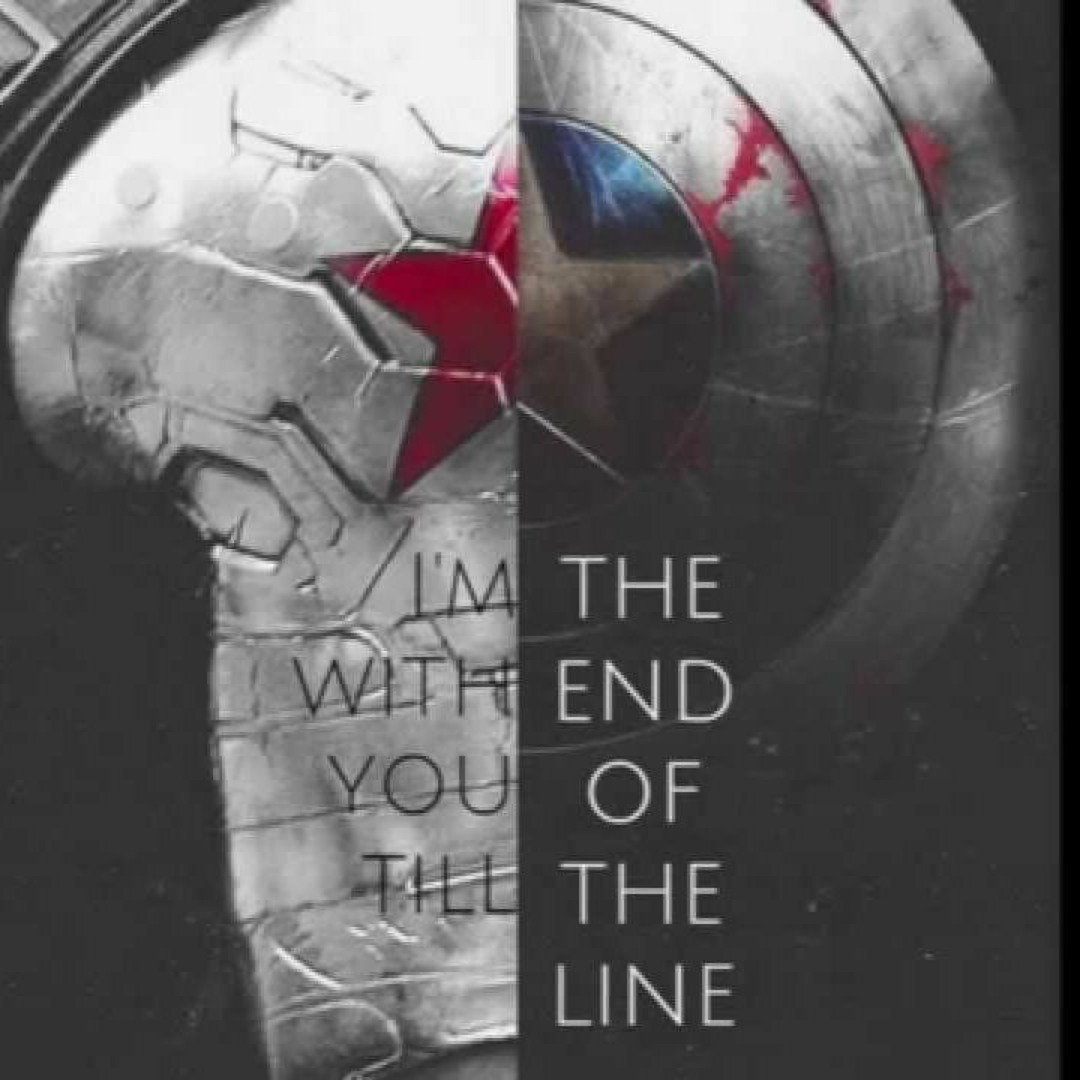
While the MCU has been a bit hit-or-miss the last few years, both of us were really looking forward to seeing Avengers: Doomsday. Seeing it this December is going to be really weird without him. 

All the Lasts

When someone I care about dies, I start to think about the ‘lasts’ with that person. When was the last time that I saw them, talked to them, went to dinner with them, those sorts of things. I’ve mentioned a few of them already, but here are some of the lasts with Travis:

  • Last text: A short message telling me to check with his roommate on some things related to Travis going into the hospital.
  • Last email: a listing of different doctors appointments he had in the works.
  • Last phone call: I had accidentally dialed him. He called me back to make sure everything was okay.
  • Last dinner: A trip to Longhorn Steak House after the last session of his Forgotten Realms campaign.
  • The list goes on, and on, and on…

The last in-depth conversation we had was about Firefly. The news that there might be an animated Firefly series in the works, with the original actors reprising their roles, made us both excited for a potential comeback. So, I had gone back to revisit the series, even introducing my young son to it in the process.

Travis and I talked about what the characters and setting meant to us while we waited in the doctor’s office. I told him that we had finished “Objects in Space,” the last episode of the regular series, and that we would watch Serenity soon. We weren’t sure how my son would react to the untimely deaths of Shepherd Book and Wash.

We finished up at the doctor’s office and I drove him home. I ate lunch at his house, though his stomach was not feeling well, so he didn’t join me. The last thing he said to me was that he really appreciated all my help.

That’s the problem with lasts; most of the time you don’t realize it was the last time you’ll do something. So, the last geeky conversation we had, out of the many thousands we’ve had over the years, was about a show that was gone too soon, and forever missed by those who loved it. Fitting, no?

Travis went into the hospital the very next day, and into the ICU that night. He never fully regained lucidity in the days before he died. One of the nights that I came home from sitting vigil at the hospital, we watched Serenity. When the movie came out all those years ago, the two of us had attended a sneak-peak of it, and loved it, of course.
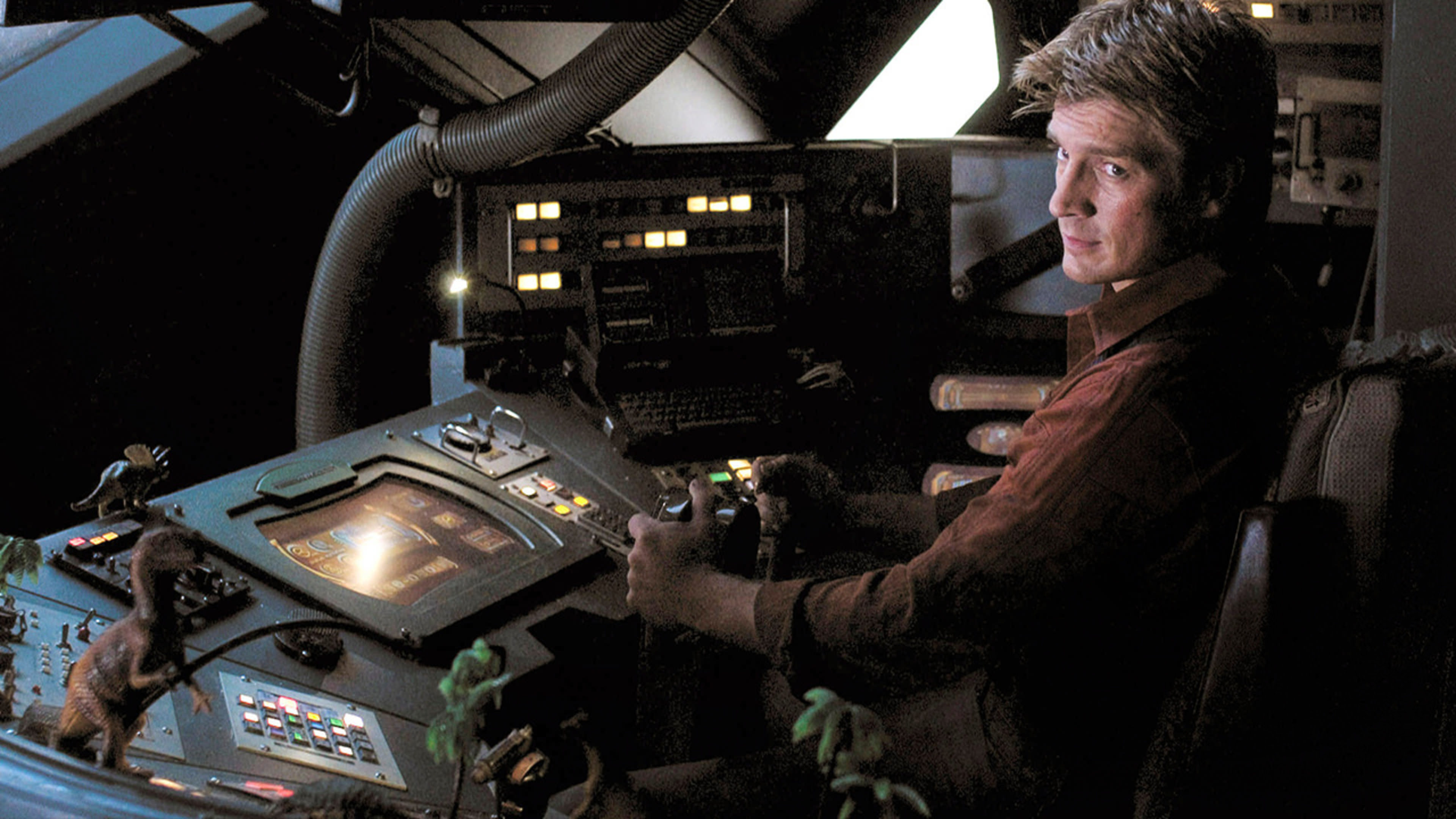
Love keeps her in the air when she ought to fall down… tells you she’s hurting before she keens. Makes her a home.

Watching it now, I’m struck by Zoe and Mal’s last interaction in the movie. After the death of her husband, and the near dismembering of Serenity, Mal asks about the ship, but is really asking about how Zoe is grieving.

Think she’ll hold together?

To that, Zoe replies:

She’s torn up plenty, but she’ll fly true.

All the Firsts

As bittersweet as it is to remember my last interactions with Travis, I now face a universe of ‘firsts’ that happen without him present. His first birthday after he’s left us. My first birthday without him. The first holiday season without him here. That’s just the immediate stuff. The future holds all sorts of milestones, like graduations, weddings, and, yes, even funerals, where I will wish like hell that he was still here to be there for them. My first major book launch is in a little over a month, and now I won’t be able to share it with him.

Those thoughts are nearly unbearable. At times, they weigh down on me like I’m Atlas from myth, but a version of him that doesn’t have super strength, being crushed beneath the unimaginable weight.  

I feel like I’m the Variant now, in a timeline gone horribly wrong.

It’s going to be a long while, and maybe never, before I see or do something cool and don’t immediately think to let Travis know about it.

While it might be a very writer-y thing to throw into the mix here, one of the things that’s really damaging my calm is now referring to Travis in the past tense. I thought we had a good twenty or thirty years left to us. We were supposed to both go to a retirement home where we could spend our twilight years gaming without having to worry about any of the rest of it.

This wasn’t how our story was supposed to end.

The Games We Played

Speaking of stories, we made a fair few ourselves. Tabletop role-playing games, or TTRPGs, are a wonderful engine for those creating characters, stories, worldbuilding, and the like. I use those skills all the time in my books, and Travis was there as I developed them. The two of us had many grand adventures together, from the streets of Waterdeep and sands of Netheril, to the Siege of Kalaman, and the last stand at the High Clerist’s Tower, as well as so many other battles, adventures, and shining moments. He was an inventive and strategic player, whose characters often found ways to punch way above their weight.

He told me once that the first character he ever rolled up was a fighter in the Rolemaster system named Aelfred. This is when he was in college. If you’ve never played Rolemaster, it is far and away the most complicated tabletop RPG I’ve ever encountered. It does have one of the coolest skill systems that I’ve since adapted to other games. Suffice to say, if Travis could cut his teeth on that system, he was fearless at running other games.
The last character he played was a cleric named Gazpacho for a D&D 5e campaign. I was not involved in that game, unfortunately, but I was in plenty of others over the years, both as a fellow player and as a GM/DM. 

Here’s a litany of the characters that were in games that I played in or ran myself:

Francis Greenleaf and Malik the Reaver (Forgotten Realms), Korranderaythe “Kor” von Cristalvasser (Dragonlance), Laeryn Chanis, Gwaelon, the Rune Magus, and Phillipe “Flit” Ballantine (Valeriand), Alfon the Blade (RPG to Go), Jasper (Greyhawk), the Mimic (Reverse Dungeon), Faustindintal Krinkledoom the Gnome Beserker (One Shot), Tiny the Pygmy Storm Giant (One Shot), Rick Derris (Traveller), Sour Ron (7th Sea), Chuck Wagon (Werewolf the Apocalypse), Adam Adamant and Sebastian Vandergriffin (Glorantha), Gruhn and Hawk (Iron Kingdoms), Quarantine (AEOS-17), Councilor Trip (Fallout), President McKenna (Far Beyond the Stars), Derek Calderon (Star Wars), and Nevarre Nightshade (Shadow of the Dragon Queen).
Travis was also a prolific GM/DM. Here’s a similar list of campaigns that he ran where I was a participant:

Shadow World (Rolemaster), Memphis By Midnight (World of Darkness), Age of Netheril (Forgotten Realms), Angels and Devils (Forgotten Realms), Silverymoon/The North (Forgotten Realms), Game of Thrones – Past Lens (Rolemaster), Malkaziel’s Cataract (Forgotten Realms/Tenede)

In all this, I have to include this story. One of my first attempts to run a game was when I was in junior high. I created a super-simple RPG system that used only six-sided dice. It was really meant for us to play while on road trips where most of it was handled through just talking it out.

A couple of my cousins had made up characters and played for a while. They had levelled a bit and found some great magic items. At this point, I hadn’t figured out that if you introduce a new character into the party that you should start them out relatively equal to the other party members. When Travis came down from college during the summer, he made up a character named Alfon the Blade, a thief/rogue character who, rather unfortunately, only had one hit point. Travis didn’t mind, however. He was adept at playing oddball characters.
After getting kicked out of the town square for plinking on an out-of-tune harp that only had one string, I introduced him to our cousin Michael’s character, an extremely dangerous Dwarven assassin named Viper. Viper had made a reputation for himself by clearing out the local forest of several gangs of bandits singlehandedly. Understand that Michael was maybe 10-years-old at the time. Travis was 19 or 20.

So, when Viper met Alfon for the first time, Viper gave his future companion the immortal greeting of: “Why don’t you come with me to kill thieves, because thieves are easy. And if you don’t, I’ll kill you.”

I really wish I had a picture of Travis’s face in that moment. Considering that Alfon was one of those aforementioned thieves, who only had one hit point, Travis quickly agreed to join forces with Viper.

Travis told me later that Viper really knew how to make a sales pitch, the proverbial offer you couldn’t refuse.

Priceless.

The Good of the One

I cannot count the number of hours that I’ve spent talking with Travis about various intricacies and nuances of fantasy and sci-fi stories. Game of Thrones, Babylon 5, Star Wars, lots of Lord of the Rings, Dragonlance, The Avengers, Watchmen, Transformers, Dune, you name it. A love of Star Trek, however, is something that we both had in our blood even from an early age.
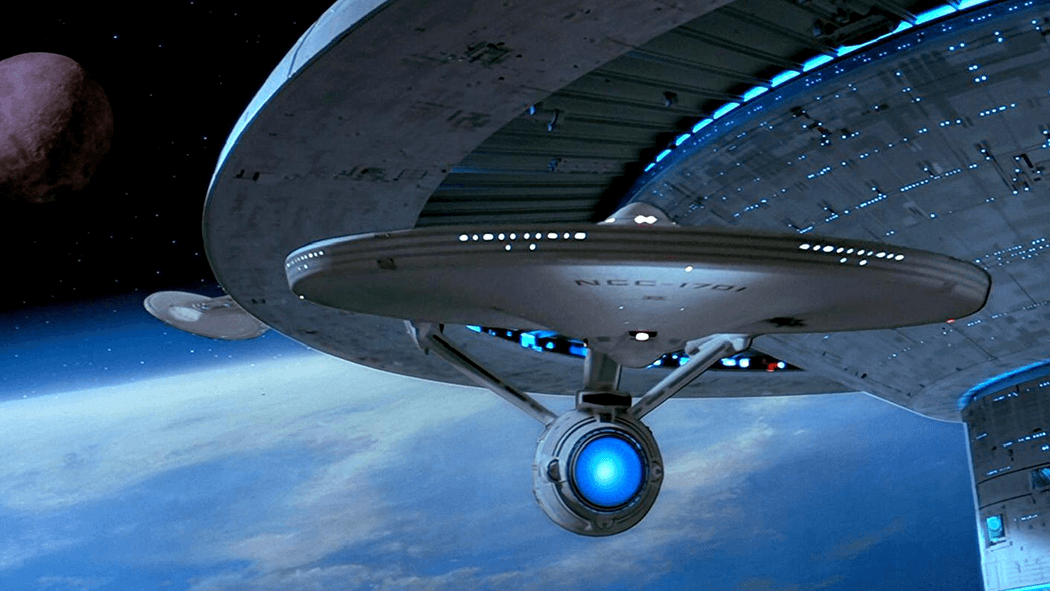
Spock’s axiom that “the good of the many outweighs the good of the few, or the one” is a philosophy that Travis put into practice daily. He continually put the needs of everyone else around him before his own, almost to a fault. He did not seek recognition or self-aggrandizement, but preferred to fly under the radar and be left alone.

When he went to the hospital for the last time, we saw Kirk’s reversal of that philosophy that “the good of the one outweighs the good of the many” on display. A number of folks dropped what they were doing to come and show their support for him and the family. Even more called, sent texts, or showed support through various social media. This continued even after Travis left us, and I don’t imagine it will let up anytime soon, and I’m thankful for it.
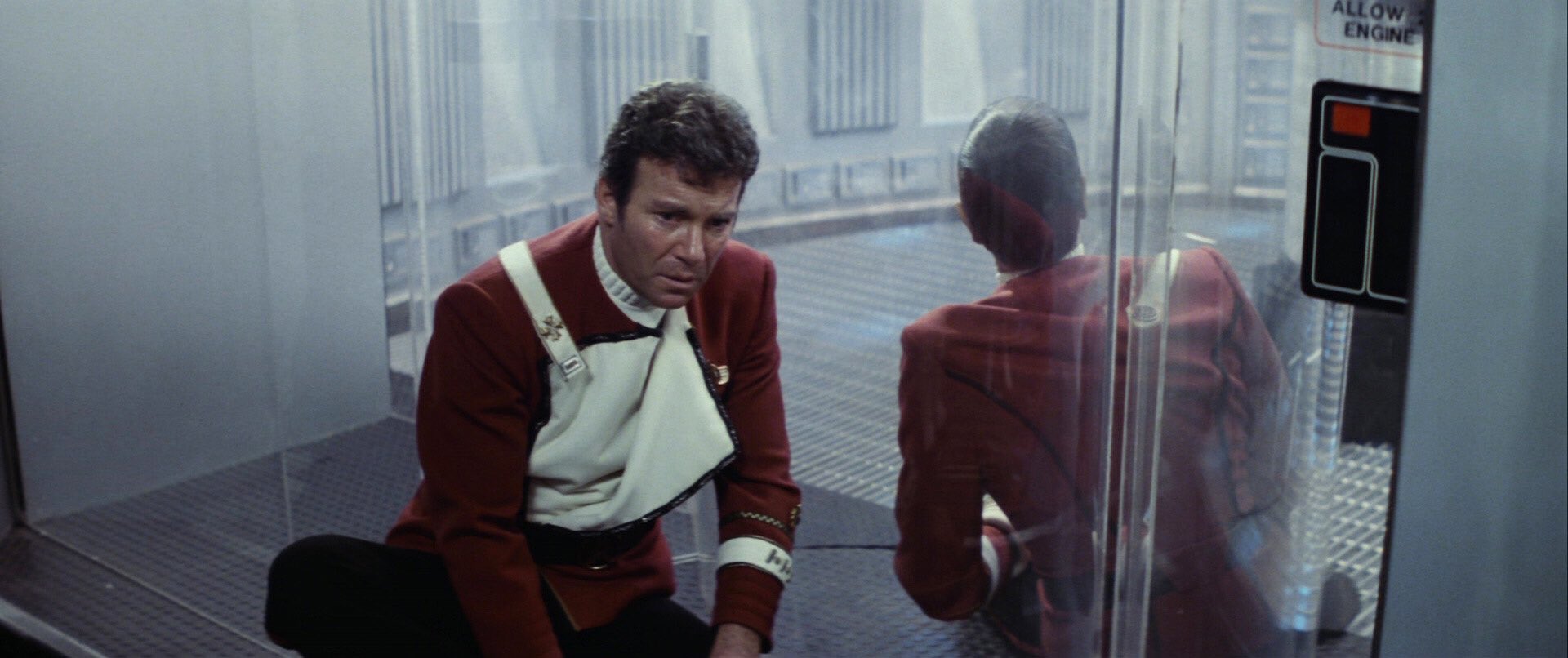
I can’t imagine trying to mourn a loss this unthinkable without the community around me. I know I will be leaning on them in the days, months, and years ahead. But to put that loss into perspective, now I know something of what Kirk would have felt when Spock died at the end of The Wrath of Khan, helpless to do anything but watch as the other one slipped away, and dumbstruck at not knowing how to process that his friend was gone.

When Leonard Nimoy passed back in 2015, a YouTuber named Melodysheep put together what I think is one of the most moving tributes to the character of Spock and by extension his relationship with Kirk. It’s also just a really good song that I will embed here. It’s worth taking a look/listen.

I definitely don’t want to paint Travis as being purely logical and without emotion, because he definitely wasn’t like that. But I was always the impulsive one, the one who rushed in where angels feared to tread. He was the cautious one, always advising me to look before I would leap, and to not make important decisions when emotions were running hot.

I’m glad I took some of those lessons to heart, but I’m not done learning from Travis yet.

On Farewells

A character flaw of mine, one which I’m very well aware of, is that I absolutely hate change. Once I get something where I like it, I want it to maintain indefinitely, but of course it never does. We live in a world that is constantly in flux. Almost always those are changes that we can do nothing about.

Losing someone I care about is the ultimate kind of change that I didn’t ask for or want. Again, I can do nothing about it now. I’m not sure what the shape of my life will look like now that he’s gone, and I’m not looking forward to finding out.

Words don’t usually fail me, but they do in this case. As raw as this account has been, it can never really do the man justice. I shall not look upon his like again.

But here I am in in the aftermath. All I can do is try to move forward, though it is tearing the heart right out of me, and try to live a life worthy of his memory and legacy. So, that’s what I’m going to do. I will honor him and the many debts that will now remain eternally in arrears.
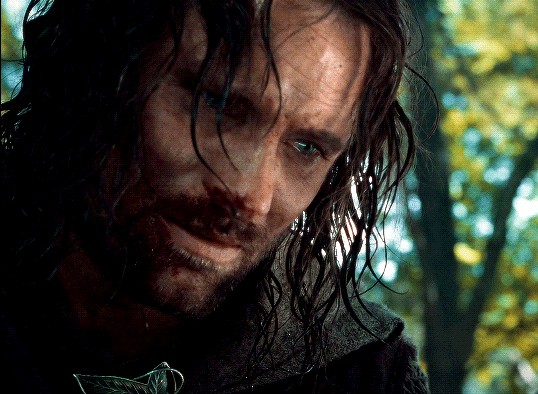
Be at peace, Son of Gondor.

In closing, I’d like to share a bit of poetry with you. As I said, Travis had the soul of a poet. One of his favorites was The Noble Nature, which is a poem about the brevity of life and beauty. I’ll leave you with the last two lines of it, which were the last lines of the last email he ever sent me.

In small proportions we just beauties see.

And in short measures life may perfect be.      

                             —Ben Jonson. (1572-1637)
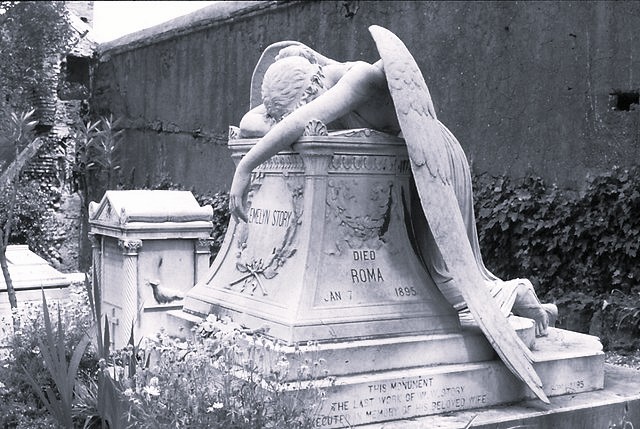

Of Obituaries and Empathy

Here’s a fact about yours truly you may not know: My writing career began at a metropolitan newspaper … as an obituary writer. I was 18, just starting out in college, and was recruited by the instructor of my Mass Communications class.

I stayed at this job for more than three years while I went to school. Once I graduated, I went into the world of marketing and advertising, where I have largely remained. Well, at my day job recently, I wrote an obituary for a prior employee who had passed away. For a moment, I dusted off that skillset of where I started out as a writer. It was a sad duty, but one I accepted, for reasons that I will get into later in this post.

While this was all on my mind, I wanted to put down in words some of the things I learned in this early role, why I ultimately left it, and why I think that obituaries and funeral services, in general, are important.

Life and Death in the Obit Department

For the most part, I was just a writer at a desk, working on a computer like everyone else, but there were additional elements that made the job emotionally challenging. We had a random number of obituaries that would come in each day, and this job taught me about deadlines. Do whatever you need to do, just make sure your copy is in by 3:00.

We would verify all the elements of an obituary with the funeral home, often just the spelling of a name that looked off, or a birthday if the one listed on the intake form didn’t match up, things like that. Most of the time, we would just call up the funeral home and speak to one of their representatives, but sometimes we would need to contact the family.

Understand that these were people who had lost a loved one a day or two prior to this call, or even that same day. They were often confused, angry and still trying to wrap their head around their loss, so we had to be very gentle with them. While we had to remain professional, everyone understood that a dose of empathy and understanding could go a long way.

Perhaps the most heartbreaking part was when they would show up to the office to deliver a photo of their loved one. They might even look fine and composed when they walked through the door. It was the moment that they handed the photo over that they almost always started crying. That act was what brought the realization of their grief to the forefront for them. It made the loss real. We had a special side room with a box of tissues and two chairs to give them space to compose themselves. I must’ve seen this scene play out dozens of times during my tenure there.

It wasn’t all bad, however. Because we dealt with dozens of names per day, there were times we started to see emerging trends in when a person was born and the theme of their name. For instance, from about 1908 to the early 1920s, it became popular to name girls after precious stones. Pearl, Emerald, Opal, and so forth. My great-grandmother, who was born in 1911, was named Ruby.

We also determined that the average age of the incoming obituaries was around 77, which was skewed every once in a while by a younger person, usually a teenager, who tragically died in a car wreck or a similar accident.

Of course there were exceptions.  

Why I Stopped

Much of what I learned about journalism in those early days drove home the idea of professional detachment, of learning and reporting the facts without getting too close as that might harm your objectivity. That wasn’t always easy when you were dealing with grieving families on a daily basis. Even when they would sometimes call up the office and yell and scream at us for getting something wrong (whether it was actually wrong or not), I knew that was just their grief talking. I still had a job to do, and I couldn’t get too wrapped up in any one case or else I simply wouldn’t be able to function in that space.

As the saying goes, it was bound to happen, and one day it did. I received an obituary for an eight-year-old boy. Any time I received an obit in my queue that was in the single digits, it warranted a second look, just to make sure that neither the family nor the funeral home had left out a digit.

This one came with the photo, an Olan Mills portrait of the kid. And let me tell you, this photo was so good that it looked like one that might come with a wallet or a blank picture frame. He had a big smile on his face like he was about to burst out laughing, a smile that was reflected in his eyes. He just looked so full of life. I was immediately saddened just by seeing this boy who should’ve still been alive, but wasn’t. My professional detachment took a major hit. All through the day, I was haunted by the thought of this boy. Often, the cause of death wasn’t reported to us, so I never found out what had taken him.

As I worked through this obituary, I found that there was some inconsistency in the information that was provided. For the life of me, I don’t remember what it was, perhaps a family member’s name that looked misspelled or a mismatch between the day of the week for services and the day of the month. I called the funeral home, but no one picked up. Standard procedure was to then call the family. This boy had lived with his family in Alaska, so I dialed the number.

This was long enough ago that folks still had answering machines. Well, guess whose voice greeted me, inviting me to leave my name and number after the beep? I sat there at my desk, looking down at his photo while that boy’s voice spoke to me on the phone, and his voice exactly matched his photo. My detachment shattered at that point. I can’t remember now if I even left a message. I likely did, but it was suddenly my turn to use the side room to try to compose myself.

I never looked at the job the same way again. Sometimes in the hustle to meet deadlines, the names and dates and associations all blurred together. Sometimes you stopped seeing them as people and viewed them as just line items on a list, as tasks that needed to be completed. This little boy stopped me in my tracks, giving me a sharp reminder that each name was attached to a family that was morning their loss. But how could something as simple as an obituary encapsulate the fullness and nuance of someone’s life? The truth was it couldn’t.

It wouldn’t.

It shouldn’t. 

I limped along in this job for another few months, but I knew I was done. I went to work for a local phone company, and while there were a few opportunities for me to come back to the obit department along the way, I never did.   

Why They Are Important

Obituaries may be a flawed and limited way to mark someone’s passing, but time and reflection have changed my attitudes toward them. The same goes with funerals and memorial services. They are sad affairs, of course, but they help us frame the loss in our minds when everything seems in chaos. They are a necessary step to help us mourn and begin to heal.

“This is where we part.”

When I said earlier that I hadn’t written an obituary in a while, that wasn’t precisely true. What I meant was a formal obituary, one where I didn’t know the individual personally. The fact is that I have been writing obituaries of a kind right here on this blog, though they are a far cry from what I did at the newspaper. In these, my detachment had completely gone out the airlock, and rightfully so. These were people that I loved, that I still love, whose loss devastated me, and I still wrestle with their loss. (You can find them here, here, and here.)

Obituaries, like funerals, are for the living. While they can help us get back on the proverbial horse, they have another function, one that I think is the most important: It’s how we remember them. When someone is gone, that’s one of the greatest honors that one human can do for another — simply to remember them fondly.

A Note On Empathy

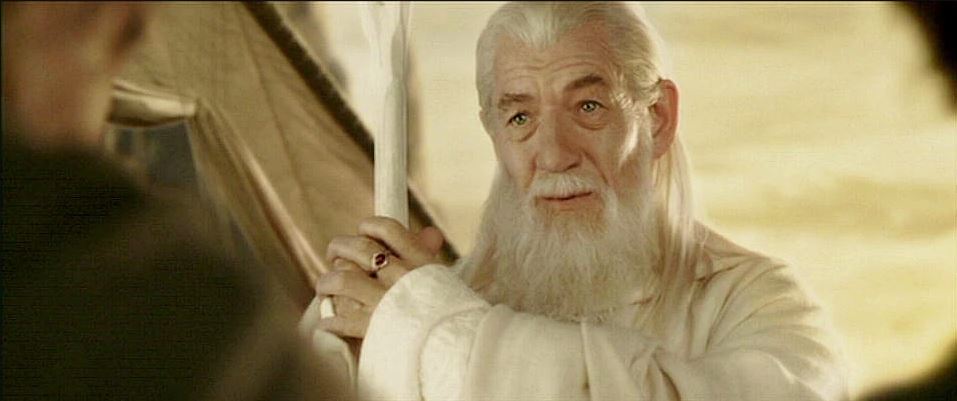
Of course, I couldn’t let a heavy topic like this go by without some sort of geeky reference, so here it is. In The Lord of the Rings, Gandalf was an angelic being known as a maiar.Other powerful figures in the story, such as Saruman and Sauron, were part of this same group. Each of the maiar were at some point apprenticed to one of the valar, much more powerful beings that were effectively gods. In Gandalf’s case, he had served Nienna, the vala whose portfolio was grief and sadness. She continually wept for all the pain in Arda, even for things that had not yet come to pass. It’s thought that the reason Gandalf understood empathy and pity so well was because of this affiliation.

With that in mind, I’m a big proponent of the adage that we should always be kind to people because we never know what war they’re secretly fighting that we know nothing about. Our friends, our family, our co-workers may be going through some seriously emotional stuff, and we may never be aware of it. Perhaps a small kindness from you is what helps someone who is struggling to get through their day. Having been in various states of mourning for more than a year now, I know this to be true.

Yes, it’s easy to be cynical about this, especially with all that is going on around us, and it seems like it’s everyone for themselves. I’ve noticed a quote from Elon Musk that’s been floating around on Twitter these days. There are a few variations, but they all more or less come down to this:

“The fundamental weakness of Western civilization is empathy.”

I’m not sure that I could disagree with this statement more. I think that it’s a lack of empathy that is the root cause of much of our suffering, and the overwhelming majority of our problems. Our worst vices, our inhumanity to each other, all stem from a lack of empathy. So, in a world where we could choose to have more or less of it, I would choose more every time.

I think that’s what makes us fundamentally human.

Thanks for reading.

__________________________________________________

Do me a favor, okay? Subscribe to my newsletter for more news, updates, and information on Sector M’s current and upcoming projects!


Some Thoughts By Firelight

I mentally began the process of writing this blog in my living room when it was lit by just a fire in the fireplace and the lights of our Christmas tree. The combination of those two things turns what is an ordinary space that I see every day into a magical place, full of warmth and love and memory.

You see, there’s a poem in The Lord of the Rings that really resonates with me at this time of the year, especially as I get older. It’s the song that Bilbo sings to Frodo on the eve of the Fellowship leaving Rivendell: I Sit Beside the Fire and Think. Clamavi de Profundis (who I can’t say enough good things about) sang a version of this song as a farewell to Christopher Tolkien when he passed away a few years back. It’s well worth a listen, especially if you’d like to take the musical pulse of where I am I’m currently.

I’ve always thought of the holiday season as a time for self-reflection in addition to making merry. The world is dark and cold (or cold-er when it comes to Texas), the regular rules of work and life are temporarily suspended as we celebrate in defiance of winter. The New Year has not yet come. We don’t know what it has in store for us yet. We hope, we plan, and some make resolutions, but we don’t know how it will turn out. We sometimes wonder what our world will look like this time next year, though life is far too unpredictable for us to know for sure.

So, for my last blog post of 2024, I wanted to express some thoughts that have been rattling around in my head for a while now. I must warn you, however, if you were looking for a feel-good holiday post, this isn’t it. But, if you would like a glimpse into where I am right now emotionally and my state of mind, this is absolutely the post for you.

Still with me? Excellent — let’s get started.

The Year of Mourning

See, I warned you. This first one is a corker. While there were many bright spots to this year, including reconnecting in person with some old friends, making new connections, and getting to higher ground in numerous senses of the word, 2024 will be known to me as a year of loss. In 2024, I leave behind two pets, a cousin, my mentor, many of my illusions, and much of my faith in humanity.

Grief and pain have shadowed my steps for much of the year. I felt as though I had scarcely begun to deal with one crushing emotional blow when another would land. As I’ve said before, I obviously don’t have a monopoly on grief or pain. I know that this has been an incredibly difficult year for many people I know, and when you look at the wider world, it’s been one tragedy after another. So, I’m not trying to claim some special status for what I’m going through; I’m only trying to tell my little slice of the story.

At times like this, I had always looked forward to the New Year in the hope that it would be better. Unfortunately, that is not the case this time. While 2024 has been the Year of Mourning, 2025 is already the Year of Uncertainty.

But again, we make merry in defiance of the cold and dark. This year, I’m making merry in defiance of that uncertainty. It might turn out to be more in the style of an Irish wake, but if that’s the case, so be it.

Fellow-Passengers to the Grave

I recently had a discussion with some co-workers on our favorite Christmas movies. I may be in the minority, but I generally don’t have a single favorite anything. I have favorites, plural, but my tastes might change from day to day on my favorite song, TV show, movie, etc. Still, if I had to pick a lone favorite, it would almost certainly be A Muppet Christmas Carol.

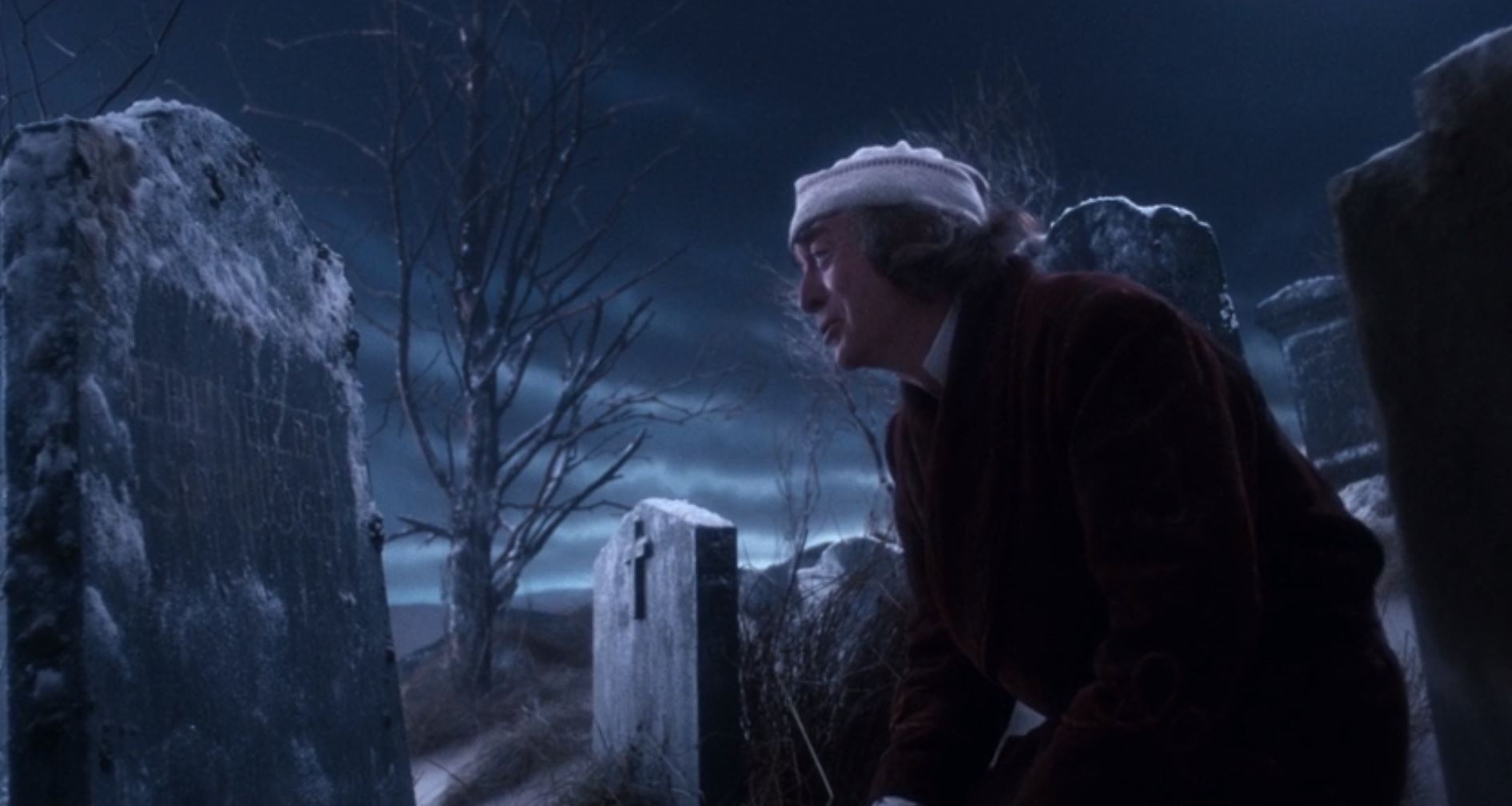
While Dickens’ timeless tale has been retold countless times in various ways, we have an actor of the caliber of Michael Caine playing Ebeneezer Scrooge, and he plays the role absolutely straight. He speaks and reacts to all the Muppets around him as though they were fellow actors in the Royal Shakespearean Company, and it absolutely works. Watching it this year, as I do with pretty much all the classics, I was particularly moved by it.

Part of it is that A Christmas Carol did more in creating the holiday we know as Christmas than any other. Dickens practically redefined the holiday into what it is today through his prose. It’s one of the reasons why the Victorian era looms large when it comes to Christmas traditions, from Christmas trees (first introduced to England by Prince Albert) to carolers and even versions of what would become Santa Claus.

The other part of it is Gonzo’s delivery, in the guise of Dickens himself, of the famous line about “seeing other people as fellow-passengers to the grave.” Grief has a way of making you think of your own mortality. Sickness does as well, and how did yours truly start off his holiday break? By coming down with a particularly nasty case of strep throat, of course, which is only finally starting to subside. Strep can be fatal if left untreated, but thankfully it rarely is now with modern medicine. Plus, I got on it pretty early when it became clear that it wasn’t just seasonal allergies messing with me. I’ve been pretty lucky in that I don’t get seriously ill all that often.

If anything, this bout of illness has forced me to slow down and focus on my health more than I usually do. Thankfully, I have a decent break from work ahead of me to complete my recovery, but I missed a number of things in the meantime that I regret. Even still, I just crossed paths with a bacterial strain that might have ended my journey had I been born in another time, or even if the right medications were not readily available. That has a way of putting a lot of things into perspective.

What’s my takeaway from it? I’m grateful. Grateful for the fact that help and aid were available when I needed them, that I have the time and space to convalesce, but most importantly, I’m grateful for the people I have in my life. My family, my friends, my co-workers, my extended network — all of them. And if you’re reading this blog, dear reader, that now includes you. I’m grateful to be a passenger with you on this journey, even if we know that it will inevitably end.

The Pale Blue Dot     

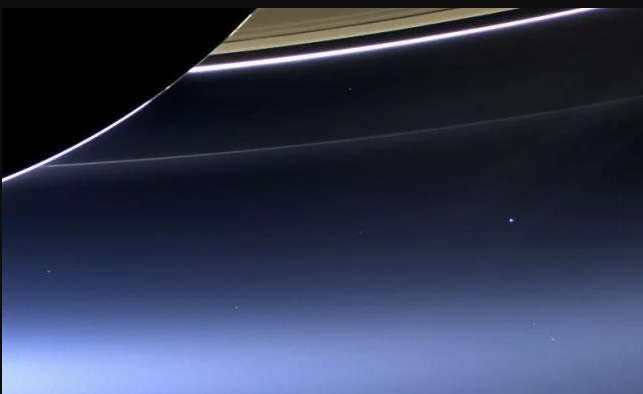
This month marks 28 years since America lost one of its greatest minds: Carl Sagan. I’m firmly convinced that if more of us could see the world in the way that he did, we would all be better off. Yet, a mind and a perspective like his are sadly rare. Though the man himself is gone, he left behind an incredible body of work, including his famous “Pale Blue Dot” speech.

If you’ve never heard it, I’ll link it here. It is, in my opinion, one of the most poignant speeches ever given. It puts things in perspective in a way that I’ve never encountered before or since. One of the lines that really speaks to me is this one: “Our planet is a lonely speck in the great enveloping cosmic dark. In our obscurity, in all this vastness, there is no hint that help will come from elsewhere to save us from ourselves.”

As I said earlier, I’ve lost much of my faith in humanity this year, and I’m not sure when, or even if, I will get that back. I hope I do, as I feel that I am a humanist at my core. The pronouncement that we, as a species, are in charge of saving ourselves, however, doesn’t sound all that comforting to me at the moment.

Deep in my geeky heart of hearts, I want humanity to achieve the kind of high-minded ideals that the Federation stands for in Star Trek. But I also realize that even in that continuity, humanity had to go through some pretty dark days before it finally got its act together and made the world a better place. Maybe that’s where we are now.

Maybe.

As he closes the speech, Sagan says, “To me, it underscores our responsibility to deal more kindly with one another, and to preserve and cherish the pale blue dot, the only home we’ve ever known.”

Strangely, this sentiment also echoes the long-held and oft-quoted Christmas sentiment of “peace on Earth and good will towards men.” Lately, it seems we’ve had a lack of both of those things. To my fellow Earthlings, let’s do something about that, okay?

Gandalf’s Wisdom

This year, I introduced my young son to the Peter Jackson Lord of the Rings films. While he struggled with sitting through 3+ hour movies, he did enjoy them. He felt the emotional highs and lows just as I did. While the entire cast is famously, almost absurdly, talented, I really have to hand it to Sir Ian McKellan in his role as Gandalf the Grey/White. He really delivers on one of my favorite fictional characters of all time.

Gandalf is one of the great mentor characters, up there with the best of the best, the likes of Merlin, Alpha Trion, Morpheus, and Obi-Wan Kenobi. As an immortal maiar, an angelic being, Gandalf has been around since before Middle-Earth existed. So, Gandalf is extremely old and wise. He’s also quick to give the protagonists under his care an inspiring quote just when they need it most.

Trust me when I say, that we all could use such a quote right about now to lift our spirits or show us the folly of our ways. But as Gandalf stubbornly stays in the realm of fiction, and most definitely not in the real world, we have to content ourselves with the various portrayals of him in the books and in adaptations of those books. I’m drawn to three quotes in particular. For LOTR fans, these may seem like low-hanging fruit, but they are three that live rent-free in my brain right now:

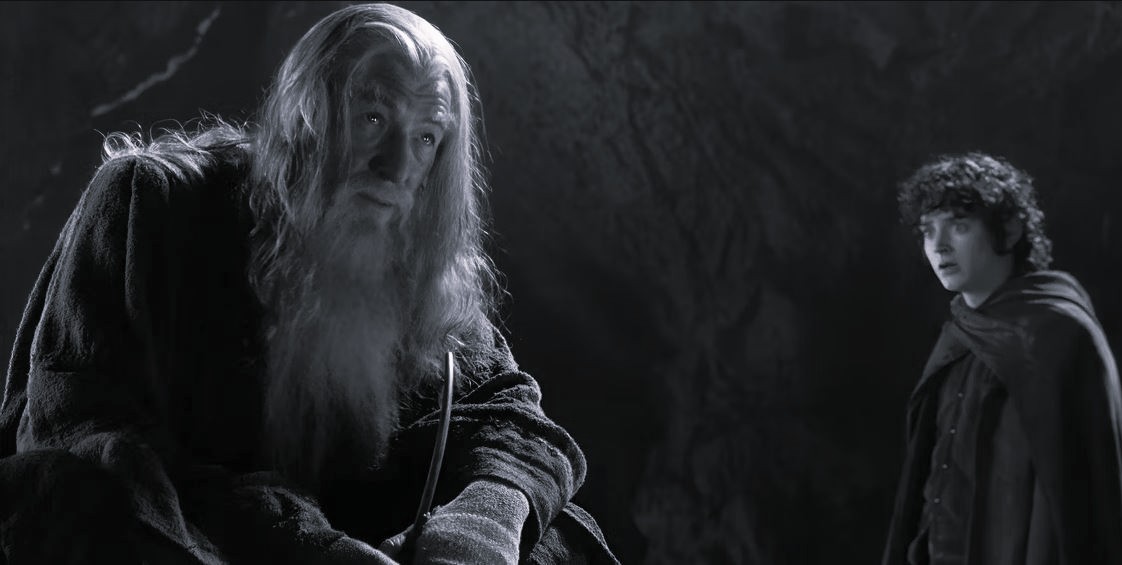
  • Frodo: I wish the ring had never come to me. I wish none of this had happened. Gandalf: So do all who live to see such times, but that is not for them to decide. All we have to decide is what to do with the time that is given to us.

This one is pretty self-explanatory, and one of the most famous. The moment in the movie when Frodo stands on the banks of the Anduin, contemplating his plight, and he hears this quote again gets me every time.

  • Gandalf: Pity? It was pity that stayed Bilbo’s hand. Many that live deserve death, and some that die deserve life. Can you give it to them, Frodo? Do not be too eager to deal out death and judgment. Even the very wise cannot see all ends.

I think what calls to me about this quote stems from some of the deep-lore surrounding Gandalf himself. He was once a servant of Nienna, the Valar (one of the gods of Middle-Earth for those not familiar with the term) who understood sadness and grief in the most profound way. She mourned the destruction and sorrow that existed in the world, often before it had even happened. Because of this connection to grief, she was also a being who appreciated compassion and pity beyond all others. Gandalf is often cited as the wisest of the maiar. I suppose that is why I have always associated wisdom with compassion and empathy.

  • Gandalf: Saruman believes that only great power can hold evil in check, but that is not what I have found. I’ve found it is the small things — the everyday deeds of ordinary folk — that keeps the darkness at bay, simple acts of kindness and love. Why Bilbo Baggins? Perhaps it’s because I’m afraid, and he gives me courage.

To some degree, I feel this speaks to my relationship with my son. He’s a deep thinker, and feels all the doubts and apprehensions that this implies. But, ultimately, he is an optimist, and sometimes surprises me with his insight that seems far beyond his short years. Even though I can at times feel hopeless, he gives me the courage to keep going.

Final Thoughts

It’s been a rough year for me all right, personally, professionally, and creatively. I am not looking forward to writing the State of the Sector Address for this year, simply because I had so many misses and so little to show for the past twelve months.

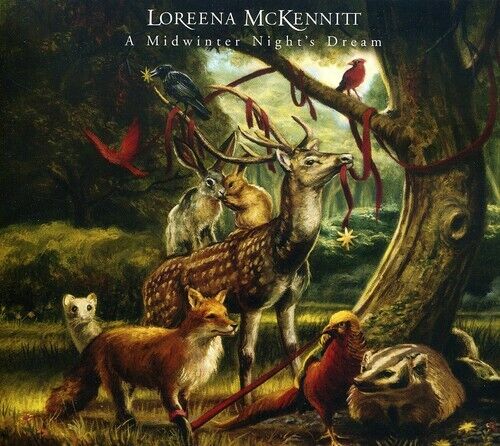
Despite the somber tone of this blog post, I don’t want to end it on a down note, truly. So, how do I strike a delicate balance between a meaningful Christmas message and the not-so-holly-jolly state of mind that I’m in now? Simple, I’ll refer you to Loreena McKennitt’s A Midwinter Night’s Dream album. Her versions of some well-known Christmas classics are introspective, even a little melancholic, without being depressing or nihilistic. And that’s pretty much me right now.

In particular, I would recommend The Holly and the Ivy, God Rest Ye Merry Gentlemen, Emmanuel, and Snow, though there is not a bad track on the whole album. Even if Christmas is not your thing, or even part of your belief system, they are beautiful expressions of music that I highly recommend.

And that’s where I will leave things for 2024. It’s a year that I’m glad to leave behind, but one you can be damned sure I won’t ever forget. It has left its mark on me. But as my father is so fond of saying, “Experience is what you get when you didn’t get what you really wanted.”

Despite my reticence to approach the State of the Sector Address this year, I will be moving forward with it, regardless. I know my delivery dates for blog posts have gotten a bit unpredictable of late, but my plan is to post it on the Friday of the first full week of January, so January 10. Watch for it then.

In the meantime, I wish all of you out there, along with your families and friends, a holiday season filled with light, joy, and hope.

Thanks for reading, and take care out there.

__________________________________________________

Do me a favor, okay? Subscribe to my newsletter for more news, updates, and information on Sector M’s current and upcoming projects!


Of Santa Claus, Aragorn, and Inevitable Partings

Folks, I have to say upfront that is a blog post I had hoped I wouldn’t have to write for many more years to come. Back in 2020, I wrote a post about my godmother when she passed away that talked about what a genuinely cool person she was and how she facilitated my interest in Transformers. A few weeks ago, her beloved husband, my godfather Jim, joined her in the great beyond. My earlier blog served as a sort of eulogy for her, which helped me come to terms with her loss; this one is in remembrance of him, which I hope will serve in a similar capacity.

“Here at last, on the shores of the sea, comes the end of our fellowship.”

Like with my godmother, it’s tough to really express how much an influence he was on my life. Growing up, it was like having a third grandfather. Functionally, that’s what he was, though we weren’t blood related. My godparents took me into their lives at such an early age that I don’t remember it. They have simply always been there.

So, yeah, I’m in that phase of grief where I’m trying to understand a world that doesn’t have Jim in it. He remains one of the smartest and wisest people I’ve ever known. He served as my lifelong mentor, my moral compass, and so much more. Like my godmother, he was a pretty interesting person. He was a builder and an engineer, a natural leader, a teacher, an orator, and SCUBA instructor. In fact, when I learned how to dive, he was the one who taught me — just one of the many life skills he imparted to me over the years.

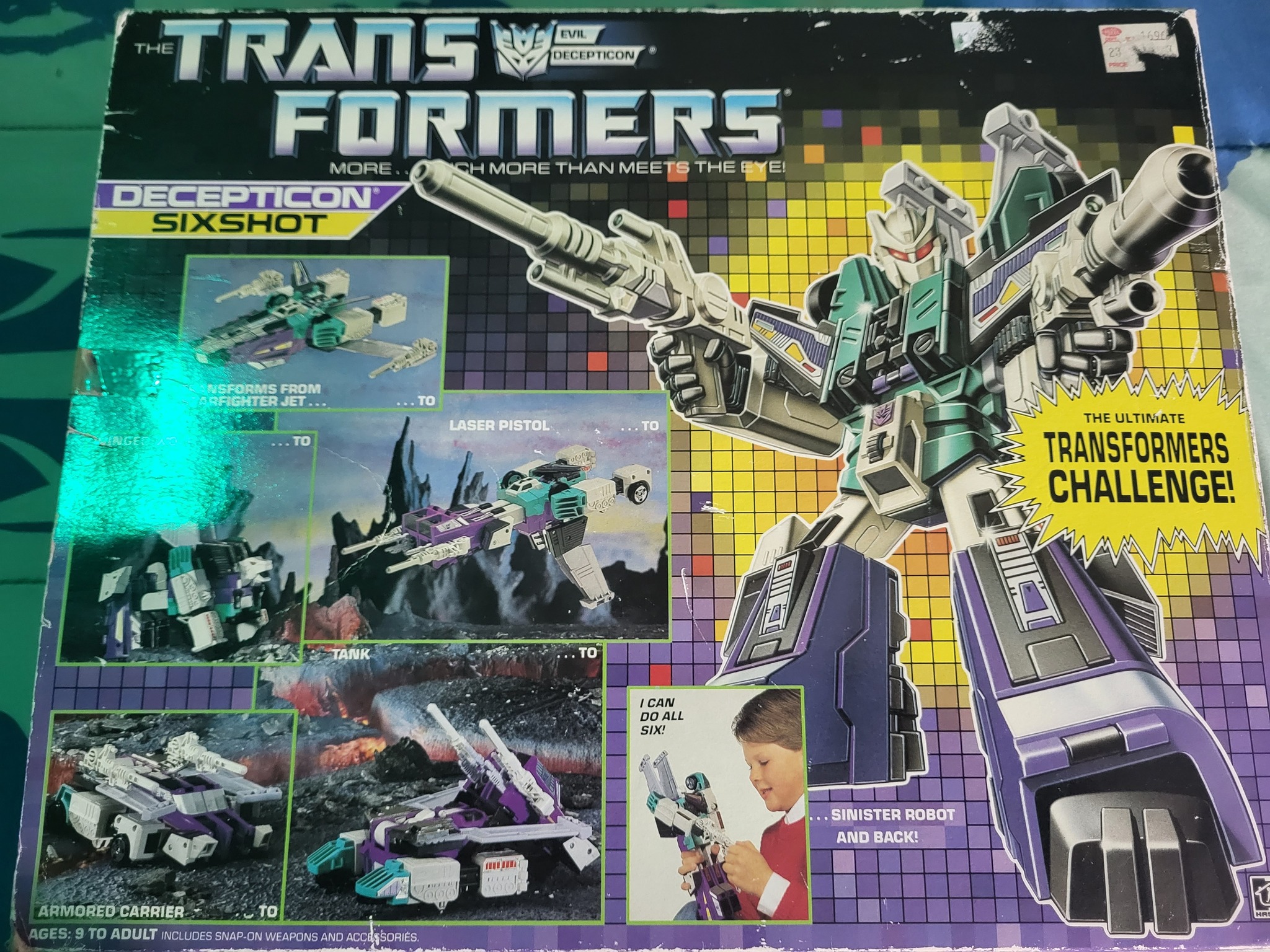
Also like my godmother, he helped fuel my interest in Transformers. He was responsible for many of the bigger sets that I received over the years, including Omega Supreme, Jetfire, Megatron, Metroplex, and (most notably) Sixshot, which he got me for my birthday.

I don’t have the box anymore, but this is what it looked like.

His job often took him to Dallas, where he would scour the various Toys R’ Us stores in search of toys for me. He didn’t stop at Transformers, either. Other toy lines like M.A.S.K., Starriors, and Voltron were among the ones he found for me. I’m lucky enough to have kept many of those gifts from him, which are even now on shelves in my office as I write these words.

Of Santa Claus and Child-Like Wonder

On the subject of gifts, this was the man that I literally thought was Santa Claus when I was a young child. He used to tell me in passing that he was secretly Santa, and I thought he was joking. Jim had lost part of his right index finger in an accident years before I was born. This detail will be important momentarily.

Well, when I was about three or four, my godmother took me to see Santa just a few weeks before Christmas. When it was finally my turn to approach, Santa greeted me by name. That seemed pretty on brand for Santa, keeping in mind that I didn’t think this was just a guy in a suit, I thought this was the Santa Claus I was going to see. He seemed to know all about me, which also seemed to track.

It was only when I looked down at his hand that realized I that Santa was also missing that part of his index finger. It all clicked in my mind. I had my “Wait, you ARE Santa!” moment. From that point until one of my cousins (I won’t say which one) spoiled the whole Santa-isn’t-real deal for me a few years later, I was convinced I actually knew Santa personally.

Even though his persona as Santa eventually faded into the background, my esteem for him forever remained at that level.

Of Aragorn and the Halls of Mandos

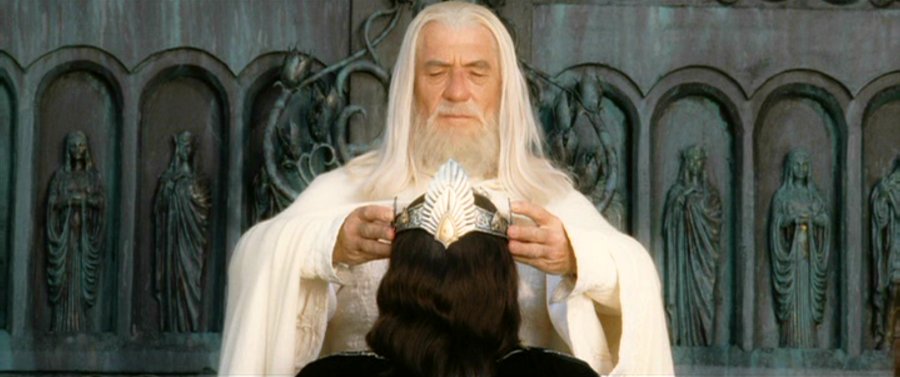
A few months ago, I wrote a post about fantasy Dwarves and why I think they are so cool. In it, I mentioned the group Clamavi de Profundis, who have perfected the art of the Dwarven Song. They have adapted many of Professor Tolkien’s poems into songs. This also includes Aragorn’s Coronation song that we hear at the end of Peter Jackson’s Return of the King.

…tenn’ Ambar-metta.

They start with the poem itself, but after the first recitation, a young woman’s voice sings the “All That Is Gold” poem in Tolkien Elvish that’s both beautiful and haunting, sounding like something right out of a Howard Shore score. Then, we get a reprise of the coronation poem, only this time other voices raise up to join the main voice. If you watch the video, it is implied that these are Aragorn’s forebears, his ancestors becoming a chorus to own Aragorn’s recitation, as though they were lending the newly crowned King Elessar some of their strength from beyond the veil of death. 

I listened to this song after I found out that Jim was gone, and it really affected me. It took a few days to recognize this catharsis when it came, but I think I have an understanding of it now. To some degree, what was true of Aragorn in that song is true is true of Jim and me now. I won’t get into the existence or non-existence of an afterlife here, but regardless of the metaphysics involved, part of Jim’s legacy includes all the life lessons that he taught me, the wisdom that he imparted. In a very real sense, I am the man I am today because of him. Those lessons echo now in the present.

Like I said, he was a teacher. Since he is no longer here to guide me on my life’s journey, I must continue to put into practice the principles and philosophy that he gave me. What remains now is to see if I can uphold them with as much vigor and character as Jim did. It’s a tough act to follow, let me tell you.

While I would have loved to have him around for much longer, the truth is that no amount of time would have been enough. I would always have wanted more. And though it is hard to accept, I must content myself with the time we did have together. If that last bit reminds you a bit of Gandalf’s “So do all who live to see such times” speech in Fellowship of the Ring, it’s not a mistake. Right now I’m living the part about deciding what to do with the time that is given to you.

Of Inevitable Partings

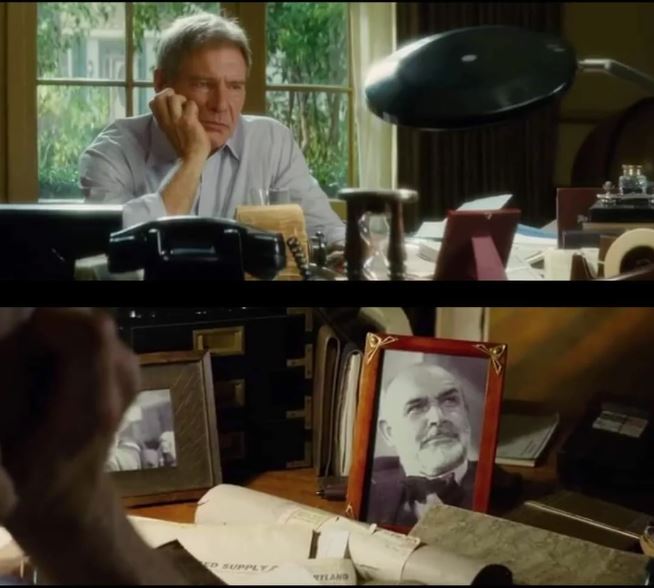
While I did not care very much for Indiana Jones and the Kingdom of the Crystal Skull, there was one scene that really spoke to me. Indy sits down at his desk while packing for his next adventure. He stares at a one photo of his father, Henry Jones Senior, and and another of his long-time friend, Marcus Brody. His friend, Charles Standforth (played by the wonderful Jim Broadbent), says, “We seem to have reached the age where life stops giving us things and starts taking them away.”

Now I’ve reached the age where the titans of my youth have started to fade away. We are all subject to the inescapable march of time. It is our fate to eventually say good-bye to everyone around us, or they to us. The inevitability of these partings does little to prepare us when they happen, though. I knew that Jim would, someday, be gone, but I’m struggling with just how much his loss affects me now that the day in question has finally arrived.

Now it’s not some dim and distant theoretical future. Look, I certainly don’t have a monopoly on grief. We all have to go through this at some point in our lives. But I’ll be damned if it isn’t an emotional gut-punch each and every time. It sucks, and the only way forward with grief is through.

But I suppose that is the price we pay for loving others, isn’t it? If we didn’t care, there would be no pain at times like this. As much as the grief I feel now weighs upon me, as much as it feels like there’s a hole in my heart, if I must now endure these dark days to have enjoyed so many years previously with Jim in my life, then so be it.

Final Thoughts

“White shores, and beyond, a far green country under a swift sunrise.”

Whether for good or for ill, 2024 will go down as a year of transition for me on many levels. Some of this change has been welcome, though not without its own challenges. Other parts of it, like this loss and others, have been devastating. They’ve definitely left their mark on me.

Circling back to Gandalf for a moment, at the parting of the Grey Havens, he tells the assembled hobbits, “I will not say: do not weep; for not all tears are an evil.” I have to keep reminding myself of that fact.

This just serves to underscore that we should be present for each other in the time we do have together. In the hustle and bustle of daily life we can often lose sight of that fact. I know that happens to me, but the truth is life is temporary, impermanent, a limited-time engagement, so enjoy it.

If you love someone in your life, tell that them — often. Keep on telling them that. If it’s been a while since you’ve connected with someone you care about, reach out to them. If there’s a grudge you can let go of, do it. I guess what I’m trying to say is this: Life is short, so love with all your heart.

True, one of these days, we’ll have to say that final good-bye, but that time has not yet come. So, let’s make the most of it until then, okay?

Thanks for reading.

__________________________________________________

Do me a favor, okay? Subscribe to my newsletter for more news, updates, and information on Sector M’s current and upcoming projects!