Tag Archives: movies

I’m Thankful for Monty Python  

Back in September, I had the pleasure of seeing Monty Python and the Holy Grail at the Majestic Theatre in downtown Dallas for its 50th anniversary. The folks in attendance were some of the biggest fans you could imagine, and we had a guest host: none other than John Cleese himself.

This was part of Cleese’s “I’m Not Dead Yet” tour. He came out on stage before the movie played and talked about what led up to it. One tidbit that he shared is that the Python crew wrote the original screenplay, then tossed around 90% of it into the bin. The remaining 10%? The scene at the very beginning of the movie about the coconuts, which was written by Michael Palin. Considering the movie that they delivered, I can only imagine what was in the original version.

After the movie, Cleese came out again and answered questions in bunny slippers. While he was talking, he mentioned that Dallas is particularly special to him because this was where Python first found a toehold in the United States. That got me to thinking about how Python has influenced my life (and certainly my sense of humor) over the years, let’s take a look, shall we?

The KERA Connection

I was very lucky to have PBS in my life growing up. Sesame Street, Electric Company, and 3-2-1 Contact (especially the Bloodhound Gang) were staples of my early years. The Dallas PBS affiliate, KERA, was the one who first aired episodes of Monty Python’s Flying Circus in the ‘70s, due in large part to KERA’s Program Director, Ron Devillier.
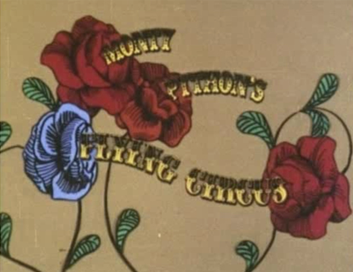
It’s…

This led to more British television making the jump across the Atlantic, including: Fawlty Towers, Are You Being Served?, Keeping Up Appearances, Black Adder, Yes, Minister, Absolutely Fabulous, Dad’s Army, and the list goes on.

I watched all of those growing up, not to mention Doctor Who. These shows had seemingly always been there. I didn’t realize how close it came to not happening at all. But happen it did, and Monty Python was the king of the hill in my estimation. When my dad introduced me to Holy Grail at age seven, I was an immediate fan. While I was too young to get many of the jokes, the farcical nature, like King Arthur riding around on an imaginary horse to the sound of coconuts banging together, was not lost on me.
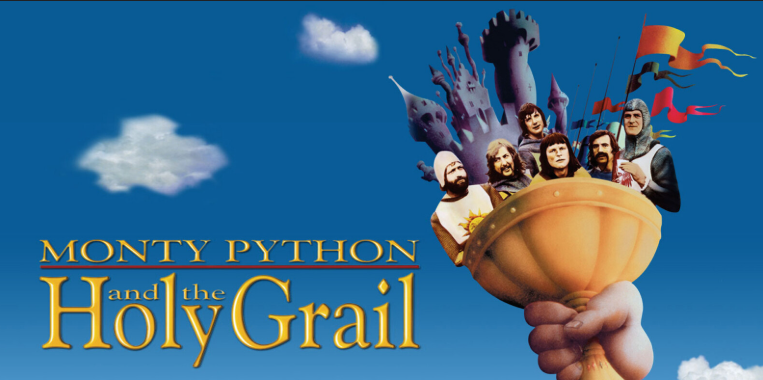
I didn’t like the ending back then, and that hasn’t changed over the years. One of the first pieces of fan fiction I ever created was about Arthur, Bedivere, and Lancelot breaking out of police custody, giving the bobbies the slip, and circling back to Castle Aaaaaaargggh to defeat the French and finally retrieve the Holy Grail at last. I even had God open his animated cloud window again to give Arthur an attaboy for pulling it off…in an appropriately snarky tone, of course.

When I showed Holy Grail to my youngest son, I was delighted to see that he found it hilarious, but he also hated the ending. Like father like son, though we did try to warn him.

Theatre of the Absurd

One of my favorite sketches in Flying Circus is the courtroom scene in episode #3. It starts with Eric Idle giving an impassioned speech about freedom over a minor parking violation. After a rambling diatribe by Graham Chapman in drag, John Cleese as a barrister calls a (virtually) dead man in a coffin as a witness. That goes about as well as you might expect. 

Not to be outdone, he then calls Cardinal Richelieu, played by Michael Palin, as a character witness. After a few questions, Graham Chapman bursts back onto the scene as a Scotland Yard Inspector named Dim. The inspector correctly deduces that the witness is not the real Cardinal Richelieu, who died in 1642. He is, in fact, Ron Higgins, a professional Cardinal Richelieu impersonator.
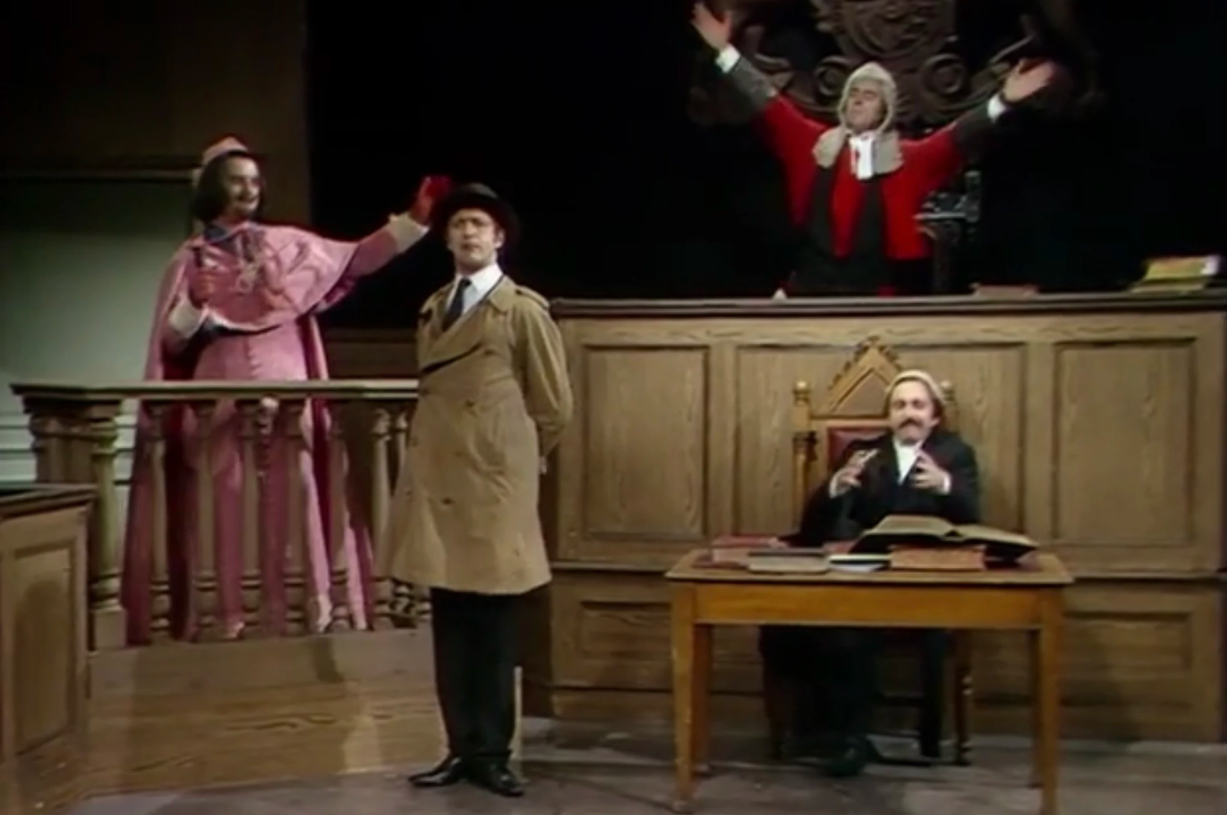
“Curse you, Dim. You are far too clever for us naughty people.”

At that point, Inspector Dim starts to sing a song that says that if he were not with the CID, he would have been a window cleaner. The entire courtroom erupts into song, including Terry Jones as the judge who wears the long, traditional wig. The final cherry on top is what happens next.

Once Dim’s song concludes, John Cleese’s barrister begins his own song about being a train engine driver. It doesn’t last very long as suddenly everyone in the courtroom looks at him as though the previous song had never happened, like he had burst into song in the middle of actual court proceedings. Embarrassed, the barristers sits down, and a knight in full plate armor sits next to him, who then clonks Cleese on the head with a chicken.

Genius.
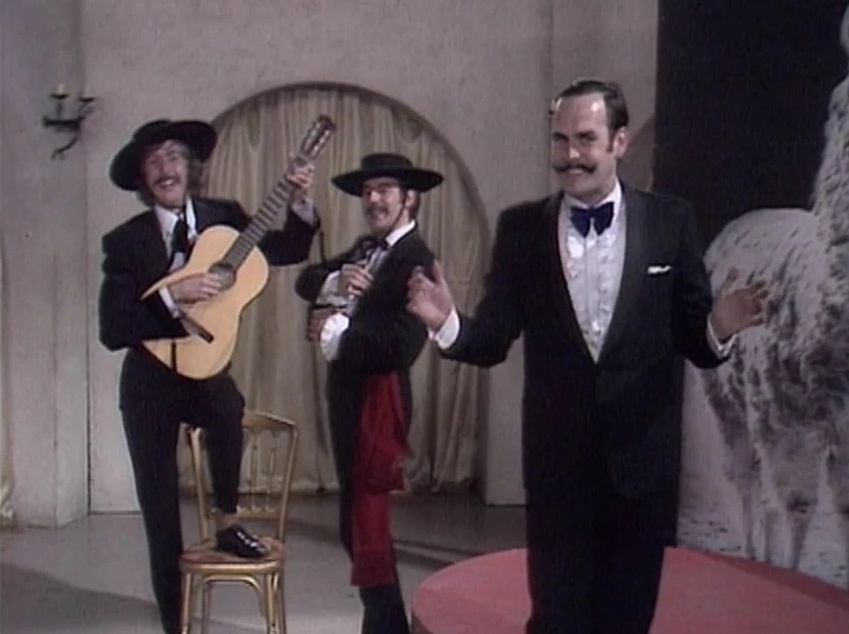
“Las llamas son más grandes que las ranas.”

The sketch takes the relative normality of a courtroom and turns it on its head in at least seven different ways. This sketch is a microcosm for what I love and appreciate about Python: their ability to play something absolutely straight while the actual substance of the situation is utterly absurd.

Another example is the Crocodile sketch. Eric Idle delivers the news while reporting on the Olympic sport, the Men’s Being Eaten By a Crocodile. The sport involves a sixty-yard sprint to a pit of crocodiles to then be the first one eaten. To me, one of the best lines is about the coach: “Duke’s trained every British team since 1928. It’s his blend of gymnastic know-how, reptilian expertise, and culinary skill that’s turn many an unappetizing novice into a crocodillic banquet.”

*Chef’s Kiss*

Essays in Escalation

Of course, Python is renowned for their ability to continually escalate a normal-seeming situation into the stratosphere. The one people are probably the most familiar with is the Parrot sketch. While that is a classic to be sure, here are three of my favorite examples of this escalation at work:
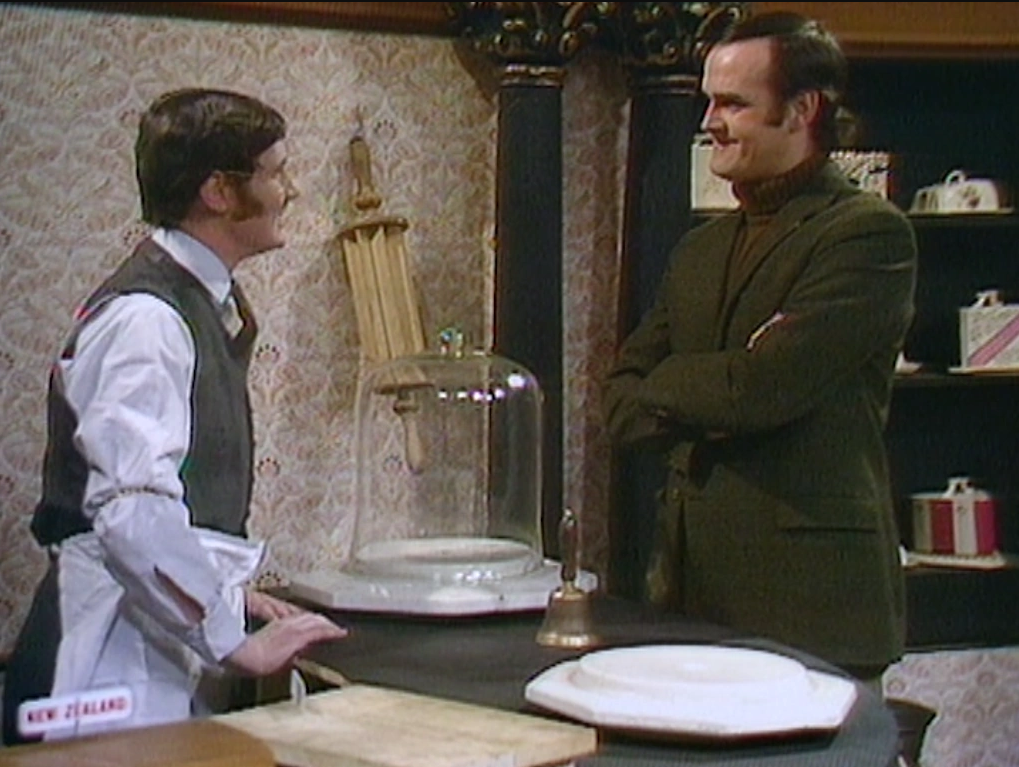
“It was an act purist optimism to pose the question in the first place.”

The Cheese Shop: John Cleese walks into a cheese shop run by Michael Palin. Cleese begins asking for various types of cheese, running through an impressive catalog of cheese names. Each time, Palin says that they are either out of that kind, they don’t carry it, or that the cat’s eaten it. Palin eventually admits that he doesn’t have any cheese in his cheese shop and that he was deliberately wasting Cleese’s time. Then Cleese shoots him.

The Argument: Cleese and Palin are at it again as Palin goes into an office to buy an argument. This sketch goes back and forth, exploring what an argument is supposed to be as they literally argue about whether they are having an argument or not. Cleese eventually concedes that he could be “arguing in his spare time.” Brilliant.
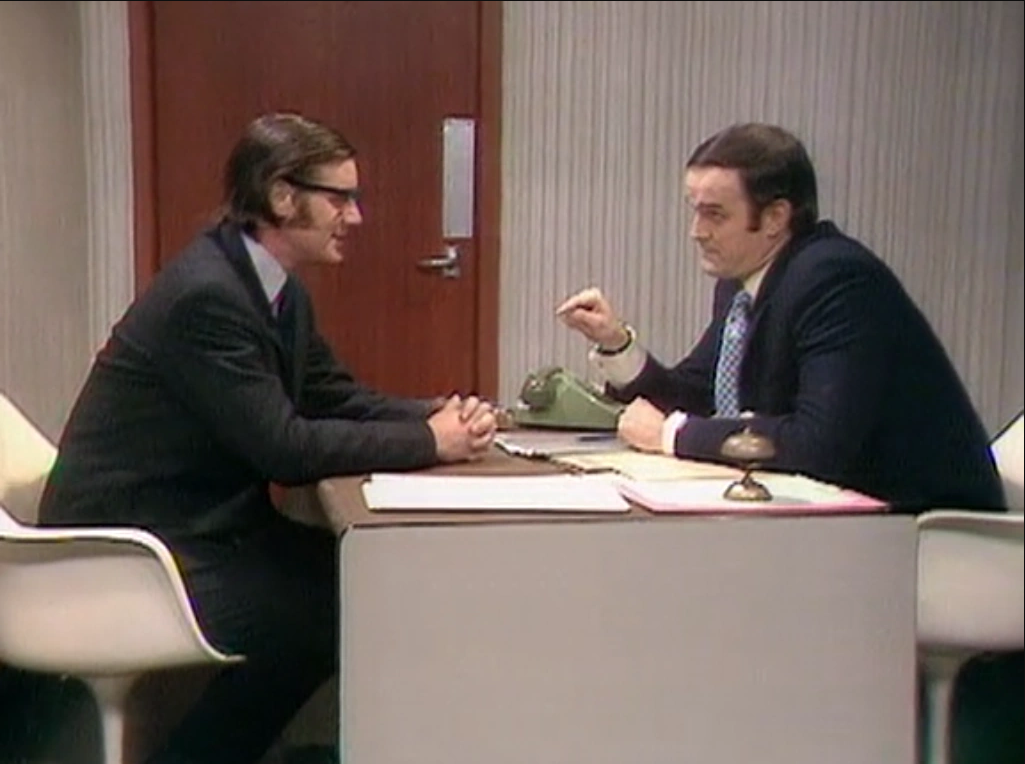
“Is this the right room to have an argument?”

The Bookshop: Perhaps my favorite, this time Cleese is on the receiving end as a long-suffering bookstore owner. As the annoying customer (who has been played by various actors over the years) continually asks for increasingly obscure book titles, Cleese begins to unravel. The bookshop owner begins tearing pages out of books to satisfy the customer, even offering to by it for them when it turns out the customer has no money, checks, or even a bank account. In a final escalation, the customer can’t actually read. So, Cleese sits them down and starts reading to them.

All of these scenarios are master classes in comedic escalation, and definitely form the backbone of how I approach humor in my own writing.

Romans Go Home

There’s a scene in Life of Brian where Graham Chapman’s titular character paints “Romans Go Home” on a building in Latin. He’s caught in the act by a centurion played by John Cleese. Cleese immediately corrects his grammar, and forces Brian to write “Romans Go Home” many times until he finally gets the verb forms and agreements correct. While I’ve always found this part funny, it’s a lot funnier since I studied Latin in college. It underscores the fact that Monty Python’s brand of humor comes from an understanding of history, classics, economics, art, philosophy, and social awkwardness.
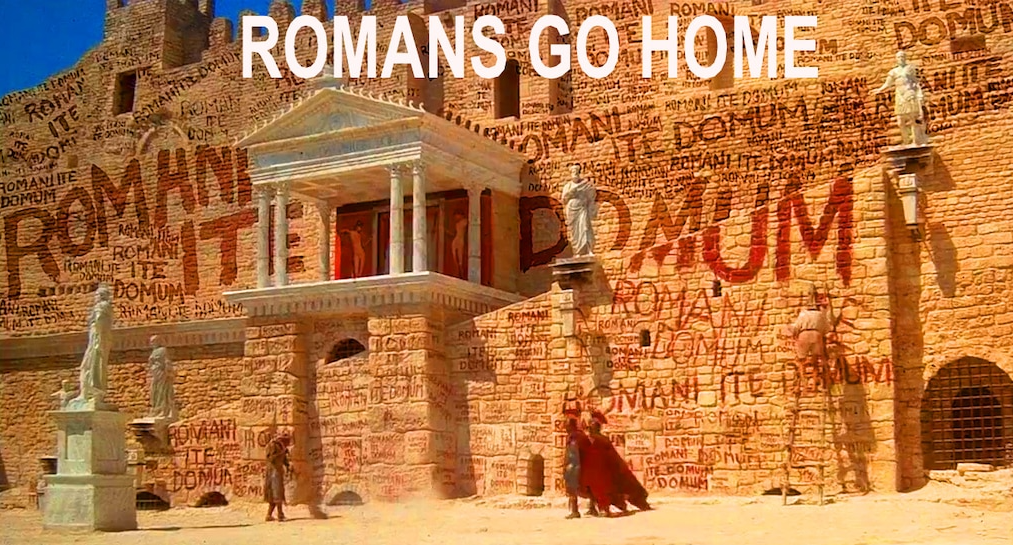
“But ‘Romans go home’ is an order, so you must the…” “The…imperative!”

Those are all hallmarks of British comedy in general, but Python really brought that to the forefront in almost every sketch, scene, and movie. The scene with Dennis in Holy Grail is another sterling example of this. Arthur just wants to know who lives in a castle in the distance, but instead is given a socio-political lecture by a peasant who calls out the obvious flaw in the Excalibur/Lady of the Lake story. It gives us the immortal line: “Listen, strange women lying in ponds distributing swords is no basis for a system of government!”
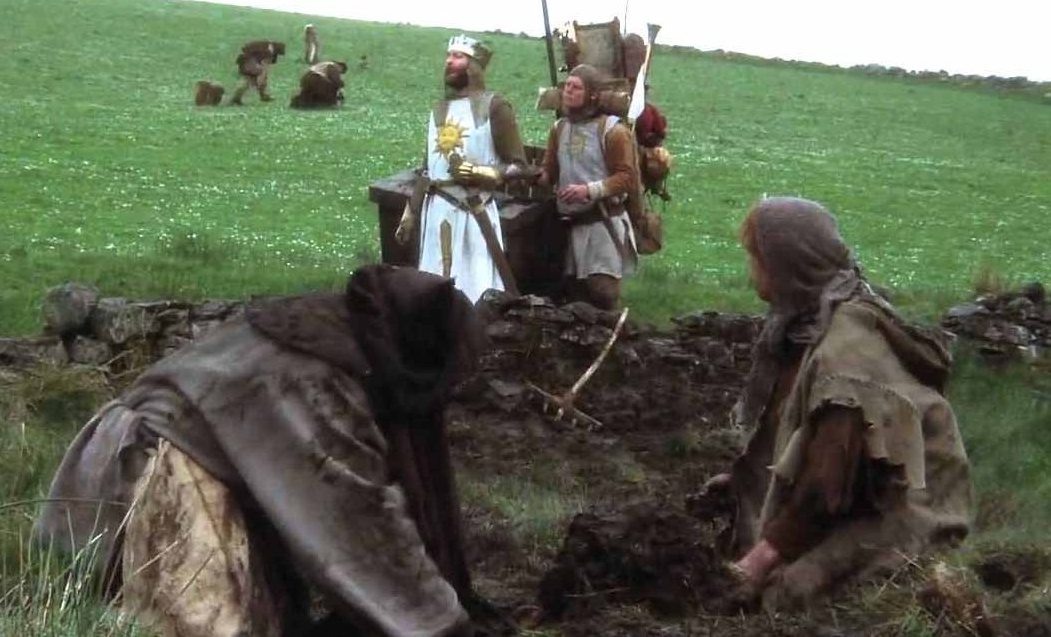
“You don’t vote for kings!”

I’ve always found British comedy way more cerebral and thoughtful than its American counterpart. Don’t worry, I’m not going full Anglophile here, I’m just saying that British humor relies on more than just a surface level understanding of the circumstances and situation, and that appeals to me. To illustrate this contrast in approaches between the two, here’s a commercial that John Cleese starred in for Schweppes Ginger Ale in the ‘90s. You’ll see what I mean.

Final Thoughts
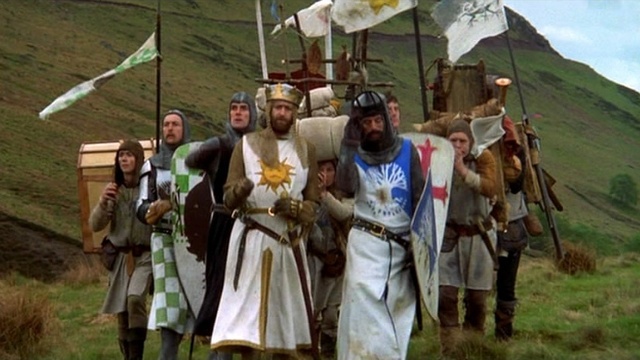
“This new learning amazes me, Sir Bedivere. Explain again how sheep’s bladders may be employed to prevent earthquakes.”

I’m thankful for having been exposed to Monty Python at such a young age, and I appreciate both KERA for hosting it and my dad for being such a fan already. Of course, no recitation of gratitude would be complete without a Texas-sized thank you to the members of Monty Python itself. So, to John Cleese, Michael Palin, Eric Idle, Terry Gilliam, and both the late greats Terry Jones and Graham Chapman.

Now that my son has seen it, it has become a triple generational thing. If he starts a family of his own, I hope it’s something he’ll pass on yet again. And that’s the thing about British Humor and Python in particular: It gets funnier every time I see it. I appreciate them for their wordplay, biting political commentary, classical and historical references, and audacity to challenge social norms in ways that no one expects.
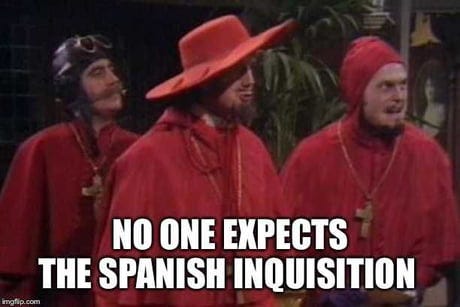
“Our chief weapon is surprise…”

See? No one ever expects it.

We have one more blog post coming up for December, so stay tuned for that. And, if you like what we do here, consider joining the Sector M Patreon. In any case, please stay safe on your travels for Thanksgiving, pace yourself, and take plenty of naps. Thanks for reading!


The Ups & Downs of Alien: Earth

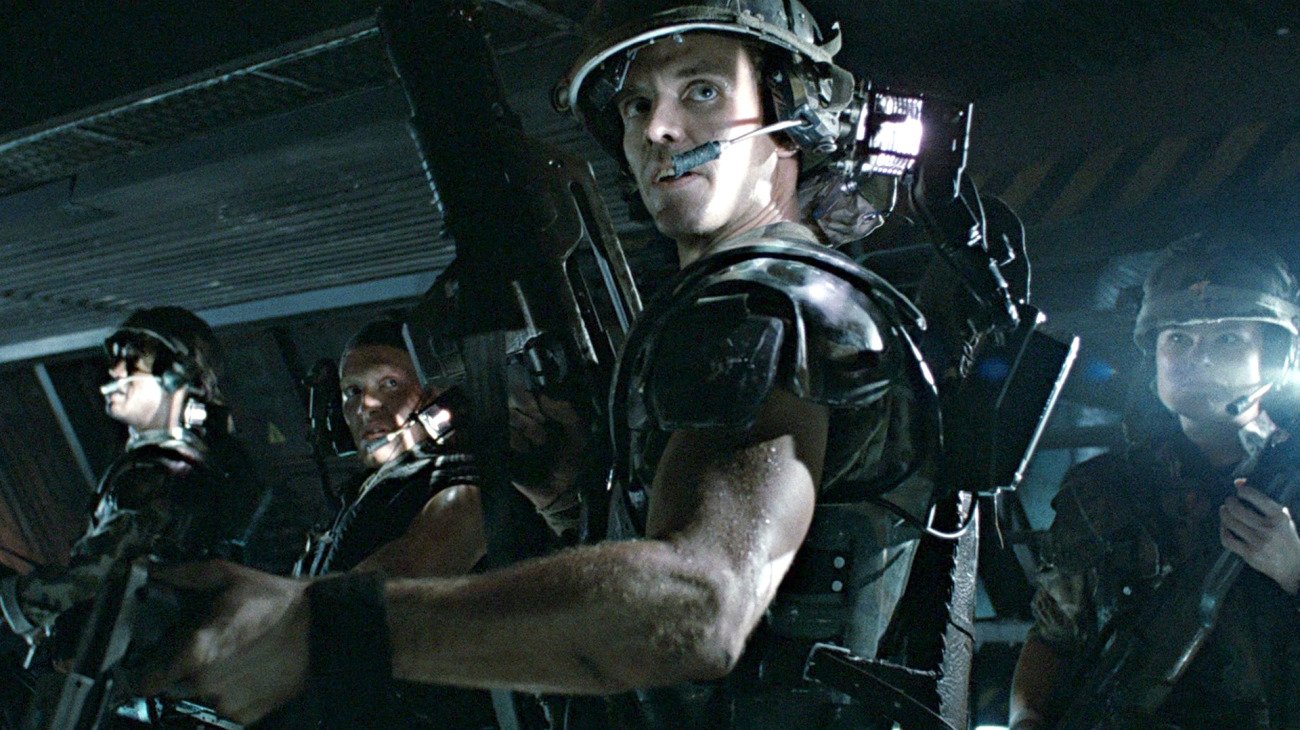
My first brush with the Alien franchise was to see Aliens on VHS when I was a kid. I still believe that it’s one of the greatest action movies of all time. It definitely put its stamp on military science fiction, that’s for sure. Only after seeing the sequel did I go back to the original Alien, which delivered on the horror and suspense incredibly well, and it gets better each time I see it.  

These were two movies of very different genres, each helmed by visionary directors at the top of their game. They both had the disturbing body horror and existential dread that came from the xenomorphs.

Aliens 3 came out, and I did not care for it. (Killing off Hicks and Newt in the opening moments of the movie was unforgivable.) Alien: Resurrection didn’t quite do the job either. The Alien vs. Predator series came and went. I watched them, and while it was cool to see Predators and Aliens in the same movie, the whole thing just rang hollow. For me, I’ve been chasing the high of those first two movies for so long.

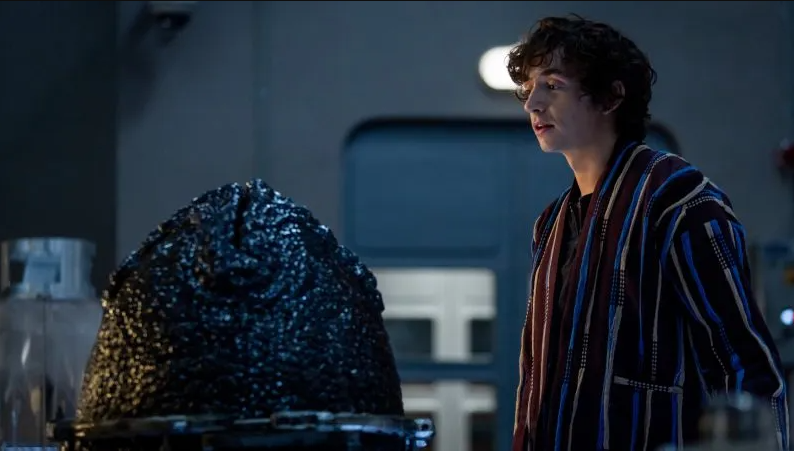
Prometheus kinda sorta got us back there. It certainly delivered on the mystery and dread, but the story had some…issues, shall we say. I did not see Alien: Covenant, and from all accounts, I can be glad of that. I may still see Alien: Romulus at some point, but it’s not necessarily at the top of my watchlist.

All that was to give you a starting point of where I was when Alien: Earth began to air — essentially on a downward trend with occasional ups here and there. Strangely enough, this new series on Hulu became something of a microcosm for my fandom of the whole. That is, a great start that begins to stair-step downward with occasional up spikes here and there. It should go without saying (though I’ll say it anyway) that there will be major spoilers for Alien: Earth here. Consider yourself warned.

The Ups were Upping

I want to give credit where credit is due. First, this series looks gorgeous, from its cinematography to its set design. The production values on this show don’t look like they are from a streaming show at all. It feels like we just got a series of Alien movies with Season 1 that are highly rewatchable for the details.

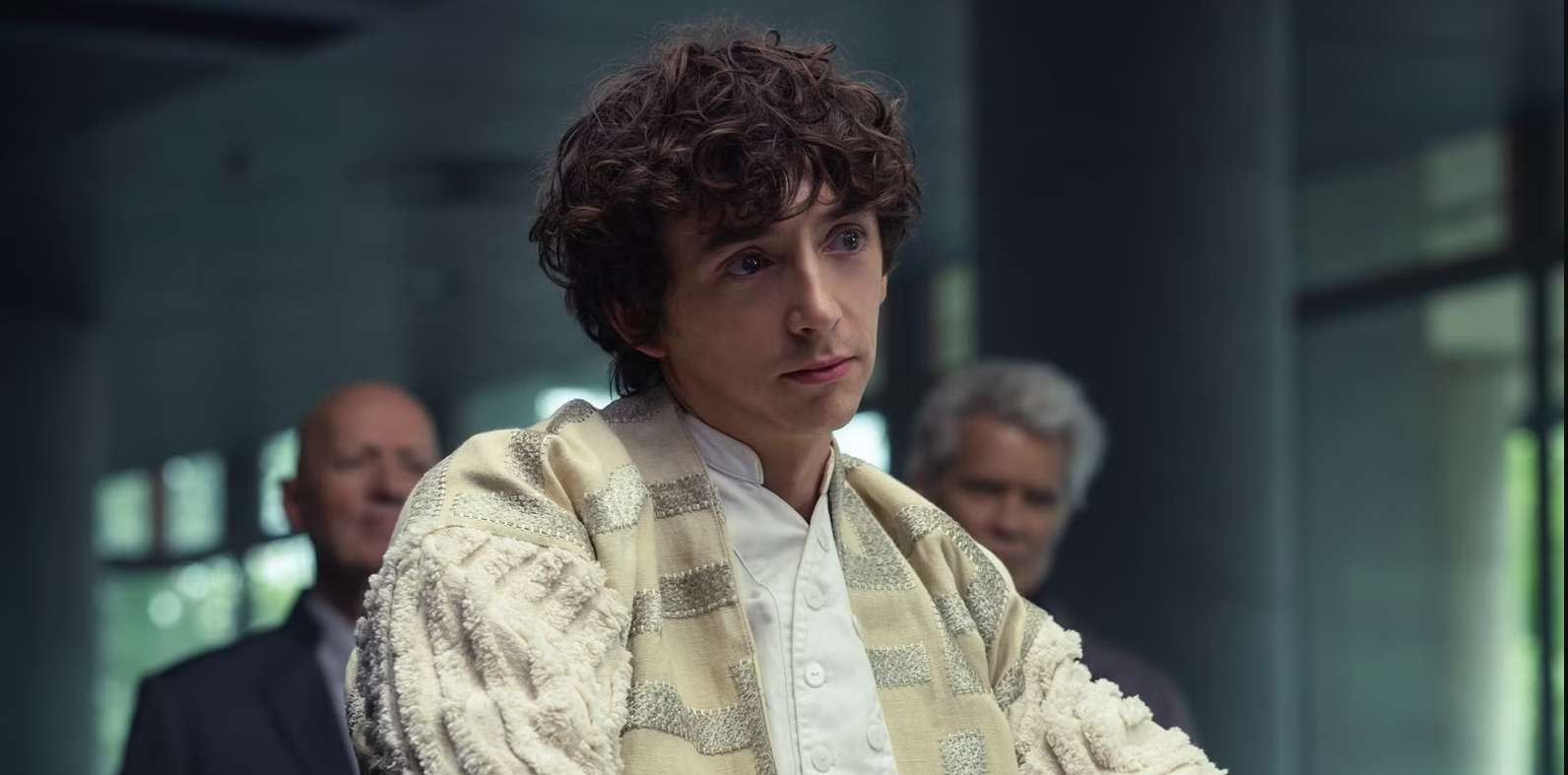
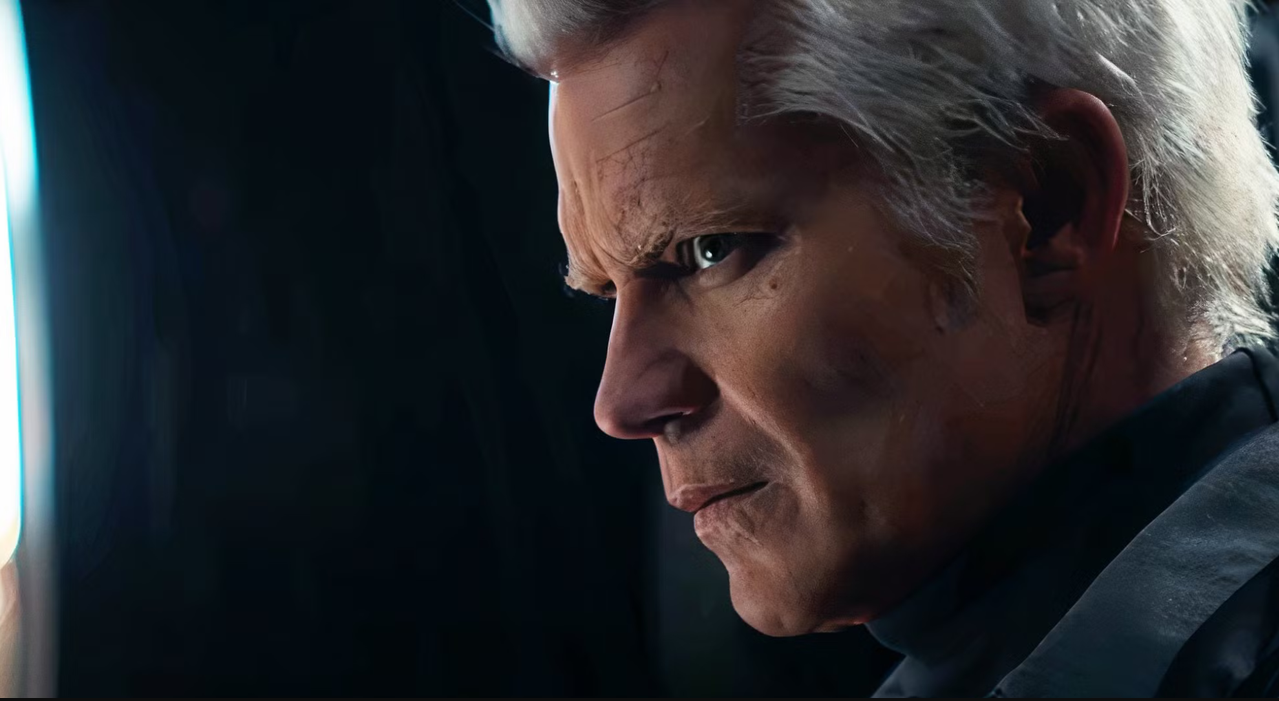
Second, the acting is equal to or greater than the visual quality. I have to give great props to Babou Ceesay, Timothy Olyphant, and Samuel Blenkin for handing in stellar performances. My favorite scenes were those that featured Morrow and Kirsh, and I really hated Boy Kavalier. Talk about a character that put all their points into Intelligence and used Wisdom as their dump stat, it’s him!

But, I want to be clear that creating a character that audiences will hate takes incredible acting skill, and Blenkin delivered that in droves. Kudos to him.

The other actors inhabit their roles incredibly well, too. The Lost Boys really do seem like kids trapped in adult bodies. We get frickin’ Essie Davis here (of Phryne Fisher fame), though I wish she’d had more to do.

Beyond that, we get to see more into the megacorporations on Earth. In most other installments, Weyland-Yutani is the prime mover of events. Here, they are largely in the background. We find out that Earth’s governments have effectively gone away and now there are five megacorporations that rule various territories on Earth, essentially a feudalistic technocracy with a nearly all-powerful dictator/CEO at the head of each one — a dystopian fate that we definitely aren’t rushing towards ourselves. Ahem.

The Alien franchise has always had synthetics, or artificial persons, but here we also get cyborgs like Morrow, and hybrids. The hybrids in particular are something that seem like a natural extension of the idea of a synthetic. (I wish the Institute in Fallout 4 would take a cue from this.) If you have synth bodies that are resilient, immune to disease, and potentially ageless, you might look at trying to download human consciousness into one. Such a thing raises about as many moral and ethical questions as the transporter in Star Trek, but it makes total sense: Boy Kavalier is attempting to monetize immortality.

And what Alien story would be complete without a healthy dose of corporate hubris, once again personified by Kavalier. There’s always someone who thinks that they can control the ineffable. Generally, it’s just trying to control the xenomorphs, but Prodigy is trying to control multiple species at the same time in addition to the xenomorph.

Speaking of which, the MVP of the new aliens has to be the T. Ocellus (eye midge). I found I was more interested in what was going on with it than the xenomorph for most of the series. Here’s a creature that’s equally as terrifying as the xenomorphs, and one that might be truly sentient. As one YouTuber put it: “The xenomorph is the perfect killer; the eye midge is the perfect nightmare.”

More than anything, I want to know where the show will go with that little critter if we get more seasons.

The Downs were Downing

As much as the sets and acting were spot on, along with many of the concepts, the story was uneven. Certain scenes and bits of dialogue felt like they knocked it out of the park. Within the same episode, sometimes within the same scenes, there are non-sequiturs and weirdness that make it seem like either the script was between drafts when they shot it, there was some weirdness with the editing, or some sort of static in the line.

Two examples of this really stand out. The first is when Nibs has her memory erased. Dame Sylvia wants to keep her in isolation so that it’s not immediately apparent that her memories have been altered. And yet, Wendy is in the room when Nibs wakes up and the alteration becomes immediately apparent. Whoopsie!

The second is when Wendy decides to leave the island and resolves to take the other Lost boys with her. We get a line from Boy Kavalier that says something to the effect of “Oh shit! We better get to them (the Lost Boys) before she does!” But, Wendy is able to get to them without issue immediately afterward. No security guards challenge her or get in her way at all.

And that speaks to one of the greater issues: Security on the island is a joke. At no point does the security feel like it’s able to do anything of value. There are no static guards posted anywhere. They occasionally roam the halls, but anytime someone wants to avoid them, it’s pretty easy to do so. There are cameras and listening devices everywhere, including those built into the hybrids, but it seems that Prodigy leadership is always clueless as to what’s really going on.

You might could explain it away as Kirsh trying to manipulate things from the inside, but it seems to happen one too many times for my tastes. The scene of Slightly and Smee awkwardly carrying a face-huggered victim through the halls was just kind of it for me. I couldn’t suspend my disbelief beyond that.

Speaking of incompetent leadership, it strikes me as weird that Prodigy continually forgets about the remote shutdown failsafe for the hybrids hybrid in case something went wrong. They also should have installed some sort of tracking beacon that can’t be shut off remotely. In the case of Nibs, she proves the point that maybe your first-generation hybrids shouldn’t come standard with super strength and speed in case they become mentally unstable. Maybe leave the super powers for later generations when you have perfected the process instead of handing that to a bunch of children.

But all that pales in comparison to one of the story beats that kicks off the series. Even though Boy Kavalier is months, perhaps weeks, away from unveiling his crowning achievement, something that will reshape what it means to be human, for some reason he agrees to send all of his hybrids into an incredibly dangerous and uncertain situation. Not just one or two, but all of them.

The hybrids literally have the minds of children, they have no combat training, and no weapons other than the handle of a paper cutter that Wendy picks up and magnetizes to her back. Absolutely none of that makes sense. The final episode attempts to say that Kavalier has extremely poor impulse control, which would definitely explain some of his poorly thought out decisions, but this feels like a total cop out.

I think the worst sin of the show, however, was having Wendy be able to turn the xenomorph into a pet or, at best, a minion. A big theme of many movies in the Alien franchise is that you simply can’t control something like the xenomorphs. It’s sheer folly to even attempt to do so, and what success that is possible is fleeting. The xenomorphs always get out, and they are virtually unstoppable when they do.

Wendy having one that will kill on command really sinks the whole deal for me. Also, showing a xenomorph during the day really degrades its menace. It’s meant to be a thing that leaps from the shadows or attacks when you least expect it, so showing it in broad daylight really takes away the impact.

I don’t want to just rag on the show, but a few other honorable mentions include:

  • Several security guards, all armed with tasers, waiting patiently on the dock as Nibs brutally kills one of their own in plain view. They have a clear line of fire, but they do nothing.
  • Morrow should have the recovered file from the Maginot that shows that Kavalier had paid off the chief engineer. It feels like that would at least be mentioned during the arbitration scene, but it isn’t at all.
  • The xenomorph being hyper-lethal in some scenes but slow and ponderous in others, depending on the level of plot armor.
  • The inconsistency of physical strength shown by the hybrids, particularly Tootles/Isaac when opening a door and Slightly and Smee when carrying a body. Are they super strong or aren’t they?
  • Dame Sylvia not being terribly bothered that her husband is missing during a crisis of aliens getting out of containment and an attack by Weyland-Yutani operatives.
  • The T. Ocellus passing over any number of living and dead Prodigy personnel to go to the beach to insert itself into a dead body. I guess this little alien can reanimate dead tissue.
  • Boy Kavalier writing “3.14” on his hand and expecting T. Ocellus to understand what that means. Yeah, I’m not sure it understands English. While it might understand the concept of pi, I highly doubt it would express it in Arabic numerals.
  • A nitpick, but what is going on with Yutani’s personal guard? They look cool in a cyberpunk-ninja kind of way, but what’s with the golden-wing accents on their helmets? How do they get through doorways?  

Final Thoughts

Let me just say that I hope this show gets a Season 2. I can’t say I’m happy about them leaving much of the story unresolved (particularly a fleet of attack craft from Yutani already at the island). It also seems that Wendy’s transformation from series protagonist to series antagonist happens awfully fast. She never mentioned anything about wanting to lead or rule, but that’s where we leave her. We don’t hear anything about her or Prodigy in the later lore, so it doesn’t seem like she’s destined to be successful.

Like much of the show, I don’t know where they’re going to go with it. Despite all of my criticisms, it finally felt like we were back in the Alien universe again, and I tuned in every week for it. Still, I think that there’s great potential here if they smooth over the rougher edges from Season 1. If they do, this show could turn into something great. Here’s hoping, anyway.

Thanks for reading!


Fanboy Review #19 — Superman

[Note: I do not consider myself a movie critic. What follows is just one fanboy’s opinion based off of a single viewing of the film. Oh, and there are SPOILERS ahead for this movie, so take heed.]

Aside from my thoughts on the Adam West Batman and the 2017 Wonder Woman film, I haven’t talked about DC comics much on this blog. It’s not because I don’t like the characters from DC comics — because I definitely do — but those characters have not played as much into my daily discourse as those from Marvel (though that is changing). With the release of Superman last week, we now have a fresh take on the DC universe, which has been in a weird state for the last couple of years.  

I will say right up front that I wasn’t a big fan of the Snyderverse. I found the grim-dark take on Superman and the Justice League to be fundamentally at odds with the DC characters as I had come to know them from years of reading comics, watching other movie versions of them, playing video games, and so on. With that in mind, let’s talk about Superman

First Impressions

I tend to like James Gunn movies, in general, but I really like Guardians of the Galaxy Vol. I & II. So, when I heard that he was taking the Kevin Feige role of chief creative of the burgeoning DCU, I was encouraged by this.

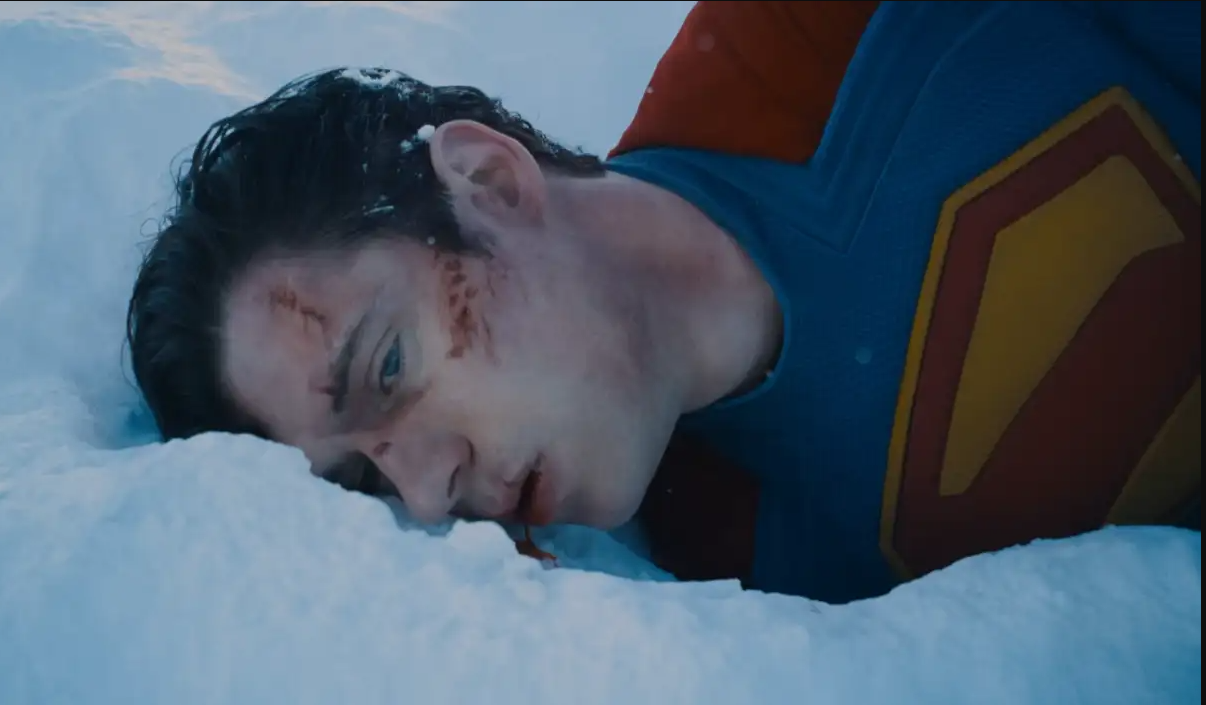
As the trailers and marketing came out for this new version of Superman, I was…less sure. The tone felt off, Superman’s costume had the red trunks, but otherwise looked like a mid-range cosplay attempt. And, the first glimpse I got of David Corenswet as Superman was of him beaten and bloodied in the snow. I also wasn’t sure about introducing Guy Gardner as the Green Lantern before we had a chance to see Hal Jordan or John Stewart (no, the other John Stewart) in the role.

So, it was a mixed bag going in, but I was glad to get away from the uninspiring, depressing version of Superman from the Snyderverse. I hasten to add that I absolutely love Henry Cavill in the role of Superman, but I  just did not connect with the stories involving that version of the character. Even with these concerns, I was still going to go see the movie.

What I liked

Finally, a Superman Movie: Understand that I love Christopher Reeve Superman movies, particularly the first two. The hope and light that Reeve brought to that role is the gold standard for me. Other actors have captured the essence over the years. Tom Welling, Brandon Routh, Taylor Hoechlin, just to name a few. I was looking for that spark within David Corenswet’s performance, and I’m overjoyed that I found it. Superman films have not really had the magic for me since Superman Returns in 2006. Sitting there, watching this movie, there he was. Big Blue was back.

The Musical Score: The John Williams Superman theme is one of the most iconic pieces of music in cinematic history. Rarely has a piece of music so encapsulated a character within its notes as that one. The score for this film picks up from that theme, but adds to it, giving it new dimensions and new emotions that are wonderful. 

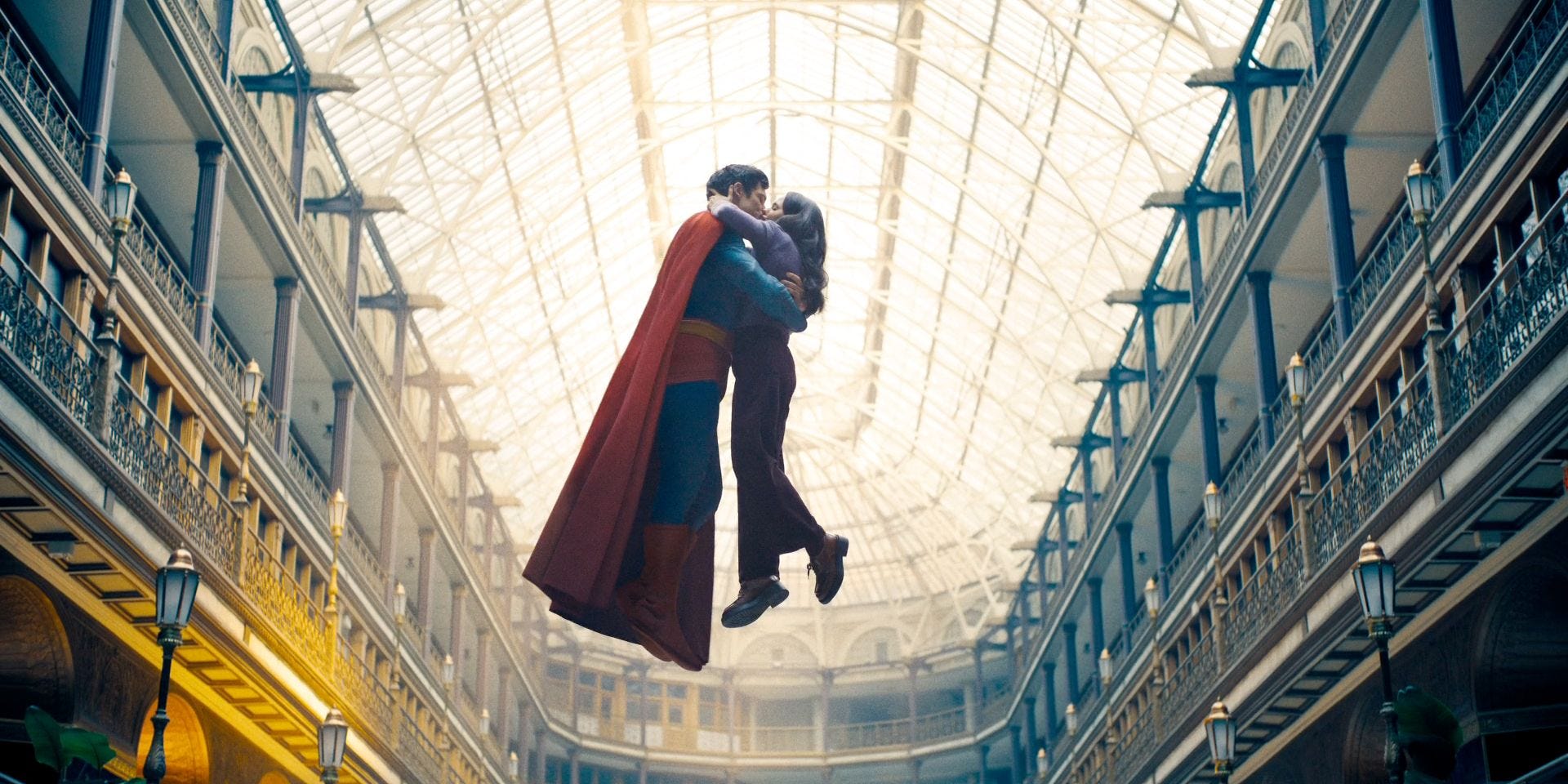
Lois & Clark: This movie definitely subscribes to the in media res theory of storytelling. There’s no origin story, no flashbacks. We start with Superman already a few years into his superhero career. His relationships are already in place. The chemistry between Corenswet and Rachel Brosnahan is excellent. From their very first scene together, it seems like they’ve known each other for years. The actors inhabit these roles like they already have a few movies under their belt. The scenes between them are as natural as breathing. I just wish there had been more of that.

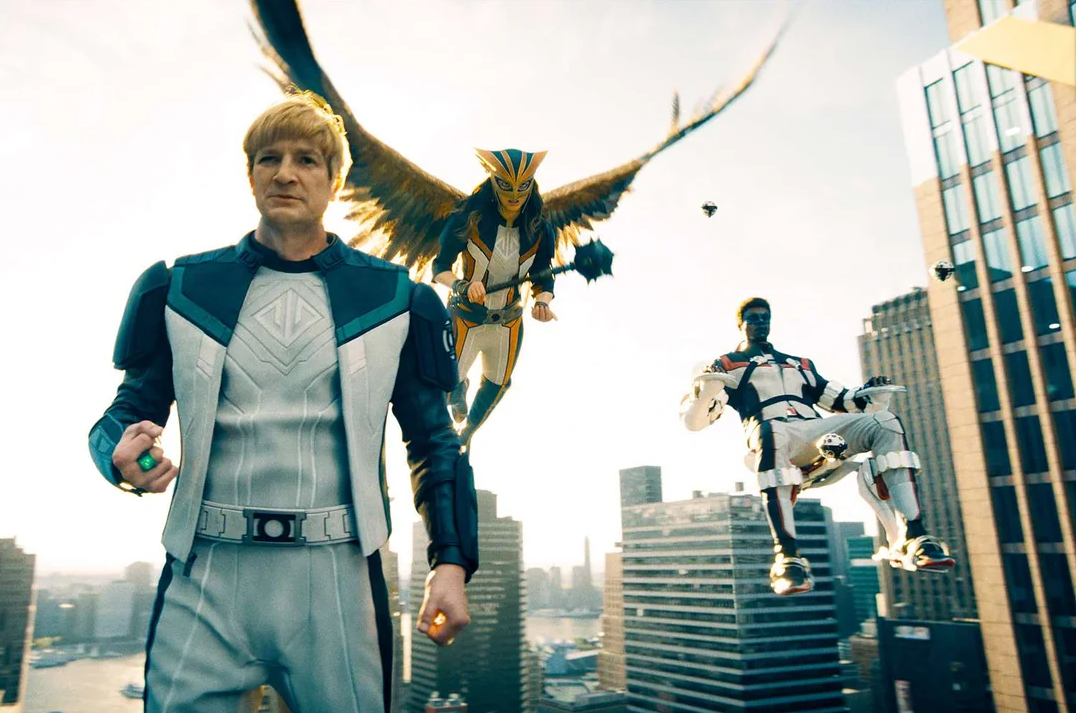
The Justice Gang: I honestly can’t think of a more unlikely trio of JLA founding members than these three. It’s so early into the formation of the Justice League that they don’t even have the name nailed down yet. That said, any time we get Captain Mal in a movie, I’m pretty happy, regardless of what role he takes. I must admit that Mr. Terrific is not a character I was terribly familiar with, and the name definitely smacks of the 1940s Golden Age, but I really liked Edi Gathegi in this role. The Justice Gang needed a super-smart, tech-based superhero, and Mr. Terrific is all that, and more. Just like the other actors, Gathegi feels like he’s been playing this character for years instead of this being our introduction to him. I also liked Hawkgirl. I wish she had more things to do, and I could’ve used less screaming (see below), but as the third part of the trio, she’s a solid presence.

Real Stakes: It may have thrown me for a loop to see Supes beaten and bloody in the snow, and it did seem like he got hurt a lot in this movie, but it also gave some much-needed stakes to the story. Superman is known for being able to shrug off lots of punishment effortlessly, so when something does hurt him, it just underscores how dangerous the situation really is.

Pa Kent: I have a great respect for Pruitt Vince as a character actor. His range is pretty astounding. Seeing him worried about Clark’s condition upon arriving in Smallville was the set up. And when Clark is debating on his motivations for being on Earth, hearing Pa Kent’s voice break when he tells Clark just how proud he is really spoke to me. As a father myself, I identify with Pa Kent even more now.  

The Hall of Justice: The moment it appeared on screen, the announcer from Superfriends enthusiastically proclaimed “Meanwhile, at the Hall of Justice” in my head. I’m not sure where they filmed the interior shots, but it feels like a real place, if a little understaffed at the moment. I’m also not sure why the word “TRAINS” is written in silver letters on the back wall, but I’m really hoping that we get to see more of the Hall of Justice in future DCU movies. It did my heart good to see it on the big screen.

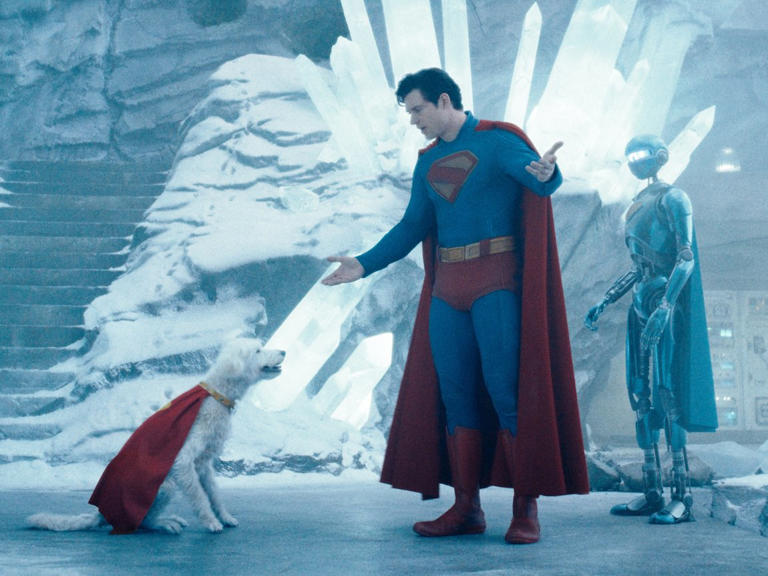
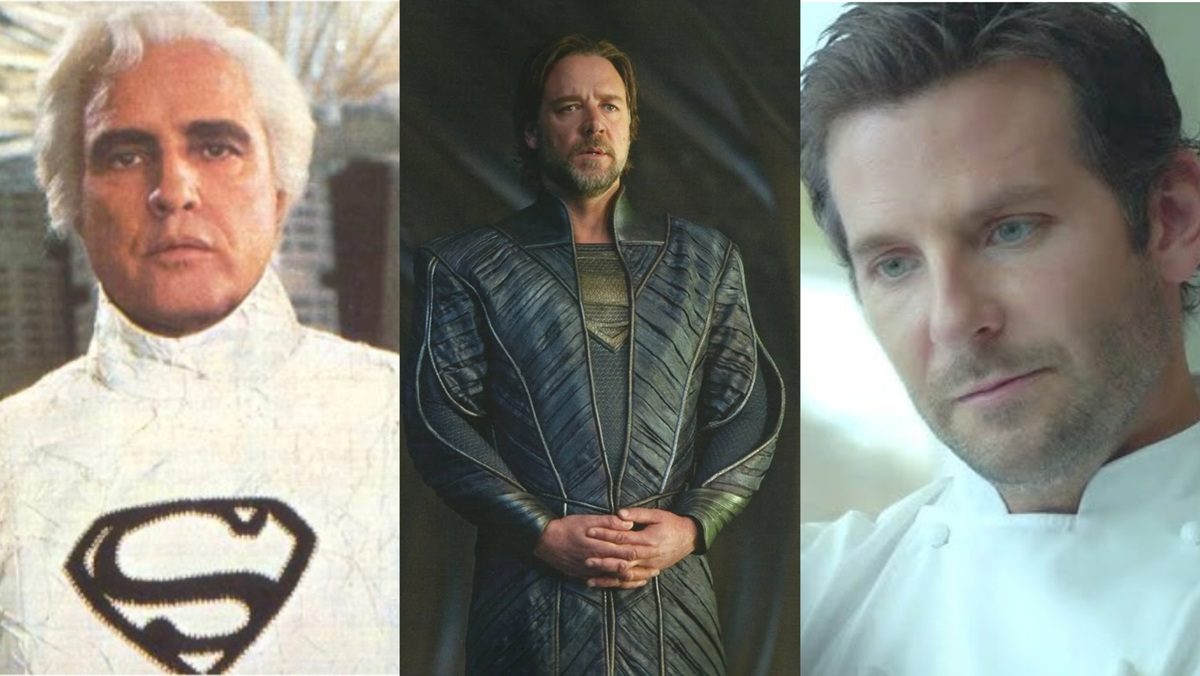
The Secret Guardians of the Galaxy Reunion: I didn’t realize this until I was looking up information on IMDB, but Pom Klementieff (Mantis) and Michael Rooker (Yondu) voice two of the robots at the Fortress of Solitude, and Bradley Cooper (Rocket) plays Jor-El in the recording. I see what you did there, James Gunn.

What I DIDN’T like

Changing Jor-El and Lara’s Motivations: Let’s talk about the elephant in the room. I understand for story reasons why this change took place, but having Jor-El and Lara’s last message to the young Kal-El be along the lines of “go create a harem and conquer the planet” is fundamentally at odds with the idealistic philosopher-scientist version of Jor-El that has been the mainstay of the Superman story for nearly a century. I know there have been other stories along this line, like Byrne’s The Man of Steel limited series. Smallville similarly departed from Jor-El’s lore (even going so far as to have Terrence Stamp, who had previously played General Zod, voice him). That was one of the big misses of that series, and I don’t care for it here either. It feels way off considering the tone of the rest of the movie.

Undercutting Serious Moments with Humor: There’s really only one writer who can pull this off consistently, and his name is Joss Whedon. Unfortunately, the Marvel tendency to emulate Whedon’s style by immediately following a serious moment with a joke is something that appears to have followed James Gunn over from the MCU. The worst offender is, by far, Taika Waititi in the Thor movies, but Gunn had his share with the Guardians of the Galaxy. When Gunn allows serious moments to play out, they are so much stronger, such as the case of Clark and Pa Kent. Poignant moments don’t need a punchline.  

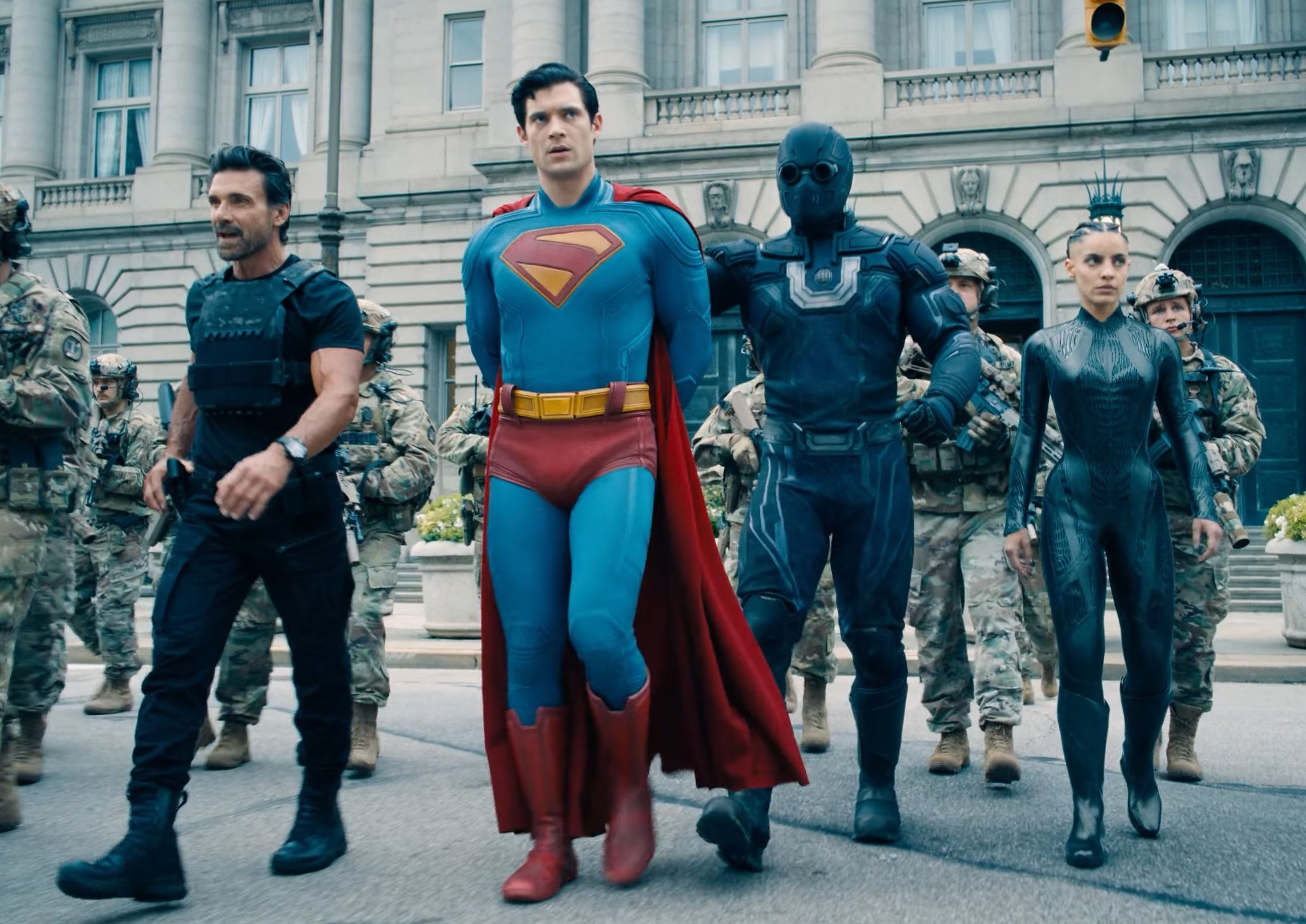
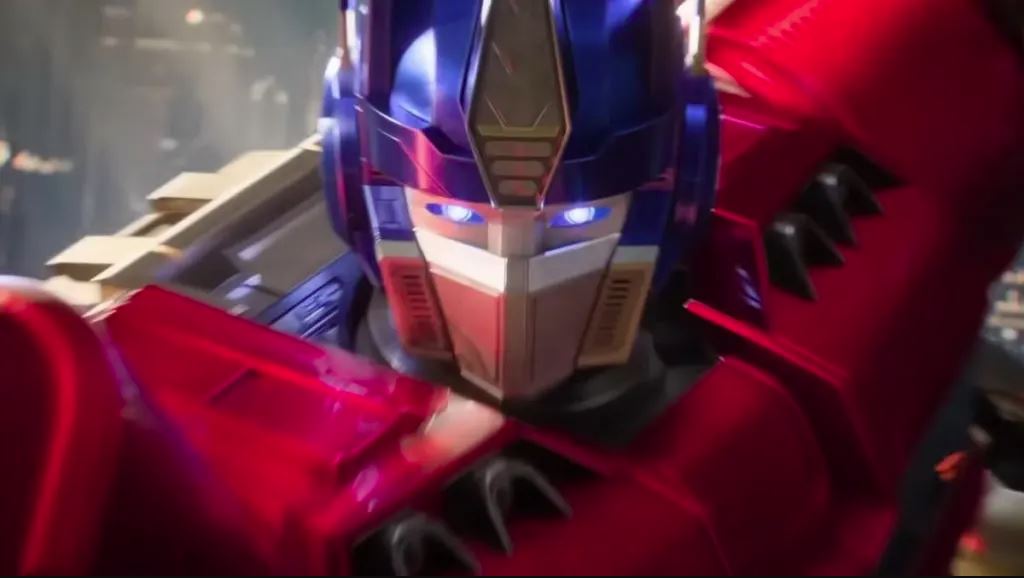
Transformers All Over Again: Early in the movie, almost everyone in the world turns on Superman. Even though he has been actively saving people and helping Earth avoid catastrophe for three years, when the news about his parents’ message comes out, people are calling for his arrest instantly. One guy throws a can at Superman that I’m pretty sure Supes helped save only moments before. For movie purposes, I see why they did it, but it’s like Superman has not garnered any good will at all with the public. There are no dissenting voices or people on the fence. Then, when he is exonerated, it’s like all’s forgiven. Everyone hates Lex now, and just as rapidly. It feels a bit like how the people of Earth keep turning on the Autobots in the Transformers movies. It doesn’t matter what Optimus has done, or who he has saved, he’s just one mistake away from being hunted by the humans he has helped.

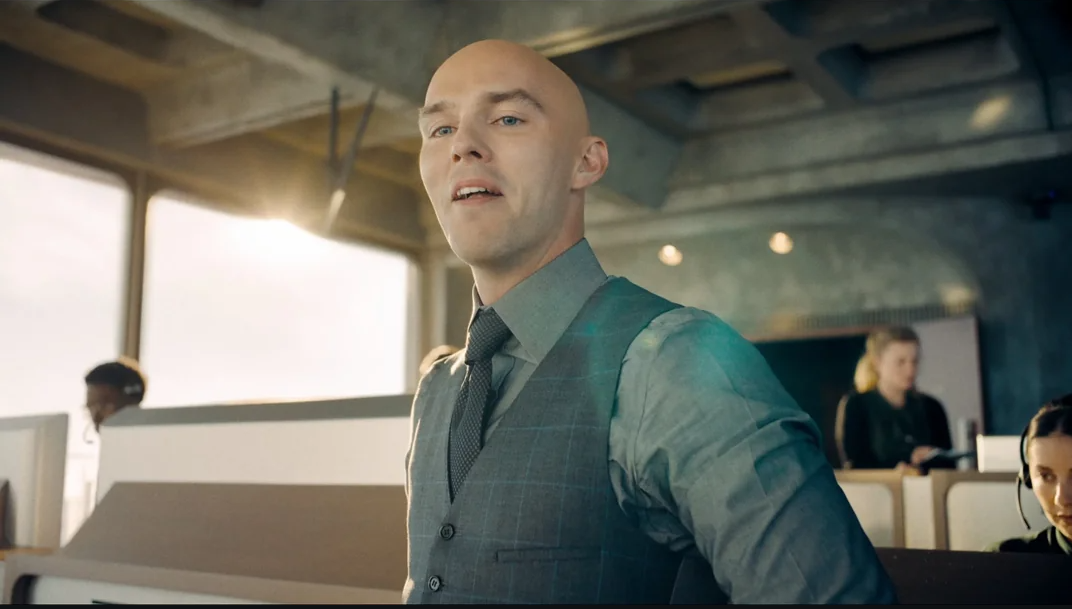
Lex Luthor: I should preface this. I think Nicholas Hoult is a fantastic actor, and it’s always nice to see someone ‘cross the isle’ from Marvel to DC. Hoult’s Lex Luthor definitely has the look, and is HEAD AND SHOULDERS above Jesse Eisenberg’s portrayal of the character in the Snyderverse, but that’s not enough. Instead of a cold, methodical mastermind that Superman should be really afraid of, we get a tech-bro who seems to have mainlined one too many espressos, acts like an immature teenager when he doesn’t get his way, and rarely comes off as a threat as much as an annoyance. I think Hoult did well with what he was given, but this is a weird take on Superman’s arch-nemesis. I much prefer Rosenbaum or Cryer’s approach to the character.   

Krypto, the Super Dog: This will likely be an unpopular opinion, but I could have done with a 95% reduction in the amount of screen time and consideration given to this dog. The Super-Pets have always been a bit weird to me, and are an odd relic from the early days of DC comics. A super monkey, a super horse, a super cat — all from Krypton, all with powers similar to Superman. Ugh. They are, at best, cameos if they are acknowledged at all. The Terrier/Schnauzer mix of this Krypto is not only distracting from the story, but a danger to everyone around him. Superman takes him away from the Kent Farm for fear of the dog killing his family’s cows. Having a hyper-active dog that powerful is a threat to every human he encounters. Superman should really keep him bottled up in the Fortress of Solitude.

Punk Rock Theme: The movie goes out of its way to establish Clark as a punk rock fan. A version of Iggy Pop’s Punk Rocker even plays over the credits. It’s a good song, for sure, and Gunn has historically had a way of using classic music to underscore great moments on screen. However, If I had to rate the members of the Justice League on who might be into Iggy Pop, I would have to rate Superman as dead last. The Flash, Blue Beetle, even Batman? Sure. Superman, the boy scout version that we get in this movie, seems like he would be into folk or country & western, maybe bluegrass, especially being from a small town in rural Kansas. Punk rock is just such a weird, discordant choice here.

Hawk Girl’s Screams/Murder: Her ‘death scream’ started to edge into ‘the goats screaming in Thor: Ragnarok’ territory. But the main moment Hawkgirl gets in this movie is a straight-out murder. Guy Gardner said previously that the Justice Gang was not political. Intervening in the slaughter of innocents is one thing, but kidnapping a head of state and dropping him to his death is pretty suspect. Generally speaking, assassinating the leader of a sovereign country is a political act, but here it’s played for laughs. Do you want the DC equivalent of the Sokovia Accords? Because that’s a surefire way to get them.

Ma Kent: I don’t know what accent James Gunn thinks country folk in Kansas have, but it’s not whatever cornpone that Ma Kent was yelling into her phone. Come on, Martha. You don’t have to yell, he can hear you. In fact, he could probably hear you without the phone. Considering how wonderful the portrayal of Pa Kent was here, that it’s weirdly reversed for Ma Kent is another mystery to me.

A Conveniently Empty Battleground: I’m not sure what the population of Metropolis is, but I’m guessing that it’s up around Chicago or Boston, possibly even New York. Evacuating that many people would take days, maybe even weeks. When the final battle throws down, and skyscrapers are falling like dominoes, however, there are zero people in them. When Superman saves the lady on the bridge, she’s the only car around. That bridge should be packed, but as she’s taking off there’s nary another car in sight. Still, I much prefer this to Superman and Zod duking it out during the peak hours of the day with zero evacuation and reducing downtown Metropolis to below sea level. The death toll would have been in the tens of thousands.

Unanswered Questions

I mentioned the message from Superman’s Kryptonian parents earlier. As far as everyone in the movie is concerned, the message is authentic. It’s a bit weird that any linguist from Earth would be able to crack an alien language when there are so few examples available to study. We’re not even sure if Superman himself knows that much of the Kryptonian language. He certainly didn’t grow up speaking it. The only one who might speak it fluently is Supergirl, but I doubt that she’s taking time out of her busy, off-world party tour to teach a course on Kryptonian grammar and rhetoric.

For the very fact that we never hear the message spoken in English is itself a bit of a mystery, so I have to wonder if we’ll see it again in the future to discover that there’s some additional context to consider, or that someone got their verb tenses off where the message means something else. It’s likely wishful thinking on my part, but the pieces are already in place if they choose to revisit it.

I suppose the other question I have at this point is just how well the movie itself is doing. The news praised its strong performance out of the gate, but at the time of this writing, Box Office Mojo has it a $261 million worldwide, and it looks like attendance is already tapering off just a week into its release. For context, Thunderbolts* made $382 million worldwide during its run, and it was considered a huge flop. I desperately hope this is not the case for this movie. The parts I didn’t like were numerous but ultimately trifles. I want the new DCU to succeed, and so I hope that Supes doesn’t go down without a fight.

Conclusions

I have been waiting years for this movie, before Gunn was the head guy at DC, heck even before Snyder first got his hands on the property. I’ve wanted a Superman movie that gave me that same thrill as when I first saw Christopher Reeve pull open his button-up shirt to reveal the familiar ‘S’ underneath, set to the John Williams theme.

That’s what I’ve been chasing all these years. I got a taste of that with Superman Returns, which was a direct sequel to the Richard Donner films, but it didn’t quite get there in the end. On the small screen, I’ve been luckier. The first few seasons of Smallville were amazing along the Buffy: The Vampire Slayer template. More recently, the last vestige of the CW DC universe, Superman & Lois, was one of the best versions of Superman I’ve ever seen on screen.

But the Snyderverse was a vast desert for me when it came to Superman. That’s why this movie is an important one, even if some of the creative choices were odd. Overall, if this is the way the new DCU is going, count me in.

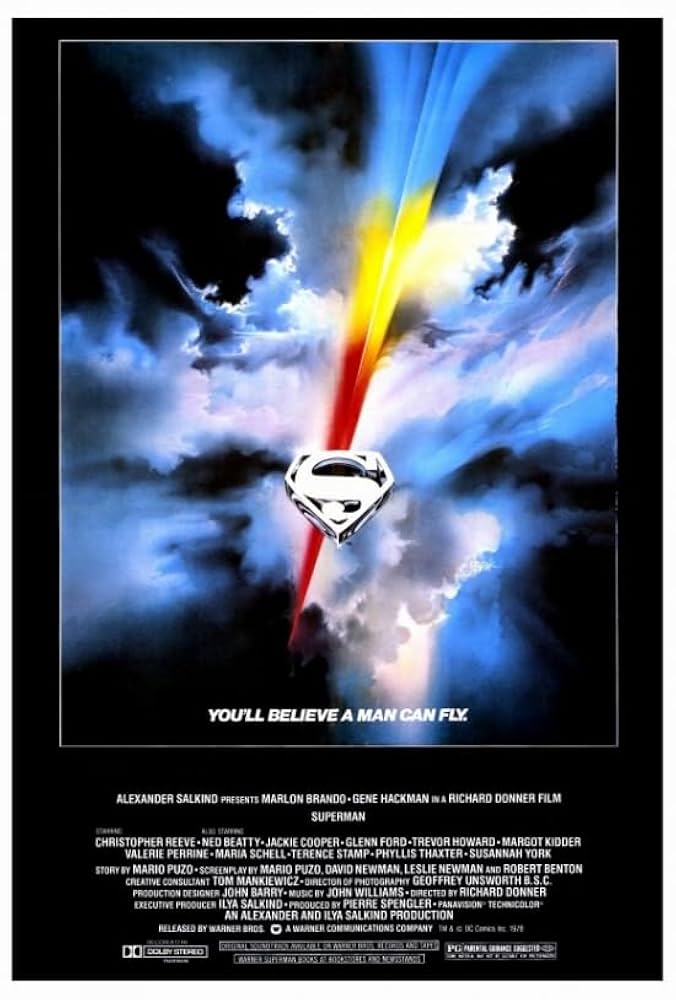
In closing, the tagline to Superman: The Movie in 1978was “You’ll believe a man can fly.” After seeing this movie, I can believe it again.

And that’s the way this fanboy sees it.


Fanboy Review #18 — Transformers One

[Note: I do not consider myself a movie critic. What follows is just one fanboy’s opinion based off of a single double viewing of the film. Oh, and there are SPOILERS ahead for this movie, so take heed.]

If you’ve followed this blog, you may have noticed that the Transformers franchise comes up quite a bit in my writing. It was certainly my favorite toy line growing up, and Optimus Prime may, in fact, be favorite fictional character of all time. I have no real love for the live-action Bayverse Transformers movies outside of Steve Jablonsky’s hauntingly beautiful musical scores and some fantastic voice acting. But, for the most part, I don’t care for them. Bumblebee is the sole exception. I had hoped that it would lead the way, but Rise of the Beasts showed me that the cinematic franchise on the whole had learned nothing from Travis Knight’s retro-themed movie outing.

So, it didn’t surprise me when I started hearing about Transformers One. Transformers as I knew it came from animation, and the franchise has been kept alive through the years through many different animated series. So, a CGI-animated take on the story adapted to the big screen felt inevitable, especially as Hasbro struggles to stay afloat.

First Impressions

I must admit that when I saw the first trailer for Transformers One, I was…skeptical. We were once again going back to the root causes of the war for Cybertron, and the growing divide between Autobot and Decepticon, which has been done over and over again. I was not particularly enthused about yet another reboot in what seems like a rapid-fire series of Transformers reboots by Hasbro in recent years.

The general vibe that the trailer gave off seemed like we would be in for a goofy, slap-stick adventure romp on Cybertron. Also, the fact that Peter Cullen and Frank Welker would not be reprising their iconic roles as Optimus Prime and Megatron was a big thumbs-down for me.

But, I could see that my young son was interested in going to see it, so I steeled myself and went into the theatres expecting a low-effort attempt at getting a younger generation to embrace a decades-old toy franchise.

As I sat there in my reclining seat, however, I quickly began to realize how wrong I was about, well, everything regarding this movie. The tone was very different than I had guessed, and for the better. More than that, this movie far surpassed my expectations and played into the meta-lore of the Transformers universe far more than I would have guessed.

What I liked

The MUSICAL SCORE: I know a movie score is good when I can’t wait to get home from the theatre and download it. I found, to my delight, that Brian Tyler had composed the score. That explained the sublime sense of mystery and awe that permeates the musical landscape of this movie. Tyler is one of my favorite of the “modern” crop of movie composers. He did the score for Iron Man 3, which is excellent. He also did the score for the Syfy mini-series version of Dune, which really elevated the drama. Oh, and he also did the theme for Transformers Prime, perhaps the best Transformers has ever sounded on the small screen.

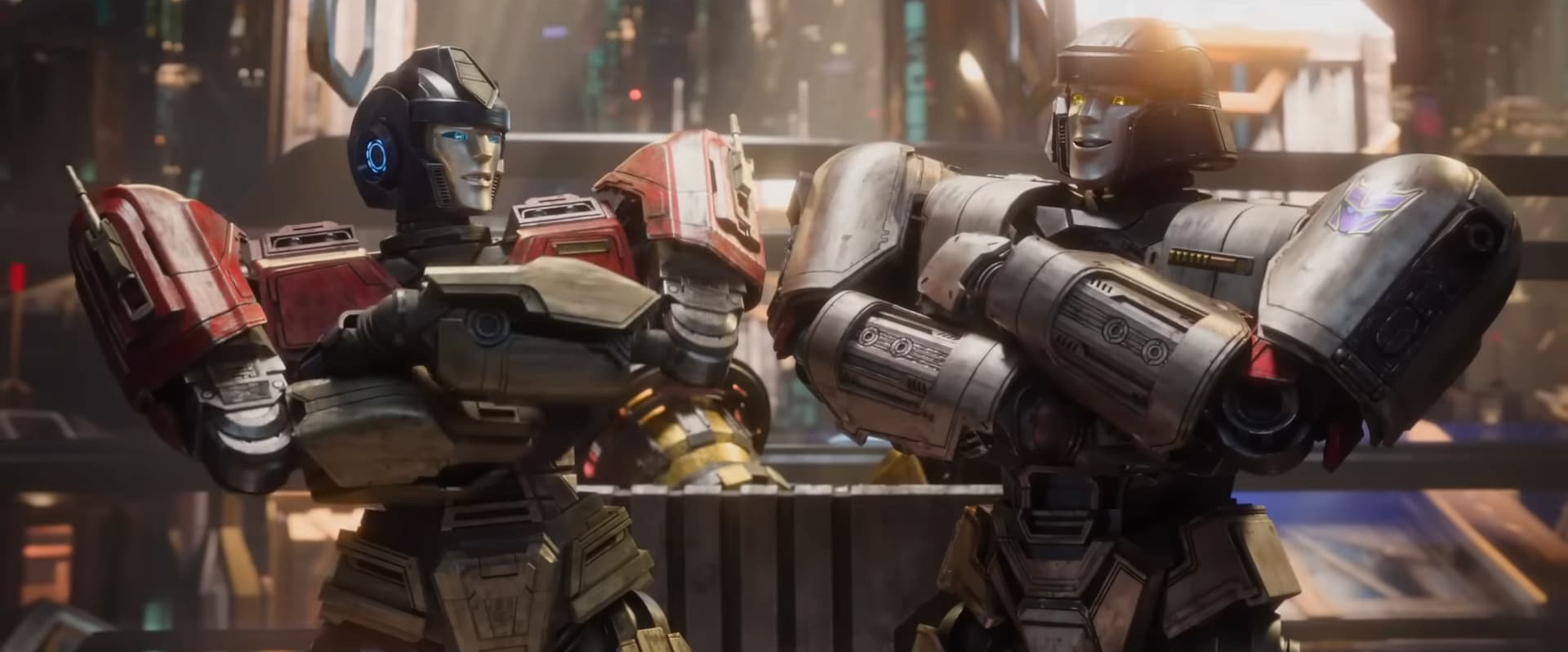
Orion Pax and D-16: It was great to see the two of them as friends, even with the foreknowledge that they would eventually become the greatest of enemies. They did a good job of establishing their base personalities that contain the seeds of the conflict to come. Orion Pax doesn’t mind breaking rules that he sees are unjust or in the service of uncovering the truth. He sees the potential in his fellow miners and wants to become more than what they current are. D-16, on the other hand, prefers to follow the rules to the letter, to stick to established protocols. When it is ultimately revealed that the rules he’s been so strictly adhering to are a lie, he is crushed, resulting in him becoming angry and vengeful.

In days of long ago…

The animation and models: CGI-based storytelling has come a long way, and the Transformers franchise has upped its game from the days of the original Beast Wars. I was surprised at just how beautiful and natural some of the animation was in this movie, even when it’s applied to anthropomorphic robots that turn into vehicles. I was also impressed with just how emotive and expressive the four primary characters were on screen.

Megatron’s eyes: I picked up on this little gem on my first viewing of the movie. A good indicator of the story’s escalation is found in the color of Megatron’s eyes. They start out a bright yellow, but as things are revealed and the road he is on darkens, his eyes begin to turn more of an orange color. I predicted that they would turn red at a critical moment, and sure enough, I was right. It was a subtle touch that really gives you that dividing line between D-16 as we knew him and his new persona as Megatron — who then goes on to name his faction after the great deception that he had a hand in destroying.

Two leadership styles: Once Orion and D-16 come back from the wilds, but before they take their iconic names, you can see how they both lead their respective groups effectively. Orion Pax is an inspirational figure, who leads from the front, and is excellent at making those around him believe they are capable of greater things than they ever thought possible. By contrast, D-16 is all about showing strength through acts of force, which appeals to the dangerous, more military sensibilities of the High Guard. When D-16 is captured by Sentinel Prime, the ex-miner would rather die on his feet than grovel on his knees. Even when he gets knocked down, he stands back up with even more defiance.

A satisfying story: In a feature-length movie, character arcs have to move fast, faster than they would in a series format. Still, Transformers One clocks in at a respectable 104 minutes, which isn’t bad for an animated show. I think that the story moves along pretty quickly but pauses in places for some great character development and worldbuilding. By the end of it, it feels like the characters have been on an era-defining adventure that nicely sets up the ongoing conflict in the Cybertronian war to come. After having seen this material retreaded upon again and again, this take felt fresh and just sort of ‘right’ for the continuity that they had set up.

What I DIDN’T Like

Lack of original voice actors: I think that Brian Tyree Henry and Chris Hemsworth did admirable jobs as the voice actors for Megatron and Optimus Prime, respectively. I don’t want to disparage their performance as I think it was excellent. The issue is that Peter Cullen and Frank Welker sort of “own” their Transformers personas in a way we don’t see very often. Their voices give Megs and Op a kind of genuine spark (full pun intended) to the characters that’s really irreplaceable. I think it was a missed opportunity to include them in this project. Can you imagine Orion coming back from the planet’s core with the Matrix, now with Peter Cullen’s iconic voice style? Or, when Megatron proclaims “I’m done saving you,” having Frank Welker’s voice take over for the remainder?

Human characteristics on robots: At one point, we see Orion’s lips flapping in the wind as the train speeds up. Later on when they are avoiding the Quintessons in the ruins, we seem Orion look like he’s breathing hard. This is such a minor thing, but these very human traits looked completely out of place on a character model who is a robot. It took me out of the moment when it happened.

Despite where this image falls in the blog, I loved this scene.

The death of Alpha Trion: Alpha Trion is the archetypical mentor character in Transformers, effectively Merlin to Optimus Prime’s King Arthur. While Alpha Trion got to take out some random goons with the cheeky retort of “Not too old for you,” he basically was just there to deliver some exposition and be executed at the hands of Sentinel. If we get a sequel they could always bring him back somehow, but the total amount of time he got to spend with Orion Pax here is measured in a matter of moments. I had hoped to see a father-son relationship develop between them.

The lingering odor of the Bayverse: There are a few points where I could tell that the story still had some of the greasy little fingerprints of Michael Bay left over from the live action movies. Sentinel Prime being an outright villain and tyrant (rather than just a bully and an a-hole in Transformers: Animated) feels like it took some cues from Dark of the Moon. Bumblebee being named B-127 calls back to a Bayverse Bee before he got his Earth name. Also that there are (or were) multiple Primes at once rather than it being a succession of one at a time through stewardship of the Matrix of Leadership. It seems we cannot quite escape the Bayverse here, though to be fair, there were plenty more G1 nods.

Conclusions

The G1 continuity will always be my favorite telling of the Transformers story. In my heart of hearts, the origins of Orion Pax’s transformation into Optimus Prime can be found in episode #59 of the Sunbow cartoon titled “War Dawn.” Unfortunately, aside from the video game Transfomers: Devastation and a select few comic books, we aren’t getting any more narrative continuations of that version of Transformers. 

That said, I realize that Transformers fans my son’s age want something new, something more updated to appeal to them. Some of Hasbro’s attempts to provide this in recent years, such as War for Cybertron, Robots in Disguise, and Earthspark have seemed half-hearted and disposable. Transformers One, however, felt like an honest attempt to bring Transformers forward to a more modern viewership. There’s a real heart to this movie that many other recent versions of Transformers have just sort of lacked. I was surprised just how much I enjoyed the experience — on both occasions.

And, you know, if the continuity of this movie becomes the basis for the Transformers milieu of my son’s generation, I’m more than okay with it. It remains to be seen if we get more from this branch of the Transformers universe, however. As enjoyable as I found this movie, and with it receiving some decent reviews from critics, it unfortunately didn’t do as well as expected. I do hope this isn’t the last we see of the Transformers One crew. I wish them many more heroic adventures to come. So, from me to the cast and crew of this movie, let me simply say: ‘Til all are one!

And that’s the way this fanboy sees it.