This is just to let everyone know that the official Sector M Newsletter is online and ready to go! In each monthly installment (usually released on the last Friday of the month), we will talk about:
New Patreon members
Sci-fi/fantasy fiction projects
TTRPG supplements
Board games
Convention appearances
The newsletter will be an ‘at-a-glance’ look at what Sector M is up to across all fronts. I invite you to join us, which you can do at this link:
What a difference a year makes. Those were the words I had hoped to open this year’s State of the Sector address, and I’m glad to be saying them now in earnest.
Last year’s State of the Sector address was pretty bleak on many counts. I’m happy to report that where there was uncertainty before, I now have clarity and direction. I know what I want Sector M to be, and I’m finally at a point to start actualizing on various projects that have been waiting in the wings for too long. It’s an exciting time at Sector M.
With that in mind, let’s take a look at where Sector M is now and where it’s going.
This Is What I Do Now: I left my full-time job back in June. I mentioned in last year’s State of the Sector that signing on with that job was one of the hardest professional transitions I’d ever made. As it turned out, it didn’t get easier. In fact, it became increasingly obvious as the first part of the year wore on that it just wasn’t for me. To be clear, I think the job I had could be a dream come true for the right person, but I was most definitely not the right person.
I took a cruise in May, and I found myself standing on a beach in Grand Cayman. (I wrote more about this moment in this blog post.) I had an instant of clarity that day, and I have been working toward that goal ever since. For years, I’ve wanted to focus on my games, novels, and other projects. Now that’s what I do. While I’m averaging many more hours per week than at a regular office gig, I wake up wanting to get to my keyboard to start working each day. I’m healthier and whole lot happier than I was before. My schedule is my own again, and the only real problem so far has been scheduling actual days off.
The Perot Museum of Nature and Science
Exhibit/Experiential Writer: I’ve mentioned before that I’ve worked on exhibits for the Perot Museum. Well, I just finished the biggest project for the Perot in my years-long history with them. Coming in March of 2026, and just in time for the World Cup, say hello to Soccer: More Than a Game, an exploration of the science behind the world’s most beloved sport. This was an incredible experience, and I hope to do many more like this one in the future.
My love of museums is something I’ve talked about for many years on this blog, and I love the kind of exhibit and experiential writing that goes into them. So, if you run a museum and need a writer, hit me up.
Novel(s) in the Works: I just finished the copyedits on my military sci-fi novel. Now that I have a manuscript ready for release, I’m getting the layout, cover, and audio version of the book sorted out. I don’t have a firm release date yet, but I’m hoping that it will be in the first half of the year. More on that one as news becomes available.
Take us out.
At the same time, I’m preparing my epic fantasy novel to go to my developmental editor. (I’ve commissioned a map for it and everything!) I would definitely like to release both novels in 2026, but these things can take time, and I want to do it right. These books, and certainly the characters in them, have been with me for years, so I would rather wait and release them when they’re ready rather than try to rush to get them out the door.
I’m also finishing up on a trilogy of short cyberpunk novels that I’ve mentioned here a time or two. Originally one big novel, it became clear that the story was too large for one volume. The novel was naturally segmented into three books in any case, so they will now each be separate releases. If they catch on, I may release them as one single, collected volume. In any case, I will likely not publish the first of this trilogy until they are all ready to go. That way, I’ll be able to release them in relatively quick succession.
“Freedom is the right of all sentient beings.”
Convention Support: Many moons ago, I worked for a game company. As part of the job, I went to conventions such as San Diego Comic Con, Gen Con, MegaCon, and a bunch of other ones, big and small.
Truth be told, I’ve missed it.
This year, I plan on making official Sector M convention appearances. I’m not sure how many I’ll go to at this point, but I hope it is a fair few. The first one I will attend is Gamicon in Coralville, Iowa, March 6–8. Others I will announce here on the Sector M blog as I confirm them.
That leads me to my next point…
Sector M Newsletter: The Sector M blog has been how I’ve been conveying information about upcoming projects and so forth for a while now, but the traffic here can be really uneven, and visitors may just be dropping in for my opinions on fantasy dwarves or strange headcanon, never seeing the updates. In short, traffic to the blog is largely passive. I need a solution that’s more active, one that will beam all the pertinent information directly to those who want to hear it.
So, I will be creating a Sector M newsletter. It’s already in the works, and I hope to launch it at the end of this month. It won’t replace the updates I post on this blog, but it will be a monthly distillation of everything that Sector M is doing on all fronts, from games to conventions, books to future projects. When the newsletter is ready to go, I’ll announce it here so that those interested can sign up.
*cue the Iron Man soundtrack*
Artificer’s Guide Addendum: In 2025, we launched The Artificer’s Addendum, a supplement to our flagship book, The Artificer’s Guide to Magic Items. This free downloadable PDF is a set of clarifications, examples, and errata from the original book, along with some extra thoughts and reasonings behind certain design decisions for those who are curious.
While most supplements are along the one-and-done model, this supplement will be occasionally updated with new information, FAQ sections, and material. My intent is to eventually put my thoughts on how to convert The Artificer’s Guide rules into the 2024 D&D rules set, though I think the core ideas of my book are still viable even after the release of Eberron: Forge of the Artificer.
Sector M’s First Kickstarter: I mentioned this last year in this blog. Sector M Games has been working on development of a cyberpunk-themed board game. I’m doing the pre-work to get everything in place for a Kickstarter campaign later in the year. My initial thought is October, but a project this size has a lot of moving parts to it. I will be writing a developer’s diary on Sector M’s Patreon, so another great reason to join it! If you enjoy cyberpunk or board games (or, ideally, both), you’ll want to take a look when the time comes.
2026 Blog Posts: Overall, I was much better about delivering blog posts on time in 2025 than I was the year previous. I want to continue that trend in 2026. Of course, life can (and often does) happen unexpectedly, so I’m hoping that the following release dates will be pretty solid. They are:
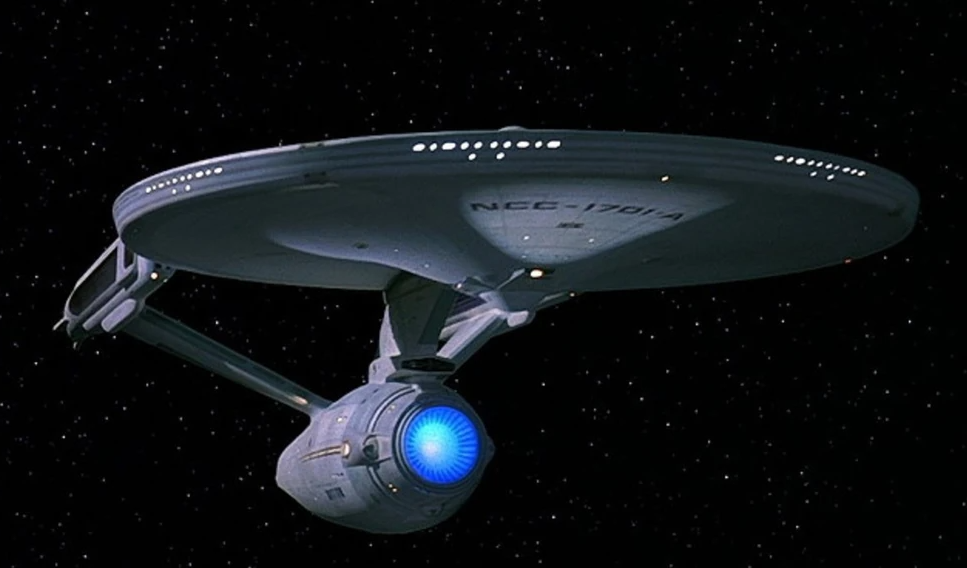
I have never been happier with the progress Sector M is making on all fronts more than I am right now. Full stop. While the path I’ve chosen is a challenging one, and definitely not for the faint of heart, what I’m doing now is what I believe to be my first, best destiny.
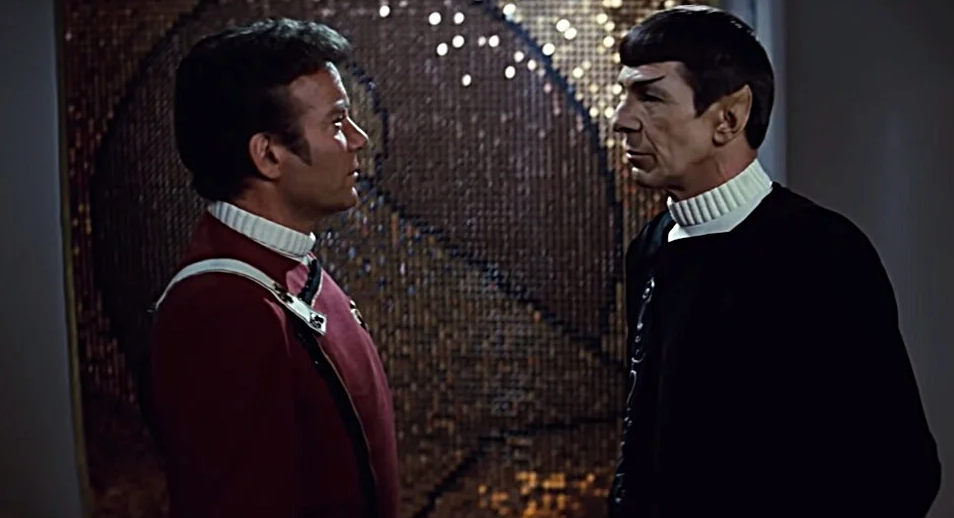
Star Trek fans may be familiar with that term. If not, it’s something that Spock says to Kirk in Star Trek II: The Wrath of Khan. Spock notes that Kirk’s first, best destiny is commanding a starship. “Anything else,” he notes, “is a waste material.”
Telling stories for my tribe of fellow geeks and nerds, as well as making cool stuff for the aforementioned geeks and nerds, is what I’m build for — a far better fit than I was for the regular corporate 9-to-5 gig. There’s absolutely nothing wrong with that path in life, but it’s just not for me.
So, if you’d like to support what I do, please take a look at the aptly named “Support” tab above for a listing of Sector M products and offerings. In particular, I would like to build my presence on Patreon this year, so please take a look at what’s going on over there. If you’re in a place where you can support original stories, games, and geeky fun (that use zero AI), consider supporting Sector M over there.
In closing, I would like to wish everyone reading this a happy New Year! Stay strong, stay true, hold your loved ones close, and pursue your dreams like you have afterburners strapped to both of your feet. Zoom, zoom!
My last few blogs have been, well, a bit of a downer. So, I thought I would start things off for 2025 with something on the lighter side. As you likely know by now, I am big into TTRPGs, particularly D&D. I’ve been playing these kinds of games since I was about 13, and I really never stopped. It’s one of my favorite hobbies, right up there with reading, video games, and so forth.
Today, I would like to share with you a list of ten words and terms that entered my vocabulary from playing TTRPGs and D&D specifically. Let’s dive right in.
1.) Encumbrance
While more modern versions of D&D use encumbrance to denote how much your character can carry, I originally learned this word in the context of why you couldn’t do backflips or cast spells while in full plate armor. This came along pretty early in my gaming career when a wizard character of mine attempted to put on heavy armor only to find out that he could barely maneuver while in it and couldn’t cast any of his spells. Needless to say, he ditched the heavy armor pretty quickly afterward and got back to shooting magic missile at practically any opponent as an opening gambit.
2.) PC/NPC
I count these two as one since they are closely related. If you’re not familiar with them, we have PC, or “Player Character” and NPC, or “Non-Player Character.” The PCs are the characters that people play in a TTRPG, and NPCs are everyone else. These terms eventually migrated over to video games. The central idea of the movie Free Guy depends on the audience knowing that Guy (played by Ryan Reynolds) is a digital character in an online video game. When I hear the phrase “Main Character Energy,” my mind always goes “Oh, so they’re a PC, got it.”
3.) Gamemaster/Dungeon Master
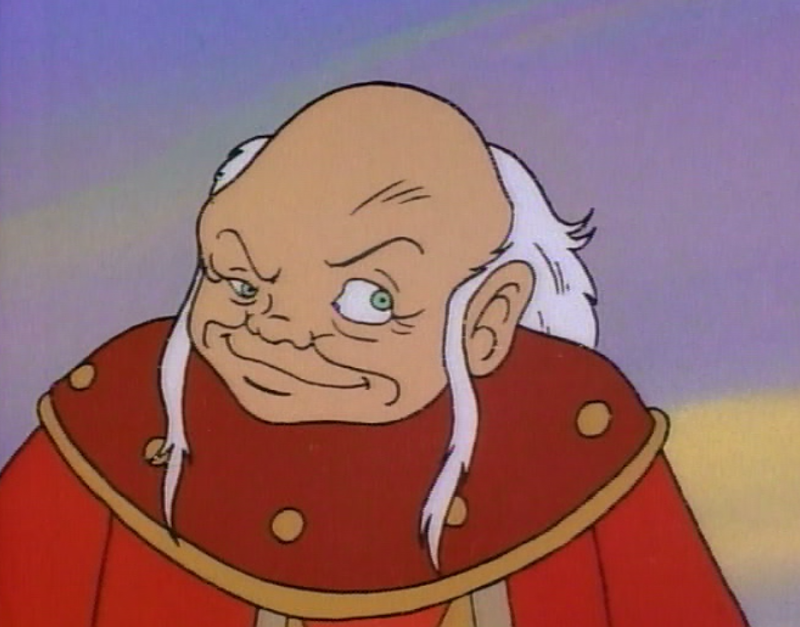
Tabletop roleplaying games have a lot of names for this role at the table: Gamemaster (or GM), Judge, Referee, Storyteller, and Dungeon Master. By the time I played D&D, I was already familiar with the Palladium RPG system and Rolemaster, so I was already in the know with someone being a GM and GM-ing a game. Dungeon Master (or DM) was something I picked up from D&D since it’s a term specific to that game system (though I knew it from the cartoon first instead of the game). Even today, I tend to use the more generic “GM” term, even when referring to D&D. It might also have something to do with it being easier to explain to family members who aren’t familiar with TTRPGS that you are a gamemaster rather than a dungeon master.
4.) Metagame
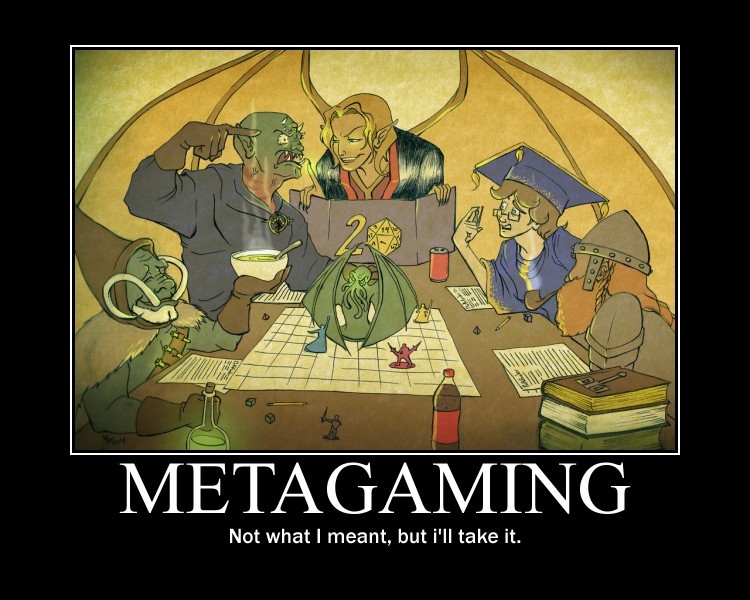
At first, this concept came to me as the difference between “player knowledge” and “character knowledge.” So, if you’re playing Grog, a 2nd-level barbarian, you (the player) may know how fast the speed of light is, but chances are that Grog (the character) will not have a clue about it. So, those who would use their player knowledge in place of their character knowledge (i.e. Grog suddenly understanding advanced physics) were said to be metagaming. That’s something GMs/DMs have to police at times, though thankfully the players I game with are very discerning on this point.
5.) Wards/Runes/Sigils
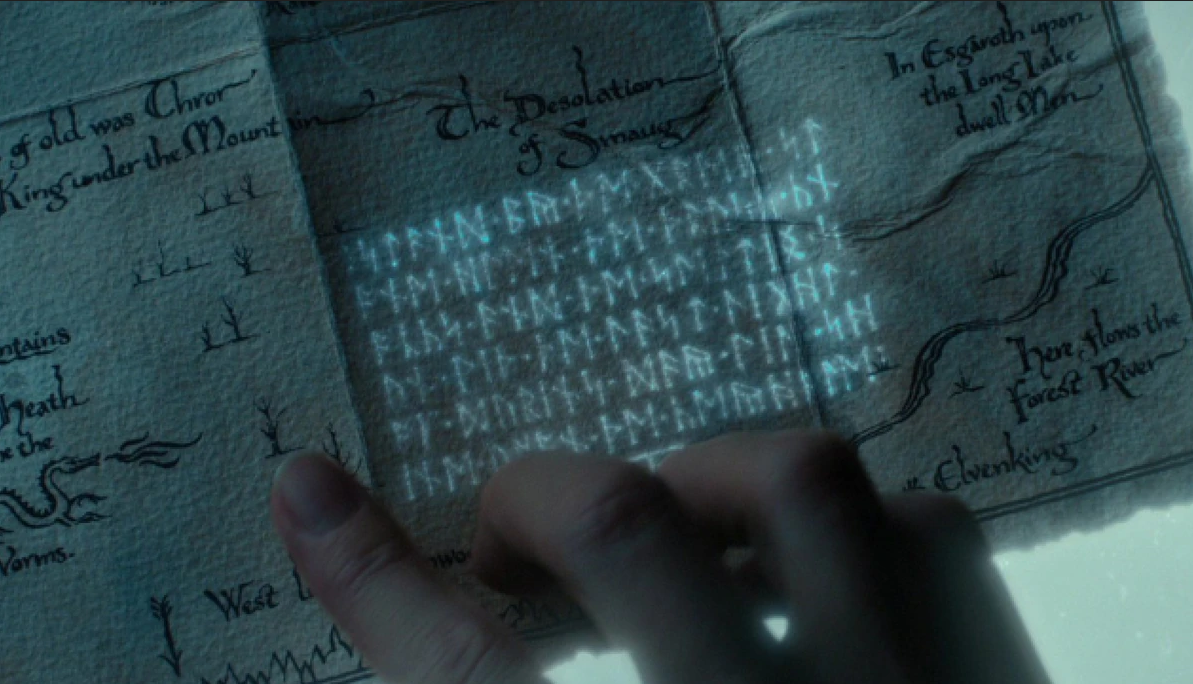
Once again, I’m grouping these together since they are similar in nature. I knew of runes before playing D&D from learning about the real-world runic alphabet. Through gaming, I learned of them as something inherently magical. So, a wizard or magic-user might scribe or carve a symbol into something and then imbue that symbol with some kind of magical spell or effect. Sigils often worked the same way, though I always got the impression that sigils were more Elven, while runes were more of a Dwarven thing (your fantasy mileage may vary). Wards, while not necessarily a symbol, were magical protections that could be placed on an object or area to prevent intrusion, theft, or general skullduggery. However, both runes and sigils could act as wards. Magic!
6.) Dweomer
Often pronounced “dwimmer,” in game terms this is often used to describe the inherent aura a magical item or place gives off. While this word is not used as much anymore, a more common expression is something’s “enchantment.” An enchanted sword, enchanted forest, you get it — a dweomer is some kind of ongoing or semi-permanent magical effect or property. I was also pleased to find that Dwarves in the Elder Scrolls video game series (who are actually Elves) are called the “Dwemer,” which is fitting considering their knowledge of magic was light-years ahead of anyone else in that world.
7.) Somatic
Spell descriptions in D&D generally have three kinds of components: vocal, so the magic words uttered by the spellcaster; material, or the little bits of stuff the caster must have on their person (the proverbial eye of newt and toe of frog), and lastly the somatic component. This last one represents the wavy bits that magic-users do with their hands, the intricate hand gestures and motions they must go through to bring the spell forth. Up until I read the Player’s Handbook for the first time back in the day, I had never run across this term before.
8.) Caltrops
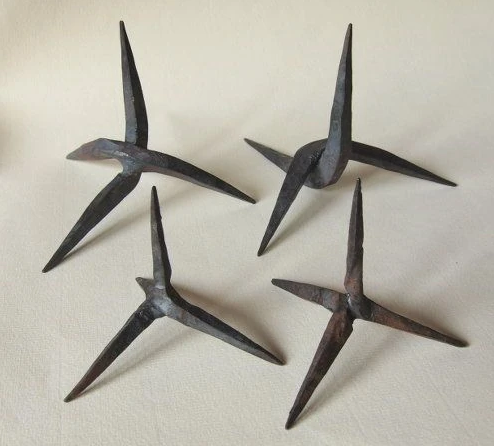
Honestly, the first time I heard this term used I thought the person said “cough drops.” Now I know that these are little bits of sharp metal that you can throw on the ground. The design of caltrops is such that no matter which way they land, they have a point sticking straight up. They are used to impede an opponent’s movement since the opponent in question would either need to slow down to avoid stepping on them or run through them and risk facing the wrath of what could be described as tactical Lego blocks.
9.) Level Up
It amazes me sometimes how far and wide this term is known and referenced. I saw the other day both The Gap and Old Navy talking about leveling up your experience. Likely, that’s to appeal to gamers, specifically video gamers. Yet the term as I understand it really came from the tabletop space, and that’s certainly where it first came into my own personal gamer lexicon. There’s just something cool about finishing a game session and learning that your character has leveled up. The Final Fantasy victory music almost always springs to mind when this happens.
10.) Psionics
I first encountered this term in the Palladium fantasy RPG setting when I played a “Mind Mage,” a user of psionics or mind magic. Later, when I played the Traveller RPG (which would eventually lead to my first novel), I discovered the Zhodani who were a society of psionicists. So, I suppose that this one didn’t technically come from D&D as the title of this blog would suggest, but D&D did have psionics as well that further cemented the concept in…(wait for it)…my mind.
Honorable Mentions
Playing TTRPGs has a way of rewiring your brain when it comes to certain things. I include this section because there are five words in particular that have permanently changed in my vocabulary to the game version. When the words aren’t used in a gaming context, I have to push past my initial gaming reaction. You know, it’s like when a song that Weird Al Yankovic has parodied comes on, but you find yourself singing the Weird Al lyrics anyway. No? Just me?
Initiative
Campaign
Critical
Encounter
Module
Final Thoughts
I’ve always believed that playing TTRPGs exercises many parts of your mind. I’m better at math, managing money, tactical and strategic thinking, acting and improvisation, funny voices, and worldbuilding because I play these games. In addition to that, it’s great for the vocabulary. The words and terms that I showcased here are just the tip of the proverbial iceberg.
If you are a gamer of these games already, you likely know precisely what I’m talking about. If you are interested but have never tried them, I highly recommend that you do so. Adventures and worlds you can scarcely imagine are waiting for you out there.
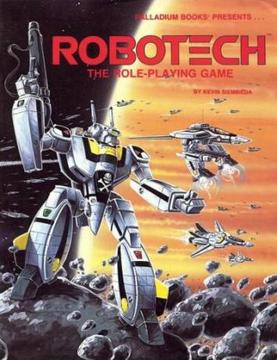
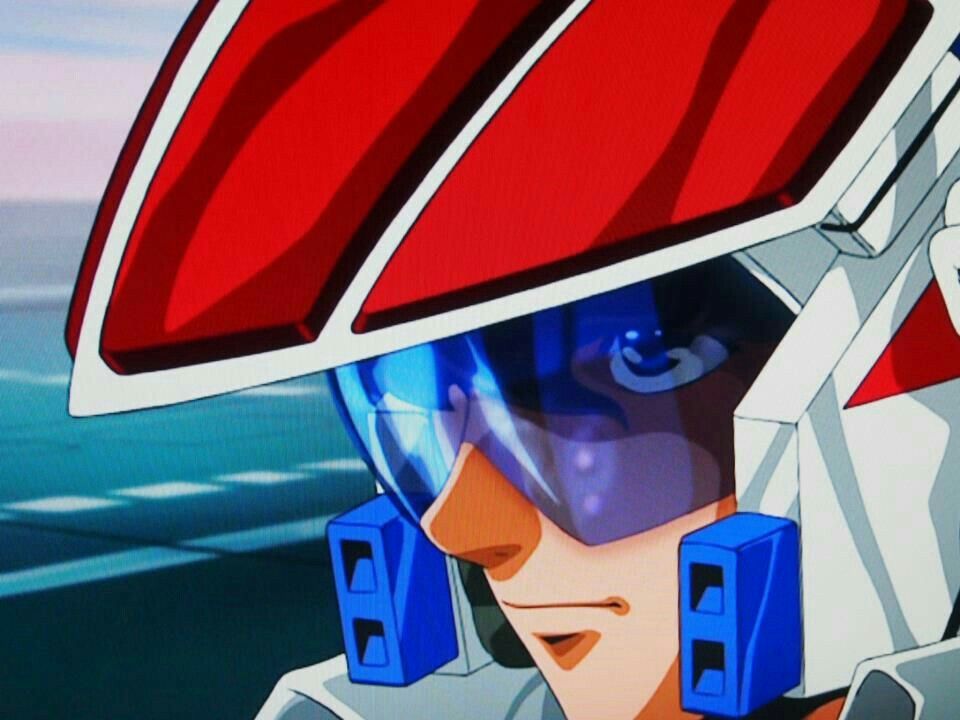
Some of my earliest memories of watching anime are those with my dad. We would watch Speed Racer and Star Blazers in the small little apartment where we lived. Star Blazers, the rebranded and redubbed Spacebattleship Yamato, was perhaps my first brush with military science fiction, but I was too little at the time to really take it all in (that would come later). A few years later, Robotech came into my life thanks to the local channel running it in the mornings.
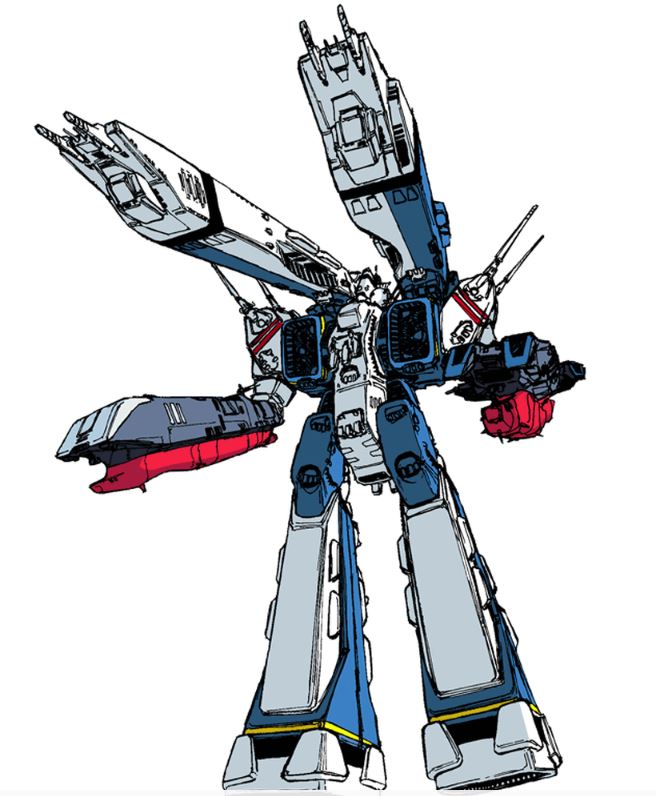
Transforming robots were all the rage then, and so Harmony Gold had imported three unrelated anime series from Japan and linked them together, starting with the Super Dimension Fortress Macross, then Super Dimension Cavalry Southern Cross, and finally rounding out the storyline with Genesis Climber MOSPEADA.
While anime purists might balk at my love for this admittedly cobbled together franchise, as a kid in a rural part of Texas, I didn’t make that distinction. I just knew that when the credits rolled, I had just enough time to walk to school and not be late. Transformers might have been my afternoon show of choice, but Robotech started my day. Often I would be thinking about the episode that morning instead of paying attention in math or music class.
The show has left a lasting mark on me, so today I thought I would go through the various ways it affected me back then as well as today.
The Story:
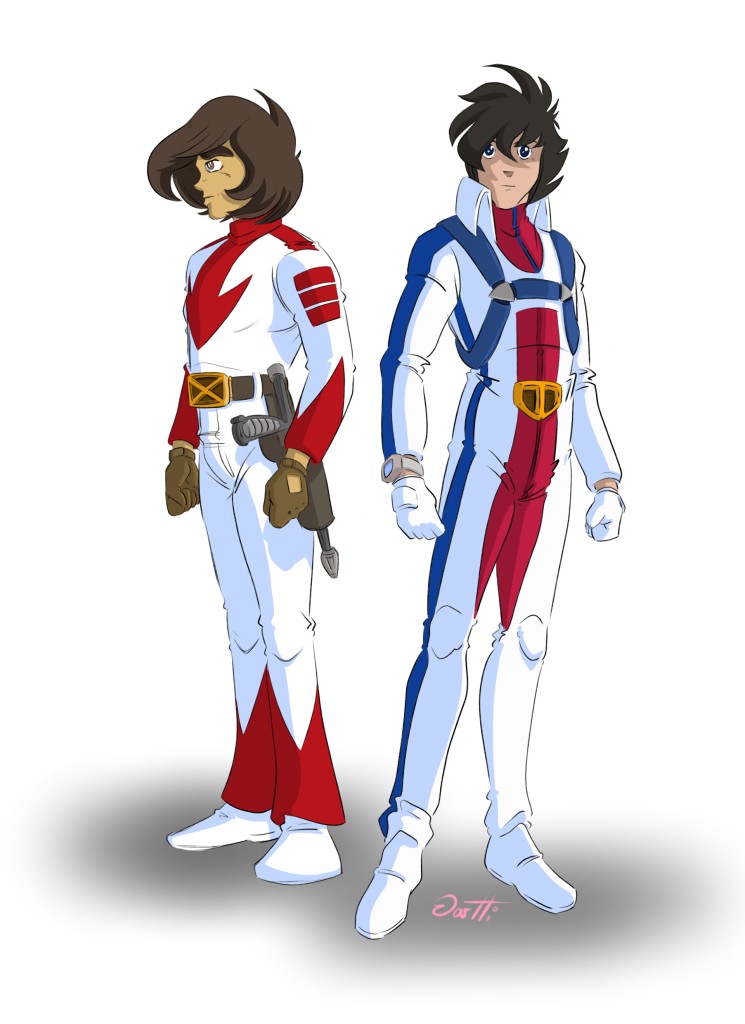
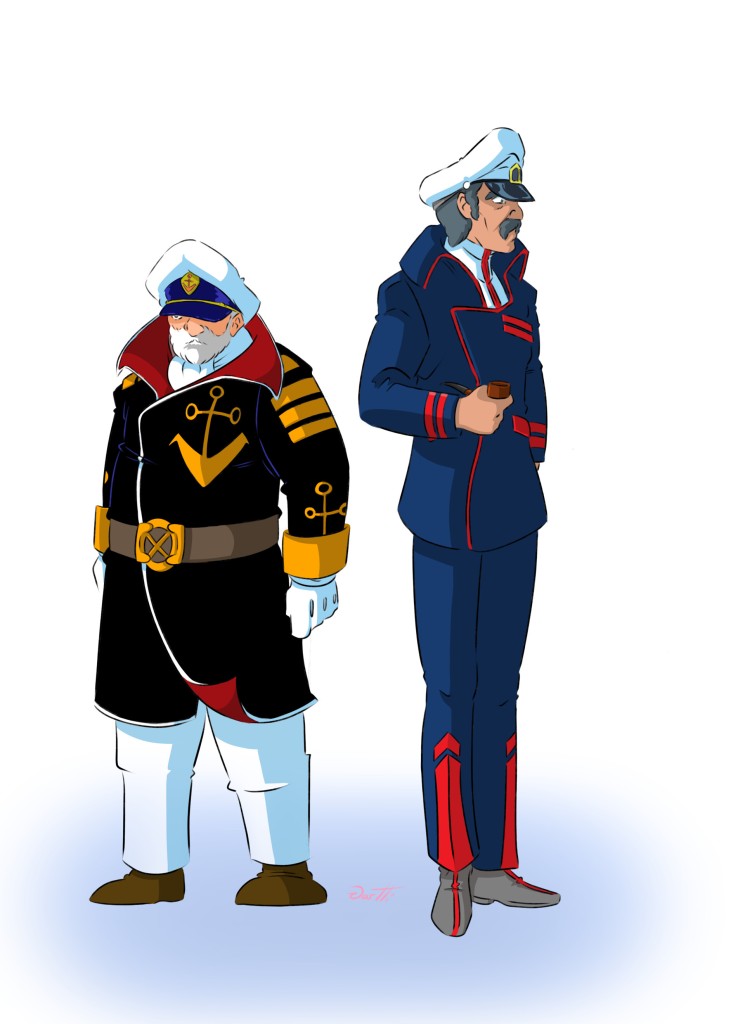
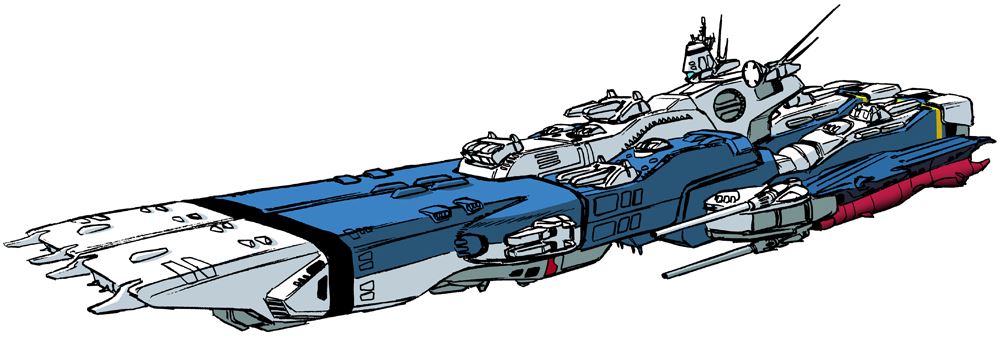
I was immediately struck by the similarities between Robotech and Star Blazers. Both featured a supership with an ultimate, spinal-mount weapon, squadrons of specialty fighters, and a protagonist with wild brown hair. Both series featured the forces of Earth fighting against humanoid blue-skinned aliens who fought in green techno-organic ships. Even the military uniforms had a similar look to them.
Of course, that’s largely where the similarities ended. Star Blazers was about saving Earth by retrieving a cure from a distant galaxy against all odds; Robotech, at least the Macross portion of the story, was about being separated from home and not being welcome once they returned.
Farewell, Big Brother
I found the narrative of the story compelling. It didn’t pull its punches the way that many contemporary American cartoons like Transformers and G.I. Joe did at the time. In a story about war, people died, and not just background characters. Roy Fokker definitely had main character energy, but he died by losing too much blood. Ben Dixon, one of Rick Hunter’s wingmen, died the very next episode. Most of the Earth gets scoured in a mass bombardment by the Zentraedi armada. With one exception, all of the bridge crew of the SDF-1 are killed in the final episode of the Macross saga. There are some really grim moments that underscored just how serious the situation and the stakes were to the characters.
It felt like there were real consequences in that universe, real risks to life and limb, which I think was the first time I had a cartoon give me that when I was old enough to understand it. Any time I’m writing something about armed conflict, whether in sci-fi or fantasy setting, I immediately think back to how I can capture how I felt when I experienced that for the first time.
The Music:
I’ve always thought that any animated show needs three things to really stand out: A great story, great characters brought to life with a stellar voice cast, and a memorable score. Robotech definitely had all of that, but it really excelled at the last of those three. The musical score and the songs in Robotech were incredible, thanks to composers Arlon Ober and Ulpio Minucci. Many of them have places in the playlists I use to write today. If it’s been a while since you’ve heard them, or aren’t familiar with them at all, let me give you just a taste of what I mean:
Robotech Anthem: The main title music that also plays over various parts of the story. Magical.
Reflections: A very slow, somber version of Reba West’s “We Will Win.” It’s hauntingly beautiful.
Battlestations: This has a place of honor on my playlist entitled “Scramble Fighters.”
Zentraedi Theme: Another one of the “things have gone from bad to worse” tracks.
Desolation: This one gets played in the aftermath of tragedy. So, a lot.
Rick Hunter’s Theme: I really love this one. This is “the hero is on a roll” track.
There are so many corkers on the Robotech soundtrack, but I have to give one special props. I played this one just after I wrote the final line of my first novel, The Backwards Mask. It’s now become a tradition I’ve maintained that, when I complete a manuscript, I play this song: Mission Accomplished.
The Novels:
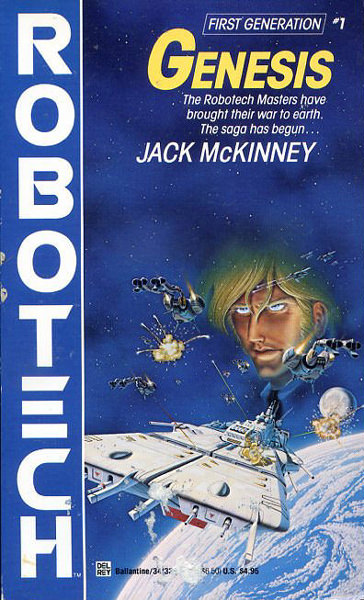
Beyond just the episodes of the animated series, I was able to experience the story of Robotech through a series of short novels by Jack McKinney (a pen name of authors James Luceno and Brian Daley) released by Del Rey books. Often, these books were a scene-for-scene novelization of the episodes.
They could have been a straight adaptation of the show, but they went well beyond that. There were chapter insets that gave a little more explanation of the in-universe lore. They also attempted to fill in some of the cracks and plot holes that the animated series never addressed. They act as almost a deeper behind-the-scenes retelling of the story that gives us the thoughts and motivations of the main characters.
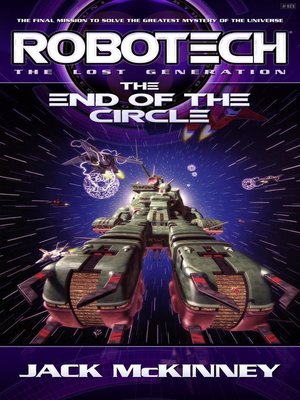
But again, they didn’t stop there. We also got the Sentinel novels, which took the unaired scripts from the Robotech sequel series and gave us stories in novel form that have never been made into episodes. Finally, we had an answer to what Admirals Rick Hunter and Lisa Hayes-Hunter got up to with the SDF-3 at the Robotech Masters’ homeworld. The series culminated with End of the Circle, which brings all three generations of Robotech heroes together for one last giant-sized adventure.
We also got the “Lost Generation” books which filled in the gaps, like the Malcontent Uprising, the Robotech Masters before they encountered the Armies of the Southern Cross, and a prelude to the devastating Invid invasion of Earth.
All told, the novels spoiled us with lots of extras we wouldn’t have found otherwise. I read them all, back-to-back, a few years ago and they hold up. It helps that I’m invested in the characters and setting, but they are a master class in tight writing to accurately describe both what we saw on the screen and all the things we didn’t.
The Game:
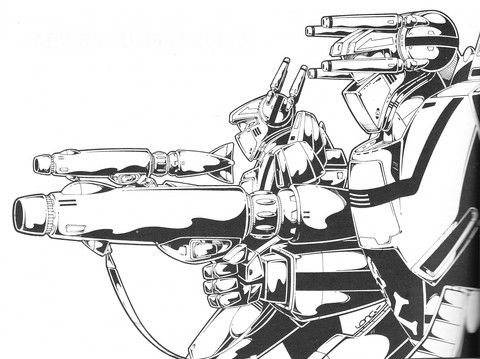
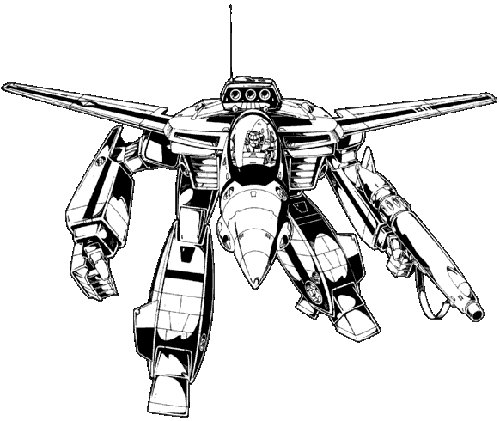
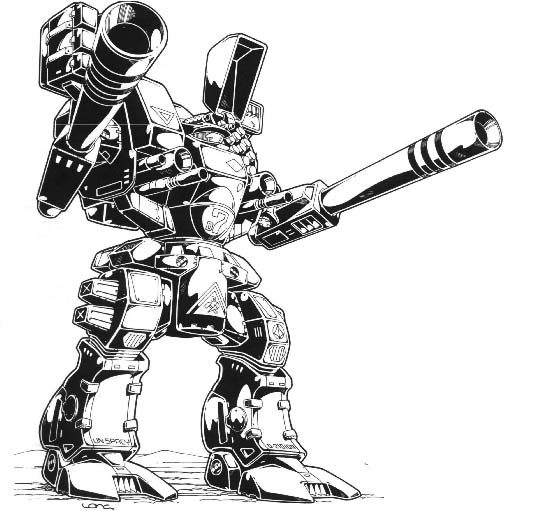
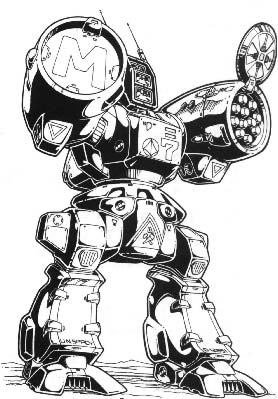
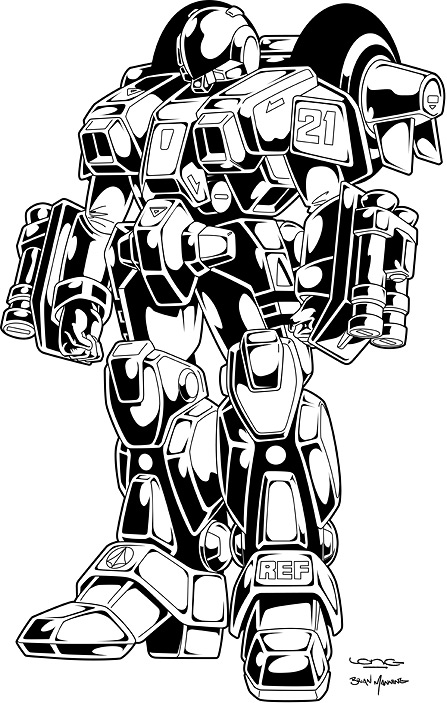
As I’ve stated elsewhere, Dungeons & Dragons was not the first TTRPG I played. I first entered that world on the Palladium/RIFTS/TMNT side of things. Well, Palladium games also had the Robotech license at the time. I collected all of the books I could find. While some of the information in them wound up being inaccurate or conflated, at the time it was the best resource I had for a deep dive into the mecha, the storyline, and the characters. The art by Kevin Long still stands in my mind as some of the best game art in any TTRPG supplement ever.
I had watched the series, then read about them, but here was my chance to step inside the universe with an original character. Unfortunately, I never got to play as an ace veritech pilot or destroid jockey. I did attempt to run a game in junior high, but it only went so far. My understanding of the material was still not there. Later on, in college, I wrote up this long campaign bible about how I could start a group of characters off at the launching day of the SDF-1 on Macross island and run them through adventures while the main story played out in the background. Then, once the REF came along, the characters would have a choice to either follow Rick and Lisa on their expedition into outer space or remain with the Southern Cross to defend planet Earth.
At that point, I was cross-referencing and collating everything from the animated series and the novels into one whole. I unfortunately never got to run it, as it would certainly take years of real-world time to give it a proper go. Still, I’m hoping that I’m able to do it one day. It’s definitely one for my bucket list.
The Legacy:
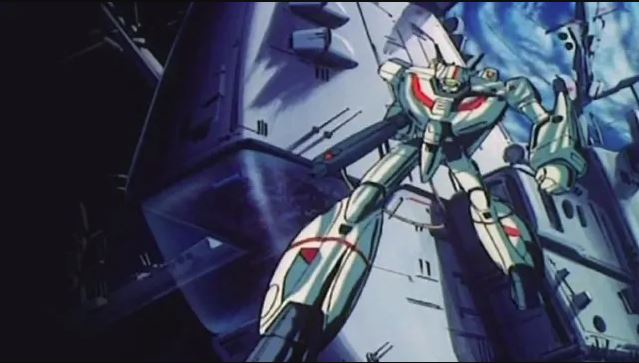
As I sit here in my writing office, I can look to the top of my bookshelves and see a generic beige veritech fighter in Gerwalk/Guardian mode. Behind that is Miriya Sterling’s distinctive red veritech in Battaloid mode. A bit behind that is a much larger veritech tank with an action figure-sized Dana Sterling in her Southern Cross armor sitting on its shoulder. A little farther down the way, I have M.A.C. II “Monster” next to some smaller ExoFrames-era destroids, as well as a bigger Excalibur and Gladiator. My G1 Jetfire is also up there, which is essentially a VF-1S model “Valkyrie” veritech. They are a part of my chorus of muses in amongst the Starrions, Transformers, and two incarnations of Voltron (lion and vehicle).
Whenever I’m stuck on a problem or suffering from a bout of writer’s block, I can look up there and they are a reminder of the stories that influenced me early on. Beyond that, they are a personal reminder not to give up, no matter how hopeless or against the odds the situation at hand may seem.
I know that nostalgia is something that only gets stronger as one gets older, and it’s no different with me. I find, though, that the lessons that Robotech taught me about storytelling, facing adversity, and life in general aren’t just things that I reminisce about in distant memories of my childhood, but rather ones I find myself using pretty often in the present. And if that’s not a legacy, folks, I don’t know what is.
[The following is an excerpt from my ttrpg book, The Artificer’s Guide to Magic Items available here on DM’s Guild. In its first week it has already achieved Copper Bestseller status!]
Dearest Devs,
I know I have engaged in some light critique in this guide, but in all sincerity, I hold all of you in the highest respect. None of my comments or implications here are intended to be mean spirited or insulting. You have labored long to produce a game that millions of people across the world play and enjoy on a daily basis, myself included.
As you can see from this guide, I love the Artificer class. Thematically, it fills a gap that I’ve wanted to see addressed for many years. I must admit, however, that I’ve been disappointed in how the class has been supported since it first appeared in Tasha’s Cauldron of Everything. There have been a few new spells added to the Artificer’s spell list as new sourcebooks have come out, but none of them have been exclusive as far as I’ve seen. D&D Beyond has greatly expanded the list of items that can be replicated, but that’s about it.
Apart from that, it has received no additional infusions, no alternate class abilities, unique magic items, or new subclasses the way that the standard twelve classes have. It is a class that rarely appears in virtually any D&D merch, such as the gorgeous, officially licensed enamel pin set. A few of its class features, such as the 9th-level ability Armor Modifications, don’t work correctly on D&D Beyond, and it seems unlikely that the class will ever appear in Larian Studios’ recently released Baldur’s Gate III game, or indeed any other D&D-themed video game in the near future.
Perhaps it is too soon to tell, but it concerns me that there’s been very little about the class in the One D&D releases or interviews. When the Expert classes were released, the Artificer was listed in a footnote as being part of that type of class, but it was not explored the way that the Bard, Ranger, and Rogue were in the playtest materials. This leaves me wondering whether the Artificer class will have a place in the game moving forward.
I hope that it does.
So, Wizards of the Coast, I challenge you to give the class the consideration it’s due. Make it a legitimate part of the game instead of a strange, often-overlooked curiosity. It may be easy for me on the outside to say this, but when it comes to the Artificer, give us more and give us better. The potential for the class is there, so please do what you can to see it fully realized.
Back in January, in my State of the Sector address, I mentioned that I was working on a Dungeons & Dragons supplement for the DM’s Guild. In my ignorance (or perhaps hubris), I thought it would be ready in March. Oh, you sweet, summer child.
But here’s the thing: While I may have grossly overestimated how long it would take to produce said supplement, I’m glad it came along in its own time. It allowed me to really make it great, thanks largely to the editor, designer and artist on this, Gabby, Natalia and Miguel. Now I’m proud to be able to introduce The Artificer’s Guide to Magic Items.
What is it?
The Artificer’s Guide is a supplement for Dungeons & Dragon 5e for both players and Dungeon Masters. The book serves both as an expansion and fusion of the crafting systems found in the Dungeon Master’s Guide and Xanathar’s Guide to Everything. It takes a layered approach to item creation that ranges from mundane, non-magical items to powerful artifacts — and everything in between.
I would hardly be a copywriter if I didn’t include a list of features and benefits, so here you go:
Expanded item creation rules for non-magic items, magic items of all five standard rarities, scrolls & potions, sentient items, and artifacts.
Improve the value of gems and art objects, add new abilities to existing magic items, transfer abilities between items, and design new magic items from scratch.
Hire help in crafting or enchanting items, or engage your fellow party members in the process to create cooperatively.
Explore special crafting environments, tools, and components that can supercharge any player’s ability to craft — especially if they are an Artificer.
Discover ways to integrate Artificer class abilities into item creation, granting additional time savings and reduced creation costs.
9 new spells exclusive to Artificers to unlock their crafting and creative potential.
15 optional rules to fine tune the crafting and item interaction experience at your table.
22 new magic items that include crafting aids and ways to give all four Artificer subclasses an extra edge both in the lab and on the battlefield.
Includes handy worksheets with step-by-step instructions to keep track of all the numbers.
Why is it?
I am a big fan of the Artificer class that debuted in Tasha’s Cauldron of Everything. I love the idea of a character that uses magic to create stuff. It fills a gap that I’ve wanted to see addressed for a long time. Unfortunately, I feel that the class hasn’t been given the same attention and support that the other core classes in the game have received. There just feels like there’s something missing from it.
What’s worse, you have a class that’s devoted to making things, but the item creation rules in 5e feel half-hearted and don’t grant the Artificer class any advantages in crafting. According to the rules, if a Barbarian and an Artificer were both trying to create a staff of thunder and lightning, they would be on equal footing.
To me, that doesn’t fulfill the core fantasy of being an Artificer. It would be akin to a Bard not having the edge in drafting an epic poem, or a Paladin being equivalent to a Rogue when it comes to navigating the seedy underbelly of a crime syndicate.
So, I did something about it. I created a crafting system using the framework of existing elements from both the Dungeon Master’s Guide and Xanathar’s Guide to Everything. In this resulting system, any class can craft items, but the Artificer has the chance to shine brightest. The system also integrates Artificer class abilities into the mix to give a little extra oomph to creating items.
Where is it?
You’ll be able to find it on the DM’s Guild soon. ‘Soon’ being in the next few weeks. Right now, the layout is done, and we’re in the process of getting a print-on-demand version sorted out. That’s right, there will be a hard-copy version of the book available at launch! UPDATE: The book took slightly longer to launch than originally thought, but the book it’s now available here!
The PDF version of the book is $4.99. If you want a hard copy, that version is $17.99.
Final Thoughts
The Artificer’s Guide is the first supplement that I’m releasing under the Sector M banner. Pretty soon, there will be a new part of my author website for Sector M Games. You’ll note that everything under the games banner will feature a green version of the classic Sector M logo.
So, yeah, this is my first release under Sector M Games, but I’m hoping it won’t be the last. I have some other projects in the works that I hope will soon join the Artificer’s Guide on DM’s Guild or on my website.
We are back with a brief retrospective on what we were able to do last year as well as a look ahead to the horizons of 2023. Let’s dive right in, shall we?
A New Direction
My last blog post of 2022 talked about this in detail, so I won’t repeat too much of it. The short version is this: I’m having to move my focus away from science fiction for the foreseeable future. I’ll be focusing on fantasy this year in the hopes of breaking into traditional publishing. It’s not a decision I make lightly, but it’s one that comes after much thought and soul-searching. This change will trickle over to the posts I make here. So, expect to see a bit more content about the fantasy genre in the months ahead.
Drink up me hearties, yo ho!
Marvel, Maybe?
My philosophy for this blog was always to talk about those things I enjoy instead of focusing on those things I don’t. The MCU has taken up a significant amount of my Fanboy Reviews up to this point, but most of Phase IV has fallen flat for me. Multiverse of Madness was something of the final straw. My review of that movie was long and mostly negative, which runs counter to why I created this blog in the first place.
I can hope that Phase V will be an improvement, but don’t expect to see as much coverage of the MCU as there was in times past. If Phase V starts to improve, I’ll pick it back up, but I may be more selective in the titles I choose to review.
Fun & Games
This has been in the works for a while behind the scenes, but I can finally announce that I’m actively developing a TTRPG supplement for D&D 5e, potentially the first of many, and an original board game with a cyberpunk aesthetic.
The supplement will appear on DM’s Guild, and I’m hoping to launch it in March. More details on that as they become available.
The board game, by contrast, is on a much slower developmental track. My plan is to run a Kickstarter for it when the time is right. There are a lot of moving parts to a project like that, so it might be next year before it finally sees the light of day. I will, however, keep you posted on the progress I’m able to make in the meantime.
Gone is the past.
2022 Accomplishments
Last year was something of a roller-coaster for me creatively, but I made significant progress on a number of things I outlined in last year’s State of the Sector Address. I wanted to share those with you here.
Sector M Website/Patreon Revamp/New Merch Store: Sector M got a new look and new features, starting with my author website. I migrated my old Redbubble store over to Etsy. I now have many more options and designs available. Lastly, my Patreon got quite the glow-up , with new tiers, new rewards, and monthly Zoom calls with yours truly. If you haven’t already, go check ’em out.
Blog Delivery: After a few years of being hit-or-miss with my blog posts, in 2022 I was able to post one original blog post per month, January to December. With one exception, I delivered them on the dates I listed in the last State of the Sector.
Attended DFWCon: In October, I finally made it back to DFWCon after years of being away. I really loved the opportunity to hang out and talk with other authors, hear success stories, and make in-person pitches to agents and industry professionals.
Progress on #7: Book #7 has been something of a storm in a bottle. I started it on Halloween of 2021. While I made some progress during the last two months of that year, I really started getting into it in January of last year. I noticed that my average word count per writing session almost doubled. At the time of this post, I’m 120,000 words into it. The story is a big one though, big enough that what I thought was a novel might wind up being a trilogy of novellas instead.
Still in the Works
The Sector M Podcast: The timing for this just didn’t work out. I’m still interested in getting a Sector M podcast off the ground at some point in the future, so I’m not shelving this idea. If and when there’s any progress on this front, I’ll be sure to announce it here.
The road to the mountain.
Goals for 2023
Finish Book #7, Start Book #8: As stated above, I’m still working on book #7. I hope to have the initial draft done in or around April. My plan is to start book #8, a direct sequel to #6, in June.
Query Books #5 & #6: Book #5, or DMM, is my first querying project of the year. This should begin in February. I’ll be working on polishing book #6, or AOTO, to start querying it later in the year. Both are fantasy titles that (ostensibly) are set in the same world, though they are separated greatly in time period, space, and overall theme.
Revamp Strange Reports to Sector M: My anthology that came out some years ago is getting a re-release. In addition to fixing some production errors that crept in, I’ll be adding a hardback version. My goal is to get that up and running in a May timeframe.
New Blog Schedule: I have a new slate of original blog topics planned for this year, and I’m excited to get started on them. Like last year, I’m going to post on the third Friday of the month. Here are the dates in question:
This does not include the updates that may pop up in more of an update/ newsletter-style post.
Attend Writing Conventions: I thoroughly enjoyed going to DFWCon this last year. In addition to returning to that con, I want to travel to a few more conventions. I’m still in the research phase to determine which ones. Once I have that figured out, I’ll post the details in the next update.
Time for an epic team up!
How You Can Help
Support Tab: I’ve created a new tab next to “Home” and “About” at the top of the page. It has all the ways you can support Sector M. Here’s the breakdown:
Tell a friend. No, really! Word-of-mouth is an author’s dream.
So, that does it for this year’s State of the Sector Address. Let me close by simply saying thank you for your continued interest and support of my work. There are some exciting things on the horizon, and I can’t wait to share them with all of you.























 The Sector M