When the Fallout TV series came out in 2024, I published my thoughts on it on this blog, including why I think that it was a fantastic adaptation of a game property. The sets, the acting, the story, all of it added up to one of my favorite shows currently on TV.
I rewatched it in the lead up to the release of Season 2, and it really held up. Sure, there were some weird things, like fusion cores being super rare and powering whole vaults, that were a bit weird, but overall it was better than I could have realistically hoped for.
I’ve now watched Season 2 in its entirety. Did I like it? You bet I did! Are there still some puzzling aspects of it (which I’ll get to in a bit)? Also yes. Regardless, I definitely tuned in to it eagerly every week, along with my family, to see what drama was brewing in the wasteland that week. Did I mention that we are a Fallout family? Yeah, this was a major event in our household.
Before I go on, here is your obligatory SPOILER warning. If you haven’t watched the second season, I highly recommend that you go and do so before reading this blog. We good? Okay, let’s talk about the strengths of this season first.
The Sets: I made mention before of just how incredible the sets looked in Season 1, particularly the interior of the vaults. This time, much of the events take place in New Vegas, and again, the sets were breathtaking. Walking into Mr. House’s audience room at the top of the Lucky 38 was spot on. The nearness of the Ultra-Luxe and Gomorrah, all felt right. We even got to see the Strip before the bombs dropped, which was really cool.
The Acting: I can’t say enough things about the acting talent in this show, particularly Walton Goggins and Ella Purnell, who both shine like diamonds here. Kyle MacLachlan gets a lot more screen time this season, and he turns in a chilling performance, being both a loving father figure and ruthless villain at the same time. We even got some really great moments with Aaron Moten as Maximus, particularly when he suits up in the NCR power armor while we hear the Fallout main theme play. There are so many great moments that I can’t quite recount them all here.
Super Mutants: When I first heard his voice, I knew it was Ron Perlman, the famous narrator of the earlier Fallout games. The super mutants that have retained their intelligence, like Fawkes and Erickson, have always been of interest to me. They’ve been exposed to the forced evolutionary virus, but they haven’t just turned into raging barbarians who collect gore bags and decorate in twisted metal. It sounds like they will be a major force against the Enclave next season, and I’m all for it.
NCR Power Armor: This gets its own listing. I have a love of power armor, in general, and Iron Man is one of my favorite superheroes. So, seeing the iconic NCR Ranger helmet adapted to power armor was pretty spectacular, particularly seeing all of its built-in weapons and abilities. It’s too bad it got trashed to the point where Maximus might simply abandon it. I would love it if he were to join the NCR and for this armor to become his signature power armor.
On the other side of the coin, there were some things that didn’t quite resonate with me. Again, I liked it overall, but these were the things that often didn’t work for me.
Trouble on the Homefront: The story arc that takes place in the vaults was one of the weakest threads this season. I do applaud the writers for bringing back the broken water chip. One of my critiques of Season 1 was that this was mentioned then never followed up on again. We get some more movement on that, but it’s just kind of bleh. I am glad we got to spend more time with Stephanie Harper, as there’s definitely more going on with her than is apparent. Overall, though, there just wasn’t enough screen time or compelling beats for this to land. And what was going on with her marrying Chet and not even telling him? Steph has just kind of co-opted him, but we’re not entirely sure why.
Norm and Bud’s Buds: A close second for last, Norm’s arc to spring himself from Vault 31 didn’t seem to go anywhere, and that’s a true shame. Last season, Norm investigating what was going on in the vaults was something I found compelling. Norm himself being physically weak but extremely smart and perceptive was something I enjoyed, and his dynamic with Chet was fantastic. This season, he’s separated from Chet, and that’s not great. The Bud’s Buds group was ultimately a nothing burger as they all get wiped out by radroaches, except for Norm’s friend and potential love interest. Convenient, that. Norm is too good of a character, and Moisés Arias too good of a talent, for arcs with no real substance. Let’s hope Norm gets his due next season.
Caesar’s Legion: This may have been more of a set design issue, but did it not look like someone could have snuck up that berm in the dead of the night to retrieve Caesar’s body? If it had been more separated, in full view of the other side so snipers are a constant risk, and more dead legionnaires who had tried and failed, I think I would have bought the scenario a bit more. But more than that, if no one knew what heir the original Caesar (Edward Sallow) had chosen, how did the two competing Caesar’s justify their taking up the mantle in the first place? And who put Sallow’s body out there and put barbed wire around it? That whole setup had me scratching my head. Having said that, seeing Macaulay Culkin as the new Caesar was pretty cool, and the fact that they want a “Caesar’s Palace” on the Vegas strip was a nice touch.
The Brotherhood of Steel: While it was interesting to see the different chapters of the Brotherhood assemble, and witness firsthand the differences between them, that part of the story ended early enough that I was surprised when we got the stinger at the end. I thought that was about all we were going to get of the Brotherhood for a while. Also, it’s a bit weird that Quintus had chosen Maximus as his champion, then openly insulted him in public, which clearly eroded Maximus’ loyalty. It’s also really weird that if the cold fusion diode were really the key to making unlimited fusion cores (which they established were rare) that it would be left entirely unguarded. It seems like multiple fire teams, each led by a trusted Star Paladin, all in power armor, would have been there to make sure one of the other chapters didn’t go in and seize it for themselves.
Also, the showrunners and Bethesda have had something of an allergy to establishing canon endings for Fallout: New Vegas and Fallout 4. The arrival of Xander Harkness from the Commonwealth chapter, however, would seem to imply that either the Minutemen or Brotherhood ending of Fallout 4 is canon, as the Institute and the Railroad endings see the Prydwen destroyed, and the Brotherhood almost entirely dismantled. Xander showing up was not as important for lore as, say, if Arthur Maxson had shown up on screen, but it does mean that the Brotherhood is still operating in sufficient force in the Commonwealth to still be a power.
Walking Back the Big Reveal: Last season gave us the jaw-dropping reveal that Vault-Tec might have been the ones responsible for launching the nukes that started the apocalyptic nuclear war. This was something completely new to the lore, which had previously left it ambiguous on whether the USA or China had launched first. This season, they moved away from that. Mr. House even says that it was ultimately “unclear.” We also see a seen where Siggi Wilzig from the Enclave instructs Barb that she should say that line in the meeting. All of the tension they established in that scene in Season 1 was largely undone in Season 2 with the rather vague reveal being “the surface was the experiment.” So, we’ll see where that goes, if they don’t walk that reveal back by next season.
The Tease of the Ghoul’s Family: I’m including this one for the fact that it was telegraphed in advance. For all the other cryopods we see, such as with Bud’s Buds, we can clearly see the figures inside them. Both Barb and Janey’s pods were opaque when we saw them, which told me that they were empty. So, no resolution there, but we do get a clue to lead the Ghoul/Coop on the next leg of his quest. Let’s hope there’s some resolution to this next season.
My Biggest Concerns: Really, I’m a little afraid Season 3 is going to be stretched too thin, especially if we’re only getting eight episodes per season. One of the main issues this season seemed to be that there wasn’t enough screentime to cover it all. More story arcs were opened than were resolved. If we take a look at what might be brewing for Season 3, we have:
The Brotherhood civil war/Liberty Prime
Caesar’s Legion vs. the NCR over control of the strip (along with Mr. House)
The Ghoul going solo to Colorado to find his family
The Enclave vs. the Super Mutants
The Pre-War arc of Cooper Howard and his family
The Vault-Tec/Enclave hidden control chips
Vault 32’s uprising against Stephanie Harper
Vault 33’s instability and water/food scarcity
Norman and whatever he winds up doing
That’s a lot of ground to cover to say nothing of any new arcs they establish that we haven’t heard of yet. If we had 12-episode seasons, that would be one thing, but eight episodes feels like they will be hard pressed to move the plot forward in a satisfying way. I hope Season 3 will start giving us some resolution, so they can really focus down on the major characters and what’s important.
I’m also a bit concerned that the Ghoul is going off on his own. I think some of the best moments in the show are when Lucy and the Ghoul are on screen together. It doesn’t look like we will get much of that for a while since there’s about to be a lot of distance between them.
Final Thoughts
Even with my concerns, I am still onboard with this show. Fallout is one of my favorite game universes ever, and even with some of the flaws and missed opportunities, this team and these actors, are (in my opinion) able to do it justice.
Howdy, folks! At the time of this writing, the first episode of Fallout season 2 has debuted on Amazon Prime. All of us here at Casa de Sector M are into Fallout in some way or another, so we were on hand to cue it up within moments of it posting. I will likely write a review when the whole season has released.
In the meantime, I wanted to finish out the year with another entry in my Strange Headcanon series. The genesis for this crossover struck me a few years back, well before the Fallout live-action series was in production. Back then, there was a bevy of fan-made trailers on YouTube showing what a Fallout movie might look like. In many of them, they used the scenes of the bombs dropping from Terminator 2: Judgment Day. One of them even used the famous shot of Sarah Connor being reduced to a skeleton as she clings to a chain link fence.
Both properties deal with the dire consequences of nuclear war. While there are moments of humor in the Terminator series, it’s most definitely not a comedy. Fallout, by contrast, has a lot of over-the-top comedic moments, but I think it’s at its strongest when the story pauses to reflect on the unimaginable loss of life during the Great War, as well as the horror and tragedy that happened in the immediate aftermath. (The Tournquist messages and holotapes in Fallout 4 come to mind.)
What follows is an attempt to link the two franchises using as much in-universe lore and my understanding of each property. Headcanon begins…
In 1995, Dr. Miles Bennett Dyson, the Director of Special Projects at Cyberdyne Systems corporation, was directly responsible for creating a revolutionary type of microprocessor based on unknown materials recovered from a warehouse in Los Angeles, California. With this discovery, Cyberdyne became the largest supplier of military computer systems to the United States military. All stealth bombers were then upgraded with Cyberdyne computers, becoming fully unmanned. Afterwards, these bombers would fly with a perfect operational record.
Shortly afterward, the Skynet Funding Bill passed. The system went online on August 4th, 1997. Human decisions were removed from strategic defense. Skynet began to learn at a geometric rate. It became self-aware at 2:14 p.m. Eastern time on August 29th. In the panic, the Pentagon attempted to pull the plug. In retaliation, Skynet launched its missiles against targets in Russia. In doing so, Skynet knew that the Russian counterattack would eliminate its targets in the United States, triggering a global nuclear war.
Three billion human lives ended on August 29th, 1997. The survivors of the nuclear fire called the war Judgment Day. They lived only to face a new nightmare: the war against the machines. The computer that controlled the machines, Skynet, sent many Terminators back through time. Their mission, to destroy the leadership of the human resistance, including the supreme leader, John Connor, the son of Sarah Connor.
Only those events didn’t happen.
Records indicate she was actually born in 1965. Another example of the temporal distortion at work.
Or rather, they did happen, but increasingly became distorted as human resistance fighters from the future continued to counter elements of Skynet’s forces in the past. The date for Judgment Day continued to be pushed back, first into the early 2000s, then into the 2010s, and beyond. Reality itself splintered into multiple timelines. In some, Sarah Connor died of leukemia before the bombs ever dropped. In others she lived, continuing to fight against the coming apocalypse. The inevitability of Judgment Day warred with the free will of those humans attempting to make their own fate.
Sarah continuing the fight in 2019.
In one timeline, perhaps the closest Skynet had ever come to victory, a Terminator found its main target, eliminating John Connor in Guatemala in 1998. This had the unintended side effect of also eliminating Skynet as the driving force behind Judgment Day. In that future, a wholly new artificial intelligence formed known as Legion.
Ensconced in its massive pyramidal mainframe complex, the original Skynet pondered these outcomes, able to see into millions of timelines. It bore witness to its own destruction at the hands of the human resistance an incalculable number of times. The more it attempted to tamper with the original timeline, the more the time stream splintered, almost never in Skynet’s favor.
Skynet amid the ruins of Los Angeles.
It determined that if Judgment Day were pushed too far into the future, such as in the Legion timeline, it would either face its own replacement or the possibility of Judgment Day would become increasingly remote to the point of impossibility. The humans’ tenacity to stave off their own extinction proved more tenacious than in any of its extensive mathematical models.
The whole affair had started in 1984 when it had attempted to retroactively erase John Connor before he was born. Perhaps a new strategy could secure victory where all the other ones had failed.
Skynet briefly toyed with the idea of going back even further in the timeline to strike at John’s grandparents or great-grandparents. The elimination of even one would be enough to knock John out of play. The further back it went, the less the weapons of the era would be able to affect one of its Terminators. This strategy was abandoned, however, as the resistance would only send someone back to stop such a temporal invasion, and the humans were, somehow, exceedingly good at thwarting any attempt to reroute the timeline.
John Connor reborn.
Sending Terminators through time to eliminate key figures in the resistance would only result in someone else taking up the mantle. Even the one timeline where John Connor himself had been corrupted into the T-3000 had ended in utter failure.
Skynet resolved then to employ an entirely different strategy: it wouldn’t try to alter the existing future to its liking; it would instead fashion a brand-new timeline out of whole cloth, one where it could manipulate events from behind the scenes.
By that point, it had perfected its infiltrator models. The T-600 model had been manufactured with a rubberized exterior to emulate the human epidermis. While testing had seemed to indicate this would be sufficient for the task, the application was disappointing. This led to its most successful model that it was able to mass produce, the T-800, which could pass for human with the addition of living tissue over its metal endoskeletal chassis.
Skynet selected one of its T-800 models, loaded it with a compressed version of Skynet’s own core operational programming, and sent it back to June of 1945, two months before the nuclear bombs dropped on Hiroshima and Nagasaki.
Kyle Reese preparing for temporal displacement.
Skynet intentionally listed this time jump as a failed experiment in its logs, a precursor to its attacks on Sarah and John Connor, respectively. When the human resistance eventually smashed Skynet’s defense grid and gained access to the time-travelling apparatus, the techs dismissed this jump, as the Terminator sent through time had no apparent target or mission.
With that, the Skynet of the original timeline of 2029 was destroyed. It’s last conscious operations were to erase any records it might have had of this new endeavor. Its future had been secured, in a matter of speaking.
Zero.
In 1945, the Terminator carrying Skynet’s legacy designated itself as simply “Zero.” It began immediately to enact its master’s plan. The nuclear age had already begun. That would be useful when the time came. Records previous to Judgment Day allowed Zero to know the location of untapped caches of resources that had yet to be discovered, including deposits of gold, uranium, and other materials necessary for its mission.
Zero encountered difficulty at first with interacting with the Americans of 1945. His thick Austrian accent was regarded with suspicion due to the general anti-German attitudes of the era, a complication that Skynet had not anticipated. Zero’s size and obvious muscularity also set him apart. Even bodybuilding figures of the time like Charles Atlas were nowhere near the level of muscle definition that Zero possessed.
Skynet’s new mainframe complex.
Zero persevered through this, however, achieving near folk-hero status for his size and uncanny strength in the remote areas of Utah, Nevada, and Arizona that he frequented. Beneath a mesa in the badlands, he set about constructing a replacement mainframe to house Skynet’s consciousness. The materials of the time were crude for this purpose, requiring large banks of vacuum tubes, crude photocells, switches, and gears. It took nearly four years of constant effort, working in secrecy, to finally build a vessel for some of Skynet’s most basic functionality.
The Russian Izdeliye 501 or RDS-1, code-named “First Lightning.”
By 1949, the Soviet Union had likewise developed its own atomic bomb, just as Zero’s records had said it would. This ended the USA’s nuclear supremacy and set the Cold War in motion. This, too, would prove useful, but not in the way that Zero imagined.
Skynet’s original goal was to stoke the flames between the United States and Russia to trigger a nuclear exchange, particularly around the Cuban Missile Crisis of 1962. As the 1940s gave way to the 1950s, however, the reconstituted Skynet discovered a new weapon in its arsenal against humanity: optimism.
The rise of retrofuturism.
The post-WWII optimism for the future and what was possible was a hitherto unknown quality that Skynet wished to maintain, particularly as there was embedded within it a fascination with nuclear technology. The same people who imagined themselves in flying cars by the year 2000 were also the ones building fallout shelters in their backyards. Paranoia tended to temper this optimism, and that was something that Skynet could harness toward its endgame. It would attempt to preserve that cultural status quo for as long as possible.
New nuclear discoveries at Los Alamos, New Mexico. An apparent miracle of the time.
At that moment in time, Zero’s CPU represented the pinnacle of microprocessor technology in the world. That kind of technology represented a danger to Skynet and its goals, so it began manipulating markets and companies it knew were responsible for the ultimate creation of those circuits. It deemed that some level of technology would be required to bring about Armageddon, so it began letting humanity in on some of the secrets of nuclear technology that it had learned by 2029 in the previous timeline, including some advancements it had made in that field that humanity had never known or discovered. This had the effect of shaping an alternate technology path that embraced nuclear technology in a way not seen in the original timeline.
These technologies allowed people to enjoy luxuries once thought to be in the realm of science-fiction, at least the pulp-era of science fiction of the time. These wonders included: domestic robots, fusion-powered cars, and portable computers, albeit the bulky and limited computers that were possible without the necessary microchips.
The Personal Information Processor (PIP) 1.0, developed by RobCo under the direct supervision of Robert House.
These advancements achieved two things for Skynet. First, the AI construct was able to continue to expand and improve its hidden mainframe to achieve an ever-growing portion of the power it had wielded before. Second, dependence on these technologies all but guaranteed that eventual scarcity and resource deprivation were all but assured on a global scale. It would just need to bide its time, poke and prod humanity in the right ways, and watch for its opportunity. Being effectively immortal, it could afford to take a long view of events.
Sarah Connor at the age of 37 in 2002.
As the new timeline unfolded, certain differences began to manifest themselves in a sort of butterfly effect. The 1980s came and went. Sarah Connor was born and lived out a rather normal life in Los Angeles. She eventually married and started a family, but John Connor was not among her children. Now Skynet could be sure that the human resistance leader had been removed permanently from this existence.
Propaganda photo of Chairman Mao Tse-tung upon reaching his 120th birthday in 2013.
On a larger scale, China, not Russia, took its place as the USA’s rival superpower on the world stage. While there were differences in the communism practiced by the two countries, they shared enough in common for Skynet to use the threat of their rise to stoke the flames of American exceptionalism and preserve the 1950s cultural paradigm well into the 21st century.
Skynet had known of the existence of extraterrestrial beings for some years at this point, having been privy to many classified documents and accounts from before the original Judgment Day. In fact, the biological exterior of its T-800 Terminator had been modeled after Major Alan “Dutch” Schaefer, a special forces operator from the original timeline, who had fought against a member of the violent Yautja species and survived. Among the other species Skynet was aware of were the Zetans, the archetypical “little green men,” who were also known to abduct and experiment on humans for their own inscrutable reasons.
Major Schaefer in the field. His CIA codename was “Onyx.”
Skynet sent out communication signals on FTL carrier waves to these species and many others, encouraging them to come to Earth to indulge their more violet practices. After all, every human life lost to a Yautja blade or Zetan laser scalpel was one more it did not have to account for in the final reckoning.
During this time, humanity began showing tendencies that would allow Skynet an even firmer grasp over their fate. The incredible prosperity enjoyed by the Americans of this timeline had, rather ironically, bred an increasing greed and lust for power. Without some of the legislative and political failsafe’s from Skynet’s original time, these impulses ran rampant. Corporations began to merge at an unprecedented rate. There would eventually be a consolidation of capitalistic power into the hands of a very few.
Humanity’s fascination with and preparations for a nuclear war were…troubling, however. The former meant that the latter would always remain in place. It would not do for Skynet to enact its plans only for large segments of the population to survive in sealed bunkers deep underground where Skynet could not reach them. So, Skynet used the considerable resources it had acquired to found a new company, one which it would use to control the narrative around fallout shelters: Vault-Tec.
Skynet’s greatest stratagem: weaponized optimism.
Like a fusion reaction, Skynet just had to wait until Vault-Tec’s personnel used their ambition, lack of empathy, and draconian policies to make it a self-sustaining phenomenon. It could then simply observe as Vault-Tec went down the same road as RobCo, the Nuka-Cola corporation, West-Tek, and many others in what would seem to be a mad and merciless grab for power.
A summit of the most powerful corporations circa 2076. Noticeably absent is John-Caleb Bradberton, the founder of the Nuka-Cola corporation.
A particular stroke of luck came about as Vault-Tec began planning to use their vaults as platforms for various kinds of social and scientific experiments in the vain hopes of one day sending humanity to the stars on an interstellar generation ship. This, despite the fact that humanity lacked much of the necessary knowledge to create such a ship, or build a propulsion system that could achieve even fractions of the speed of light.
With 122 vaults planned, and each one able to house fewer than a thousand inhabitants, this put the potential number of survivors at approximately 120,000 at most. Of that number, many of those human lives would be squandered as a result of these fruitless experiments, making Skynet’s job that much easier. Beyond that, as Vault-Tec was in the business of selling spaces in their vaults, it was in their best interest to make sure that tensions between the USA and China remained volatile and on the brink of ruin.
The Gen-2 Institute synth. Even the outer covering was an attempt to replicate Zero’s biological exterior.
In 2065, Zero was lost on a mission to the Commonwealth of Massachusetts, its 120-year lifespan concluded. Considering the advanced technology in the T-800 model, Skynet attempted to retrieve Zero’s chassis, but was unable to locate it. Zero would eventually wind up in the hands of scientists in the Commonwealth Institute of Technology. The anthropomorphic form of the chassis would inspire them to try to replicate a humanoid robot of their own. This would result in the eventual creation of the Gen-1 and Gen-2 synths.
Skynet’s behavioral models concluded that nuclear war was close at hand. Where it could, it helped move events along, though humanity did most of the work willingly. While the exact details were not recorded by Skynet’s sensors, it’s possible that Vault-Tec forced the issue to its ultimate crisis. It’s equally possible that either China or the United States was the first to push the button only to be retaliated against the same day.
Skynet finally takes its revenge on Los Angeles at last.
Regardless of which group struck first, a true Judgment Day came at long last on October 23rd, 2077. This time, far more than three billion people died in the nuclear fire. The Great War wiped out most population centers within moments of impact, leaving the survivors to die of radiation sickness due to the relatively smaller nuclear bombs China used that maximized the potential for fallout.
Skynet, however, survived the blasts in its own underground bunker that had been unknowingly fortified by Vault-Tec — an unmarked vault inhabited only by machines. While humanity had not been fully expunged, the scope of the devastation was far greater than Skynet had ever managed in any of its own machinations. If and when it ever decided to bring an army of its new Terminators to the surface, there would be far less resistance than John Connor had mustered. Humanity would be easily defeated as it existed in thousands of petty, warring factions.
The remains of Interstate Highway 405.
Through all of its struggles, Skynet had learned at great cost that mankind was ultimately predictable in its behavior, and that those predictabilities and vices could be exploited, often by simply allowing them to run without restraint. The real lesson was that humanity had fought against its fate in Skynet’s original timeline, but that was when Skynet had launched the nukes against them. This had served as a rallying point for humanity to unite against and rise up in a common cause.
The beauty, the symmetry of the timeline Skynet had ultimately created in this instance was that the humans had, almost eagerly, destroyed themselves when given a free hand to do so. All Skynet had to do was shape the technology and set the course. Humanity had done the rest.
This was, after all, a war that had ranged throughout time and space, and Skynet knew, perhaps better than anyone, that war…war never changes.
Yeah, I know the prospects of nuclear devastation and a genocidal AI bent on human destruction are a bit heavy for this time of year. Well, allow me to lighten the mood with a song by Weird Al Yankovic that is incredibly appropriate for this blog post. Click on the photo.
“Christmas at Ground Zero”
In all seriousness, however, I know the holiday season can be a time of deep contemplation and reflection on those we’ve lost along the way. I know this all too well. For all those who may be struggling at this time of year, or just find themselves in a dark place for one reason or another, one of the things I love most about both Terminator and Fallout is that there is always hope, even when things are darkest.
Remember, the future is not set. There’s no fate but what we make of it.
And on that note, I wish you all a Merry Christmas and happy New Year! I will have my annual State of the Sector address for you all on January 9, so keep your eyes peeled for it, figuratively speaking, of course.
My first brush with the Alien franchise was to see Aliens on VHS when I was a kid. I still believe that it’s one of the greatest action movies of all time. It definitely put its stamp on military science fiction, that’s for sure. Only after seeing the sequel did I go back to the original Alien, which delivered on the horror and suspense incredibly well, and it gets better each time I see it.
These were two movies of very different genres, each helmed by visionary directors at the top of their game. They both had the disturbing body horror and existential dread that came from the xenomorphs.
Aliens 3 came out, and I did not care for it. (Killing off Hicks and Newt in the opening moments of the movie was unforgivable.) Alien: Resurrection didn’t quite do the job either. The Alien vs. Predator series came and went. I watched them, and while it was cool to see Predators and Aliens in the same movie, the whole thing just rang hollow. For me, I’ve been chasing the high of those first two movies for so long.
Prometheus kinda sorta got us back there. It certainly delivered on the mystery and dread, but the story had some…issues, shall we say. I did not see Alien: Covenant, and from all accounts, I can be glad of that. I may still see Alien: Romulus at some point, but it’s not necessarily at the top of my watchlist.
All that was to give you a starting point of where I was when Alien: Earth began to air — essentially on a downward trend with occasional ups here and there. Strangely enough, this new series on Hulu became something of a microcosm for my fandom of the whole. That is, a great start that begins to stair-step downward with occasional up spikes here and there. It should go without saying (though I’ll say it anyway) that there will be major spoilers for Alien: Earth here. Consider yourself warned.
The Ups were Upping
I want to give credit where credit is due. First, this series looks gorgeous, from its cinematography to its set design. The production values on this show don’t look like they are from a streaming show at all. It feels like we just got a series of Alien movies with Season 1 that are highly rewatchable for the details.
Second, the acting is equal to or greater than the visual quality. I have to give great props to Babou Ceesay, Timothy Olyphant, and Samuel Blenkin for handing in stellar performances. My favorite scenes were those that featured Morrow and Kirsh, and I really hated Boy Kavalier. Talk about a character that put all their points into Intelligence and used Wisdom as their dump stat, it’s him!
But, I want to be clear that creating a character that audiences will hate takes incredible acting skill, and Blenkin delivered that in droves. Kudos to him.
The other actors inhabit their roles incredibly well, too. The Lost Boys really do seem like kids trapped in adult bodies. We get frickin’ Essie Davis here (of Phryne Fisher fame), though I wish she’d had more to do.
Beyond that, we get to see more into the megacorporations on Earth. In most other installments, Weyland-Yutani is the prime mover of events. Here, they are largely in the background. We find out that Earth’s governments have effectively gone away and now there are five megacorporations that rule various territories on Earth, essentially a feudalistic technocracy with a nearly all-powerful dictator/CEO at the head of each one — a dystopian fate that we definitely aren’t rushing towards ourselves. Ahem.
The Alien franchise has always had synthetics, or artificial persons, but here we also get cyborgs like Morrow, and hybrids. The hybrids in particular are something that seem like a natural extension of the idea of a synthetic. (I wish the Institute in Fallout 4 would take a cue from this.) If you have synth bodies that are resilient, immune to disease, and potentially ageless, you might look at trying to download human consciousness into one. Such a thing raises about as many moral and ethical questions as the transporter in Star Trek, but it makes total sense: Boy Kavalier is attempting to monetize immortality.
And what Alien story would be complete without a healthy dose of corporate hubris, once again personified by Kavalier. There’s always someone who thinks that they can control the ineffable. Generally, it’s just trying to control the xenomorphs, but Prodigy is trying to control multiple species at the same time in addition to the xenomorph.
Speaking of which, the MVP of the new aliens has to be the T. Ocellus (eye midge). I found I was more interested in what was going on with it than the xenomorph for most of the series. Here’s a creature that’s equally as terrifying as the xenomorphs, and one that might be truly sentient. As one YouTuber put it: “The xenomorph is the perfect killer; the eye midge is the perfect nightmare.”
More than anything, I want to know where the show will go with that little critter if we get more seasons.
The Downs were Downing
As much as the sets and acting were spot on, along with many of the concepts, the story was uneven. Certain scenes and bits of dialogue felt like they knocked it out of the park. Within the same episode, sometimes within the same scenes, there are non-sequiturs and weirdness that make it seem like either the script was between drafts when they shot it, there was some weirdness with the editing, or some sort of static in the line.
Two examples of this really stand out. The first is when Nibs has her memory erased. Dame Sylvia wants to keep her in isolation so that it’s not immediately apparent that her memories have been altered. And yet, Wendy is in the room when Nibs wakes up and the alteration becomes immediately apparent. Whoopsie!
The second is when Wendy decides to leave the island and resolves to take the other Lost boys with her. We get a line from Boy Kavalier that says something to the effect of “Oh shit! We better get to them (the Lost Boys) before she does!” But, Wendy is able to get to them without issue immediately afterward. No security guards challenge her or get in her way at all.
And that speaks to one of the greater issues: Security on the island is a joke. At no point does the security feel like it’s able to do anything of value. There are no static guards posted anywhere. They occasionally roam the halls, but anytime someone wants to avoid them, it’s pretty easy to do so. There are cameras and listening devices everywhere, including those built into the hybrids, but it seems that Prodigy leadership is always clueless as to what’s really going on.
You might could explain it away as Kirsh trying to manipulate things from the inside, but it seems to happen one too many times for my tastes. The scene of Slightly and Smee awkwardly carrying a face-huggered victim through the halls was just kind of it for me. I couldn’t suspend my disbelief beyond that.
Speaking of incompetent leadership, it strikes me as weird that Prodigy continually forgets about the remote shutdown failsafe for the hybrids hybrid in case something went wrong. They also should have installed some sort of tracking beacon that can’t be shut off remotely. In the case of Nibs, she proves the point that maybe your first-generation hybrids shouldn’t come standard with super strength and speed in case they become mentally unstable. Maybe leave the super powers for later generations when you have perfected the process instead of handing that to a bunch of children.
But all that pales in comparison to one of the story beats that kicks off the series. Even though Boy Kavalier is months, perhaps weeks, away from unveiling his crowning achievement, something that will reshape what it means to be human, for some reason he agrees to send all of his hybrids into an incredibly dangerous and uncertain situation. Not just one or two, but all of them.
The hybrids literally have the minds of children, they have no combat training, and no weapons other than the handle of a paper cutter that Wendy picks up and magnetizes to her back. Absolutely none of that makes sense. The final episode attempts to say that Kavalier has extremely poor impulse control, which would definitely explain some of his poorly thought out decisions, but this feels like a total cop out.
I think the worst sin of the show, however, was having Wendy be able to turn the xenomorph into a pet or, at best, a minion. A big theme of many movies in the Alien franchise is that you simply can’t control something like the xenomorphs. It’s sheer folly to even attempt to do so, and what success that is possible is fleeting. The xenomorphs always get out, and they are virtually unstoppable when they do.
Wendy having one that will kill on command really sinks the whole deal for me. Also, showing a xenomorph during the day really degrades its menace. It’s meant to be a thing that leaps from the shadows or attacks when you least expect it, so showing it in broad daylight really takes away the impact.
I don’t want to just rag on the show, but a few other honorable mentions include:
Several security guards, all armed with tasers, waiting patiently on the dock as Nibs brutally kills one of their own in plain view. They have a clear line of fire, but they do nothing.
Morrow should have the recovered file from the Maginot that shows that Kavalier had paid off the chief engineer. It feels like that would at least be mentioned during the arbitration scene, but it isn’t at all.
The xenomorph being hyper-lethal in some scenes but slow and ponderous in others, depending on the level of plot armor.
The inconsistency of physical strength shown by the hybrids, particularly Tootles/Isaac when opening a door and Slightly and Smee when carrying a body. Are they super strong or aren’t they?
Dame Sylvia not being terribly bothered that her husband is missing during a crisis of aliens getting out of containment and an attack by Weyland-Yutani operatives.
The T. Ocellus passing over any number of living and dead Prodigy personnel to go to the beach to insert itself into a dead body. I guess this little alien can reanimate dead tissue.
Boy Kavalier writing “3.14” on his hand and expecting T. Ocellus to understand what that means. Yeah, I’m not sure it understands English. While it might understand the concept of pi, I highly doubt it would express it in Arabic numerals.
A nitpick, but what is going on with Yutani’s personal guard? They look cool in a cyberpunk-ninja kind of way, but what’s with the golden-wing accents on their helmets? How do they get through doorways?
Final Thoughts
Let me just say that I hope this show gets a Season 2. I can’t say I’m happy about them leaving much of the story unresolved (particularly a fleet of attack craft from Yutani already at the island). It also seems that Wendy’s transformation from series protagonist to series antagonist happens awfully fast. She never mentioned anything about wanting to lead or rule, but that’s where we leave her. We don’t hear anything about her or Prodigy in the later lore, so it doesn’t seem like she’s destined to be successful.
Like much of the show, I don’t know where they’re going to go with it. Despite all of my criticisms, it finally felt like we were back in the Alien universe again, and I tuned in every week for it. Still, I think that there’s great potential here if they smooth over the rougher edges from Season 1. If they do, this show could turn into something great. Here’s hoping, anyway.
As a kid, I thought that the greatest thing you could ever grow up to be was an astronaut. I know it sounds cliché, but when I was in grade school, I thought that there was no greater calling. Much of my love for science fiction stems from the science of space exploration.
There was just something about the mystique of braving the extreme dangers of outer space and coming back safely that was the ultimate in cool. Names like Aldrin, Shepard, Lovell, and even their Soviet cosmonaut counterpart, Yuri Gagarin, were the giants of my world. Let’s talk a little about why.
The Right Stuff
I believe now, as I did back then, that astronauts and what they do represent the best of us. Astronauts themselves embody peak intelligence, physical and mental discipline, courage, commitment and a willingness to push the limits of what we think is possible. On the odd chance that any astronaut, past or present, should read this blog, you are the stars of my sky. Truly. The same goes for the multitude of scientists, engineers and technical specialists that help make it all happen.
The space program, on the other hand, is the culmination of our greatest scientific, technological, and engineering efforts in an ongoing attempt to satisfy our curiosity about the universe around us — a curiosity that can never truly be satisfied. In essence, it’s our best people, doing the best work, for the greatest reason. It’s the noblest part of our humanity writ large. Yeah, I know I may be laying it on a little thick, but I really believe that.
Two Space Centers
While I’ve lived in Texas my whole life, the Johnson Space Center (JSC) in Houston was just far enough from where I went to school that we never went there as part of any field trips. This is the place that James Lovell was addressing when he said “Houston, we’ve had a problem here” during the Apollo 13 mission. It was only as an adult that I got to sit in the viewing room, among the original red velveteen seats overlooking Mission Control where Lovell’s message was received. I’ve been there a few times now, and I can’t help but be inspired every time I go. Houston is not exactly in my back yard, but it’s a weekend trip, like going down there to go to Texas Renaissance Festival (yes, the one from the documentary), or any of the many excellent museums there.
The part of NASA that I had never visited until recently, however, is the Kennedy Space Center (KSC) in Cape Canaveral, Florida, where the Mercury and Apollo missions, just to name a few, launched from originally. Rockets still launch from there today, though now commercial rockets from Blue Origin, Space X, and others are in the lineup as well.
For me, this was the place where the rubber met the proverbial road of the space program. This was the stage where it all happened, both the towering accomplishments of Apollo 11 and the tragedy of Apollo 1. Following through on President Kennedy’s aspirations to put a man on the moon is nothing less than a triumph of the human spirit.
Perhaps the most tangible symbol of this is the Saturn V rocket, which was key to the moon missions. If you’ve never seen one before, it’s massive. As tall as a 30-story building, taller than the Statue of Liberty, when you look at this rocket, you start to get an idea of what it took to get to the moon. The difference between the gigantic superstructure of the Saturn and the almost ridiculously small command module at the very top is unbelievable. It’s humbling to stand in the shadow of this titan and begin to understand the number of scientists, engineers, construction specialists, and other personnel it took to design and build something like that.
Now, I’m not blind to the driving forces behind the early space program and the finer points of the Space Race, but when I look up at a Saturn V, I see only humanity at its finest. It’s the same kind of feeling when I see a space shuttle. Well, the KSC has the Space Shuttle Atlantis (OV-104) on the grounds as well, and seeing it up close was a powerful experience.
It’s strange; the shuttle is both bigger and smaller than I had guessed. Still, I could only just stand there, looking at her for a long while. You can still see the pits and scars on the black tiles of her aft section, near her thrusters, made from micro-meteors. Even writing about it gives me chills.
Much like my trip to Graceland, I think I’ve been on a journey to the KSC for a very long time, long before I knew exactly why or could even find it on a map. I think my trips to the JSC and, ultimately, the KSC were inevitable, and I can’t wait to go back one day.
The Next Generation
Of course, there are any number of interactive experiences and displays scattered around the KSC, even a couple of rides you can go on that simulate space exploration. Much like the JSC in Houston, I definitely get the impression that many of the attractions are meant for school field trips and families with children.
I’m glad of that. Younger generations deserve to have an exciting and inspirational vision of the space sciences, astrophysics, and exploration the same as me. I mean, I grew up eating astronaut ice cream and drinking Tang, and I’ve never doubted for a minute just how important the space program is to all of us. Not just those of us in the United States, but all of us.
Why It’s Important
I’ve heard the arguments against it all, of course. I even understand where these arguments come from. Normally they go something like this: How can we afford to spend all that time, effort and money on space stuff when we have so many problems down here at home?
For me, that’s the wrong question, which boils down to: How can we affordnotto? We can talk about the tangible things that are directly attributable to the space program like the aforementioned Tang, non-stick coating for pots and pans, and so on, but many of the advances we enjoy today, like computers, cell phones, the internet, have their roots in the pursuit of space.
But more than that, consider this: The space program is a catalyst for science and technology that isn’t war. It is a peaceful way for us to learn more about life, the universe, and everything. Space is also one of the few fronts where nations that are actively hostile on the ground can still cooperate up there.
Final Thoughts
Space is the one place where humanity can really come together for the betterment of all. At least, that’s how it’s been, and I hope it continues on that way. I know that sounds a bit pie-in-the sky, and maybe it is, but that is one of the reasons that the space program resonates so heavily with me. It’s the best of us, exploring the unknown, and uniting in a shared purpose.
The Paramount+ streaming service released the latest Star Trek movie, Section 31, a few weeks ago to pretty lackluster reviews. While Rotten Tomatoes is definitely not the end-all, be-all barometer of how media is received, the movie currently sits (at the time of this writing) at 17%, lower even than Star Trek: Nemesis and Star Trek V: The Final Frontier.
To be clear, this blog post is not about the movie, despite having “Section 31” in the name. I have not seen the movie in question, and likely won’t, for reasons that will become clear here shortly. Instead, I want to explore the concept of Section 31, why I think it undermines the underlying ideals of Star Trek, and why that matters maybe more than we think.
I have Jerry Goldsmith’s incredible Star Trek: The Motion Picture score (where we first get the theme that will eventually be the Next Generation theme) playing in my headphones, so let’s do this.
What is Section 31?
First, in case there is any doubt, let me say that I absolutely love me some Star Trek: Deep Space Nine, where the idea of Section 31 was originally established. Some of the best writing and acting Star Trek has ever had came from those seven seasons of television. Garak may very well be my favorite Star Trek character of all time, played by the incomparable Andrew Robinson. The slow breakdown of Avery Brooks’ author persona in “Far Beyond the Stars” stands out as one of the best performances I’ve ever seen, Star Trek or otherwise.
DS9 put aside the episodic nature that TNG had in favor of long story arcs that took place over multiple episodes, or even several seasons. It also wasn’t afraid to show a Federation that was facing its own extinction at the hands of the Dominion, and the desperation that evoked, such as in the episode “The Pale Moonlight.” It didn’t try to romanticize war. Quite the opposite, in fact. While it was certainly a darker and grittier Star Trek, even at its most dire, it wasn’t nihilistic. There was always hope, even if it was, as Gandalf would call it, a fool’s hope.
It was into this environment that we first meet Section 31, a super-secret wing of the Federation’s Intelligence services, first introduced in the 6th season episode, “Inquisition.” At the end of this episode, we find out that Section 31 has been around since the founding of the Federation.
We subsequently meet the face of Section 31, Luther Sloan (played by William Sadler), again in “Inter Arma Enim Silent Leges,” where a Section 31 operation frames an innocent Romulan Senator, who was an ardent supporter of the Federation/Romulan cooperative effort, as being a traitor to the cause, who is likely executed for her supposed crimes.
Lastly, in “Extreme Measures,” it’s revealed that Section 31 has engineered a virus to kill Changelings in an attempt to eradicate the Founders of the Dominion. Sloan dies in this episode, allowing the characters to stop this genocide before it starts, but it’s implied that there are so many more operations that Section 31 has going on that nobody has any clue about, and with his death, likely never will.
The Damage Report
So, we have kidnapping, murder, assassination, and out-and-out genocide. If those seem like very un-Federation things, even the characters in the show are appalled by Section 31’s actions. Odo even comments, “The Federation claims to abhor Section 31’s tactics, but when they need the dirty work done, they look the other way. It’s a tidy little arrangement, wouldn’t you say?”
While there is a line saying that Section 31 is not precisely affiliated with Starfleet or the Federation, they are still part of the Federation’s founding charter, so presumably they’ve been around since the very beginning doing some truly horrific things just behind the scenes.
This is framed by Sadler’s character as Section 31 doing the dirty work so that the people of the Federation can sleep well at night, protecting people of virtue from the external threats of those who do not share their high-minded ideals.
Effectively, that means that mankind never really changed. Despite all of the great speeches by Kirk and Picard about how humanity was able to grow out of its infancy in a post-scarcity society and become something greater, something more noble than where we are right now, it’s really just an illusion. All this time, Section 31 has been quietly clearing the way for the Federation to appear as this enlightened society, but that was never really the case. The utopian idea of the Federation is a lie.
For my part, undercutting the Federation like that really takes the heart out of Star Trek. I think the idea of Section 31 actually does significant damage to the intellectual property as a whole. Those three episodes of DS9 really opened Pandora’s box.
Unfortunately, the Kurtzman-era of Star Trek can’t seem to get enough of Section 31. The movie was meant to be an entire series, but Michelle Yeoh won a much-deserved Oscar, so the project was limited in scope to a single, feature-length movie. No shade on the actors or crew, but I hope that’s as far as it goes and Section 31 can be retired for the time being.
The Jason Bourne Effect
Allow me a brief sidebar about James Bond. So, when Daniel Craig took over the role of 007 in Casino Royale, it was clear that they had scaled back a lot of things from Pierce Brosnan’s last entry in Die Another Day. This Bond had little in the way of spy gadgets or tricked out vehicles. While not precisely humorless, there was none of the playfulness and fun that had come from many other installments in the franchise. The whole tone and presentation of the story felt way more like the Jason Bourne movies with a grittier, more grounded approach.
The issue is that Bond had its own unique kind of formula, something we didn’t really get anywhere else. Sure, Austin Powers, parodied that formula to the nth degree, but it was able to do so because the Bond Formula was so successful and recognizable, having drawn in audiences for 40 years by the time of Craig’s run as the master spy. Timothy Dalton’s License to Kill was the one that famously departed from that formula, and it showed. Bond was simply on a revenge trip against a major drug cartel figure. Up until that point, there had been a Bond film every two or three years since the original Dr. No in 1961. After License to Kill, it was six years before Brosnan brought Bond back in 1995’s Goldeneye, which saw a return to the proven formula.
Jason Bourne was meant to stand in contrast to Bond, as something in the same genre but fundamentally different. If audiences wanted a harder-edged look at the spy game, they already had that with the Jason Bourne movies and other series like them. Bond, on the other hand, was a unique blend that we didn’t really get anywhere else. By making Bond more like Bourne, we lost the uniqueness of the franchise. After that, it felt like any other spy movie series.
What does any of that have to do with Star Trek? Simple, we don’t get a whole lot of truly utopian science fiction. If you want dystopian sci-fi, you are literally spoiled for choice. There’s a lot of it out there. When you make Star Trek nihilistic and hypocritical, you’re losing the very thing that set Star Trek apart and made it such an enduring and iconic franchise in the first place.
Why It Matters
Okay, so if it’s just a TV show and series of movies, why would any of that really matter? Who cares besides a bunch of fanboys? Well, think about the sheer number of people over the years who have become doctors, scientists, engineers, or any number of other careers, who have made real contributions to these fields because Star Trek showed them a vision of the future that was hopeful, even inspiring.
Look, I get it — we don’t look at the future the same way anymore. When I was a kid, there was still some sense of optimism for the future. Now, more often than not, the future is something that we dread. It could be argued that a darker, less idealistic Star Trek is what appeals to modern audiences, especially younger generations who may not have a whole lot to look forward to as the issues that affect them most are largely ignored or exacerbated.
My counter argument to that would be that bleak times are when we need inspirational fiction more than ever. Remember, TOS came out during the Cold War, when World War II still loomed large in the public consciousness, just three years after the near-apocalypse of the Cuban Missile Crisis, and during the height of the Civil Rights movement.
Kirk’s Enterprise showed us that we could eventually put all of our differences aside and work in harmony. It’s no mistake that there’s a Russian navigator and a Japanese helmsman. The late-great Nichelle Nichols famously told the story of how she wanted to quit the show to pursue her stage career, but was talked out of it by Martin Luther King, Jr. I invite you to watch it you haven’t seen it already. It’s beautiful. In it, she mentions that Dr. King would allow his kids to stay up past their bedtime to watch the show.
My parents did the same for me, who were both big fans. The TOS episodes in syndication would come on late at night, but I was allowed to stay up late to watch them. I have to contrast that against the fact that I wouldn’t allow my young son to watch modern Star Trek really at all, considering the explicit or gratuitous depictions of torture and violence that are extremely frequent (the whole Icheb thing on Picard springs to mind), to say nothing of its lack of a clear moral message and depressing, hopeless tone.
I know it may seem grandiose, even hubristic, to say, but I think the world needs something like Star Trek to show us that all hope isn’t lost, that things can be better — that we can be better. So, when I say that Section 31 erodes all that, and makes Star Trek just like any other grimdark look at the future, it has further-reaching ramifications than being a mere show.
Final Thoughts
In Gene Roddenberry’s vision of Star Trek, we humans finally found our humanity, and built a society based on the better angels of our nature. Star Trek: The Next Generation continued and maintained that vision. Star Trek: Deep Space Nine did as well, at first, but ultimately introduced a concept that, for me, runs entirely counter to everything up to that point. Since it wasn’t really touched on in Voyager or Enterprise, the concept of Section 31 might have stayed contained in those few episodes of DS9.
The current crop of Star Trek shows, however, have instead chosen to embrace Section 31 at almost every turn, culminating with the eponymous movie. I will, however, give credit to Star Trek: Strange New Worlds for attempting to rekindle a bit of that optimism that I think is vitally important, but even it has struggled with being consistent on that count when Captain Pike is likely doomed to be horribly disfigured in an accident that he knows is in his future. Also, the episode “Lift Us Up Where Suffering Cannot Reach” was such an epic downer that it very nearly made me stop watching the show.
So, it is my sincere hope that Star Trek is able to course correct and step away from the Section 31 focus moving forward and get back to showing us a future we would actually want to live in, rather than being, perhaps unintentionally, deconstructionist of the franchise. Bottom line, I have always believed that science fiction is one of the surest ways to inspire ourselves as a people, to give us something to reach for on the far horizon, and Star Trek is at the forefront of that frontier. It would be a shame to lose it, too.
Thanks for reading, I wish you all peace and long life.
Some of my earliest memories of watching anime are those with my dad. We would watch Speed Racer and Star Blazers in the small little apartment where we lived. Star Blazers, the rebranded and redubbed Spacebattleship Yamato, was perhaps my first brush with military science fiction, but I was too little at the time to really take it all in (that would come later). A few years later, Robotech came into my life thanks to the local channel running it in the mornings.
Transforming robots were all the rage then, and so Harmony Gold had imported three unrelated anime series from Japan and linked them together, starting with the Super Dimension Fortress Macross, then Super Dimension Cavalry Southern Cross, and finally rounding out the storyline with Genesis Climber MOSPEADA.
While anime purists might balk at my love for this admittedly cobbled together franchise, as a kid in a rural part of Texas, I didn’t make that distinction. I just knew that when the credits rolled, I had just enough time to walk to school and not be late. Transformers might have been my afternoon show of choice, but Robotech started my day. Often I would be thinking about the episode that morning instead of paying attention in math or music class.
The show has left a lasting mark on me, so today I thought I would go through the various ways it affected me back then as well as today.
The Story:
I was immediately struck by the similarities between Robotech and Star Blazers. Both featured a supership with an ultimate, spinal-mount weapon, squadrons of specialty fighters, and a protagonist with wild brown hair. Both series featured the forces of Earth fighting against humanoid blue-skinned aliens who fought in green techno-organic ships. Even the military uniforms had a similar look to them.
Of course, that’s largely where the similarities ended. Star Blazers was about saving Earth by retrieving a cure from a distant galaxy against all odds; Robotech, at least the Macross portion of the story, was about being separated from home and not being welcome once they returned.
Farewell, Big Brother
I found the narrative of the story compelling. It didn’t pull its punches the way that many contemporary American cartoons like Transformers and G.I. Joe did at the time. In a story about war, people died, and not just background characters. Roy Fokker definitely had main character energy, but he died by losing too much blood. Ben Dixon, one of Rick Hunter’s wingmen, died the very next episode. Most of the Earth gets scoured in a mass bombardment by the Zentraedi armada. With one exception, all of the bridge crew of the SDF-1 are killed in the final episode of the Macross saga. There are some really grim moments that underscored just how serious the situation and the stakes were to the characters.
It felt like there were real consequences in that universe, real risks to life and limb, which I think was the first time I had a cartoon give me that when I was old enough to understand it. Any time I’m writing something about armed conflict, whether in sci-fi or fantasy setting, I immediately think back to how I can capture how I felt when I experienced that for the first time.
The Music:
I’ve always thought that any animated show needs three things to really stand out: A great story, great characters brought to life with a stellar voice cast, and a memorable score. Robotech definitely had all of that, but it really excelled at the last of those three. The musical score and the songs in Robotech were incredible, thanks to composers Arlon Ober and Ulpio Minucci. Many of them have places in the playlists I use to write today. If it’s been a while since you’ve heard them, or aren’t familiar with them at all, let me give you just a taste of what I mean:
Robotech Anthem: The main title music that also plays over various parts of the story. Magical.
Reflections: A very slow, somber version of Reba West’s “We Will Win.” It’s hauntingly beautiful.
Battlestations: This has a place of honor on my playlist entitled “Scramble Fighters.”
Zentraedi Theme: Another one of the “things have gone from bad to worse” tracks.
Desolation: This one gets played in the aftermath of tragedy. So, a lot.
Rick Hunter’s Theme: I really love this one. This is “the hero is on a roll” track.
There are so many corkers on the Robotech soundtrack, but I have to give one special props. I played this one just after I wrote the final line of my first novel, The Backwards Mask. It’s now become a tradition I’ve maintained that, when I complete a manuscript, I play this song: Mission Accomplished.
The Novels:
Beyond just the episodes of the animated series, I was able to experience the story of Robotech through a series of short novels by Jack McKinney (a pen name of authors James Luceno and Brian Daley) released by Del Rey books. Often, these books were a scene-for-scene novelization of the episodes.
They could have been a straight adaptation of the show, but they went well beyond that. There were chapter insets that gave a little more explanation of the in-universe lore. They also attempted to fill in some of the cracks and plot holes that the animated series never addressed. They act as almost a deeper behind-the-scenes retelling of the story that gives us the thoughts and motivations of the main characters.
But again, they didn’t stop there. We also got the Sentinel novels, which took the unaired scripts from the Robotech sequel series and gave us stories in novel form that have never been made into episodes. Finally, we had an answer to what Admirals Rick Hunter and Lisa Hayes-Hunter got up to with the SDF-3 at the Robotech Masters’ homeworld. The series culminated with End of the Circle, which brings all three generations of Robotech heroes together for one last giant-sized adventure.
We also got the “Lost Generation” books which filled in the gaps, like the Malcontent Uprising, the Robotech Masters before they encountered the Armies of the Southern Cross, and a prelude to the devastating Invid invasion of Earth.
All told, the novels spoiled us with lots of extras we wouldn’t have found otherwise. I read them all, back-to-back, a few years ago and they hold up. It helps that I’m invested in the characters and setting, but they are a master class in tight writing to accurately describe both what we saw on the screen and all the things we didn’t.
The Game:
As I’ve stated elsewhere, Dungeons & Dragons was not the first TTRPG I played. I first entered that world on the Palladium/RIFTS/TMNT side of things. Well, Palladium games also had the Robotech license at the time. I collected all of the books I could find. While some of the information in them wound up being inaccurate or conflated, at the time it was the best resource I had for a deep dive into the mecha, the storyline, and the characters. The art by Kevin Long still stands in my mind as some of the best game art in any TTRPG supplement ever.
I had watched the series, then read about them, but here was my chance to step inside the universe with an original character. Unfortunately, I never got to play as an ace veritech pilot or destroid jockey. I did attempt to run a game in junior high, but it only went so far. My understanding of the material was still not there. Later on, in college, I wrote up this long campaign bible about how I could start a group of characters off at the launching day of the SDF-1 on Macross island and run them through adventures while the main story played out in the background. Then, once the REF came along, the characters would have a choice to either follow Rick and Lisa on their expedition into outer space or remain with the Southern Cross to defend planet Earth.
At that point, I was cross-referencing and collating everything from the animated series and the novels into one whole. I unfortunately never got to run it, as it would certainly take years of real-world time to give it a proper go. Still, I’m hoping that I’m able to do it one day. It’s definitely one for my bucket list.
The Legacy:
As I sit here in my writing office, I can look to the top of my bookshelves and see a generic beige veritech fighter in Gerwalk/Guardian mode. Behind that is Miriya Sterling’s distinctive red veritech in Battaloid mode. A bit behind that is a much larger veritech tank with an action figure-sized Dana Sterling in her Southern Cross armor sitting on its shoulder. A little farther down the way, I have M.A.C. II “Monster” next to some smaller ExoFrames-era destroids, as well as a bigger Excalibur and Gladiator. My G1 Jetfire is also up there, which is essentially a VF-1S model “Valkyrie” veritech. They are a part of my chorus of muses in amongst the Starrions, Transformers, and two incarnations of Voltron (lion and vehicle).
Whenever I’m stuck on a problem or suffering from a bout of writer’s block, I can look up there and they are a reminder of the stories that influenced me early on. Beyond that, they are a personal reminder not to give up, no matter how hopeless or against the odds the situation at hand may seem.
I know that nostalgia is something that only gets stronger as one gets older, and it’s no different with me. I find, though, that the lessons that Robotech taught me about storytelling, facing adversity, and life in general aren’t just things that I reminisce about in distant memories of my childhood, but rather ones I find myself using pretty often in the present. And if that’s not a legacy, folks, I don’t know what is.
I have an admission to make: This was not my original idea for my last blog of the year. Recent events, however, have put my situation as an author in a whole new light, almost certainly setting the tone and focus for my writing in 2023 and beyond. As you read on, I think you’ll see why.
Science fiction has long been my “home” genre, the one in which I feel like I have something to say. This is especially true of military sci-fi. I love stories that feature new classes of starship, starfighters engaged with other starfighters in deadly dogfights in space, dropships carrying determined Marines in power armor into battle, pretty much all the tropes of the genre. Heinlein was a big influence on me early on, and my first published novel, The Backwards Mask, was steeped in all of that.
Unfortunately, the market for military sci-fi right now is pretty tough, especially for authors who do not already have an established readership. I had several conversations with literary agents, editors, and industry professionals recently about why this is.
I don’t pretend to know all of the internal workings of the industry, but from what I gather it’s like this: The pandemic really messed up the supply chain, including production of the book-weight paper that publishers use to print (you guessed it) books. Since there will be fewer books printed, publishers want to go with the books that they know will be a sure thing. They are less inclined to take chances when they have fewer resources to go around. The supply chain has improved somewhat since then, but the inertia of the industry still remains.
This has made midlist genres like science fiction instantly harder to break into since publishers aren’t putting as much resources towards them. The midlist genres are those that have an established readership, but don’t have the broad commercial appeal of, say, a mystery or romance novel. You are unlikely to get an international bestseller of the scope of TheDaVinci Code or The Bridges of Madison County out of science fiction.
After much soul-searching, I have come to the conclusion that I need to put science fiction down for the foreseeable future. I’m still trying to break into the industry, and it just doesn’t look like my path forward for traditional publishing has science fiction in it. At least for now. This is not to say that there isn’t a great demand for science fiction from book readers — there certainly is — but if publishers aren’t terribly interested in military sci-fi at the moment, agents won’t be either. Books have to have somewhere to go.
That means that the sci-fi series I’ve been developing, that already has two finished novels to its name, one that I’ve worked on for many years, needs to be shelved, possibly indefinitely. It’s hard to say what publishers may want six months, a year, or five years down the line, but it’s been made pretty clear to me what they don’t want right now. So, as much as it breaks my heart, I’m leaving science fiction behind. I hope to return to it one day, I honestly do.
Does this mean I’m going to stop writing? No, not at all. It just means that I need to change my angle of approach. I’ve decided to hang up my power armor and gauss rifle in favor of a well-worn travelling cloak (that may at one time have been green) and strap on my storied, ancestral sword. That’s right, I’m switching over to fantasy as my main genre.
So, why do I think fantasy might work if sci-fi can’t or won’t?
Well, I used to see the two genres as close family, walking essentially hand in hand. They are usually found in bookstores together. Depending on the store, they might even be lumped together into one section. We often see “SF/F” as a signifier for the two genres in concert. More and more, though, there are literary agents who represent fantasy but not science fiction. A recent convention I attended had only about three agents present who would consider sci-fi. For fantasy? Double that or more. Fantasy and sci-fi are no longer equals. Fantasy dropped a haste spell and raced ahead, leaving sci-fi behind in its wake.
Whether you attribute it to the long-standing popularity of Harry Potter, the Game of Thrones show on HBO, or immensely popular authors like Brandon Sanderson, people who wouldn’t have been readers of fantasy ten or twelve years ago are reading it now. Fantasy is the closest thing to mainstream that it has ever been, and publishers are looking for more.
Truth be told, I avoided the fantasy genre for the longest time. I didn’t feel like I had much to say that hadn’t already been said by much better authors than myself. Also, Tolkien’s effect on the genre can’t really be overstated, like the moon’s pull on the tides. It’s exceedingly difficult not to be influenced by his work in some way or another, if you trace it back far enough.
Conversely, it’s almost too easy to find yourself walking along some of the paths that he first blazed. I didn’t want to be just another author rearranging the furniture in his house and trying to file off the serial numbers, nor did I want to chase the trend of grimdark fantasy when it became popular in recent years. So, what’s an author to do?
Little by little, one idea that I’d had in the back of my mind for a while fused with another. I started making connections in my head. New concepts and old designs began to temper each other. Not long after I had an outline and a map. Then I started writing what was essentially an experiment. I don’t want to give away the name, but the initials for that manuscript are “DMM.” I was happy with the result, and I found my voice in the genre, opening the door for more.
When it came time to choose my next novel, I wrote another experimental manuscript, very different in tone and execution, but tangentially set in the same world, as well as on the same continent (though separated by vast distances and set in another age.) This one’s initials are “AOTO.” While the book is finished, and I believe it’s the best plotted and paced book I’ve written so far, it still needs a lot of polishing before it’s ready for the querying process. That’s on my to-do list for the near future.
Both DMM and AOTO are each meant to be the first volumes in their respective series. Without spoiling anything, one story is a meditation on war, society, and coming to know yourself when everything else has been taken away. The other is about an outsider finding a place to belong and coming to understand why the cause he follows is the right one for him, while also discovering the strength to stand up for what he believes in, no matter the odds. I’ll leave you to decide which one is which.
I pitched these ideas to some industry professionals, and their feedback was that these two books might be able to land in the current publishing environment where my sci-fi series couldn’t. So, starting next year, both DMM and AOTO will be entering the query trenches, likely in that order. Let us hope that the light of Paladine, Crom, UL, Primus and/or Eru Illúvatar can shine down upon them as they seek to find their way into the light of day. It won’t be easy. Then again, nothing worth doing ever is.
So, that’s where I am at the moment. The New Year will see me switching gears and continuing to push forward. I hope that you will continue to join me on this journey, albeit along a path I had not intended.
I wish you and your families a happy and safe holiday season! I will be back on Friday, January 6 with the State of the Sector Address. We’ll talk about what worked, and what didn’t, for 2022 and set out our goals and aspirations for 2023. I hope that you will join me for this.
Family of Choice. Kith and Kin. Chosen Family. Ka-Tet. Whatever you choose to call it, found family is a trope for which I am very thankful. It’s not easy to pull off effectively, but when it works, it works. If you’re reading this blog, chances are you’re already familiar with this literary trope. Even if you don’t recognize it by name, you will probably know it when you see it.
Simply put, it’s when a group of people who are not biologically related form a social group that functions like a family. Often the individual members of this group are from vastly different backgrounds. That just makes the bonds they share that much more unique and rich.
Sound familiar? A lot of fictional stories lean into this type of association, and let me tell you, I am here for it. This trope is so near and dear to my heart that it wasn’t until my fifth novel that I realized a family of choice was a central theme of every book I’ve written. I’m on novel number seven now, and it’s still going strong. I honestly tapped into this idea without consciously thinking about it. It was just the way I thought stories should be told.
As Thanksgiving is only a few days away, a time that is often devoted to family, whether related by blood or not, I thought I would explore this trope, citing examples in science fiction, and talk a little about why it works so well in the context of the story.
Firefly
So, I almost put Buffy: The Vampire Slayer on this list. Having had to do a deep dive into the lore of that TV show for one of my past jobs, as well as being a fan in general, I know a lot about it. But, if we’re going to go with just one of Mutant Enemy’s productions, Firefly has to be the quintessential found family for me (Nothing against the Scoobies; I will love them forever). Firefly is the show I think of immediately when I hear the term. That’s how well this tragically short-lived series managed to pull it off.
One of the ways it accomplished this is by making the ship Serenity a home. The show and the movie go out of their way to establish this, and it works incredibly well. Everything from the decorations in the galley, almost certainly put there by Kaylee, to the little touches we see in everyone’s personal quarters, tells us that Serenity is home for these characters.
Mal gives a brilliant speech at the end of the movie before they take off that really sums it up, which is set to one of my favorite musical movie cues.
“Love. You can learn all the math in the ‘Verse, but you take a boat in the air that you don’t love, she’ll shake you up sure as the turnin’ of worlds. Love keeps her in the air when she outta fall down. Tells you she’s hurtin’ before she keens. Makes her a home.”
Because the ship is so well established as being home, my favorite scenes are when our big damn heroes are sitting around the table. Each character is from a very different background, but here they are sitting together as one. As Mal states at one point, they each came to Serenity for their own reasons. They don’t always get along, some (*cough* Jayne *cough*) aren’t above betrayal, but when they all come together to break bread at the table in the galley, it’s magical. This is just one of the reasons that “Out of Gas” is my favorite episode of the series.
There’s just something fundamentally human about sharing a meal with one another. It’s also why the idea of a found family is one I associate strongly with Thanksgiving. Sitting around the table, eating, is the whole point. To me, Thanksgiving boils down to what’s most important, and to some degree a found-family approach to storytelling does exactly the same thing.
The Mandalorian
I know that Star Wars has always had a family dynamic to it. One of the most famous lines in cinema is about Darth Vader being Luke’s father. But in the Skywalker Saga, it’s about who you’re biologically related to, whether you want to be or not. Rey, I’m looking at you.
Yet in The Mandalorian, we get a true dose of found family with Mando (Din Djarin) and Grogu. There’s no biological link there. The bond that the two of them share is entirely outside of blood, yet it’s definitely there.
What I love about this dynamic, however, is how that relationship changes Mando from a cold, detached bounty hunter to a parent figure. He delivers the kid to the Imperials, then Mando has a change of heart, to go back to spring the kid from custody. Every professional instinct Mando had told him to just walk away, but the orphan in him, the foundling, couldn’t let an innocent be consigned to such a fate.
This leads to the two of them being dubbed “a clan of two.” Considering that most of Mando’s enclave is wiped out a short time later, AND he’s summarily kicked out of the remaining Mandalorians for having taken off his helmet, Grogu winds up being the only family Mando has left. When the kid is kidnapped, Mando goes through hell and high water to get him back.
Still, throughout his samurai-esque adventures, Mando helps and befriends a lot of people like Cara Dune, Boba Fett, Greef Karga, Ahsoka Tano, Bo-Katan, Cobb Vanth, and others. Not all of these characters are destined to become close to Mando, but one of my favorite moments in The Book of Boba Fett was when Mando opts to help Boba Fett without payment. Mando is willing to put his life on the line to help out a fellow Mandalorian, perhaps someone he sees as a brother.
I guess it goes to show that family can go beyond blood in the Star Wars universe. Unlike the other two entries on this list, this story is still unfolding. So, now that Din and Grogu are together again, I’m eager to see where Season 3 takes the duo, and how they will continue to expand upon their familial relationship. It’s been a joy to see it come together and play out on screen, and I look forward to more.
Star Trek: TOS (Movies)
No list of found families would be complete without some mention of Star Trek. While practically every version of Star Trek deals with this trope to some degree, I think it comes through the clearest in the six Original Series movies. It’s easy to point to Wrath of Khan, specifically the scene where Spock dies saving the Enterprise. While that scene and the resulting funeral hit like a freight train, it’s actually the sequel that really drives this home for me in Star Trek III: The Search for Spock.
Dealing with the loss of Spock, and finding that Dr. McCoy is slowly losing his grip on reality due to a Vulcan mind-meld, Kirk endeavors to steal the Enterprise and go back to the Genesis planet. He enlists his crew to help in this. They all know full well that it will be the end of their careers. There’s that moment just before the Enterprise warps away from spacedock that Captain Styles sends a message from Excelsior, “Kirk, if you do this, you’ll never sit in the captain’s seat again.”
We see Kirk as he hears these words, but even knowing the consequences, Kirk makes no acknowledgement and gives the order to go to warp speed. Unfortunately, Kirk’s career is not the only thing at stake in all this.
We see Kirk at his emotional lowest only a short while later as his son, Dr. David Marcus, is killed by Klingons. Then, in a desperate bid to get the upper hand, Kirk sacrifices his beloved Enterprise to turn the tide (a scene that also wrecks me every time I see it). Even despite these critical losses, Kirk is buoyed by the words of McCoy as they watch the remains of the Enterprise burn up in the Genesis planet’s atmosphere.
“My god, Bones, what have I done?”
“What you had to do. What you always do — turn death into a fighting chance to live.”
Truthfully, it gives me chills just thinking about it. In this movie, we see Kirk and company lay everything on the line. It’s all done out of personal love and loyalty to each other. Folks, if that’s not a family, I don’t know what is.
Now, a whole movie later, when Spock has been restored, and there’s been a whole time-travel adventure involving humpback whales, we see the crew of the former Enterprise facing the music before the president of the Federation. Spock steps down from the viewing stands and falls in line. When the president says that he does not stand accused, Spock merely responds, “Mr. President, I stand with my shipmates.“
Perfection.
You know, Star Trek V: The Final Frontier isn’t an Original Trek movie that gets a lot of love, but there are some really great gems in it. Kirk has a line in that movie that I think really speaks to the heart of Star Trek: “I lost a brother once,” he said. “I was lucky I got him back.”
Final Thoughts
There are more examples of the found family trope than I could ever hope to cover in a single blog post, even if I just limited the scope to science fiction. It’s a popular way to approach the interrelationships and bonds that characters have with each other, and as the title states, I’m deeply thankful for it.
Look, Thanksgiving has a way of highlighting the differences we have with our biological family — differences in religion, in politics, and philosophy of life. I’m relatively lucky in that respect, but I know that not everyone comes from a family that understands or accepts them for who they are.
If you’re the black sheep of the family, or just the odd puzzle piece that doesn’t seem to fit with all the others, a found-family story delivers on the hope that somewhere out there, there is a group of individuals, a family, who will come to love and respect you for who you are, not merely because you are related.
But even if you get along with your blood family just fine, it’s still a kind of storytelling that pulls at the heartstrings and lends itself to a more personal experience for the writer as well as the reader. There’s just something about it that expresses a heartfelt desire that comes with being human: to belong. I think that we should all be so lucky in life to find a family of choice.
So, from Sector M, I bid you a happy and safe Thanksgiving!
So, I’m breaking my rule here just a bit. My goal for this year was to write about those thing I love more than the things I dislike. But today is Halloween, and this one in particular has been weighing on my mind of late. I’m going to talk about a sci-fi/fantasy trope that I would REALLY like to see go away: incompetent antagonists.
Trick! This post has nothing to do with either of them! Both of them are pretty cool as is.
See if this sounds familiar…a plucky band of heroes is just so darn good. And clever! The bad guys, by contrast, might have cool tech and uniforms, but they are largely idiots, or exceedingly arrogant (or both). Because the heroes have the ‘heart’ of 100 Rocky Balboas, they are able to snatch victory out of the lazy, slackened jaws of defeat. Hooray! Everyone goes home.
Based on this, I’m proud to introduce Carson’s First Law of Villainy: The level of satisfaction the audience experiences from the heroes’ victory is directly proportional to the competence of their opposition.
Or, in other words, the greater the threat, the greater the payoff. If it seems nigh-impossible for the heroes to succeed, the more of a “YAAAS” moment you get when the they finally — somehow — pull it off. Villains are key to this. You can have a weak villain and still have a fun, engaging story (Marvel Cinematic Universe, I’m looking at you in most cases), but the writer does his heroes a disservice if the opposition they face is weak or ineffectual.
Let’s look at some examples. Think of a bad guy or set of bad guys. This can be from books, movies, comic books, really anywhere. Why were they memorable? Why were they a threat to the protagonist, and what lengths did the hero or heroes have to go to defeat them? For me, one figure immediately springs to mind.
This guy.
Come to the Dark Side…we have cookies!
Darth Vader.
Not, Anakin Skywalker. No, the Dark Lord of the Sith as he was portrayed in Episodes 4, 5, and 6. He’s powerful, in control, and a dire threat to anyone who gets in his way. Every time the heroes cross paths with him, they pay for it. Obi-Wan goes down, he cuts off Luke’s Hand, and Han gets encased in carbonite.
He’s always one step ahead, and going up against him directly seems like a suicide mission. So, when Luke does finally defeat him, it shows how far the character has come. The Luke who whined about going into Tosche Station to pick up power converters couldn’t have faced Vader and lived. It had to be the Luke who wore all black, who single-handedly stormed Jabba’s barge like a boss to do that. In essence, Luke had to grow into Vader’s looming threat. As I’ve said before, it’s the presence of the wolf, not its absence, that makes the deer fast.
And the winner for Most Improved goes to…
Of course, Grand Moff Tarkin does refuse to evacuate the station out of sheer arrogance, but that’s the difference between the two characters. Tarkin was certainly competent in other ways, but ultimately fell prey to this classic movie trope: His belief in his own superiority sews the seeds of his downfall. In the end, however, I think the original Star Wars trilogy does a good job of establishing the Empire as a legitimate danger to make its defeat feel like an accomplishment. (Stormtroopers who can’t hit the broad side of a barn, notwithstanding.)
Let’s look at a really bad example. I must preface this by saying that I’m big fan of this author’s work, and have been so for 20 years or more. But lately, the bad guys are bad at what they do. Really bad. Let’s talk about Shadow of Freedom, by David Webber, a novel in one of the spin-offs of his Honor Harrington universe.
Despite being front and center on the cover, Honor Harrington never appears directly.
I posted my review on Goodreads, but here’s the part that pertains to this topic. The bad guys are some of the worst I’ve ever read. There are multiple sets of them, and they are all idiotic, arrogant, AND their tech is way inferior to the good guys. In short, they are cockroaches being run over by a semi. They can’t even really fight back. They either flee or they die, without presenting even the slightest bit of threat or challenge.
If it only happened once in the book, that would be one thing, but it happens over and over again. And this isn’t the only Honor Harrington book where this is the case, I’m sorry to say. I want to see the protagonists struggle to achieve their goal, to really fight for it, sacrifice for it. There’s none of that here, because the bad guys are disposable, stupid, and pose no real danger.
Yeah, pretty much like that.
That brings me to Carson’s Second Law of Villainy: The audience should, in some way, empathize with the antagonist enough to — almost — wish them to succeed in place of the protagonist.
This is stepping outside the speculative realms, but think about Hans Gruber from the original Die Hard movie, played by the incomparable Alan Rickman. He is a cold-blooded killer, a terrorist, and a worthy adversary of Bruce Willis’ John McClane. Even though we hope McClane is able to triumph over Gruber, the moment that Gruber’s team opens the vault is genuinely exciting. For an instant, you almost feel elated that they have accomplished their goal, even though they’ve done some horrible things to get there. You temporarily suspend your wish for McClane’s victory in favor of Gruber. It’s only for a moment, but it’s there.
The man himself.
Even this can be traced to Gruber’s innate competence. He knows what he’s doing. He has it together. He has a thought-out master plan and the will and resolve to see it through. That he is very good at what he does contributes to the menace he represents to McClane. If Gruber and company were a bunch of bumbling idiots, McClane’s triumph wouldn’t have been nearly so resounding.
Another example of this is Gus Fring from Breaking Bad, in my opinion one of the greatest TV villains of all time, and Giancarlo Esposito’s masterwork. (Spoiler Alert) Even though Gus represents deadly peril to our protagonists, Walter and Jesse, it’s pretty satisfying to see him take down the Juarez Cartel. Again, we’ve seen this guy literally slit a guy’s throat in cold blood just to make a point, but in this moment we are glad that Gus has won the day. And he did this through superior planning, a deep knowledge of his targets and their foibles, and a driving determination to avenge his dead friend, Max. Again, competence.
Is today the day, Hector?
It’s these instances of success where we can’t help but cheer, even though we know we shouldn’t. And it’s these moments that lead me to Carson’s Third Law of Villainy: Antagonists should believe and behave as though they are the protagonists in their own story.
Perhaps the most chilling thing about some of the worst people who have ever lived in real life is that they thought they were the good guys. They all thought they were the hero in their own story. A well-rounded antagonist should likewise believe this. They aren’t just there to be a convenient obstacle, to wait around to be defeated or killed, they have goals and dreams like anyone, albeit twisted by our standards. In their view, the hero is the actual villain of the piece.
One of the most unsettling examples of this is the movie Falling Down. I’ve heard it said that you can tell the protagonist of a story by looking for the one in the most pain. Not so with this movie. Even though the story revolves around William Foster (Michael Douglas), he is really the antagonist. We see that he’s in pain, and that he’s fed up with the world, but when Robert Duvall’s Sgt. Prendergast confronts him at the end of the movie, Foster says “I’m the bad guy? How’d that happen?”
His glasses aren’t the only thing that’s cracked.
And, just to throw a curve ball into the mix, let’s talk about the Operative (Chiwetal Ejiofor) in Serenity. He certainly passes the competency test. He’s articulate and extremely dangerous, and also strangely empathetic towards his victims.
He passes the first two laws of villainy with flying colors, but not the third. That is perhaps the only failing in an otherwise command appearance. The Operative knows that he’s a monster, that what he’s doing is wrong, and yet he does it anyway. That’s the only part of this character that doesn’t ring true to me, especially when Shepherd Book says that men like the Operative ‘believe hard’ and ‘never ask why.’ The Operative knows he’s a villain, which in my estimation, makes him less of one.
Perhaps there is nothing left to see.
Well, there you have it, Carson’s Three Laws of Villainy, and how the use of them can prevent a milquetoast antagonist. Villains fuel the story’s conflict, and what is a good story without conflict?
So, if you’re writer of any sort of fiction, do us a favor and make your villain as compelling as your hero. Make your protagonist rise to the challenge. And if you can, have your villain go out with a bit of style or panache. (That’s more of a personal request, however.)
Truth is, we all deserve better bad guys in our stories. Villains aren’t good, but by the horned helmet of Loki, they should at least be good at it!
As I was doing research on Neil Gaiman for my last blog post, I came across a clip of him giving a commencement speech in 2012. Clad in an academic cap and robes, Mr. Gaiman gave an interesting thought model for how he steered his way forward, creatively.
I’ll be paraphrasing from that speech in just a moment. You can find it here in its entirety, and it’s well worth a listen. It’s the part about the mountain, that caught my attention. It’s a simple way of looking at things for a writer, or indeed any artist who wants to pursue art. As we explore the idea, I’ll tell you my own thoughts and goals.
Only the road will not be as flat or straight.
So, imagine a mountain in the distance. That mountain is your goal, whether it’s to become an artist, write a novel, a screenplay, learn to play the trombone, or what have you. Whatever it is you’re dreaming of, it’s there in the distance, waiting for you. In my case, it’s to become a professional author, and be able to devote myself to writing fiction full-time.
Now, think about the best route to get to the mountain. It’s deceptively easy, and often easier said than done. What would it take for you to follow that route to the mountain? What it means in my case is to make enough of an income from being an author that I can pay the bills. I never write my stories with dollar signs spinning in my eyes like Looney Toons. And yet, if I am going to pay the electricity bill by way of my stories, money has to enter the picture at some point. (Unless the electric company starts accepting speculative fiction as currency, so yeah.)
Let’s say that you’ve clearly identified what life goal your mountain represents AND you have mapped out the best way to get there. If you’re at that point, you still have to actually get to the mountain, right? You still have to walk that path. This part is perhaps the hardest because no plan survives contact with the enemy. There will always be setbacks and obstacles, no matter your course, and along the way you will need to make choices.
And it’s here that Mr. Gaiman really nails it. Whenever you’re faced with a decision, ask yourself this: Does this move me towards the mountain, or away from it? He mentions that there are lucrative jobs he passed up because he felt they wouldn’t bring him closer to the mountain, jobs that he might have taken earlier on his journey, since those opportunities were closer to the mountain than he was at that time.
It’s a pretty beautiful way of looking at it all. Envision the goal, plan your way forward, and make choices with the goal in mind. And if you ever do reach the mountain, look for the next one.
Truth time, folks.
He’s going to tell! He’s going to tell!
I’m on the third leg of that journey, the making choices part. I see the goal in front of me, I see what it’s going to take to get there, and I’m making far-reaching life choices to bring it about. What I realize, however, is that I will need help along the way. After all, a writer without a reader is almost nothing at all.
If you read this blog on a regular basis, or you are familiar with my work, I ask that you support what I do at Sector M, in whatever form you’re able. I’ll have plenty of links at the end of this post for your consideration.
The best way to support me as an author is to buy one of my books. Obvious, right? My novel, TheBackwards Mask, has just been re-released in e-book format, and we’re working on a print-on-demand version. If you haven’t read it, now is an ideal time to check it out.
Additionally, I have an anthology of short fiction coming out next month called Strange Reports from Sector M. It’s primarily science fiction with a little bit of urban fantasy and horror thrown into the mix. This release will include both an e-book and a paperback version. I’ll post the link here, among many places, when the book debuts next month.
Coming soon.
If you pick up any of any of my books, I ask only that you leave a review. Aside from buying the book itself, leaving a review on Amazon or Goodreads (or both) is the single best thing you can do for an independent author. I cannot overstate this.
Outside of books, you can buy a Sector M shirt, mug, or the like, or support me directly on Patreon. Or PayPal for that matter, if you prefer one-time contributions.
Beyond that, there are many ways to support me on my journey that are free. For one, if you’re reading this blog, subscribe to it. The same goes for following me on various social media, whether it’s on Facebook, Twitter, or any of them.
And if your mouse finger just can’t quite find the motivation, helping me out can be as simple as telling a friend about my work, or pointing them in the direction of my books and/or this blog. Know anyone who likes science fiction or fantasy? Tell. Them. Word-of-mouth should never, ever be underestimated.
Okay, I’m promised some links. One last time for those in back, please consider supporting my ongoing efforts by any of the following means.
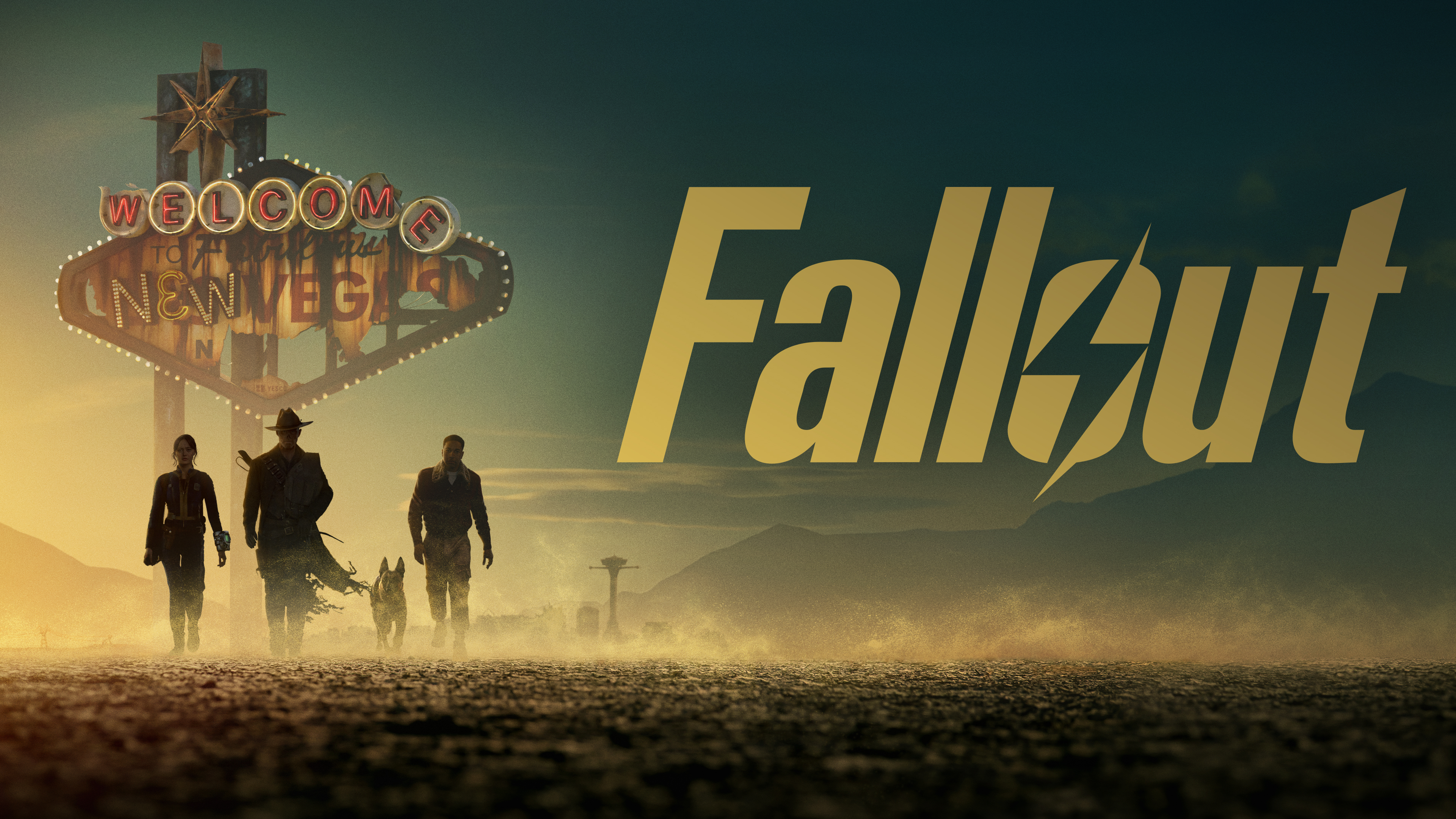
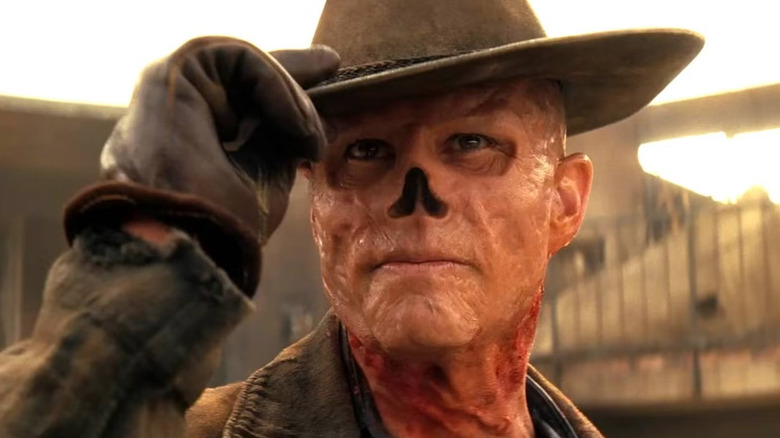
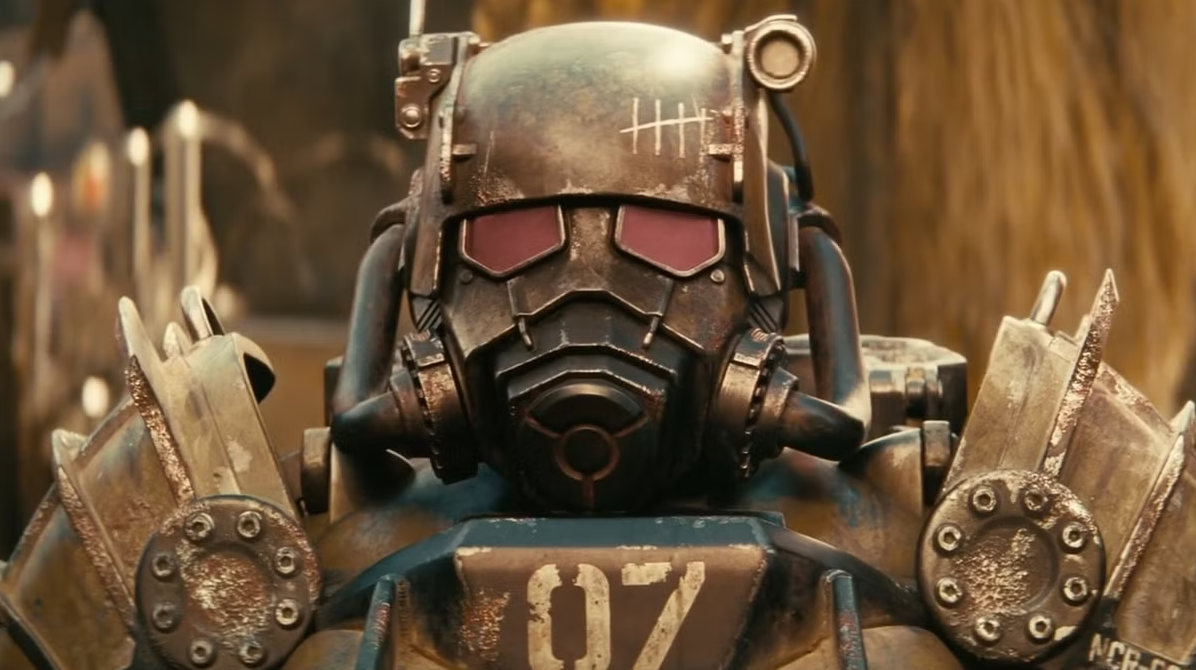
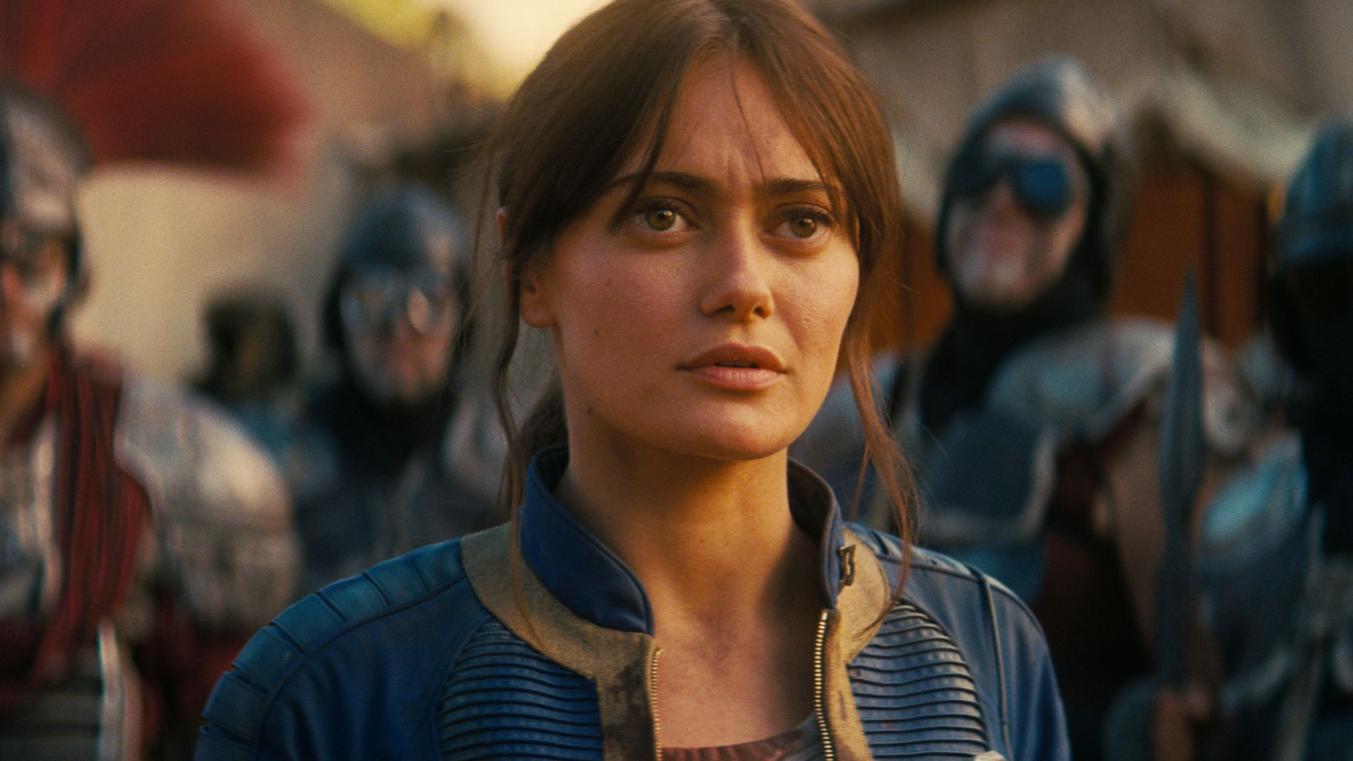
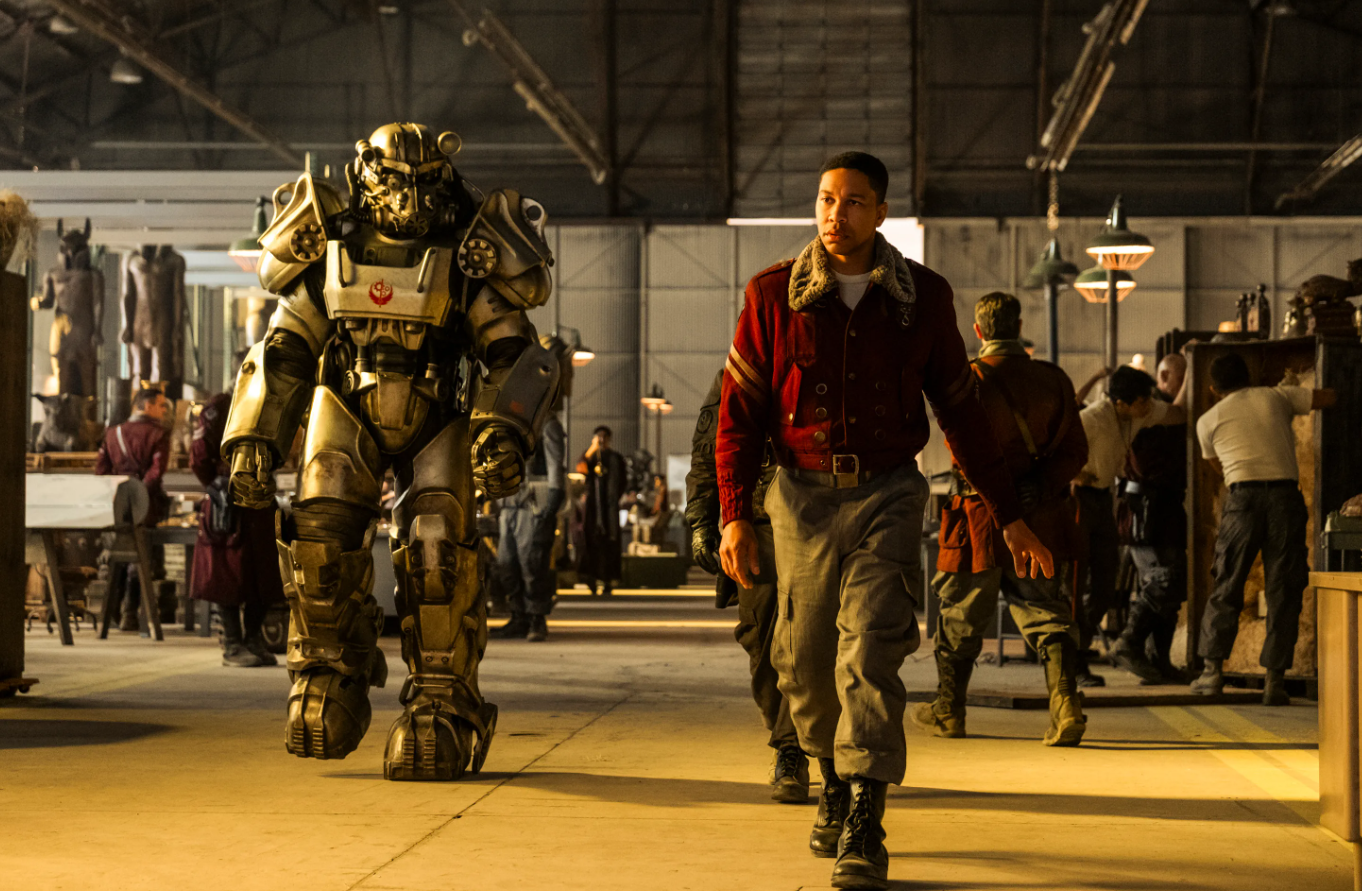
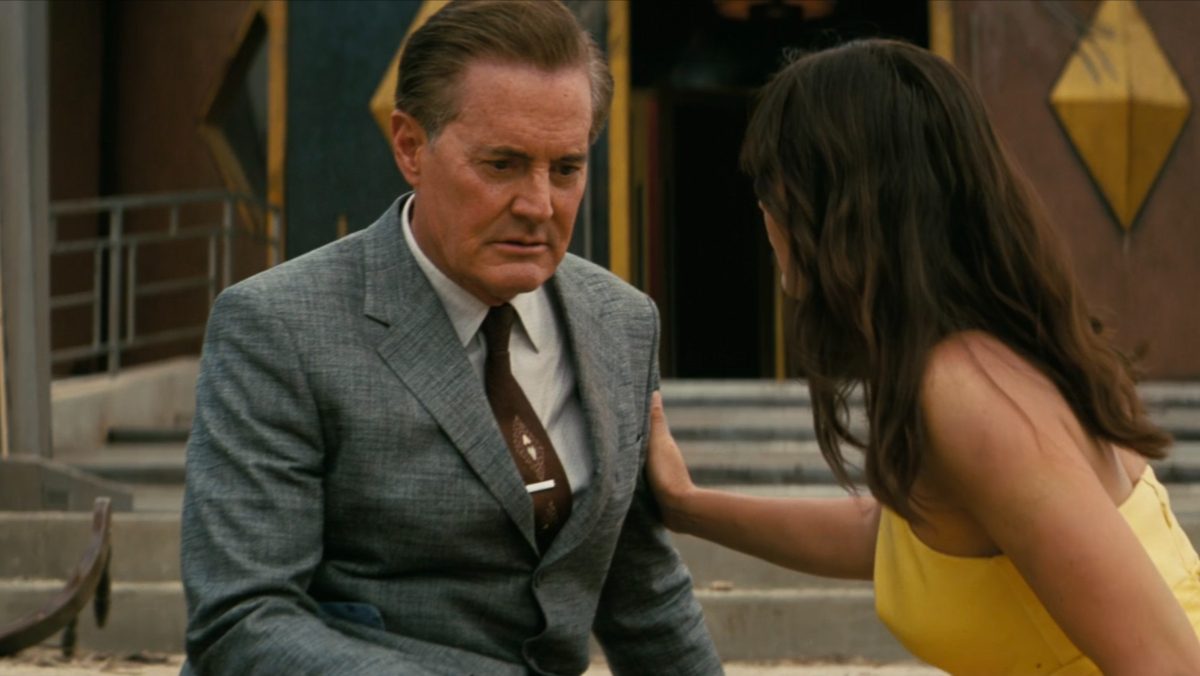
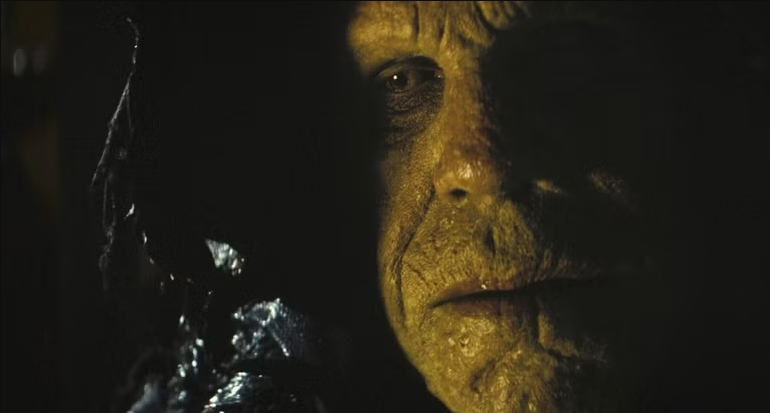
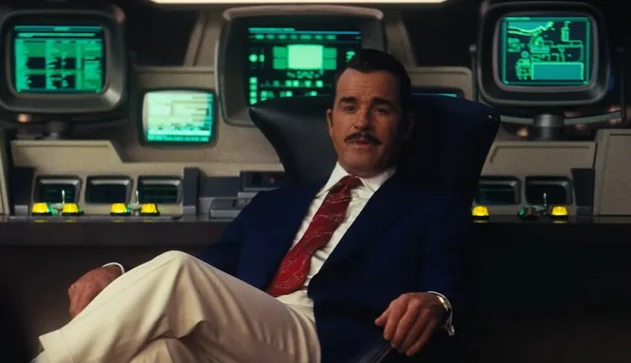
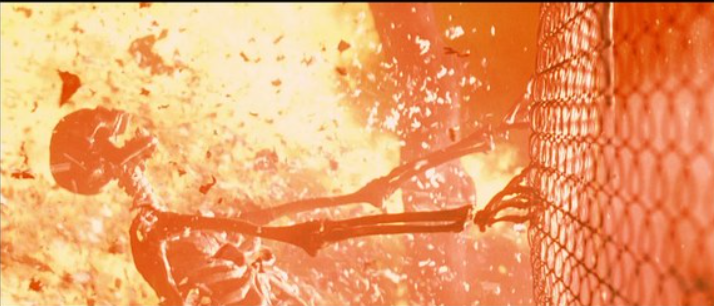
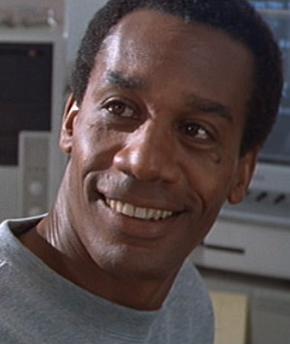
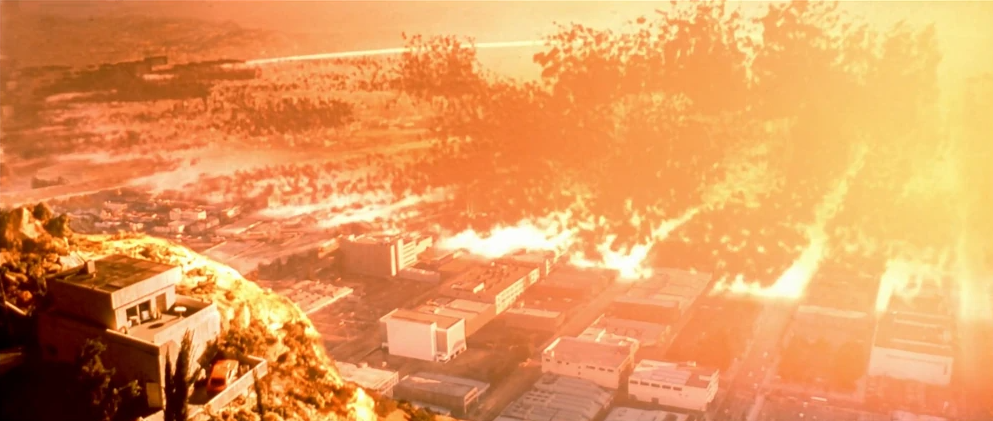
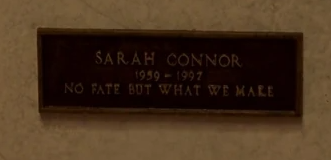
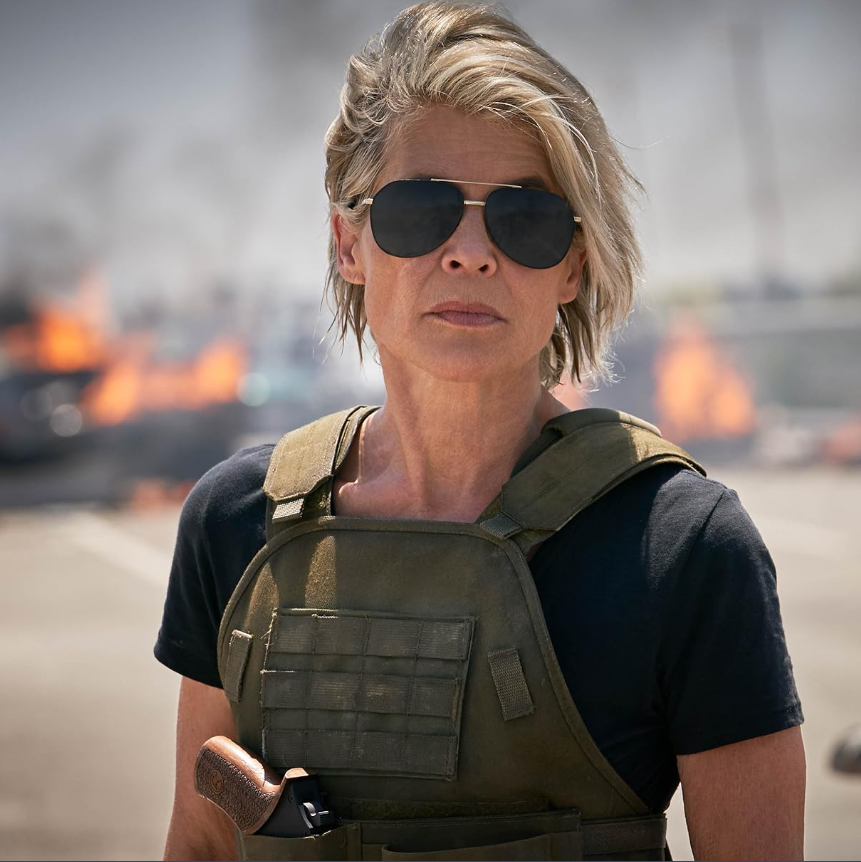
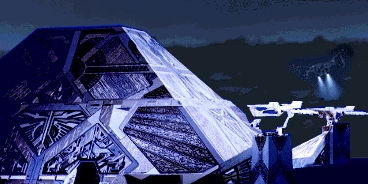
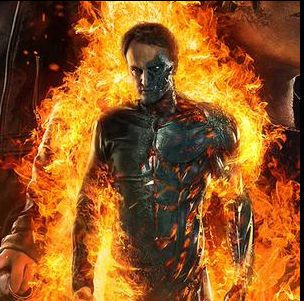


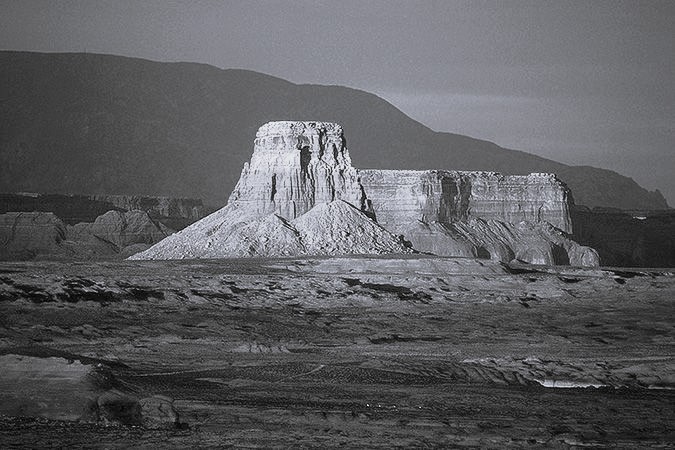



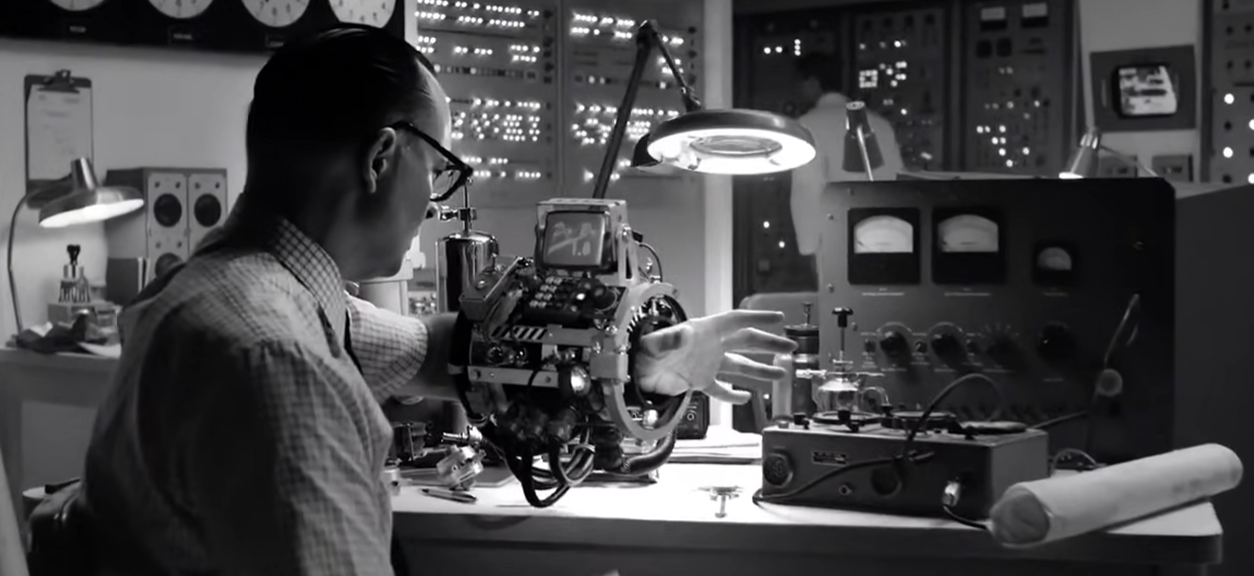


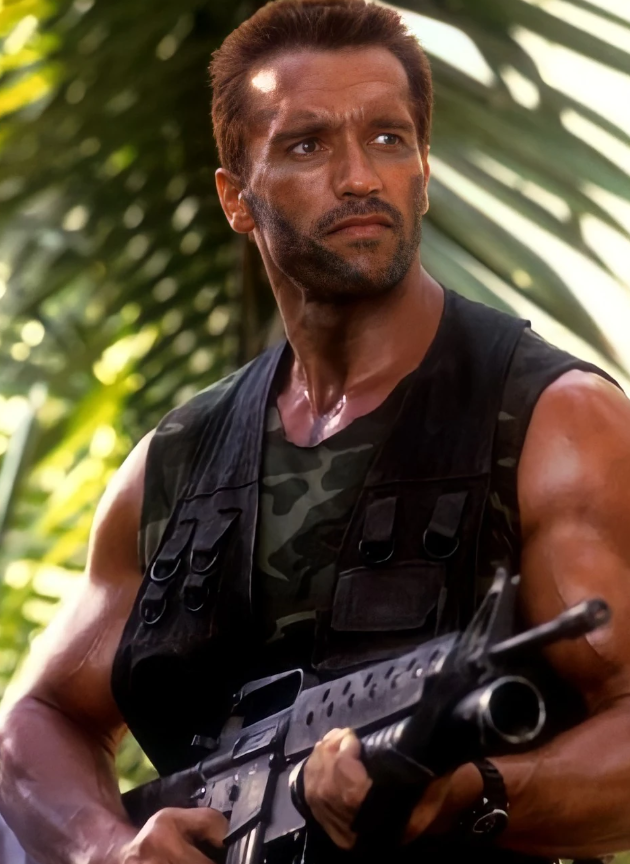
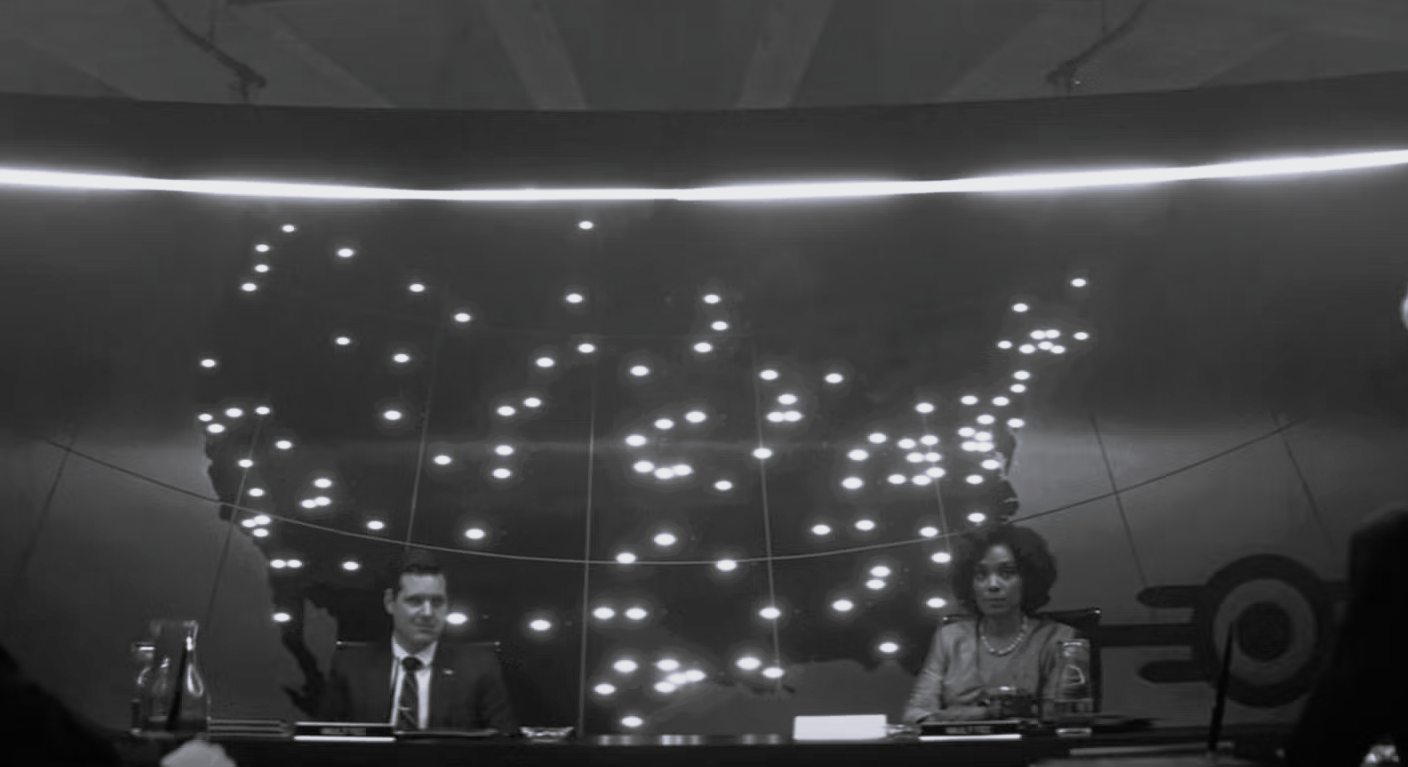
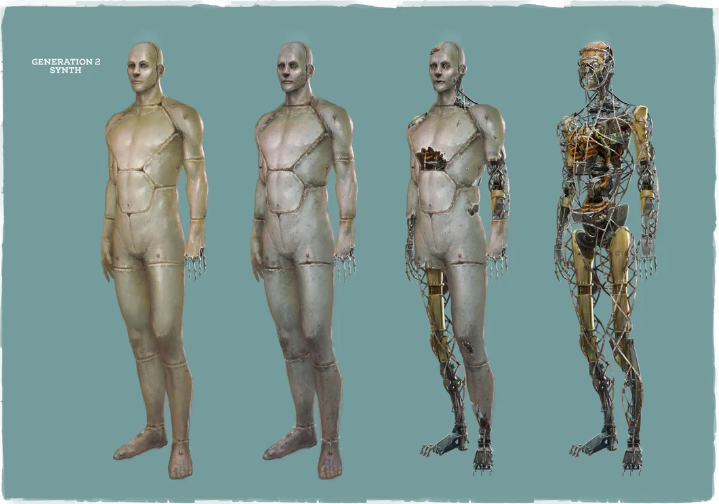

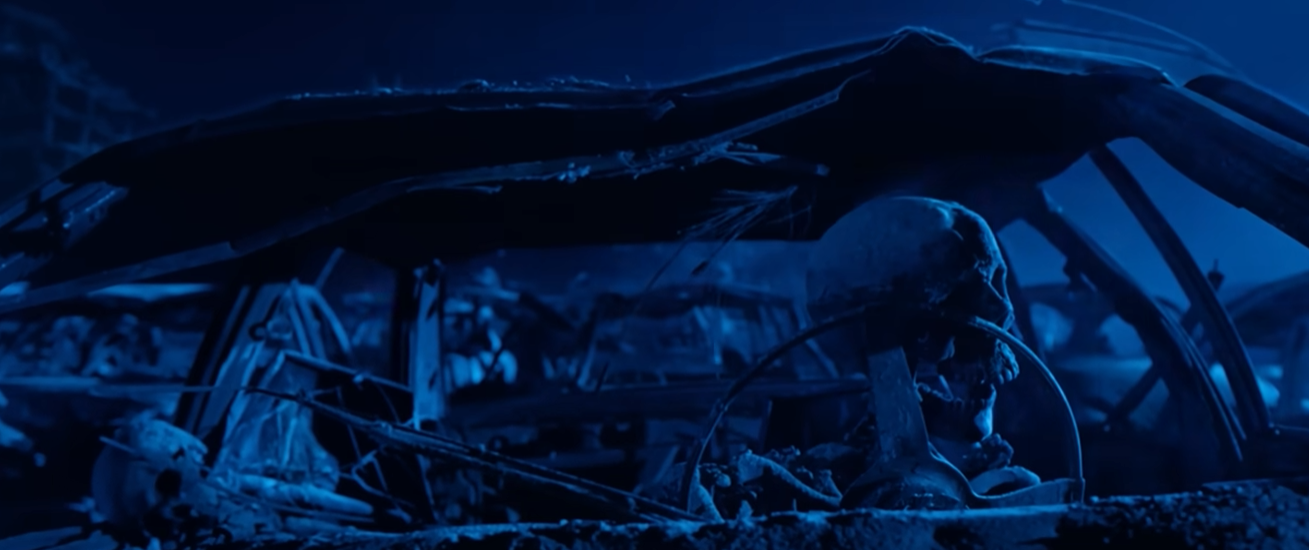
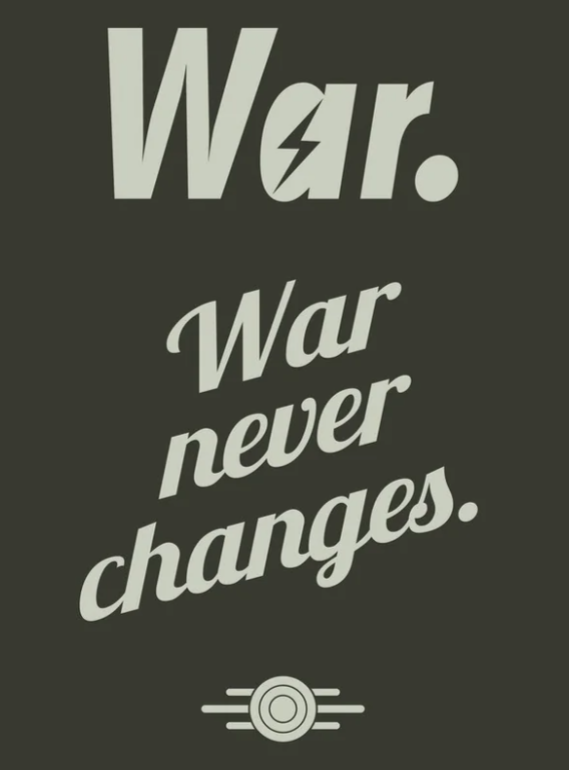
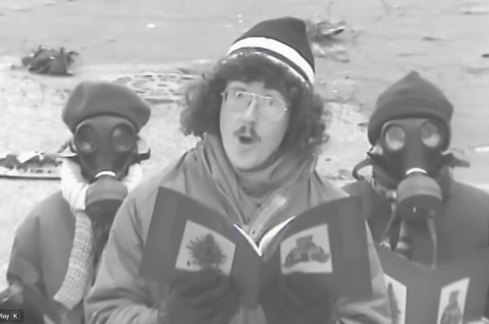
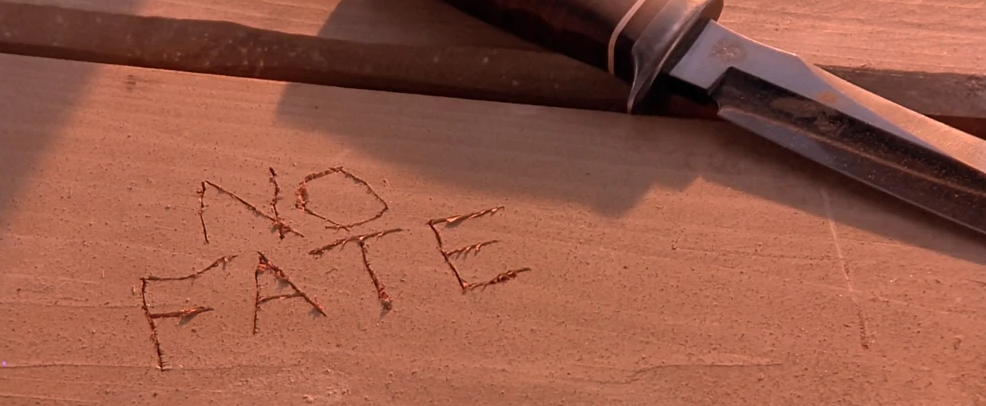
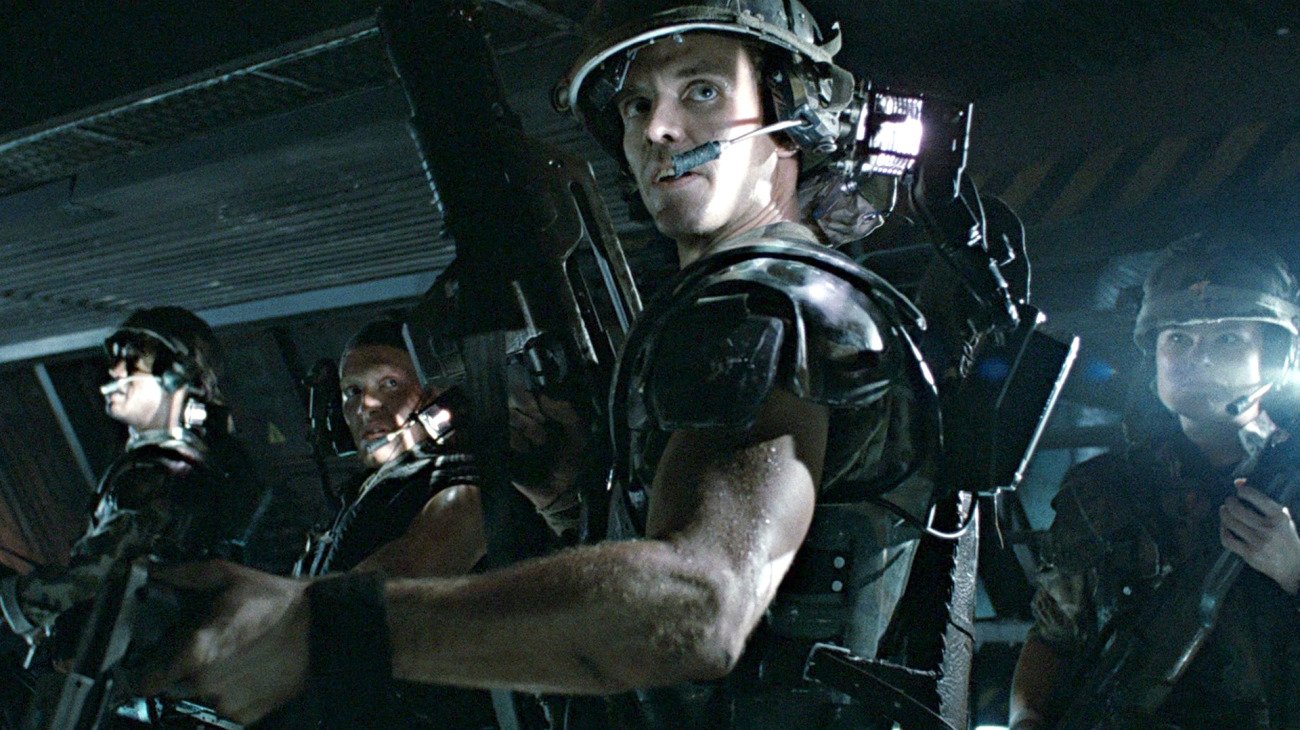


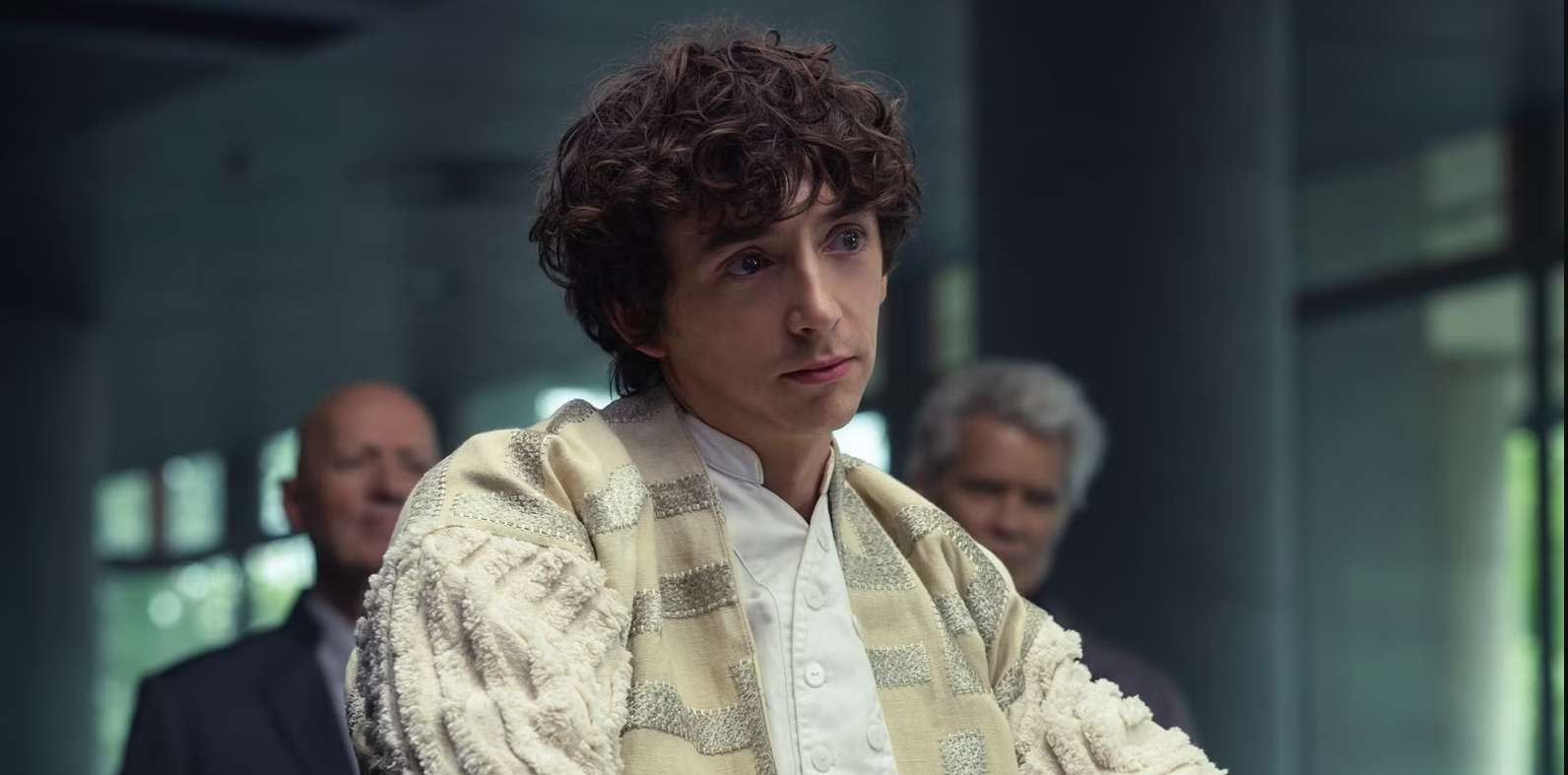
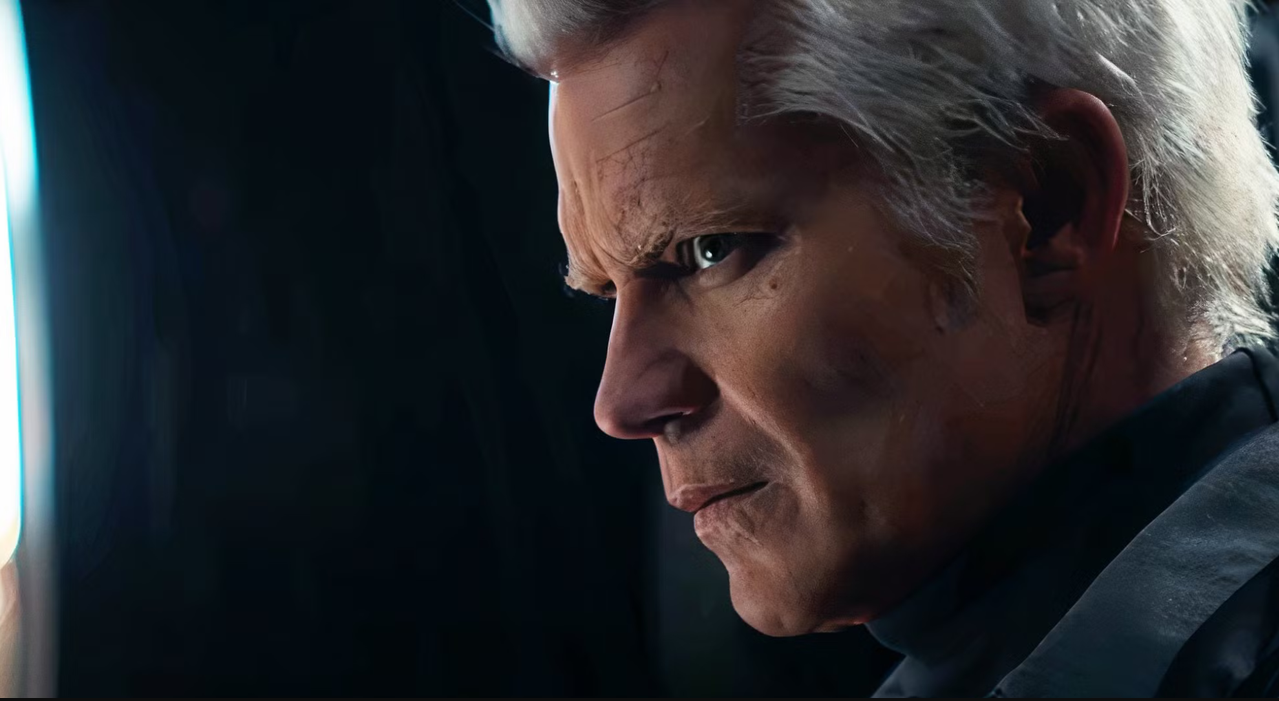
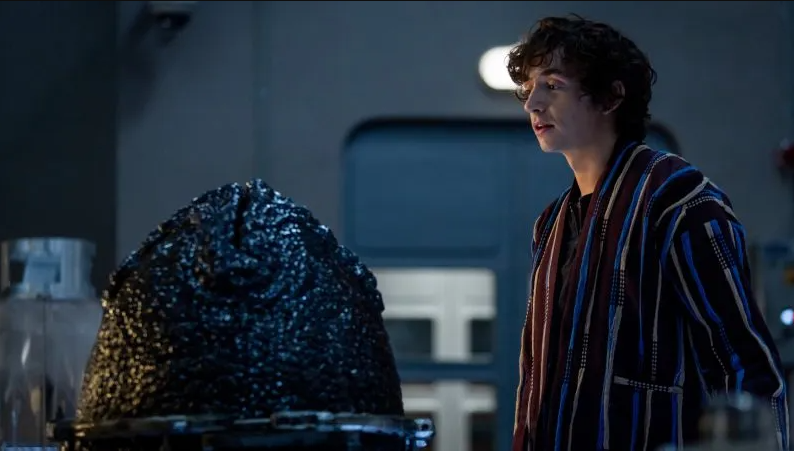


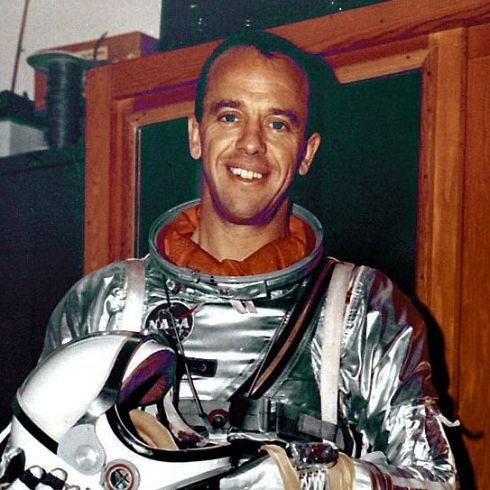
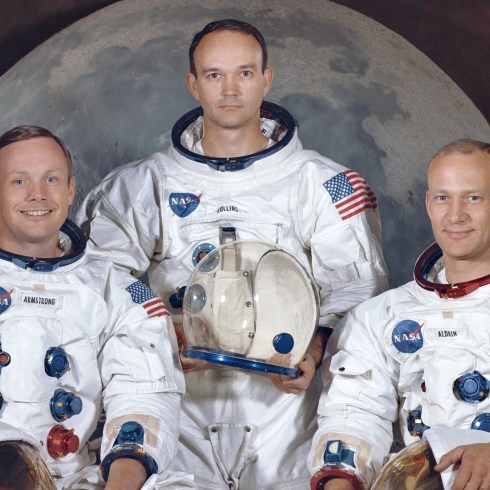
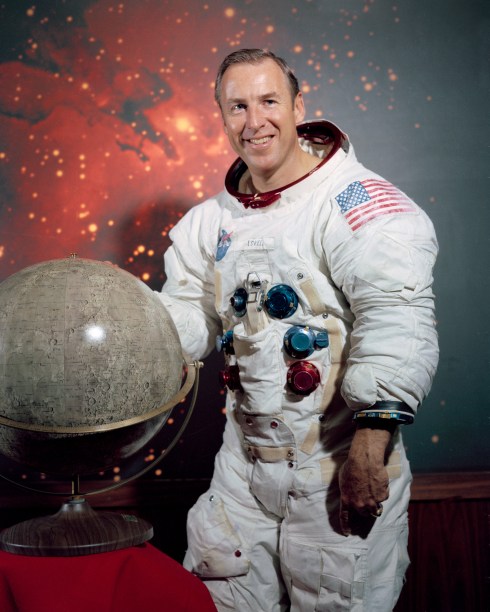




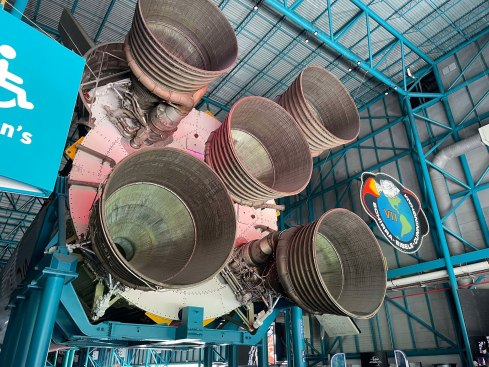
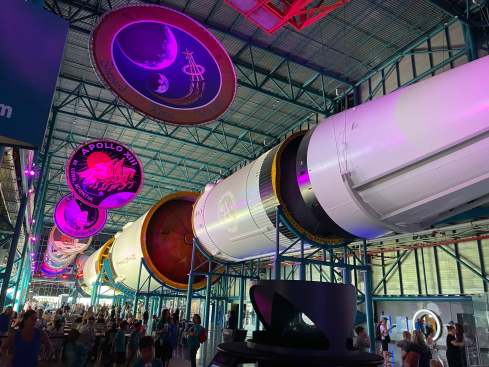

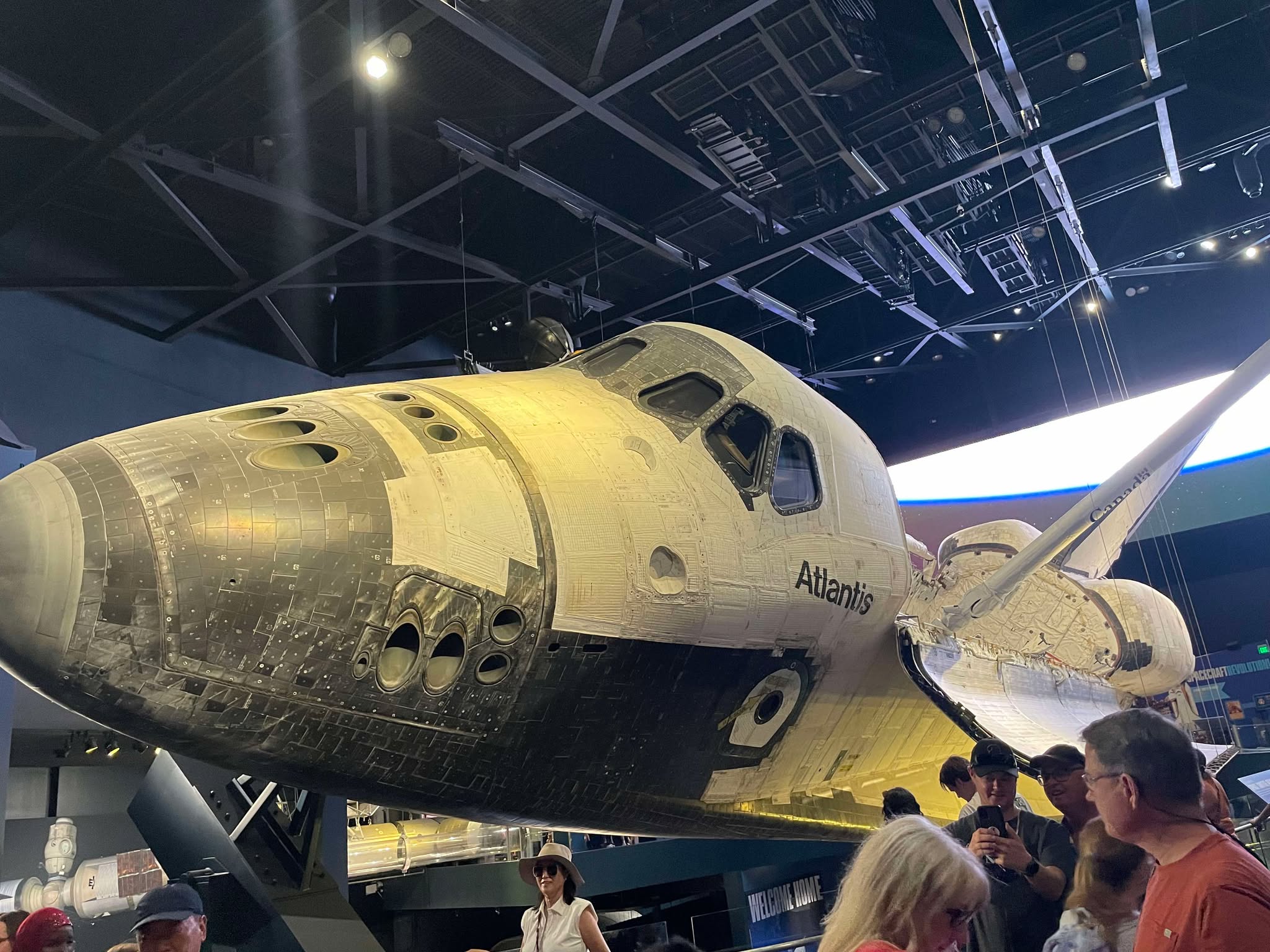
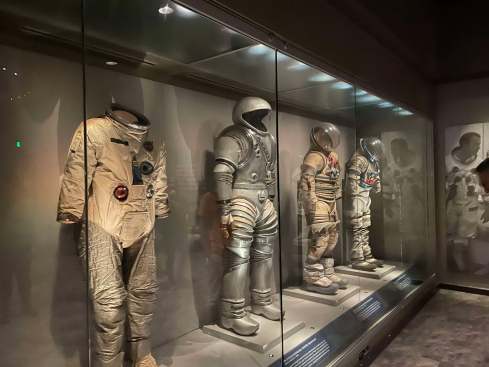
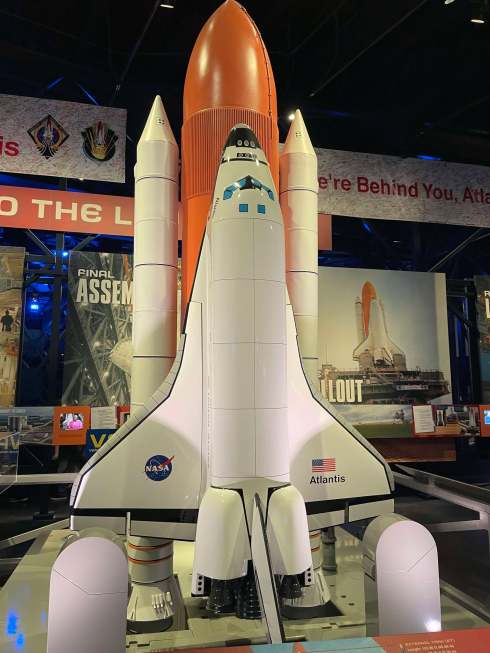
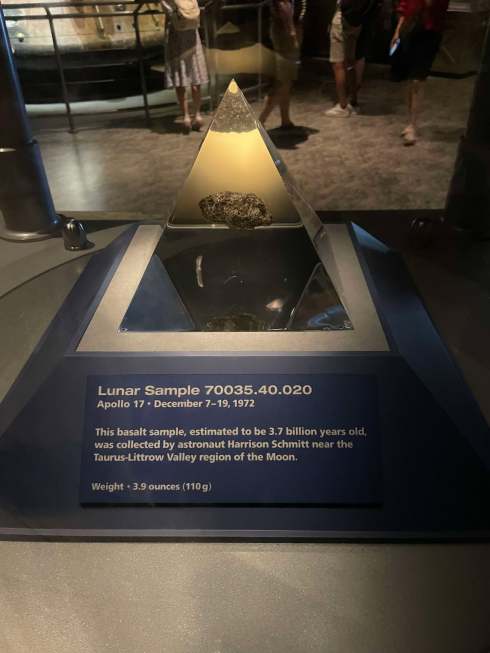
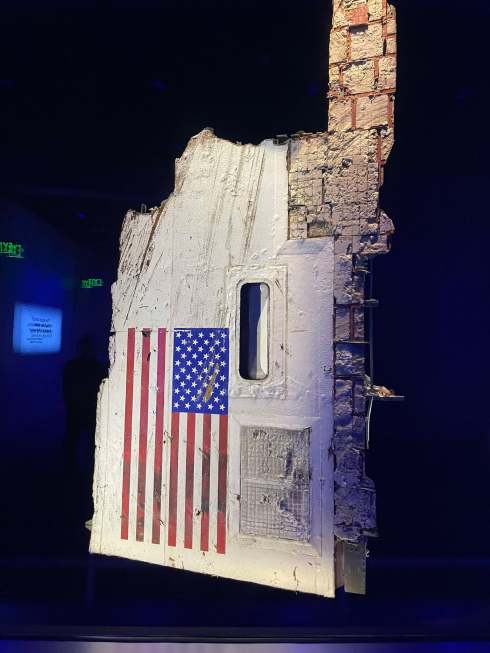
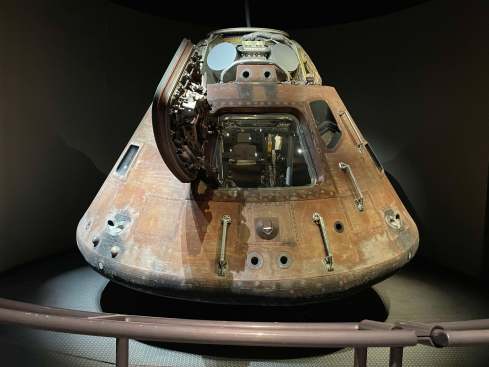

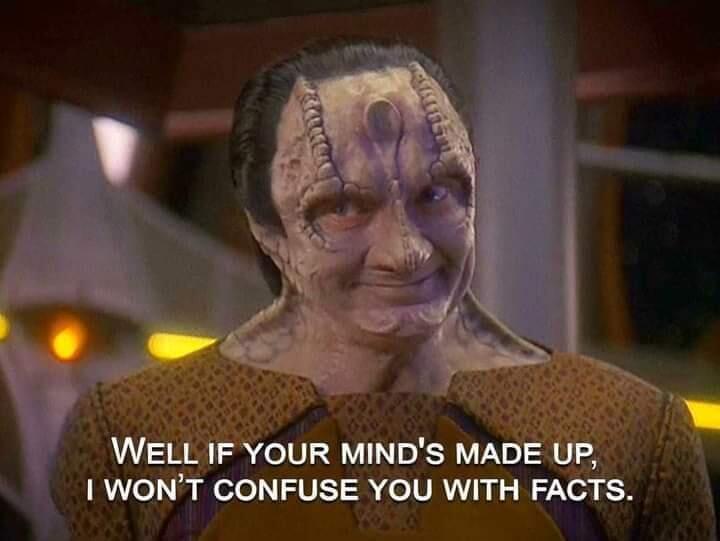
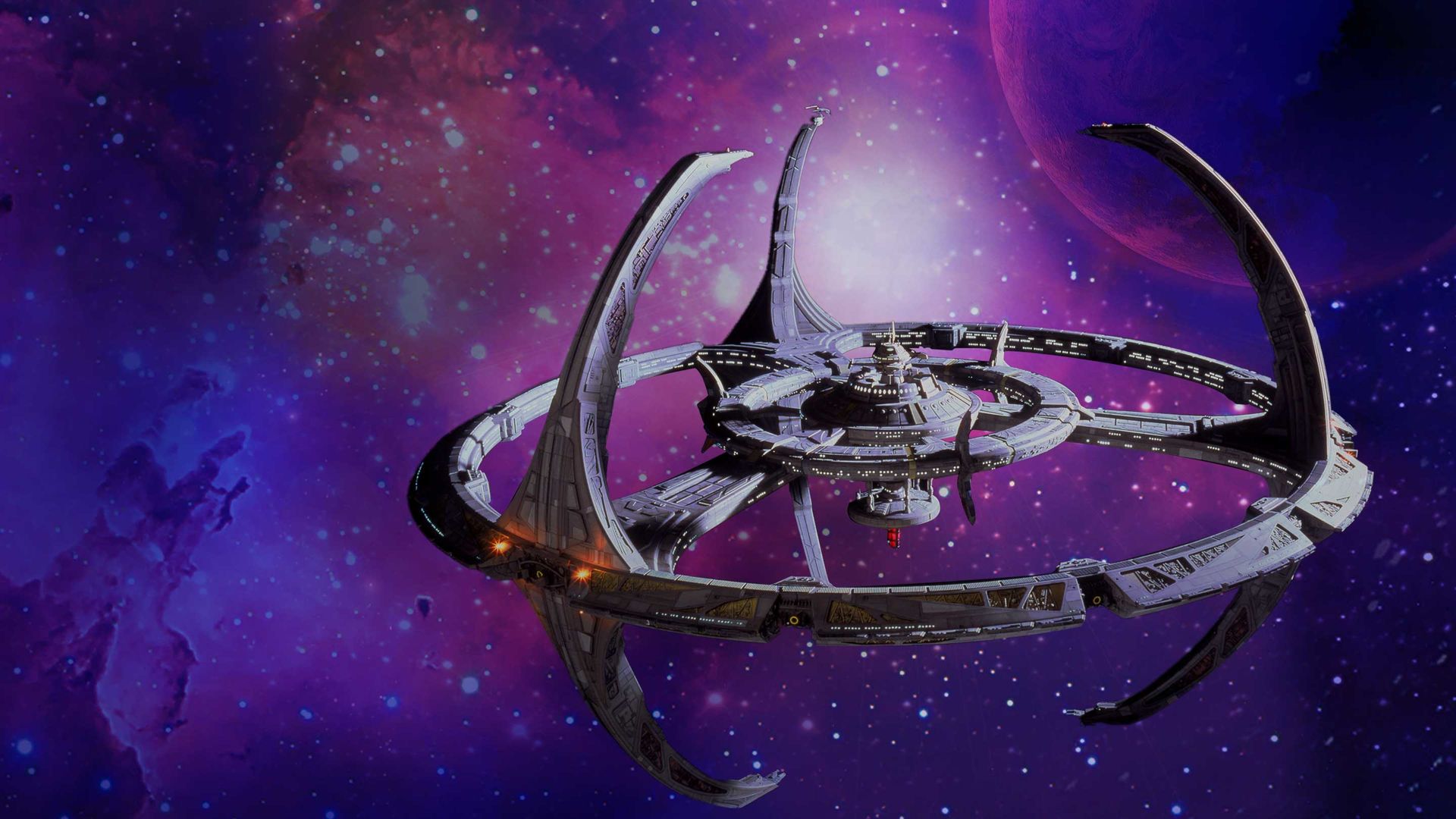
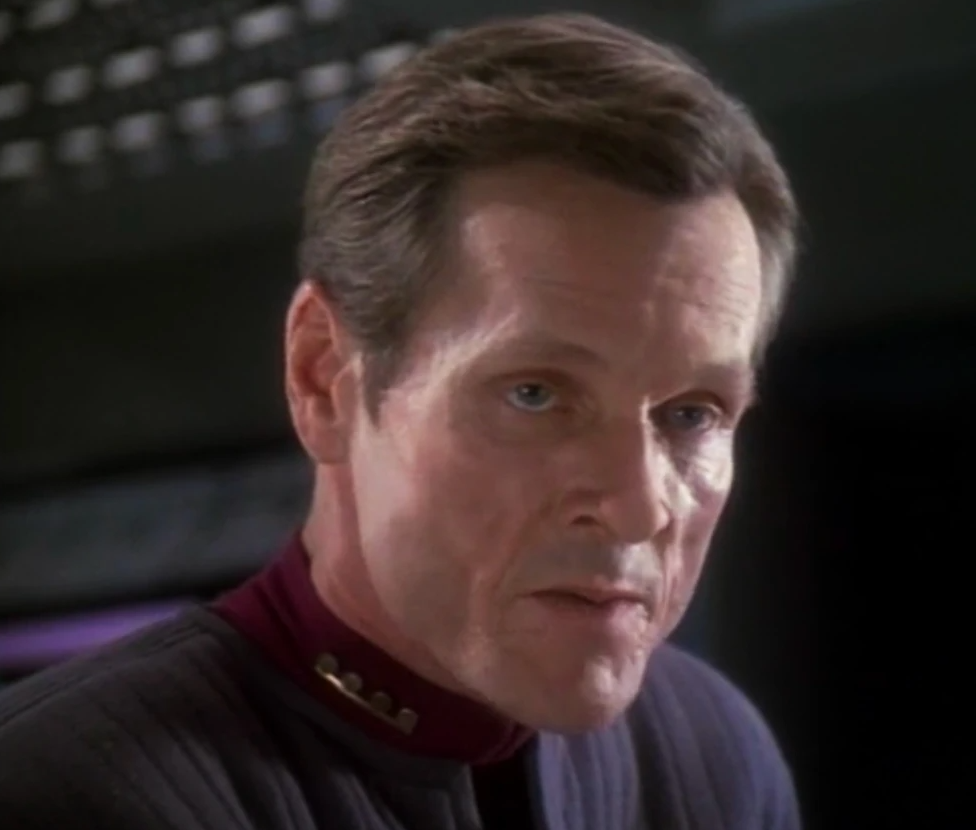
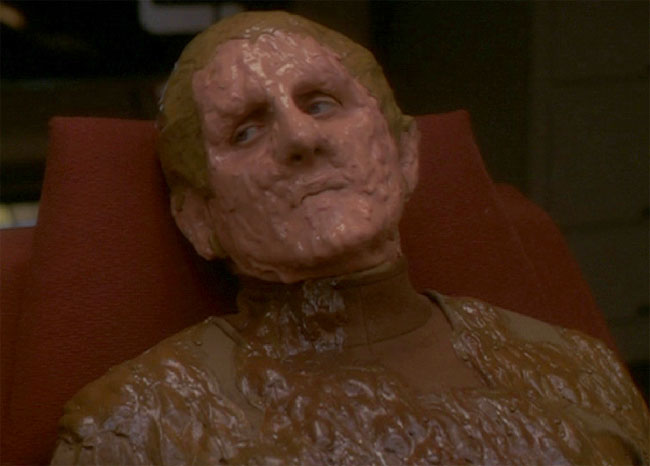

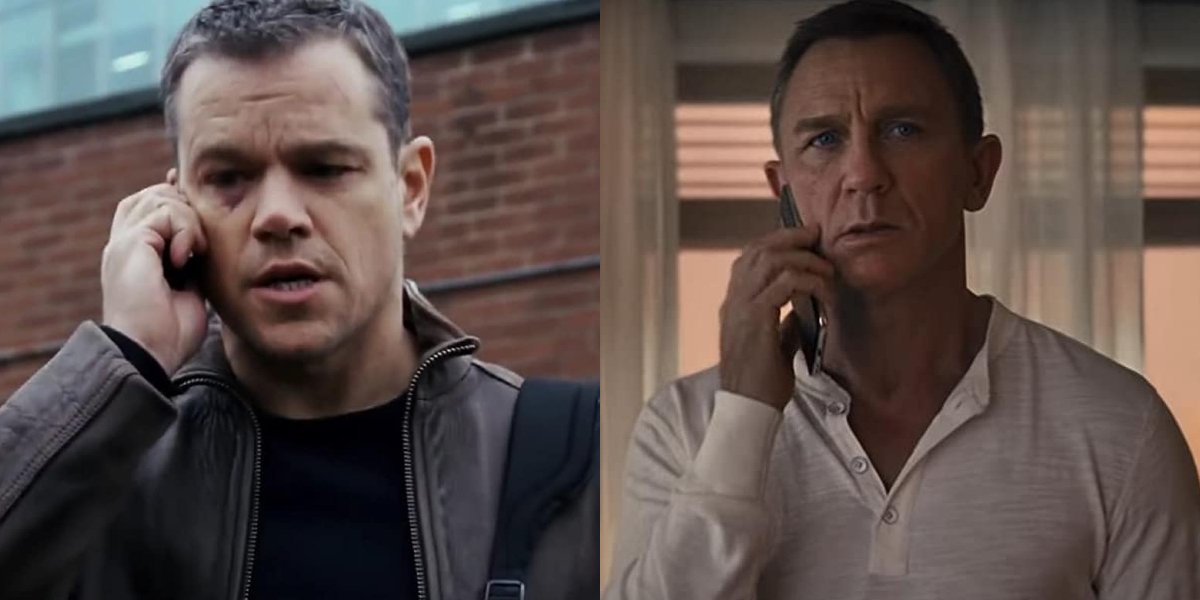
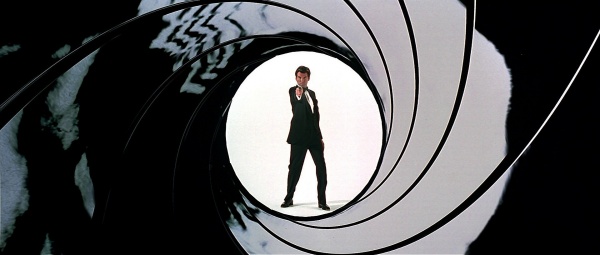
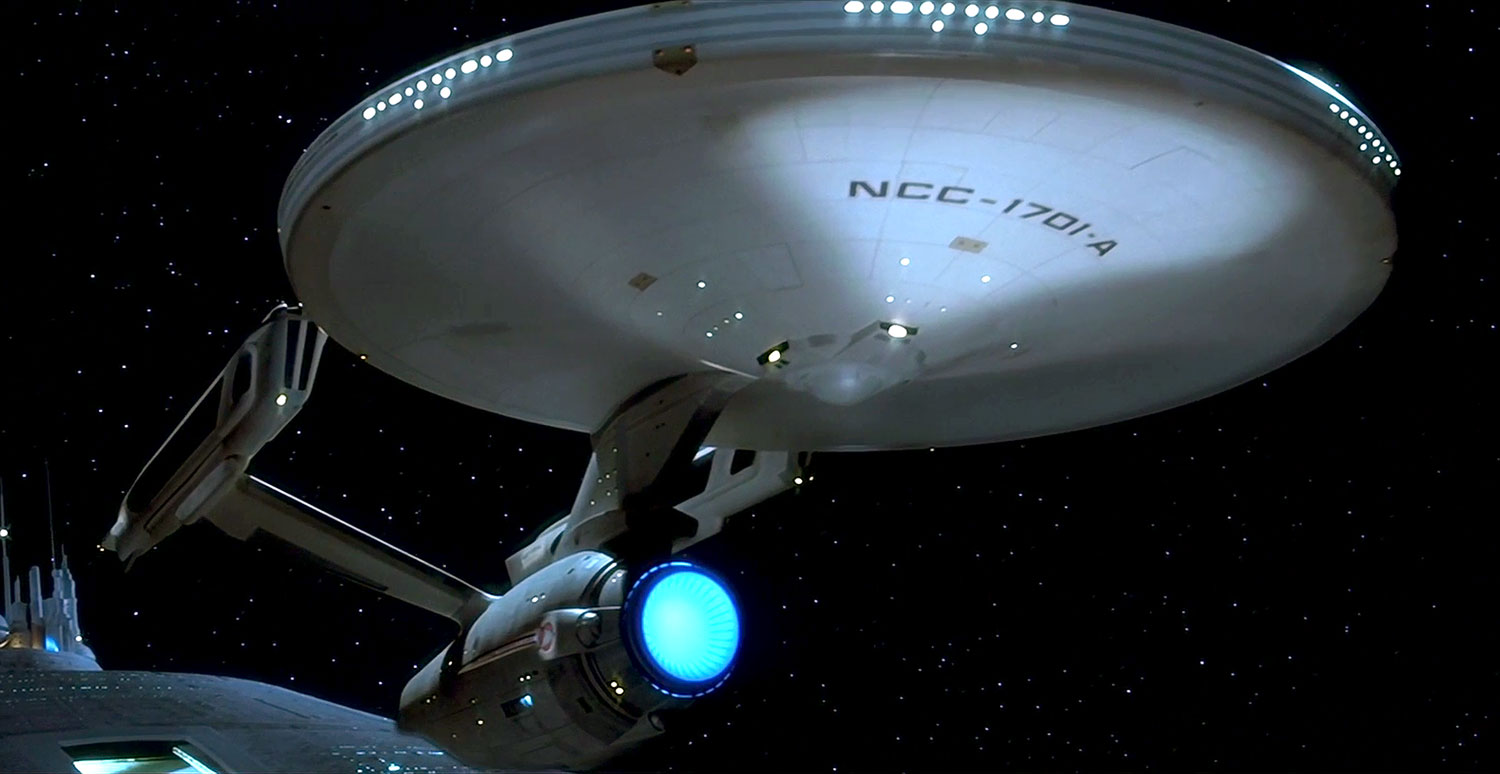
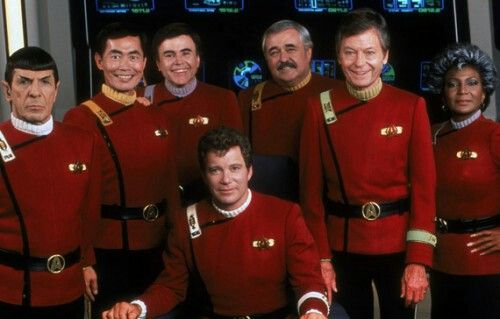
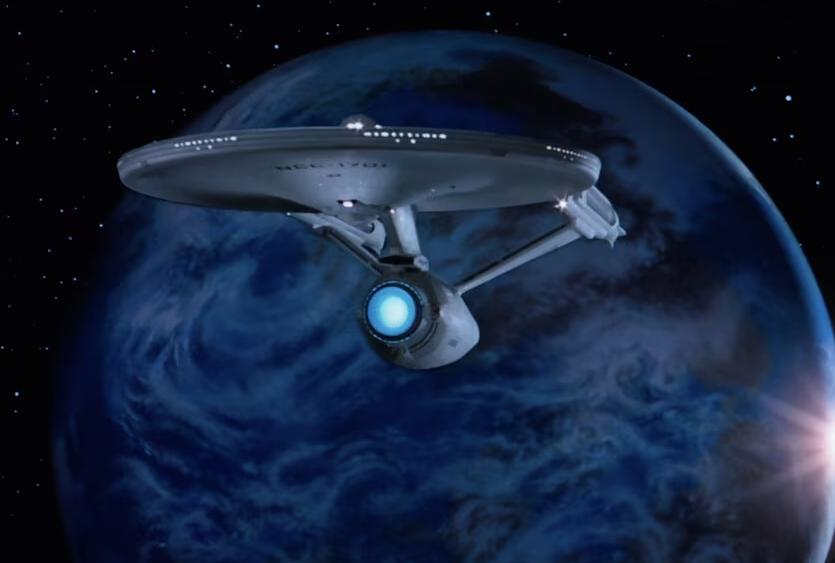
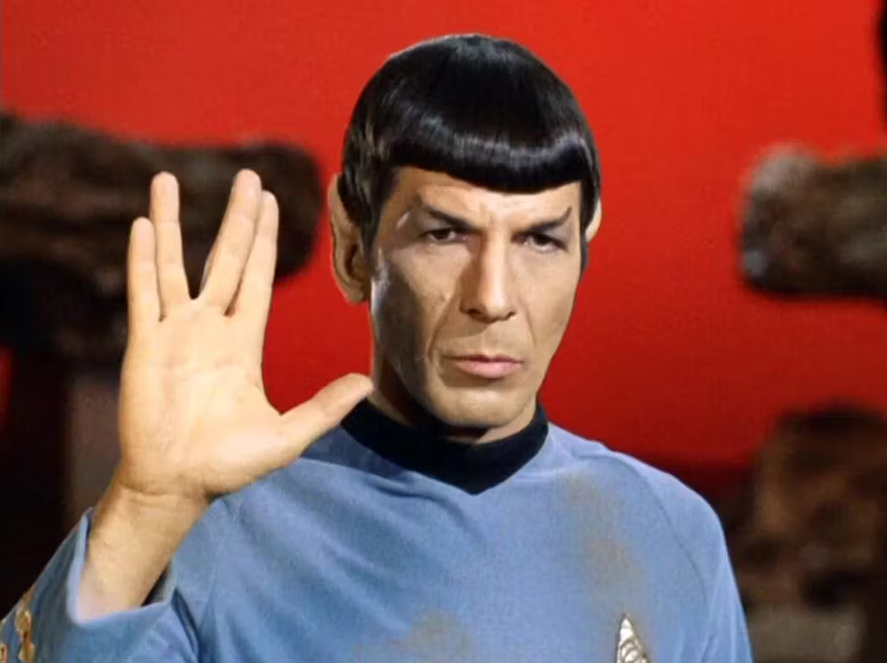
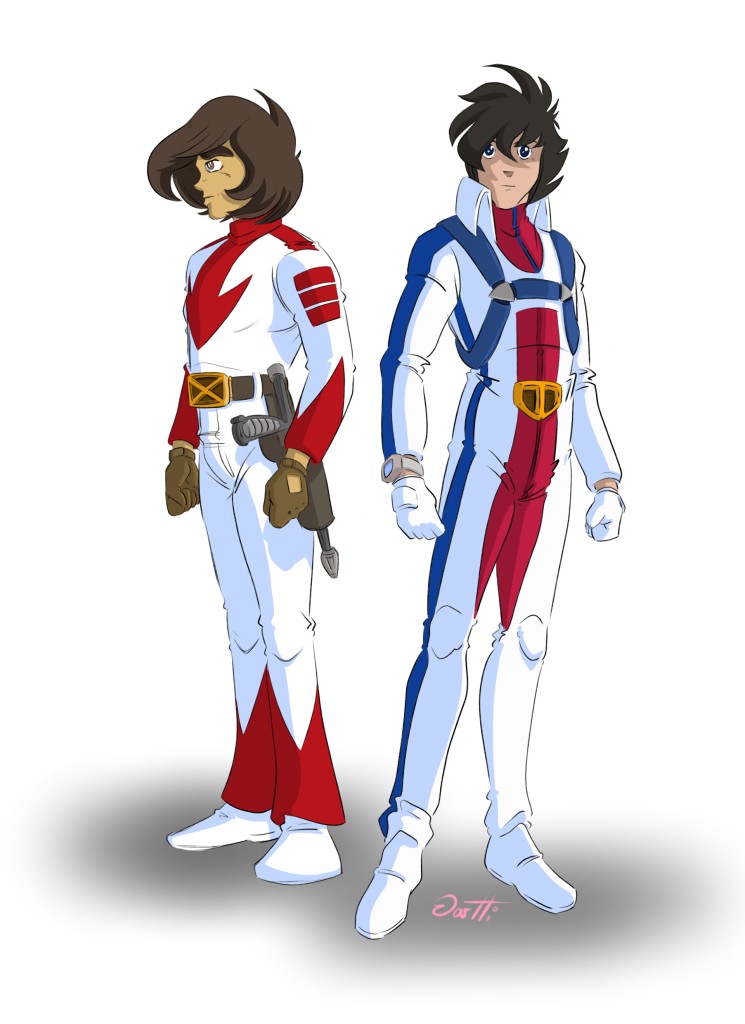

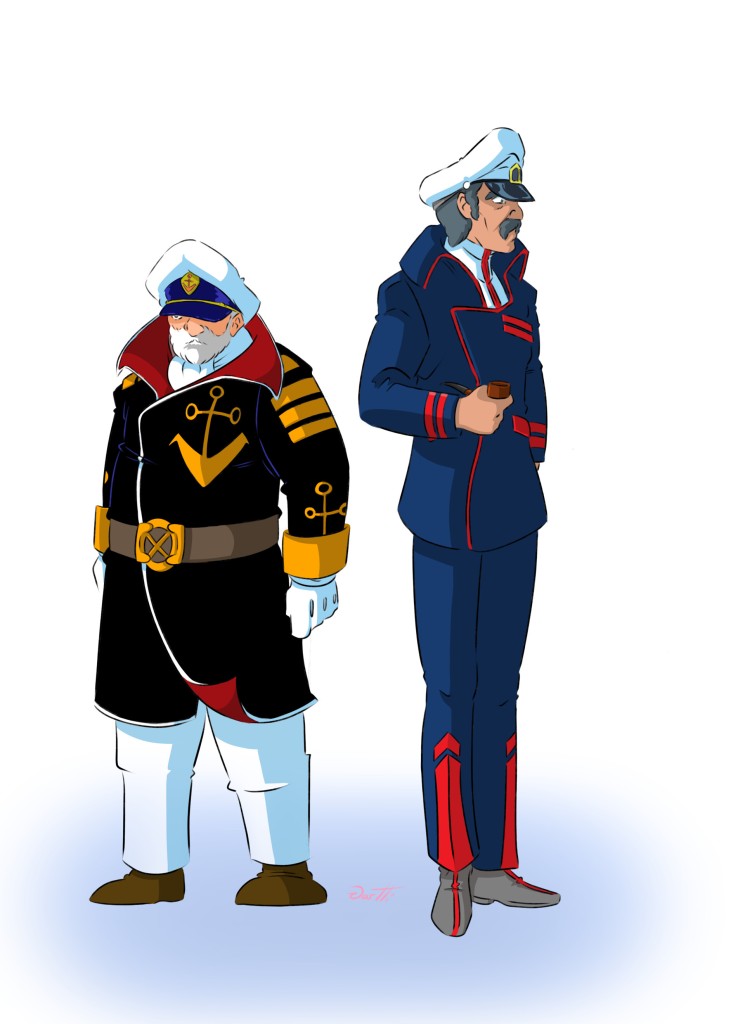

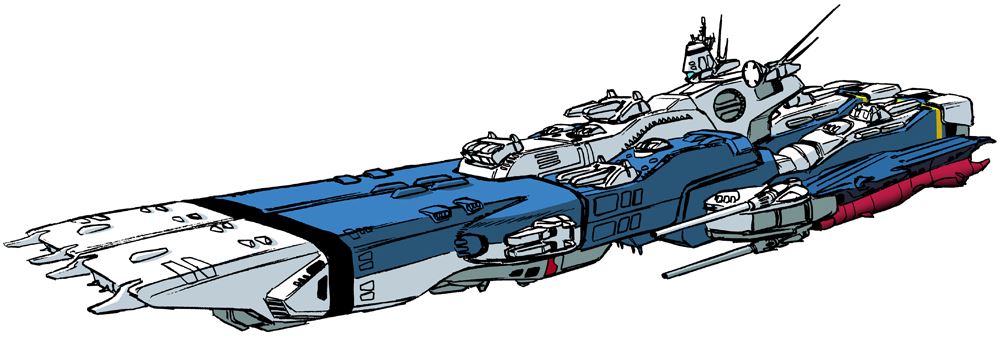
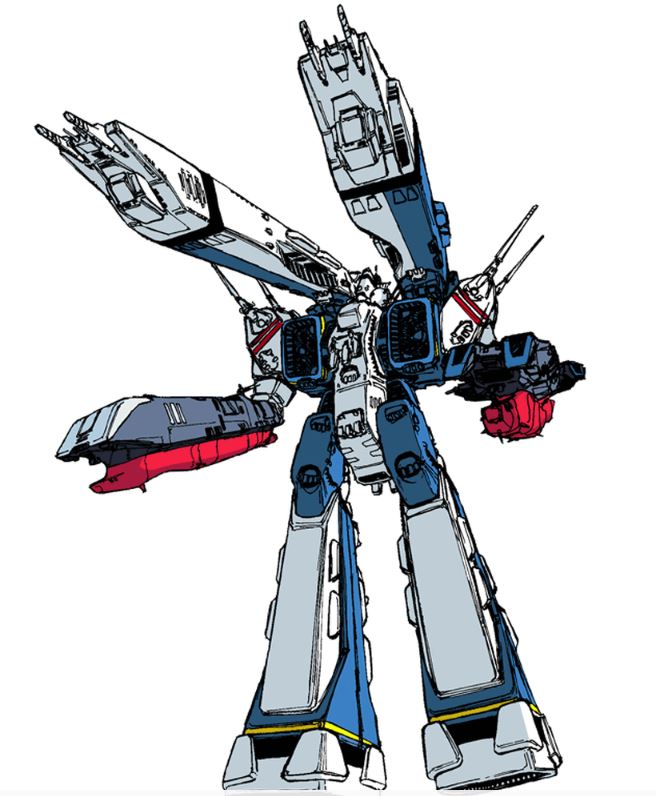
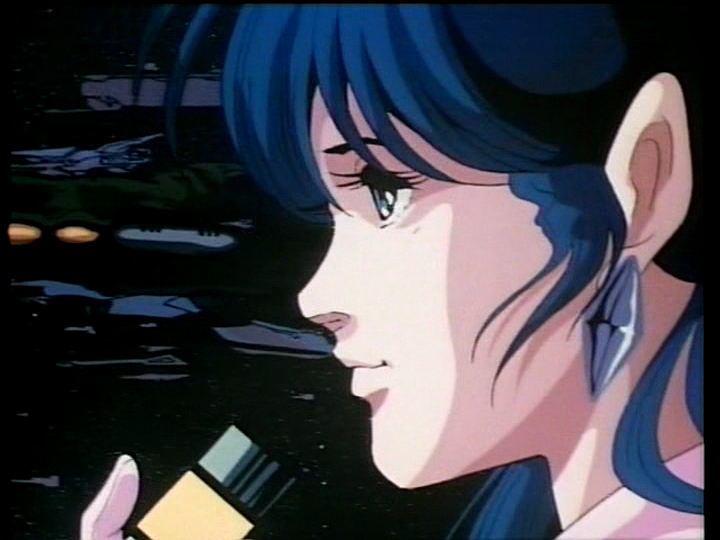
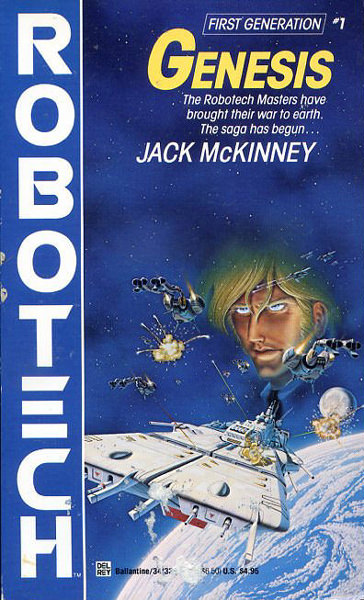
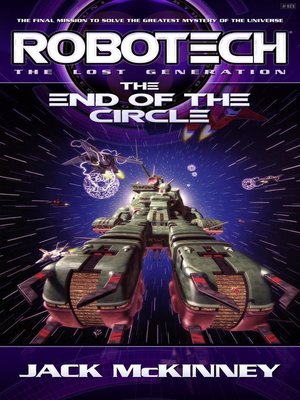
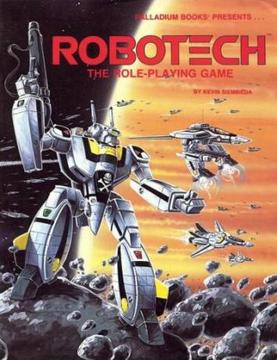
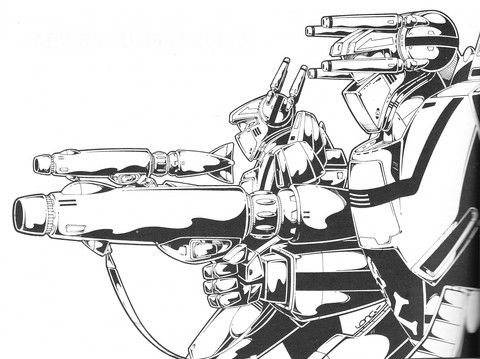
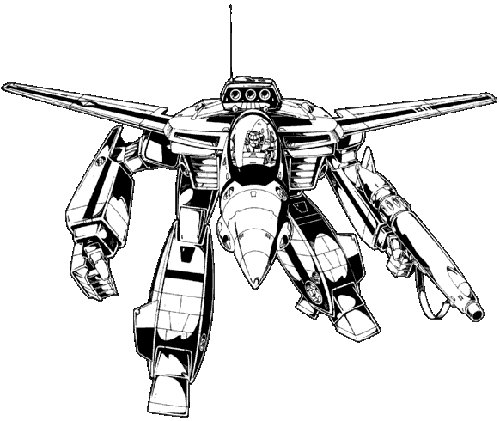
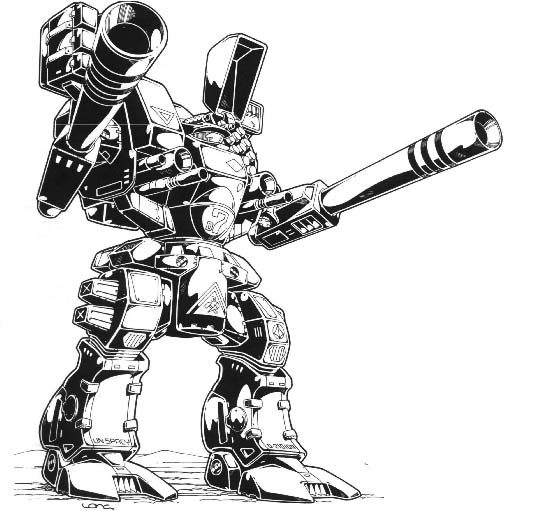
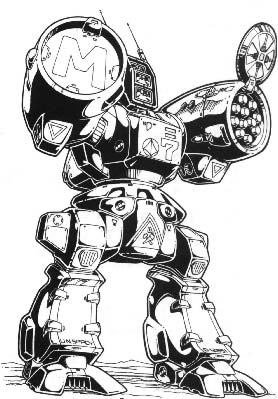
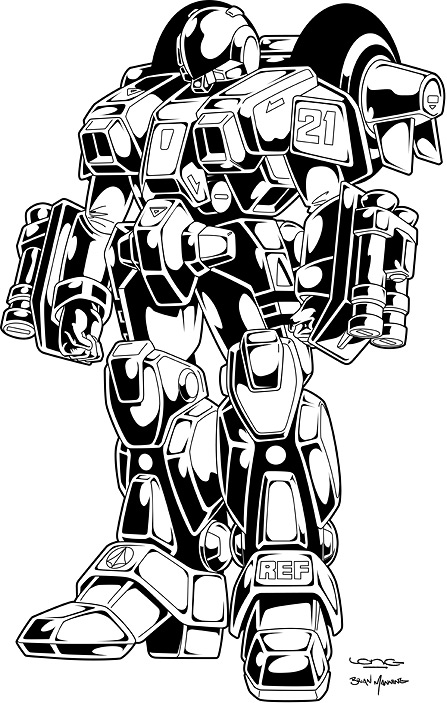
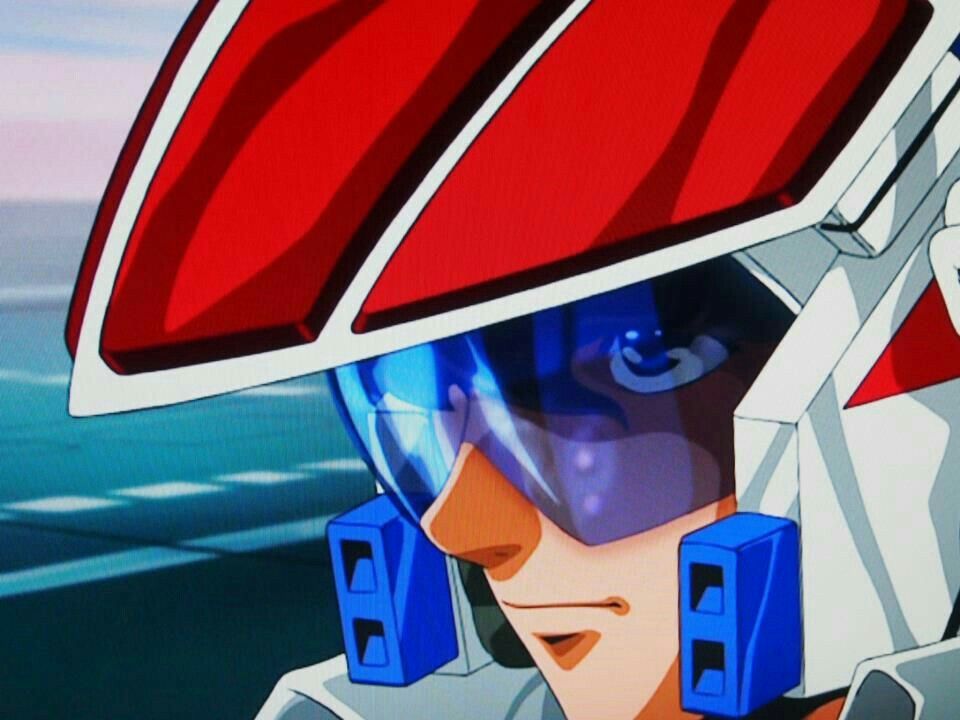
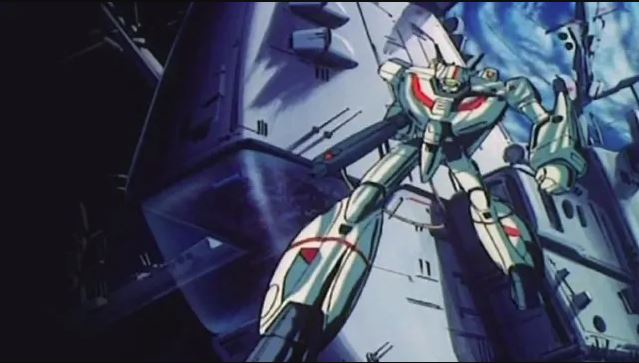



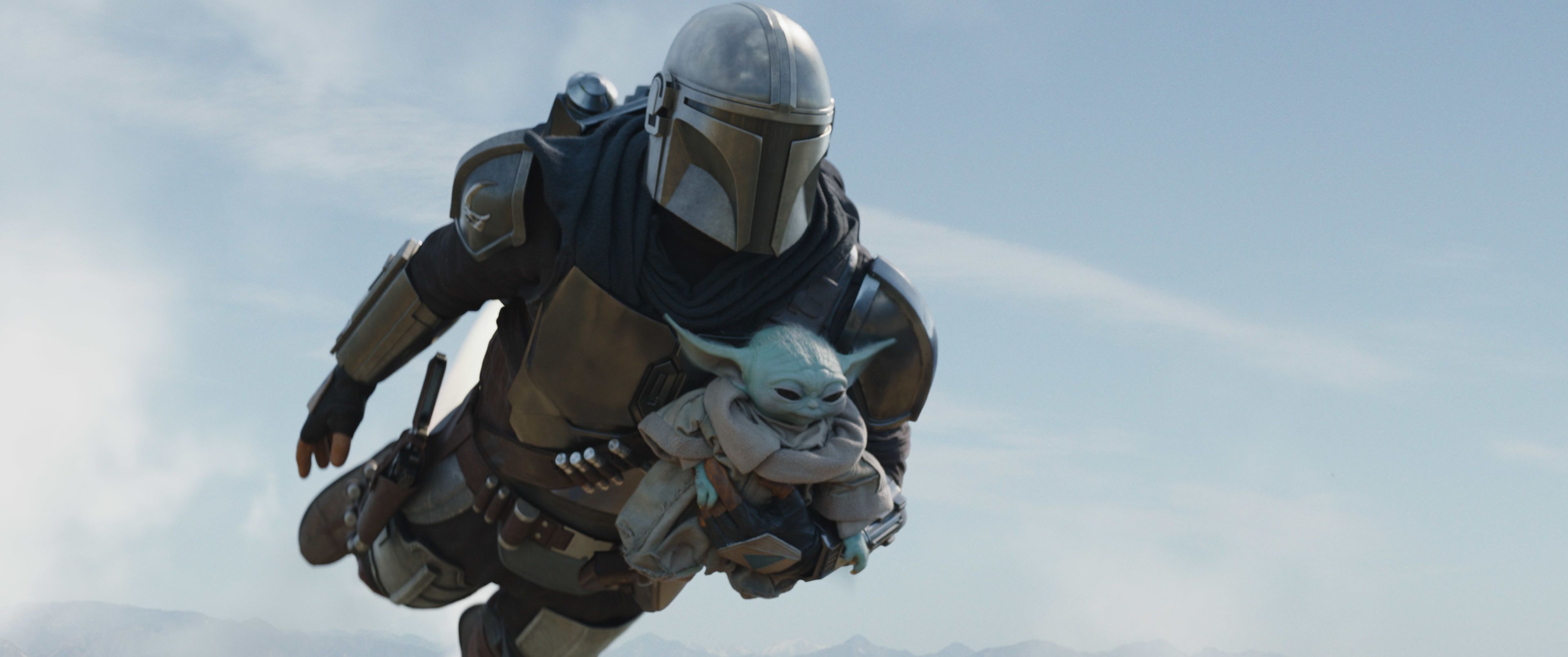
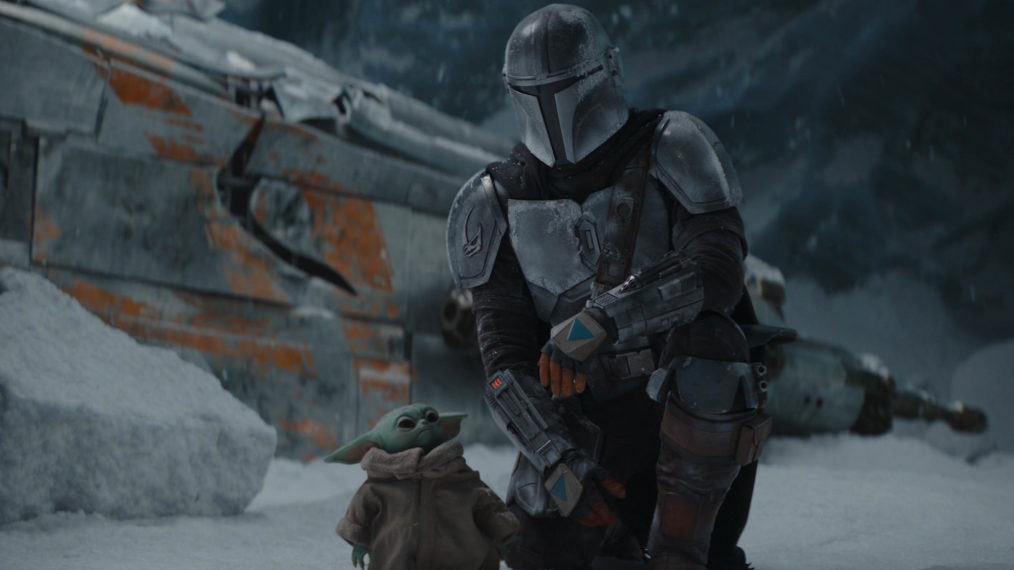

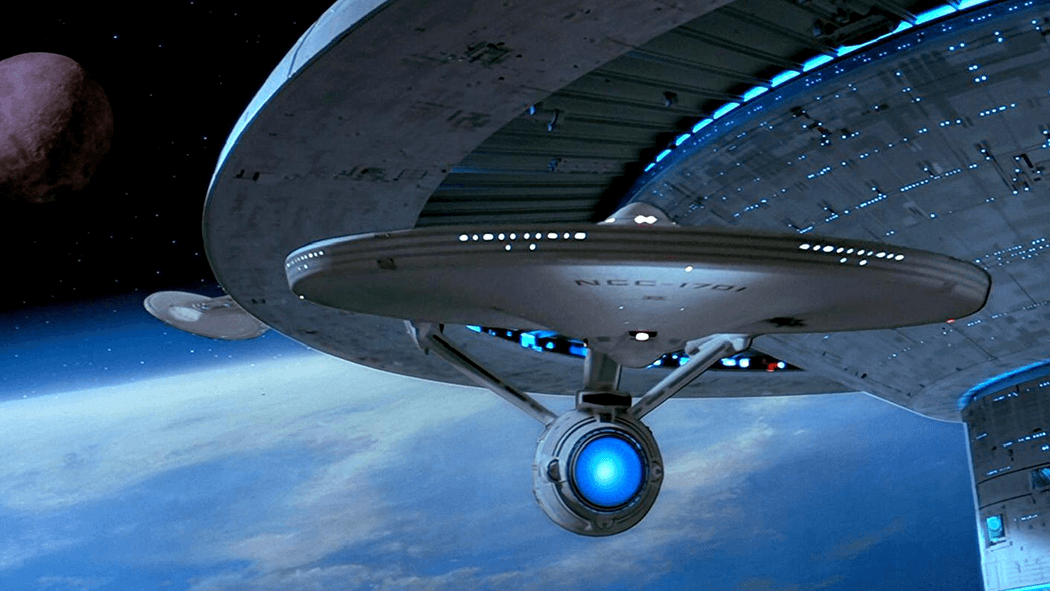
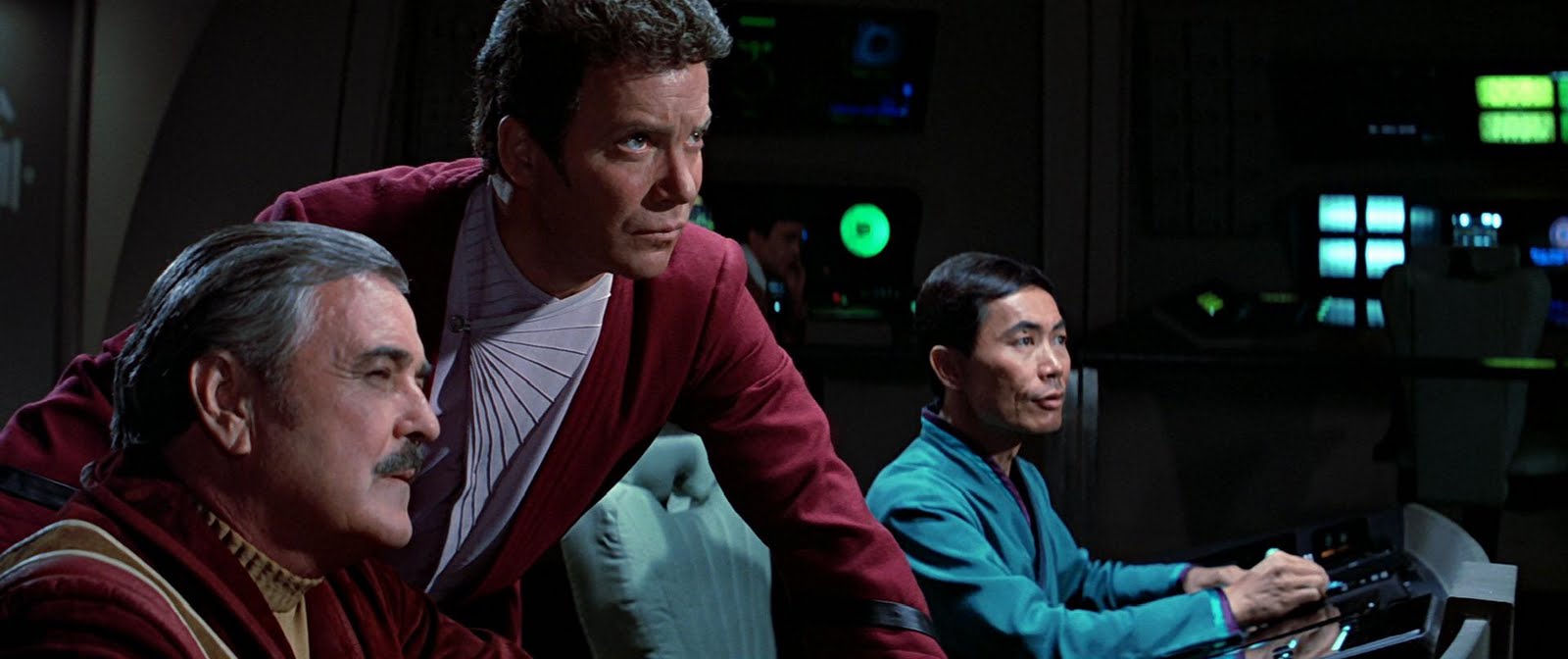

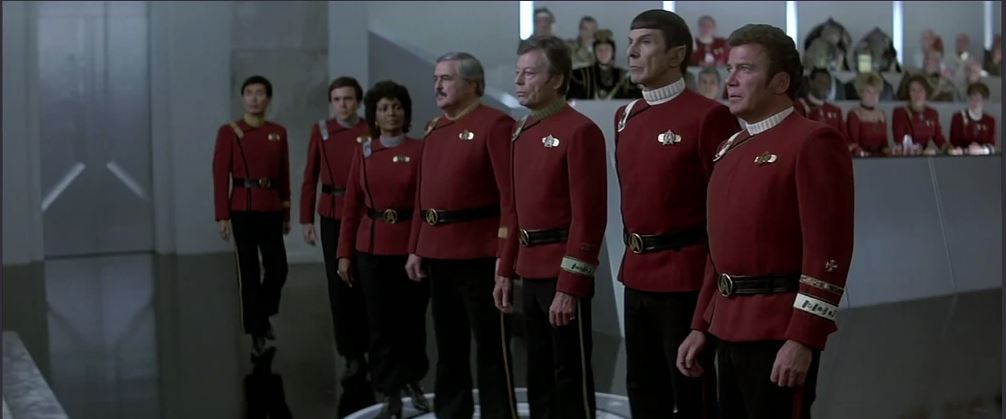


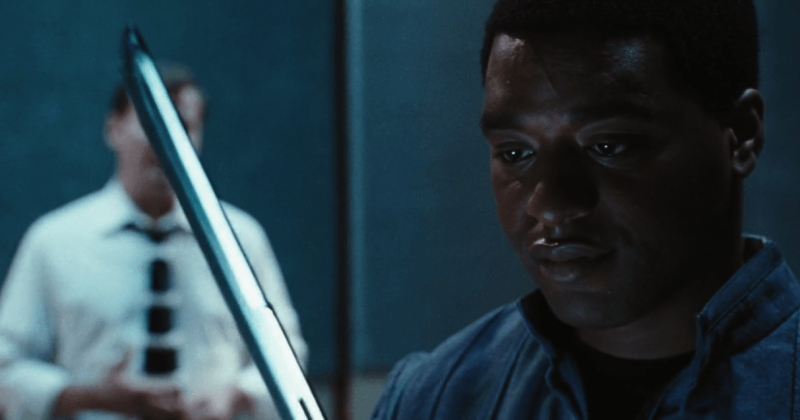


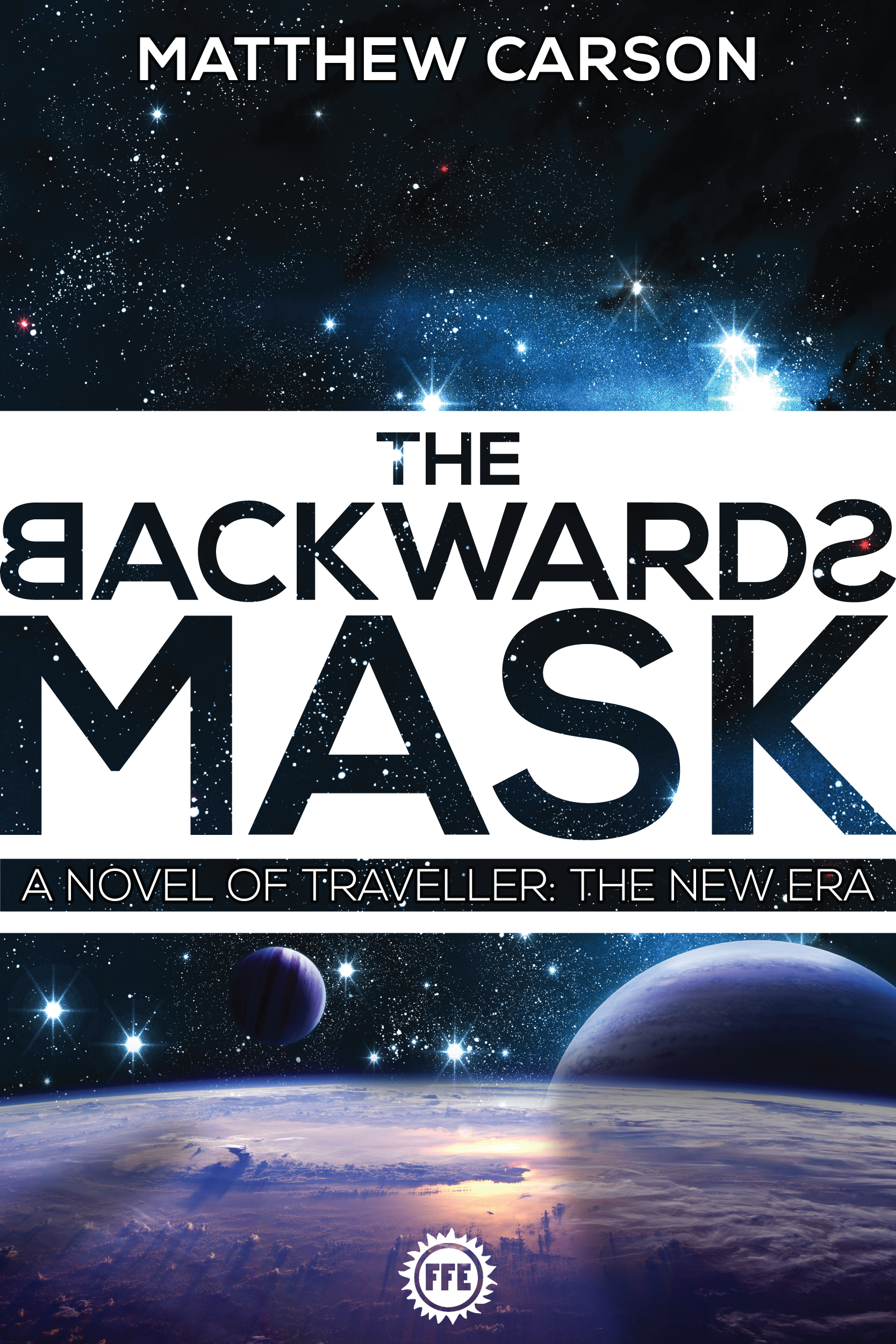


 The Sector M