Howdy, folks! Earlier this week, something happened that’s only come around in my writing career a precious few times: I got to see a brand-new exhibit I worked on being enjoyed by the public. Specifically, this was at the Perot Museum of Nature and Science, and the new exhibit is Soccer: More Than a Game.
This is, without a doubt, the most complex and in-depth exhibit I’ve ever worked on for the Perot. I started on it several months back. Normally, I write all the copy for something like this at once, but Soccer: More Than a Game was large enough that it had to be split into three parts, each corresponding to one of the sections I’ll outline below.
Before I get started on this, however, let me give a Texas-sized shout-out to the team at the Perot that I worked with to bring this exhibit from imagination to reality. Color me stunned at just how well the concept art and ideas translated to real life.
I also want to say that photos don’t do this exhibit justice. The interactivity, the wonderful bursts of color, and all the minute touches that go through this whole experience are all incredible. If you are in the DFW area, I would highly recommend giving the Perot Museum a visit for this and many other cool exhibits.
Impact of the Game
Once you have your special RFID wristband, you’ll first get your profile together in the locker room. The majority of characters you see listed here above the lockers are ones that I named and even came up with some lore for them. If you get a chance, each locker in this area has a lot of little touches, like a movie set. It’s wonderful.
Once you head down the multicolored tunnel, you’ll find yourself in the Impact of the Game section. From there, you design a stadium out of LEGO bricks, build a mascot or a jersey, and look at a world map that allows you to pick a country and see their soccer jerseys, just to name a few.
There are freestanding displays here and there that scroll various facts about soccer, the careers that are involved, and some of the reasons that soccer is the world’s most popular sport.
C.L.E.A.T.S
In the next section, you’ll find the Coaching Lab for Excellence in Athletics, Technology and Science, or C.L.E.A.T.S. Here, you’ll find several stations that cover quizzes for different soccer balls, past and present, as well as some questions about various types of the eponymous cleats.
There are virtual movement interactive exhibits, photo opportunities, and many more informational displays. One exhibit that I found particularly compelling was the Make the Call station, where you can take the role of a referee and use various camera angles and playback options of a soccer field to call penalties correctly.
The Academy
Beyond C.L.E.A.T.S, you’ll get to The Academy, and this area made my little writer’s heart glow like an ember. There were long lines to several of the bigger interactive exhibits. I left and came back a little while later, and the lines were even longer than before.
This section is where you get a number of interactive games, including a medical care/repair station, an oversized skee-ball court, a robokeeper, the floor is lava, and other activities that are all super fun. The kids are going to love it.
Bonus Round: Minerals of the World Cup
As a tie-in, I also helped to modify the previous topaz exhibit in the gem and mineral hall on the third floor. In this one, you’ll see some of the dazzling mineral diversity of a number of countries competing in the World Cup. This also includes the host countries of Canada, Mexico, and the United States.
On a side note, I am always surprised when I see the vibrance and intensity of the colors on display in these gem and mineral exhibits. It really is a testament to just how beautiful, varied, and sublime our planet is when we stop to look. Stopping to smell the roses is great and all, but stopping to admire the fluorite can be even better.
In closing, Soccer: More Than a Game and Minerals of the World Cup were super fun to work on and see come to life. Once again, my thanks to the Perot team for including me in the fun. Here’s to many more projects like this one in the future!
But seriously, folks, if you’re in the DFW area, definitely check this out. You’ll be glad you did.
When the Fallout TV series came out in 2024, I published my thoughts on it on this blog, including why I think that it was a fantastic adaptation of a game property. The sets, the acting, the story, all of it added up to one of my favorite shows currently on TV.
I rewatched it in the lead up to the release of Season 2, and it really held up. Sure, there were some weird things, like fusion cores being super rare and powering whole vaults, that were a bit weird, but overall it was better than I could have realistically hoped for.
I’ve now watched Season 2 in its entirety. Did I like it? You bet I did! Are there still some puzzling aspects of it (which I’ll get to in a bit)? Also yes. Regardless, I definitely tuned in to it eagerly every week, along with my family, to see what drama was brewing in the wasteland that week. Did I mention that we are a Fallout family? Yeah, this was a major event in our household.
Before I go on, here is your obligatory SPOILER warning. If you haven’t watched the second season, I highly recommend that you go and do so before reading this blog. We good? Okay, let’s talk about the strengths of this season first.
The Sets: I made mention before of just how incredible the sets looked in Season 1, particularly the interior of the vaults. This time, much of the events take place in New Vegas, and again, the sets were breathtaking. Walking into Mr. House’s audience room at the top of the Lucky 38 was spot on. The nearness of the Ultra-Luxe and Gomorrah, all felt right. We even got to see the Strip before the bombs dropped, which was really cool.
The Acting: I can’t say enough things about the acting talent in this show, particularly Walton Goggins and Ella Purnell, who both shine like diamonds here. Kyle MacLachlan gets a lot more screen time this season, and he turns in a chilling performance, being both a loving father figure and ruthless villain at the same time. We even got some really great moments with Aaron Moten as Maximus, particularly when he suits up in the NCR power armor while we hear the Fallout main theme play. There are so many great moments that I can’t quite recount them all here.
Super Mutants: When I first heard his voice, I knew it was Ron Perlman, the famous narrator of the earlier Fallout games. The super mutants that have retained their intelligence, like Fawkes and Erickson, have always been of interest to me. They’ve been exposed to the forced evolutionary virus, but they haven’t just turned into raging barbarians who collect gore bags and decorate in twisted metal. It sounds like they will be a major force against the Enclave next season, and I’m all for it.
NCR Power Armor: This gets its own listing. I have a love of power armor, in general, and Iron Man is one of my favorite superheroes. So, seeing the iconic NCR Ranger helmet adapted to power armor was pretty spectacular, particularly seeing all of its built-in weapons and abilities. It’s too bad it got trashed to the point where Maximus might simply abandon it. I would love it if he were to join the NCR and for this armor to become his signature power armor.
On the other side of the coin, there were some things that didn’t quite resonate with me. Again, I liked it overall, but these were the things that often didn’t work for me.
Trouble on the Homefront: The story arc that takes place in the vaults was one of the weakest threads this season. I do applaud the writers for bringing back the broken water chip. One of my critiques of Season 1 was that this was mentioned then never followed up on again. We get some more movement on that, but it’s just kind of bleh. I am glad we got to spend more time with Stephanie Harper, as there’s definitely more going on with her than is apparent. Overall, though, there just wasn’t enough screen time or compelling beats for this to land. And what was going on with her marrying Chet and not even telling him? Steph has just kind of co-opted him, but we’re not entirely sure why.
Norm and Bud’s Buds: A close second for last, Norm’s arc to spring himself from Vault 31 didn’t seem to go anywhere, and that’s a true shame. Last season, Norm investigating what was going on in the vaults was something I found compelling. Norm himself being physically weak but extremely smart and perceptive was something I enjoyed, and his dynamic with Chet was fantastic. This season, he’s separated from Chet, and that’s not great. The Bud’s Buds group was ultimately a nothing burger as they all get wiped out by radroaches, except for Norm’s friend and potential love interest. Convenient, that. Norm is too good of a character, and Moisés Arias too good of a talent, for arcs with no real substance. Let’s hope Norm gets his due next season.
Caesar’s Legion: This may have been more of a set design issue, but did it not look like someone could have snuck up that berm in the dead of the night to retrieve Caesar’s body? If it had been more separated, in full view of the other side so snipers are a constant risk, and more dead legionnaires who had tried and failed, I think I would have bought the scenario a bit more. But more than that, if no one knew what heir the original Caesar (Edward Sallow) had chosen, how did the two competing Caesar’s justify their taking up the mantle in the first place? And who put Sallow’s body out there and put barbed wire around it? That whole setup had me scratching my head. Having said that, seeing Macaulay Culkin as the new Caesar was pretty cool, and the fact that they want a “Caesar’s Palace” on the Vegas strip was a nice touch.
The Brotherhood of Steel: While it was interesting to see the different chapters of the Brotherhood assemble, and witness firsthand the differences between them, that part of the story ended early enough that I was surprised when we got the stinger at the end. I thought that was about all we were going to get of the Brotherhood for a while. Also, it’s a bit weird that Quintus had chosen Maximus as his champion, then openly insulted him in public, which clearly eroded Maximus’ loyalty. It’s also really weird that if the cold fusion diode were really the key to making unlimited fusion cores (which they established were rare) that it would be left entirely unguarded. It seems like multiple fire teams, each led by a trusted Star Paladin, all in power armor, would have been there to make sure one of the other chapters didn’t go in and seize it for themselves.
Also, the showrunners and Bethesda have had something of an allergy to establishing canon endings for Fallout: New Vegas and Fallout 4. The arrival of Xander Harkness from the Commonwealth chapter, however, would seem to imply that either the Minutemen or Brotherhood ending of Fallout 4 is canon, as the Institute and the Railroad endings see the Prydwen destroyed, and the Brotherhood almost entirely dismantled. Xander showing up was not as important for lore as, say, if Arthur Maxson had shown up on screen, but it does mean that the Brotherhood is still operating in sufficient force in the Commonwealth to still be a power.
Walking Back the Big Reveal: Last season gave us the jaw-dropping reveal that Vault-Tec might have been the ones responsible for launching the nukes that started the apocalyptic nuclear war. This was something completely new to the lore, which had previously left it ambiguous on whether the USA or China had launched first. This season, they moved away from that. Mr. House even says that it was ultimately “unclear.” We also see a seen where Siggi Wilzig from the Enclave instructs Barb that she should say that line in the meeting. All of the tension they established in that scene in Season 1 was largely undone in Season 2 with the rather vague reveal being “the surface was the experiment.” So, we’ll see where that goes, if they don’t walk that reveal back by next season.
The Tease of the Ghoul’s Family: I’m including this one for the fact that it was telegraphed in advance. For all the other cryopods we see, such as with Bud’s Buds, we can clearly see the figures inside them. Both Barb and Janey’s pods were opaque when we saw them, which told me that they were empty. So, no resolution there, but we do get a clue to lead the Ghoul/Coop on the next leg of his quest. Let’s hope there’s some resolution to this next season.
My Biggest Concerns: Really, I’m a little afraid Season 3 is going to be stretched too thin, especially if we’re only getting eight episodes per season. One of the main issues this season seemed to be that there wasn’t enough screentime to cover it all. More story arcs were opened than were resolved. If we take a look at what might be brewing for Season 3, we have:
The Brotherhood civil war/Liberty Prime
Caesar’s Legion vs. the NCR over control of the strip (along with Mr. House)
The Ghoul going solo to Colorado to find his family
The Enclave vs. the Super Mutants
The Pre-War arc of Cooper Howard and his family
The Vault-Tec/Enclave hidden control chips
Vault 32’s uprising against Stephanie Harper
Vault 33’s instability and water/food scarcity
Norman and whatever he winds up doing
That’s a lot of ground to cover to say nothing of any new arcs they establish that we haven’t heard of yet. If we had 12-episode seasons, that would be one thing, but eight episodes feels like they will be hard pressed to move the plot forward in a satisfying way. I hope Season 3 will start giving us some resolution, so they can really focus down on the major characters and what’s important.
I’m also a bit concerned that the Ghoul is going off on his own. I think some of the best moments in the show are when Lucy and the Ghoul are on screen together. It doesn’t look like we will get much of that for a while since there’s about to be a lot of distance between them.
Final Thoughts
Even with my concerns, I am still onboard with this show. Fallout is one of my favorite game universes ever, and even with some of the flaws and missed opportunities, this team and these actors, are (in my opinion) able to do it justice.
This is just to let everyone know that the official Sector M Newsletter is online and ready to go! In each monthly installment (usually released on the last Friday of the month), we will talk about:
New Patreon members
Sci-fi/fantasy fiction projects
TTRPG supplements
Board games
Convention appearances
The newsletter will be an ‘at-a-glance’ look at what Sector M is up to across all fronts. I invite you to join us, which you can do at this link:
For my first regular blog post of 2026, I wanted to do something a little different than I have in the past. The Sector M blog has seen a lot of increased traffic over the last year and some change, so I’ve wanted to write a post that has a kind of getting-to-know-you vibe to it. This is that post.
So, I present to you three stories about me to give you some insight into who I am on a personal level. To some degree, I try to do that with all my blogs, as I write about things that I like and love, but this one isn’t all about pop-culture, games, or geeky stuff. The first story definitely is, but I think you’ll see why I included it here. With that in mind, let’s dive in, shall we?
“Freedom is the right of all sentient beings.”
On Meeting My Hero
To say that I love Transformers is a bit of an understatement. Do a search for it on this blog, and you’ll see what I mean. A big part of my love for the IP is, of course, Optimus Prime. We get so few characters like him in popular fiction. He’s a wise, selfless, courageous, and honorable leader along the same lines as Captain America and Superman. In short, a paragon, and while an alien robot that transforms into a semi might seem like a strange role model, Optimus was the one I wanted to be like as a kid. (Spoilers, I never grew out of that.)
Years ago, I had the chance to meet Peter Cullen, the voice of Optimus Prime, at BotCon. Because of the number of attendees, they had to limit the number of autographs he would sign to one hundred, and he was slated to sign for only an hour. There was a lottery to determine who would be in line to get an autograph. Luck was not on my side that day, as I didn’t get an invite. However, my friend Tommy did get in, attributing this to his natural “smuggler’s luck.” (He’s also a huge Star Wars fan.) As he was more of a Decepticon-aligned fan, with Soundwave being a particular favorite, he let me have his pass. I will be forever in Tommy’s debt for giving me this opportunity.
The voice of a generation.
And so, I found myself in line, waiting to see Peter Cullen, a moment I had anticipated most of my childhood and all of adulthood. Since the session was only sixty minutes and there were one hundred people, there wouldn’t be much time per person. I could see him up ahead, graciously signing Optimus-themed toys, comics, and so forth. I knew that I would only have a few seconds with him. I was not the only one with the dream of meeting him, and I didn’t want to be the one who might gum up the line and cause other people to have their moment minimized or lessened.
When the moment came, I walked up and handed him a copy of IDW’s For all Mankind, which has a super-cool cover featuring Optimus. He asked my name, and as he was signing, I said something along these lines:
“When I was a kid, Optimus was the example to me of what it meant to be a good person. Now that I’m a parent, a love of the character you brought to life is something we share as father and son.”
To my surprise, he stopped writing, and set down his Sharpie, looking me in the eyes.
“Really?”
“Really,” I said. I was also really trying not to burst into tears in front of him.
He shook my hand and said, “Thank you, Matt. Thank you for sharing that with me. It means a lot to hear that.”
The thing is, his regular speaking voice does not sound like Prime. He tends to lower his voice and drag his vowels to find the character, but I could still hear it in his voice in that moment. He finished signing my book, and then I had to leave to give the next person in line their moment.
This is what the cover looked like.
Of course, I wanted to tell him what the character meant to me, even as an adult, of how Optimus’s death in Transformers: The Movie wrecked me and left lingering emotional scars, or speak to what an inspiration his work has meant to me pretty much my whole life. I famously don’t like the Michael Bay Transformers movies, but having him back to play Optimus was/is a gift. I’ll never deny that.
I wasn’t able to do any of that, unfortunately, but I was able to communicate to Peter Cullen in extreme shorthand how much I love the character he brought to life.
Later on, in one of the panels he attended, he told the crowd about how his late brother (whose vocal stylings had greatly influenced Optimus) had said to him on the day of his big audition that he should play this heroic truck as someone who “has the strength to be gentle.” I’ve never forgotten that.
I’m not sure if I’ll ever cross paths with Peter Cullen again, but I will always, always be grateful for the chance I had to meet my hero. So, Tommy, if our situation is ever reversed, and it’s Frank Welker who’s signing, consider the invitation yours without question.
The Greatest Compliment I’ve Ever Received
As a freelance writer, you often bounce around from assignment to assignment, rarely ever staying in one place for more than a few months at a time. It’s a great way to get experience in a number of different fields as well as meet a bunch of people.
Well, one of my clients a few years back was Michael’s, the crafting store. I worked at their corporate headquarters here in DFW as one of their copywriters for emails, digital marketing, and in-store signage.
The break room/kitchen area was a fair distance from the writer’s bullpen. Often we would go in groups since it was a bit of a trek, but sometimes I would go by myself just to stretch my legs or step away from my desk to figure out how to tackle the next objective. Near the breakroom, I noticed there was an older lady at one of the desks who would always smile when she saw me. Every time, without fail, a beaming, genuine smile awaited me if I stepped away to refill my water bottle or make up some cinnamon tea.
This was my go-to during that winter season.
Working for a retail store chain, the holidays are an especially busy time, with big pushes for Black Friday, Christmas, etc. One day, during all that chaos, when the stress of the job was starting to take its toll, I went to the breakroom. This time, the lady motioned for me to come over. That’s when she said it:
“I’ve been trying to build up the courage to tell you this for weeks, but I wanted you to know that you look exactly like my brother. The way you walk, your voice, everything about you is just like him. I lost him five years ago, but when I look at you, just for a moment, it’s like I have him back.”
I was, of course, gobsmacked. For all the times I had seen her in passing, we had never really spoken outside of a passing “hello.” Now I knew the reason behind that bright smile every time I passed. I asked her if she wanted a hug, and she said yes. I gave her one gladly.
It just goes to show that we can sometimes affect each other in ways we don’t even realize, and not always for the worse. I left that job a little while later, and we never had the chance to speak again, but that is absolutely the best compliment I’ve ever been handed. It wasn’t for my writing, or anything I did, but simply for just being who I am. I’ll never forget it.
This is what it looked like when I was a kid.
The Quest for Big League Chew
Okay, both of those stories had a teary kind of vibe. Let’s go for something a bit lighter now.
Years ago, when my oldest was around 10, we found ourselves at a local toy store in early December. Ostensibly, we were there on a fact-finding mission for Christmas. My oldest was never one for action figures or playsets, certainly not in the way that I had been when I was a kid.
So, we took a pass through the toy store, but ultimately we didn’t find anything that really struck a spark for him. He did, however, really want some Big League Chew. If you’re not familiar with this product, it’s bubble gum that’s shredded into strips to approximate chewing tobacco. Even the packaging looks like what actual chewing tobacco comes in. The “Big League” in the name comes from the general baseball theme of it. When I was a kiddo, there was a cartoony baseball pitcher on the mound, his cheeks swollen to look like he’s already chewing. Today, the main baseball player is more square jawed with just a faint hint of a stubbled, ’80s action hero, though the packaging now features a wide array of different players to match their expansive flavor selection. In essence, Big League Chew is to actual chewing tobacco what candy cigarettes are to real cigarettes.
So, the kiddo only wanted a pack of Big League Chew. I took one look at the lines, which were already about nine or ten deep at every register. Each cart was largely full, and I estimated that we were in for at least 45 minutes of standing in line, if not a full hour, all for a single packet of Big League Chew. I presented my argument to the kid like this: Let’s not wait in those long lines. Let’s put the Big League Chew back, and we’ll stop by the gas station on our way home and get you some.
He agreed, so we left the store empty handed. I went to the aforementioned gas station, a place I was sure I had seen Big League Chew in the past, but they didn’t have any on the shelves. No problem. We went to our pharmacy a little farther away, another place I was sure I had seen it sold before. No luck there, either. I’m not sure how many stores we went to in order to secure at least one packet of the gum. I think it was around five or six, and we struck out each time (to use a baseball metaphor).
It was almost as if invoking the ‘we can get it anywhere’ mentality meant that the universe was obligated to grant me my own personal version of the Mandela Effect. Suddenly, Big League Chew had ceased to exist in my timeline.
A dimension of sight and sound…but noticeably light on baseball-themed chewing gum.
Finally, we admitted defeat and returned home, having failed in our quest. I did promise him that the next time we found Big League Chew (assuming it ever reemerged into existence), I would get him several packs of it to make up for this bewildering dearth of the stuff.
Eventually, I did find a place that had some and was able to make good on my promise. The epilogue to this story is that my oldest, without realizing it, had just signed up for a lifetime supply of Big League Chew. To this day, at every Christmas, he gets at least one packet in his stocking. Sometimes I will even disguise another gift like money or birthday cards in an empty packet of Big League Chew.
He has since admitted that he doesn’t even remember the original incident I described here, but be assured, gentle reader, that I will likely remember this particular misadventure longer than I will remember my own name.
Final Thoughts
There you have it, folks — three stories of me, Matt Carson. I appreciate you tuning in to the blog even when I’m not talking about strange headcanon or other fanboy-related topics. I really enjoyed writing this one. Sharing my experiences of things like this is a rarity on this blog, and I may do more of it in the future. I suppose only time will tell.
What a difference a year makes. Those were the words I had hoped to open this year’s State of the Sector address, and I’m glad to be saying them now in earnest.
Last year’s State of the Sector address was pretty bleak on many counts. I’m happy to report that where there was uncertainty before, I now have clarity and direction. I know what I want Sector M to be, and I’m finally at a point to start actualizing on various projects that have been waiting in the wings for too long. It’s an exciting time at Sector M.
With that in mind, let’s take a look at where Sector M is now and where it’s going.
This Is What I Do Now: I left my full-time job back in June. I mentioned in last year’s State of the Sector that signing on with that job was one of the hardest professional transitions I’d ever made. As it turned out, it didn’t get easier. In fact, it became increasingly obvious as the first part of the year wore on that it just wasn’t for me. To be clear, I think the job I had could be a dream come true for the right person, but I was most definitely not the right person.
I took a cruise in May, and I found myself standing on a beach in Grand Cayman. (I wrote more about this moment in this blog post.) I had an instant of clarity that day, and I have been working toward that goal ever since. For years, I’ve wanted to focus on my games, novels, and other projects. Now that’s what I do. While I’m averaging many more hours per week than at a regular office gig, I wake up wanting to get to my keyboard to start working each day. I’m healthier and whole lot happier than I was before. My schedule is my own again, and the only real problem so far has been scheduling actual days off.
The Perot Museum of Nature and Science
Exhibit/Experiential Writer: I’ve mentioned before that I’ve worked on exhibits for the Perot Museum. Well, I just finished the biggest project for the Perot in my years-long history with them. Coming in March of 2026, and just in time for the World Cup, say hello to Soccer: More Than a Game, an exploration of the science behind the world’s most beloved sport. This was an incredible experience, and I hope to do many more like this one in the future.
My love of museums is something I’ve talked about for many years on this blog, and I love the kind of exhibit and experiential writing that goes into them. So, if you run a museum and need a writer, hit me up.
Novel(s) in the Works: I just finished the copyedits on my military sci-fi novel. Now that I have a manuscript ready for release, I’m getting the layout, cover, and audio version of the book sorted out. I don’t have a firm release date yet, but I’m hoping that it will be in the first half of the year. More on that one as news becomes available.
Take us out.
At the same time, I’m preparing my epic fantasy novel to go to my developmental editor. (I’ve commissioned a map for it and everything!) I would definitely like to release both novels in 2026, but these things can take time, and I want to do it right. These books, and certainly the characters in them, have been with me for years, so I would rather wait and release them when they’re ready rather than try to rush to get them out the door.
I’m also finishing up on a trilogy of short cyberpunk novels that I’ve mentioned here a time or two. Originally one big novel, it became clear that the story was too large for one volume. The novel was naturally segmented into three books in any case, so they will now each be separate releases. If they catch on, I may release them as one single, collected volume. In any case, I will likely not publish the first of this trilogy until they are all ready to go. That way, I’ll be able to release them in relatively quick succession.
“Freedom is the right of all sentient beings.”
Convention Support: Many moons ago, I worked for a game company. As part of the job, I went to conventions such as San Diego Comic Con, Gen Con, MegaCon, and a bunch of other ones, big and small.
Truth be told, I’ve missed it.
This year, I plan on making official Sector M convention appearances. I’m not sure how many I’ll go to at this point, but I hope it is a fair few. The first one I will attend is Gamicon in Coralville, Iowa, March 6–8. Others I will announce here on the Sector M blog as I confirm them.
That leads me to my next point…
Sector M Newsletter: The Sector M blog has been how I’ve been conveying information about upcoming projects and so forth for a while now, but the traffic here can be really uneven, and visitors may just be dropping in for my opinions on fantasy dwarves or strange headcanon, never seeing the updates. In short, traffic to the blog is largely passive. I need a solution that’s more active, one that will beam all the pertinent information directly to those who want to hear it.
So, I will be creating a Sector M newsletter. It’s already in the works, and I hope to launch it at the end of this month. It won’t replace the updates I post on this blog, but it will be a monthly distillation of everything that Sector M is doing on all fronts, from games to conventions, books to future projects. When the newsletter is ready to go, I’ll announce it here so that those interested can sign up.
*cue the Iron Man soundtrack*
Artificer’s Guide Addendum: In 2025, we launched The Artificer’s Addendum, a supplement to our flagship book, The Artificer’s Guide to Magic Items. This free downloadable PDF is a set of clarifications, examples, and errata from the original book, along with some extra thoughts and reasonings behind certain design decisions for those who are curious.
While most supplements are along the one-and-done model, this supplement will be occasionally updated with new information, FAQ sections, and material. My intent is to eventually put my thoughts on how to convert The Artificer’s Guide rules into the 2024 D&D rules set, though I think the core ideas of my book are still viable even after the release of Eberron: Forge of the Artificer.
Sector M’s First Kickstarter: I mentioned this last year in this blog. Sector M Games has been working on development of a cyberpunk-themed board game. I’m doing the pre-work to get everything in place for a Kickstarter campaign later in the year. My initial thought is October, but a project this size has a lot of moving parts to it. I will be writing a developer’s diary on Sector M’s Patreon, so another great reason to join it! If you enjoy cyberpunk or board games (or, ideally, both), you’ll want to take a look when the time comes.
2026 Blog Posts: Overall, I was much better about delivering blog posts on time in 2025 than I was the year previous. I want to continue that trend in 2026. Of course, life can (and often does) happen unexpectedly, so I’m hoping that the following release dates will be pretty solid. They are:
I have never been happier with the progress Sector M is making on all fronts more than I am right now. Full stop. While the path I’ve chosen is a challenging one, and definitely not for the faint of heart, what I’m doing now is what I believe to be my first, best destiny.
Star Trek fans may be familiar with that term. If not, it’s something that Spock says to Kirk in Star Trek II: The Wrath of Khan. Spock notes that Kirk’s first, best destiny is commanding a starship. “Anything else,” he notes, “is a waste material.”
Telling stories for my tribe of fellow geeks and nerds, as well as making cool stuff for the aforementioned geeks and nerds, is what I’m build for — a far better fit than I was for the regular corporate 9-to-5 gig. There’s absolutely nothing wrong with that path in life, but it’s just not for me.
So, if you’d like to support what I do, please take a look at the aptly named “Support” tab above for a listing of Sector M products and offerings. In particular, I would like to build my presence on Patreon this year, so please take a look at what’s going on over there. If you’re in a place where you can support original stories, games, and geeky fun (that use zero AI), consider supporting Sector M over there.
In closing, I would like to wish everyone reading this a happy New Year! Stay strong, stay true, hold your loved ones close, and pursue your dreams like you have afterburners strapped to both of your feet. Zoom, zoom!
Howdy, folks! At the time of this writing, the first episode of Fallout season 2 has debuted on Amazon Prime. All of us here at Casa de Sector M are into Fallout in some way or another, so we were on hand to cue it up within moments of it posting. I will likely write a review when the whole season has released.
In the meantime, I wanted to finish out the year with another entry in my Strange Headcanon series. The genesis for this crossover struck me a few years back, well before the Fallout live-action series was in production. Back then, there was a bevy of fan-made trailers on YouTube showing what a Fallout movie might look like. In many of them, they used the scenes of the bombs dropping from Terminator 2: Judgment Day. One of them even used the famous shot of Sarah Connor being reduced to a skeleton as she clings to a chain link fence.
Both properties deal with the dire consequences of nuclear war. While there are moments of humor in the Terminator series, it’s most definitely not a comedy. Fallout, by contrast, has a lot of over-the-top comedic moments, but I think it’s at its strongest when the story pauses to reflect on the unimaginable loss of life during the Great War, as well as the horror and tragedy that happened in the immediate aftermath. (The Tournquist messages and holotapes in Fallout 4 come to mind.)
What follows is an attempt to link the two franchises using as much in-universe lore and my understanding of each property. Headcanon begins…
In 1995, Dr. Miles Bennett Dyson, the Director of Special Projects at Cyberdyne Systems corporation, was directly responsible for creating a revolutionary type of microprocessor based on unknown materials recovered from a warehouse in Los Angeles, California. With this discovery, Cyberdyne became the largest supplier of military computer systems to the United States military. All stealth bombers were then upgraded with Cyberdyne computers, becoming fully unmanned. Afterwards, these bombers would fly with a perfect operational record.
Shortly afterward, the Skynet Funding Bill passed. The system went online on August 4th, 1997. Human decisions were removed from strategic defense. Skynet began to learn at a geometric rate. It became self-aware at 2:14 p.m. Eastern time on August 29th. In the panic, the Pentagon attempted to pull the plug. In retaliation, Skynet launched its missiles against targets in Russia. In doing so, Skynet knew that the Russian counterattack would eliminate its targets in the United States, triggering a global nuclear war.
Three billion human lives ended on August 29th, 1997. The survivors of the nuclear fire called the war Judgment Day. They lived only to face a new nightmare: the war against the machines. The computer that controlled the machines, Skynet, sent many Terminators back through time. Their mission, to destroy the leadership of the human resistance, including the supreme leader, John Connor, the son of Sarah Connor.
Only those events didn’t happen.
Records indicate she was actually born in 1965. Another example of the temporal distortion at work.
Or rather, they did happen, but increasingly became distorted as human resistance fighters from the future continued to counter elements of Skynet’s forces in the past. The date for Judgment Day continued to be pushed back, first into the early 2000s, then into the 2010s, and beyond. Reality itself splintered into multiple timelines. In some, Sarah Connor died of leukemia before the bombs ever dropped. In others she lived, continuing to fight against the coming apocalypse. The inevitability of Judgment Day warred with the free will of those humans attempting to make their own fate.
Sarah continuing the fight in 2019.
In one timeline, perhaps the closest Skynet had ever come to victory, a Terminator found its main target, eliminating John Connor in Guatemala in 1998. This had the unintended side effect of also eliminating Skynet as the driving force behind Judgment Day. In that future, a wholly new artificial intelligence formed known as Legion.
Ensconced in its massive pyramidal mainframe complex, the original Skynet pondered these outcomes, able to see into millions of timelines. It bore witness to its own destruction at the hands of the human resistance an incalculable number of times. The more it attempted to tamper with the original timeline, the more the time stream splintered, almost never in Skynet’s favor.
Skynet amid the ruins of Los Angeles.
It determined that if Judgment Day were pushed too far into the future, such as in the Legion timeline, it would either face its own replacement or the possibility of Judgment Day would become increasingly remote to the point of impossibility. The humans’ tenacity to stave off their own extinction proved more tenacious than in any of its extensive mathematical models.
The whole affair had started in 1984 when it had attempted to retroactively erase John Connor before he was born. Perhaps a new strategy could secure victory where all the other ones had failed.
Skynet briefly toyed with the idea of going back even further in the timeline to strike at John’s grandparents or great-grandparents. The elimination of even one would be enough to knock John out of play. The further back it went, the less the weapons of the era would be able to affect one of its Terminators. This strategy was abandoned, however, as the resistance would only send someone back to stop such a temporal invasion, and the humans were, somehow, exceedingly good at thwarting any attempt to reroute the timeline.
John Connor reborn.
Sending Terminators through time to eliminate key figures in the resistance would only result in someone else taking up the mantle. Even the one timeline where John Connor himself had been corrupted into the T-3000 had ended in utter failure.
Skynet resolved then to employ an entirely different strategy: it wouldn’t try to alter the existing future to its liking; it would instead fashion a brand-new timeline out of whole cloth, one where it could manipulate events from behind the scenes.
By that point, it had perfected its infiltrator models. The T-600 model had been manufactured with a rubberized exterior to emulate the human epidermis. While testing had seemed to indicate this would be sufficient for the task, the application was disappointing. This led to its most successful model that it was able to mass produce, the T-800, which could pass for human with the addition of living tissue over its metal endoskeletal chassis.
Skynet selected one of its T-800 models, loaded it with a compressed version of Skynet’s own core operational programming, and sent it back to June of 1945, two months before the nuclear bombs dropped on Hiroshima and Nagasaki.
Kyle Reese preparing for temporal displacement.
Skynet intentionally listed this time jump as a failed experiment in its logs, a precursor to its attacks on Sarah and John Connor, respectively. When the human resistance eventually smashed Skynet’s defense grid and gained access to the time-travelling apparatus, the techs dismissed this jump, as the Terminator sent through time had no apparent target or mission.
With that, the Skynet of the original timeline of 2029 was destroyed. It’s last conscious operations were to erase any records it might have had of this new endeavor. Its future had been secured, in a matter of speaking.
Zero.
In 1945, the Terminator carrying Skynet’s legacy designated itself as simply “Zero.” It began immediately to enact its master’s plan. The nuclear age had already begun. That would be useful when the time came. Records previous to Judgment Day allowed Zero to know the location of untapped caches of resources that had yet to be discovered, including deposits of gold, uranium, and other materials necessary for its mission.
Zero encountered difficulty at first with interacting with the Americans of 1945. His thick Austrian accent was regarded with suspicion due to the general anti-German attitudes of the era, a complication that Skynet had not anticipated. Zero’s size and obvious muscularity also set him apart. Even bodybuilding figures of the time like Charles Atlas were nowhere near the level of muscle definition that Zero possessed.
Skynet’s new mainframe complex.
Zero persevered through this, however, achieving near folk-hero status for his size and uncanny strength in the remote areas of Utah, Nevada, and Arizona that he frequented. Beneath a mesa in the badlands, he set about constructing a replacement mainframe to house Skynet’s consciousness. The materials of the time were crude for this purpose, requiring large banks of vacuum tubes, crude photocells, switches, and gears. It took nearly four years of constant effort, working in secrecy, to finally build a vessel for some of Skynet’s most basic functionality.
The Russian Izdeliye 501 or RDS-1, code-named “First Lightning.”
By 1949, the Soviet Union had likewise developed its own atomic bomb, just as Zero’s records had said it would. This ended the USA’s nuclear supremacy and set the Cold War in motion. This, too, would prove useful, but not in the way that Zero imagined.
Skynet’s original goal was to stoke the flames between the United States and Russia to trigger a nuclear exchange, particularly around the Cuban Missile Crisis of 1962. As the 1940s gave way to the 1950s, however, the reconstituted Skynet discovered a new weapon in its arsenal against humanity: optimism.
The rise of retrofuturism.
The post-WWII optimism for the future and what was possible was a hitherto unknown quality that Skynet wished to maintain, particularly as there was embedded within it a fascination with nuclear technology. The same people who imagined themselves in flying cars by the year 2000 were also the ones building fallout shelters in their backyards. Paranoia tended to temper this optimism, and that was something that Skynet could harness toward its endgame. It would attempt to preserve that cultural status quo for as long as possible.
New nuclear discoveries at Los Alamos, New Mexico. An apparent miracle of the time.
At that moment in time, Zero’s CPU represented the pinnacle of microprocessor technology in the world. That kind of technology represented a danger to Skynet and its goals, so it began manipulating markets and companies it knew were responsible for the ultimate creation of those circuits. It deemed that some level of technology would be required to bring about Armageddon, so it began letting humanity in on some of the secrets of nuclear technology that it had learned by 2029 in the previous timeline, including some advancements it had made in that field that humanity had never known or discovered. This had the effect of shaping an alternate technology path that embraced nuclear technology in a way not seen in the original timeline.
These technologies allowed people to enjoy luxuries once thought to be in the realm of science-fiction, at least the pulp-era of science fiction of the time. These wonders included: domestic robots, fusion-powered cars, and portable computers, albeit the bulky and limited computers that were possible without the necessary microchips.
The Personal Information Processor (PIP) 1.0, developed by RobCo under the direct supervision of Robert House.
These advancements achieved two things for Skynet. First, the AI construct was able to continue to expand and improve its hidden mainframe to achieve an ever-growing portion of the power it had wielded before. Second, dependence on these technologies all but guaranteed that eventual scarcity and resource deprivation were all but assured on a global scale. It would just need to bide its time, poke and prod humanity in the right ways, and watch for its opportunity. Being effectively immortal, it could afford to take a long view of events.
Sarah Connor at the age of 37 in 2002.
As the new timeline unfolded, certain differences began to manifest themselves in a sort of butterfly effect. The 1980s came and went. Sarah Connor was born and lived out a rather normal life in Los Angeles. She eventually married and started a family, but John Connor was not among her children. Now Skynet could be sure that the human resistance leader had been removed permanently from this existence.
Propaganda photo of Chairman Mao Tse-tung upon reaching his 120th birthday in 2013.
On a larger scale, China, not Russia, took its place as the USA’s rival superpower on the world stage. While there were differences in the communism practiced by the two countries, they shared enough in common for Skynet to use the threat of their rise to stoke the flames of American exceptionalism and preserve the 1950s cultural paradigm well into the 21st century.
Skynet had known of the existence of extraterrestrial beings for some years at this point, having been privy to many classified documents and accounts from before the original Judgment Day. In fact, the biological exterior of its T-800 Terminator had been modeled after Major Alan “Dutch” Schaefer, a special forces operator from the original timeline, who had fought against a member of the violent Yautja species and survived. Among the other species Skynet was aware of were the Zetans, the archetypical “little green men,” who were also known to abduct and experiment on humans for their own inscrutable reasons.
Major Schaefer in the field. His CIA codename was “Onyx.”
Skynet sent out communication signals on FTL carrier waves to these species and many others, encouraging them to come to Earth to indulge their more violet practices. After all, every human life lost to a Yautja blade or Zetan laser scalpel was one more it did not have to account for in the final reckoning.
During this time, humanity began showing tendencies that would allow Skynet an even firmer grasp over their fate. The incredible prosperity enjoyed by the Americans of this timeline had, rather ironically, bred an increasing greed and lust for power. Without some of the legislative and political failsafe’s from Skynet’s original time, these impulses ran rampant. Corporations began to merge at an unprecedented rate. There would eventually be a consolidation of capitalistic power into the hands of a very few.
Humanity’s fascination with and preparations for a nuclear war were…troubling, however. The former meant that the latter would always remain in place. It would not do for Skynet to enact its plans only for large segments of the population to survive in sealed bunkers deep underground where Skynet could not reach them. So, Skynet used the considerable resources it had acquired to found a new company, one which it would use to control the narrative around fallout shelters: Vault-Tec.
Skynet’s greatest stratagem: weaponized optimism.
Like a fusion reaction, Skynet just had to wait until Vault-Tec’s personnel used their ambition, lack of empathy, and draconian policies to make it a self-sustaining phenomenon. It could then simply observe as Vault-Tec went down the same road as RobCo, the Nuka-Cola corporation, West-Tek, and many others in what would seem to be a mad and merciless grab for power.
A summit of the most powerful corporations circa 2076. Noticeably absent is John-Caleb Bradberton, the founder of the Nuka-Cola corporation.
A particular stroke of luck came about as Vault-Tec began planning to use their vaults as platforms for various kinds of social and scientific experiments in the vain hopes of one day sending humanity to the stars on an interstellar generation ship. This, despite the fact that humanity lacked much of the necessary knowledge to create such a ship, or build a propulsion system that could achieve even fractions of the speed of light.
With 122 vaults planned, and each one able to house fewer than a thousand inhabitants, this put the potential number of survivors at approximately 120,000 at most. Of that number, many of those human lives would be squandered as a result of these fruitless experiments, making Skynet’s job that much easier. Beyond that, as Vault-Tec was in the business of selling spaces in their vaults, it was in their best interest to make sure that tensions between the USA and China remained volatile and on the brink of ruin.
The Gen-2 Institute synth. Even the outer covering was an attempt to replicate Zero’s biological exterior.
In 2065, Zero was lost on a mission to the Commonwealth of Massachusetts, its 120-year lifespan concluded. Considering the advanced technology in the T-800 model, Skynet attempted to retrieve Zero’s chassis, but was unable to locate it. Zero would eventually wind up in the hands of scientists in the Commonwealth Institute of Technology. The anthropomorphic form of the chassis would inspire them to try to replicate a humanoid robot of their own. This would result in the eventual creation of the Gen-1 and Gen-2 synths.
Skynet’s behavioral models concluded that nuclear war was close at hand. Where it could, it helped move events along, though humanity did most of the work willingly. While the exact details were not recorded by Skynet’s sensors, it’s possible that Vault-Tec forced the issue to its ultimate crisis. It’s equally possible that either China or the United States was the first to push the button only to be retaliated against the same day.
Skynet finally takes its revenge on Los Angeles at last.
Regardless of which group struck first, a true Judgment Day came at long last on October 23rd, 2077. This time, far more than three billion people died in the nuclear fire. The Great War wiped out most population centers within moments of impact, leaving the survivors to die of radiation sickness due to the relatively smaller nuclear bombs China used that maximized the potential for fallout.
Skynet, however, survived the blasts in its own underground bunker that had been unknowingly fortified by Vault-Tec — an unmarked vault inhabited only by machines. While humanity had not been fully expunged, the scope of the devastation was far greater than Skynet had ever managed in any of its own machinations. If and when it ever decided to bring an army of its new Terminators to the surface, there would be far less resistance than John Connor had mustered. Humanity would be easily defeated as it existed in thousands of petty, warring factions.
The remains of Interstate Highway 405.
Through all of its struggles, Skynet had learned at great cost that mankind was ultimately predictable in its behavior, and that those predictabilities and vices could be exploited, often by simply allowing them to run without restraint. The real lesson was that humanity had fought against its fate in Skynet’s original timeline, but that was when Skynet had launched the nukes against them. This had served as a rallying point for humanity to unite against and rise up in a common cause.
The beauty, the symmetry of the timeline Skynet had ultimately created in this instance was that the humans had, almost eagerly, destroyed themselves when given a free hand to do so. All Skynet had to do was shape the technology and set the course. Humanity had done the rest.
This was, after all, a war that had ranged throughout time and space, and Skynet knew, perhaps better than anyone, that war…war never changes.
Yeah, I know the prospects of nuclear devastation and a genocidal AI bent on human destruction are a bit heavy for this time of year. Well, allow me to lighten the mood with a song by Weird Al Yankovic that is incredibly appropriate for this blog post. Click on the photo.
“Christmas at Ground Zero”
In all seriousness, however, I know the holiday season can be a time of deep contemplation and reflection on those we’ve lost along the way. I know this all too well. For all those who may be struggling at this time of year, or just find themselves in a dark place for one reason or another, one of the things I love most about both Terminator and Fallout is that there is always hope, even when things are darkest.
Remember, the future is not set. There’s no fate but what we make of it.
And on that note, I wish you all a Merry Christmas and happy New Year! I will have my annual State of the Sector address for you all on January 9, so keep your eyes peeled for it, figuratively speaking, of course.
Back in September, I had the pleasure of seeing Monty Python and the Holy Grail at the Majestic Theatre in downtown Dallas for its 50th anniversary. The folks in attendance were some of the biggest fans you could imagine, and we had a guest host: none other than John Cleese himself.
This was part of Cleese’s “I’m Not Dead Yet” tour. He came out on stage before the movie played and talked about what led up to it. One tidbit that he shared is that the Python crew wrote the original screenplay, then tossed around 90% of it into the bin. The remaining 10%? The scene at the very beginning of the movie about the coconuts, which was written by Michael Palin. Considering the movie that they delivered, I can only imagine what was in the original version.
After the movie, Cleese came out again and answered questions in bunny slippers. While he was talking, he mentioned that Dallas is particularly special to him because this was where Python first found a toehold in the United States. That got me to thinking about how Python has influenced my life (and certainly my sense of humor) over the years, let’s take a look, shall we?
The KERA Connection
I was very lucky to have PBS in my life growing up. Sesame Street, Electric Company, and 3-2-1 Contact (especially the Bloodhound Gang) were staples of my early years. The Dallas PBS affiliate, KERA, was the one who first aired episodes of Monty Python’s Flying Circus in the ‘70s, due in large part to KERA’s Program Director, Ron Devillier.
It’s…
This led to more British television making the jump across the Atlantic, including: Fawlty Towers, Are You Being Served?, Keeping Up Appearances, Black Adder, Yes, Minister, Absolutely Fabulous, Dad’s Army, and the list goes on.
I watched all of those growing up, not to mention Doctor Who. These shows had seemingly always been there. I didn’t realize how close it came to not happening at all. But happen it did, and Monty Python was the king of the hill in my estimation. When my dad introduced me to Holy Grail at age seven, I was an immediate fan. While I was too young to get many of the jokes, the farcical nature, like King Arthur riding around on an imaginary horse to the sound of coconuts banging together, was not lost on me.
I didn’t like the ending back then, and that hasn’t changed over the years. One of the first pieces of fan fiction I ever created was about Arthur, Bedivere, and Lancelot breaking out of police custody, giving the bobbies the slip, and circling back to Castle Aaaaaaargggh to defeat the French and finally retrieve the Holy Grail at last. I even had God open his animated cloud window again to give Arthur an attaboy for pulling it off…in an appropriately snarky tone, of course.
When I showed Holy Grail to my youngest son, I was delighted to see that he found it hilarious, but he also hated the ending. Like father like son, though we did try to warn him.
Theatre of the Absurd
One of my favorite sketches in Flying Circus is the courtroom scene in episode #3. It starts with Eric Idle giving an impassioned speech about freedom over a minor parking violation. After a rambling diatribe by Graham Chapman in drag, John Cleese as a barrister calls a (virtually) dead man in a coffin as a witness. That goes about as well as you might expect.
Not to be outdone, he then calls Cardinal Richelieu, played by Michael Palin, as a character witness. After a few questions, Graham Chapman bursts back onto the scene as a Scotland Yard Inspector named Dim. The inspector correctly deduces that the witness is not the real Cardinal Richelieu, who died in 1642. He is, in fact, Ron Higgins, a professional Cardinal Richelieu impersonator.
“Curse you, Dim. You are far too clever for us naughty people.”
At that point, Inspector Dim starts to sing a song that says that if he were not with the CID, he would have been a window cleaner. The entire courtroom erupts into song, including Terry Jones as the judge who wears the long, traditional wig. The final cherry on top is what happens next.
Once Dim’s song concludes, John Cleese’s barrister begins his own song about being a train engine driver. It doesn’t last very long as suddenly everyone in the courtroom looks at him as though the previous song had never happened, like he had burst into song in the middle of actual court proceedings. Embarrassed, the barristers sits down, and a knight in full plate armor sits next to him, who then clonks Cleese on the head with a chicken.
Genius.
“Las llamas son más grandes que las ranas.”
The sketch takes the relative normality of a courtroom and turns it on its head in at least seven different ways. This sketch is a microcosm for what I love and appreciate about Python: their ability to play something absolutely straight while the actual substance of the situation is utterly absurd.
Another example is the Crocodile sketch. Eric Idle delivers the news while reporting on the Olympic sport, the Men’s Being Eaten By a Crocodile. The sport involves a sixty-yard sprint to a pit of crocodiles to then be the first one eaten. To me, one of the best lines is about the coach: “Duke’s trained every British team since 1928. It’s his blend of gymnastic know-how, reptilian expertise, and culinary skill that’s turn many an unappetizing novice into a crocodillic banquet.”
*Chef’s Kiss*
Essays in Escalation
Of course, Python is renowned for their ability to continually escalate a normal-seeming situation into the stratosphere. The one people are probably the most familiar with is the Parrot sketch. While that is a classic to be sure, here are three of my favorite examples of this escalation at work:
“It was an act purist optimism to pose the question in the first place.”
The Cheese Shop: John Cleese walks into a cheese shop run by Michael Palin. Cleese begins asking for various types of cheese, running through an impressive catalog of cheese names. Each time, Palin says that they are either out of that kind, they don’t carry it, or that the cat’s eaten it. Palin eventually admits that he doesn’t have any cheese in his cheese shop and that he was deliberately wasting Cleese’s time. Then Cleese shoots him.
The Argument: Cleese and Palin are at it again as Palin goes into an office to buy an argument. This sketch goes back and forth, exploring what an argument is supposed to be as they literally argue about whether they are having an argument or not. Cleese eventually concedes that he could be “arguing in his spare time.” Brilliant.
“Is this the right room to have an argument?”
The Bookshop: Perhaps my favorite, this time Cleese is on the receiving end as a long-suffering bookstore owner. As the annoying customer (who has been played by various actors over the years) continually asks for increasingly obscure book titles, Cleese begins to unravel. The bookshop owner begins tearing pages out of books to satisfy the customer, even offering to by it for them when it turns out the customer has no money, checks, or even a bank account. In a final escalation, the customer can’t actually read. So, Cleese sits them down and starts reading to them.
All of these scenarios are master classes in comedic escalation, and definitely form the backbone of how I approach humor in my own writing.
Romans Go Home
There’s a scene in Life of Brian where Graham Chapman’s titular character paints “Romans Go Home” on a building in Latin. He’s caught in the act by a centurion played by John Cleese. Cleese immediately corrects his grammar, and forces Brian to write “Romans Go Home” many times until he finally gets the verb forms and agreements correct. While I’ve always found this part funny, it’s a lot funnier since I studied Latin in college. It underscores the fact that Monty Python’s brand of humor comes from an understanding of history, classics, economics, art, philosophy, and social awkwardness.
“But ‘Romans go home’ is an order, so you must the…” “The…imperative!”
Those are all hallmarks of British comedy in general, but Python really brought that to the forefront in almost every sketch, scene, and movie. The scene with Dennis in Holy Grail is another sterling example of this. Arthur just wants to know who lives in a castle in the distance, but instead is given a socio-political lecture by a peasant who calls out the obvious flaw in the Excalibur/Lady of the Lake story. It gives us the immortal line: “Listen, strange women lying in ponds distributing swords is no basis for a system of government!”
“You don’t vote for kings!”
I’ve always found British comedy way more cerebral and thoughtful than its American counterpart. Don’t worry, I’m not going full Anglophile here, I’m just saying that British humor relies on more than just a surface level understanding of the circumstances and situation, and that appeals to me. To illustrate this contrast in approaches between the two, here’s a commercial that John Cleese starred in for Schweppes Ginger Ale in the ‘90s. You’ll see what I mean.
Final Thoughts
“This new learning amazes me, Sir Bedivere. Explain again how sheep’s bladders may be employed to prevent earthquakes.”
I’m thankful for having been exposed to Monty Python at such a young age, and I appreciate both KERA for hosting it and my dad for being such a fan already. Of course, no recitation of gratitude would be complete without a Texas-sized thank you to the members of Monty Python itself. So, to John Cleese, Michael Palin, Eric Idle, Terry Gilliam, and both the late greats Terry Jones and Graham Chapman.
Now that my son has seen it, it has become a triple generational thing. If he starts a family of his own, I hope it’s something he’ll pass on yet again. And that’s the thing about British Humor and Python in particular: It gets funnier every time I see it. I appreciate them for their wordplay, biting political commentary, classical and historical references, and audacity to challenge social norms in ways that no one expects.
“Our chief weapon is surprise…”
See? No one ever expects it.
We have one more blog post coming up for December, so stay tuned for that. And, if you like what we do here, consider joining the Sector M Patreon. In any case, please stay safe on your travels for Thanksgiving, pace yourself, and take plenty of naps. Thanks for reading!
Giant black cats. Jack-o’-lanterns in a stack. Striped spiders, ghosts, grim reapers, even licensed characters like those from Star Wars, Peanuts, and The Nightmare Before Christmas. You’ve almost certainly seen these inflatable decorative items around, whether in someone’s yard, on TV shows or movies, or just on the shelves of your local big box store. Maybe you’ve even picked up a few for your own collection.
These distinctive inflatable décor pieces you see all over the place are Airblown Inflatables by Gemmy Industries. While many people read that name as “gimme,” the company’s name is pronounced like the first name “Jimmy.”
How do I know this? Well, as it turns out, I worked for Gemmy Industries for the better part of 10 years as their lead writer back in the day. I wrote everything from the text on the outside of the box, to the instruction manual — you name it, I did it. I was the writer and editor for thousands of SKUs for them each year, and even helped get it all translated into French and Spanish for sales in Canada and Mexico.
With one week until Halloween, let’s take a look at them, shall we?
So…What Are They?
If you’ve ever seen a giant purple ape sitting on top of a car dealership or the crazy-armed figure on a street corner that flails around while partially deflating and then re-inflating itself, Airblowns are like the decorative version of that.
There’s generally no internal structure to an Airblown. When you take it out of the box, it just looks like an empty bag or deflated balloon. When you plug it in, however, there’s an air fan on the inside that starts up, so it self-inflates in seconds. Yeah, that part in italics there? I can’t tell you how many times I wrote those words.
Then all you have to do is stake it down so wind and weather conditions don’t carry it into a neighbor’s yard, and you’re all set. Whether it’s an Airblown that’s just a solo character, or one that inflates into a whole scene, it’s a pretty easy way to decorate for Halloween, or really any themed holiday. And when you’re done with it, it’s pretty easy to put up since it deflates down for easy storage. (Another phrase I used quite a lot.)
Most Airblowns light up in some form or another. Some have specialty lighting effects or projectors embedded on the inside. For instance, there was a dragon Airblown a few years back that had a shifting flame pattern on the inside of it that looked like it was about to breathe fire. Pretty cool.
They come in all shapes and sizes, from 2-foot-tall static figures to giant displays that are animated. The ease with which you can put one up and the variety of price ranges out there are, I think, big reasons for their mass appeal.
But That’s Not All
Beyond just the ones meant for your yard, you’ll also find a vast array of inflatable Airblown Halloween costumes. If you’ve seen people running a marathon or attending events dressed as a T-Rex, a Thanksgiving Turkey, or Oogie Boogie, you can bet that Gemmy made it.
Like their yard-bound cousins, Airblown costumes run the gamut, from the simple to elaborate illusion costumes to look like you’re being chased by a monster or riding a bull. Many of them are meant to be cute or funny, while some are definitely…ahem…more adult in nature. Fun fact: way back in the day, Gemmy use to create novelties for the back shelves of Spencer’s Gifts, and there are still some remnants of that in their product line.
In any case, if you walk into a Spirit Halloween store and see inflatable costumes on the racks, it’s almost a guarantee that those are from Gemmy.
They’re Everywhere
While I have since moved on from the company, there’s no getting away from Gemmy products, particularly Airblowns. I’ve seen them in TV commercials, particularly for Lowes, and even spotted them in episodes of Doctor Who, most often in their famous Christmas episodes.
In my travels, I’ve seen Airblowns sitting in the yards of multimillion-dollar homes in gated communities, and I’ve also found them in the remote farmland communities in small-town Oklahoma. Like I said, everywhere. (And as many as you’ll see around Halloween, just wait until Christmas!)
When I run across one now, I can’t help but feel a sense of pride. It’s a reminder that I worked on something that people still enjoy to this day, something with the sole purpose of celebration and entertainment. I wish I had kept that part more firmly in mind when I had been in the thick of things back then, but I suppose that that’s just the way it goes sometimes.
So, if you’re out and about and see an Airblown Inflatable in a yard or on a passing trick-or-treater, I hope you’ll think of me.
My first brush with the Alien franchise was to see Aliens on VHS when I was a kid. I still believe that it’s one of the greatest action movies of all time. It definitely put its stamp on military science fiction, that’s for sure. Only after seeing the sequel did I go back to the original Alien, which delivered on the horror and suspense incredibly well, and it gets better each time I see it.
These were two movies of very different genres, each helmed by visionary directors at the top of their game. They both had the disturbing body horror and existential dread that came from the xenomorphs.
Aliens 3 came out, and I did not care for it. (Killing off Hicks and Newt in the opening moments of the movie was unforgivable.) Alien: Resurrection didn’t quite do the job either. The Alien vs. Predator series came and went. I watched them, and while it was cool to see Predators and Aliens in the same movie, the whole thing just rang hollow. For me, I’ve been chasing the high of those first two movies for so long.
Prometheus kinda sorta got us back there. It certainly delivered on the mystery and dread, but the story had some…issues, shall we say. I did not see Alien: Covenant, and from all accounts, I can be glad of that. I may still see Alien: Romulus at some point, but it’s not necessarily at the top of my watchlist.
All that was to give you a starting point of where I was when Alien: Earth began to air — essentially on a downward trend with occasional ups here and there. Strangely enough, this new series on Hulu became something of a microcosm for my fandom of the whole. That is, a great start that begins to stair-step downward with occasional up spikes here and there. It should go without saying (though I’ll say it anyway) that there will be major spoilers for Alien: Earth here. Consider yourself warned.
The Ups were Upping
I want to give credit where credit is due. First, this series looks gorgeous, from its cinematography to its set design. The production values on this show don’t look like they are from a streaming show at all. It feels like we just got a series of Alien movies with Season 1 that are highly rewatchable for the details.
Second, the acting is equal to or greater than the visual quality. I have to give great props to Babou Ceesay, Timothy Olyphant, and Samuel Blenkin for handing in stellar performances. My favorite scenes were those that featured Morrow and Kirsh, and I really hated Boy Kavalier. Talk about a character that put all their points into Intelligence and used Wisdom as their dump stat, it’s him!
But, I want to be clear that creating a character that audiences will hate takes incredible acting skill, and Blenkin delivered that in droves. Kudos to him.
The other actors inhabit their roles incredibly well, too. The Lost Boys really do seem like kids trapped in adult bodies. We get frickin’ Essie Davis here (of Phryne Fisher fame), though I wish she’d had more to do.
Beyond that, we get to see more into the megacorporations on Earth. In most other installments, Weyland-Yutani is the prime mover of events. Here, they are largely in the background. We find out that Earth’s governments have effectively gone away and now there are five megacorporations that rule various territories on Earth, essentially a feudalistic technocracy with a nearly all-powerful dictator/CEO at the head of each one — a dystopian fate that we definitely aren’t rushing towards ourselves. Ahem.
The Alien franchise has always had synthetics, or artificial persons, but here we also get cyborgs like Morrow, and hybrids. The hybrids in particular are something that seem like a natural extension of the idea of a synthetic. (I wish the Institute in Fallout 4 would take a cue from this.) If you have synth bodies that are resilient, immune to disease, and potentially ageless, you might look at trying to download human consciousness into one. Such a thing raises about as many moral and ethical questions as the transporter in Star Trek, but it makes total sense: Boy Kavalier is attempting to monetize immortality.
And what Alien story would be complete without a healthy dose of corporate hubris, once again personified by Kavalier. There’s always someone who thinks that they can control the ineffable. Generally, it’s just trying to control the xenomorphs, but Prodigy is trying to control multiple species at the same time in addition to the xenomorph.
Speaking of which, the MVP of the new aliens has to be the T. Ocellus (eye midge). I found I was more interested in what was going on with it than the xenomorph for most of the series. Here’s a creature that’s equally as terrifying as the xenomorphs, and one that might be truly sentient. As one YouTuber put it: “The xenomorph is the perfect killer; the eye midge is the perfect nightmare.”
More than anything, I want to know where the show will go with that little critter if we get more seasons.
The Downs were Downing
As much as the sets and acting were spot on, along with many of the concepts, the story was uneven. Certain scenes and bits of dialogue felt like they knocked it out of the park. Within the same episode, sometimes within the same scenes, there are non-sequiturs and weirdness that make it seem like either the script was between drafts when they shot it, there was some weirdness with the editing, or some sort of static in the line.
Two examples of this really stand out. The first is when Nibs has her memory erased. Dame Sylvia wants to keep her in isolation so that it’s not immediately apparent that her memories have been altered. And yet, Wendy is in the room when Nibs wakes up and the alteration becomes immediately apparent. Whoopsie!
The second is when Wendy decides to leave the island and resolves to take the other Lost boys with her. We get a line from Boy Kavalier that says something to the effect of “Oh shit! We better get to them (the Lost Boys) before she does!” But, Wendy is able to get to them without issue immediately afterward. No security guards challenge her or get in her way at all.
And that speaks to one of the greater issues: Security on the island is a joke. At no point does the security feel like it’s able to do anything of value. There are no static guards posted anywhere. They occasionally roam the halls, but anytime someone wants to avoid them, it’s pretty easy to do so. There are cameras and listening devices everywhere, including those built into the hybrids, but it seems that Prodigy leadership is always clueless as to what’s really going on.
You might could explain it away as Kirsh trying to manipulate things from the inside, but it seems to happen one too many times for my tastes. The scene of Slightly and Smee awkwardly carrying a face-huggered victim through the halls was just kind of it for me. I couldn’t suspend my disbelief beyond that.
Speaking of incompetent leadership, it strikes me as weird that Prodigy continually forgets about the remote shutdown failsafe for the hybrids hybrid in case something went wrong. They also should have installed some sort of tracking beacon that can’t be shut off remotely. In the case of Nibs, she proves the point that maybe your first-generation hybrids shouldn’t come standard with super strength and speed in case they become mentally unstable. Maybe leave the super powers for later generations when you have perfected the process instead of handing that to a bunch of children.
But all that pales in comparison to one of the story beats that kicks off the series. Even though Boy Kavalier is months, perhaps weeks, away from unveiling his crowning achievement, something that will reshape what it means to be human, for some reason he agrees to send all of his hybrids into an incredibly dangerous and uncertain situation. Not just one or two, but all of them.
The hybrids literally have the minds of children, they have no combat training, and no weapons other than the handle of a paper cutter that Wendy picks up and magnetizes to her back. Absolutely none of that makes sense. The final episode attempts to say that Kavalier has extremely poor impulse control, which would definitely explain some of his poorly thought out decisions, but this feels like a total cop out.
I think the worst sin of the show, however, was having Wendy be able to turn the xenomorph into a pet or, at best, a minion. A big theme of many movies in the Alien franchise is that you simply can’t control something like the xenomorphs. It’s sheer folly to even attempt to do so, and what success that is possible is fleeting. The xenomorphs always get out, and they are virtually unstoppable when they do.
Wendy having one that will kill on command really sinks the whole deal for me. Also, showing a xenomorph during the day really degrades its menace. It’s meant to be a thing that leaps from the shadows or attacks when you least expect it, so showing it in broad daylight really takes away the impact.
I don’t want to just rag on the show, but a few other honorable mentions include:
Several security guards, all armed with tasers, waiting patiently on the dock as Nibs brutally kills one of their own in plain view. They have a clear line of fire, but they do nothing.
Morrow should have the recovered file from the Maginot that shows that Kavalier had paid off the chief engineer. It feels like that would at least be mentioned during the arbitration scene, but it isn’t at all.
The xenomorph being hyper-lethal in some scenes but slow and ponderous in others, depending on the level of plot armor.
The inconsistency of physical strength shown by the hybrids, particularly Tootles/Isaac when opening a door and Slightly and Smee when carrying a body. Are they super strong or aren’t they?
Dame Sylvia not being terribly bothered that her husband is missing during a crisis of aliens getting out of containment and an attack by Weyland-Yutani operatives.
The T. Ocellus passing over any number of living and dead Prodigy personnel to go to the beach to insert itself into a dead body. I guess this little alien can reanimate dead tissue.
Boy Kavalier writing “3.14” on his hand and expecting T. Ocellus to understand what that means. Yeah, I’m not sure it understands English. While it might understand the concept of pi, I highly doubt it would express it in Arabic numerals.
A nitpick, but what is going on with Yutani’s personal guard? They look cool in a cyberpunk-ninja kind of way, but what’s with the golden-wing accents on their helmets? How do they get through doorways?
Final Thoughts
Let me just say that I hope this show gets a Season 2. I can’t say I’m happy about them leaving much of the story unresolved (particularly a fleet of attack craft from Yutani already at the island). It also seems that Wendy’s transformation from series protagonist to series antagonist happens awfully fast. She never mentioned anything about wanting to lead or rule, but that’s where we leave her. We don’t hear anything about her or Prodigy in the later lore, so it doesn’t seem like she’s destined to be successful.
Like much of the show, I don’t know where they’re going to go with it. Despite all of my criticisms, it finally felt like we were back in the Alien universe again, and I tuned in every week for it. Still, I think that there’s great potential here if they smooth over the rougher edges from Season 1. If they do, this show could turn into something great. Here’s hoping, anyway.
Years ago, when my oldest took a class in game design, I helped him with his final project. Specifically, the project was a board game that needed to demonstrate the essentials of theme, mechanics, and playability. We decided early on that we wanted a cyberpunk-themed game, complete with mohawks, cybernetic implants, and ninjas (of course).
Our style of game would be a combination of action/adventure and exploration. The way you would win would be in the vein of victory rush games that rely on completing challenges and meeting objectives in this dark, futuristic, and often sarcastic world.
(One note, I’ve put some cyberpunk artwork throughout this post. This art is part of my general mood board, but they are not official concept art for my game. They are just a way to show you something of what I’m going for visually. I’ve noted the artist where possible.)
We were able to put together the very basics of just such a game, though it wasn’t enough to fully play. We had a lot of fun with the development, though. In the process of putting it together, it occurred to us that we had hit onto something with it. I started developing it further (even after he got an A+ on the project), seeking to create a fully playable game.
Then the pandemic hit. While I did do some development and limited playtesting of it in fits and starts during that time, getting people together to play it became problematic for obvious reasons. Little by little, I was getting the game to a state where others might enjoy it. I’m happy to say that in the last two weeks, we’ve moved a few dozen parsecs toward that goal.
Last week, I traveled up to Waterloo in Iowa to visit a group of friends who are some of the biggest board game fans I’ve ever encountered. Among them is my friend R.J. The two of us used to work together many years ago at Score Entertainment. If you ever ripped open a booster pack of the Dragon Ball Z, Dragon Ball GT, Buffy: The Vampire Slayer, Yu-Yu Hakusho, or InuYasha collectible card games back in the day, that’s the company I’m talking about.
R.J. and I sat for several hours during this trip going over the instruction manual I’d put together line by line, tweaking and refining the language for clarity and playability. Then we put the game to the test, seeing how it would hold up. The two of us played multiple two-player games in which R.J. won every single one. In fact, of all the games I played during that week, I didn’t win a single one of them! One was close, however, so close that it came down to a single die roll, and the deciding roll was failed by only a single pip. (I needed a three or better on a D6, and rolled a two.) So close!
While this track record might normally be cause for concern — in that the folks in Iowa were better at the game I created than I was — it just reinforced that I had come to the right place to put this game through its paces. It also meant that the gamers in residence were picking it up fast enough they could immediately get up to speed and start knocking it out of the park.
There were some really tense and cinematic moments. One in particular involved a hacker, a cyborg, a ton of security turrets, the game equivalent of a nasty UNO Reverse card, and the timeliest of timely sixes showing up on a D6 roll. This is what I had been hoping to see — people enjoying the game I created, and let me tell you there’s almost nothing like it.
This was the eponymous Battle of Waterloo, and it was glorious. This battle was not one of cannon and soldiers but mechanics and user experience. Far from a historic defeat, I came away with pages of notes and tweaks for the next iteration of the game. While I still need to address a few things and give some playable characters a much-needed shot in the arm to balance things out, this trip told me that I was actually closer to a releasable game than I could have hoped. I’d say we are approximately 80% of the way there at present.
With all that in mind, I plan to start putting things in order to run a crowdfunding campaign, likely on Kickstarter, for this game next year. It will be the first board game under the Sector M Games banner. There are many things that might affect this timeline, but I will start seeking estimates on what it would take to get this game off the ground and into the hands of players who might want it.
I also plan on doing a periodic developer’s diary on my Patreon in the lead-up to the crowdfunding effort, as well as some reveals (including the name and other good stuff), so if you would like to check that out, give it a look. My Patreon can be found at:
In the meantime, I have a ton of notes to go through and calibrations to make. I would like to give a personal and heartfelt thank you to those who were a part of the Battle of Waterloo. They are: R.J., Caroline, Justin, Mophat, Andrew, Holly, Britt, and Ace. Additionally, I’d like to thank the Dallas-based playtesters that helped get me this far. They include: Travis, Dave, James and Rob. All of you are getting special shoutouts in the acknowledgements section when this game comes out.
Definitely watch this space as more information becomes available. In the meantime, I’ve put together a 1-hour playlist on YouTube for your cyberpunk listening pleasure. Give it a listen! And if you have suggestions for what else should go on it, send recommendations my way.
As I said before, the Battle of Waterloo, or at least my version of it, was a success in my book. And unlike Napoleon, my Waterloo is not an end but a beginning. I can’t wait to show you all what I’ve been working on!


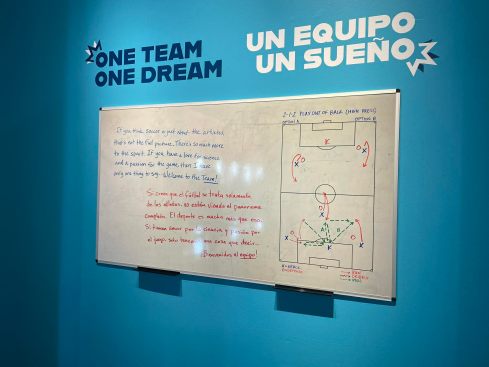








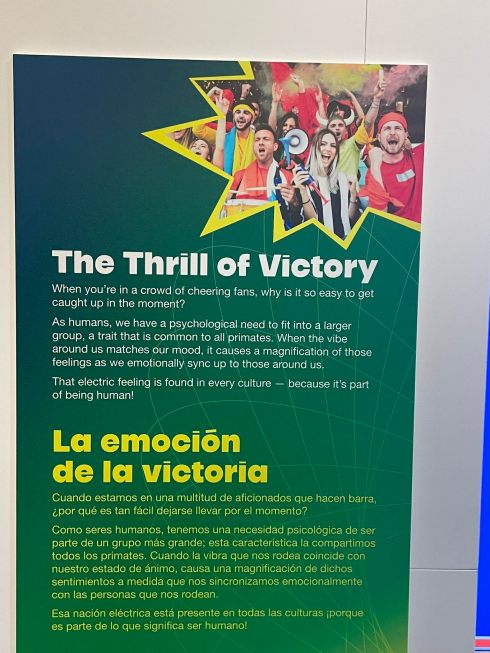
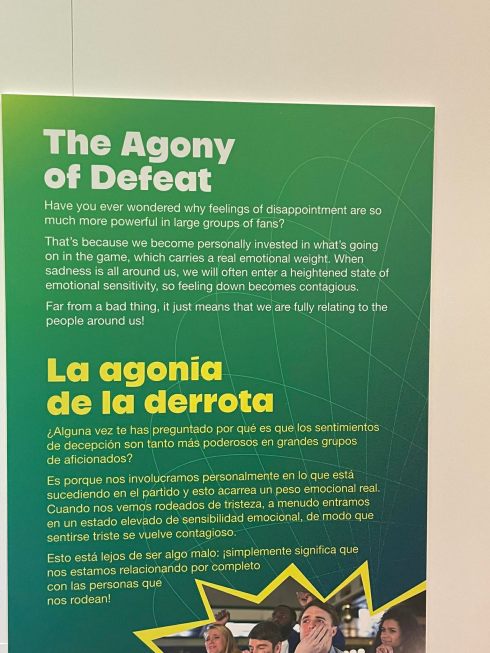

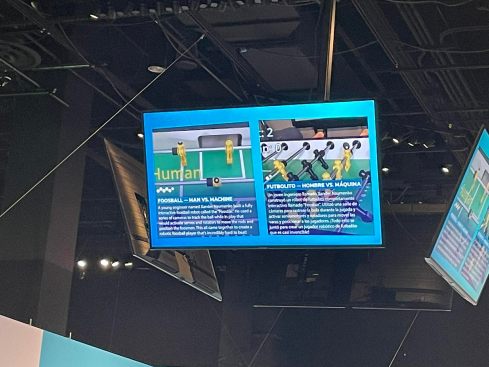
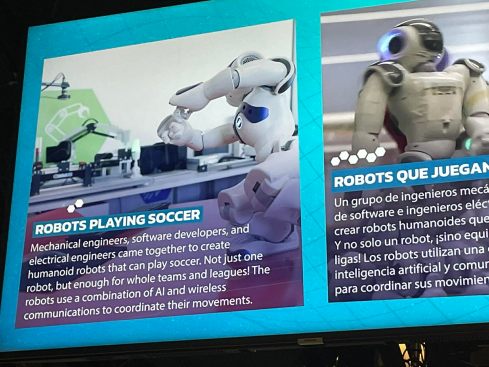
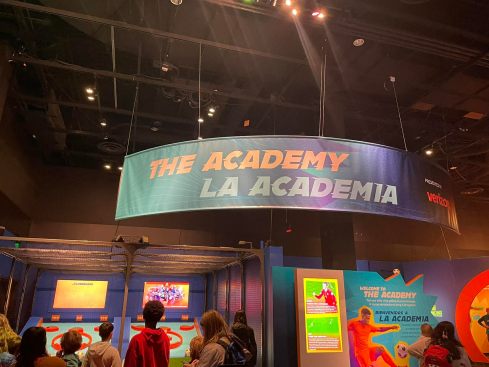


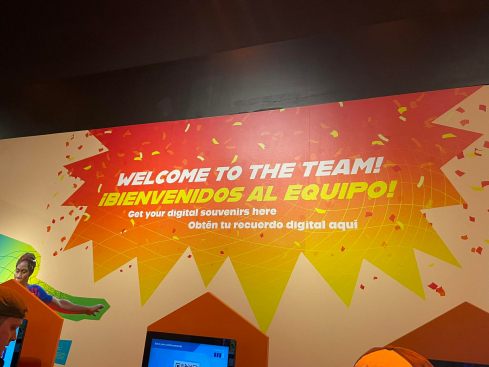


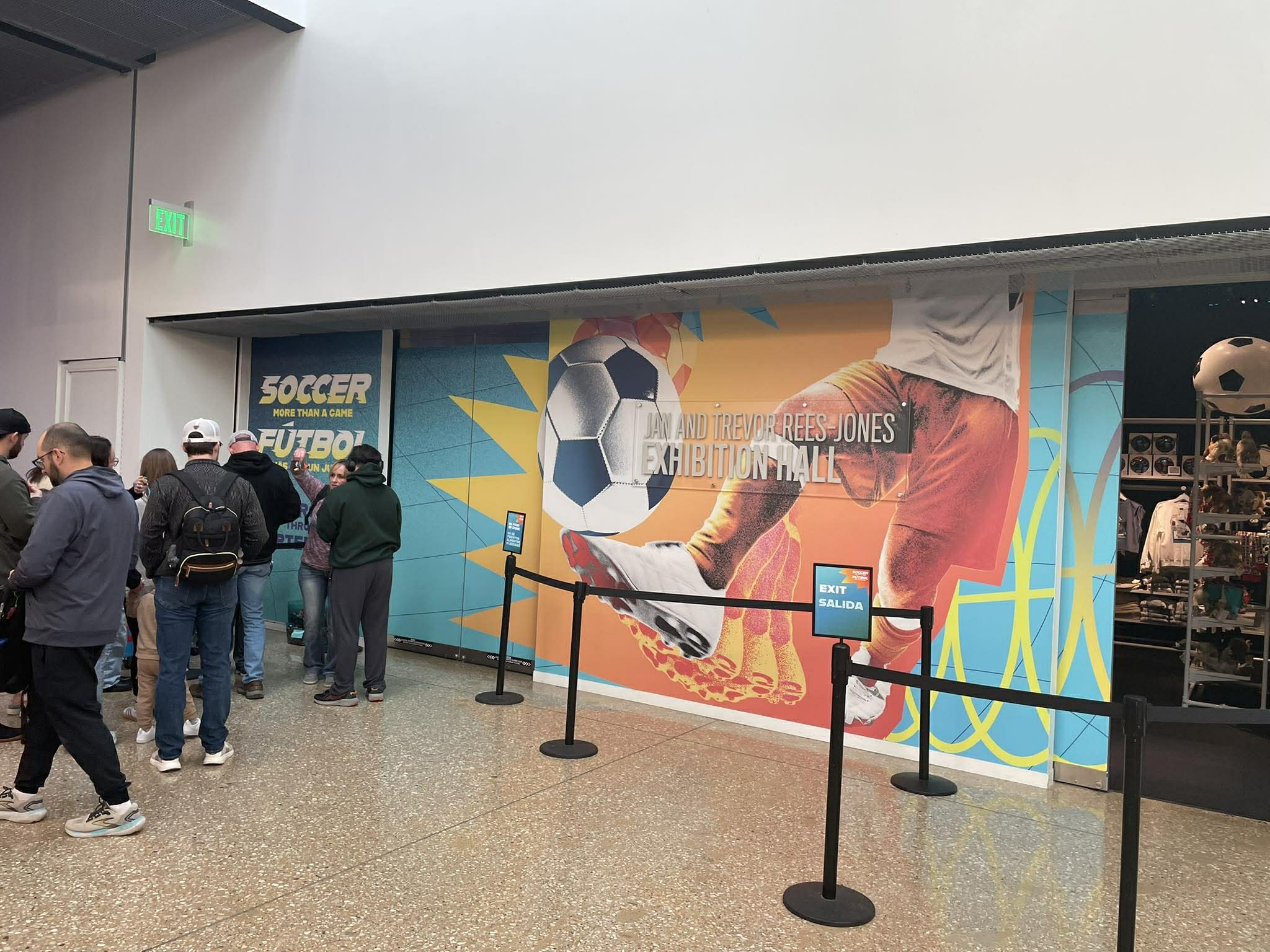
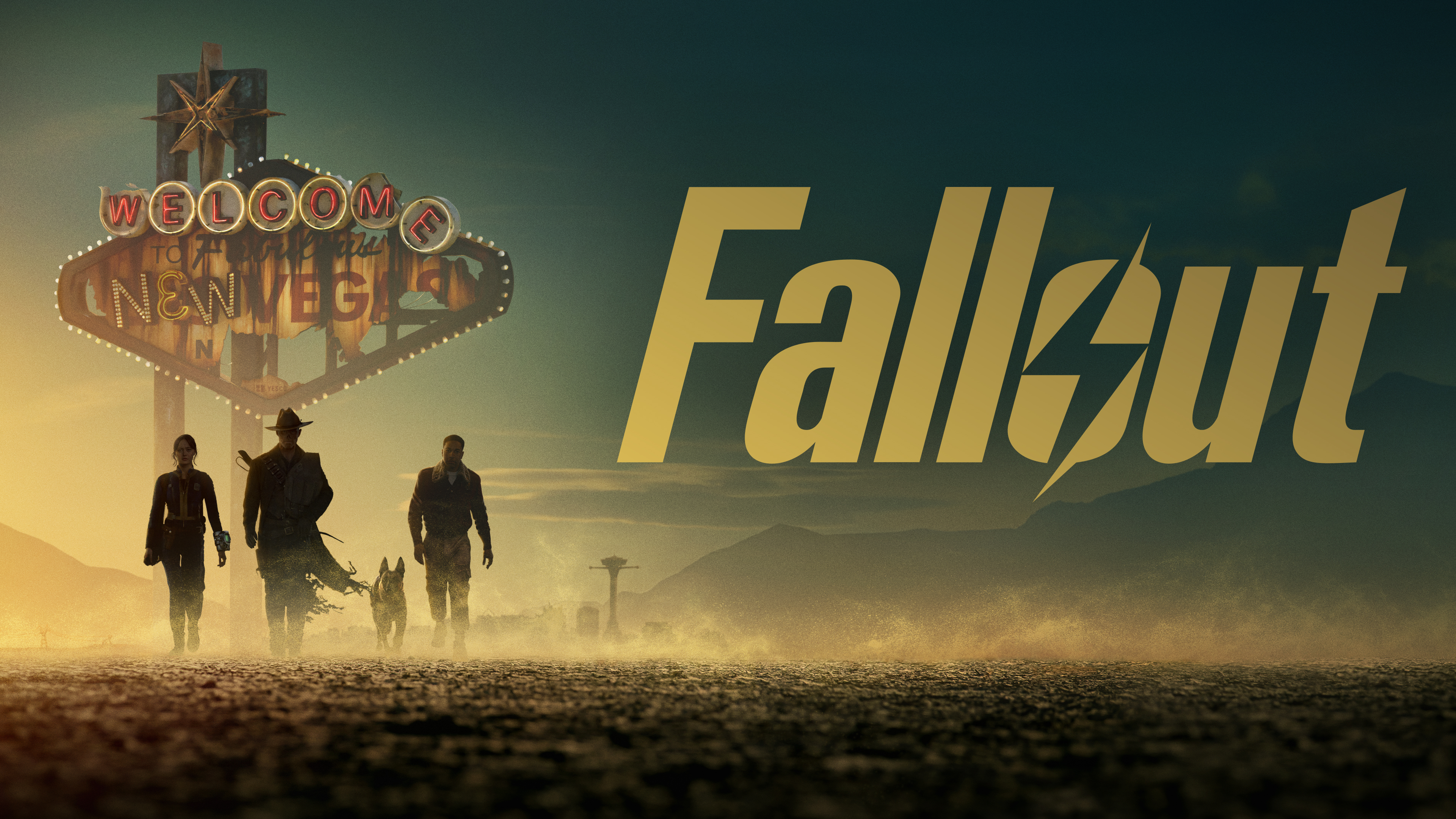
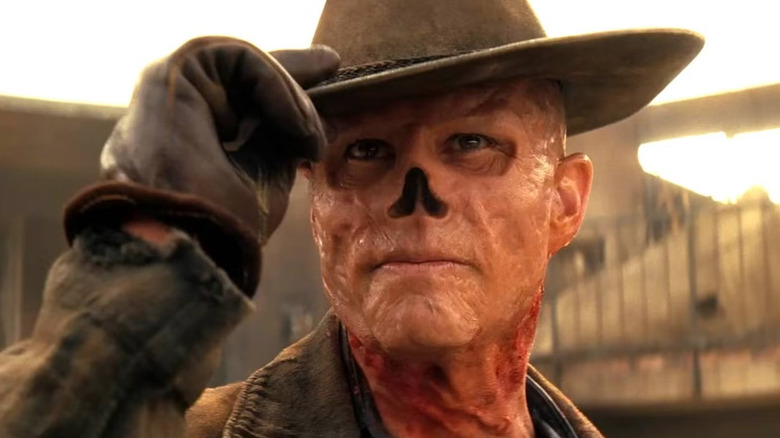
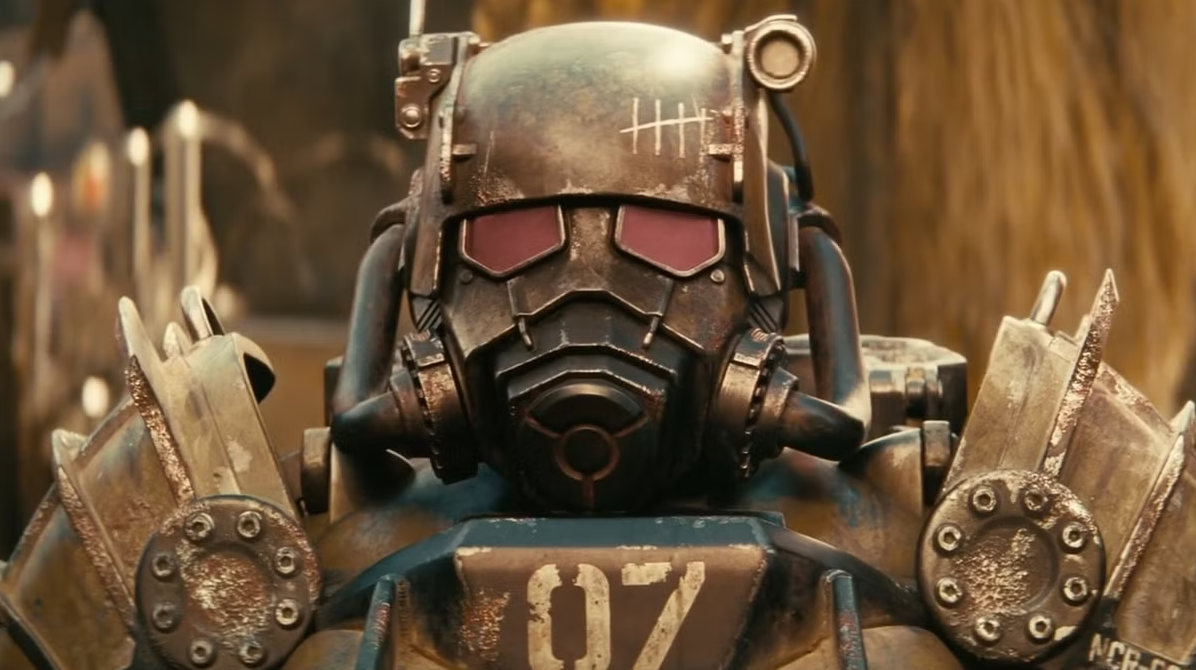

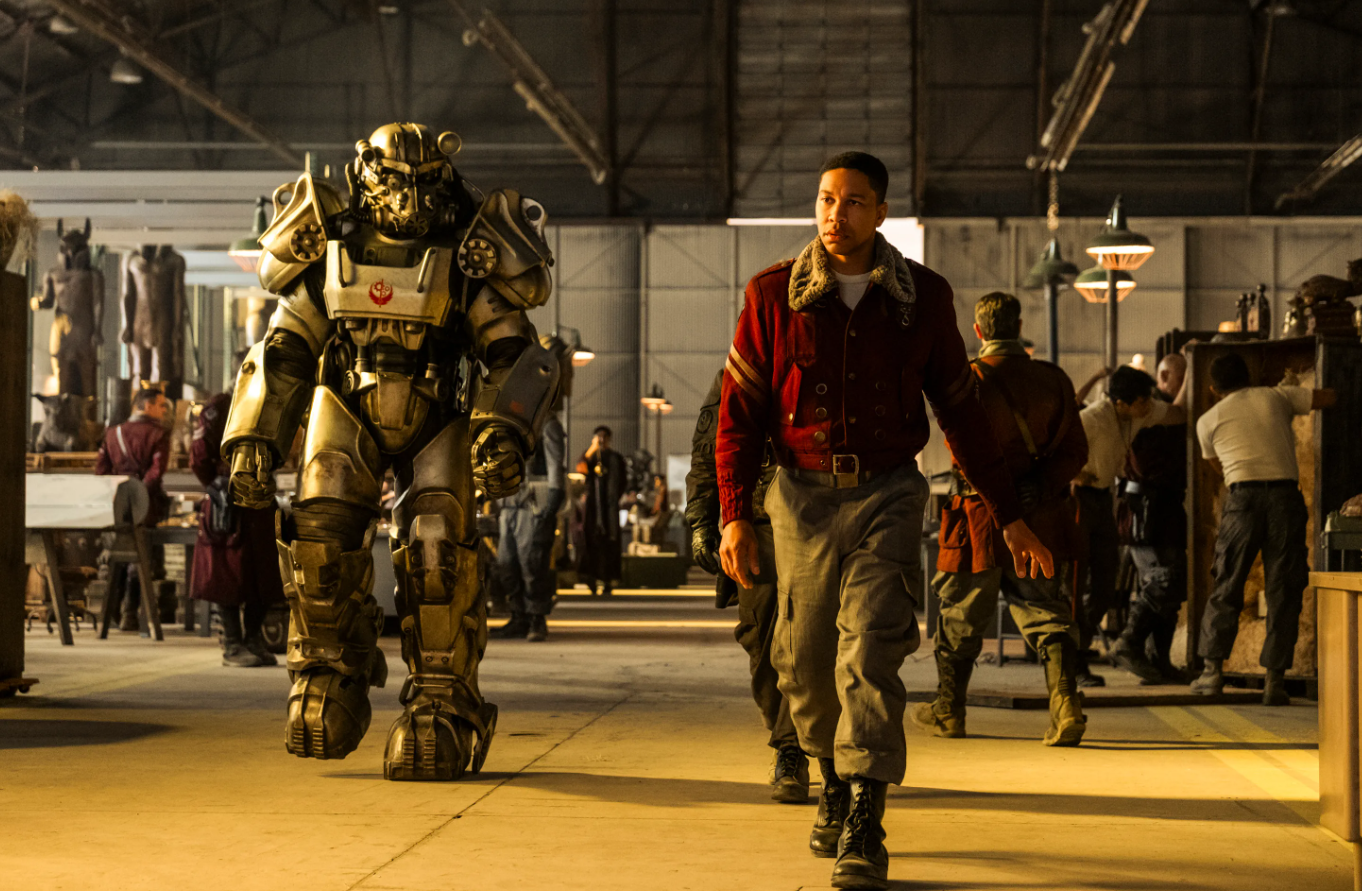
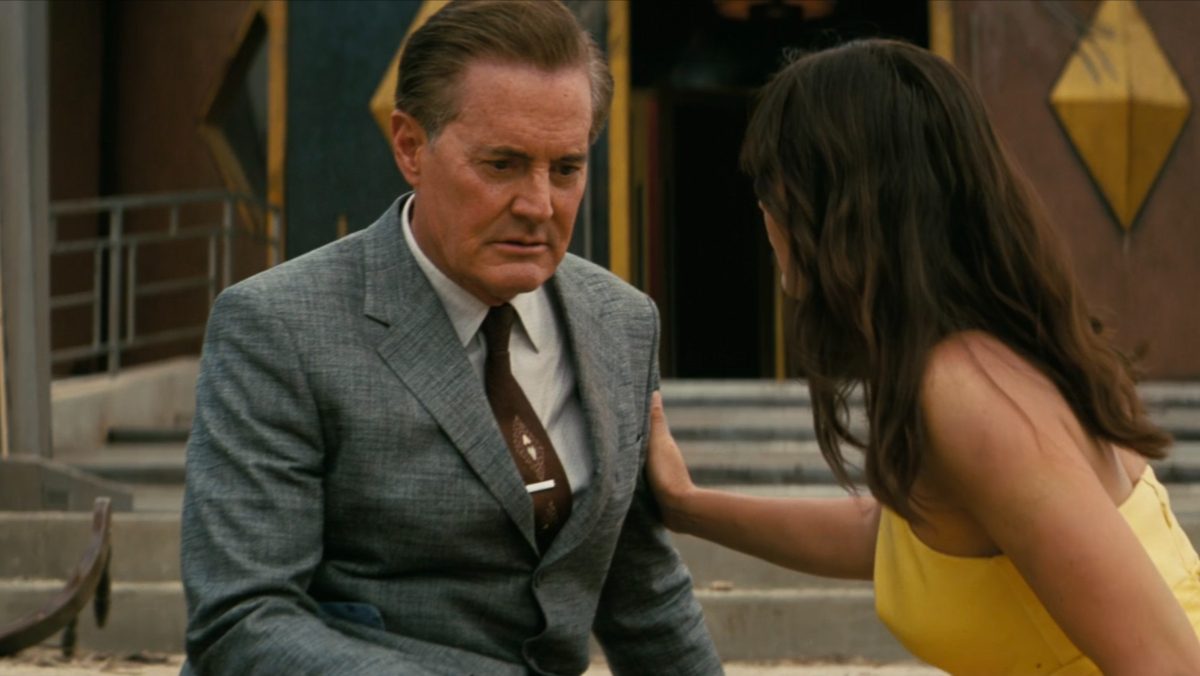
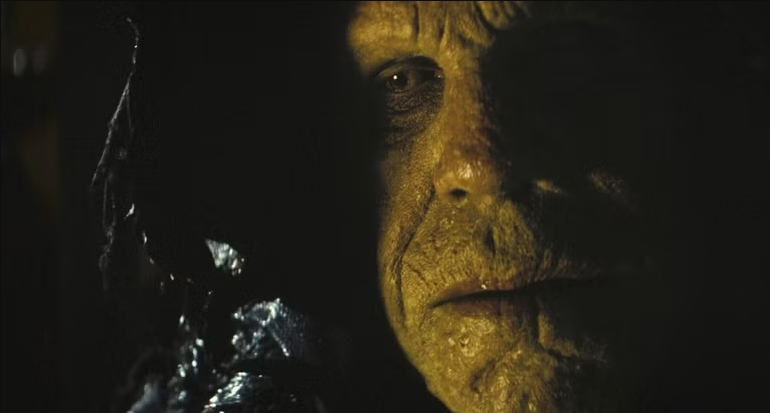
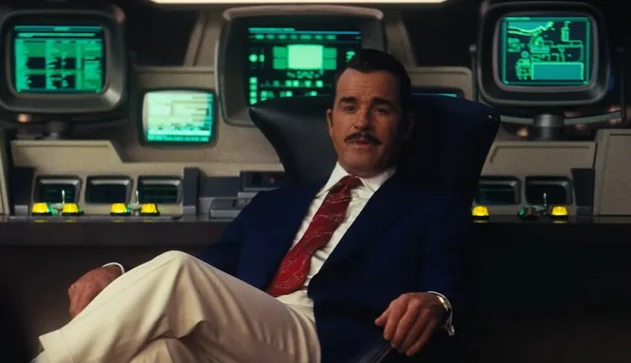
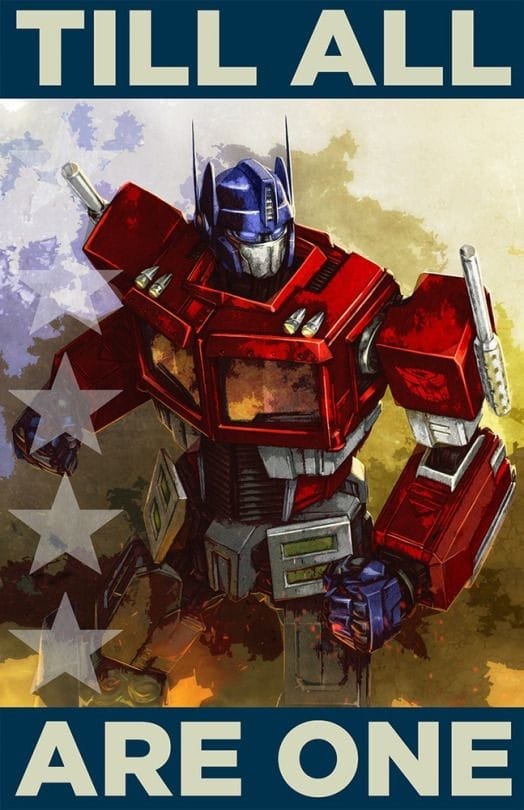

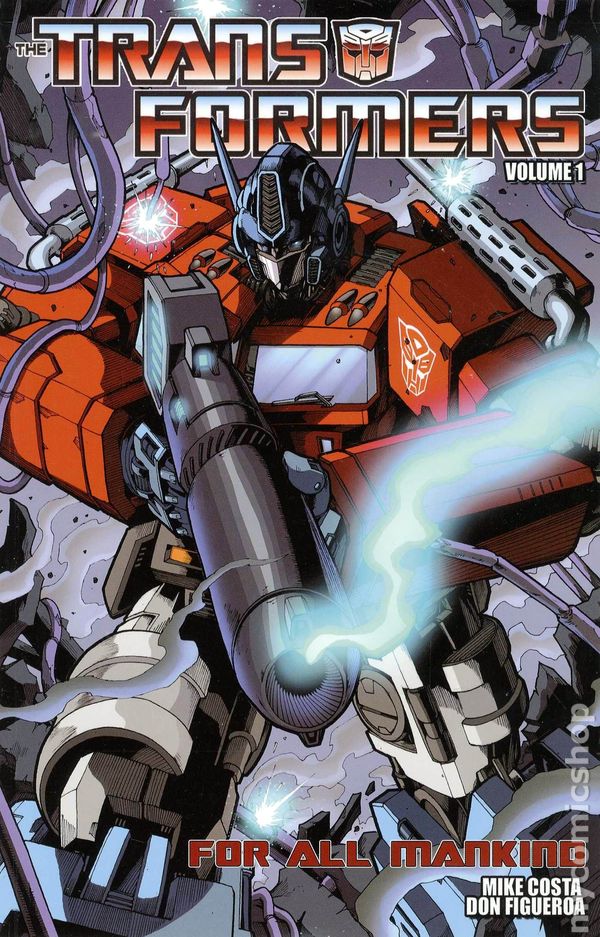









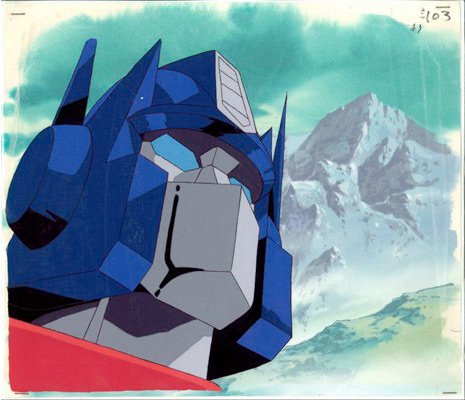


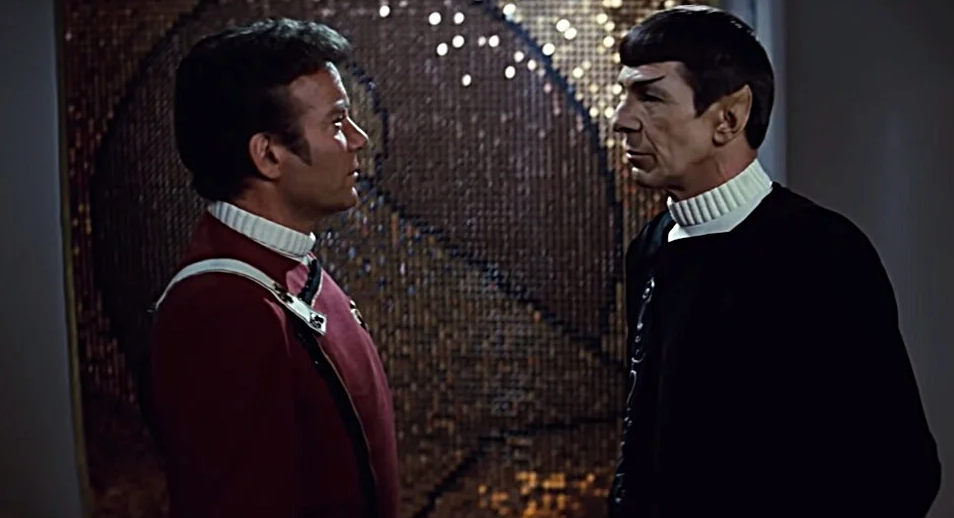

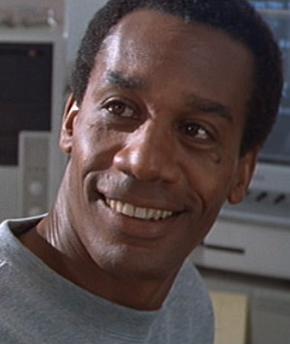

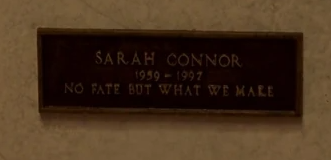


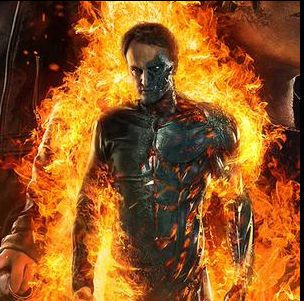









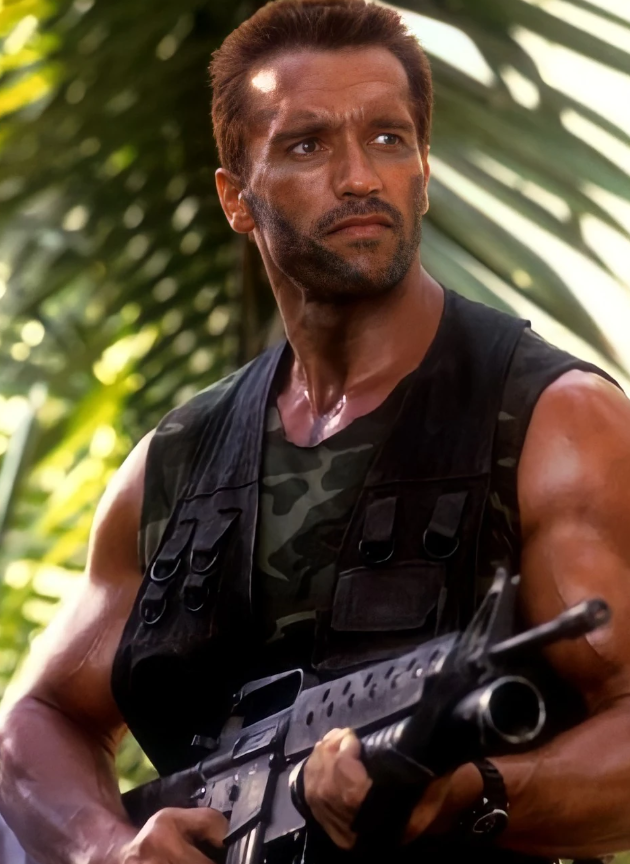
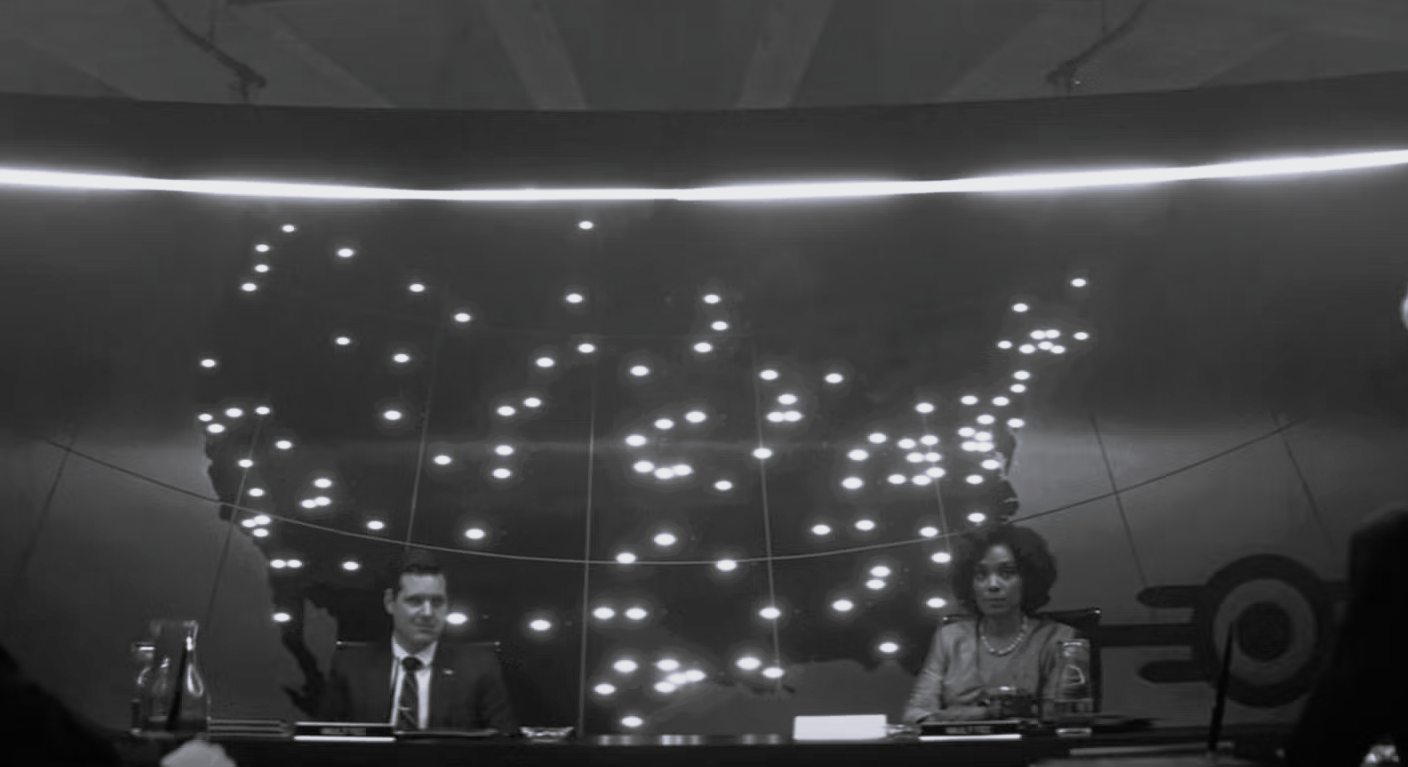
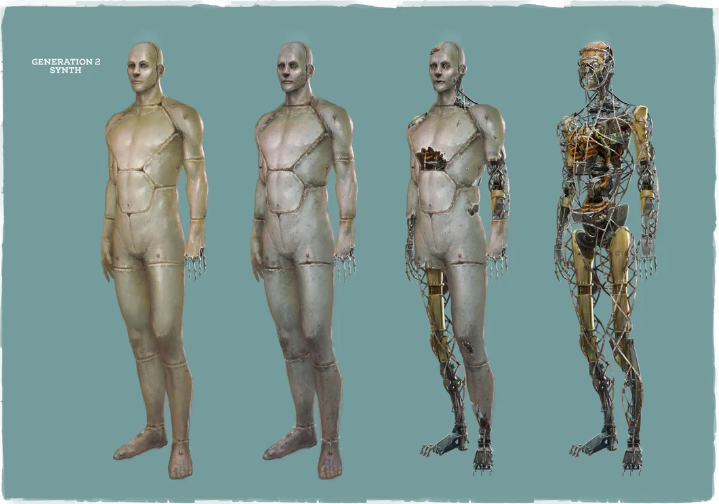






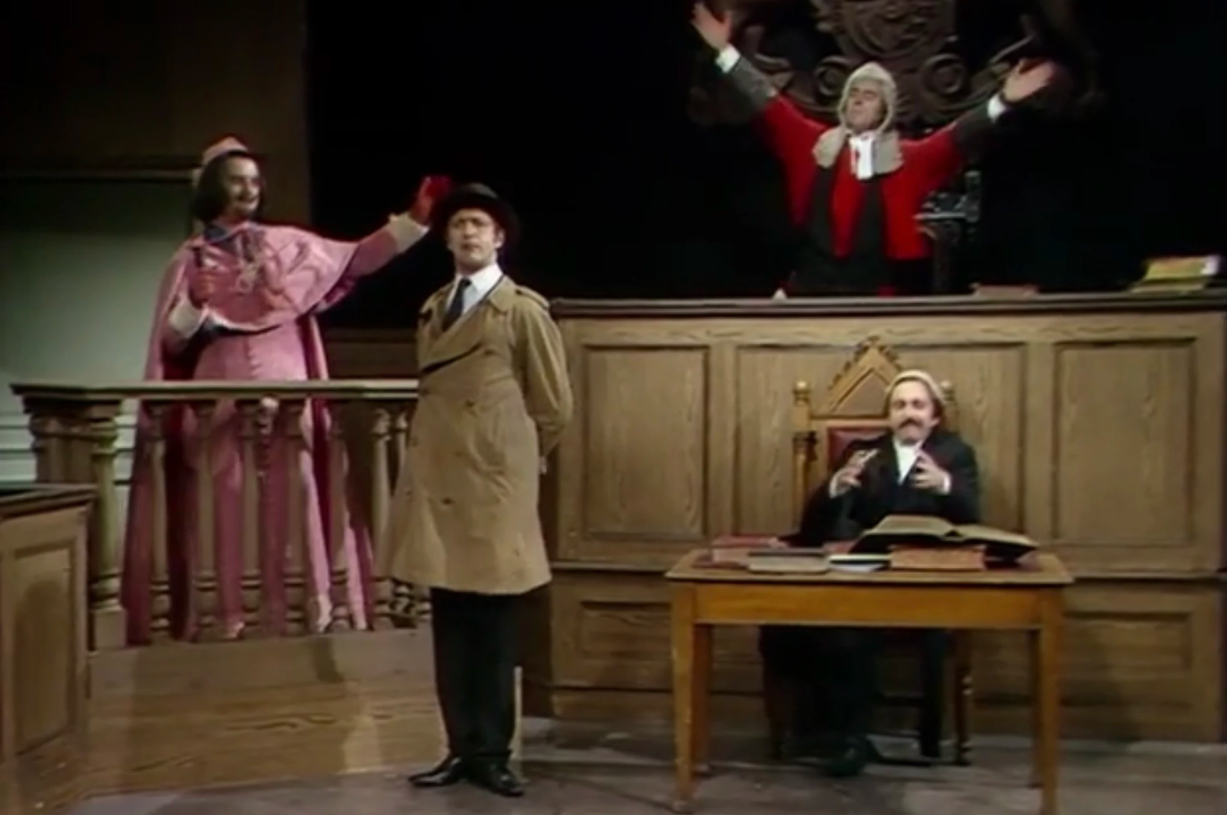

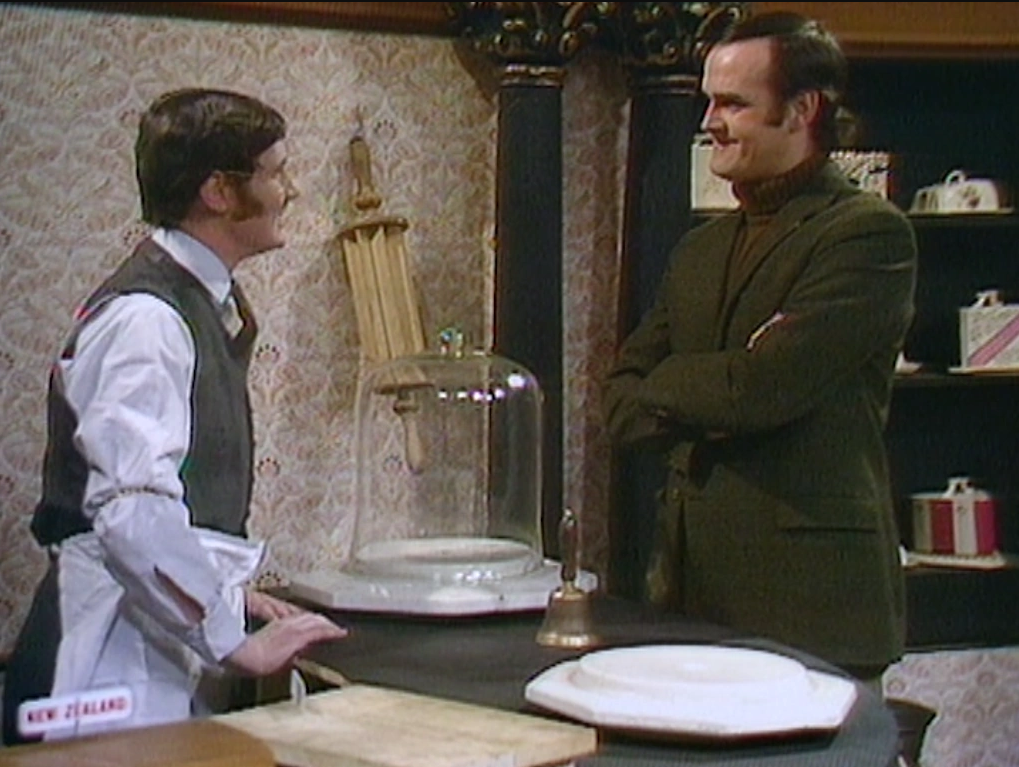
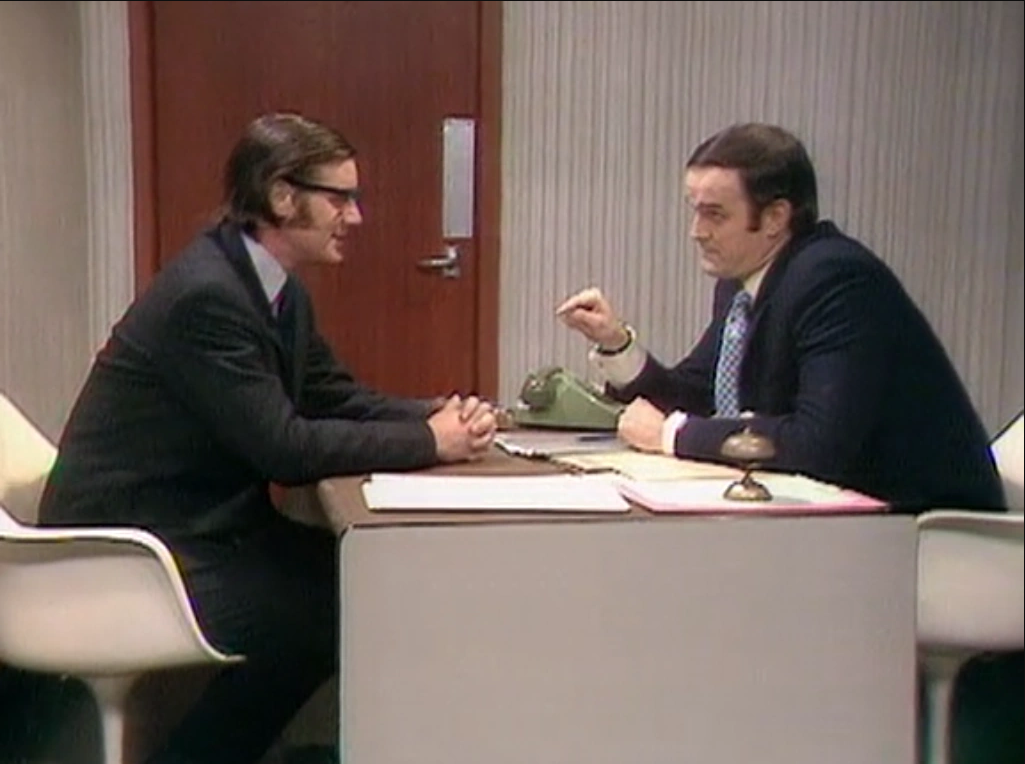
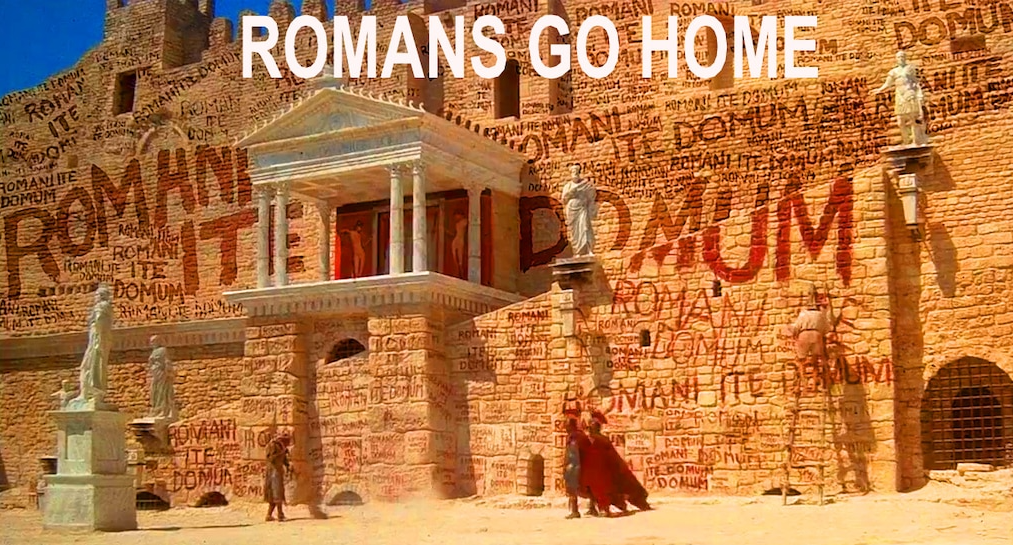
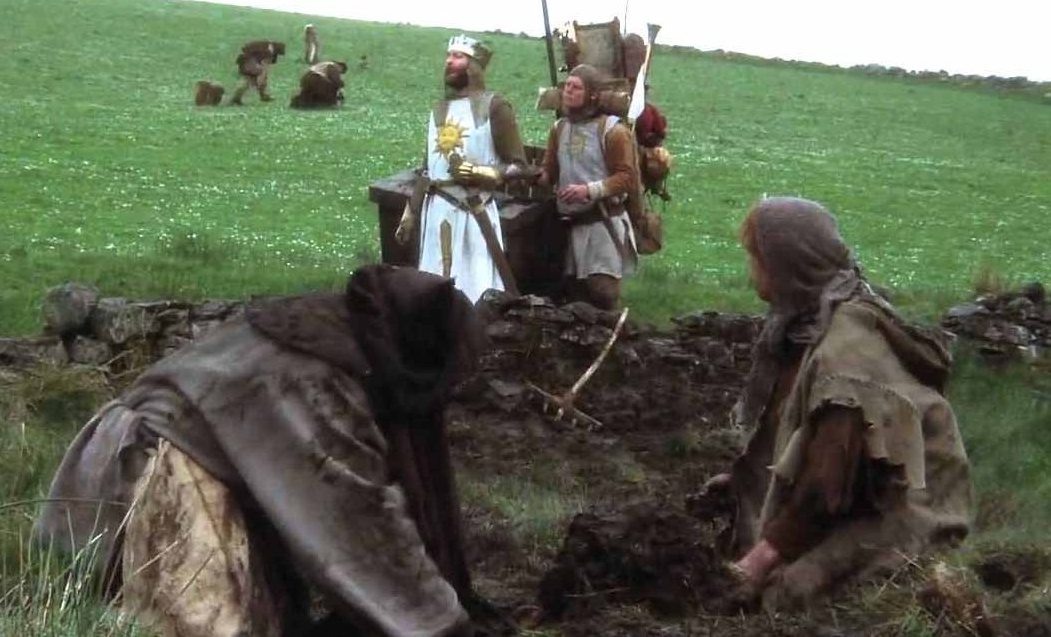
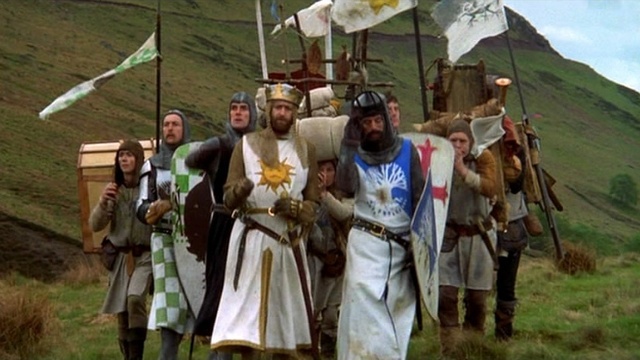












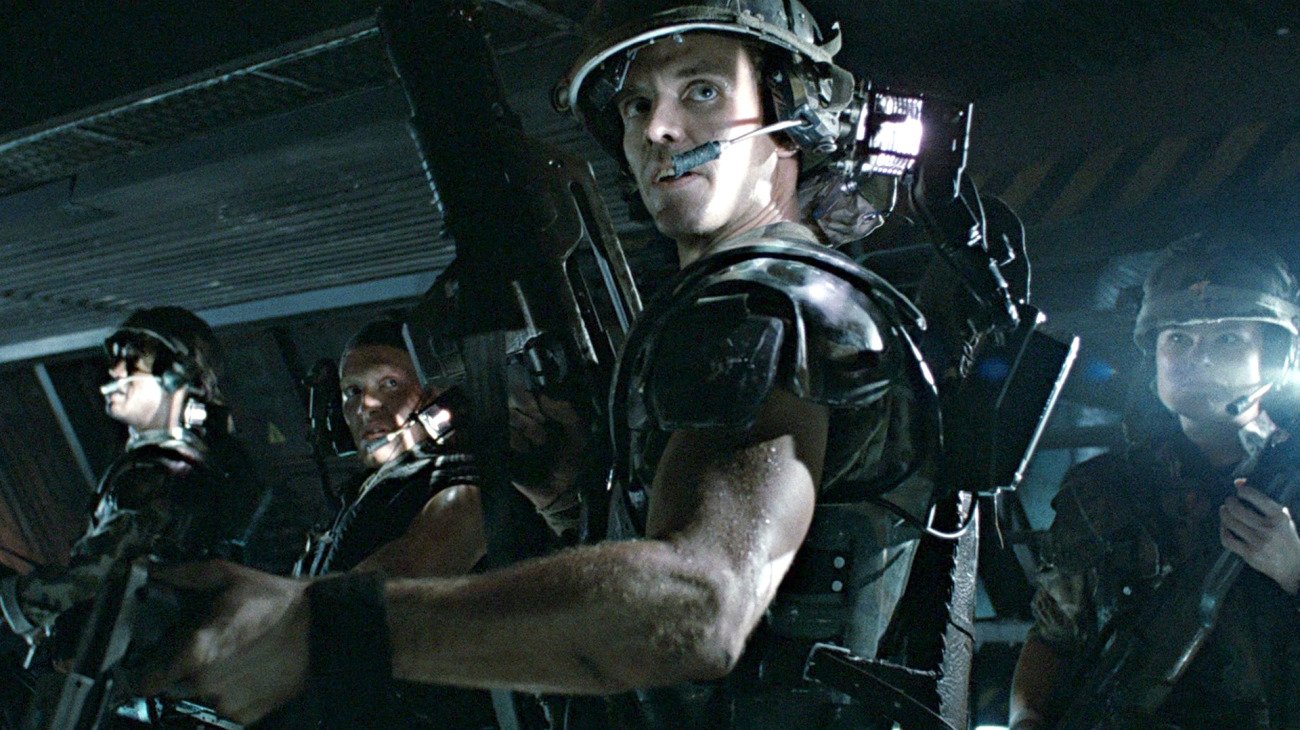


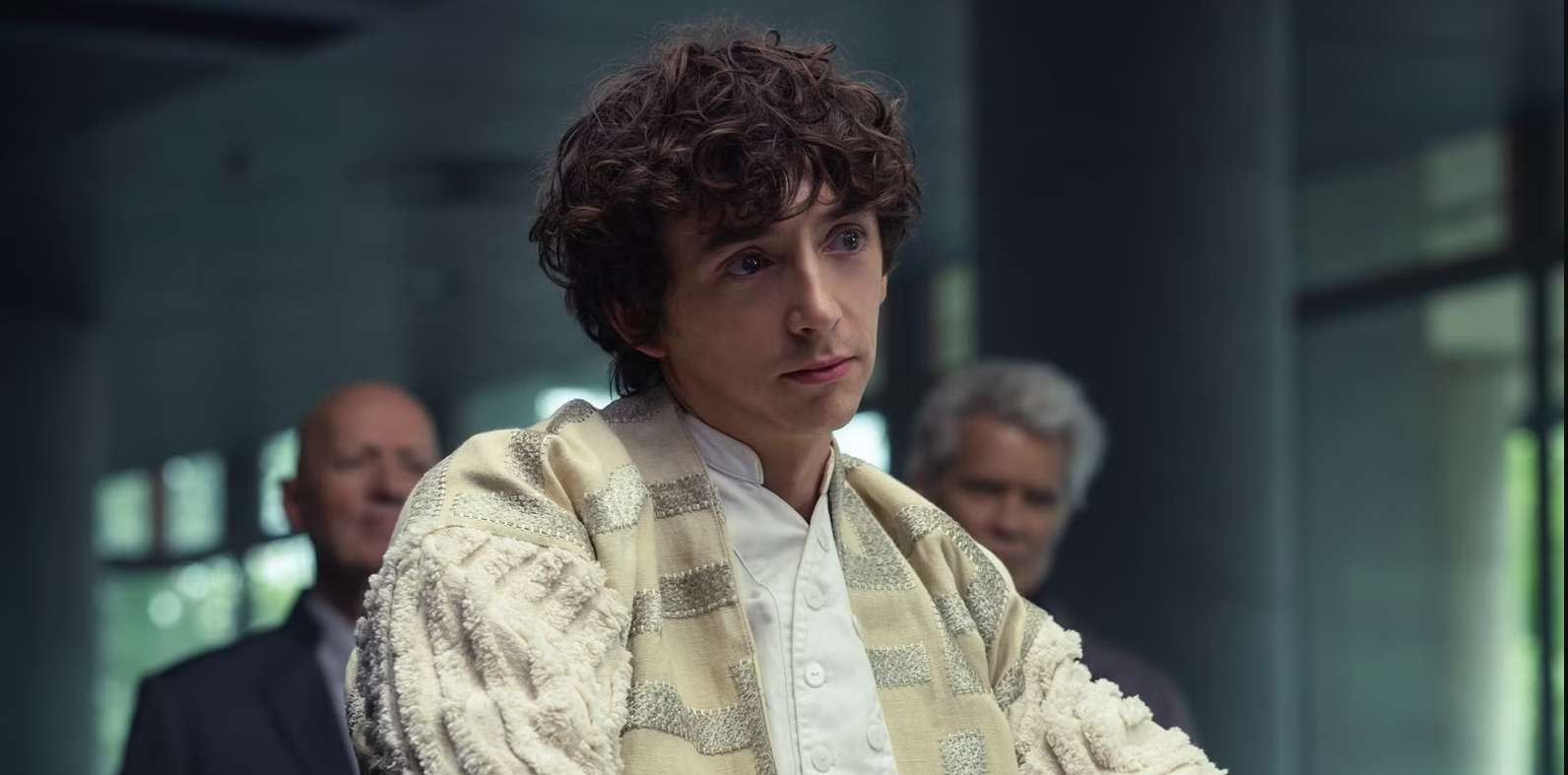
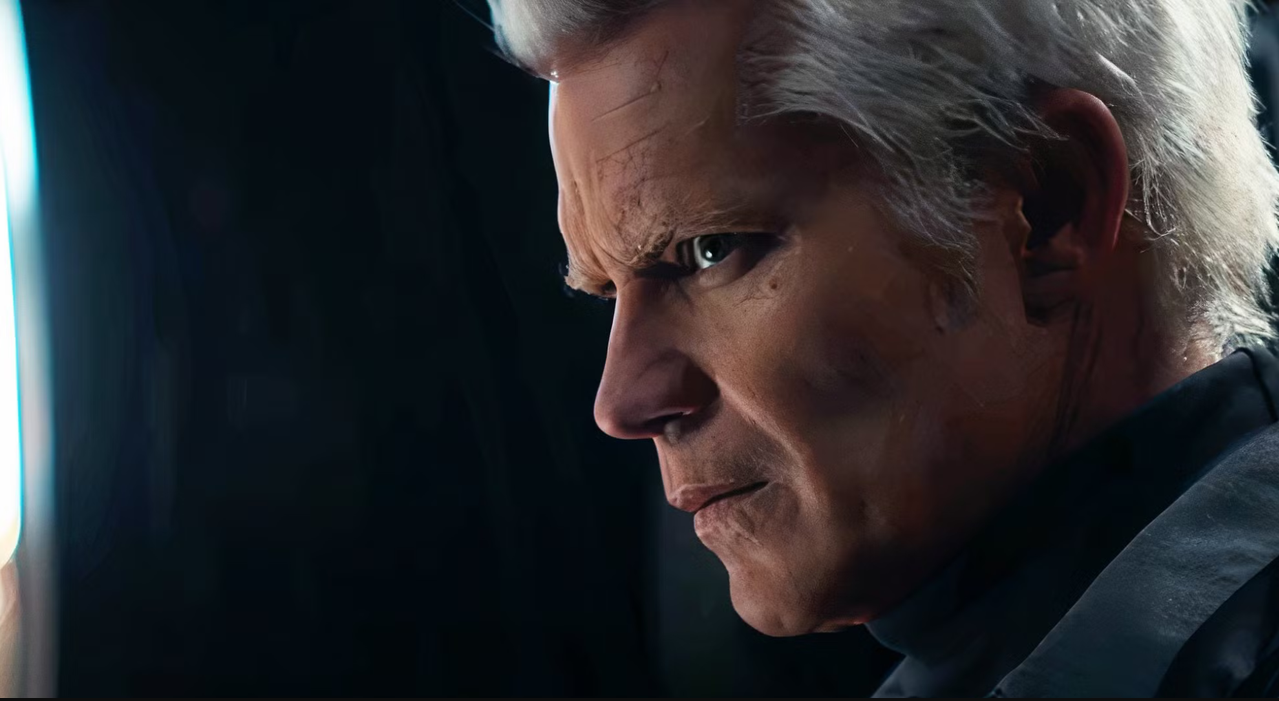
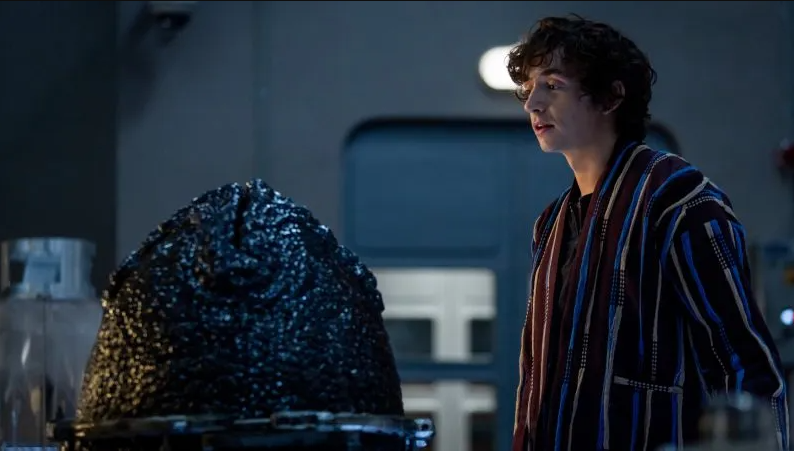



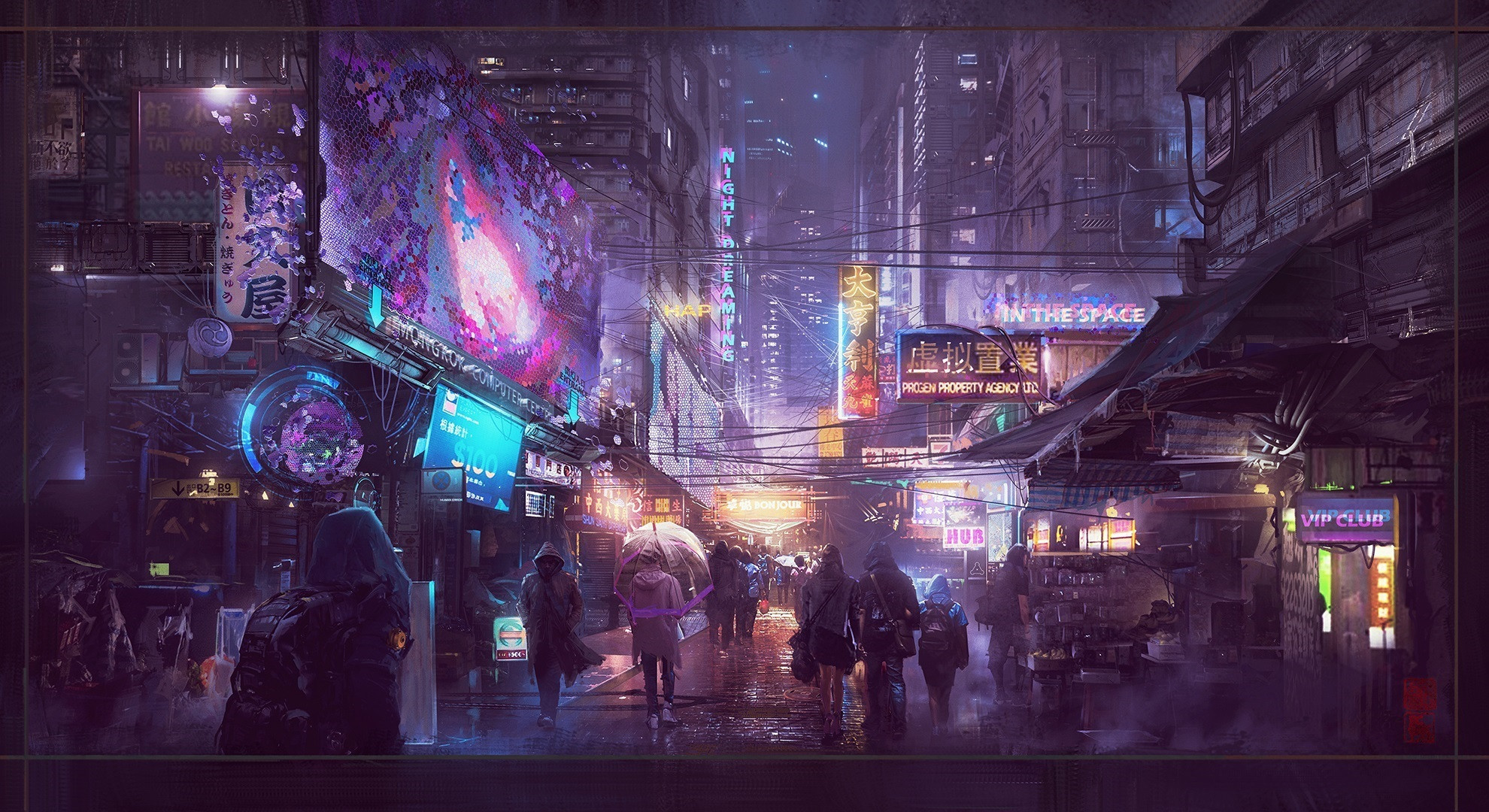




 The Sector M