Tag Archives: Fanboy Opinion

The Ups & Downs of Alien: Earth

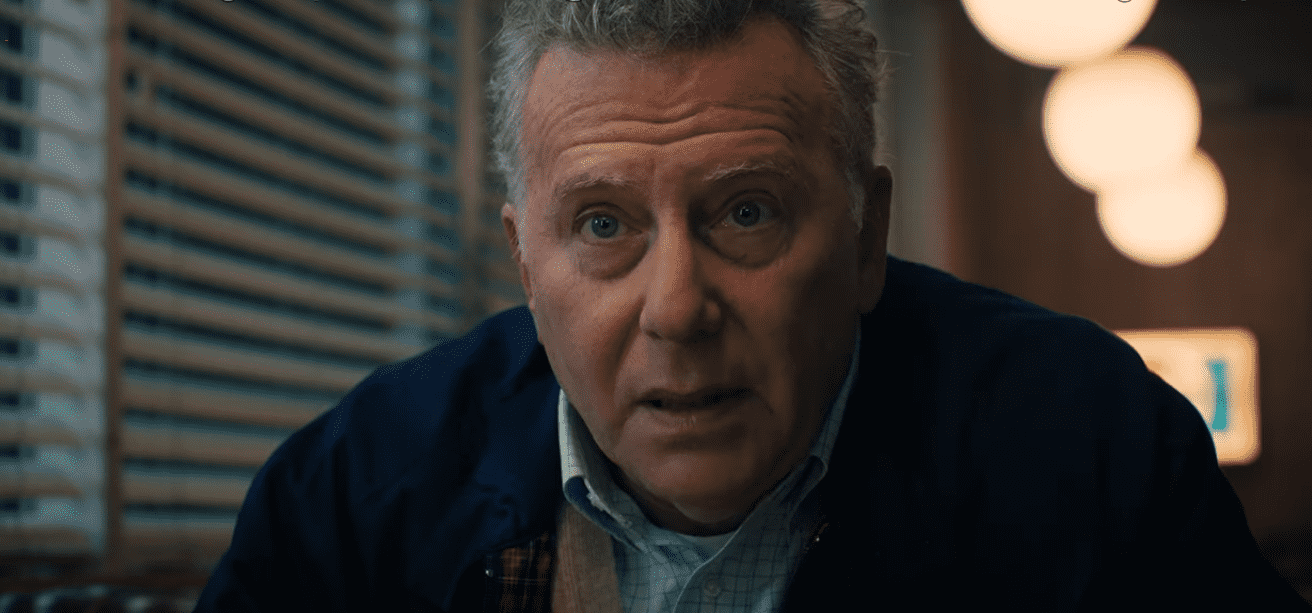
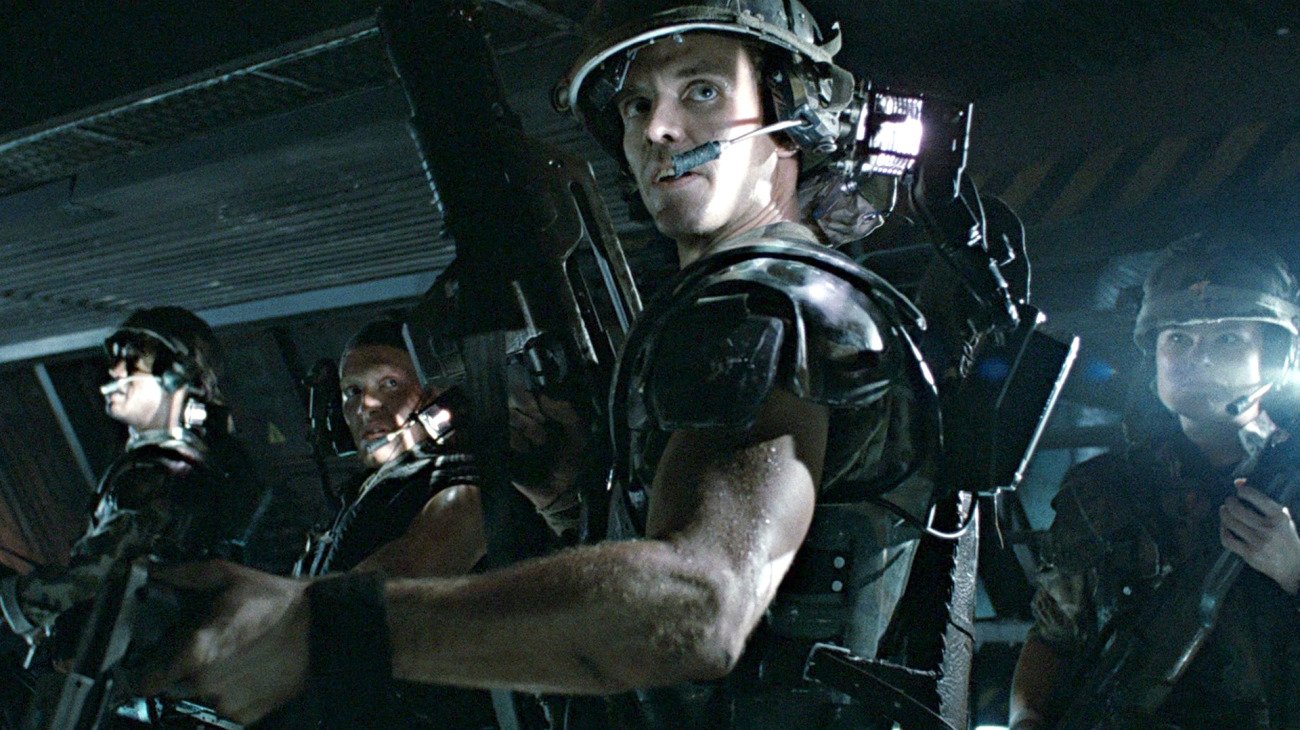
My first brush with the Alien franchise was to see Aliens on VHS when I was a kid. I still believe that it’s one of the greatest action movies of all time. It definitely put its stamp on military science fiction, that’s for sure. Only after seeing the sequel did I go back to the original Alien, which delivered on the horror and suspense incredibly well, and it gets better each time I see it.  

These were two movies of very different genres, each helmed by visionary directors at the top of their game. They both had the disturbing body horror and existential dread that came from the xenomorphs.
Aliens 3 came out, and I did not care for it. (Killing off Hicks and Newt in the opening moments of the movie was unforgivable.) Alien: Resurrection didn’t quite do the job either. The Alien vs. Predator series came and went. I watched them, and while it was cool to see Predators and Aliens in the same movie, the whole thing just rang hollow. For me, I’ve been chasing the high of those first two movies for so long.

Prometheus kinda sorta got us back there. It certainly delivered on the mystery and dread, but the story had some…issues, shall we say. I did not see Alien: Covenant, and from all accounts, I can be glad of that. I may still see Alien: Romulus at some point, but it’s not necessarily at the top of my watchlist.
All that was to give you a starting point of where I was when Alien: Earth began to air — essentially on a downward trend with occasional ups here and there. Strangely enough, this new series on Hulu became something of a microcosm for my fandom of the whole. That is, a great start that begins to stair-step downward with occasional up spikes here and there. It should go without saying (though I’ll say it anyway) that there will be major spoilers for Alien: Earth here. Consider yourself warned.

The Ups were Upping

I want to give credit where credit is due. First, this series looks gorgeous, from its cinematography to its set design. The production values on this show don’t look like they are from a streaming show at all. It feels like we just got a series of Alien movies with Season 1 that are highly rewatchable for the details.

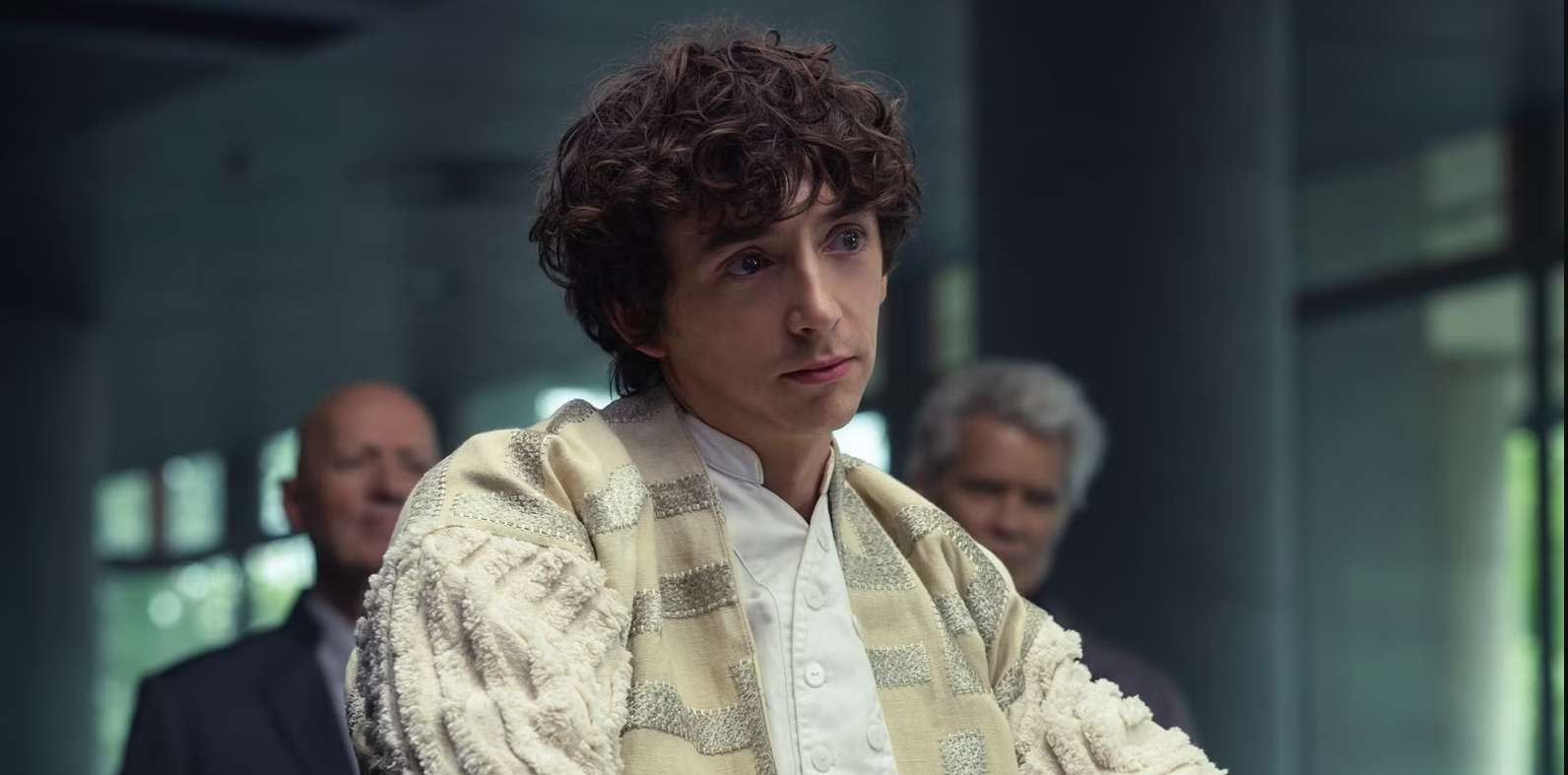
Second, the acting is equal to or greater than the visual quality. I have to give great props to Babou Ceesay, Timothy Olyphant, and Samuel Blenkin for handing in stellar performances. My favorite scenes were those that featured Morrow and Kirsh, and I really hated Boy Kavalier. Talk about a character that put all their points into Intelligence and used Wisdom as their dump stat, it’s him!

But, I want to be clear that creating a character that audiences will hate takes incredible acting skill, and Blenkin delivered that in droves. Kudos to him.

The other actors inhabit their roles incredibly well, too. The Lost Boys really do seem like kids trapped in adult bodies. We get frickin’ Essie Davis here (of Phryne Fisher fame), though I wish she’d had more to do.
Beyond that, we get to see more into the megacorporations on Earth. In most other installments, Weyland-Yutani is the prime mover of events. Here, they are largely in the background. We find out that Earth’s governments have effectively gone away and now there are five megacorporations that rule various territories on Earth, essentially a feudalistic technocracy with a nearly all-powerful dictator/CEO at the head of each one — a dystopian fate that we definitely aren’t rushing towards ourselves. Ahem.

The Alien franchise has always had synthetics, or artificial persons, but here we also get cyborgs like Morrow, and hybrids. The hybrids in particular are something that seem like a natural extension of the idea of a synthetic. (I wish the Institute in Fallout 4 would take a cue from this.) If you have synth bodies that are resilient, immune to disease, and potentially ageless, you might look at trying to download human consciousness into one. Such a thing raises about as many moral and ethical questions as the transporter in Star Trek, but it makes total sense: Boy Kavalier is attempting to monetize immortality.

And what Alien story would be complete without a healthy dose of corporate hubris, once again personified by Kavalier. There’s always someone who thinks that they can control the ineffable. Generally, it’s just trying to control the xenomorphs, but Prodigy is trying to control multiple species at the same time in addition to the xenomorph.

Speaking of which, the MVP of the new aliens has to be the T. Ocellus (eye midge). I found I was more interested in what was going on with it than the xenomorph for most of the series. Here’s a creature that’s equally as terrifying as the xenomorphs, and one that might be truly sentient. As one YouTuber put it: “The xenomorph is the perfect killer; the eye midge is the perfect nightmare.”

More than anything, I want to know where the show will go with that little critter if we get more seasons.
The Downs were Downing

As much as the sets and acting were spot on, along with many of the concepts, the story was uneven. Certain scenes and bits of dialogue felt like they knocked it out of the park. Within the same episode, sometimes within the same scenes, there are non-sequiturs and weirdness that make it seem like either the script was between drafts when they shot it, there was some weirdness with the editing, or some sort of static in the line.

Two examples of this really stand out. The first is when Nibs has her memory erased. Dame Sylvia wants to keep her in isolation so that it’s not immediately apparent that her memories have been altered. And yet, Wendy is in the room when Nibs wakes up and the alteration becomes immediately apparent. Whoopsie!

The second is when Wendy decides to leave the island and resolves to take the other Lost boys with her. We get a line from Boy Kavalier that says something to the effect of “Oh shit! We better get to them (the Lost Boys) before she does!” But, Wendy is able to get to them without issue immediately afterward. No security guards challenge her or get in her way at all.
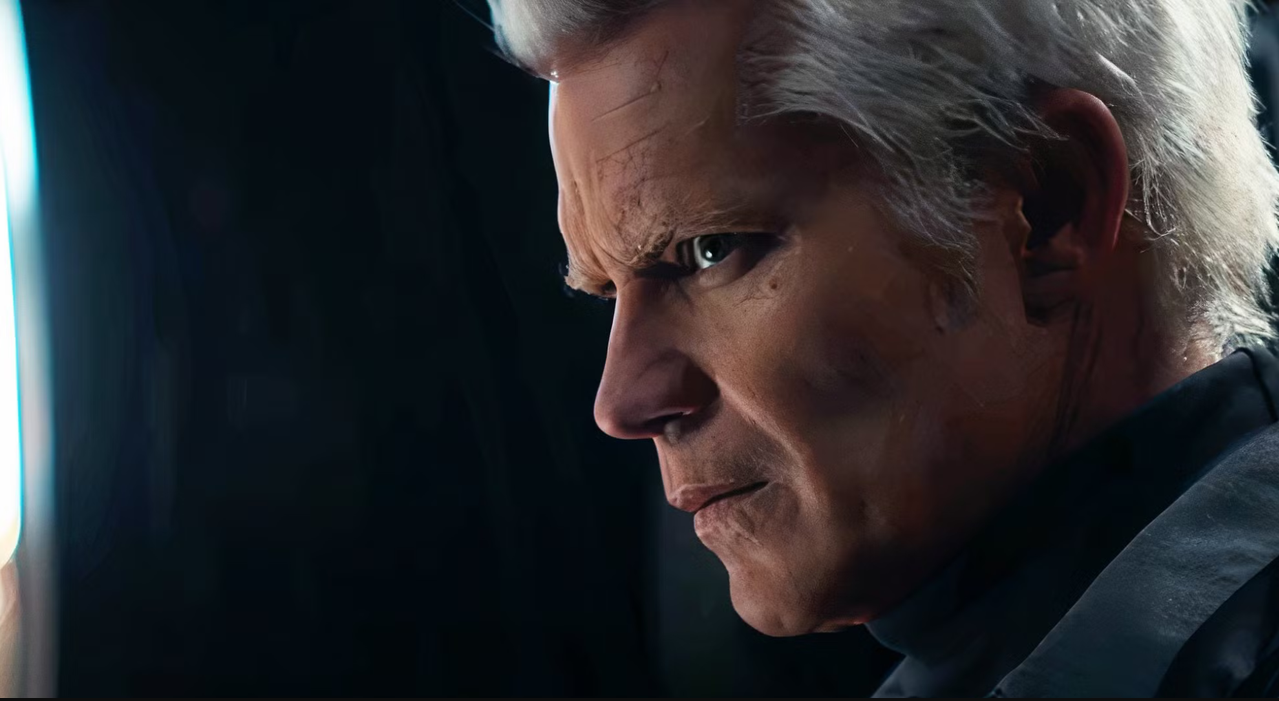
And that speaks to one of the greater issues: Security on the island is a joke. At no point does the security feel like it’s able to do anything of value. There are no static guards posted anywhere. They occasionally roam the halls, but anytime someone wants to avoid them, it’s pretty easy to do so. There are cameras and listening devices everywhere, including those built into the hybrids, but it seems that Prodigy leadership is always clueless as to what’s really going on.

You might could explain it away as Kirsh trying to manipulate things from the inside, but it seems to happen one too many times for my tastes. The scene of Slightly and Smee awkwardly carrying a face-huggered victim through the halls was just kind of it for me. I couldn’t suspend my disbelief beyond that.

Speaking of incompetent leadership, it strikes me as weird that Prodigy continually forgets about the remote shutdown failsafe for the hybrids hybrid in case something went wrong. They also should have installed some sort of tracking beacon that can’t be shut off remotely. In the case of Nibs, she proves the point that maybe your first-generation hybrids shouldn’t come standard with super strength and speed in case they become mentally unstable. Maybe leave the super powers for later generations when you have perfected the process instead of handing that to a bunch of children.
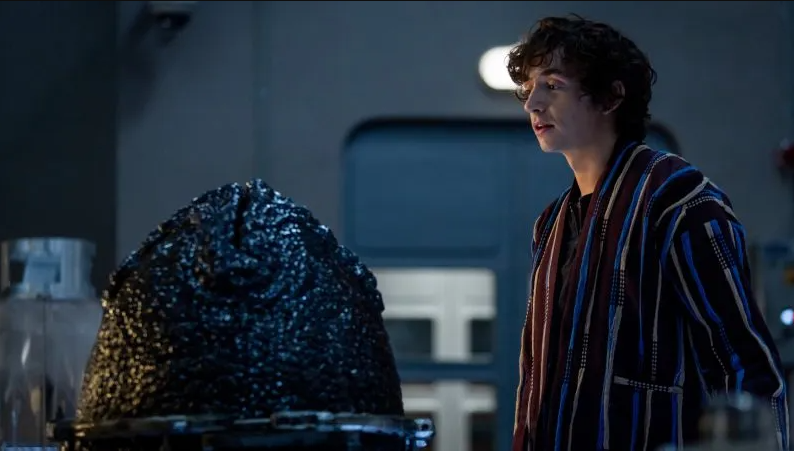
But all that pales in comparison to one of the story beats that kicks off the series. Even though Boy Kavalier is months, perhaps weeks, away from unveiling his crowning achievement, something that will reshape what it means to be human, for some reason he agrees to send all of his hybrids into an incredibly dangerous and uncertain situation. Not just one or two, but all of them.

The hybrids literally have the minds of children, they have no combat training, and no weapons other than the handle of a paper cutter that Wendy picks up and magnetizes to her back. Absolutely none of that makes sense. The final episode attempts to say that Kavalier has extremely poor impulse control, which would definitely explain some of his poorly thought out decisions, but this feels like a total cop out.

I think the worst sin of the show, however, was having Wendy be able to turn the xenomorph into a pet or, at best, a minion. A big theme of many movies in the Alien franchise is that you simply can’t control something like the xenomorphs. It’s sheer folly to even attempt to do so, and what success that is possible is fleeting. The xenomorphs always get out, and they are virtually unstoppable when they do.

Wendy having one that will kill on command really sinks the whole deal for me. Also, showing a xenomorph during the day really degrades its menace. It’s meant to be a thing that leaps from the shadows or attacks when you least expect it, so showing it in broad daylight really takes away the impact.

I don’t want to just rag on the show, but a few other honorable mentions include:

  • Several security guards, all armed with tasers, waiting patiently on the dock as Nibs brutally kills one of their own in plain view. They have a clear line of fire, but they do nothing.
  • Morrow should have the recovered file from the Maginot that shows that Kavalier had paid off the chief engineer. It feels like that would at least be mentioned during the arbitration scene, but it isn’t at all.
  • The xenomorph being hyper-lethal in some scenes but slow and ponderous in others, depending on the level of plot armor.
  • The inconsistency of physical strength shown by the hybrids, particularly Tootles/Isaac when opening a door and Slightly and Smee when carrying a body. Are they super strong or aren’t they?
  • Dame Sylvia not being terribly bothered that her husband is missing during a crisis of aliens getting out of containment and an attack by Weyland-Yutani operatives.
  • The T. Ocellus passing over any number of living and dead Prodigy personnel to go to the beach to insert itself into a dead body. I guess this little alien can reanimate dead tissue.
  • Boy Kavalier writing “3.14” on his hand and expecting T. Ocellus to understand what that means. Yeah, I’m not sure it understands English. While it might understand the concept of pi, I highly doubt it would express it in Arabic numerals.
  • A nitpick, but what is going on with Yutani’s personal guard? They look cool in a cyberpunk-ninja kind of way, but what’s with the golden-wing accents on their helmets? How do they get through doorways?  

Final Thoughts

Let me just say that I hope this show gets a Season 2. I can’t say I’m happy about them leaving much of the story unresolved (particularly a fleet of attack craft from Yutani already at the island). It also seems that Wendy’s transformation from series protagonist to series antagonist happens awfully fast. She never mentioned anything about wanting to lead or rule, but that’s where we leave her. We don’t hear anything about her or Prodigy in the later lore, so it doesn’t seem like she’s destined to be successful.

Like much of the show, I don’t know where they’re going to go with it. Despite all of my criticisms, it finally felt like we were back in the Alien universe again, and I tuned in every week for it. Still, I think that there’s great potential here if they smooth over the rougher edges from Season 1. If they do, this show could turn into something great. Here’s hoping, anyway.

Thanks for reading!


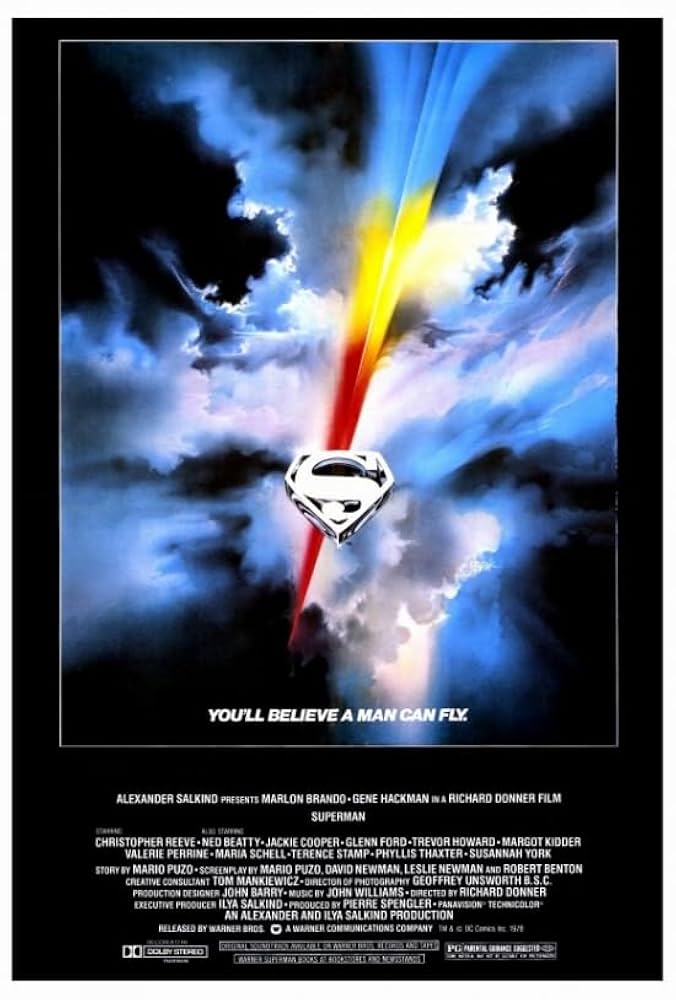
Fanboy Review #19 — Superman

[Note: I do not consider myself a movie critic. What follows is just one fanboy’s opinion based off of a single viewing of the film. Oh, and there are SPOILERS ahead for this movie, so take heed.]

Aside from my thoughts on the Adam West Batman and the 2017 Wonder Woman film, I haven’t talked about DC comics much on this blog. It’s not because I don’t like the characters from DC comics — because I definitely do — but those characters have not played as much into my daily discourse as those from Marvel (though that is changing). With the release of Superman last week, we now have a fresh take on the DC universe, which has been in a weird state for the last couple of years.  

I will say right up front that I wasn’t a big fan of the Snyderverse. I found the grim-dark take on Superman and the Justice League to be fundamentally at odds with the DC characters as I had come to know them from years of reading comics, watching other movie versions of them, playing video games, and so on. With that in mind, let’s talk about Superman

First Impressions

I tend to like James Gunn movies, in general, but I really like Guardians of the Galaxy Vol. I & II. So, when I heard that he was taking the Kevin Feige role of chief creative of the burgeoning DCU, I was encouraged by this.

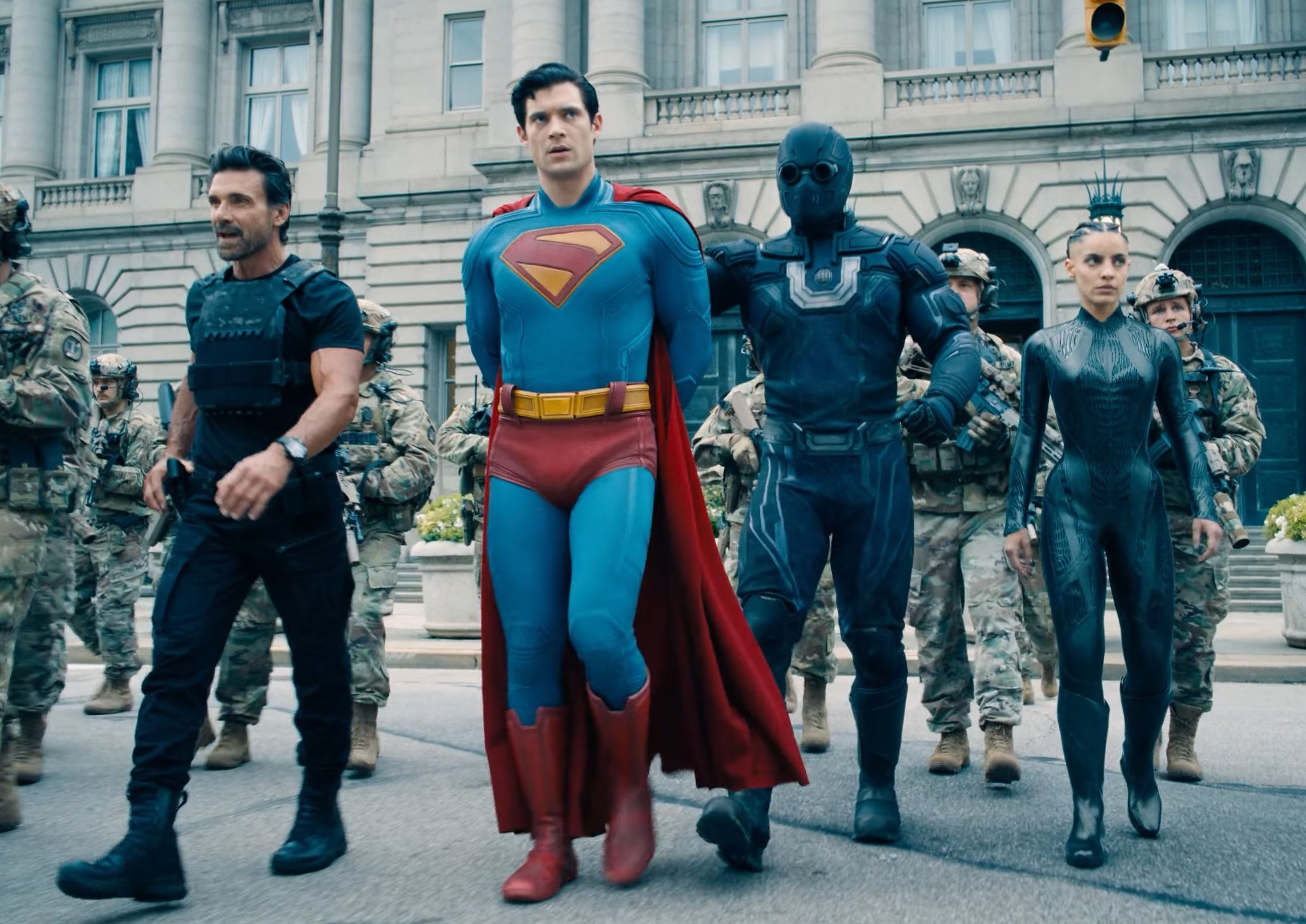
As the trailers and marketing came out for this new version of Superman, I was…less sure. The tone felt off, Superman’s costume had the red trunks, but otherwise looked like a mid-range cosplay attempt. And, the first glimpse I got of David Corenswet as Superman was of him beaten and bloodied in the snow. I also wasn’t sure about introducing Guy Gardner as the Green Lantern before we had a chance to see Hal Jordan or John Stewart (no, the other John Stewart) in the role.

So, it was a mixed bag going in, but I was glad to get away from the uninspiring, depressing version of Superman from the Snyderverse. I hasten to add that I absolutely love Henry Cavill in the role of Superman, but I  just did not connect with the stories involving that version of the character. Even with these concerns, I was still going to go see the movie.

What I liked

Finally, a Superman Movie: Understand that I love Christopher Reeve Superman movies, particularly the first two. The hope and light that Reeve brought to that role is the gold standard for me. Other actors have captured the essence over the years. Tom Welling, Brandon Routh, Taylor Hoechlin, just to name a few. I was looking for that spark within David Corenswet’s performance, and I’m overjoyed that I found it. Superman films have not really had the magic for me since Superman Returns in 2006. Sitting there, watching this movie, there he was. Big Blue was back.

The Musical Score: The John Williams Superman theme is one of the most iconic pieces of music in cinematic history. Rarely has a piece of music so encapsulated a character within its notes as that one. The score for this film picks up from that theme, but adds to it, giving it new dimensions and new emotions that are wonderful. 

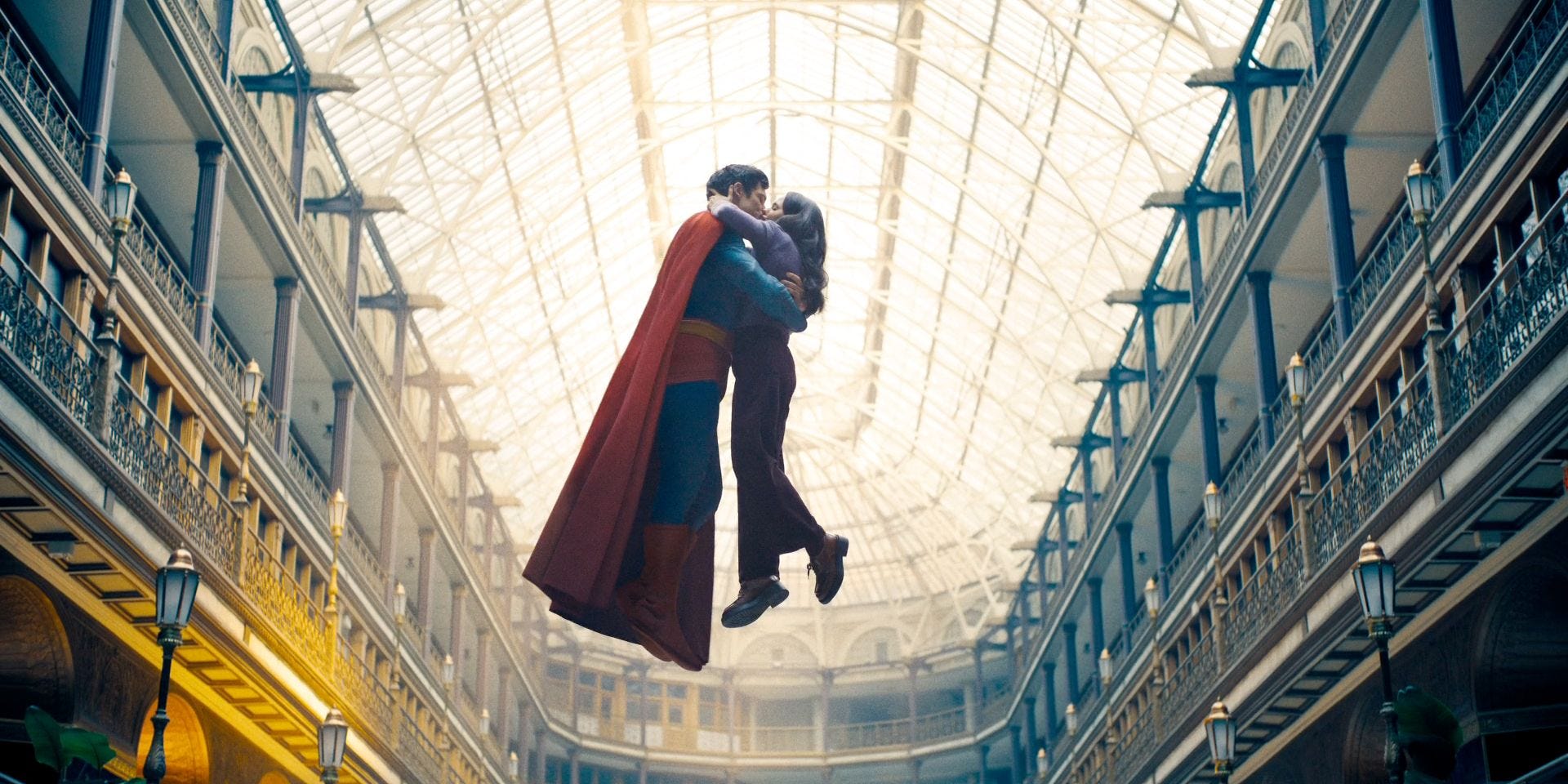
Lois & Clark: This movie definitely subscribes to the in media res theory of storytelling. There’s no origin story, no flashbacks. We start with Superman already a few years into his superhero career. His relationships are already in place. The chemistry between Corenswet and Rachel Brosnahan is excellent. From their very first scene together, it seems like they’ve known each other for years. The actors inhabit these roles like they already have a few movies under their belt. The scenes between them are as natural as breathing. I just wish there had been more of that.

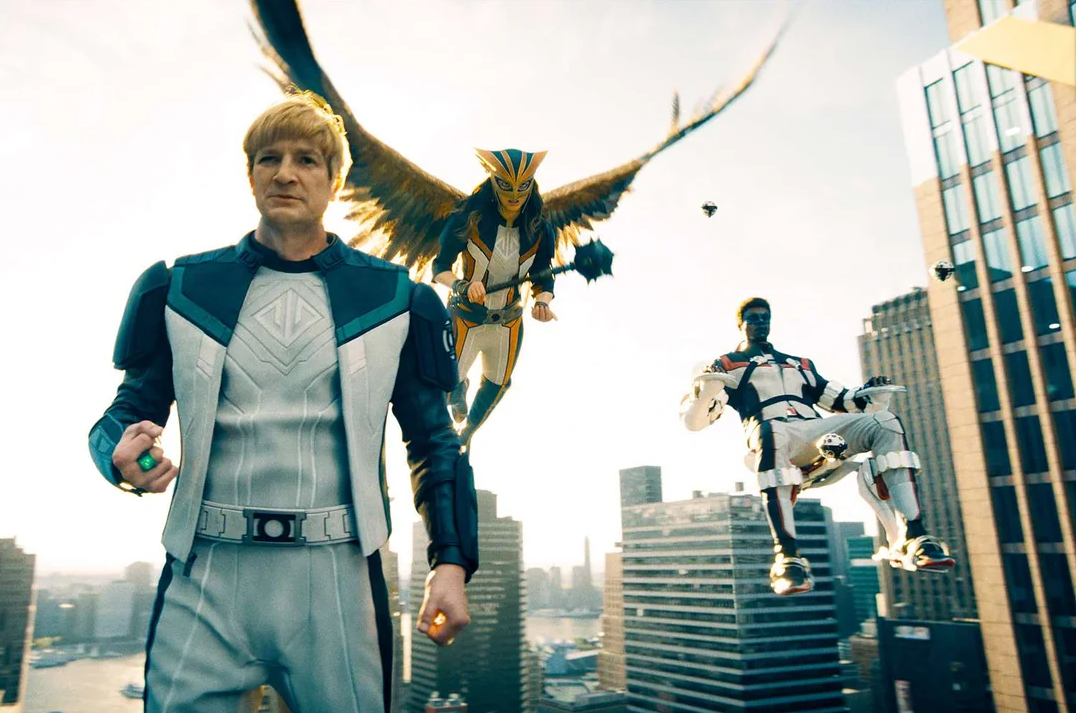
The Justice Gang: I honestly can’t think of a more unlikely trio of JLA founding members than these three. It’s so early into the formation of the Justice League that they don’t even have the name nailed down yet. That said, any time we get Captain Mal in a movie, I’m pretty happy, regardless of what role he takes. I must admit that Mr. Terrific is not a character I was terribly familiar with, and the name definitely smacks of the 1940s Golden Age, but I really liked Edi Gathegi in this role. The Justice Gang needed a super-smart, tech-based superhero, and Mr. Terrific is all that, and more. Just like the other actors, Gathegi feels like he’s been playing this character for years instead of this being our introduction to him. I also liked Hawkgirl. I wish she had more things to do, and I could’ve used less screaming (see below), but as the third part of the trio, she’s a solid presence.

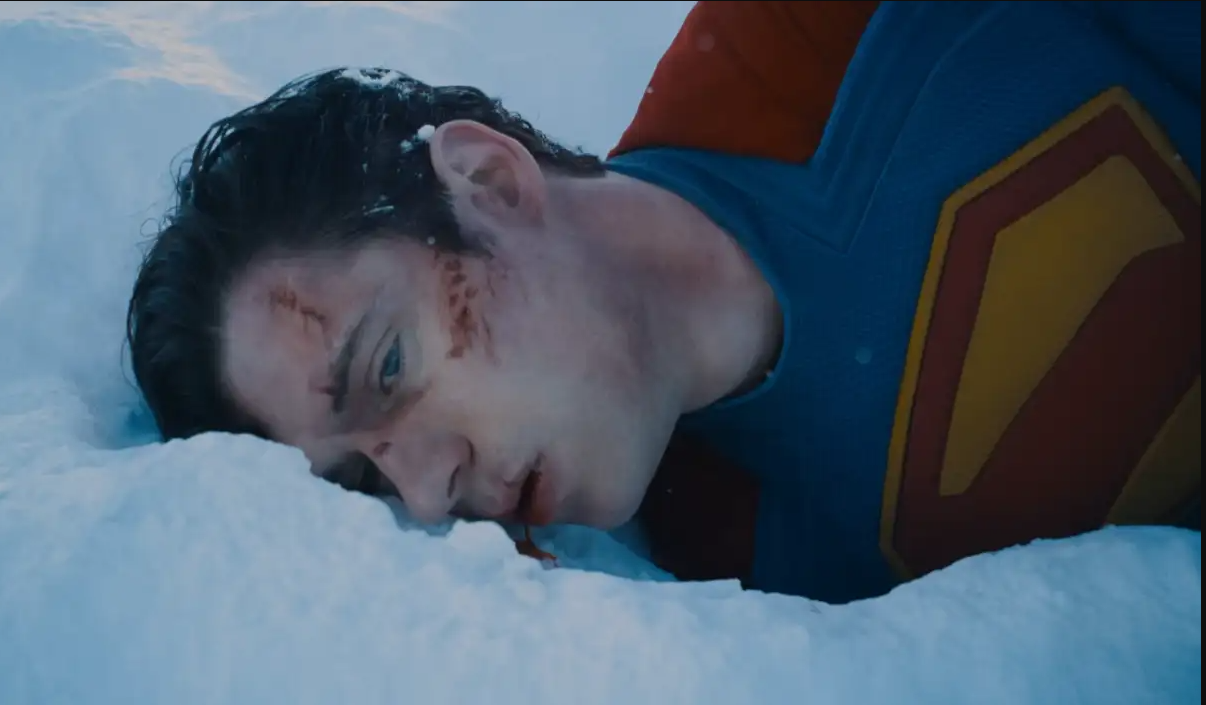
Real Stakes: It may have thrown me for a loop to see Supes beaten and bloody in the snow, and it did seem like he got hurt a lot in this movie, but it also gave some much-needed stakes to the story. Superman is known for being able to shrug off lots of punishment effortlessly, so when something does hurt him, it just underscores how dangerous the situation really is.

Pa Kent: I have a great respect for Pruitt Vince as a character actor. His range is pretty astounding. Seeing him worried about Clark’s condition upon arriving in Smallville was the set up. And when Clark is debating on his motivations for being on Earth, hearing Pa Kent’s voice break when he tells Clark just how proud he is really spoke to me. As a father myself, I identify with Pa Kent even more now.  

The Hall of Justice: The moment it appeared on screen, the announcer from Superfriends enthusiastically proclaimed “Meanwhile, at the Hall of Justice” in my head. I’m not sure where they filmed the interior shots, but it feels like a real place, if a little understaffed at the moment. I’m also not sure why the word “TRAINS” is written in silver letters on the back wall, but I’m really hoping that we get to see more of the Hall of Justice in future DCU movies. It did my heart good to see it on the big screen.

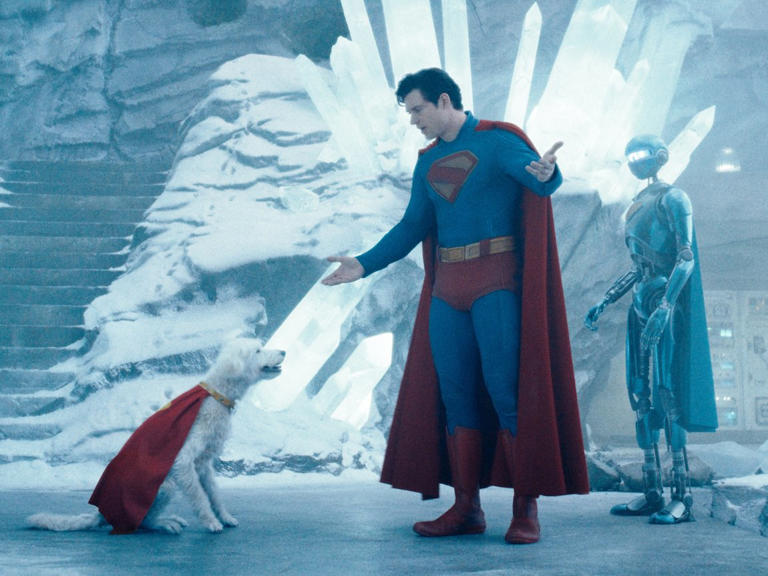
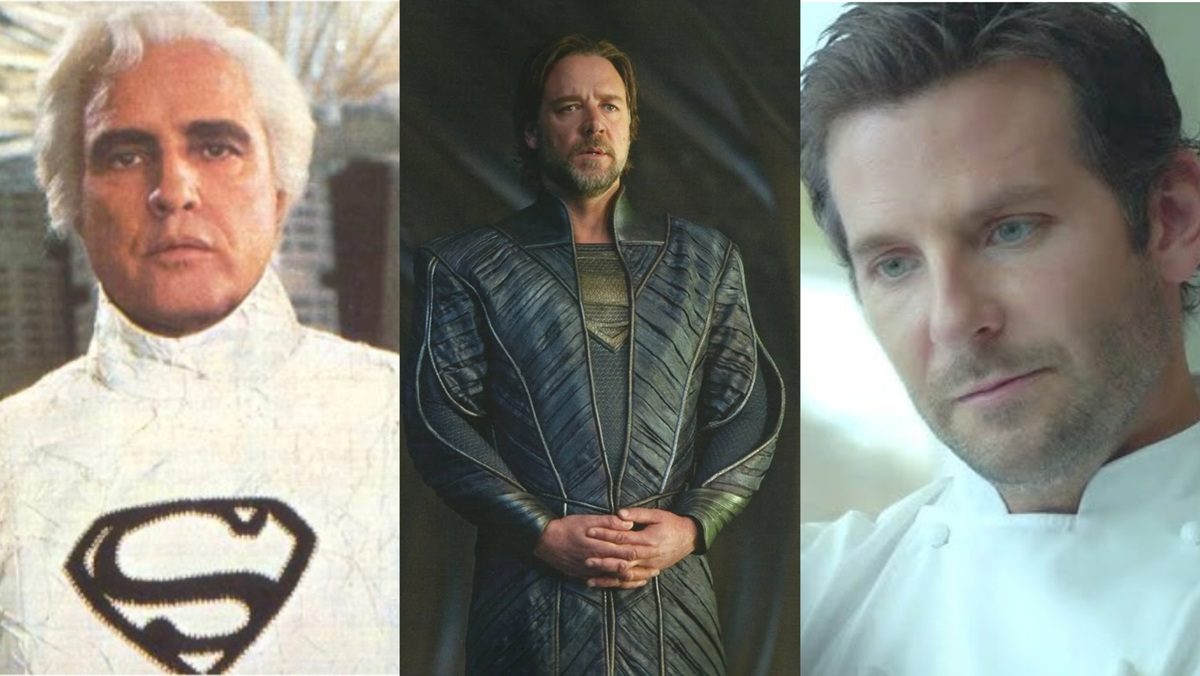
The Secret Guardians of the Galaxy Reunion: I didn’t realize this until I was looking up information on IMDB, but Pom Klementieff (Mantis) and Michael Rooker (Yondu) voice two of the robots at the Fortress of Solitude, and Bradley Cooper (Rocket) plays Jor-El in the recording. I see what you did there, James Gunn.

What I DIDN’T like

Changing Jor-El and Lara’s Motivations: Let’s talk about the elephant in the room. I understand for story reasons why this change took place, but having Jor-El and Lara’s last message to the young Kal-El be along the lines of “go create a harem and conquer the planet” is fundamentally at odds with the idealistic philosopher-scientist version of Jor-El that has been the mainstay of the Superman story for nearly a century. I know there have been other stories along this line, like Byrne’s The Man of Steel limited series. Smallville similarly departed from Jor-El’s lore (even going so far as to have Terrence Stamp, who had previously played General Zod, voice him). That was one of the big misses of that series, and I don’t care for it here either. It feels way off considering the tone of the rest of the movie.

Undercutting Serious Moments with Humor: There’s really only one writer who can pull this off consistently, and his name is Joss Whedon. Unfortunately, the Marvel tendency to emulate Whedon’s style by immediately following a serious moment with a joke is something that appears to have followed James Gunn over from the MCU. The worst offender is, by far, Taika Waititi in the Thor movies, but Gunn had his share with the Guardians of the Galaxy. When Gunn allows serious moments to play out, they are so much stronger, such as the case of Clark and Pa Kent. Poignant moments don’t need a punchline.  

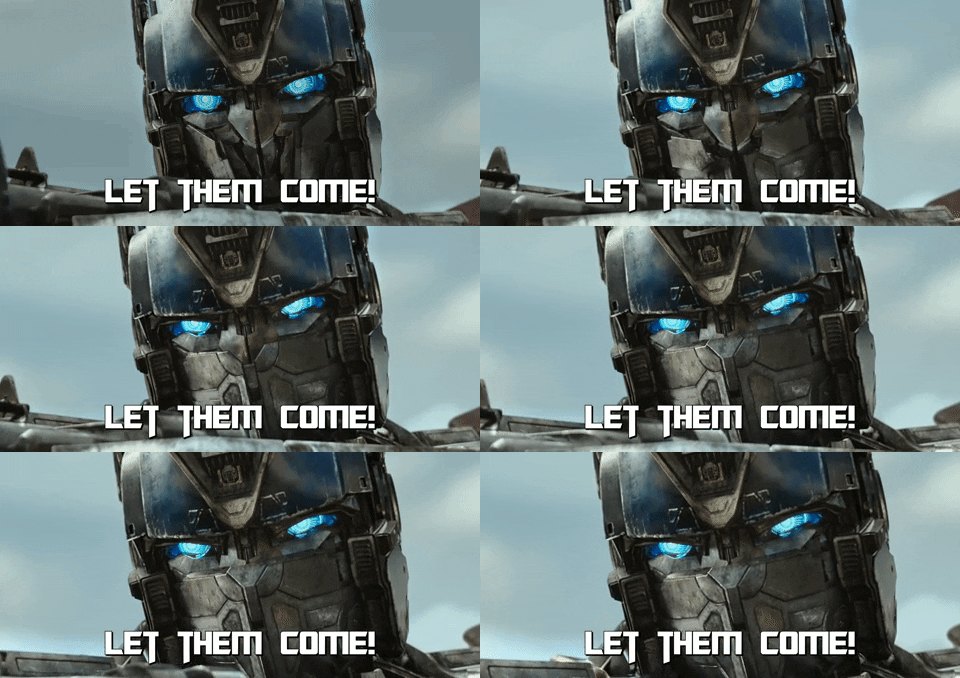
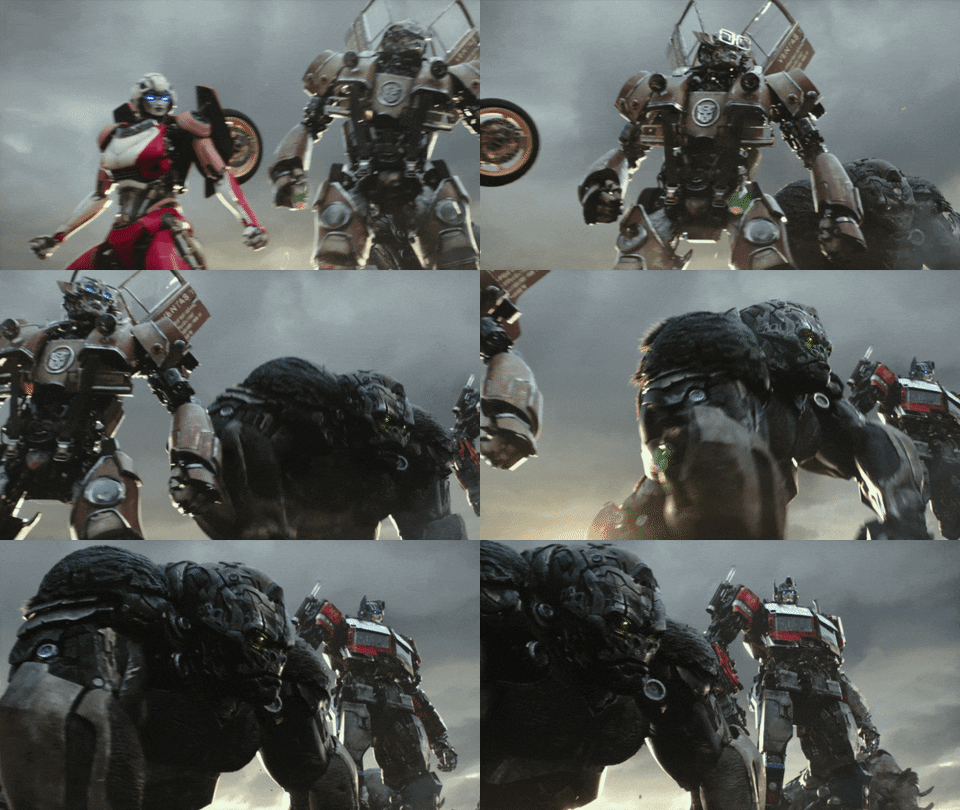
Transformers All Over Again: Early in the movie, almost everyone in the world turns on Superman. Even though he has been actively saving people and helping Earth avoid catastrophe for three years, when the news about his parents’ message comes out, people are calling for his arrest instantly. One guy throws a can at Superman that I’m pretty sure Supes helped save only moments before. For movie purposes, I see why they did it, but it’s like Superman has not garnered any good will at all with the public. There are no dissenting voices or people on the fence. Then, when he is exonerated, it’s like all’s forgiven. Everyone hates Lex now, and just as rapidly. It feels a bit like how the people of Earth keep turning on the Autobots in the Transformers movies. It doesn’t matter what Optimus has done, or who he has saved, he’s just one mistake away from being hunted by the humans he has helped.

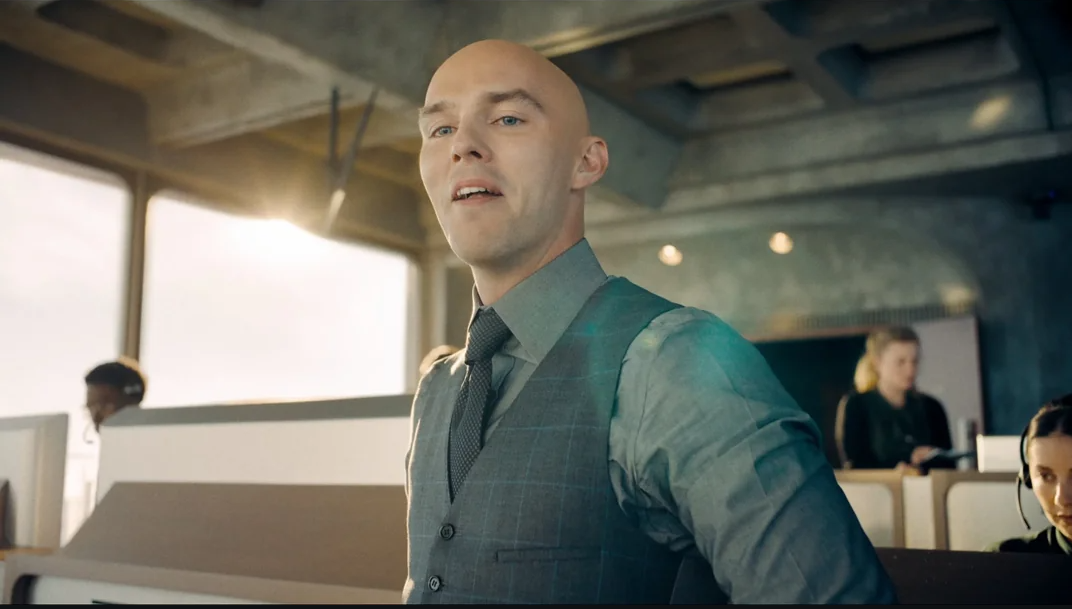
Lex Luthor: I should preface this. I think Nicholas Hoult is a fantastic actor, and it’s always nice to see someone ‘cross the isle’ from Marvel to DC. Hoult’s Lex Luthor definitely has the look, and is HEAD AND SHOULDERS above Jesse Eisenberg’s portrayal of the character in the Snyderverse, but that’s not enough. Instead of a cold, methodical mastermind that Superman should be really afraid of, we get a tech-bro who seems to have mainlined one too many espressos, acts like an immature teenager when he doesn’t get his way, and rarely comes off as a threat as much as an annoyance. I think Hoult did well with what he was given, but this is a weird take on Superman’s arch-nemesis. I much prefer Rosenbaum or Cryer’s approach to the character.   

Krypto, the Super Dog: This will likely be an unpopular opinion, but I could have done with a 95% reduction in the amount of screen time and consideration given to this dog. The Super-Pets have always been a bit weird to me, and are an odd relic from the early days of DC comics. A super monkey, a super horse, a super cat — all from Krypton, all with powers similar to Superman. Ugh. They are, at best, cameos if they are acknowledged at all. The Terrier/Schnauzer mix of this Krypto is not only distracting from the story, but a danger to everyone around him. Superman takes him away from the Kent Farm for fear of the dog killing his family’s cows. Having a hyper-active dog that powerful is a threat to every human he encounters. Superman should really keep him bottled up in the Fortress of Solitude.

Punk Rock Theme: The movie goes out of its way to establish Clark as a punk rock fan. A version of Iggy Pop’s Punk Rocker even plays over the credits. It’s a good song, for sure, and Gunn has historically had a way of using classic music to underscore great moments on screen. However, If I had to rate the members of the Justice League on who might be into Iggy Pop, I would have to rate Superman as dead last. The Flash, Blue Beetle, even Batman? Sure. Superman, the boy scout version that we get in this movie, seems like he would be into folk or country & western, maybe bluegrass, especially being from a small town in rural Kansas. Punk rock is just such a weird, discordant choice here.

Hawk Girl’s Screams/Murder: Her ‘death scream’ started to edge into ‘the goats screaming in Thor: Ragnarok’ territory. But the main moment Hawkgirl gets in this movie is a straight-out murder. Guy Gardner said previously that the Justice Gang was not political. Intervening in the slaughter of innocents is one thing, but kidnapping a head of state and dropping him to his death is pretty suspect. Generally speaking, assassinating the leader of a sovereign country is a political act, but here it’s played for laughs. Do you want the DC equivalent of the Sokovia Accords? Because that’s a surefire way to get them.

Ma Kent: I don’t know what accent James Gunn thinks country folk in Kansas have, but it’s not whatever cornpone that Ma Kent was yelling into her phone. Come on, Martha. You don’t have to yell, he can hear you. In fact, he could probably hear you without the phone. Considering how wonderful the portrayal of Pa Kent was here, that it’s weirdly reversed for Ma Kent is another mystery to me.

A Conveniently Empty Battleground: I’m not sure what the population of Metropolis is, but I’m guessing that it’s up around Chicago or Boston, possibly even New York. Evacuating that many people would take days, maybe even weeks. When the final battle throws down, and skyscrapers are falling like dominoes, however, there are zero people in them. When Superman saves the lady on the bridge, she’s the only car around. That bridge should be packed, but as she’s taking off there’s nary another car in sight. Still, I much prefer this to Superman and Zod duking it out during the peak hours of the day with zero evacuation and reducing downtown Metropolis to below sea level. The death toll would have been in the tens of thousands.

Unanswered Questions

I mentioned the message from Superman’s Kryptonian parents earlier. As far as everyone in the movie is concerned, the message is authentic. It’s a bit weird that any linguist from Earth would be able to crack an alien language when there are so few examples available to study. We’re not even sure if Superman himself knows that much of the Kryptonian language. He certainly didn’t grow up speaking it. The only one who might speak it fluently is Supergirl, but I doubt that she’s taking time out of her busy, off-world party tour to teach a course on Kryptonian grammar and rhetoric.

For the very fact that we never hear the message spoken in English is itself a bit of a mystery, so I have to wonder if we’ll see it again in the future to discover that there’s some additional context to consider, or that someone got their verb tenses off where the message means something else. It’s likely wishful thinking on my part, but the pieces are already in place if they choose to revisit it.

I suppose the other question I have at this point is just how well the movie itself is doing. The news praised its strong performance out of the gate, but at the time of this writing, Box Office Mojo has it a $261 million worldwide, and it looks like attendance is already tapering off just a week into its release. For context, Thunderbolts* made $382 million worldwide during its run, and it was considered a huge flop. I desperately hope this is not the case for this movie. The parts I didn’t like were numerous but ultimately trifles. I want the new DCU to succeed, and so I hope that Supes doesn’t go down without a fight.

Conclusions

I have been waiting years for this movie, before Gunn was the head guy at DC, heck even before Snyder first got his hands on the property. I’ve wanted a Superman movie that gave me that same thrill as when I first saw Christopher Reeve pull open his button-up shirt to reveal the familiar ‘S’ underneath, set to the John Williams theme.

That’s what I’ve been chasing all these years. I got a taste of that with Superman Returns, which was a direct sequel to the Richard Donner films, but it didn’t quite get there in the end. On the small screen, I’ve been luckier. The first few seasons of Smallville were amazing along the Buffy: The Vampire Slayer template. More recently, the last vestige of the CW DC universe, Superman & Lois, was one of the best versions of Superman I’ve ever seen on screen.

But the Snyderverse was a vast desert for me when it came to Superman. That’s why this movie is an important one, even if some of the creative choices were odd. Overall, if this is the way the new DCU is going, count me in.

In closing, the tagline to Superman: The Movie in 1978was “You’ll believe a man can fly.” After seeing this movie, I can believe it again.

And that’s the way this fanboy sees it.


Tropes I Love: Mentors and Secondary Characters

Many of my posts lately have mentioned the character of Gandalf from The Lord of the Rings, and that got me to thinking about the kind of role that he plays in his story. That led to me considering similar characters throughout fiction. These types of characters, the mentors and the secondary characters, play a crucial role in their respective stories.

Anytime we get a story with a strong mentor character, the odds go way up that I’ll be tuned in, especially when it’s their turn to give an inspiring speech or just the right piece of wisdom to set the protagonist on the proper path.

With that in mind, I’ve put together a list of some of my favorite mentors in fiction, detailing why I love them so much. True, the majority of them are from the fantasy/sci-fi genres, but that’s just because the stories that have influenced me the most have been in those spaces. This list represents the stories that have had the biggest impact on me, as well as the ones nearest and dearest to my heart. 

Who They Are

Before we get into the list proper, let’s talk about my criteria for a good mentor character. First and foremost, a mentor is wise and experienced. This often means that the mentor is older than the protagonist. They can be, at times, more book-smart or informed than the protagonist, but not always. More often than not, these characters tend to be male, as they often double as a father figure to the protagonist, though this is thankfully starting to change.

Sometimes the mentor is more powerful than the protagonist, but this is not required. In some tellings, the mentor starts out more powerful but then the protagonist eventually surpasses them. Mentors who are less powerful than their protagonists present an even more interesting dynamic as they must guide the hero in wielding powers they may not possess themselves.

Mentors are often self-sacrificing as well, as evidenced by how often they die in their duties or the things they are willing to sacrifice for their ideals. In that sense, mentors tend to have a noble streak even if it’s not always apparent at first glance. 

Who They Aren’t

Mentors, by their very nature, are not meant to be the main character (thus the “secondary character” epithet). Likewise, they are not generally marked by destiny, fate or the demands of the world in the way that the protagonist is. They are, to coin a term from Sky High, “hero support” in a very real way.

Generally speaking, the protagonist can’t go it alone. They usually need help to learn what is required to reach for that seemingly impossible end-point. It is the mentor’s training/wisdom/lessons that will ultimately empower the protagonist on their journey, allowing them to reach higher and go further than they ever thought possible. When the story’s denouement inevitably comes, the protagonist often finds that none of it would have been possible without the help of their mentor.

Perhaps most importantly, the mentor isn’t the one to make the big play, but rather their actions empower the protagonist to become the turning point of the story in their own right.

The Mentor Hall of Fame

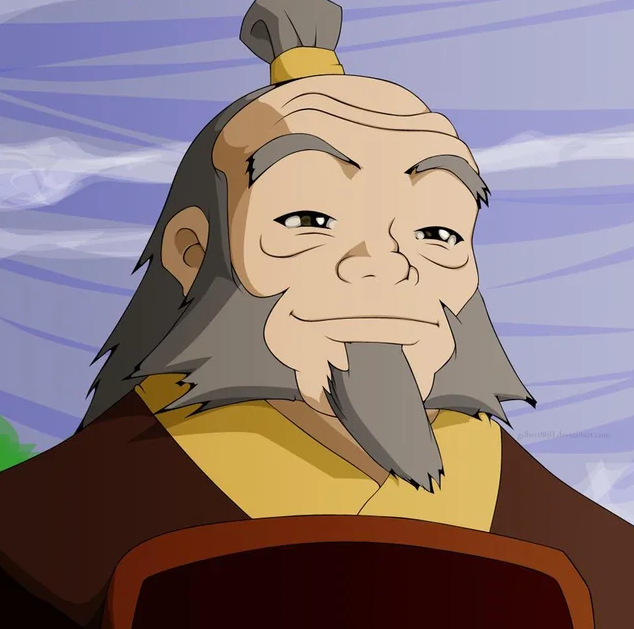
1. Uncle Iroh

Avatar: The Last Airbender

Let’s start with one of the all-time greats. Voiced originally by Mako, Uncle Iroh occupies a unique space in that his charge, his nephew, Zuko, is not actually the protagonist. Quite the opposite, in fact, especially in the early parts of the story. Eventually Zuko comes around, after perhaps one of the best redemption arcs ever, and Iroh is willing to share his wisdom with the rest of Team Avatar, and Aang, Kitara, Sokka, Toph and the rest are better off for it.

Iroh doesn’t stop there. He even makes a few cameos in The Legend of Korra, dispensing his usual brand of avuncular wisdom to Avatar Korra. Despite his nearly unsinkable attitude and positivity throughout incredible hardships, there is a sadness at the core of him following the tragic death of his son. In that way, he is not only a surrogate father to Zuko, but Zuko is a surrogate son to him. I think that Mako’s performance really lent the character a depth and nuance that we don’t find very often. While they were big shoes to fill, I think that Greg Baldwin did a fantastic job in picking up the role when Mako passed away.

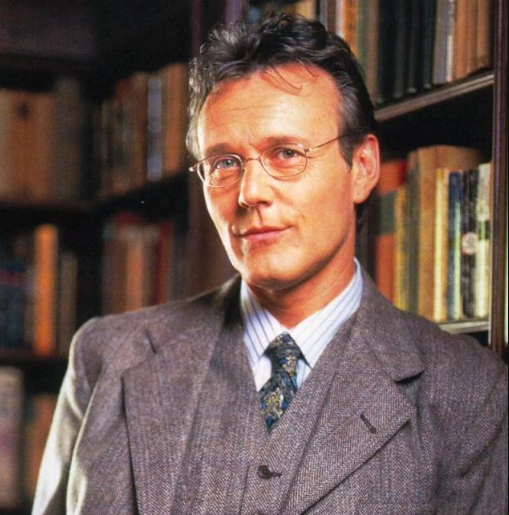
2. Rupert Giles

Buffy the Vampire Slayer

For me, Giles practically personifies this type of character for many reasons. While he may have the book smarts, experience, and wisdom, he doesn’t have the powers of the Slayer. He’s just a regular bloke who is there to make sure that Buffy is ready to face the challenges before her.

Often, Giles is called upon to back her up in battle against foes that are far beyond the scope of any regular person, which I think makes his bravery that much more extraordinary. While he has only a fraction of Buffy’s physical strength, reflexes, and resilience, he’s always there, he doesn’t back down, and he genuinely cares for Buffy, perhaps more than he should in his position as her Watcher. More than that, he also has a clear understanding of the incredible pressures that Buffy, as the Chosen One, is constantly under. He would gladly take that burden from her but knows that he can’t. Ultimately, Buffy has to be the Slayer. He can’t slay her demons, but he can be there for her when it counts the most.

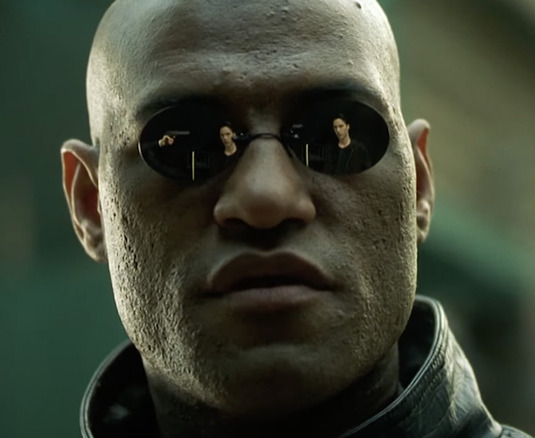
3. Morpheus

The Matrix

Pro tip: If your mentor character is played by the inestimable Lawrence Fishburne, you are winning at life. Such is the case with Neo from The Matrix. Morpheus is not only a guide to Neo in understanding the Matrix itself but he is also willing to personally sacrifice himself simply because he truly believes that Neo is the One, even when Neo himself has doubts. Like Giles, Morpheus is incredibly good at what he does, but realizes that soon Neo will fully surpass him, and he’s okay with that. His mentee is fated to be something greater than anyone could possibly imagine.

Even when this transition does happen, Neo is canny enough to realize that Morpheus’ experience, world view, and tactical brilliance are things that he will need if he wants to take the fight to the machines. Things got a bit weird in the sequels for Morpheus (and really all members of Team Neo), but I still think that Morpheus is one of the most shining examples of a mentor in the movies, full stop.  

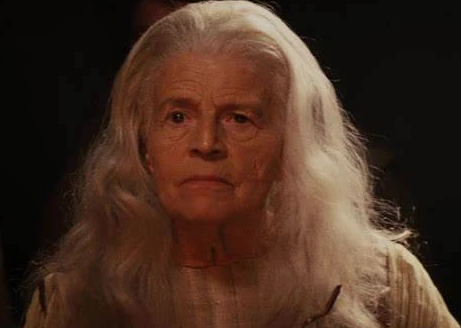
4. Fin Raziel

Willow

Willow was a favorite of mine when I was a kid. Even back then, I saw the similarities to Star Wars, even before I realized that George Lucas was behind both properties. She was an interesting change of pace in that she is initially pretty powerless when Willow encounters her, little more than a talking animal. And yet, she is able to get Willow on the path to being a sorcerer. Eventually, she returns to human form and is back up to her powers that far surpass Willow’s, yet this change does not really alter their relationship. I also applaud her for not lingering on the fact that she has aged during her exile. It shows that vanity barely registers with her, and that the mission to restore peace to the land is much more important to her.

In this story, she is the only one capable of taking on the main villain, Queen Bavmorda, in a spell duel. Raziel ultimately fails when it comes to the boss fight, but she buys Willow the time he needs to save Elora Dannan. But even when she falls in the final fight, Raziel does what any good mentor does: she steps aside to give her protagonist the moment to shine.

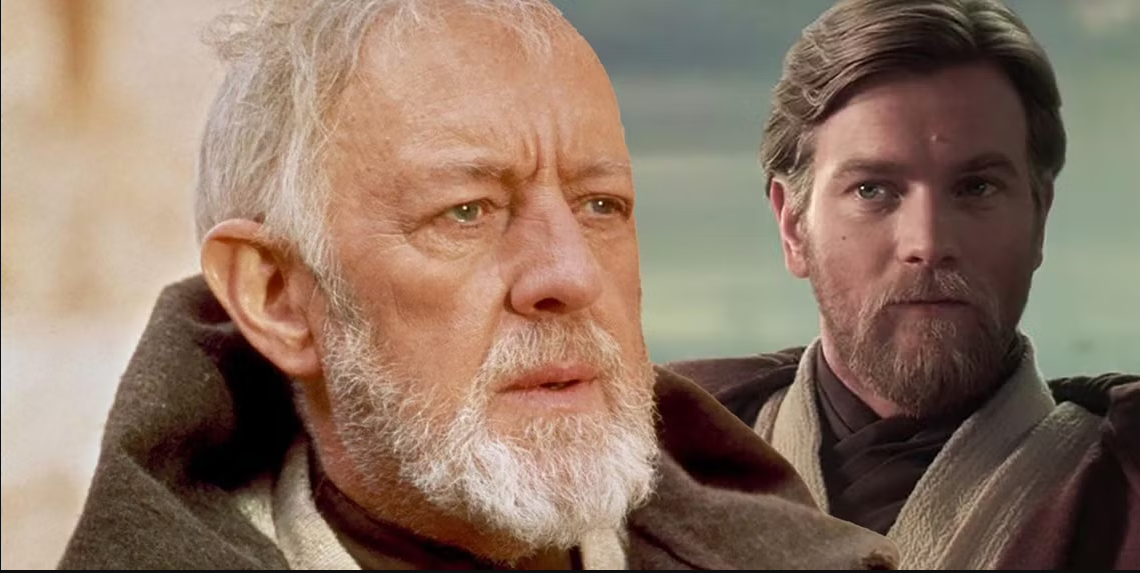
5. Obi-Wan Kenobi

Star Wars

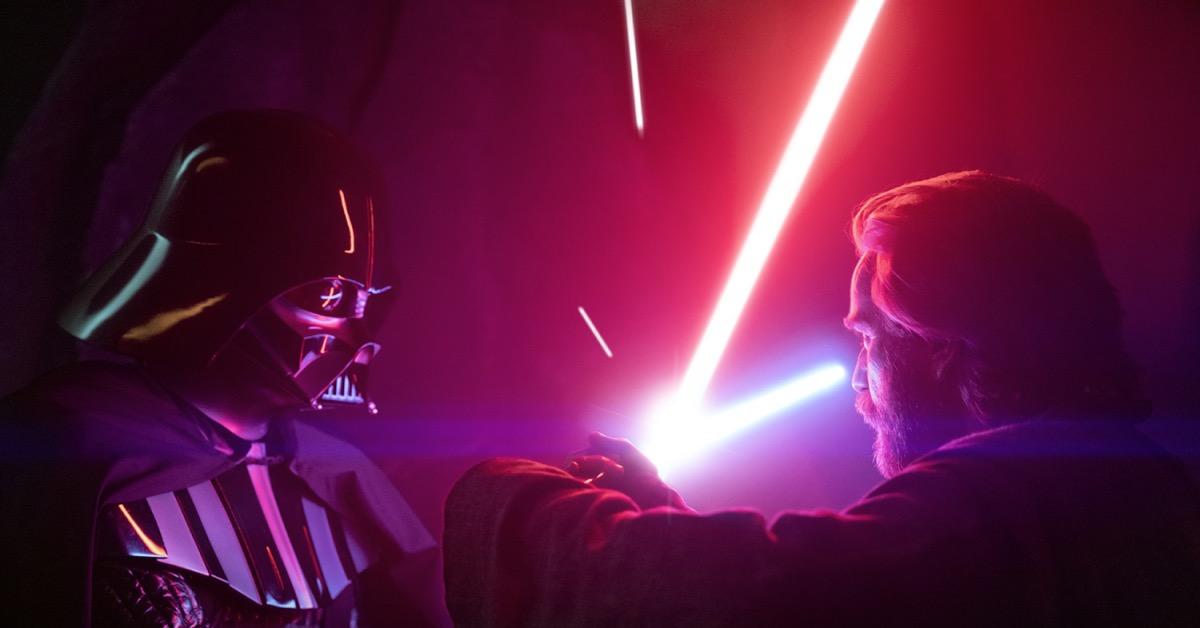
The quintessential mentor character, Master Obi-Wan was mentor to two separate protagonists in his day. While his first outing at the job went spectacularly wrong, ultimately giving rise to Darth Vader, one of the most memorable movie villains ever, he is ultimately able to be a mentor to Luke and set his charge on the right path. The remarkable thing is that he accomplishes this without all that much screentime, and does sacrifice himself to allow Luke to get away (ironically dying by the hand of his former protagonist). Not content with that, Obi-Wan even comes back after his death to give Luke a bit more advice on three separate occasions. Talk about a commitment to the role!

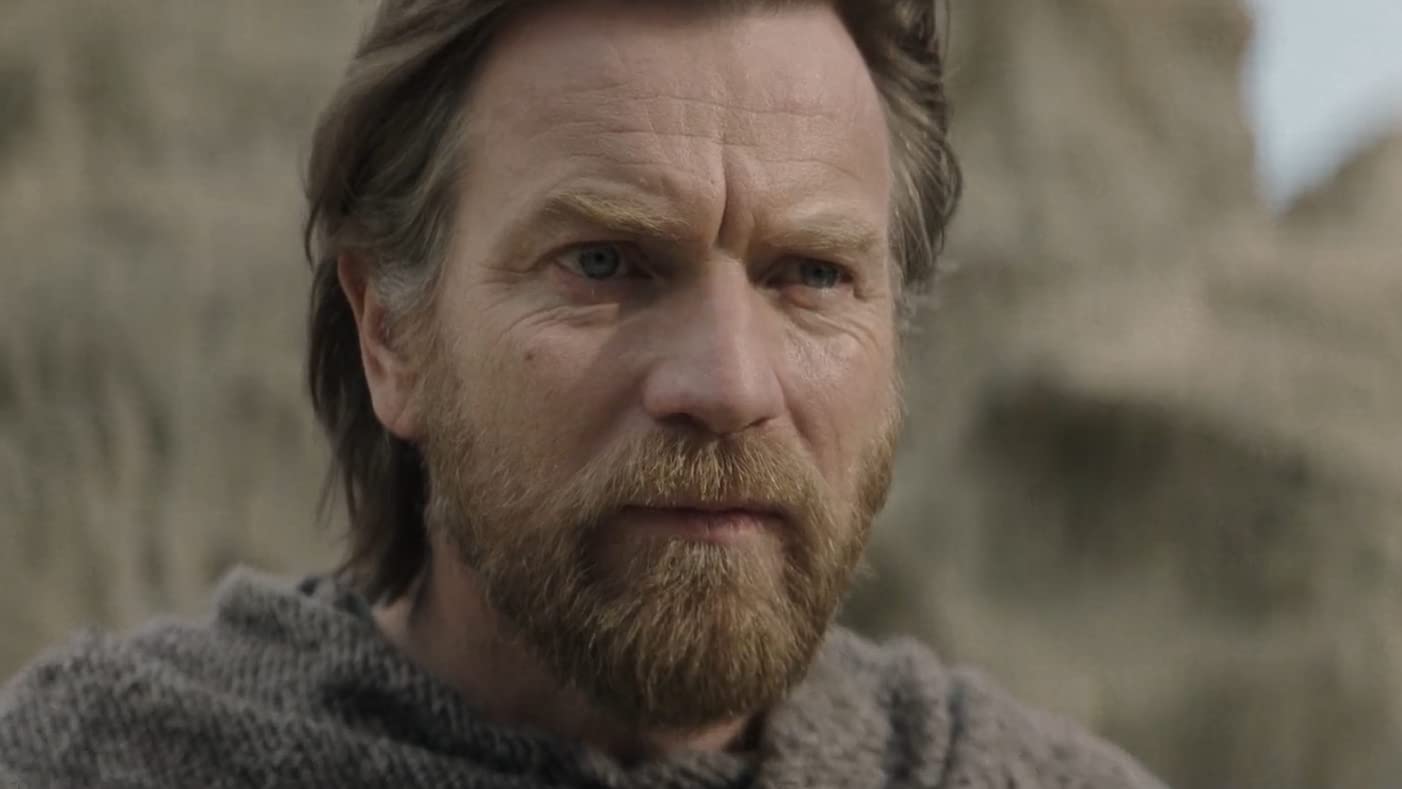
When we see these types of characters on the movie screen, it’s so important that the actor behind them exude that type of experience, competence, and wisdom that are so critical for establishing the mentor in the minds of the audience. Sir Alec Guiness did that and made it look effortless. Later on, Ewan MacGregor picked up the role wonderfully. While the prequel trilogy often gets razzed, the moment where Ewan’s Obi-Wan laments to a defeated Anakin that he was the chosen one really hits home. He’s pouring out his sorrow and pain at having to fight his friend, all with the knowledge he has utterly failed in his role as a mentor. The power of that scene really is a testament to MacGregor’s acting chops. 

6. Violet Crawley

Downton Abbey

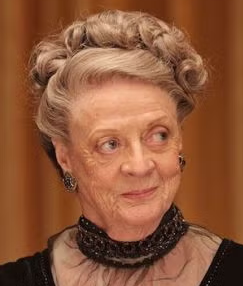
As mentors go, the Dowager Countess defies many conventions. Violet is primarily a mentor to her granddaughter, Lady Mary, but to the rest of her family at various points, too. That is not Violet’s only role in the series — her frenemy relationship with Isobel springs to mind — but it comes back to that time and time again. Of course, Violet has quite a few blind spots for being part of the old guard of the English aristocracy. Yet in a changing world, she speaks with hard-won wisdom on how to negotiate the upper echelons of power and influence. We find that she’s made many mistakes in her time, and the resulting experience is something she shares with Lady Mary so that her granddaughter (hopefully) won’t make those same mistakes.

One of the most compelling points about her character is simply that she was once in the same position as Lady Mary. She had her time as a countess, living in the main suites of Downton Abbey, then moved on from that time in her life when her husband died. Even in a kind of retirement for the Peerage, she is still a will and force to be reckoned with. Some of my favorite moments in that show come from Dame Maggie Smith’s performance. Much like Lawrence Fishburne, if Maggie Smith is playing your mentor, the universe has smiled upon you. May she rest in peace.  

7. Gandalf

The Hobbit/The Lord of the Rings

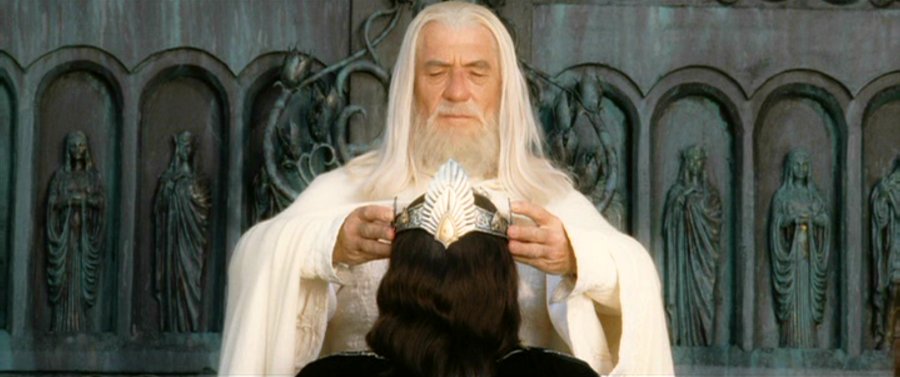
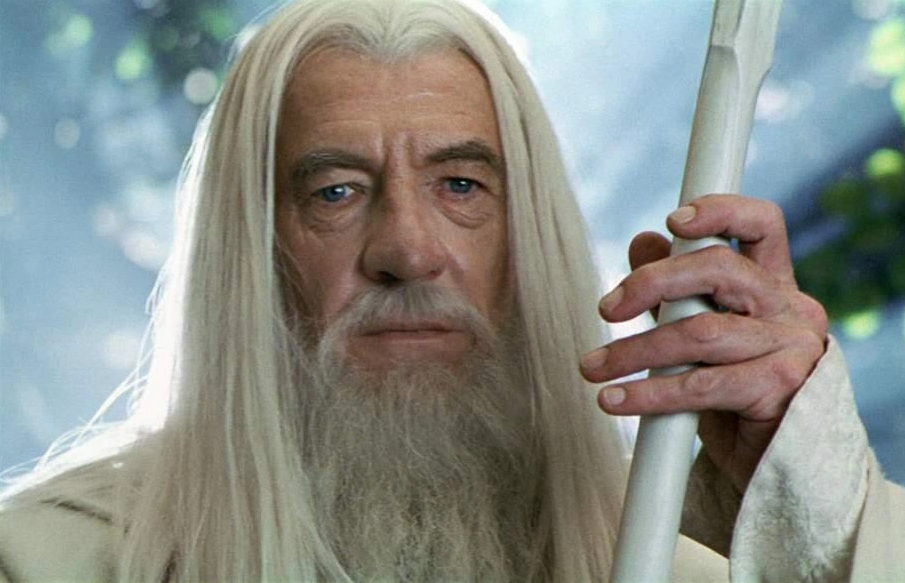
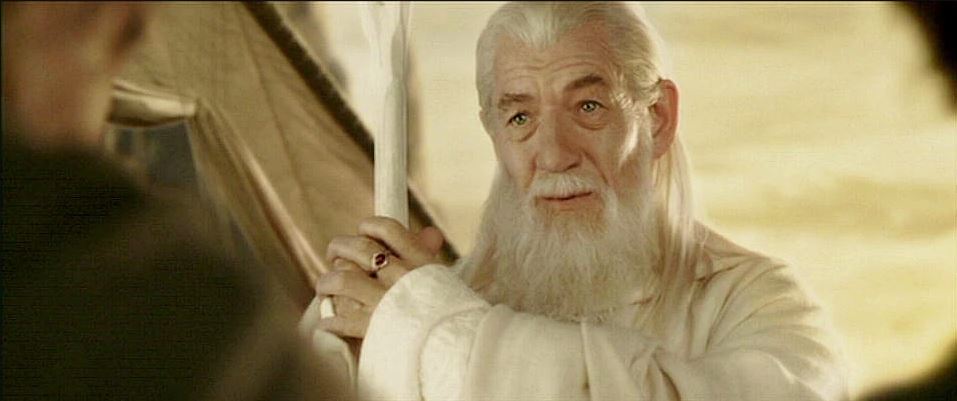
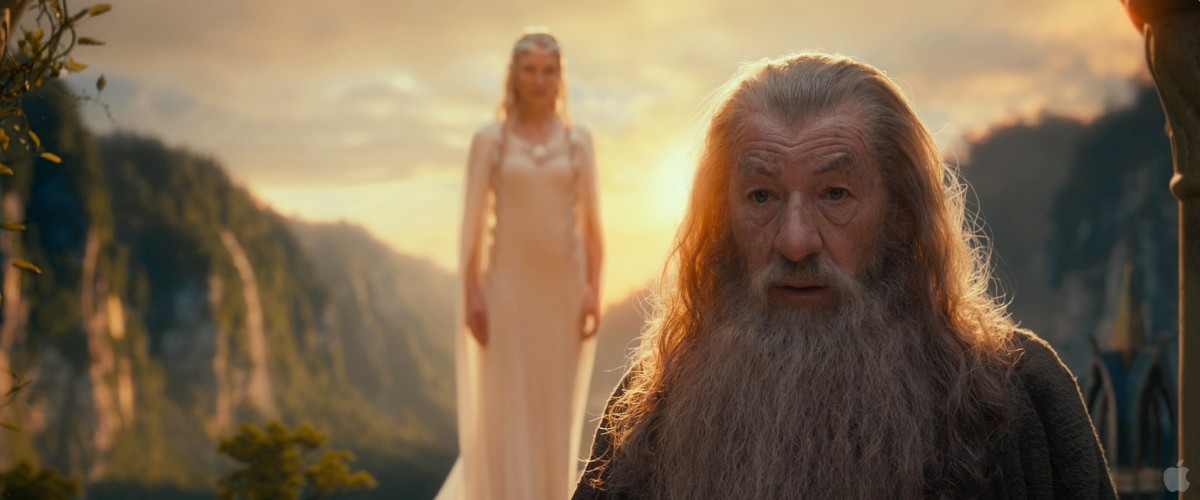
I thought I would end this list with perhaps the greatest mentor figure in all of fiction. The opposite of Giles, Gandalf the Grey is almost infinitely more powerful than his protagonist, Frodo Baggins. He’s an immortal, angelic being that has been sent by the Valar to Middle-earth to defeat Sauron. Frodo, on the other hand, is more diminutive than even an average human, and largely powerless. By design, Gandalf is there to advise, to observe, and to help rather than be the prime mover of the conflict. He knows when to impart just the right nugget of wisdom to those around him, elevating them to greater heights, or show them the error of their ways.

When Círdan the Shipwright meets Gandalf as he enters Middle-earth, the ancient elf gives the wizard Narya, the Ring of Fire, telling him “with it you may rekindle hearts in a world that grows chill.” Círdan naturally recognized what Gandalf’s role was fated to be in the coming conflict. Gandalf definitely has some things in common with Merlin from the Arthurian legends. This makes sense when you consider that Tolkien was trying to create a body of myths that were inherently British, rather than a French invention, but he did take a lot of cues from those stories.

In any case, Gandalf really is the gold standard for literary mentor figures on the page and screen, and I would be remiss if I didn’t talk about just how great Sir Ian McKellan’s performance as this character really was. Not for the first time, when the world grows dark, I wish that Gandalf were really here among us to give us just the nudge we need to get on the right path, along with the accompanying inspirational speech so that we don’t give up.

Honorable Mentions

Here are several characters that partially fulfill the role of a mentor, but have enough ‘main character energy’ as the kid’s say. They have the wisdom and experience, but are not necessarily secondary characters with full agency and story arcs of their own as the protagonist:

  • Optimus Prime
  • Tyrion Lannister
  • Polgara the Sorceress
  • Mary Poppins
  • Captain America
  • Professor X 

Final Thoughts

I think what I like most about mentors as a reoccurring device in literature stems from the genuine love they bear for their protagonists. Their journey is a deeply heartfelt and personal one. It isn’t just a job to them; it’s their mission in life. They embody what it means to be committed to an ideal, one that almost always means more to them than their own life.

Mentors are the helping hand that’s extended when the hero needs it most, the purveyors of insight to reframe the hero’s perspective for the better, and the guiding light to show the hero that there’s more to them than they may guess. Finding a person like this in the real world is a true rarity, and if you’ve ever had one in your life, count yourself lucky.

But really, I think that mentors represent the assistance we wish we’d had in those times when help never came, as well as the kind of wise, stabilizing figure that we hope we can be to those close to us in the future.

Thanks for reading!


Of Section 31 and the Jason Bourne Effect

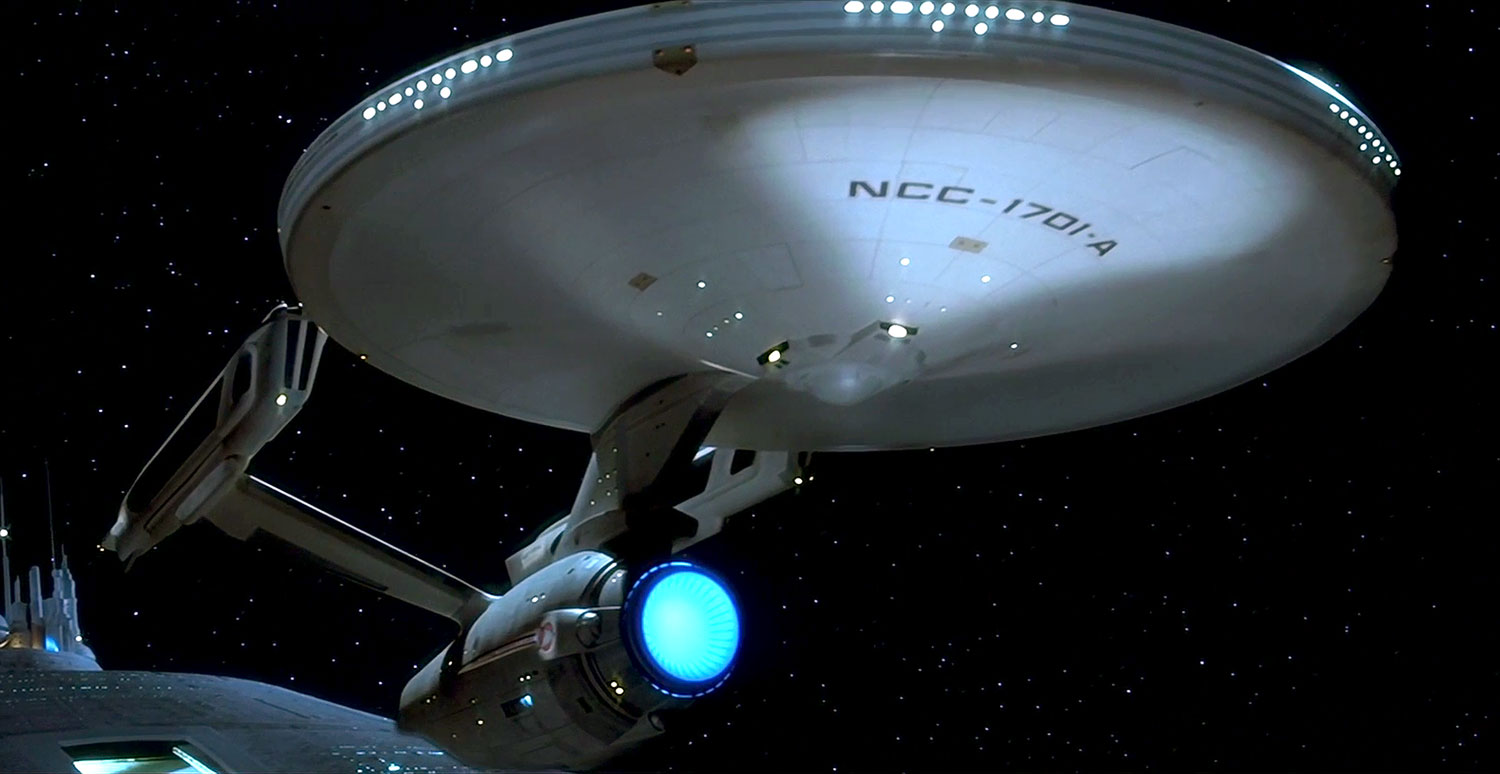
The Paramount+ streaming service released the latest Star Trek movie, Section 31, a few weeks ago to pretty lackluster reviews. While Rotten Tomatoes is definitely not the end-all, be-all barometer of how media is received, the movie currently sits (at the time of this writing) at 17%, lower even than Star Trek: Nemesis and Star Trek V: The Final Frontier.

To be clear, this blog post is not about the movie, despite having “Section 31” in the name. I have not seen the movie in question, and likely won’t, for reasons that will become clear here shortly. Instead, I want to explore the concept of Section 31, why I think it undermines the underlying ideals of Star Trek, and why that matters maybe more than we think.

I have Jerry Goldsmith’s incredible Star Trek: The Motion Picture score (where we first get the theme that will eventually be the Next Generation theme) playing in my headphones, so let’s do this.

What is Section 31? 

First, in case there is any doubt, let me say that I absolutely love me some Star Trek: Deep Space Nine, where the idea of Section 31 was originally established. Some of the best writing and acting Star Trek has ever had came from those seven seasons of television. Garak may very well be my favorite Star Trek character of all time, played by the incomparable Andrew Robinson. The slow breakdown of Avery Brooks’ author persona in “Far Beyond the Stars” stands out as one of the best performances I’ve ever seen, Star Trek or otherwise.

DS9 put aside the episodic nature that TNG had in favor of long story arcs that took place over multiple episodes, or even several seasons. It also wasn’t afraid to show a Federation that was facing its own extinction at the hands of the Dominion, and the desperation that evoked, such as in the episode “The Pale Moonlight.” It didn’t try to romanticize war. Quite the opposite, in fact. While it was certainly a darker and grittier Star Trek, even at its most dire, it wasn’t nihilistic. There was always hope, even if it was, as Gandalf would call it, a fool’s hope.

It was into this environment that we first meet Section 31, a super-secret wing of the Federation’s Intelligence services, first introduced in the 6th season episode, “Inquisition.” At the end of this episode, we find out that Section 31 has been around since the founding of the Federation.

We subsequently meet the face of Section 31, Luther Sloan (played by William Sadler), again in “Inter Arma Enim Silent Leges,” where a Section 31 operation frames an innocent Romulan Senator, who was an ardent supporter of the Federation/Romulan cooperative effort, as being a traitor to the cause, who is likely executed for her supposed crimes.

Lastly, in “Extreme Measures,” it’s revealed that Section 31 has engineered a virus to kill Changelings in an attempt to eradicate the Founders of the Dominion. Sloan dies in this episode, allowing the characters to stop this genocide before it starts, but it’s implied that there are so many more operations that Section 31 has going on that nobody has any clue about, and with his death, likely never will.

The Damage Report

So, we have kidnapping, murder, assassination, and out-and-out genocide. If those seem like very un-Federation things, even the characters in the show are appalled by Section 31’s actions. Odo even comments, “The Federation claims to abhor Section 31’s tactics, but when they need the dirty work done, they look the other way. It’s a tidy little arrangement, wouldn’t you say?”

While there is a line saying that Section 31 is not precisely affiliated with Starfleet or the Federation, they are still part of the Federation’s founding charter, so presumably they’ve been around since the very beginning doing some truly horrific things just behind the scenes.

This is framed by Sadler’s character as Section 31 doing the dirty work so that the people of the Federation can sleep well at night, protecting people of virtue from the external threats of those who do not share their high-minded ideals. 

Effectively, that means that mankind never really changed. Despite all of the great speeches by Kirk and Picard about how humanity was able to grow out of its infancy in a post-scarcity society and become something greater, something more noble than where we are right now, it’s really just an illusion. All this time, Section 31 has been quietly clearing the way for the Federation to appear as this enlightened society, but that was never really the case. The utopian idea of the Federation is a lie.

For my part, undercutting the Federation like that really takes the heart out of Star Trek. I think the idea of Section 31 actually does significant damage to the intellectual property as a whole. Those three episodes of DS9 really opened Pandora’s box.

Unfortunately, the Kurtzman-era of Star Trek can’t seem to get enough of Section 31. The movie was meant to be an entire series, but Michelle Yeoh won a much-deserved Oscar, so the project was limited in scope to a single, feature-length movie. No shade on the actors or crew, but I hope that’s as far as it goes and Section 31 can be retired for the time being. 

The Jason Bourne Effect

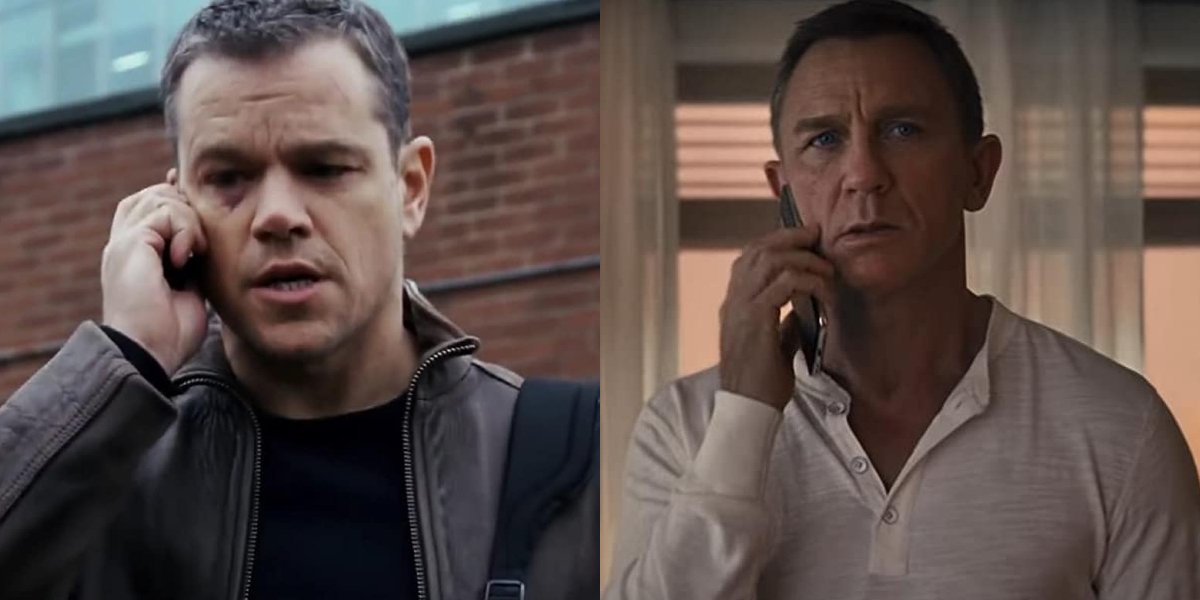
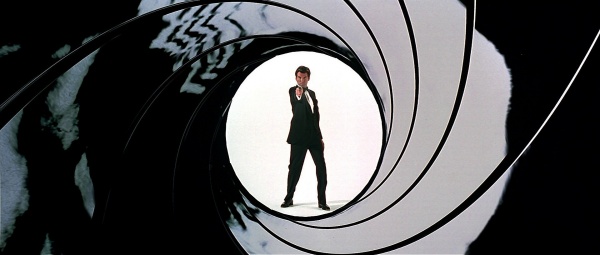
Allow me a brief sidebar about James Bond. So, when Daniel Craig took over the role of 007 in Casino Royale, it was clear that they had scaled back a lot of things from Pierce Brosnan’s last entry in Die Another Day. This Bond had little in the way of spy gadgets or tricked out vehicles. While not precisely humorless, there was none of the playfulness and fun that had come from many other installments in the franchise. The whole tone and presentation of the story felt way more like the Jason Bourne movies with a grittier, more grounded approach.

The issue is that Bond had its own unique kind of formula, something we didn’t really get anywhere else. Sure, Austin Powers, parodied that formula to the nth degree, but it was able to do so because the Bond Formula was so successful and recognizable, having drawn in audiences for 40 years by the time of Craig’s run as the master spy. Timothy Dalton’s License to Kill was the one that famously departed from that formula, and it showed. Bond was simply on a revenge trip against a major drug cartel figure. Up until that point, there had been a Bond film every two or three years since the original Dr. No in 1961. After License to Kill, it was six years before Brosnan brought Bond back in 1995’s Goldeneye, which saw a return to the proven formula.

Jason Bourne was meant to stand in contrast to Bond, as something in the same genre but fundamentally different. If audiences wanted a harder-edged look at the spy game, they already had that with the Jason Bourne movies and other series like them. Bond, on the other hand, was a unique blend that we didn’t really get anywhere else. By making Bond more like Bourne, we lost the uniqueness of the franchise. After that, it felt like any other spy movie series. 

What does any of that have to do with Star Trek? Simple, we don’t get a whole lot of truly utopian science fiction. If you want dystopian sci-fi, you are literally spoiled for choice. There’s a lot of it out there. When you make Star Trek nihilistic and hypocritical, you’re losing the very thing that set Star Trek apart and made it such an enduring and iconic franchise in the first place.

Why It Matters

Okay, so if it’s just a TV show and series of movies, why would any of that really matter? Who cares besides a bunch of fanboys? Well, think about the sheer number of people over the years who have become doctors, scientists, engineers, or any number of other careers, who have made real contributions to these fields because Star Trek showed them a vision of the future that was hopeful, even inspiring.

Look, I get it — we don’t look at the future the same way anymore. When I was a kid, there was still some sense of optimism for the future. Now, more often than not, the future is something that we dread. It could be argued that a darker, less idealistic Star Trek is what appeals to modern audiences, especially younger generations who may not have a whole lot to look forward to as the issues that affect them most are largely ignored or exacerbated.

My counter argument to that would be that bleak times are when we need inspirational fiction more than ever. Remember, TOS came out during the Cold War, when World War II still loomed large in the public consciousness, just three years after the near-apocalypse of the Cuban Missile Crisis, and during the height of the Civil Rights movement.

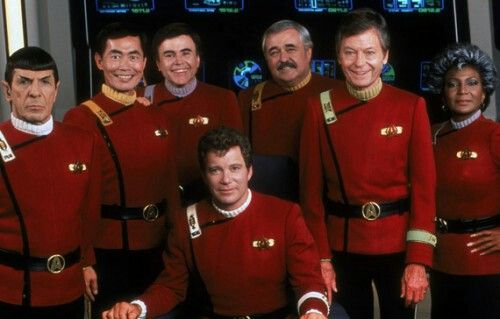
Kirk’s Enterprise showed us that we could eventually put all of our differences aside and work in harmony. It’s no mistake that there’s a Russian navigator and a Japanese helmsman. The late-great Nichelle Nichols famously told the story of how she wanted to quit the show to pursue her stage career, but was talked out of it by Martin Luther King, Jr. I invite you to watch it you haven’t seen it already. It’s beautiful. In it, she mentions that Dr. King would allow his kids to stay up past their bedtime to watch the show.

My parents did the same for me, who were both big fans. The TOS episodes in syndication would come on late at night, but I was allowed to stay up late to watch them. I have to contrast that against the fact that I wouldn’t allow my young son to watch modern Star Trek really at all, considering the explicit or gratuitous depictions of torture and violence that are extremely frequent (the whole Icheb thing on Picard springs to mind), to say nothing of its lack of a clear moral message and depressing, hopeless tone.

I know it may seem grandiose, even hubristic, to say, but I think the world needs something like Star Trek to show us that all hope isn’t lost, that things can be better — that we can be better. So, when I say that Section 31 erodes all that, and makes Star Trek just like any other grimdark look at the future, it has further-reaching ramifications than being a mere show.

Final Thoughts

In Gene Roddenberry’s vision of Star Trek, we humans finally found our humanity, and built a society based on the better angels of our nature. Star Trek: The Next Generation continued and maintained that vision. Star Trek: Deep Space Nine did as well, at first, but ultimately introduced a concept that, for me, runs entirely counter to everything up to that point. Since it wasn’t really touched on in Voyager or Enterprise, the concept of Section 31 might have stayed contained in those few episodes of DS9.

The current crop of Star Trek shows, however, have instead chosen to embrace Section 31 at almost every turn, culminating with the eponymous movie. I will, however, give credit to Star Trek: Strange New Worlds for attempting to rekindle a bit of that optimism that I think is vitally important, but even it has struggled with being consistent on that count when Captain Pike is likely doomed to be horribly disfigured in an accident that he knows is in his future. Also, the episode “Lift Us Up Where Suffering Cannot Reach” was such an epic downer that it very nearly made me stop watching the show.

So, it is my sincere hope that Star Trek is able to course correct and step away from the Section 31 focus moving forward and get back to showing us a future we would actually want to live in, rather than being, perhaps unintentionally, deconstructionist of the franchise. Bottom line, I have always believed that science fiction is one of the surest ways to inspire ourselves as a people, to give us something to reach for on the far horizon, and Star Trek is at the forefront of that frontier. It would be a shame to lose it, too.

Thanks for reading, I wish you all peace and long life.


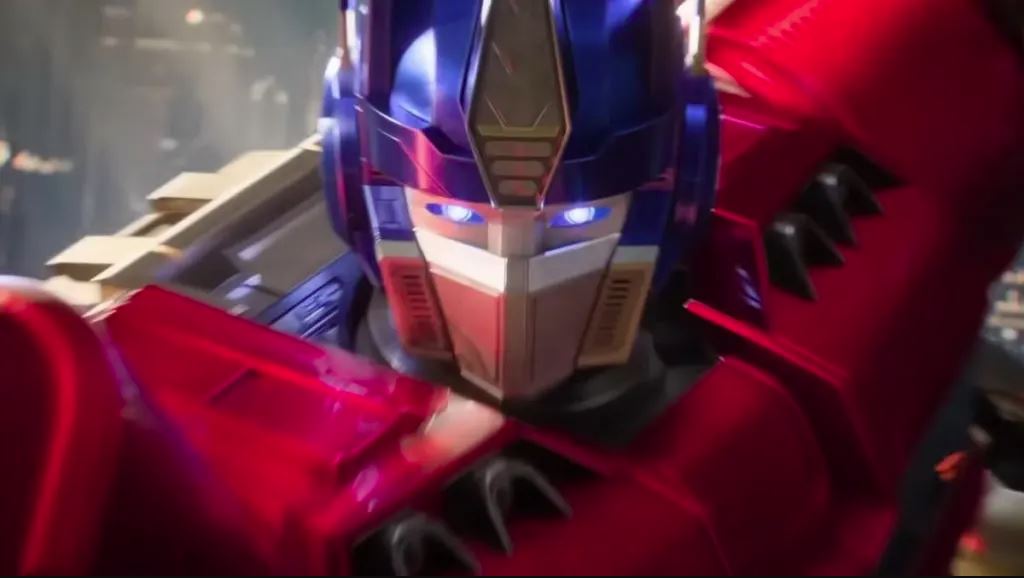
Fanboy Review #18 — Transformers One

[Note: I do not consider myself a movie critic. What follows is just one fanboy’s opinion based off of a single double viewing of the film. Oh, and there are SPOILERS ahead for this movie, so take heed.]

If you’ve followed this blog, you may have noticed that the Transformers franchise comes up quite a bit in my writing. It was certainly my favorite toy line growing up, and Optimus Prime may, in fact, be favorite fictional character of all time. I have no real love for the live-action Bayverse Transformers movies outside of Steve Jablonsky’s hauntingly beautiful musical scores and some fantastic voice acting. But, for the most part, I don’t care for them. Bumblebee is the sole exception. I had hoped that it would lead the way, but Rise of the Beasts showed me that the cinematic franchise on the whole had learned nothing from Travis Knight’s retro-themed movie outing.

So, it didn’t surprise me when I started hearing about Transformers One. Transformers as I knew it came from animation, and the franchise has been kept alive through the years through many different animated series. So, a CGI-animated take on the story adapted to the big screen felt inevitable, especially as Hasbro struggles to stay afloat.

First Impressions

I must admit that when I saw the first trailer for Transformers One, I was…skeptical. We were once again going back to the root causes of the war for Cybertron, and the growing divide between Autobot and Decepticon, which has been done over and over again. I was not particularly enthused about yet another reboot in what seems like a rapid-fire series of Transformers reboots by Hasbro in recent years.

The general vibe that the trailer gave off seemed like we would be in for a goofy, slap-stick adventure romp on Cybertron. Also, the fact that Peter Cullen and Frank Welker would not be reprising their iconic roles as Optimus Prime and Megatron was a big thumbs-down for me.

But, I could see that my young son was interested in going to see it, so I steeled myself and went into the theatres expecting a low-effort attempt at getting a younger generation to embrace a decades-old toy franchise.

As I sat there in my reclining seat, however, I quickly began to realize how wrong I was about, well, everything regarding this movie. The tone was very different than I had guessed, and for the better. More than that, this movie far surpassed my expectations and played into the meta-lore of the Transformers universe far more than I would have guessed.

What I liked

The MUSICAL SCORE: I know a movie score is good when I can’t wait to get home from the theatre and download it. I found, to my delight, that Brian Tyler had composed the score. That explained the sublime sense of mystery and awe that permeates the musical landscape of this movie. Tyler is one of my favorite of the “modern” crop of movie composers. He did the score for Iron Man 3, which is excellent. He also did the score for the Syfy mini-series version of Dune, which really elevated the drama. Oh, and he also did the theme for Transformers Prime, perhaps the best Transformers has ever sounded on the small screen.

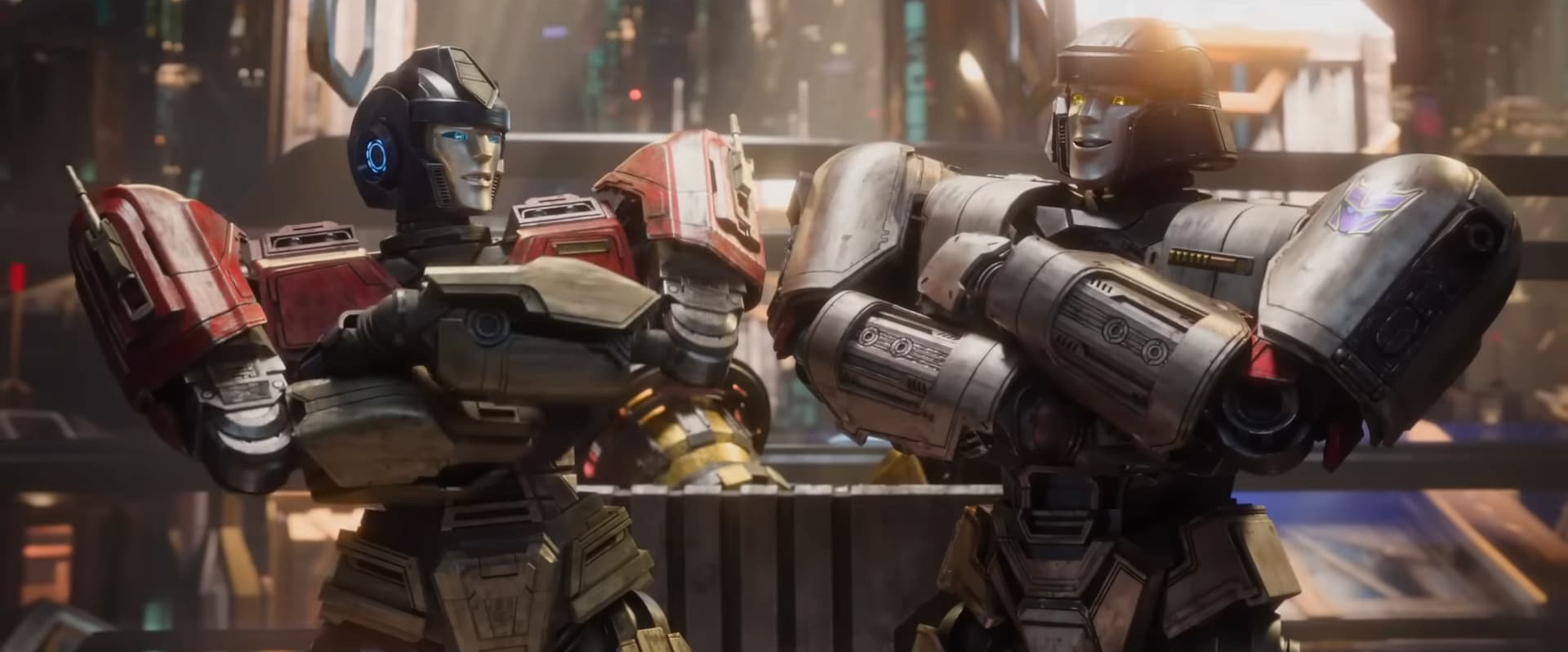
Orion Pax and D-16: It was great to see the two of them as friends, even with the foreknowledge that they would eventually become the greatest of enemies. They did a good job of establishing their base personalities that contain the seeds of the conflict to come. Orion Pax doesn’t mind breaking rules that he sees are unjust or in the service of uncovering the truth. He sees the potential in his fellow miners and wants to become more than what they current are. D-16, on the other hand, prefers to follow the rules to the letter, to stick to established protocols. When it is ultimately revealed that the rules he’s been so strictly adhering to are a lie, he is crushed, resulting in him becoming angry and vengeful.

In days of long ago…

The animation and models: CGI-based storytelling has come a long way, and the Transformers franchise has upped its game from the days of the original Beast Wars. I was surprised at just how beautiful and natural some of the animation was in this movie, even when it’s applied to anthropomorphic robots that turn into vehicles. I was also impressed with just how emotive and expressive the four primary characters were on screen.

Megatron’s eyes: I picked up on this little gem on my first viewing of the movie. A good indicator of the story’s escalation is found in the color of Megatron’s eyes. They start out a bright yellow, but as things are revealed and the road he is on darkens, his eyes begin to turn more of an orange color. I predicted that they would turn red at a critical moment, and sure enough, I was right. It was a subtle touch that really gives you that dividing line between D-16 as we knew him and his new persona as Megatron — who then goes on to name his faction after the great deception that he had a hand in destroying.

Two leadership styles: Once Orion and D-16 come back from the wilds, but before they take their iconic names, you can see how they both lead their respective groups effectively. Orion Pax is an inspirational figure, who leads from the front, and is excellent at making those around him believe they are capable of greater things than they ever thought possible. By contrast, D-16 is all about showing strength through acts of force, which appeals to the dangerous, more military sensibilities of the High Guard. When D-16 is captured by Sentinel Prime, the ex-miner would rather die on his feet than grovel on his knees. Even when he gets knocked down, he stands back up with even more defiance.

A satisfying story: In a feature-length movie, character arcs have to move fast, faster than they would in a series format. Still, Transformers One clocks in at a respectable 104 minutes, which isn’t bad for an animated show. I think that the story moves along pretty quickly but pauses in places for some great character development and worldbuilding. By the end of it, it feels like the characters have been on an era-defining adventure that nicely sets up the ongoing conflict in the Cybertronian war to come. After having seen this material retreaded upon again and again, this take felt fresh and just sort of ‘right’ for the continuity that they had set up.

What I DIDN’T Like

Lack of original voice actors: I think that Brian Tyree Henry and Chris Hemsworth did admirable jobs as the voice actors for Megatron and Optimus Prime, respectively. I don’t want to disparage their performance as I think it was excellent. The issue is that Peter Cullen and Frank Welker sort of “own” their Transformers personas in a way we don’t see very often. Their voices give Megs and Op a kind of genuine spark (full pun intended) to the characters that’s really irreplaceable. I think it was a missed opportunity to include them in this project. Can you imagine Orion coming back from the planet’s core with the Matrix, now with Peter Cullen’s iconic voice style? Or, when Megatron proclaims “I’m done saving you,” having Frank Welker’s voice take over for the remainder?

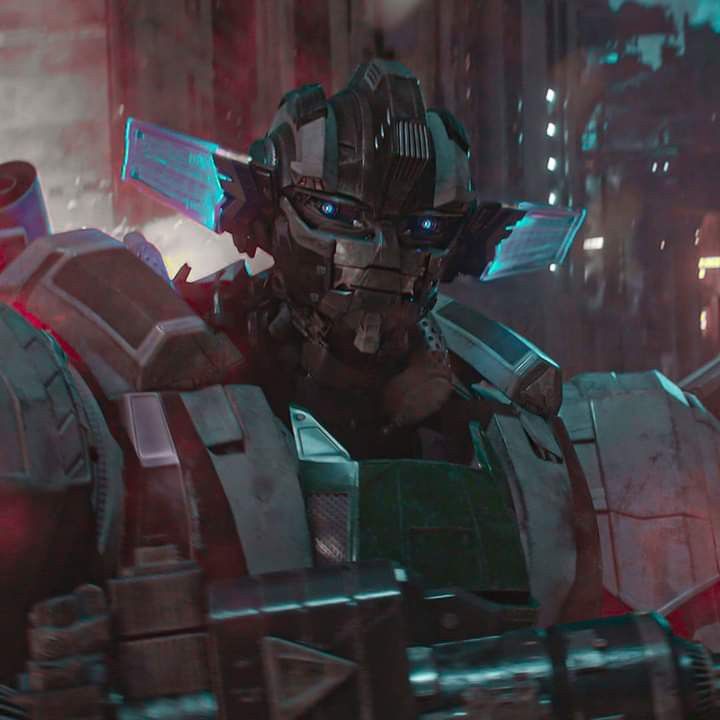
Human characteristics on robots: At one point, we see Orion’s lips flapping in the wind as the train speeds up. Later on when they are avoiding the Quintessons in the ruins, we seem Orion look like he’s breathing hard. This is such a minor thing, but these very human traits looked completely out of place on a character model who is a robot. It took me out of the moment when it happened.

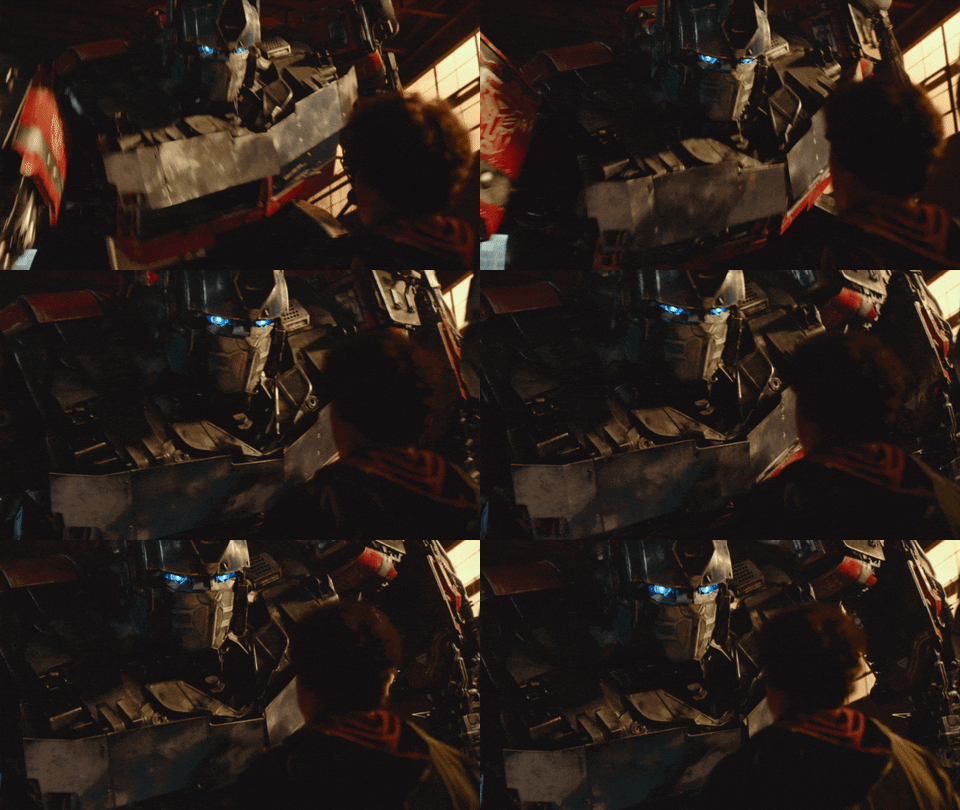
Despite where this image falls in the blog, I loved this scene.

The death of Alpha Trion: Alpha Trion is the archetypical mentor character in Transformers, effectively Merlin to Optimus Prime’s King Arthur. While Alpha Trion got to take out some random goons with the cheeky retort of “Not too old for you,” he basically was just there to deliver some exposition and be executed at the hands of Sentinel. If we get a sequel they could always bring him back somehow, but the total amount of time he got to spend with Orion Pax here is measured in a matter of moments. I had hoped to see a father-son relationship develop between them.

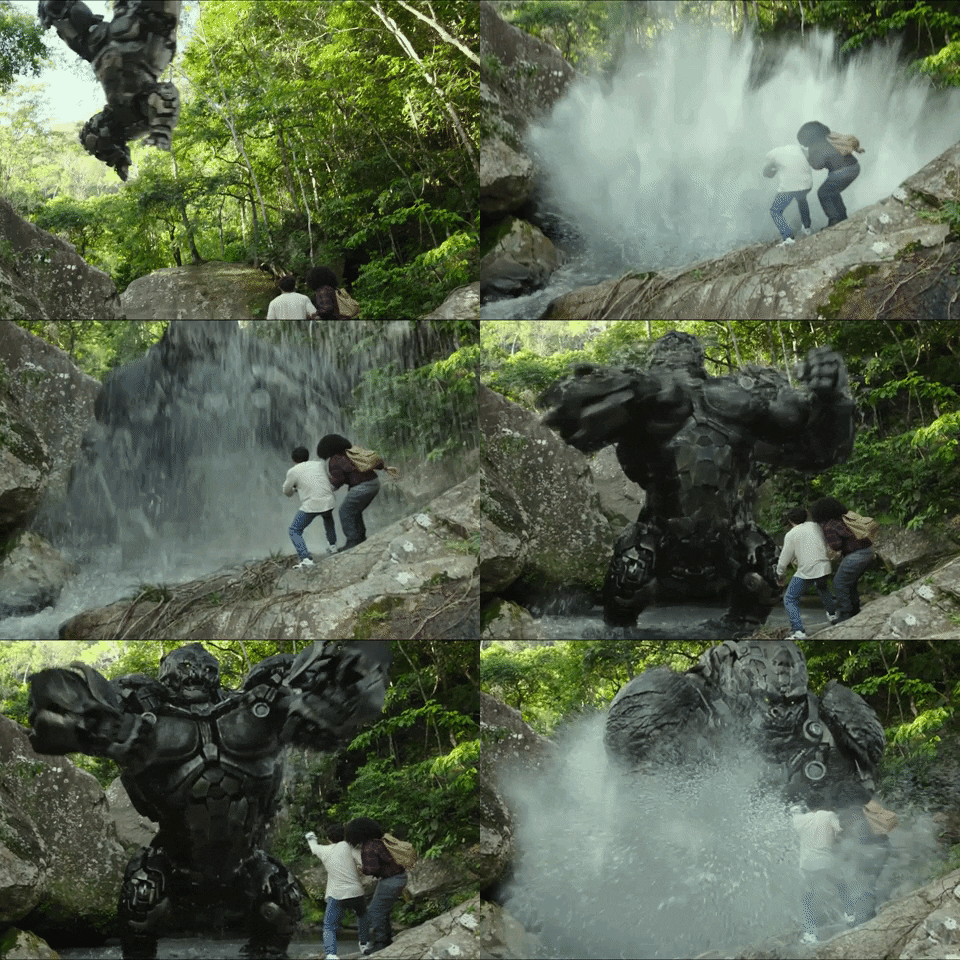
The lingering odor of the Bayverse: There are a few points where I could tell that the story still had some of the greasy little fingerprints of Michael Bay left over from the live action movies. Sentinel Prime being an outright villain and tyrant (rather than just a bully and an a-hole in Transformers: Animated) feels like it took some cues from Dark of the Moon. Bumblebee being named B-127 calls back to a Bayverse Bee before he got his Earth name. Also that there are (or were) multiple Primes at once rather than it being a succession of one at a time through stewardship of the Matrix of Leadership. It seems we cannot quite escape the Bayverse here, though to be fair, there were plenty more G1 nods.

Conclusions

The G1 continuity will always be my favorite telling of the Transformers story. In my heart of hearts, the origins of Orion Pax’s transformation into Optimus Prime can be found in episode #59 of the Sunbow cartoon titled “War Dawn.” Unfortunately, aside from the video game Transfomers: Devastation and a select few comic books, we aren’t getting any more narrative continuations of that version of Transformers. 

That said, I realize that Transformers fans my son’s age want something new, something more updated to appeal to them. Some of Hasbro’s attempts to provide this in recent years, such as War for Cybertron, Robots in Disguise, and Earthspark have seemed half-hearted and disposable. Transformers One, however, felt like an honest attempt to bring Transformers forward to a more modern viewership. There’s a real heart to this movie that many other recent versions of Transformers have just sort of lacked. I was surprised just how much I enjoyed the experience — on both occasions.

And, you know, if the continuity of this movie becomes the basis for the Transformers milieu of my son’s generation, I’m more than okay with it. It remains to be seen if we get more from this branch of the Transformers universe, however. As enjoyable as I found this movie, and with it receiving some decent reviews from critics, it unfortunately didn’t do as well as expected. I do hope this isn’t the last we see of the Transformers One crew. I wish them many more heroic adventures to come. So, from me to the cast and crew of this movie, let me simply say: ‘Til all are one!

And that’s the way this fanboy sees it.


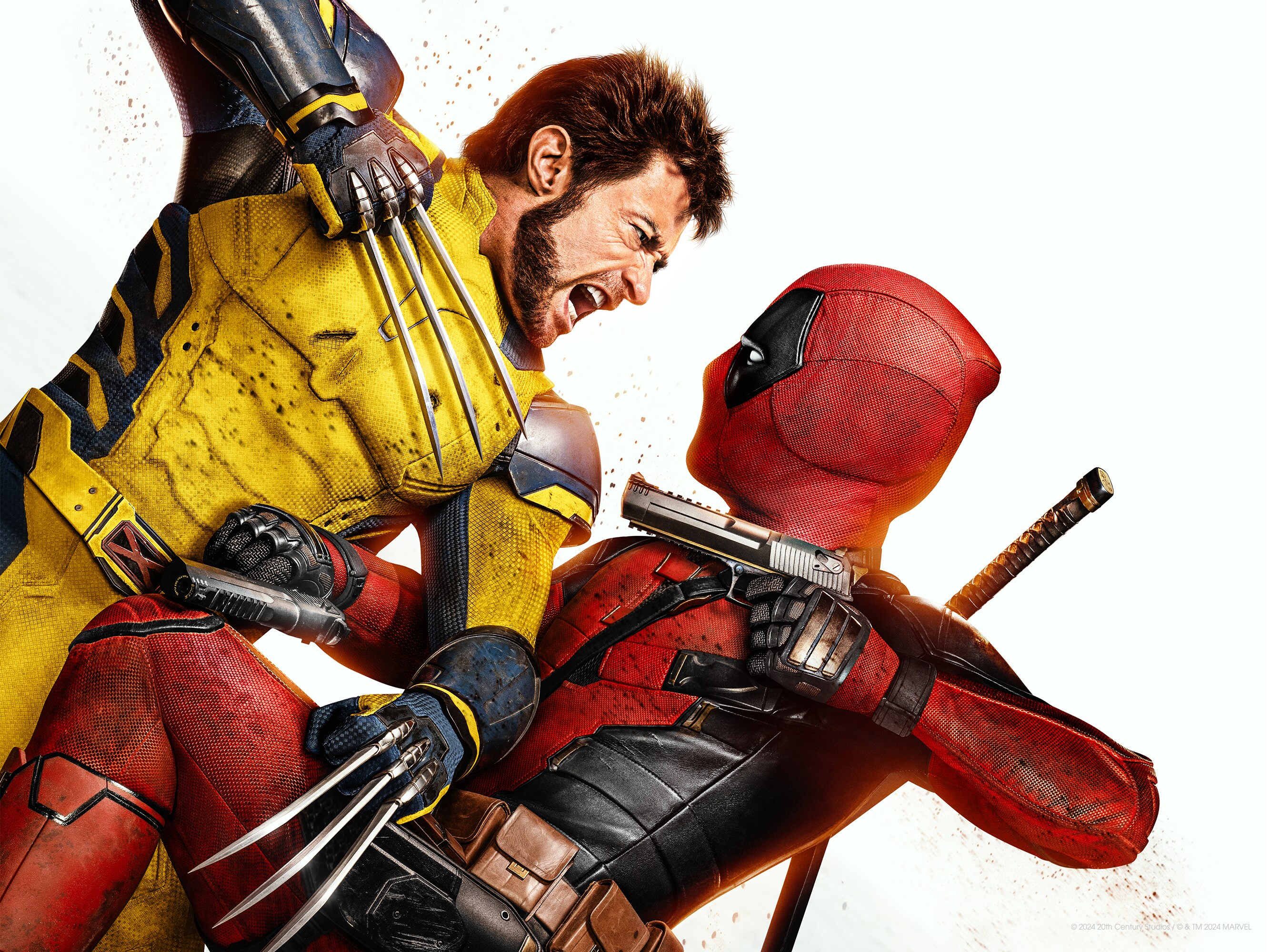
Fanboy Movie Review #17 — Deadpool & Wolverine

[Note: I do not consider myself a movie critic. What follows is just one fanboy’s opinion based off of a single double viewing of the film. Oh, and there are SPOILERS ahead for this movie, so take heed.]

You know, it’s been a while since I’ve given a movie the full fanboy-review treatment. It’s certainly the first time in a long while that the movie in question was a Marvel project (not since Doctor Strange and the Multiverse of Madness).

Once my interest in the MCU started to wane, I said that I wouldn’t write about movies that I didn’t like. So, for the very fact that this blog post exists should give you an idea of what I thought about it. Spoilers: I loved it. In fact, I was surprised at just how much I enjoyed it. I am pleased that Deadpool & Wolverine has, at the time of this writing, passed the billion-dollar mark. It deserves every cent it earns.

 Now, let’s get down to business.

First Impressions

I like the character of Deadpool, particularly when Ryan Reynolds is behind the mask, but he’s not my favorite superhero. I thought Deadpool and Deadpool 2 were funny movies. Again, they weren’t my favorites, but the kind of humor you get from a Deadpool movie is a particularly hard itch to scratch. You can’t really find it elsewhere. So, when Deadpool & Wolverine was announced, I knew I was destined to see it at least once.

As it happened, I was able to go with my friend, Brian, who has been a guest blogger on the Sector M blog before. While his favorite superhero is, without a doubt, Spider-Man, since I’ve known him, he’s had a special place in his heart for Deadpool and Wolverine. (I’m sure the fact Brian’s from Canada has nothing to do with it.) I felt fortunate to ride shotgun with such a fine Wolverine and Deadpool connoisseur.

Truth be told, I was not expecting much from this film other than it would be fun and funny. I had no idea the treat I was in for with this movie.

What I liked

The Needle Drops: The musical cues in this movie are choice. Songs that I would have never in a million years thought would play a key role in a Deadpool movie fit so perfectly. From the *NSYNC “Bye Bye Bye” dance during the intro sequence, to the dramatic remix of Madonna’s “Like A Prayer,” every track just lands. *chef’s kiss*

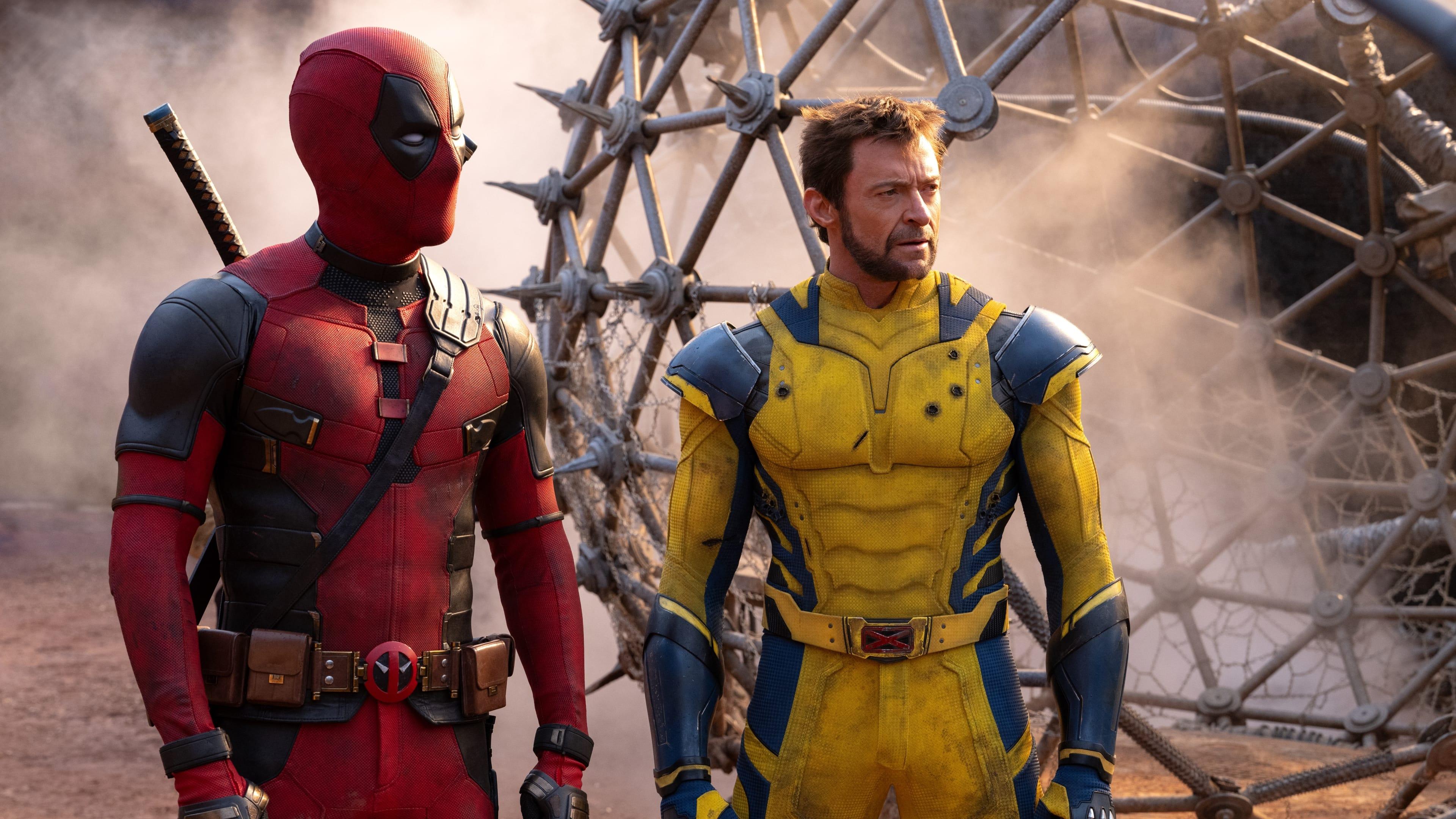
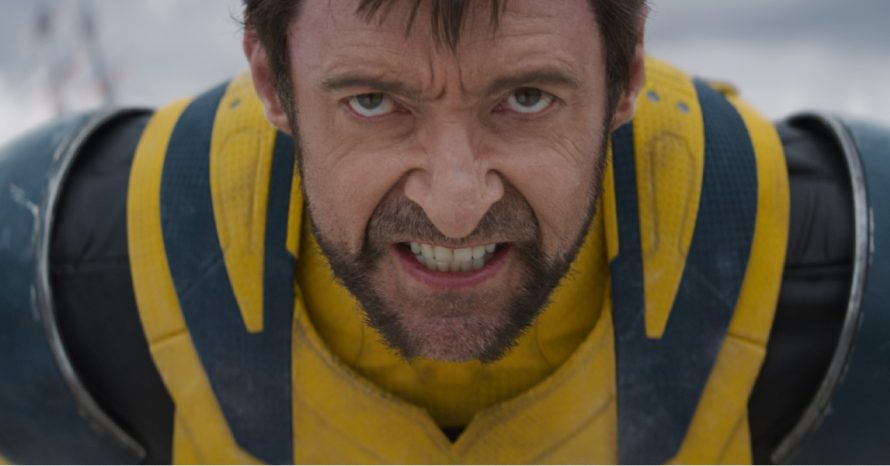
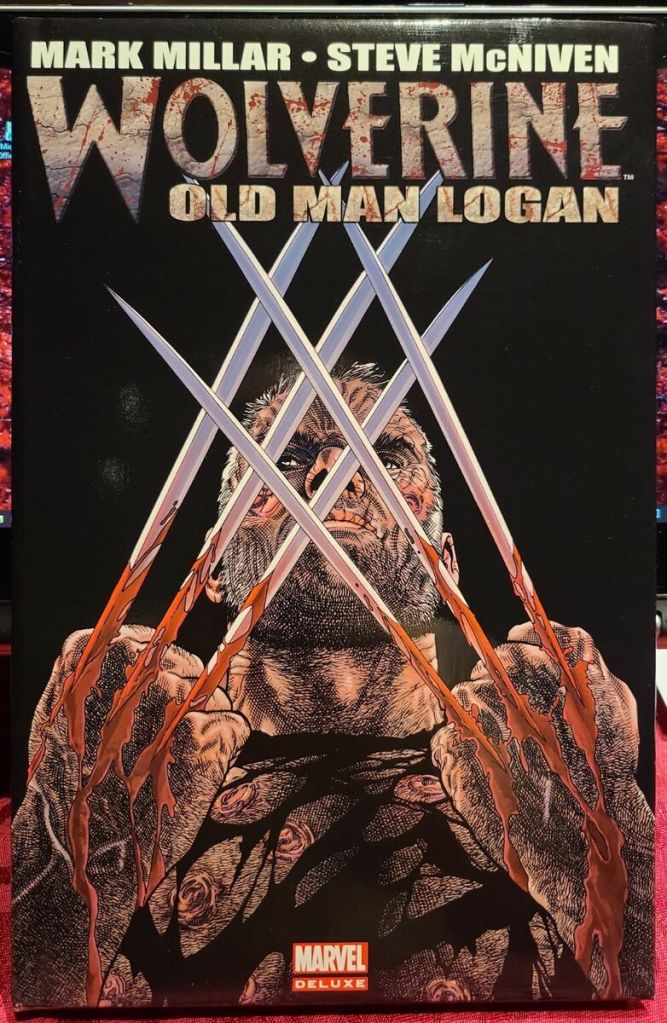
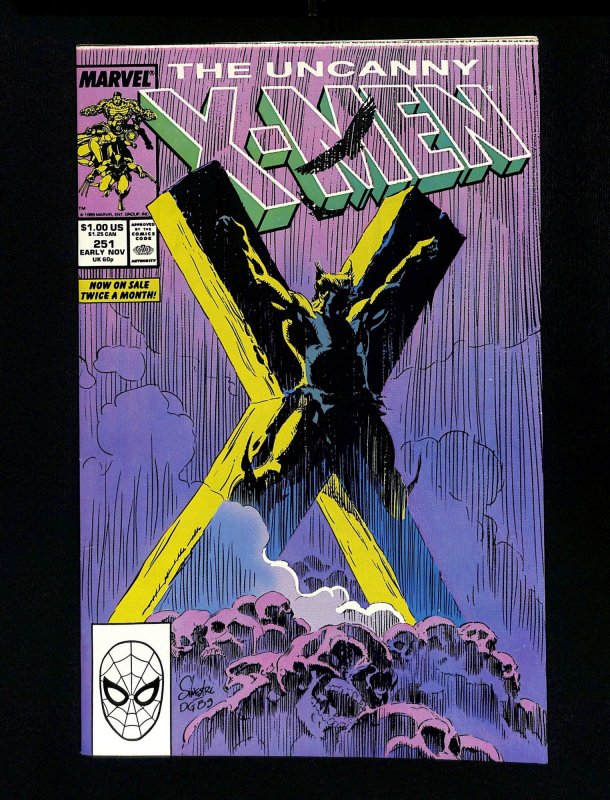
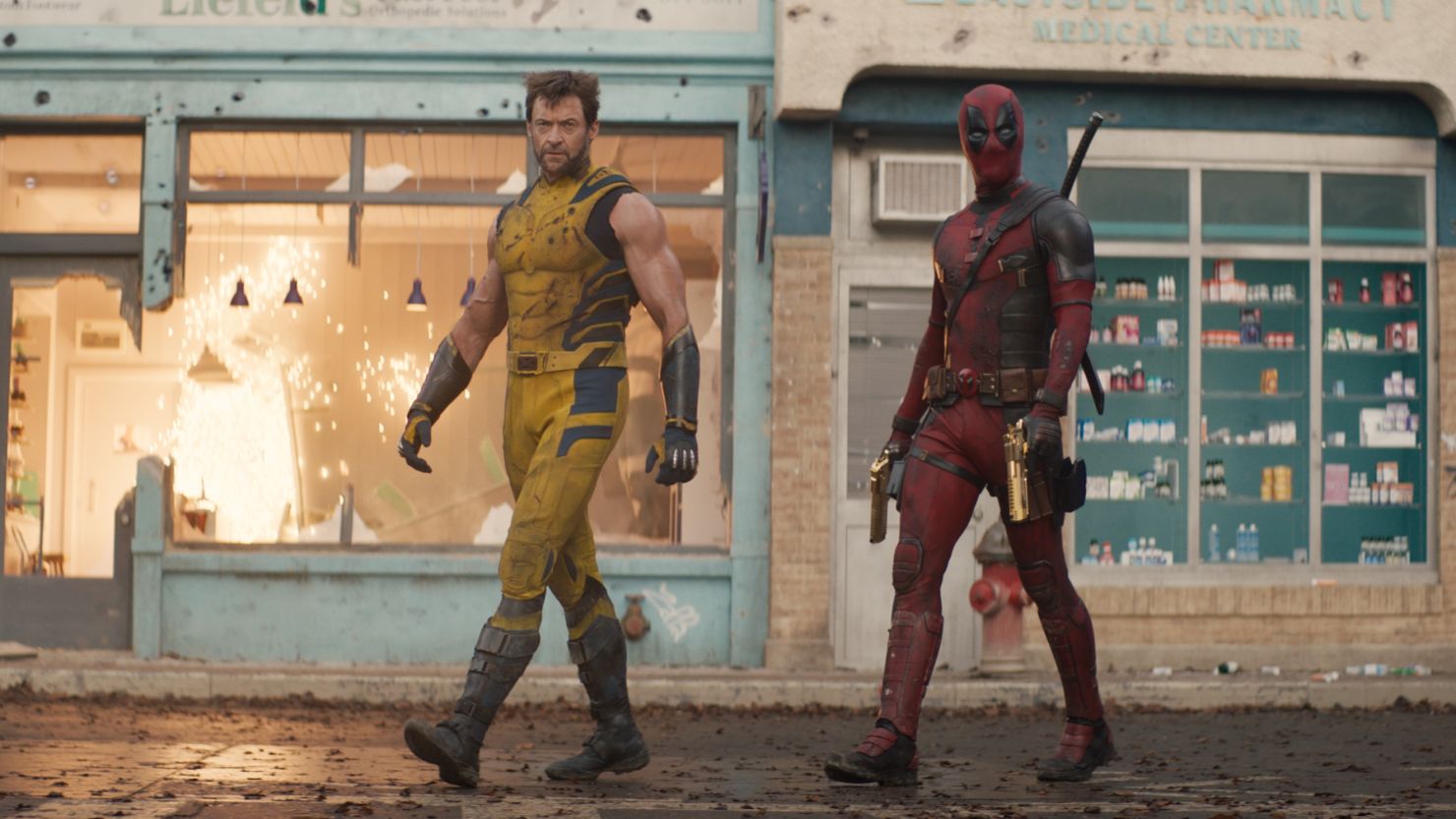
Hugh Jackman: After Logan, I wasn’t sure we would ever get to see Hugh Jackman as Wolverine again. In this movie, we see all sorts of Wolverine variants, from the short, hairy armed, comic-accurate version, to Old Man Logan to the “Fever Dream” Wolverine on an X-shaped cross, and many others. But the variant he plays for the majority of the film, clad in the traditional yellow-and-blues, is incredibly played. I was surprised at how much dramatic weight the character brings to the story. In particular, his scenes with Laura (X-23) around the campfire, along with his scenes with Cassandra Nova, transcend far beyond anything I would have expected in a humble Deadpool movie. More than anything else, I think Hugh Jackman elevated the movie up to the next level.

ALL. THE. CAMEOS: I was afraid that the sheer number of reported cameos would just wind up being empty fan service, but there was more to them than I initially gave them credit for. Some of them weren’t as impactful as others (Sorry, Pyro and Sabertooth), but seeing Henry Cavill as a variant of Wolverine was inspired. OMG, Johnny Storm and the one-and-only BLADE! I was impressed at how some of the guest appearances played important parts in the story.

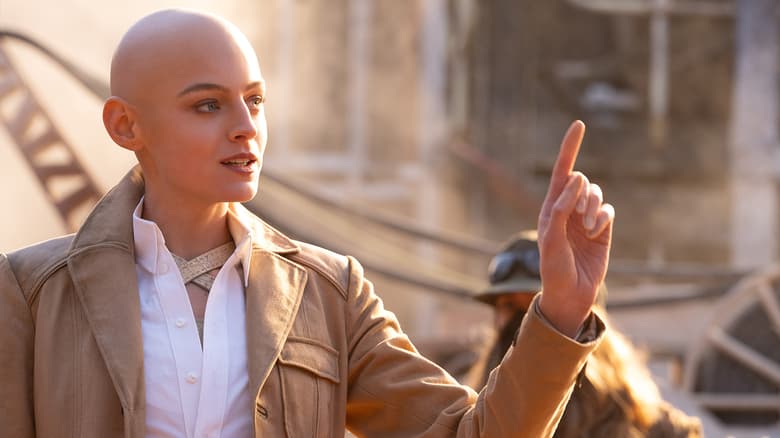
Cassandra Nova: For a villain who has never been referenced in the movies before (that I am aware of), and one who does not have a whole lot of screen time, Emma Corrin is absolutely electrifying in every scene she’s in. She displays such a range, from casual, almost off-hand cruelty to genocidal maniac. Her scenes with Wolverine, particularly when she says that she can silence all his voices, are almost tender. It gives her a depth I was not expecting.

She was very nearly the most successful Marvel villain of all time, too. Thanos only snapped away half the life in a single universe; she came close to pruning all of them. We should all be so lucky if we encounter other Cassandra variants played by Emma in the future.   

The Merc Himself: Once again, this movie has way more heart than I could have ever imagined. While there is the usual non-stop banter and fourth-wall breaks, this time, we get a Deadpool who has something to lose. His back is to the wall. He’s fighting for the lives of everyone he loves and the very existence of his universe. His impassioned plea to Wolverine in the Honda Odyssey (just before they wreck it), is something that hits home for me. For all his bluster, all his meta-contextual knowledge, Deadpool knows he’s in over his head, and he’s scared.

While Ryan Reynolds is known predominantly for his comical side, I think his skill as a dramatic actor is often overshadowed. Ryan really is a once-in-a-generation casting for this character, right up there with RDJ as Iron Man and Tom Hiddleston as Loki. Just perfect.

The Last Stand: I have a real thing for last stands (apart from X-Men: The Last Stand, that is). As a literary device, last stands appeal to me because the chips are down. The heroes making their stand are likely doomed, but they are resolute. To me, a last stand is the ultimate test of character, their own personal Kobiyashi Maru. Here we see the eponymous duo make their last-ditch, maximum effort to save all the universes, and it did not disappoint. And when we finally get to see Wolvie fighting in his signature mask, I honestly got a chill. If we never again get a moment like that in later movies, with future versions of Wolverine yet un-cast, I am content.

What I DIDN’T like

Paradox’s Plan: The Time Ripper is an interesting plot device/McGuffin, but I’m not sure why it exists. We’ve seen TVA agents prune entire timelines with a hand-held device that works instantly. No complicated matter/anti-matter intakes or days-long build up. So, I’m not sure why Paradox doesn’t use one of those if he really wants to put Deadpool’s universe out of its misery. He gives an off-hand line of dialogue about how they don’t prune anymore, but a Time Ripper effectively does the same thing, right? I’m guessing that the answer to this question is a hearty ‘so the movie can happen.’

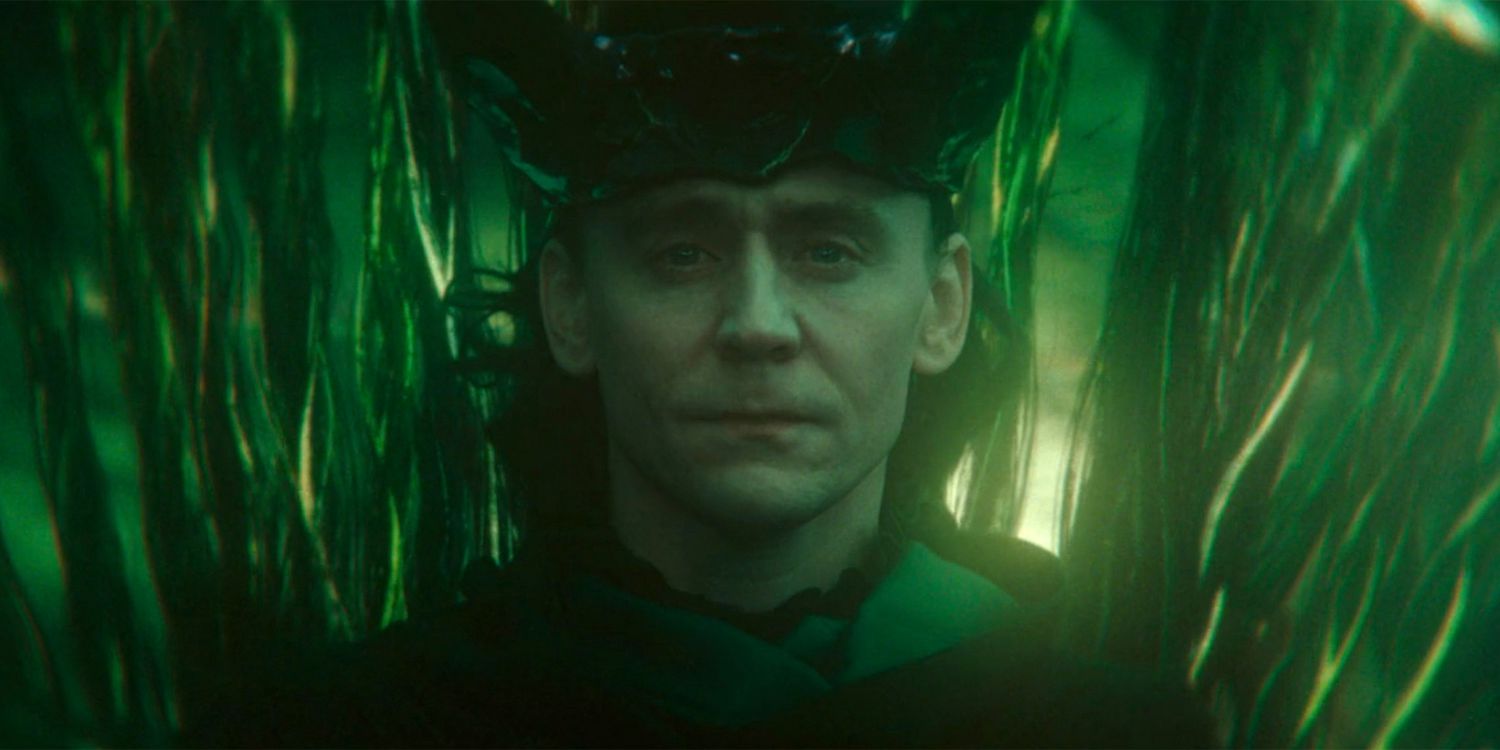
No Loki or Mobius: For a movie that leans so heavily into the TVA, and one that is very cameo centric, it really surprises me that we didn’t see Loki or Agent Mobius at all in this film. It’s a tad disappointing.

No? Really?

Logan’s Past Deeds: Logan’s motivations throughout the movie are to see about trying to undo the events where his life went off the rails. While I’d say that saving every timeline that exists is a good way to start on that journey, they sort of hand-wave trying to correct his timeline at the end. Even if the events in his universe shaped him into the unlikely hero he is at the end of the movie, I’m pretty sure he would still be keen on undoing the murder of all his friends and all the subsequent murders he committed as a result.

The End Credits Stinger: While I was initially shocked at how Deadpool’s comments got Johnny Storm excoriated by Cassandra Nova, by the time the credits rolled, I had sort of forgotten about that. While I suppose it was vindicating for Deadpool, the Stinger is valuable real estate. Give a teaser for something that’s coming up. Closing the loop on that one scene was funny, but unnecessary. Just think if it was that moment that Loki showed up, looks Deadpool right in the eyes, and offers him a job at the TVA, mirroring Nick Fury at the end of the first Iron Man.

Conclusions

As Deadpool himself states, we’re catching the MCU at something of a low point. That’s one of the reasons that I haven’t written a blog post about anything Marvel related in more than two years. It’s not that I haven’t gone to see Marvel movies, it’s just that I’ve found most of those offerings as “nothing to write home about.”

So, I think that this movie is precisely what the MCU needs at this moment. It’s an R-rated shot in the arm that might make fans actually excited about upcoming Marvel projects again, something that’s felt lacking post-Endgame. Don’t get me wrong, I don’t think the MCU is out of the woods yet, and I’m mixed on the recent news about Doctor Doom, but Deadpool & Wolverine shows us that there’s still some life left in the Marvel universe, a place that is very near and dear to my heart.

Of course, it’s possible that this may be the last time we see Ryan Reynolds suit up in the red and black, but part of me would like to make an educated wish that we haven’t seen the last of Deadpool in the MCU. (After all, what was all that about Thor crying?) But, if this was truly the end of the line for these characters, Deadpool & Wolverine nailed the landing.

And that’s the way this fanboy sees it.


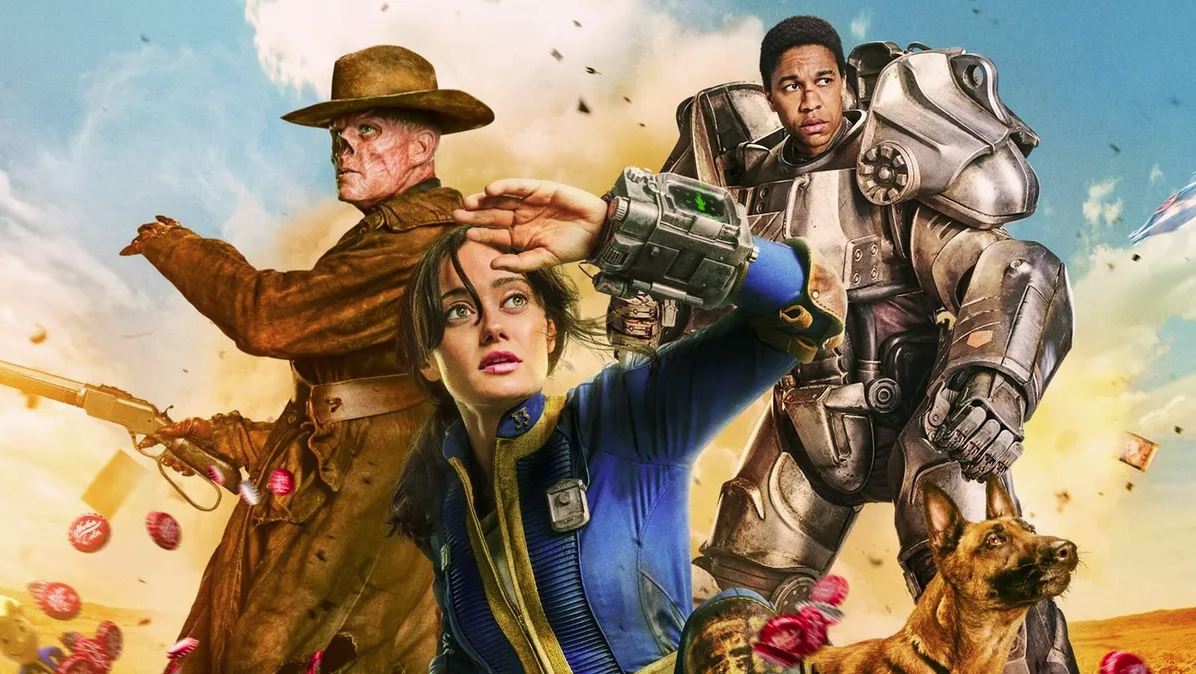
Some Thoughts on Fallout Season 1

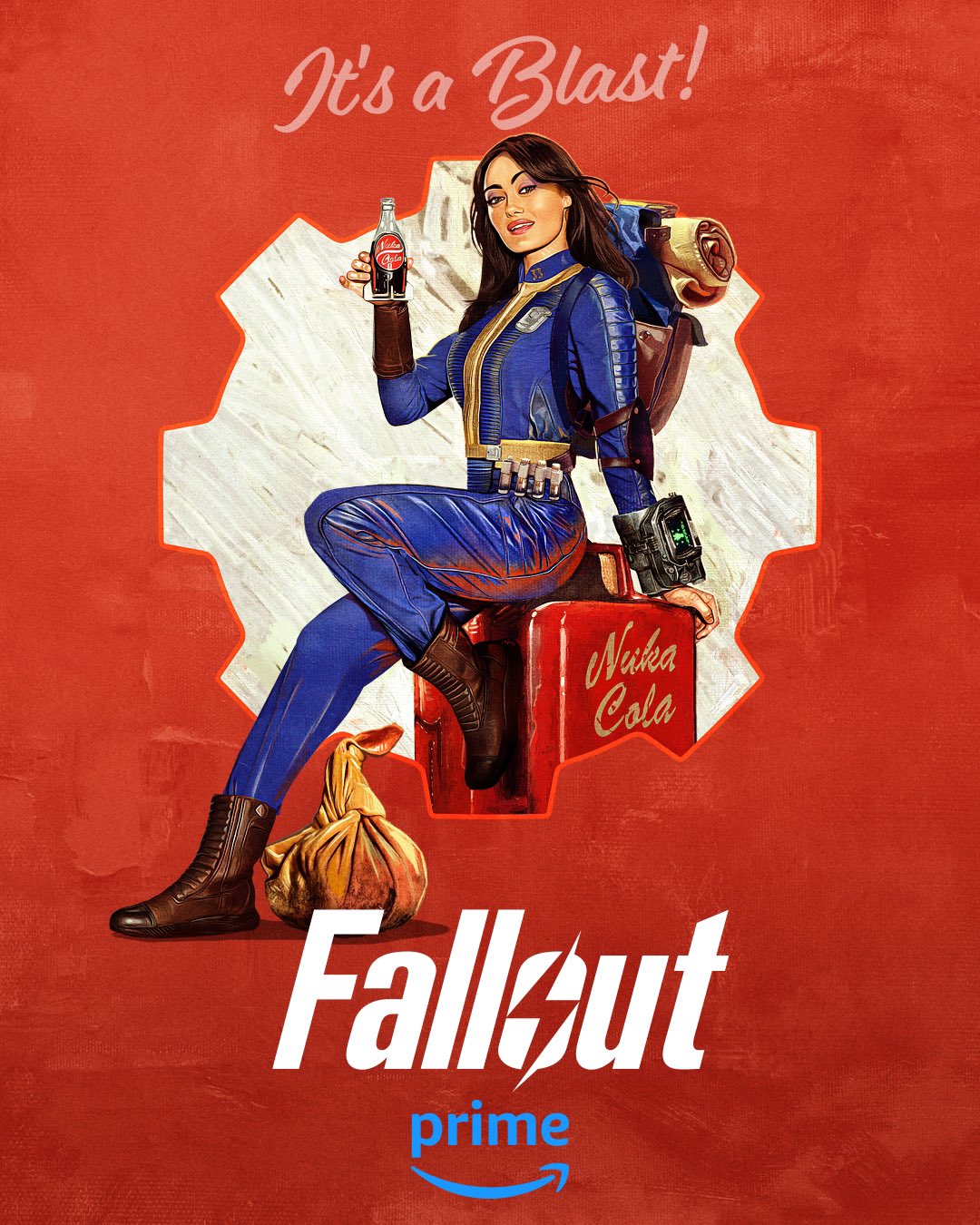
To say that the Fallout franchise is popular  in my home is a bit of an understatement. I’ve played the games, of course. There are numerous decorations and signs for Vault-Tec and Nuka-Cola scattered throughout my house, and my closet is full of Fallout-themed T-shirts. A while back, my son (at his behest) went trick-or-treating as Vault Boy. I also once ran a home-brewed Fallout TTRPG campaign that still looms large in my imagination to this day.

There’s just something about Fallout’s unique blend of ’50s retro-futurism and optimism mixed with quirky, often dark humor and the existential hell and horror of the post-apocalypse.

When Amazon announced that they were adapting the Fallout universe into a live-action series, I was…cautiously optimistic. I wanted to immediately believe that it would be a slam dunk, an instant classic that would delight new and existing fans alike, but I was held back in my enthusiasm by two points: Fallout 76 and the Halo series on Paramount+.

The last entry into the Fallout video game series was a live-service game with an emphasis on a multi-player experience heavily laden with microtransactions. While there are many who enjoyed it when it came out, and continue to enjoy it, it was not for me.

I found it repetitive and stripped of all the things I enjoyed in a Fallout game. I know that the game has had many updates and expansions over the years, but my initial experience with it was so lackluster that I never returned to it, and likely never will. The game damaged the Fallout brand rather badly, and made me lose a lot of faith in Bethesda Game Studios. 

‘Nuff said.

The Halo show is not only not canon to the regular game timeline, but bears only a passing similarity to the universe that has been built up over the last 20+ years through games, comics, novels, and two other TV shows. There is no attempt to resolve the differences between the normal Halo universe and the Silver timeline here.

It has a passing similarity to the IP, but none of the things that really tap into what made Halo so popular in the first place. So, it’s a thin veneer of a recognizable and highly marketable brand with none of the substance of that brand underneath. It’s Halo in name only.  

Nope!

Unfortunately, that’s a common occurrence with video adaptations to the big or little screen. Sometimes you get a Mortal Kombat: Annhilation and sometimes, just sometimes, you get something akin to what HBO did with the Last of Us. I’m happy to say that after watching eight hours of Amazon’s Fallout series, it is firmly in the latter category.

Did I like it? Let me put it this way: I think this is one of the few times were the adaptation actually manages to exceed the source material. The funny thing is that, as I followed the three primary characters on their respective journeys, it had me wishing for a game version of their story. And unlike Halo, the story that this series tells is canon. In fact, if the series goes the way I think it will, I suspect that Fallout 5 might be building off of the show, making this series a catalyst for future games and stories set within the Fallout universe.

Feo, Fuerte, y Formal

I do have a few nitpicks, all very minor, that I would like to get out of the way before I get into what I enjoyed about it. I’m about to get into SPOILER territory, so consider yourself warned:

Recycled Motivations: Look, I understand that if you’ve lived in a vault all your life, it’s going to take something pretty powerful to make you want to leave the relative security for the unknown dangers of the wasteland. Family is definitely one of them. So, Lucy leaving the Vault in search of her father is understandable, but does feel like a retread of Fallout 3.

But, later in the series, one of Vault 31’s engineers announces that their water purification chip has been destroyed, and that they only have a few months of fresh water left. This is precisely the reason that the protagonist from the original Fallout game leaves Vault 13. After that scene, this potentially catastrophic problem is never mentioned again. Perhaps that’s setup for Season 2.

Preston disliked that.

New Ghoul Chem: Through the Ghoul, we learn that there’s a chem that helps ghouls stave off becoming feral. When we briefly encounter Roger, a ghoul repeatedly chanting his own name in the efforts of not turning, we see that he has taken loads of this chem and it hasn’t made a difference. The presence of this new chem is not an issue for me, but we need to know two things about it:

  • Is this a pre-war drug that cannot be manufactured anymore, making it an increasingly dwindling resource, or is this chem entirely new, and thus is something that can be made by any decent wasteland chemist?
  • What is its name? Fallout is replete with drugs named things like Jet, Psycho, Mentats, Day Tripper, and Buffout. If this chem is that important to ghouls, and becomes something of a minor MacGuffin, what is it called? If it’s a post-war drug, I nominate “Zom-B-Gone” as the official name.

Repressed Brotherhood: The character of Maximus is almost entirely sexually ignorant. While it makes for some funny moments, it is implied that the Brotherhood has intentionally fostered this (though one of his bunkmates certainly didn’t have a problem with it). For a military organization that’s co-ed, I’m surprised at this. For one, if you forbid people from exploring their sexuality at all, they will find ways to do it anyway in secret, and practically every military organization is aware of this.

Second, wouldn’t the Brotherhood want to encourage breeding to ensure the next generation of Knights? Of course, this chapter of the Brotherhood does seem to be more overtly religious than some of the other portrayals of them, so it could just be a quirk of this chapter. After all, the difference between the Brotherhood under Elder Lyons in Fallout 3 and Elder Maxson in Fallout 4 is pretty substantial.  Still, it struck me as odd, given how the Brotherhood has been portrayed in the past.

The Chalkboard: Okay, this is one that gets some fans in an uproar for its potential as a lore-break. Lucy finds a chalkboard in Vault 4 with a timeline of events that, at a glance, would seem to imply that Shady Sands, the capital of the New California Republic, fell in the year 2277 when Fallout: New Vegas is set in 2281 and the NCR is still a major player at that time.

Did it, though?

I think that there are many ways that this could be interpreted as lore-friendly (explained by Many A True Nerd and Juicehead in particular), but it was an oddly unnecessary detail to include and potentially get wrong, especially when everything else has been so lore accurate.

Okay, now that’s all out of the way, let’s get into what I liked about this show. This could easily be a series of blog posts by itself, but I will just give the highlight reel for you here.

The Cast: This show has some serious acting chops going for it. You need actors who can be both dramatic and silly, and the main three: Ella Purnell, Aaron Moten, and Walton Goggins bring this story to life. Each of them gets to portray wonderful moments of strength and vulnerability. Goggins is a particular standout with his dual role as The Ghoul, a bounty hunter in the post-apocalypse, and Cooper Howard, a pre-war A-list celebrity.

Practically every background character is played to perfection. Norman, played by Moises Arias, wound up having one of the most compelling character arcs as he starts to unravel the secret of the interconnected trio of vaults. So, the acting talent on display here is incredible. My proverbial hat is off to everyone who played a part here. Nicely done.

The SETS!: Fallout has never looked so good. The attention to detail here is astounding. The vaults are fully realized live-action interpretations from Fallout 4, right down to the switches on the door handles and the prints on the curtains. I sincerely hope that someplace recreates these sets for people to tour. I would be there in a heartbeat.

Wow….

Filly looked right at home as a sister town to Megaton or Diamond City. The general store that Lucy enters is a veritable treasure trove of Fallout easter eggs. Every place the characters go fits in seamlessly. I can only imagine the titanic amount of work it took to get the sense of place right, but the production team really knocked it out of the park with this one. 

The Side Quests: What made this feel like a Fallout adventure was simply how priorities shifted as time went on. The Ghoul captures Lucy, but has to abandon the hunt for the scientist’s head (an assignment worth a ton of caps to him) to go get his unnamed ghoul chem from the Super Duper Mart. Maximus and Lucy get sidetracked by accidentally falling into Vault 4, where they have to contend with the weirdness that’s going on there. Maximus reveals his secret to his squire, and then has to track him down.

The side quests and points of interest are what make a Bethesda game, so it feels entirely appropriate that the Ghoul spouts the Golden Rule of the Wasteland.  

The Music: If you’ve played the games, some of the songs that get played are straight from Galaxy News Radio or Diamond City Radio. The showrunners didn’t limit themselves to just what was in the games, however, there are many other instances of them further delving into that 50s/60s musical genre that blends in perfectly. I can’t overstate how well these songs are overlaid onto the visual narrative. The lyrics of these songs often correlate directly to what’s happening on the screen. It’s pretty amazing to watch.

The score is by Ramin Djawadi, who famously composed the score for Game of Thrones and the first Iron Man movie. It’s clear that he takes a lot of cues from the previous game tracks, one notable time being when Lucy sees the NCR flag in the classroom in Vault 4, which echoes back to the Inon Zur themes of Fallouts 3 and 4.

The score is serviceable enough for the most part, though I had hoped to have more of the recognizable modern Fallout themes to go with the spot-on visuals. Not having more of that strikes me as a missed opportunity. The Brotherhood of Steel theme, however, is a stand-out track on this album for sure, along with the western-style trumpet stylings found in “Feo Fuente y Formal.”

The Love: A show that brings this level of detail to the screen and captures the tone of the franchise so well doesn’t happen without love at every level. From the script writers, to the prop-makers, to the special effects crew, and the small army of talented folks it takes to produce a show like this, the love of the source material is crystal clear here.

I was heartened to hear that many of the crew on the sets and behind-the-scenes personnel, as well as many of the actors, were genuine fans of Fallout. It shows. I really hope that Amazon studios is able to keep this same team together for Season 2 (which was just confirmed yesterday as the time of this writing). It’s going to be a long wait to see the continuing journeys of Coop, Lucy, and Maximus, but I’m sure it’s going to be epic once it arrives. I’ll be there Day One.

Final Thoughts: Adaptations are a tricky business, and video game adaptations doubly so. I think what makes this series stand where others like Halo fall is simply an understanding of the source material and why it was so popular in the first place.

Most adaptations of popular franchises these days are definitely not made with the existing fans in mind. (Michael Bay Transformers, anyone?) Too often, it feels like there is a contempt for fans who are already invested in the property. But I think this approach is fundamentally flawed. Sure, filmmakers will want their adaptations to reach, and appeal to, the largest audience possible. Still, if you make something that long-time fans will love, but one with enough on-ramps for new fans to join in, you’re on the right track.

I think that’s what Fallout has done here. There is so much for existing fans to enjoy and sink their teeth into while simultaneously serving as a wonderful introduction to the world of Fallout. That’s pretty much all I could ever ask for.

So, the moral of this story is: In a world full of Halos, be a Fallout.

Thanks for reading!


Fanboy Movie Review #16 — Transformers: Rise of the Beasts

[Note: I do not consider myself a movie critic. What follows is just one fanboy’s opinion based off of a single viewing of the film. Oh, and there are SPOILERS ahead for this movie, so take heed.]

First off, let me apologize for being tardy on this blog post. Posts where I need to see a movie beforehand are dependent on me actually being able to take in a viewing of the movie before I can comment on it. I was delayed in seeing this film. As a result, my Fanboy Review is late. Mea culpa.

So.

Transformers.

Long-time readers of this blog will note that Transformers is perhaps my favorite franchise of all time. When the live-action movie first arrived back in 2007, I saw it opening weekend. It wasn’t anything like what I wanted in a Transformers-themed movie, but it showed promise. We had Peter Cullen reprising his voice role as Optimus Prime, a big budget for special effects, and an absolutely haunting score by Steve Jablonsky. “Arrival to Earth” is one of my favorite cinematic musical cues of all time. I sometimes catch myself humming his “Optimus” theme in my more quiet, contemplative moments.

As the series wore on, however, the cracks began to show. I’m not even talking about the nonsensical storyline; I’m talking about the strange ‘dude-bro-ness’ of it. The overt objectification of women. Needless flag-waving and worship of the military (and this from a guy who writes military sci-fi). There were too many needless human characters and pointless sub-plots, and not enough of the Autobots and Decepticons.

For me, Age of Extinction was my breaking point. I even wrote an open letter to Michael Bay on this very blog. Unfortunately, almost 10 years later, some of the points that I addressed in that open letter are things I find I’m having to dust off for this review. 

First Impressions:

Despite my doom and gloom about the franchise, and the fact that I skipped The Last Knight entirely (I still have never seen it), 2018’s Bumblebee was a breath of fresh air. It wasn’t a perfect film by any means, but it was better than the CGI insanity of the previous entries. The opening sequence of that movie on Cybertron is precisely what I wanted in a Transformers movie. There was a bit of the Bayformers ichor still on the film, but the robot designs were closer to their G1 forms, and the general mood was lighter in tone. The rumor was that it would serve as a soft reboot of the franchise.

When I heard about Rise of the Beasts, I wasn’t super thrilled. I know Transformers fans owe a great deal of in-universe lore to Beast Wars, but I was never a big fan of it. I was even less of a fan of Beast Machines that followed. That said, it appeared that Rise of the Beasts would be a continuation of Bumblebee, so I was willing to give it a chance, though Travis Knight was not returning as the director. I set my expectations to middling and took my seat.

What I Liked:

The landscapes — Visually, this movie has some of the most striking natural landscapes that I can remember seeing in any Transformers movie. It’s an interesting contrast to the cityscape we see in the early part of the story. Plus, thematically, it just makes sense when you have the Maximals and their more ancient, naturalistic vibe front-and-center in the story’s narrative.

PETER FRICKIN’ CULLEN — Any time we get to have the man himself reprise his role as the Autobot Supreme Commander, I’m down for it. Even if I don’t like the story that Prime is in, Cullen always (always, always) turns in a command performance. This is no different, though I wish they had more use of the character in the movie. I always enjoy a heartfelt speech coming from Optimus, and we didn’t really get that this time. Feels like a missed opportunity.

The special effects — It’s almost par for the course for these big-budget blockbuster films, but I think it’s worth calling out. The VFX artists really delivered here, and they should all be proud of what they created. I’m sure it wasn’t easy. Whatever my complaints with the movie, the effects are really beautiful. There was one notable exception, however. See below. 

The search for the Transwarp Key — I know that things started to feel a little like National Treasure in some of these sequences, but I dig the search for clues in symbols from history. That’s what I had originally wanted from Revenge of the Fallen, but we never got there. When you’re dealing with immortal, godlike animal robots, I can see early cultures viewing them as deific figures or spirits.  

The Maximals — Despite not really being a fan of Beast Wars, I thought the Maximals were pretty cool. It’s a pity we don’t get much of a chance to get to know Rhinox and Cheetor a bit better, but I loved Ron Perlman’s gravitas as Optimus Primal, and Airazor nearly steals the show in places, voiced by the incomparable Michelle Yeoh. So, a pleasant surprise.

UNICRON — This is how Unicron should look. Seeing him tear into the Maximal planet was pretty terrifying, as it should be. Orson Welles is a tough act to follow, but Colman Domingo nails the part. I also noted the music playing during his scenes was a nod to Vince DiCola’s “Unicron” theme from the 1986 animated movie. Speaking of the music…

The musical score — I was surprised to learn that Steve Jablonsky didn’t write the score for this movie. Many tracks, particularly “Till All Are One,” definitely carry that cinematic style that Jablonsky delivered. This one is composed by Jongnic Bontemps, and it’s worth checking out.

Mirage and Chris — For those of you familiar with the G1 cartoon, I got a little of a Tracks and Raoul vibe from the relationship that forms between Mirage and Chris, and I dig it. It’s definitely interesting to see another Autobot besides Bumblebee be the ‘bridge’ character between Cybertronians and humans. I think their scenes were great and just nicely gelled together. I do love that we got the traditional shot of Mirage’s steering wheel bearing the Autobot insignia as Chris climbed in for the first time.

What I DIDN’T Like:

The story — Another ancient MacGuffin, another doomsday scenario. It’s another all-powerful ‘football’ that the characters have to find/retrieve/lose/ then ultimately destroy. Big yawn. This go-round is not as tedious as some of the other times we’ve been down this road, but only just. Yeah, I know, going to a Transformers movie looking for a good story is an exercise in futility. I’m just a glutton for punishment, I guess.

Optimus is still kind of a jerk — Transformers movies just can’t seem to find an arc for Optimus that fits with who he is. I get that the story here wants to show some sort of growth, but a being that’s around nine million years old should have a pretty well-established character. He should not have to be convinced or persuaded to care about other beings, particularly humans. For a brief moment, it looked like they were going for a ‘maybe he isn’t quite the Optimus he will eventually become’ type of moment, but then that goes nowhere. There is no arc, so he’s a jerk for really no reason. Optimus a leader who doesn’t really care about anything or anyone that isn’t in his immediate purview or goal. Anything outside of that is something that might as well not exist. Such a pity.

So, once more for the folk’s in the back: Optimus is the one that people (robots and humans alike) should look to when they feel like they can’t go on or when they call into question the morality of their own decisions. He’s the one to make the inspirational speech to lift your spirits at just the right moment and back up his words with heroic action. If that’s not the role he is destined to play in the story, he has been stripped of his core identity. We had to suffer through this most especially in Age of Extinction, and we’re still struggling with it here when it should be a non-issue.  

Optimus’s new design — This is admittedly a nitpick, but the Bumblebee version of Prime was (IMO) the best Prime has looked in live action. Ever. This new version of him looks more blocky and unwieldy. We are also back to Optimus only deploying his faceplate during combat instead of it being in place all the time. I thought it looked dumb in the Michael Bay movies, and it somehow looks worse here. He’s still more G1 in design, though, and doesn’t have flames. There’s that, at least.  

Bumblebee is KIA — The first real dust-up we see in the movie, and Bee is the sacrificial lamb — the guy who gets killed to prove the situation is dangerous. Practically a redshirt. Of course, there was no way that they were going to kill him off permanently, so his death had no real impact.

Wheel…jack? — In the opening of Bumblebee we see Wheeljack for a brief moment, and he looks more or less like he did in his G1 days. Here we get a version of Wheeljack that is so completely different as to be a whole other character. It leaves me wondering why they didn’t just name this character something else. If this is a continuation of Bumblebee, what’s the point? Plus, besides his initial, super- awkward interaction with Chris, he’s just another Autobot, just another gun on the firing line. He’s not an engineer or a mad scientist type. Like the movie, he’s just sorta…there. 

Scourge versus Optimus — It was hard to see Scourge be able to take Prime in their initial clash, but I was okay with it. Scourge is a Herald of Unicron, and he’s directly channeling the power of a dark god, so it makes sense that Prime wouldn’t be able to stand against him alone. They did a pretty good job of setting the two of them up for an epic confrontation. But when that time comes, Prime is suddenly on par with Scourge for no apparent reason. I kept waiting for Prime to have some sort of epiphany to tap into his inner strength, or deepen his understanding of the Matrix, or something. Prime is just somehow better, and defeats Scourge as though the Terrorcon was just another Decepticon.

Scourge’s corruption bullet — Scourge fires a single shot and is not only able to take Airazor completely out but also corrupt her to a point where she turns on her allies. She seemed like the wisest and most discerning of the Maximals. So, did Scourge only have one of those little doohickeys? Why wouldn’t he immediately try to corrupt the Autobots, especially Prime? If all it takes is one little spider-tracker, that seems like a much better way to neutralize your opposition. If I were him, I would be using that little trick all the time.

The access tunnels — So, let me get this straight…Scourge raises his weird tower as a way of sending the Transwarp Key directly to Unicron. First, I would have thought that he could use the Key to transport himself and his minions to the Chaos-Bringer and give it to him that way. No fuss, no muss. But, assuming the whole tower thing is necessary, why would you want, or need, little access tunnels that go all the way up to your computer console? Tunnels that just so happen to be big enough for humans to run around inside? This was the plot bending over backwards to make itself work and give the human characters something to do.

The resurrection — Oh look, the big explosion they talked about has ignited all the energon in the valley, and guess whose body is laying on a convenient sheet of it. Bee comes back completely healed and ready to go. So, did Stratosphere just hang around the village while his fellow Autobots and Maximals went off to fight? Dude, it’s the end of the universe. Like, the chips were well and truly down, and he’s just chilling. Also, too bad Airazor got a tight hug from Optimus Maximal and they didn’t take her body to the valley. I guess she’s just dead-dead, instead of being mostly-dead like Bee.

The Iron Man suit — I understand why this happened. One of the big issues with Transformers movies is that the humans have no real hope of fighting in a battle with giant robots wielding weapons of a magnitude we can barely fathom. Usually, human companions like Sam or Charlie have to ‘run the football’ or try to affect things from the sidelines. The solution here was to turn a human into a Transformer. Sort of. Critically damaged in the final fight, Mirage turns himself into a human-sized suit of power armor for Chris, though the scale of the suit sometimes felt inconsistent. Too bad that option wasn’t available to Sam, Charlie, the NEST Teams, or any of the other humans who have helped out the Autobots in previous entries. Also, while the design of the armor wasn’t horrible, the open face bowl has Chris’s obviously CGI’ed face pasted onto it, which was the only effect in the movie that looked bad.

I guess we just destroy the Key, then — Predictably, the bad guys get the MacGuffin and attempt to use it. It apparently takes a while to spin up (and I use that term intentionally). In the end, Optimus is forced to destroy it. I suppose they had already established that it could be destroyed by Chris’s hand-held blaster. I know Prime had hoped to obtain it to get back to Cybertron, but when a portal opens up and you can see Unicron coming through, it seems like you would destroy the Key immediately if that were an option, instead of, you know, waiting until the last minute.

The G.I. Joe connectionNope. G.I. Joe has had three attempts at a movie franchise and failed in all three, even with big names like the Rock, Bruce Willis, and Channing Tatum attached to them. I know Hasbro is desperately hungry to build a cinematic universe, but I don’t want that chocolate in my peanut butter, thank you very much. Understand that I have a special place in my heart for G.I. Joe as a franchise, but Cobra becomes far less of a threat when they have to contend with giant alien robots from a technologically superior planet that is literally millions of years ahead of anything produced on Earth. So, again…nope!

Unresolved Questions:

In this telling of the story, the Autobots didn’t arrive on Earth aboard the Ark or a ship of any kind. So, what method did they use to get here at the end of Bumblebee? Prime acts like the Transwarp Key is the only way he’ll ever get off of Earth, but clearly he got here by some other means. Why can’t he just reverse that? His plan was always to establish a base for his refugee Autobots so that he could return and fight for his homeworld. Did he not have a plan for getting off of Earth once he got here?

Will we see the Primals again, or will they just fade into the forests of Peru permanently, to be forgotten or ignored in future installments? Are we looking at more Terrorcons being the bad guys from now on, or will we get more Decepticons in the next one?

Will this new continuity openly supersede the old one? Already, the reasons why the Autobots left Cybertron to come to Earth are vastly different than what was established in the 2007 movie. Also, in this telling Unicron is a separate being that’s coming to consume Earth, and is definitely not the Earth itself, which apparently was a thing in The Last Knight. Once again, any sense of cohesion between these movies is spotty at best.

Conclusions:

I know more of this blog post is about what I didn’t like, but I honestly didn’t hate this movie. Nor did I love it. It just sorta exists in a “meh” state for me. Bumblebee attempted to take a movie franchise that felt pretty played out in a new direction. It happened to be in a direction I liked, and I wanted to see more of that.

This movie feels like it wants to be more like the older Transformers movies in terms of tone and design, and, to me, that’s a giant leap backwards. It’s a course correction to a course correction, and that’s a shame. For a moment in late 2018, I thought Transformers was finally on the right track. 

Still, I applaud this movie for excising the worst excesses of the Michael Bay films, but it doesn’t really deliver on what Bay was actually good at, either. The whole thing felt rather bland and a retread of previous entries in the series, but one with a basis in the era of Transformers that I don’t really care for.

Those who really love Airazor, Rhinox, and the Maximal crew might be more invested here, but I just wasn’t. Again, I think this movie is better than most of the Bay films, but it is unfortunately trying its dead-level best to get back to those elements of cinematic Transformers that I would rather see buried and forgotten in the past.

And that’s the way this fanboy sees it.


The Allure (and Curse) of Prequels

The concept of a prequel as a literary device has been around in one form or another for quite a long time in almost every medium. When The Phantom Menace came out in 1999, the idea of going back and telling the story of the Clone Wars was something that hadn’t been done before on that kind of cinematic scale. More than 20 years later, the Star Wars universe is still dipping into that well, and will likely continue showcasing stories that take place before A New Hope for the foreseeable future. 

Star Wars certainly isn’t alone in wanting to delve into the stories that take place before the original setting of the intellectual property. A short list of heavy-hitters appearing this year alone on TV includes (but is certainly not limited to) the following:

  • Lord of the Rings: The Rings of Power
  • House of the Dragon
  • Star Trek: Strange New Worlds
  • Obi-Wan Kenobi
  • (And just this week) Andor

Before I get into the particulars, let me say this: This post is not about the casting, fan backlash, or creative decisions involved with any of these shows. I have the greatest respect for the actors, crew, and digital artists who bring these shows to life. If you’re here expecting some sort of fanboy outrage at one or more of those groups, feel free to hit that “eject” button now and punch out. Byyyyeee.

Still with me? Excellent. What I hope to do with this blog is to take a look at the viability of prequels as a framework for telling  stories, exploring three things that make prequels attractive as well as three more that make them less appealing than an original story. With that in mind, let’s dive in.

The Allure

Nostalgia

The most obvious answer is that a prequel hopes to capture the magic that the property had before, tapping into the good will and warm fuzzies that we may harbor from previous iterations of said property. Depending on how subtle or overt this previous connection is handled, you might wind up with fun call-backs, but it runs the risk of becoming heavy handed with member berries. 

For the most part, I’m fairly forgiving of when the fan service gets too fan service-y. Even when this happens, it’s hard to deny that the feelings that are evoked when you see parallels play out. In the right hands, they can be profound. The best prequels are able to successfully excavate those little nuggets of emotion we have tied up with the original and shine new light on them.

Nostalgia is often a distortion of past events, though, filtered through the lens of a yearning for a past that may or may not have really existed except in our minds. While it can be a two-edged sword, it can also be a powerful reminder of what we love, reigniting our passion and enthusiasm in the present. 

More Time in the Setting

Stories taking place in settings we love are always finite. There are only so many episodes of Star Trek: The Next Generation, only so many Lord of the Rings movies. Once a setting has achieved that sort of critical mass in the hearts and minds of fans, it’s natural to want to go back to that place if given the chance. After all, we have friends there, favorite spots, and (in general) we know what we’re getting ourselves into. It’s a known quantity, and one we already like.

Settings with rich backgrounds are often the most fertile soil for prequels. If you’re a lore nerd like I am, who just loves to sink your teeth into the backstory and worldbuilding, this is a chance to see it brought to life. The mentor figure of a previous story might now take center stage as the protagonist of the prequel. Characters who are bitter enemies might be friends in this telling. Maybe you get to witness legendary events play out that were only ever talked about, or receive additional context to the original story.

Like the voyages of the original Constitution-class Enterprise? Well, here’s more of that. Remember the thrill of Game of Thrones? Let’s have another foray into Westeros, shall we? And so on.

A Safe Bet

Prequels don’t have the risk that new, completely original stories carry. There’s a built-in audience, likely one that’s hungry to see more of whatever it is. This makes prequel stories something comfortable for both the producers and consumers of media. If you liked this, you’ll surely love that.

It’s the same mindset that brings us sequels, but there’s an innate guardrail backed into prequels: You know where the characters are going. You don’t have to worry about coming up with the next big story arc, and you already have the end point established. You’re just filling in the gaps and adding additional layers to a story that’s already been told. 

The Curse

Spectacle Creep

The issue with going back before the ‘main’ timelines is that the temptation to make the prequel story bigger, grander, and more impressive often blows the originals out of the water. Consider the lightsaber duels in the Star Wars prequel trilogy. They are orders of magnitude more complex and fast-paced than the ones we see in the original trilogy.

The ever-increasing want to pile spectacle on top of spectacle, to outdo what audiences have experienced before, can be momentarily thrilling in the moment, but it always has the effect of making the source material seem far more mundane. This is especially noticeable when you watch the releases in that universe’s chronological order. Thus, prequels often have the side-effect of downgrading or side-lining the originals.   

Continuity Nightmare

By its very nature, a prequel does not exist in a void. It comes before something. It’s no easy feat to balance the needs of the prequel story with the constraints placed on it by the stories that released before it. It’s a delicate balance to walk. Lean too much into what’s been established and you risk severely limiting the scope of your story. Throw canon to the wind and the prequel story may not fit within the greater framework that exists in the minds of fans.

This is personally why I think that prequels can be a hard sell for long-running fandoms — it’s too easy to cause contradictions and lore breaks. Sure, not everyone cares about that. Most casual viewers probably don’t, but invariably there are fans who are invested in the universe that do want to see continuity maintained. Prequels are often the bane of those kinds of fans.

Now I know that, more often than not, these types of fans are dismissed out of hand as whiny manbabies, like a Youtube comment section come to life. But, I would argue that many of the fans that object to major breaks in a universe’s continuity just want all parts of the thing they love to work in concert, forming  a cohesive whole, rather than having elements that work in opposition to that. Major breaks in continuity can make that a bridge too far to span.

Lack of Stakes

Perhaps the worst curse of prequels is that we know that nothing will really change. Yeah, maybe we get a little extra insight into what leads up to the originals, but we know the story can only resolve in a certain way. We already know who lives and who dies.

That means that established characters that are alive and kicking in the future are effectively untouchable in the present. There are no stakes when the outcome is already known. When there are no stakes to a story, it can make everything in it feel brittle and unearned. It doesn’t matter how outnumbered, outgunned, or impossibly the odds are against them, we know that the heroes will make it through. It drains most, if not all, of the dramatic tension from the story as we already know the protagonists will win. Prequels are where the plot armor is thickest, and it shows.  

Final Thoughts

For one reason or another, we live in an age of prequels. In the case of both the Lord of the Rings and Game of Thrones universes, it’s because the main stories have already been told, and it’s too soon for any sort of reboot. With Star Trek and Star Wars, they seem to both have an allergy to advancing their own timelines (with some exceptions), and would much rather set their stories in eras that have historically proven popular.

Combine that with the powerful urge for studios to create some sort of interrelated cinematic universe, and it’s a safe bet that the stream of inevitable prequel releases is just getting started.  

Still, there are some places even within those offerings  where new, original stories can thrive, ones that aren’t as beholden to other source material that have more space to grow. (Mandalorian, I’m looking at you.) While my instinct is usually to leave backstory as just that, I’m usually willing to give prequels stories a shot. Sometimes they land, and sometimes they don’t. After all, a story well told is a story worth your time, regardless of how much baggage it might carry from what has gone before.

So, I put it to you, dear reader, what are your thoughts on prequels? Do you like them, love them, despise them, or are you just sort of ‘meh’ on them? Let me know in the comments below.

Thanks for reading!


Behind the Scenes: 5 Storytelling Factors to Keep in Mind

My recent quarantine with Covid has been a springboard to catch up on several streaming shows that are within my wheelhouse, including (but not limited to) Obi-Wan Kenobi, Ms. Marvel, and Stranger Things 4. That much media in so short a time made certain things stand out to me in sharp relief, so I thought I would share them here. What follows will contain spoilers for the aforementioned shows, so consider yourself warned. 

Also, I want to be clear that while I may be discussing some of the missteps of these shows, that doesn’t mean that I’m dunking on them, the actors, the crew, or anyone involved in the production. This is up to and including the writers. There are a lot of moving parts when it comes to productions of this size, a lot of compromises that have to be made for time and budget. My purpose here is not merely to point out some of the underlying flaws. No, I want the shows coming on the major streaming services to be better. Many of them are already watchable, but there’s always room for improvement.

As I’ve stated elsewhere on this blog, writing is cheap. Before the camera rolls or the digital artists jump in to work their magic, you have a script. Just words on a page. It surprises me sometimes what actually makes it through to the screen when a little bit of logic or a slightly different presentation could make a world of difference.

With that in mind, here are five ‘under the hood’ considerations writers should think about when constructing their narratives:

1.) Moving pieces around the board

Unless your entire story takes places in a single location, your characters have places to be. How long does it take them to get there? What challenges, if any, do they have to overcome to arrive at their destination? Even if all of this takes place off the screen or page, it’s worth thinking this through. This is especially important if there are other events occurring during this time that need to eventually synch up.

End of episode 5.

In science fiction, it might be as easy as hopping in a ship or stepping onto a transporter pad. Still, you should have an idea of how long the trip takes, as well as how events might have changed in the meantime.

For fantasy, where the fastest mode of travel available might be a sailing ship, you might consider how long the characters are at sea. That could affect the relationship they have with each other and give you space to further develop their interrelations.

Beginning of episode 6.

Example: At the end of episode 5 of Obi-Wan Kenobi, Ex-Grand Inquisitor Reva is seen stabbed through the abdomen with a lightsaber, abandoned by her forces on a junk world, and left for dead. At the opening of episode 6, however, she’s on Tatooine, seemingly fully healed and back to normal.

We might give this a pass, assuming in our minds that several days have passed since her duel with Vader. If that were the case, there are still some things we don’t see and are never mentioned. How did she heal herself of what was (presumably) a mortal wound with no resources at the ready? Once she did that, where did she find a ship with the range to get her off planet? The time in hyperspace is shown later to take almost no time at all, so I’m not counting that.

However, the show undercuts this by continuing the transport chase with Obi-Wan, Leia, and the rest of the Path in space. Unless the transport has some serious shields, it shouldn’t be able to withstand the onslaught of an Imperial Star Destroyer for very long. So, this tells us that not much time at all has passed since Reva’s stabbing.

2.) What options are available to solve a problem? Why do they choose that one?

In just about any situation, the characters may have several options to deal with a given obstacle or problem. They could try to use brute force, employ misdirection, kitbash some solution on the spot MacGyver style, or any number of a million possibilities.

Wait, you’re going to do what?

So, why do they go with the option that plays out in the narrative? This can be particularly tricky when you’re dealing with people who have military training, those who are trained to shrewdly assess a situation and come up with a solution that produces a specific end result.

This is not to say that all decisions your characters make will be done with calm, rational precision.  Decisions are often made out of emotion, instinct, or conditioning. While the audience may not think to question why a character undertakes a certain course of action, these decisions are something that deserves the writer’s attention. The larger, more important the decision, the more the writer should weigh whether it makes sense in the context of what they’ve established.

Looks like the ship could hold a fair few people.

Example: Let’s head back to Obi-Wan Kenobi, episode 6. He’s on a ship with a busted hyperdrive and likely doesn’t have the time to make repairs before the ship is destroyed (although that point gets a bit muddled along the way). He does, however, have access to a pretty decent-sized shuttle that does have a functional hyperdrive. The shuttle looked big enough to hold a large percentage of the Path, at least enough to significantly reduce the number of people in harm’s way.

Instead of employing the shuttle to evacuate the kids and a good chunk of the people, Obi-Wan takes it to use as a diversion. It would have made more sense in that situation if Obi-Wan’s shuttle did not have a hyperdrive on it at all, so Obi-Wan takes Vader’s Lambda-class shuttle after their duel, which we know from Return of the Jedi has a hyperdrive.

3.) Why do they need to act right now? What is their time scale?

Have you ever been frustrated that a character spends no time developing a skill and is suddenly an expert with no explanation, not even the tried-and-true ’80s montage? Or, has a love story not quite worked because the characters have barely had time to know each other? Chances are that the scale of time wasn’t enough to make the payoff feel earned or plausible.

Beginning of episode 3.

The same goes for a villain who needs to act right now for some reason. What is the time scale they are working off of? Perhaps there’s some convergence of events or a limited window of opportunity that won’t come again anytime soon, or ever. Why doesn’t the villain just walk away, learn from their mistakes, and try again in five years?

Time is a factor in the travel that I mentioned above, but this aspect is less about the amount of time that passes for the characters and more what they do, or don’t do, with it.

End of episode 3.

Example: In episode 3 of Ms. Marvel, Kamala Khan meets her Jinn extended family, the Clandestines. Their initial meeting is cordial and welcoming, and goes a long way towards explaining part of Kamala’s mysterious background. At that point, I thought the stage was set for Kamala to be buddies with them initially, then slowly start to realize that the Clandestines’ goals maybe weren’t as noble as they seemed at first.

Later in the same episode, however, Najma decides that Kamala has to help her achieve her goal of opening the portal to her home plane that night, during Kamala’s brother’s wedding. Besides the abrupt tonal shift of ‘you’re one of us’ to ‘we’ll kill you and your entire family if you don’t comply,’ there is zero explanation of why Najma couldn’t wait until the next day. Or next week, or next month.

All the Jinn appear to be long-lived, and they had been waiting around since at least Partition in 1947. So, what’s with the sudden urgency? Clearly, they could wait because Najma and her group are all arrested at the end of episode and don’t catch up to Kamala again until they’re all in Pakistan, presumably several days to a week later.   

4.) What knowledge do the characters have to act on? How do they know that?

Let’s say your characters are faced with a difficult decision. They don’t have time to debate it in committee. They need decisive action, and they need it now. What do they do? Perhaps more importantly, what do they know to do? What is the situation as they understand it in that moment? That will entirely shape the decision that they make.

Metal. Much respect.

This is especially important if you have several groups working in concert towards a larger goal, and something changes suddenly. There has to be some believable way for the characters at the point of contact to understand the broader scope of what is going on. With literary devices like telepathy, you can easily have one character reach out to another one, such as Luke contacting Leia as he hung from the bottom of Cloud City. But, Leia wouldn’t have known to do that otherwise.

Bottom line, unless there’s magic in your story, and it’s able to inform all parties involved, the characters shouldn’t magically know the right thing to do; they need to have some way of arriving at the correct decision that makes sense.

’86, baby. I think that will be his year.

Example: In Stranger Things 4, we get perhaps my favorite scene in the entire series: Eddie Munson on top of his trailer in the Upside-Down shredding out Metallica’s Master of Puppets. The scene is made even better with the knowledge that the actor playing Eddie, Joseph Quinn, was actually playing the guitar in that scene. Ultimately, Eddie sacrifices his life to keep the demobats distracted, to buy his friends more time. It is a great character moment, as well as a heartbreaking death scene between Eddie and Dustin.

There’s just one issue: Eddie had no knowledge of what was going on with Steve, Robin, and Nancy in the Creel House (who were all busy being strung up by tentacles at the time). Eddie is absolutely correct in his assessment that his friends need more time, but how did he arrive at that conclusion? Why would he have thought they needed more time? There’s nothing in that moment to tell him to stall for time, certainly at the cost of his own life. For a group that makes a point of showing that they have walkie-talkies to keep in contact, they don’t use them.

5.) What are the consequences of their actions?

This is a biggie for me, mainly because negative consequences so rarely seem to come back to haunt main characters. Obviously, you want to grant your characters as much agency as you can, so they need to make meaningful decisions. The result of these decisions should be a big part of the story you’re telling, and there should be repercussions. Without them, it can start to feel like nothing the characters do really matters.  

Target: Acquired.

Consequences don’t always have to be negative, however. Most of the time your characters are standing in triumph at the end of the story because of their actions. In fact, I have a special place in my heart for stories that show us how the heroes’ actions tangibly improve the lives of the people around them.

Besides a sense of stakes and tension, knowing the consequences of the characters’ actions is a great way to map out what happens in future stories or later in the one you’re writing. So, you’re not doing yourself a favor by ignoring them. Your story will feel more real and engaging if your characters don’t always get off the hook. Even if they’ve done the right thing, sometimes no good deed goes unpunished. 

Consequences BE GONE.

Example: In Stranger Things 4, Eleven loses it on her school rival, Angela. Eleven viciously attacks her bully with one of her roller-skates. This results in Angela being hurt badly and bleeding. Two police officers show up at her house the next day to take her into custody, pending assault charges.

When Dr. Owens, played by Paul Reiser, recruits Eleven in the diner, she asks about the incident. Owens hand-waves that and says that he will make that all go away. He certainly does. It’s never mentioned again. Unless it’s referenced in Season 5, which I seriously doubt, it’s a complete non-issue to the story.

Okay, that’s five. I don’t often write about writing itself, but I thought this was worth exploring. Do you have any narrative tropes, non-sequiturs, or leaps of logic that stick out like a sore thumb to you when you’re reading or watching movies and/or TV? If so, share them below in the comments.

Thanks for reading!